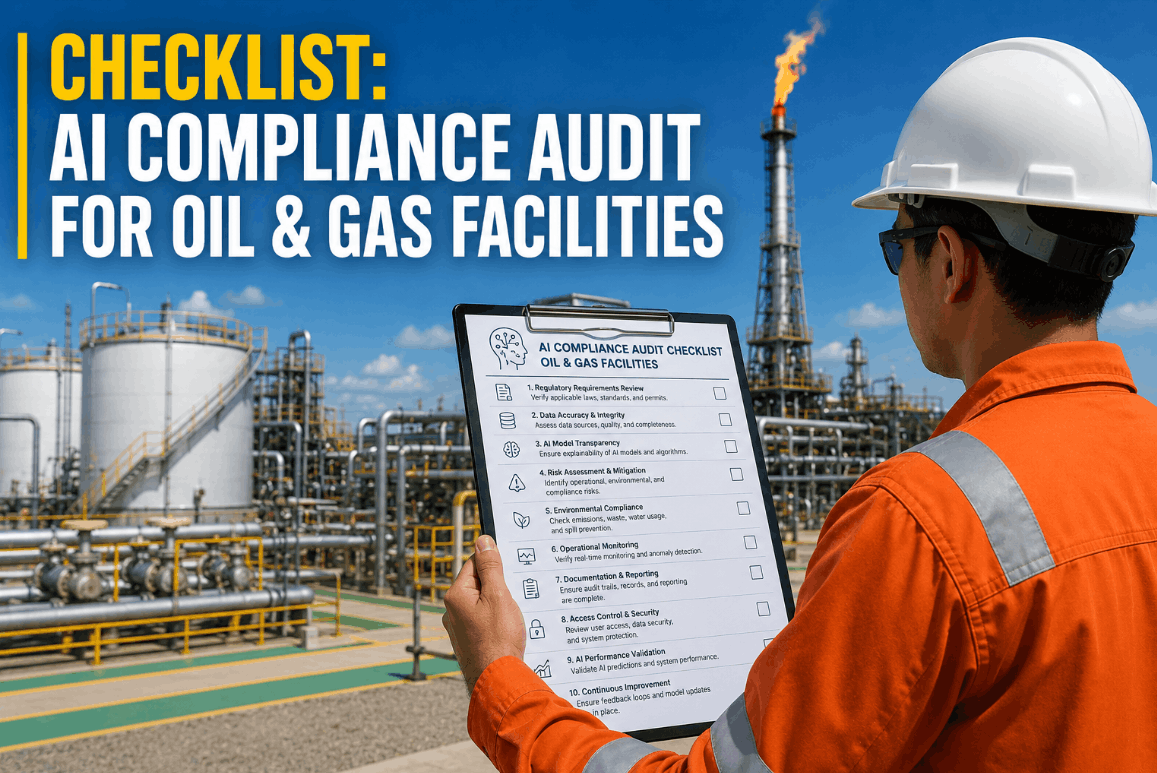
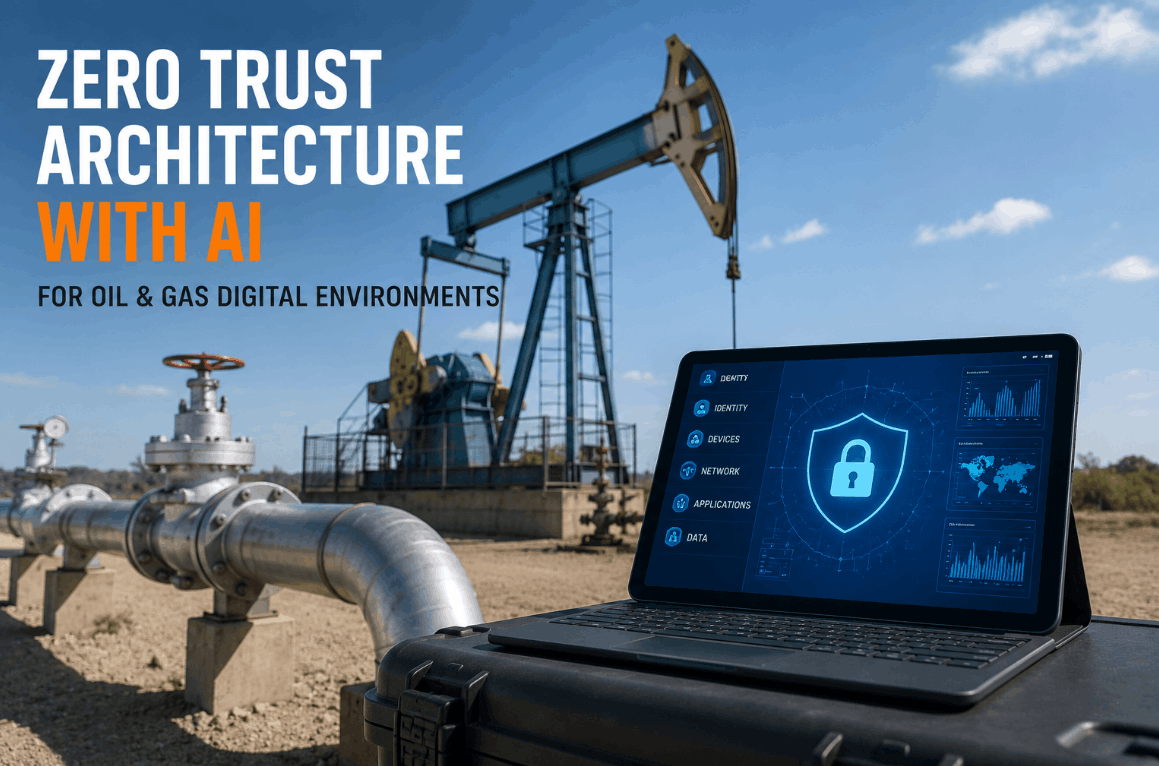
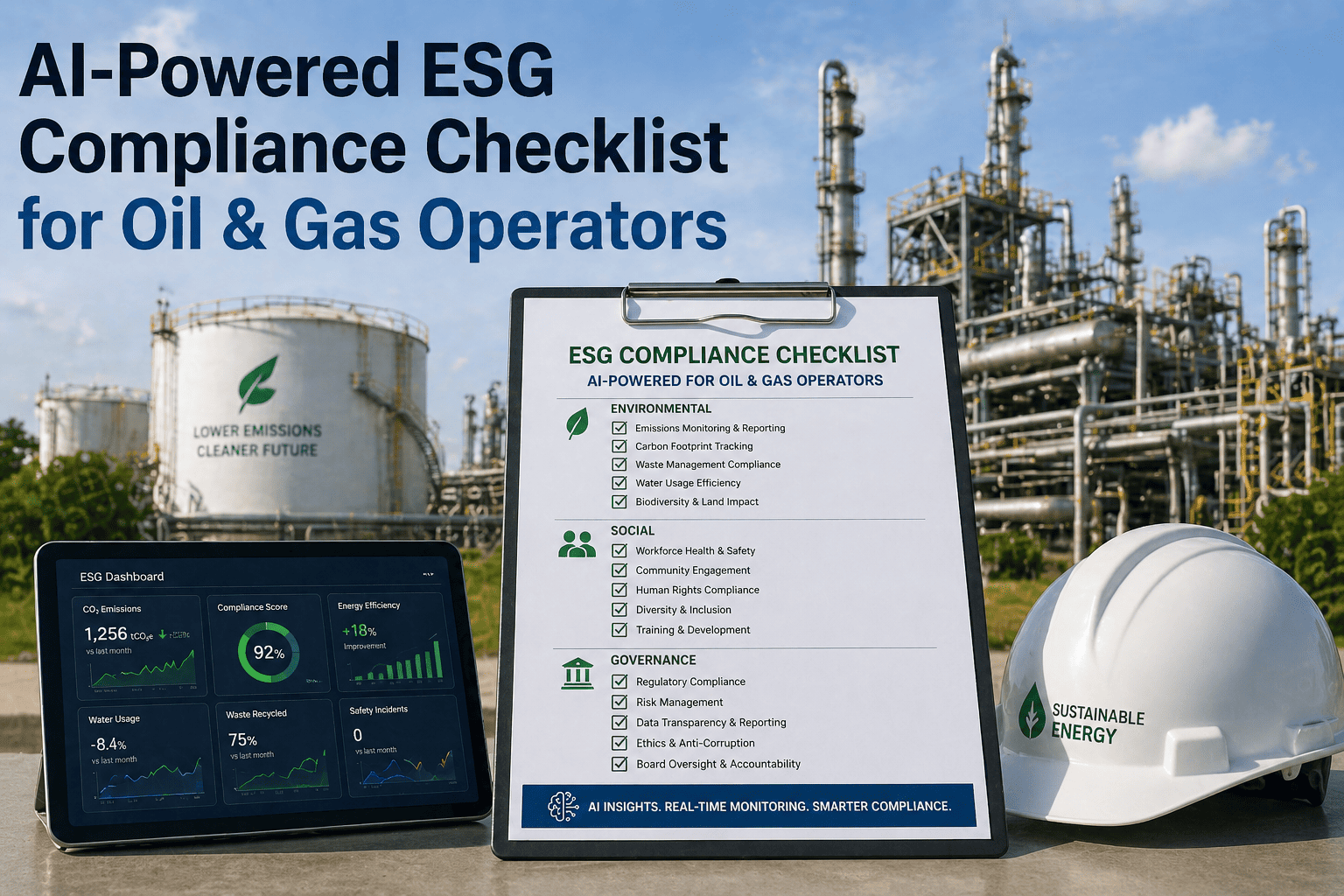
AI-powered cybersecurity auditing is reshaping how oil and gas facilities identify, assess, and respond to operational technology (OT) threats. Facilities across upstream, midstream, and downstream segments face a rapidly evolving threat landscape — from ransomware targeting SCADA systems to nation-state intrusions on ICS networks — where traditional, periodic audits no longer provide adequate protection. This checklist walks reliability and security professionals through every critical phase of an AI-powered cybersecurity audit, from OT asset discovery and network segmentation validation through AI-driven anomaly detection, zero trust architecture, and incident response readiness. Operators preparing for an AI cybersecurity deployment who Book a Demo with iFactory receive a facility-specific security gap assessment before any implementation begins.
Why AI Cybersecurity Audits Are Now a Baseline Requirement in Oil & Gas
OT Networks Are High-Value, High-Exposure Targets
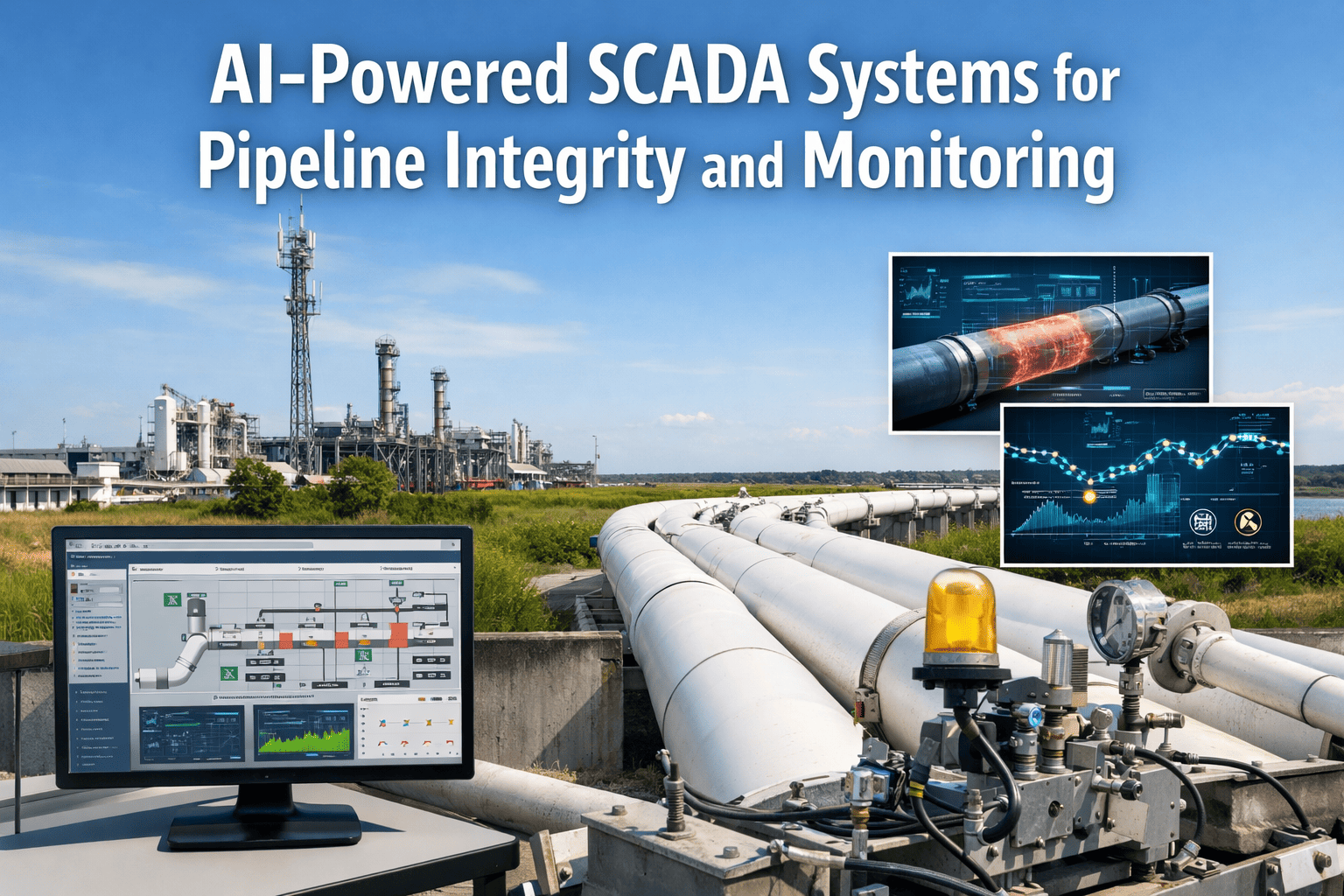
Oil and gas OT environments — SCADA systems, DCS networks, PLCs, and historian servers — are increasingly targeted because they control physical processes with direct safety and financial consequences. Traditional IT security tools are blind to OT protocols like Modbus, DNP3, and OPC-DA, leaving critical process networks unmonitored without purpose-built AI detection.
Compliance Frameworks Demand Continuous Audit Evidence
NERC CIP, IEC 62443, NIST CSF, and TSA Pipeline Security Directives require documented, repeatable security assessments across OT environments. Point-in-time audits conducted annually no longer satisfy regulators — AI-driven continuous monitoring provides the audit trail that satisfies both operational and compliance requirements simultaneously.
AI Cybersecurity Audit Checklist — 6 Critical Phases
Traditional vs. AI-Powered Cybersecurity Auditing: Key Differences
| Audit Dimension | Traditional Audit | AI-Powered Audit |
|---|---|---|
| Frequency | Annual or semi-annual | Continuous, real-time |
| OT Asset Coverage | Sampled — not exhaustive | 100% passive enumeration |
| Threat Detection Speed | Days to weeks post-event | Minutes to hours |
| OT Protocol Awareness | Limited — IT-centric tools | Native Modbus, DNP3, OPC-DA parsing |
| Compliance Evidence | Manual report compilation | Automated, audit-ready reports |
| False Positive Rate | High — rule-based signatures | Low — behavioral baseline AI |
| Incident Response Integration | Manual escalation only | Automated playbook triggering |
Expert Perspective: What Separates Resilient OT Security Programs from Vulnerable Ones
The facilities that weather OT cyber incidents without operational disruption share one common characteristic: they treated their OT network like a manufacturing floor, not an IT environment. Every device has a known baseline, every communication path is documented, and anomalies trigger response — not just alerts. The AI tools available today can establish that baseline passively, without touching a single live PLC. The gap between vulnerable and resilient isn't technology — it's whether anyone actually deployed the asset inventory and behavior monitoring that's been available for years. The checklist discipline is the differentiator.
Conclusion: Execute Your AI Cybersecurity Audit With Operational Confidence
A structured AI cybersecurity audit checklist is the engineering discipline that converts regulatory obligation into genuine operational resilience. The six phases outlined here — from OT asset discovery and network segmentation through AI anomaly detection, zero trust validation, and incident response readiness — reflect the sequence that consistently delivers the most defensible security posture with the least disruption to live operations. Oil and gas facilities that complete this checklist systematically reduce their attack surface, accelerate incident detection, and maintain continuous audit evidence that satisfies NERC CIP, IEC 62443, and TSA Pipeline Security Directive requirements simultaneously. Security and reliability teams ready to validate their AI cybersecurity readiness are encouraged to Book a Demo with iFactory and receive a facility-specific OT security gap assessment before any deployment commitment is made.