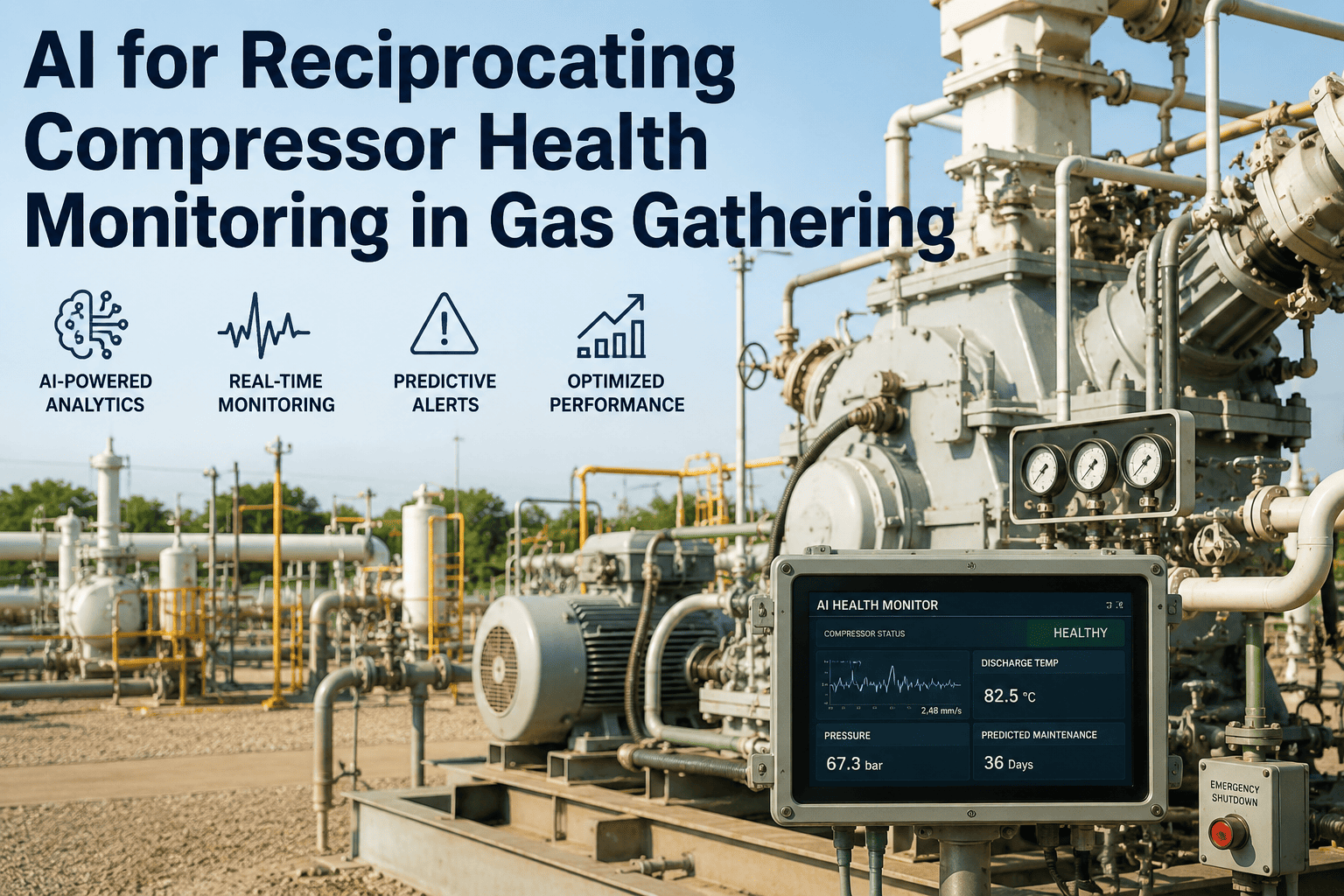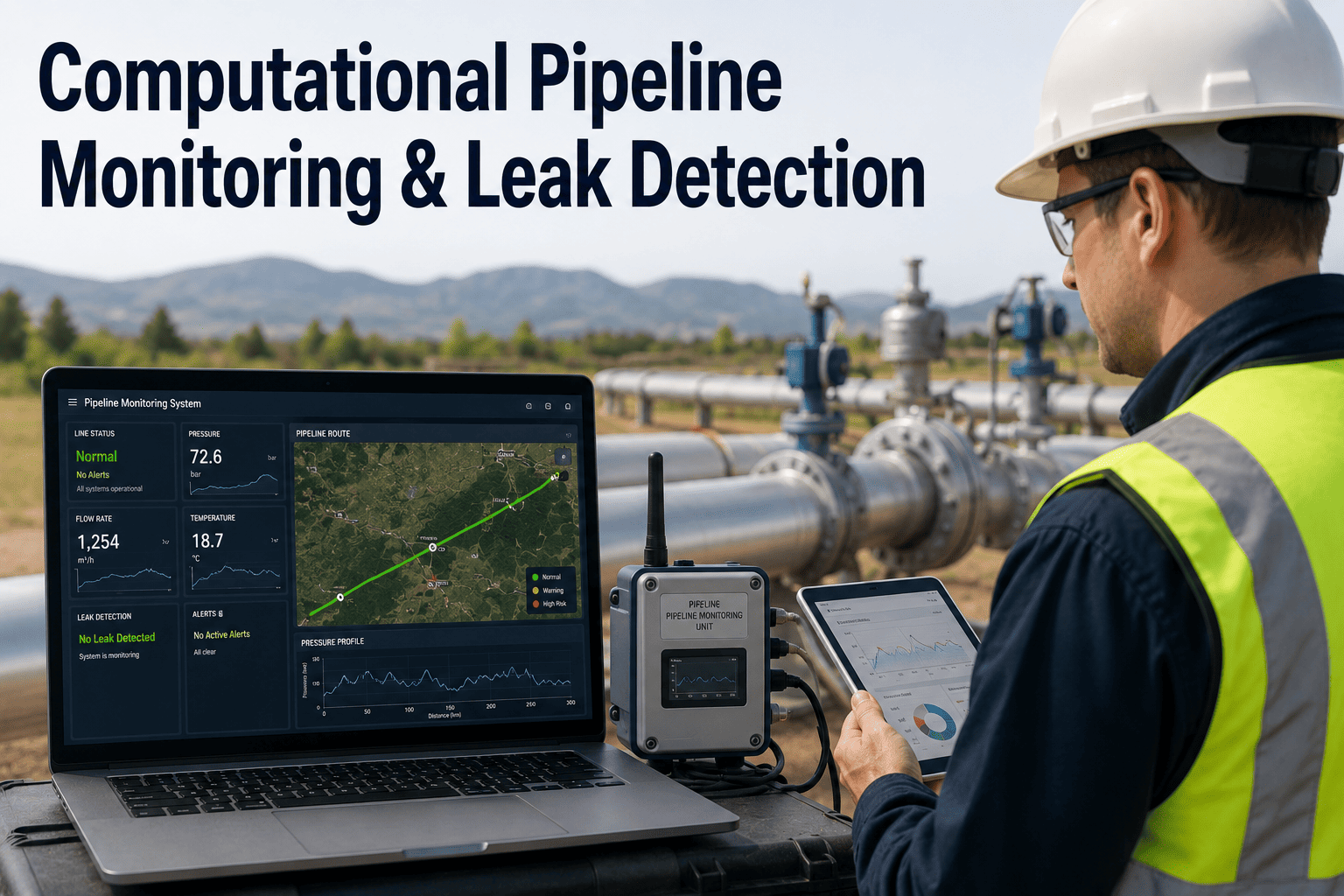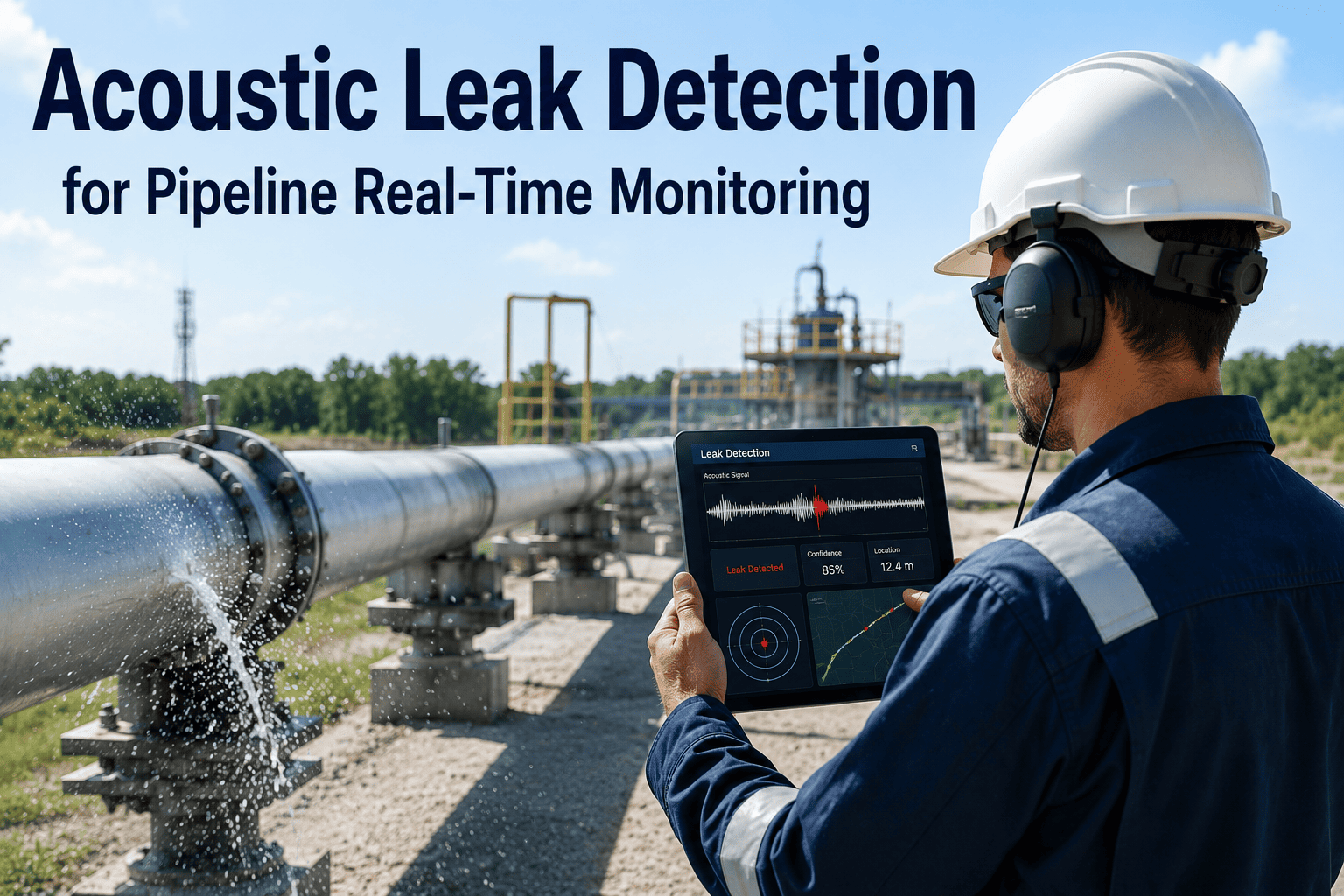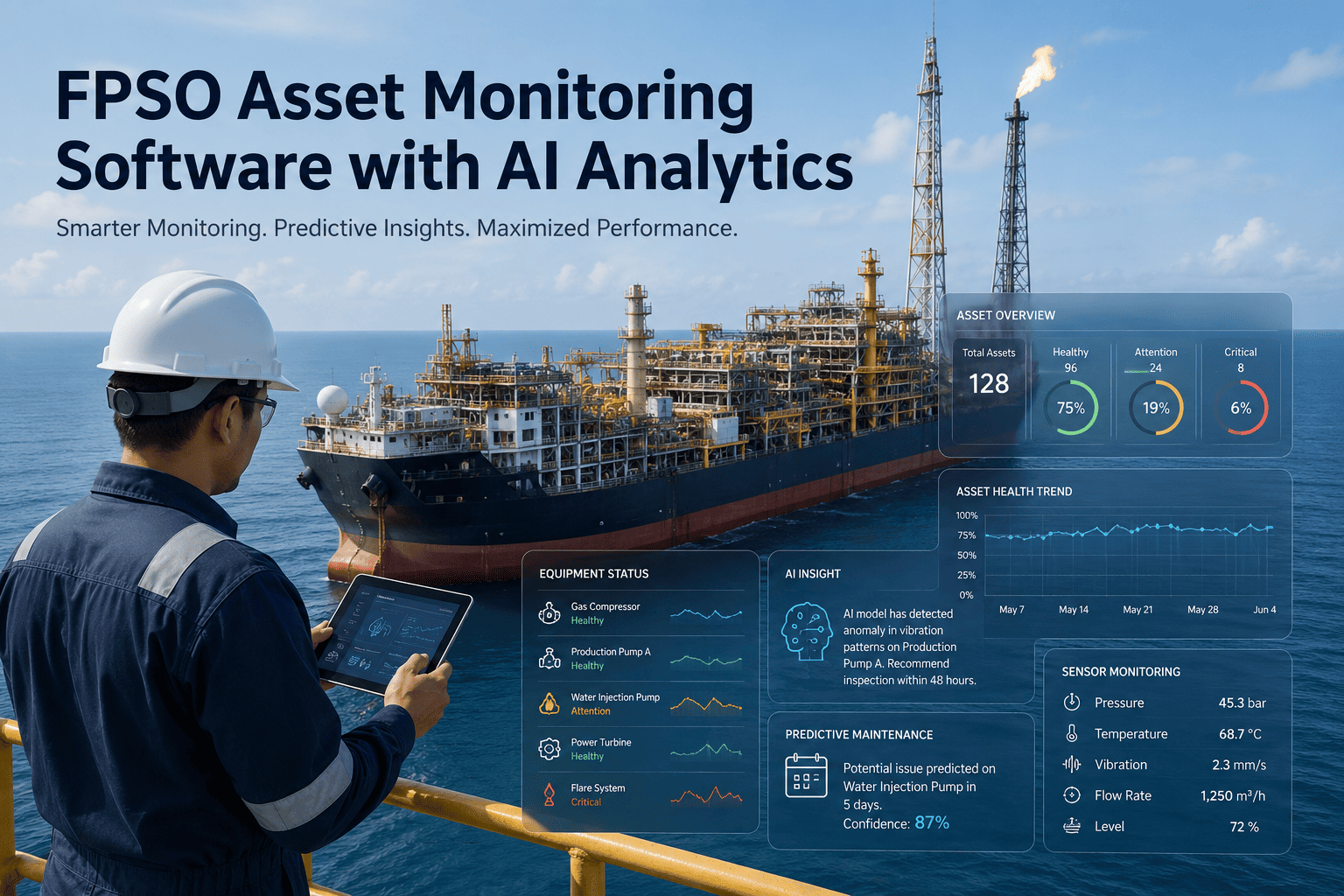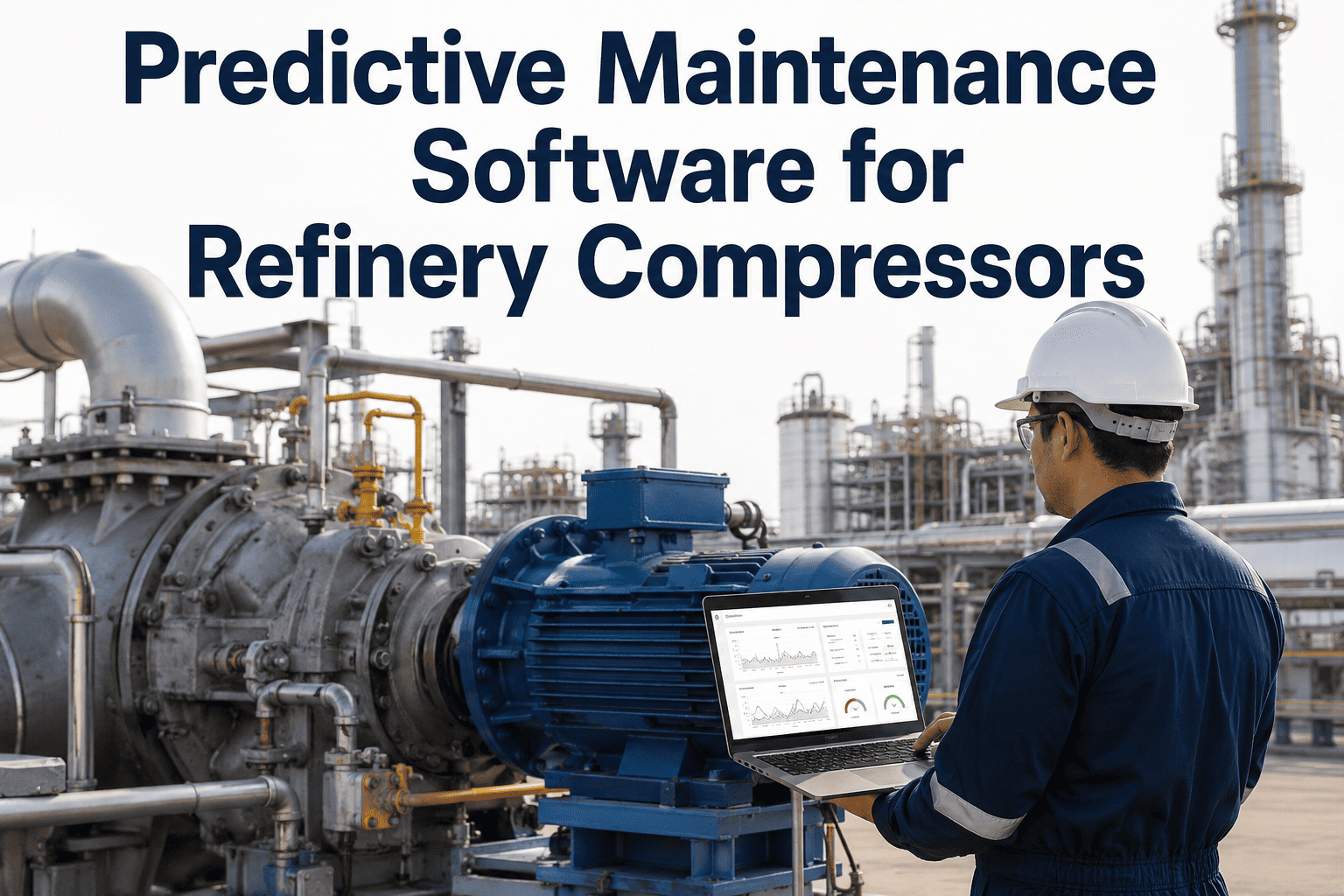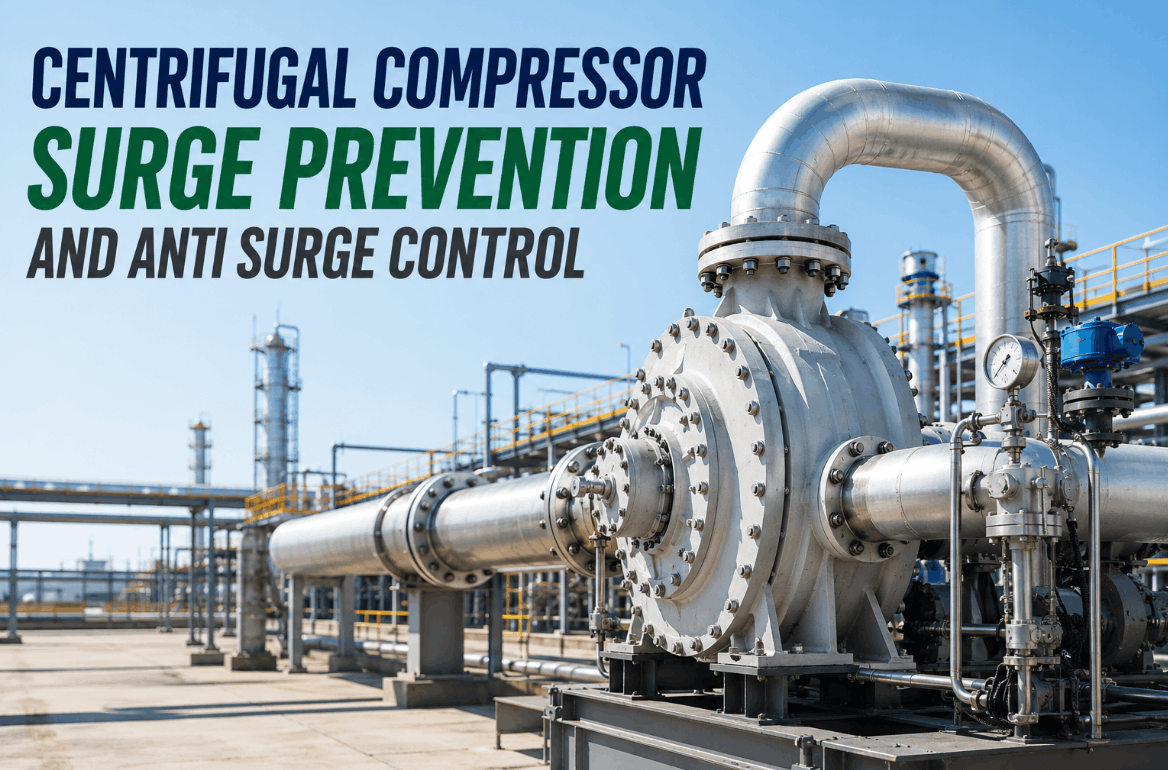
Gas compressors are the beating heart of midstream and downstream oil & gas operations, responsible for maintaining pipeline pressure, enabling gas lift in upstream wells, and driving process gas flows in refineries and petrochemical plants. A single unplanned compressor trip at a major gas compression station can cascade into production losses exceeding $500,000 per day, while triggering costly emergency maintenance, environmental penalties, and safety hazards. Traditional time-based maintenance programs, which replace valves, rings, and bearings on fixed schedules, are fundamentally misaligned with the actual wear patterns of these complex rotating and reciprocating machines. By contrast, AI-driven predictive maintenance (PdM) leverages high-frequency vibration analysis, thermodynamic modeling, and machine learning to detect early indicators of failure such as valve leakage, piston ring degradation, bearing spalling, and incipient surge conditions. This guide provides an exhaustive technical deep-dive into the failure modes, sensor strategies, and AI algorithms that enable condition-based monitoring for reciprocating, centrifugal, and screw compressors, helping plant managers and reliability engineers achieve zero unplanned downtime. Book a Demo to see how iFactory's AI platform transforms your compression asset reliability.
Eliminate Compressor Failures with AI-Driven PdM
Reduce unplanned downtime by 70% and extend compressor overhaul intervals by 40%. Get a custom deployment plan for your fleet.
Critical Failure Modes in Gas Compressors
Understanding the physics of failure is essential for selecting the right sensors and AI models. Each compressor type exhibits distinct degradation patterns that can be detected with targeted monitoring strategies.
Reciprocating Compressor Failures
Valve leakage due to fatigue cracking or debris entrapment causes loss of volumetric efficiency and overheating. Piston ring wear leads to blow-by and increased power consumption. Crosshead pin and connecting rod bearing wear generate characteristic vibration sidebands. Cylinder liner scoring from lubrication failure produces high-frequency bursts. AI models trained on pressure-volume (PV) diagram deviations can detect valve leaks with 95% accuracy weeks before a trip.
Centrifugal Compressor Failures
Surge conditions, where flow reverses catastrophically, cause rapid temperature rise and mechanical damage. Thrust bearing wear due to unbalanced axial loads generates subsynchronous vibration. Shaft misalignment and coupling wear produce 1x and 2x running speed harmonics. Diffuser fouling from process gas contaminants reduces stage efficiency. AI-driven surge prediction using compressor map monitoring can prevent surge events by adjusting recycle valves preemptively.
Screw Compressor Failures
Rotor tip wear and timing gear backlash cause efficiency loss and increased noise. Bearing failure in the male and female rotors generates high-frequency vibration signatures. Oil system degradation (contamination, viscosity loss) leads to rotor seizure. AI models analyzing oil debris particle count, temperature, and vibration harmonics can predict bearing failure up to 30 days in advance.
Sensor Strategy for Comprehensive Compressor Monitoring
Deploying the right sensor suite is the foundation of any successful PdM program. The following table maps failure modes to optimal sensor types and placement.
| Failure Mode | Compressor Type | Primary Sensor | Placement | AI Algorithm |
|---|---|---|---|---|
| Valve Leak | Reciprocating | Dynamic Pressure Transducer | Cylinder Head | PV Curve Anomaly Detection |
| Piston Ring Wear | Reciprocating | Accelerometer (10 kHz) | Cylinder Wall | Envelope Spectrum Analysis |
| Surge | Centrifugal | Flow Meter + Pressure | Inlet/Outlet | Compressor Map Regression |
| Thrust Bearing Wear | Centrifugal | Proximity Probe | Thrust Collar | Orbit Plot Classification |
| Rotor Tip Wear | Screw | Accelerometer (20 kHz) | Casing Over Rotor | High-Frequency Enveloping |
| Oil Contamination | Screw | Oil Debris Sensor | Return Line | Particle Count Trend |
AI Model Architecture for Compressor Diagnostics
Modern AI PdM systems employ a multi-tier architecture that combines signal processing, feature extraction, and supervised learning. For reciprocating compressors, convolutional neural networks (CNNs) applied to time-frequency representations of vibration data can classify valve condition with 97% accuracy. Centrifugal compressor surge prediction uses recurrent neural networks (LSTMs) that learn the temporal dynamics of flow, pressure, and speed. Screw compressor health indices are computed using Gaussian process regression on oil temperature, viscosity, and vibration RMS trends. The fusion of these models into a single health dashboard enables reliability engineers to prioritize maintenance actions based on remaining useful life (RUL) estimates.
Data Acquisition
Collect 10-20 kHz vibration, pressure, temperature, and flow data at 1-second intervals from edge devices.
Feature Engineering
Extract RMS, crest factor, sideband magnitude, and PV curve deviation metrics from raw signals.
Model Training
Train CNNs, LSTMs, or random forests on labeled failure data from historical compressor trips.
RUL Estimation
Deploy models to edge or cloud to compute remaining useful life for each critical component.
Actionable Alerts
Send prioritized alerts to CMMS with recommended corrective actions and parts lists.
Transform Your Compression Reliability Program
Integrate AI predictive maintenance across your entire compressor fleet. Reduce unplanned downtime and optimize maintenance spend.
Compressor Health Index: A Unified Metric
The compressor health index (CHI) is a weighted composite score from 0 to 100 that aggregates the condition of all monitored components: valves, rings, bearings, rotors, and lubrication system. Each component's contribution is weighted by its criticality and historical failure rate. For example, a reciprocating compressor with a valve health of 70, ring health of 80, and bearing health of 90 yields a CHI of 78. When CHI drops below 50, the system triggers an inspection recommendation. The CHI trend over time provides a clear visual of degradation rate, enabling proactive scheduling of overhauls during planned outages rather than emergency shutdowns.
Case Study: Centrifugal Compressor Surge Prevention
A major Gulf Coast gas processing plant operating four 10-MW centrifugal compressors experienced an average of three surge events per year, each causing a 48-hour outage for inspection and reconditioning. iFactory deployed an AI surge prediction model using 12 months of historical SCADA data covering inlet pressure, outlet pressure, flow rate, and compressor speed. The model achieved a 93% accuracy in predicting surge 15 minutes before the event. By integrating the model's output with the DCS to automatically adjust anti-surge recycle valves, the plant reduced surge events to zero over a 12-month period. The resulting production savings exceeded $2.5 million, and the compressor overhaul interval was extended from 3 to 5 years due to reduced mechanical stress.
Frequently Asked Questions
What is the difference between predictive and preventive maintenance for gas compressors?
Preventive maintenance follows a fixed schedule (e.g., every 8,000 hours) to replace parts regardless of actual condition, leading to unnecessary downtime and wasted components. Predictive maintenance uses real-time sensor data and AI models to assess the actual health of each component, enabling maintenance only when a fault is imminent. For example, instead of replacing reciprocating compressor valves every year, predictive maintenance can detect valve leakage early and schedule replacement during a planned shutdown, reducing overall maintenance costs by up to 30%. Book a Demo to see how iFactory's platform implements condition-based maintenance for your fleet.
Can AI detect compressor valve leaks in real time?
Yes, AI models can detect valve leaks with very high accuracy in real time. By analyzing high-frequency dynamic pressure signals from the cylinder head and comparing them to a baseline healthy PV diagram, the model identifies deviations caused by leakage. Advanced envelope spectrum analysis on vibration data can further isolate the specific valve (suction or discharge) that is leaking. iFactory's platform provides real-time alerts with a confidence score, allowing operators to take immediate action. Book a Demo to see a live demonstration of valve leak detection.
What sensors are required for screw compressor monitoring?
Effective screw compressor monitoring requires a combination of vibration accelerometers (mounted on the casing near the male and female rotor bearings), oil debris sensors in the lubrication return line, temperature sensors for oil and discharge gas, and pressure transducers for suction and discharge. The vibration sensors should have a frequency range up to 20 kHz to capture rotor mesh frequencies. iFactory's platform can integrate data from existing sensors or provide a complete sensor package. Contact Support for a detailed sensor specification guide.
How does AI prevent centrifugal compressor surge?
AI prevents surge by continuously monitoring the compressor's operating point on its performance map (head vs. flow). The model learns the surge limit line from historical data and predicts when the operating point is approaching the surge boundary. When the model forecasts a surge event (typically 10-30 minutes ahead), it sends a signal to the DCS to open the anti-surge recycle valve, increasing flow and moving the operating point away from the surge line. This proactive approach avoids the mechanical and thermal stress of actual surge events. Book a Demo to see how our surge prediction model integrates with your control system.
What is the ROI of implementing compressor PdM?
The ROI of compressor PdM is compelling. Typical results include a 70% reduction in unplanned downtime, 30% reduction in maintenance costs, 40% extension of overhaul intervals, and a 15% increase in energy efficiency due to optimized compressor operation. For a mid-sized gas compression station with 10 compressors, the annual savings can exceed $1.5 million. The payback period for the PdM system is typically 6-12 months. Book a Demo to get a custom ROI calculation for your facility.