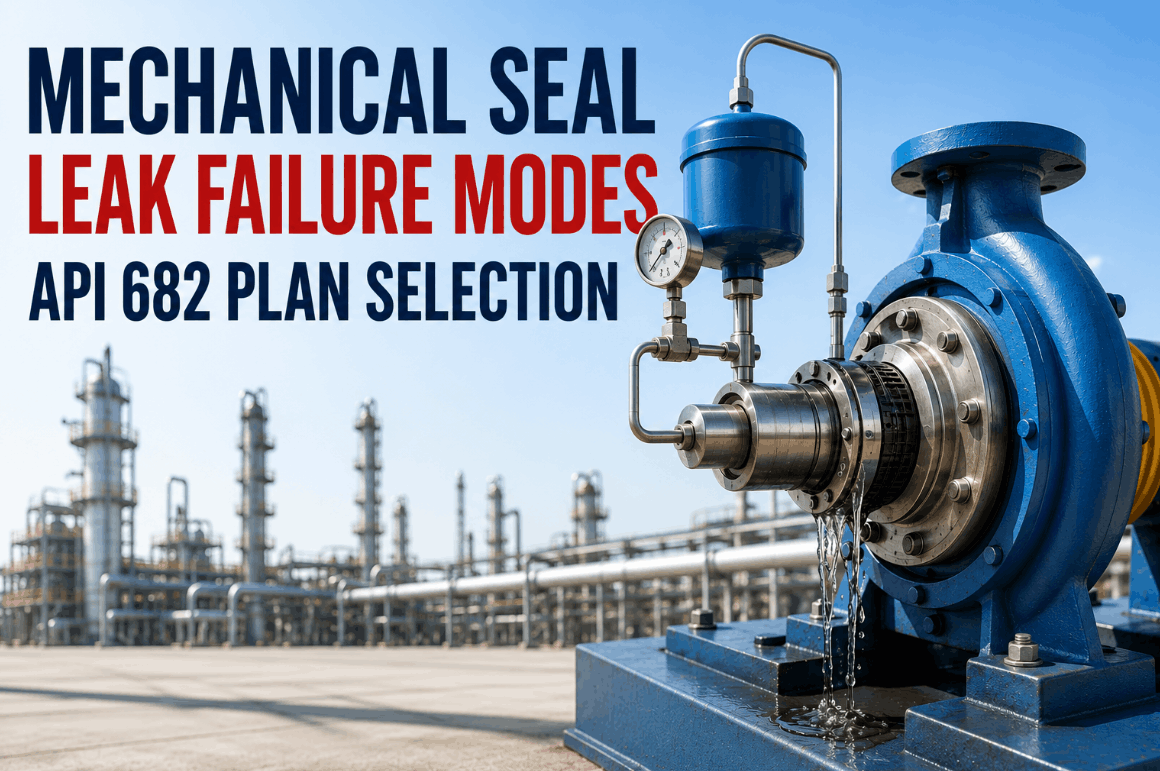
Mechanical seal failure is the single most common cause of pump downtime in U.S. refinery and petrochemical operations — and in hydrocarbon service, a seal leak is never just a maintenance event. It is a process safety incident, an emissions violation, and a lost-production event compressed into one. Industry analysis of more than 11,000 mechanical seal failures across process plants found that 85% of mechanical seals fail long before they are worn out — meaning the seal specification was sound but something in the operating environment, flush plan execution, or seal pot management broke down first. The API 682 standard exists precisely to give reliability engineers a structured framework for matching seal arrangement and piping plan to service conditions — but selecting the right plan on paper and keeping it performing in the field are two different disciplines. Facilities that Book a Demo with iFactory are finding that continuous seal support system monitoring — tracking barrier fluid level, temperature, pressure, and flush flow rates in real time — closes the gap between specification and actual seal reliability in a way that periodic inspection rounds simply cannot.
The Six Failure Modes That End Seal Life Early in Hydrocarbon Pumps
Why the Seal Specification Is Only Half the Reliability Equation
A correctly specified API 682 seal facing the wrong operating conditions will fail just as surely as a mis-specified seal. Root cause analysis across hundreds of pump seal failures consistently identifies the same six mechanisms — none of which are visible on a nameplate or in a P&ID. iFactory monitors the physical signatures of each failure mode in real time, giving your reliability team the lead time to intervene before the seal face opens and the hydrocarbon reaches the atmosphere.
API 682 Plan Selection: Matching Flush Plan to Service Conditions
A Decision Framework for Plans 11, 32, 52, 53A, and 54
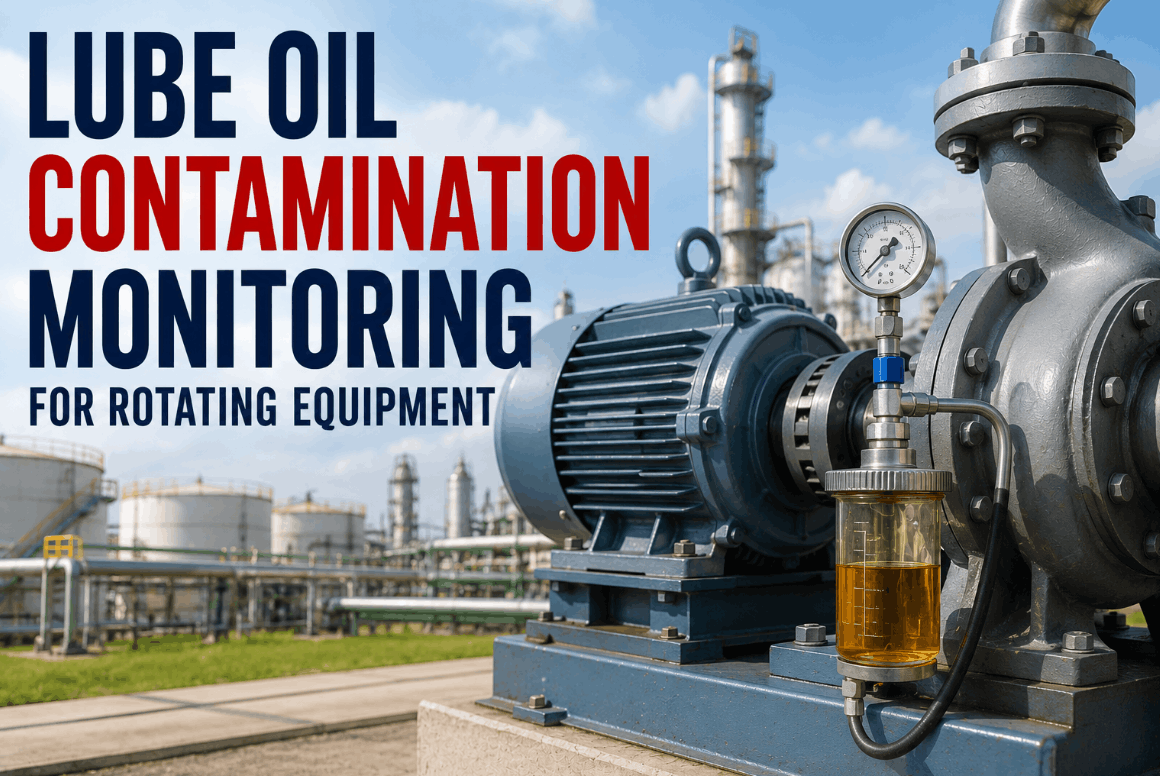
The most common engineering error in seal reliability programs is not wrong plan selection — it is correct plan selection with inadequate field monitoring of the support system. A Plan 53B with a stuck check valve delivers the same poor MTBF as a completely wrong specification. iFactory monitors the live health of each plan's support hardware, not just the seal itself. Reliability engineers who Book a Demo frequently discover that their highest-failure-rate seals are running on correctly specified plans whose support systems have been operating degraded for months.
| API 682 Plan | Arrangement | Fluid System | Best-Fit Service | Primary Failure Mode | iFactory Monitoring Parameter |
|---|---|---|---|---|---|
| Plan 11 | Single Seal | Process fluid recirculation from discharge | Clean, cool hydrocarbon <150°C with adequate vapor margin | Orifice clogging; reduced flush flow; face overheating | Flush ΔP across orifice; seal chamber temperature trend |
| Plan 32 | Single Seal | External clean flush from separate source | Dirty, abrasive, or corrosive fluids that would destroy seal faces | External flush supply failure; flow rate drop | External flush pressure and flow rate; source supply alarm |
| Plan 52 | Dual Unpressurized | Buffer fluid reservoir at atmospheric/low pressure | Light hydrocarbons, high vapor pressure fluids; emissions containment | Buffer fluid contamination from inboard seal leak; outboard seal failure | Buffer fluid level trend; temperature rise; contamination rate |
| Plan 53A | Dual Pressurized | Barrier fluid reservoir + nitrogen pressurization (10 psi over seal chamber) | Toxic, flammable, or zero-emission hydrocarbon service | Barrier fluid level drop (primary seal wear); nitrogen pressure loss | Barrier fluid level; N₂ pressure; level trend slope (leak rate calc) |
| Plan 54 | Dual Pressurized | Externally pressurized barrier from central supply pump | High temperature service >400°F where 53-series heat load is excessive | External supply failure; barrier pressure loss; process fluid release | Barrier supply pressure; flow rate; supply pump health; redundancy status |
How Seal Pot Management Determines Actual Seal Life
The Maintenance Activity That Separates 6-Month MTBF from 3-Year API 682 Performance
Multiple mechanical seal failures in a single crude distillation unit resulted in documented losses exceeding $3 million over three years — not because the seals were wrongly specified, but because the maximum seal life achieved never exceeded six months against the API 682 target of three years. The root cause in most such cases is the same: seal pot and support system management was reactive rather than data-driven. Operators checked fluid levels and temperatures on shift rounds. By the time a problem was visible on a round, the damage was already done. iFactory replaces round-based spot-checks with continuous telemetry from seal support systems, enabling reliability engineers to track the leading indicators of seal degradation — not the lagging indicators of seal failure. The platform's 180-day failure foresight capability generates procurement and maintenance work orders before the support system reaches a critical state.
Safety and Regulatory Consequences of Seal Failure in Hydrocarbon Service
LDAR Compliance, Fugitive Emissions, and the Cost of a Seal Leak Event
In the U.S. refining industry, a mechanical seal leak is not just an equipment reliability issue — it is a federal air quality compliance event under 40 CFR Part 63 LDAR regulations. A leaking seal on a light hydrocarbon service pump triggers a required repair timeline, LDAR monitoring log entries, and potentially a Method 21 emission measurement that becomes part of your Title V permit record. In flammable service, a seal failure can escalate to a process safety incident reportable under OSHA PSM (29 CFR 1910.119). iFactory's continuous seal support system monitoring provides the real-time data infrastructure needed to demonstrate active barrier fluid integrity — giving compliance teams defensible evidence that dual-seal systems were pressurized and performing within specification at all times.
Conclusion: From Reactive Seal Replacement to Continuous Seal Life Management
The API 682 standard gives U.S. reliability engineers a rigorous framework for seal and flush plan selection — but the standard's 3-year seal life target is only achievable when the support system performs as designed, continuously and verifiably. Mechanical seals fail early not because the standard is inadequate but because the operating data needed to keep the support system performing is collected too infrequently, interpreted too manually, and acted on too late. iFactory's continuous seal support monitoring platform converts the physical parameters of every API 682 plan — barrier fluid level and consumption rate, flush temperature, orifice differential pressure, buffer pot contamination — into a live reliability signal that your team can act on days or weeks ahead of a seal failure. For refineries managing dozens of critical pumps in toxic and flammable hydrocarbon service, the difference between detecting a degrading Plan 53A at 40% carbon wear and responding to a seal failure under live process conditions is measured in LDAR compliance records, PSM incident logs, and six-figure repair costs. Book a Demo with iFactory's rotating equipment team to map your critical seal fleet against the monitoring framework and build a deployment plan aligned with your next turnaround.
Frequently Asked Questions
What is the difference between API 682 Plan 52 and Plan 53A for dual seals?
Plan 52 uses an unpressurized buffer reservoir — process fluid can reach the atmosphere if the outboard seal fails; it suits non-hazardous or low-emission-risk services. Plan 53A uses a nitrogen-pressurized barrier reservoir maintained at least 10 psi above seal chamber pressure, ensuring process fluid can never escape past the primary seal — required for toxic and flammable services.
How does iFactory detect a clogged Plan 11 flush orifice before seal damage occurs?
iFactory tracks the differential pressure across the Plan 11 orifice and the seal chamber temperature trend continuously — a rising chamber temperature with stable or falling flush ΔP is the signature of a partially clogged orifice, detectable weeks before face overheating causes measurable seal wear.
When should Plan 54 be used instead of Plan 53A for pressurized dual seals?
Plan 54, which supplies barrier fluid from an external pressure source, is used when service temperatures exceed 400°F and the heat load overwhelms the self-contained Plan 53A reservoir — or when multiple seals in a unit share a central barrier system for operational simplicity.
Can iFactory integrate with existing CMMS and ERP systems for seal work order generation?
Yes — iFactory connects bidirectionally with SAP, Oracle, and Microsoft Dynamics, automatically generating seal maintenance work orders and procurement requisitions when barrier fluid consumption rate trends or seal temperature parameters cross configurable thresholds.
What is the typical MTBF improvement for seal monitoring deployments?
Most refinery deployments achieve seal MTBF extension of 40–60% within the first year, primarily by catching flush system degradation and barrier fluid consumption anomalies before they progress to face failure — moving the majority of seal replacements from emergency to planned maintenance events.