Oil and gas wellhead operations manage 40-120 concurrent production wells across expansive geographic areas where each wellhead generates continuous sensor data from pressure gauges, temperature sensors, and flow meters yet without real-time integration into centralized monitoring systems preventing immediate visibility into equipment condition changes until production loss or safety alarms trigger emergency response 24-72 hours after degradation begins. Wellhead equipment failures including tubing corrosion, valve seal degradation, and packer leakage progress silently as internal wear accumulates without external indicators until catastrophic failure displaces complete wellhead replacement costing $180,000-$420,000 per event including replacement equipment, emergency contractor mobilization, and extended production downtime. iFactory's AI-powered IoT monitoring platform transforms wellhead management by deploying distributed sensors capturing real-time pressure, temperature, and flow data from all wells, detecting equipment degradation patterns 30-60 days in advance, automating pressure optimization coordinating wellhead conditions with production requirements, and enabling remote intervention through automated valve control preventing the catastrophic failures destroying upstream profitability. Book a Demo to see how iFactory's IoT sensors detect wellhead equipment failures and optimize production within 8 weeks.
Wellhead Operations Across Diverse Upstream Environments
Wellhead equipment represents the critical interface between subsurface production and topside infrastructure where real-time monitoring of pressure, temperature, and flow enables operators to detect emerging problems enabling intervention before catastrophic failure occurs costing millions in lost production and emergency replacement. IoT sensor networks deployed across wellhead manifolds capture continuous equipment parameters enabling artificial intelligence analysis predicting equipment degradation 30-60 days in advance of failure. Automated pressure optimization responding to real-time wellhead conditions extends equipment life through load balancing preventing chronic overpressure-induced seal degradation.
Real-Time IoT Wellhead Monitoring Across All Well Locations
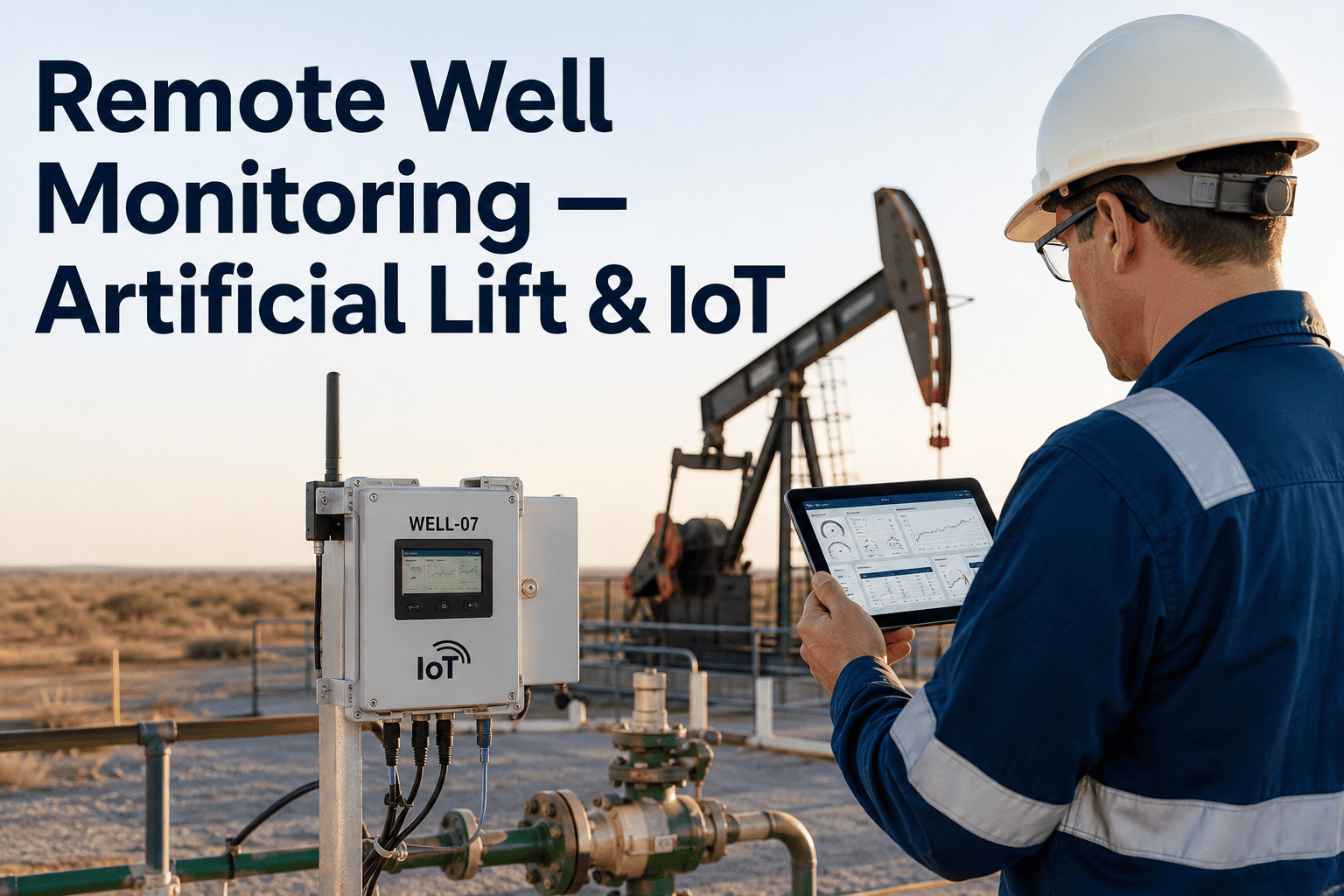
iFactory deploys distributed IoT sensors on all wellheads providing real-time pressure, temperature, and flow monitoring from onshore, offshore, and remote locations. Centralized dashboard provides single-screen visibility into complete well fleet enabling predictive intervention before failures cascade. Live in 8 weeks with sensor installation across all well locations. Book a demo to see IoT wellhead configuration for your field operations.
Wellhead Equipment Failure Mechanisms and Detection Challenges
Wellhead equipment operates under extreme pressure and temperature conditions where internal wear progresses invisibly until catastrophic failure occurs. Real-time monitoring through distributed IoT sensors enables immediate detection of degradation patterns preventing equipment failures through predictive maintenance intervention.
| Equipment | Failure Mode Progression | Detection Method (Without IoT) | Cost of Undetected Failure |
|---|---|---|---|
| Tubing Corrosion | Internal corrosion from acid gas exposure creates wall thinning. Perforation risk increases exponentially as wall thickness decreases. External visual inspection impossible without wellhead removal. | Manual corrosion probe insertion at scheduled inspections. 30-60 day intervals allow significant wall thinning between checks. Failure discovered through sudden pressure drop. | $180K-$320K emergency wellhead replacement plus 8-14 days production loss. Cascade failures in downstream equipment from pressure surge during tubing rupture. |
| Valve Seal Degradation | Elastomer seals degrade under sustained pressure and temperature cycling. Initial micro-leakage invisible at surface. Progressive seal wear enables increasing flow bypass reducing pressure control. | Pressure decline inference from production reporting. Often attributed to reservoir decline rather than equipment failure delaying intervention. Physical seal inspection requires wellhead removal. | $140K-$280K valve replacement cost. 4-12 week production decline period with uncontrolled pressure loss affecting safety systems and downstream infrastructure. |
| Packer Leakage | Packer element extrusion from differential pressure cycling creates microannular leakage. Fluid migration into outer casing progresses across days and weeks. Undetected until surface pressure anomalies emerge. | Casing pressure monitoring from surface gauges. Slow pressure rise indicates leakage but source remains hidden. Remediation requires expensive sidetrack drilling. | $240K-$480K sidetrack drilling and re-abandonment. 3-6 month well recovery timeline. Environmental liability if formation fluids reach surface. |
| Choke Orifice Erosion | Sand production and high-velocity flow erode choke restriction creating enlarged orifice. Pressure control capability progressively degrades. Production changes gradual enabling late detection. | Production rate decline attributed to reservoir changes. Manual choke inspection quarterly at best. Erosion progression invisible until severe backpressure loss occurs. | $80K-$180K choke replacement and associated tubing damage remediation. Weeks of reduced production during erosion progression before detection. |
| Sensor Malfunction | Pressure and temperature sensors corrode or lose calibration creating false readings. Sensor failure renders wellhead blind to actual conditions. Operator decisions based on incorrect data. | Manual calibration checks at scheduled intervals. Failed sensors discovered only when discrepancies noticed during field visits. Days to weeks of incorrect data during failure progression. | $15K-$40K sensor replacement plus operational errors from false pressure readings potentially damaging equipment or creating safety hazards. |
IoT Sensor Architecture for Comprehensive Wellhead Monitoring
iFactory's IoT monitoring platform deploys distributed sensors capturing complete wellhead equipment status enabling artificial intelligence analysis detecting degradation patterns invisible to periodic manual inspections. Real-time pressure optimization automatically adjusts choke settings coordinating surface equipment loads with production requirements extending equipment life through load balancing.
iFactory IoT sensors provide real-time visibility into all wellhead parameters enabling predictive failure detection, automated pressure optimization, and remote equipment control preventing catastrophic failures through continuous condition monitoring.
IoT sensors deployed on all wellheads capturing pressure at tubing head, casing, and choke point; temperature at multiple depths; and production flow rate at surface. Data transmitted wirelessly or via hardline communication every 30-60 seconds enabling immediate detection of pressure or flow anomalies. Sensor redundancy ensures continued monitoring even if individual sensor fails. Book a demo to see real-time sensor networks in action.
Machine learning analyzes pressure decline trends, temperature cycling patterns, and flow rate changes identifying equipment degradation signatures. Tubing corrosion detected from pressure loss rates exceeding geologic decline. Packer leakage identified from casing pressure rise anomalies. Choke erosion detected from backpressure loss trajectories. AI models trained on facility-specific equipment history enabling accurate failure prediction tailored to your wellhead characteristics and operating conditions.
Real-time pressure data enables automated choke control systems adjusting orifice position maintaining optimal backpressure minimizing seal stress and extending equipment life. Pressure optimization algorithms balance production rates against surface equipment stress enabling maximum throughput without accelerated seal degradation. Coordinated optimization across well fleet prevents pressure swings affecting downstream infrastructure.
When IoT sensors detect equipment degradation exceeding safe operating thresholds, automated systems activate downhole safety valves isolating wellhead from reservoir pressure preventing catastrophic equipment failure. Remote operators can command valve closure or choke adjustment within seconds of emergency detection. Manual intervention capability preserved for critical situations while routine optimization fully automated.
IoT sensors operate with intermittent connectivity using offline data buffering synchronizing with central system when communication restores. Desert and remote locations supported through satellite or radio-based communication. Offshore installations integrated via platform wireless networks. Unified dashboard provides single-screen visibility into all wells regardless of location or communication mode.
IoT data across complete well fleet enables pattern analysis identifying common equipment failure signatures enabling proactive intervention before failures occur. Comparative analysis across similar wellhead types identifies optimal choke settings, temperature ranges, and pressure profiles. Best practices automatically propagated enabling all operators to benefit from collective experience across fleet.
IoT Implementation Roadmap for Wellhead Monitoring
8-Week Deployment and ROI Plan
Every iFactory engagement follows a structured 8-week program with measurable wellhead management improvements beginning in week 4. Request the full 8-week IoT wellhead deployment scope document customized for your field operations.
Complete IoT Wellhead Monitoring. Live in 8 Weeks. ROI in 4 Weeks.
One Platform, Every Segment. 8 AI-Powered Modules for Complete Oil & Gas Operations. iFactory's fixed-scope deployment delivers complete IoT wellhead monitoring with predictive maintenance, automated pressure optimization, and remote emergency control enabling immediate operational improvements preventing catastrophic failures through predictive intervention.
Use Cases and KPI Results from Live Deployments
These outcomes are drawn from iFactory IoT wellhead deployments at operating upstream oil and gas fields. Each use case reflects 6-month post-deployment performance data. Request the full case study report for the wellhead application most relevant to your field operations.
Results Like These Are Standard. Not Exceptional.
Every iFactory IoT wellhead deployment optimizes your specific well fleet, equipment characteristics, and operating environment delivering results calibrated to your upstream operations.
Regional IoT Deployment Requirements and Solutions
IoT wellhead monitoring requirements vary significantly by region reflecting different regulatory frameworks, communication infrastructure, and environmental conditions. iFactory IoT solutions adapt to regional requirements while maintaining consistent equipment monitoring principles.
| Region | Key Challenges | Compliance Standards | iFactory Solution |
|---|---|---|---|
| United States | Aging wells with legacy equipment lacking sensor mounting provisions. Extreme weather affecting sensor reliability. Complex patchwork of state and federal regulations. Legacy SCADA systems requiring integration. | API equipment standards, OSHA worker safety, EPA environmental compliance, NORMARC wellhead monitoring, state-specific environmental regulations. | Retrofit sensor design accommodating legacy wellhead equipment. Weather-resistant sensor housings. Multi-protocol communication supporting legacy systems. Environmental reporting integration supporting state compliance. |
| Canada | Cold climate sensor operation below -20°C affecting electronics. Permafrost ground instability affecting surface equipment. Long-distance wellhead spacing requiring extended communication networks. Arctic safety requirements. | CSA equipment standards, Canadian National Energy Board regulations, provincial environmental compliance, Arctic operation safety standards, natural gas reporting requirements. | Cold-temperature sensor design validated to -40°C. Geothermal heating for electronics protection. Satellite communication supporting remote Arctic operations. Natural gas monitoring integration supporting reporting mandates. |
| Middle East and Gulf | Extreme heat above 50°C degrading sensor electronics. High salinity environment accelerating corrosion. Satellite-dependent communication from remote desert locations. Sand and dust infiltration affecting sensor operation. | Local country equipment standards, GCC technical regulations, environmental compliance, flaring reduction mandates, crude quality specifications. | High-temperature sensor design rated to 70°C. Salt-resistant enclosures with corrosion protection. Satellite and radio communication for desert locations. Sand filtration preventing ingress into sensor ports. |
| West Africa | High humidity and marine salt spray accelerating corrosion. Offshore platform infrastructure with limited power availability. Grid instability requiring independent power systems. Remote locations with minimal infrastructure. | MARPOL marine environmental standards, national EPA compliance, local content requirements, equipment certification by national authorities, flaring reduction requirements. | Marine-grade stainless steel and epoxy coating for corrosion protection. Low-power wireless transmission minimizing energy consumption. Renewable energy integration with solar charging capability. Modular design enabling rapid deployment and maintenance. |
| Russia and Central Asia | Extreme cold operation in permafrost regions. Legacy equipment and maintenance practices incompatible with IoT integration. Limited power infrastructure in remote fields. Gas corrosion from sour wells affecting sensor lifespan. | Russian technical standards, government equipment certification, environmental compliance under changing regulations, corrosion monitoring mandates for sour wells. | Extreme-cold sensor design validated to -50°C. Sour gas corrosion-resistant materials. Independent power systems with local battery storage. Legacy equipment assessment enabling sensor retrofitting. |
Competitor Comparison: IoT Wellhead Monitoring Platforms
Leading IoT monitoring platforms vary significantly in upstream specialization, predictive capability, and deployment speed. iFactory delivers superior wellhead monitoring through oil-and-gas-focused design and AI capabilities competitors cannot match.
| Capability | QAD Redzone | Evocon | Mingo | L2L | iFactory |
|---|---|---|---|---|---|
| IoT Sensor Deployment | Limited sensor integration. Generic industrial sensors without wellhead specialization. No distributed wellhead monitoring capability. | Basic equipment monitoring without wellhead-specific sensor design. No pressure and flow redundancy. | Supply chain tracking without equipment condition monitoring. No IoT wellhead capability. | Procurement system. No field sensor deployment. | Specialized wellhead sensors for pressure, temperature, and flow. Redundant sensing ensuring continued monitoring if single sensor fails. Multi-location deployment from onshore to offshore to remote. |
| Predictive Failure Detection | Fixed maintenance schedules without predictive capability. No equipment degradation analysis. Reactive intervention only. | Basic condition indicators. Limited degradation modeling. No wellhead-specific failure signatures. | No predictive capability. Supply planning focus. | Procurement forecasting. No equipment failure prediction. | Advanced ML predicting wellhead failures 30-60 days in advance. Equipment-specific degradation models for tubing corrosion, valve seal wear, packer leakage, choke erosion. Real-time pattern analysis detecting failure signals. |
| Automated Pressure Optimization | No automated control. Fixed operator-set parameters. No dynamic load balancing. | Limited automated response. Manual threshold configuration required. | No equipment automation capability. | Logistics optimization only. No wellhead control. | Continuous automated choke adjustment maintaining optimal backpressure. Load balancing extending equipment life 35-60%. Production rate coordination with pressure management. |
| Remote Equipment Control | No remote control capability. Local manual intervention only. | Limited remote capability. Requires extensive configuration. | No equipment control features. | No remote control functionality. | Automated emergency valve closure preventing catastrophic failures. Remote operator command capability for critical situations. Procedure-based response reducing human intervention time from hours to minutes. |
| Distributed Deployment | Limited geographic scope. Requires continuous connectivity. No offline capability for remote locations. | Standard network topology without remote location specialization. | Central system only. No distributed field capability. | Supply chain focus. No field operations. | Onshore, offshore, and remote location support. Offline data buffering for intermittent connectivity. Satellite and radio communication capability. Geographic distribution supporting 40-120 well fields across thousands of miles. |
| Implementation Speed | 12-20 weeks. Complex custom integration required. Significant sensor deployment timeline. | 8-12 weeks. Standard approach without wellhead specialization. | 6-10 weeks. Generic solution not optimized for upstream. | 10-16 weeks. Supply chain focus delays field deployment. | 8 weeks fixed. Pre-built wellhead-specific sensor design. Proven rapid deployment process. Pilot-to-full-deployment in structured timeline. Zero timeline extension or scope creep. |
Frequently Asked Questions: IoT Wellhead Monitoring for Oil & Gas
Transform Wellhead Management. Deploy IoT Monitoring in 8 Weeks.
One Platform, Every Segment. 8 AI-Powered Modules for Complete Oil & Gas Operations. iFactory IoT wellhead sensors connect all wells providing 30-60 day advance failure warning, automated pressure optimization, and remote emergency control preventing catastrophic failures through continuous condition monitoring. Book a 30-minute demo to explore IoT wellhead configuration for your specific field operations.