In the oil and gas industry, remote well monitoring has transitioned from a competitive advantage to an operational necessity. With wellsites often located in harsh, inaccessible environments—from the Permian Basin to the North Sea—operators face immense pressure to maximize uptime, reduce HSE risks, and optimize production without costly field visits. Traditional manual checks are not only inefficient but dangerous, exposing personnel to extreme weather, wildlife, and remote terrain hazards. iFactory's Industry 4.0 solutions address these challenges by integrating IoT sensors, satellite connectivity, and AI-driven analytics into a unified platform. This guide provides a deep technical exploration of remote well monitoring technologies, focusing on artificial lift systems, tank level monitoring, flow measurement, and wellhead pressure tracking. Whether you are a plant manager overseeing hundreds of unmanned wellsites or a CTO evaluating field automation strategies, this comprehensive resource will equip you with the knowledge to deploy a robust, scalable remote monitoring architecture. Book a Demo to see how iFactory transforms your wellsite data into actionable intelligence.
Real-Time Visibility Across Your Well Portfolio
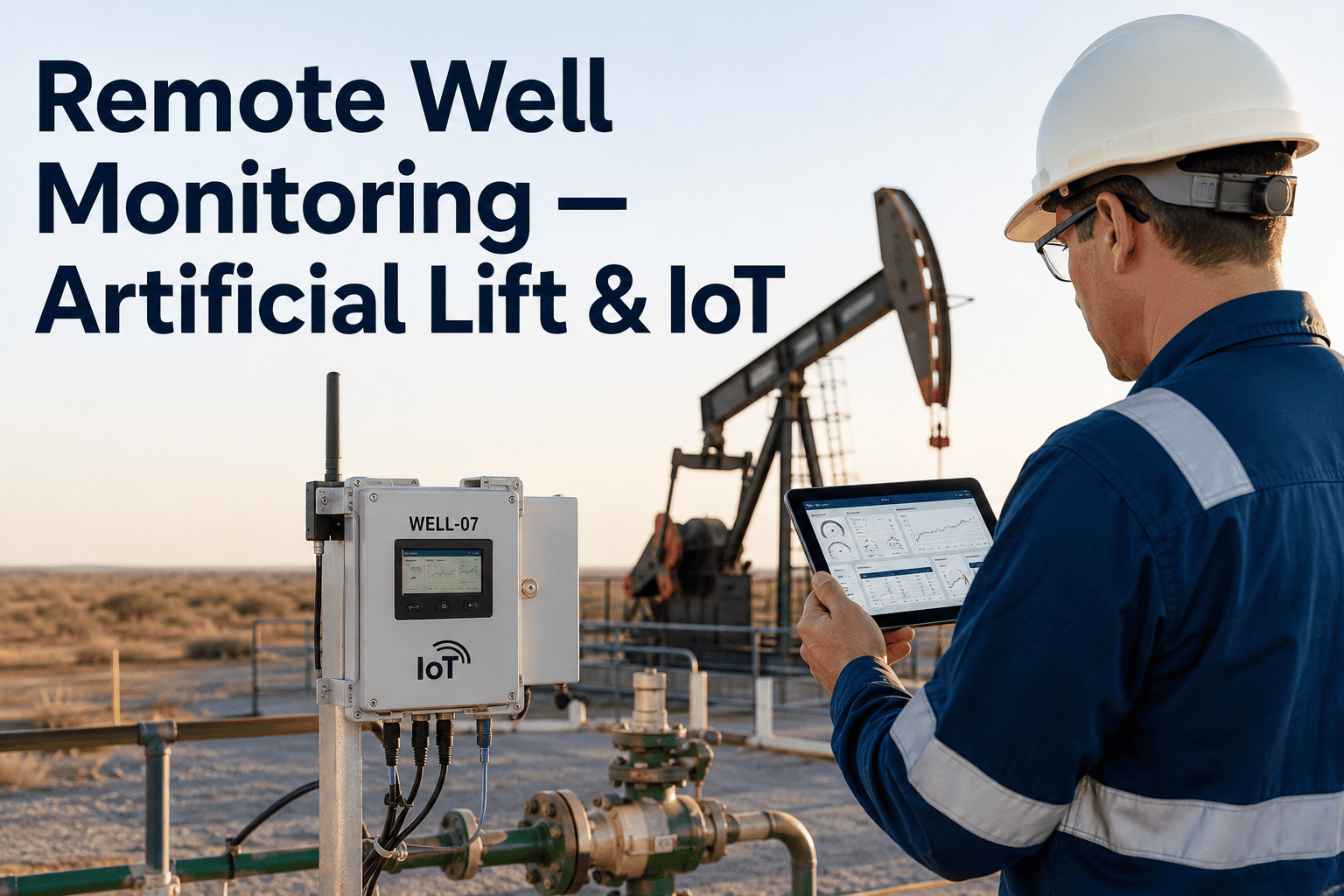
Eliminate blind spots with satellite and cellular IoT connectivity. Monitor artificial lift performance, tank levels, and wellhead pressure from a single dashboard.
Artificial Lift Performance Monitoring
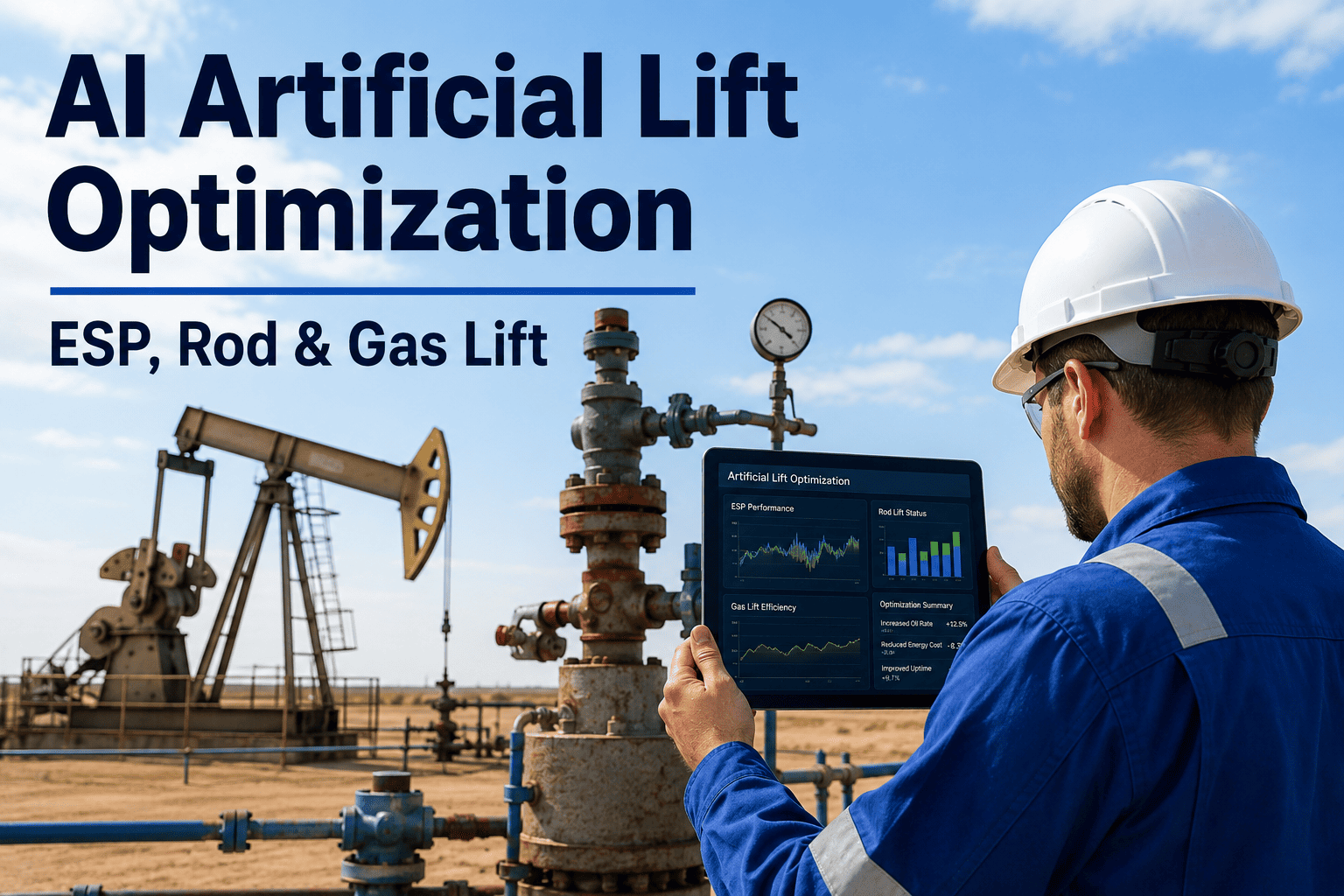
Optimize rod pump, ESP, and PCP systems with real-time dynamometer cards, motor current, and pump fillage data. Detect fluid pound, gas interference, and worn components before they cause failures. iFactory's AI models predict pump efficiency trends, enabling proactive maintenance scheduling that reduces downtime by up to 30%. Integration with VFD controllers allows remote speed adjustments to match reservoir inflow, maximizing lift efficiency without manual intervention.
Tank Level & Inventory Management
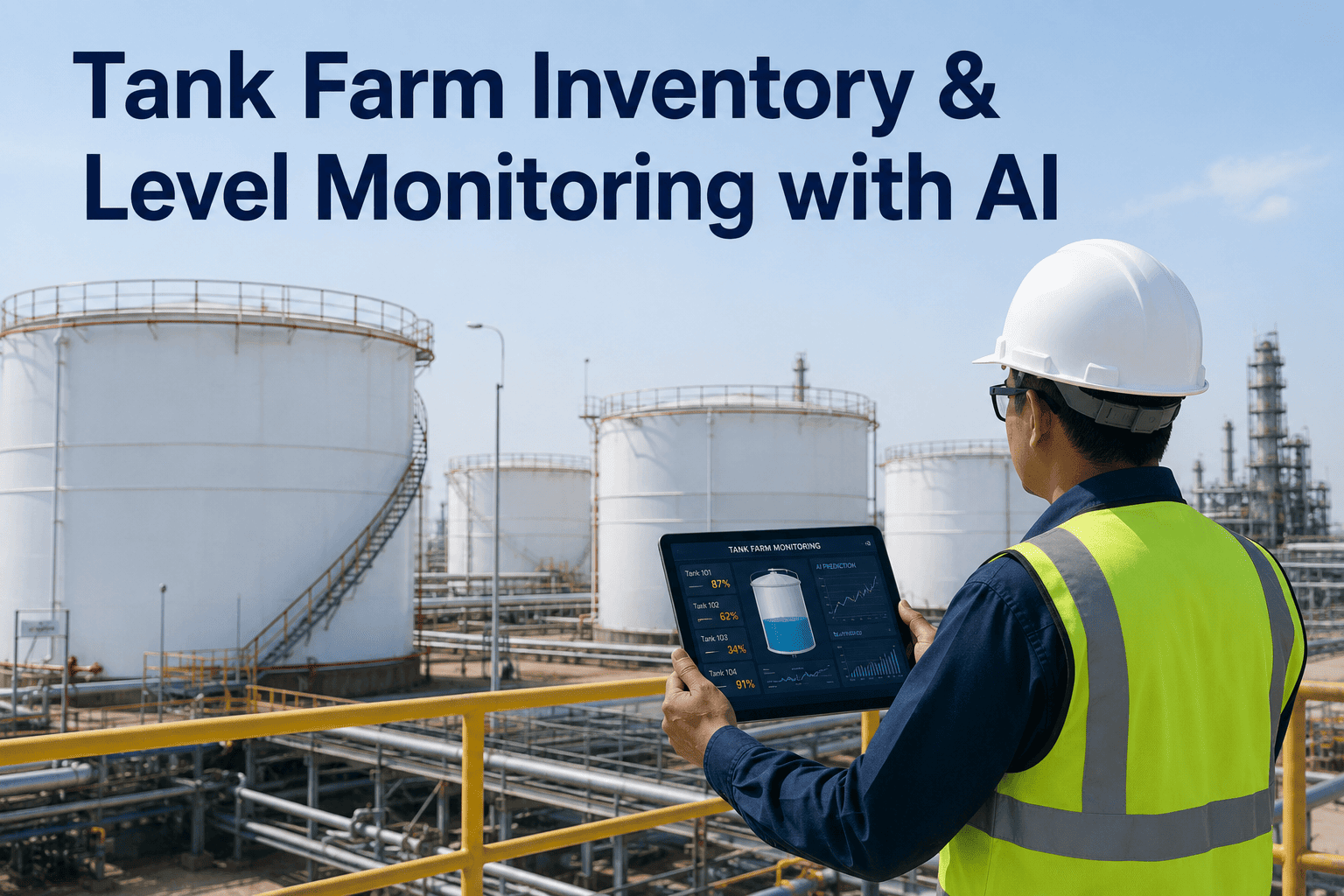
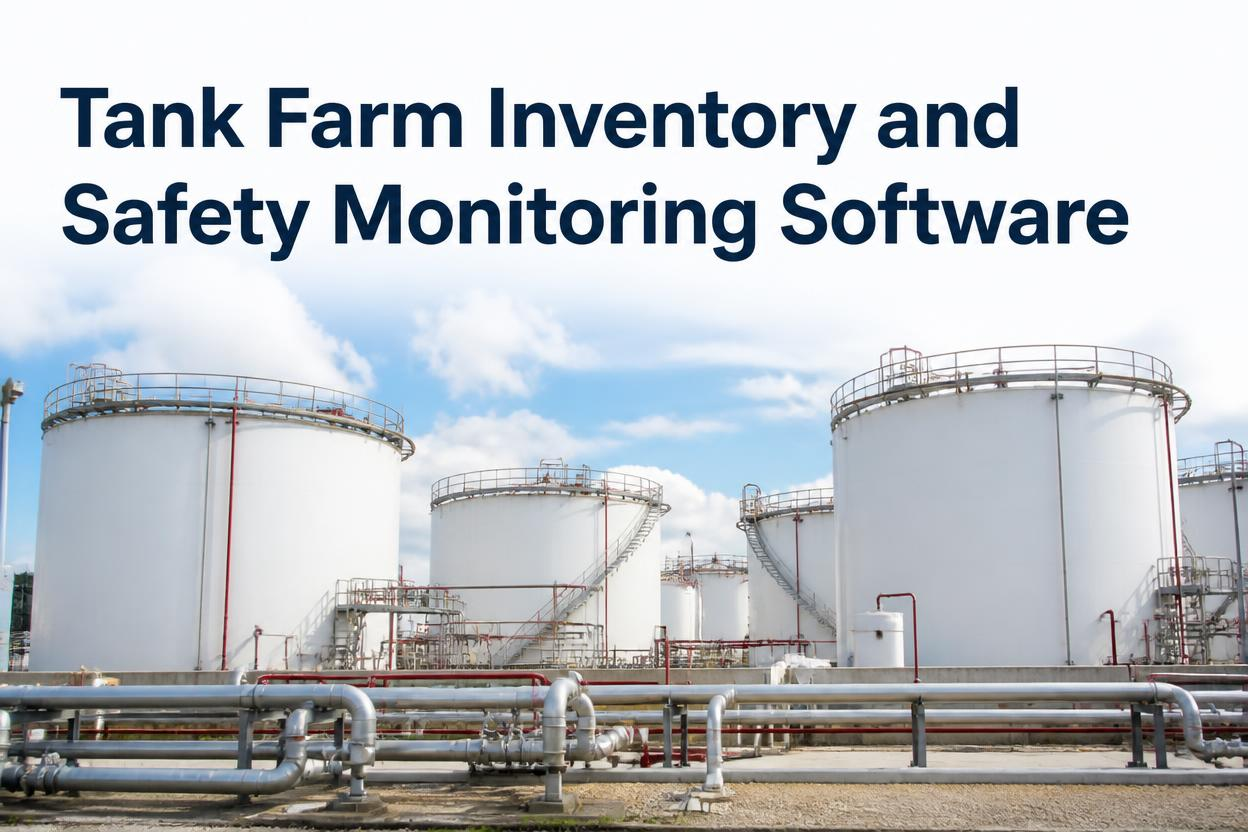
Eliminate manual tank gauging with radar, ultrasonic, and pressure-based level sensors. Monitor oil, water, and emulsion levels across multiple tanks simultaneously. Set high/low alarms, detect theft or leaks, and automate truck call-offs based on fill rates. iFactory's platform provides historical trend analysis to optimize inventory turnover and reduce demurrage costs. Solar-powered options ensure continuous operation even in off-grid locations.
Wellhead Pressure & Flow Measurement
Track casing, tubing, and line pressures with high-accuracy transmitters (0.05% FS). Coriolis or ultrasonic flowmeters provide precise gas and liquid flow rates, enabling allocation measurement and production accounting. Detect hydrate formation, scale buildup, or valve failures through pressure signature analysis. iFactory's edge computing nodes process data locally, transmitting only actionable insights to the cloud, reducing bandwidth costs by 60%.
Connectivity: Cellular, Satellite & Mesh
Choose the optimal communication channel based on wellsite location and data volume. LTE-M and NB-IoT are ideal for high-density, low-power sensor networks within cellular range. For remote or offshore sites, Iridium or Starlink satellite backhaul ensures reliable, low-latency data transmission. iFactory's hybrid gateway automatically switches between cellular and satellite, maintaining connectivity during network outages. Mesh networking extends range across multi-well pads without additional infrastructure.
Architecture of a Modern Remote Well Monitoring System
A robust remote monitoring architecture comprises four layers: field sensors, edge computing, communication backbone, and cloud analytics. At the field level, sensors measure pressure, temperature, flow, level, vibration, and motor parameters. These are aggregated by an edge gateway that performs data validation, compression, and preliminary anomaly detection. The gateway transmits data via cellular or satellite to iFactory's cloud platform, where advanced AI models analyze trends, generate alerts, and produce dashboards. The system supports OPC-UA and Modbus protocols for seamless integration with existing PLCs and SCADA systems. Redundant power supplies, including solar panels and battery banks, ensure 99.9% uptime even in extreme conditions. This architecture reduces latency, minimizes bandwidth usage, and provides a single source of truth for all wellsite data.
Deployment Roadmap for Unmanned Wellsites
Ready to Unlock the Full Potential of Your Wellsites?
Deploy iFactory's remote monitoring platform in weeks, not months. Reduce field visits by 40% and increase production uptime by 25%.
Comparative Analysis of Connectivity Options
| Technology | Range | Bandwidth | Latency | Power Consumption | Best For |
|---|---|---|---|---|---|
| LTE-M | Up to 10 km | 1 Mbps | 50-100 ms | Low | High-density sensor networks near cell towers |
| NB-IoT | Up to 15 km | 200 kbps | 1-10 s | Very Low | Battery-operated level and pressure sensors |
| Iridium SBD | Global | 340 bps | 10-30 s | Moderate | Remote wellsites without cellular coverage |
| Starlink | Global | 250 Mbps | 20-40 ms | High | High-bandwidth applications like video surveillance |
| LoRaWAN | Up to 5 km | 50 kbps | 1-10 s | Very Low | Multi-well pad mesh networks |
Predictive Maintenance for Artificial Lift
iFactory's AI models analyze dynamometer cards, motor current signatures, and vibration data to predict failures in rod pumps, ESPs, and PCPs. The system identifies fluid pound, gas lock, worn bearings, and pump scale before they cause catastrophic failures. Operators receive actionable recommendations, such as adjust pump speed, schedule rod pull, or replace check valve. This reduces unplanned downtime by 35% and extends equipment life by 20%. The platform continuously learns from new failure modes, improving prediction accuracy over time.
Automated Tank Battery Optimization
Monitor oil, water, and emulsion levels across multiple tanks with radar and ultrasonic sensors. iFactory's algorithms calculate fill rates, predict when tanks will reach capacity, and automatically dispatch truck calls to optimize logistics. The system detects theft or leaks by comparing inflow and outflow volumes. Historical data enables production accounting and allocation reporting. Solar-powered sensors with satellite backhaul ensure continuous monitoring in remote areas, eliminating manual rounds and reducing HSE exposure.
Wellhead Pressure Signature Analysis
High-frequency pressure transmitters capture transient events such as valve closures, pump startups, and slugging. iFactory's edge analytics classify pressure signatures to detect hydrate formation, scale buildup, or tubing leaks. The system generates alerts with severity levels and recommended actions, such as inject methanol, initiate pigging, or schedule well intervention. This proactive approach prevents production losses and safety incidents. Integration with choke valves enables automatic pressure regulation, maintaining optimal flow conditions.
Unified Dashboard & Mobile Access
iFactory's intuitive dashboard provides a single-pane view of all wellsites, with real-time KPIs, alarm summaries, and trend charts. Role-based access ensures that field operators, engineers, and management see relevant information. Mobile apps allow on-the-go monitoring and alarm acknowledgement. Customizable widgets display artificial lift performance, tank levels, wellhead pressure, and flow rates. The platform supports multi-site rollup views for portfolio-wide analysis. Data export to Excel or API integration with existing systems enables advanced reporting.
Frequently Asked Questions
What sensors are required for remote well monitoring?
A comprehensive remote well monitoring system typically includes pressure transmitters for wellhead and casing pressure, temperature sensors, flow meters (Coriolis, ultrasonic, or turbine) for production rates, tank level sensors (radar or ultrasonic), and vibration sensors for artificial lift equipment. For rod pumps, dynamometer cards and motor current sensors are essential. iFactory's platform supports all major sensor protocols (4-20mA, HART, Modbus, OPC-UA) and can integrate with existing field devices. The exact sensor suite depends on the well type, artificial lift method, and production goals. Contact our support team for a customized sensor recommendation.
How does satellite connectivity work for remote wellsites?
Satellite connectivity is achieved through low-earth orbit (LEO) constellations like Iridium or Starlink, or geostationary satellites. iFactory's edge gateway includes a satellite modem that automatically establishes a connection when cellular networks are unavailable. Data is transmitted in small packets (SBD for Iridium) or continuous streams (Starlink) to the cloud. The gateway buffers data locally during communication outages to ensure no data loss. Satellite connectivity is ideal for offshore platforms, arctic wellsites, and remote deserts where cellular infrastructure is absent. Power consumption is optimized for solar-battery systems. Book a Demo to see a live satellite-connected wellsite dashboard.
Can iFactory's platform integrate with existing SCADA systems?
Yes, iFactory's platform is designed for seamless integration with existing SCADA, PLC, and DCS systems. We support OPC-UA, Modbus TCP/RTU, MQTT, and RESTful APIs for data exchange. The edge gateway can act as a bridge between legacy serial devices and modern IP networks. Data from existing RTUs and flow computers can be ingested without replacing field hardware. iFactory's data normalization engine maps disparate data formats to a unified schema, enabling holistic analytics across brownfield and greenfield assets. Contact support for technical integration details.
What is the typical ROI for a remote well monitoring deployment?
Typical ROI from remote well monitoring deployments includes a 25-40% reduction in field visits, 20-30% increase in production uptime, 15-20% reduction in maintenance costs, and 10-15% increase in overall production efficiency. For a mid-sized operator with 100 wells, this translates to annual savings of $1-3 million. The payback period is usually 6-12 months. iFactory's platform accelerates ROI by providing rapid deployment (weeks vs. months), pre-built analytics models, and scalable cloud infrastructure. Book a Demo to calculate your specific ROI.
How does iFactory ensure data security and compliance?
iFactory follows industry best practices for cybersecurity, including end-to-end encryption (TLS 1.3), role-based access control, multi-factor authentication, and audit logging. Data at rest is encrypted using AES-256. The platform is SOC 2 Type II compliant and supports deployment in private cloud or on-premises for customers with strict data sovereignty requirements. Edge gateways have hardware security modules (HSM) for secure key storage. Regular penetration testing and vulnerability assessments are conducted. Contact our security team for detailed compliance documentation.
Transform Your Wellsite Operations Today
Join industry leaders who have achieved 40% fewer field visits and 25% higher production uptime with iFactory. Deploy in weeks, see results in months.