The oil and gas industry is at a pivotal crossroads, where the relentless demand for operational efficiency meets the pressing need for robust cybersecurity and real-time decision-making. Legacy SCADA systems, once the backbone of remote monitoring and control, now struggle to keep pace with the data volume, integration complexity, and security threats of the modern era. As pipelines stretch across continents and wellheads operate in extreme environments, the ability to capture, analyze, and act on data instantaneously is no longer a competitive advantage—it is a survival imperative. Modernizing these systems by integrating cloud-connected edge computing offers a transformative path forward, maintaining deterministic control at the field level while unlocking the full potential of AI-driven analytics and remote operations. This comprehensive guide delves into the technical architecture, strategic benefits, and implementation roadmap for upgrading SCADA systems in oil and gas, ensuring that enterprises can achieve unprecedented levels of reliability, security, and intelligence. Book a Demo to explore how iFactory can accelerate your modernization journey.
Transform Your SCADA Infrastructure Today
Achieve real-time control, AI analytics, and enterprise-grade cybersecurity with a modern, cloud-connected edge architecture.
The Legacy SCADA Dilemma in Oil & Gas
Traditional SCADA systems in oil and gas were designed for a different era—one where data was scarce, connectivity was limited, and cyber threats were minimal. These systems typically rely on proprietary hardware, closed communication protocols, and local HMI interfaces that offer little flexibility for integration with modern IT systems. The result is a fragmented operational landscape where data silos prevent holistic visibility across the value chain. Pipelines, refineries, and offshore platforms operate in isolation, making it difficult to optimize production, predict equipment failures, or respond to emergencies in a coordinated manner. Moreover, the aging infrastructure poses significant cybersecurity vulnerabilities, as many legacy systems lack the ability to patch software, encrypt communications, or authenticate users effectively. This section explores the technical limitations of legacy SCADA, including bandwidth constraints, latency issues, and the inability to process the high-velocity data streams that modern IoT sensors generate. Understanding these pain points is essential for building a business case for modernization.
Proprietary Lock-In
Vendor-specific hardware and software create dependency and limit upgrade paths. Replacing components often requires costly retrofits or full system overhauls, hindering scalability and innovation.
Data Silos
Isolated RTUs and PLCs generate data that is not shared across the enterprise. This prevents advanced analytics, machine learning models, and real-time dashboards from delivering actionable insights.
Cybersecurity Gaps
Legacy systems often run on unpatched operating systems and use plain-text protocols. This makes them prime targets for ransomware, unauthorized access, and data breaches that can halt operations.
Limited Remote Access
Remote monitoring is constrained by dial-up connections or VPNs that introduce latency and reliability issues. Operators cannot respond swiftly to alarms or changing conditions without being physically present.
Architecting the Modern SCADA Stack
Edge Computing Layer
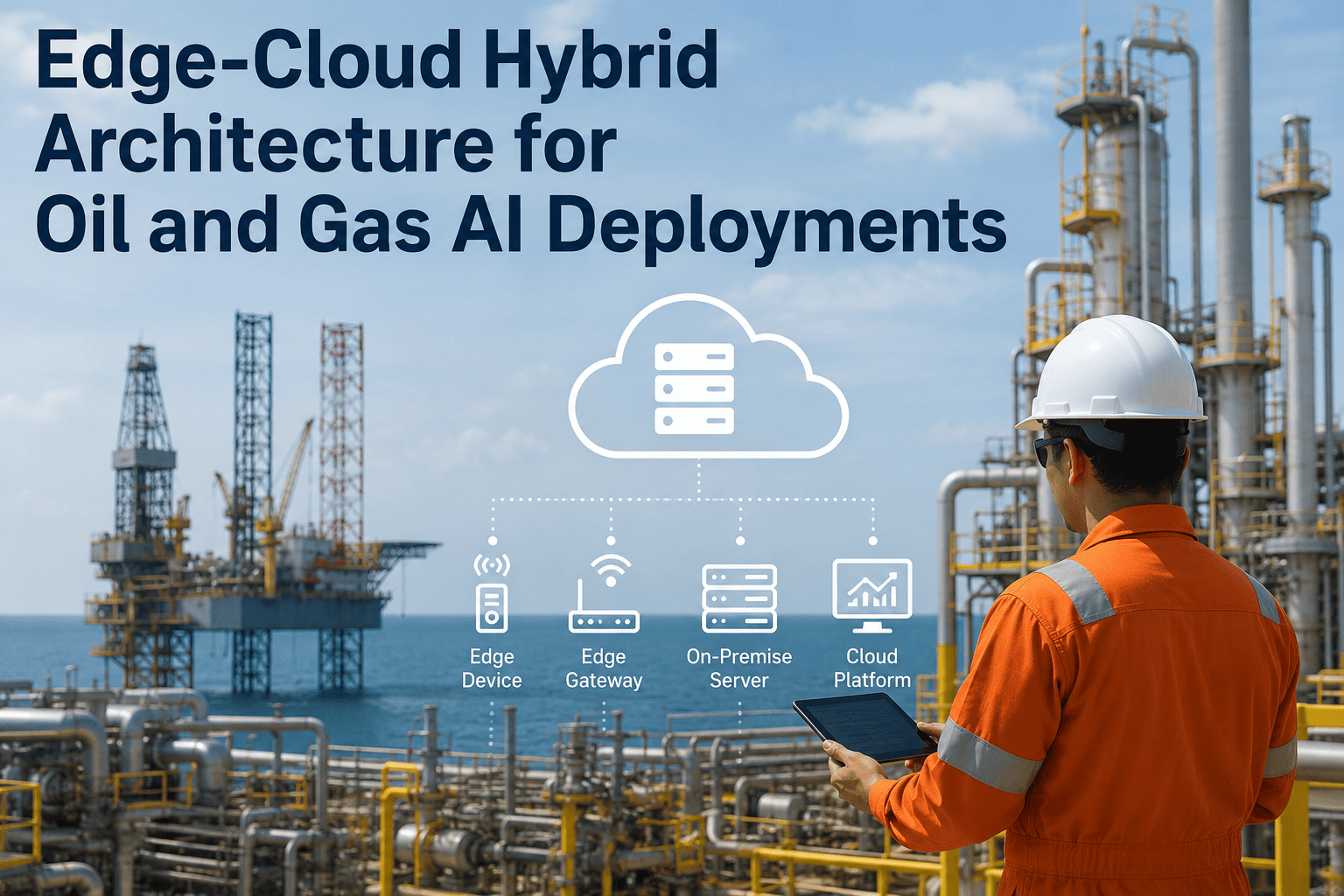
Deploy ruggedized edge devices at wellheads, pipelines, and refineries to aggregate data from existing RTUs and PLCs. These devices perform real-time data processing, protocol conversion, and local control logic execution, ensuring deterministic operation even if cloud connectivity is lost.
Cloud Connectivity
Establish secure, redundant connections using MQTT, OPC UA, or HTTPS to transmit filtered and compressed data to cloud platforms. This enables centralized monitoring, historical data storage, and advanced analytics without overwhelming network bandwidth.
AI Analytics & Digital Twin
Integrate machine learning models that analyze streaming data to predict equipment failures, optimize production parameters, and simulate scenarios using digital twins. These insights are fed back to the edge for real-time control adjustments.
Cybersecurity Framework
Implement a defense-in-depth strategy including network segmentation, encrypted communications, role-based access control, and continuous monitoring. Regular security audits and automated patching keep the system resilient against evolving threats.
Ready to Modernize Your SCADA Infrastructure?
Unlock the power of cloud-connected edge computing and AI-driven analytics to transform your oil and gas operations. Our experts are ready to guide you through every step.
Legacy vs. Modern SCADA: A Technical Comparison
| Capability | Legacy SCADA | Modern Cloud-Edge SCADA |
|---|---|---|
| Data Processing | Local polling, low frequency | Real-time edge analytics, high frequency |
| Connectivity | Dial-up, serial, limited VPN | MQTT, OPC UA, 5G, satellite |
| Security | Minimal, no encryption | End-to-end encryption, zero trust |
| Scalability | Hardware-bound, expensive | Elastic cloud resources, cost-effective |
| Remote Access | Limited, high latency | Global, low latency, role-based |
| Analytics | Basic historical reports | AI/ML predictive models, digital twins |
Edge Computing: The Critical Enabler
Edge computing serves as the bridge between the physical constraints of field operations and the limitless potential of cloud analytics. In oil and gas environments, where network connectivity can be intermittent or expensive, edge devices must operate autonomously, executing control logic and storing data locally until a connection is available. Modern edge platforms support containerized applications, allowing operators to deploy custom analytics models, protocol gateways, and even machine learning inference engines directly at the source. This reduces latency to milliseconds, enabling real-time responses to pressure surges, leak detection, or equipment anomalies without waiting for a round trip to the cloud. Furthermore, edge computing enhances cybersecurity by minimizing the attack surface—sensitive data can be processed locally, with only aggregated, anonymized information transmitted to the cloud. This section examines the hardware requirements, software architectures, and deployment strategies for edge computing in SCADA modernization, including considerations for hazardous area classifications and extreme temperatures.
Cloud Integration for Enterprise Visibility
The cloud layer aggregates data from hundreds or thousands of edge devices, providing a unified view of operations across the entire enterprise. This enables advanced capabilities such as cross-site benchmarking, predictive maintenance at scale, and integration with ERP and supply chain systems. Cloud platforms also support the deployment of digital twins—virtual replicas of physical assets that simulate behavior under various conditions. For oil and gas, digital twins can model pipeline flow dynamics, refinery process optimization, or wellhead performance, allowing operators to test scenarios without risk. The cloud also serves as a repository for historical data, which is essential for training machine learning models and conducting post-incident analysis. However, cloud integration must be carefully architected to ensure data sovereignty, compliance with regulations like NERC CIP or ISO 27001, and resilience against network outages. This section covers best practices for cloud connectivity, including multi-cloud strategies, data compression, and failover mechanisms.
Unified Dashboard
Aggregate real-time data from all sites into a single, customizable dashboard. Operators can monitor KPIs, alarms, and trends across the entire enterprise without switching between systems.
Predictive Analytics
Leverage machine learning models trained on historical data to predict equipment failures weeks in advance. This allows proactive maintenance scheduling, reducing unplanned downtime and repair costs.
Remote Collaboration
Enable engineers and subject matter experts to access live data and control systems from anywhere in the world. Secure, role-based access ensures that only authorized personnel can make changes.
Compliance Reporting
Automate the generation of regulatory reports, audit trails, and incident logs. Cloud-based storage ensures data integrity and availability for compliance with industry standards.
Cybersecurity: Defense-in-Depth for Modern SCADA
As SCADA systems become more connected, they also become more vulnerable to cyberattacks. The Colonial Pipeline incident demonstrated that a single ransomware attack can halt fuel supply across the entire eastern United States. Modern SCADA architectures must incorporate a defense-in-depth approach, with multiple layers of security controls at the edge, network, and cloud levels. At the edge, devices should be hardened against physical tampering and run only signed, verified software. Network segmentation using firewalls and VLANs isolates critical control networks from corporate IT systems. All communications must be encrypted using TLS 1.3 or IPsec, with mutual authentication between devices and the cloud. Cloud platforms should implement identity and access management (IAM) with multi-factor authentication, as well as continuous monitoring for anomalous behavior using SIEM tools. Regular penetration testing and vulnerability scanning are essential to identify and remediate weaknesses before they can be exploited. This section provides a comprehensive security framework tailored to oil and gas SCADA modernization.
Frequently Asked Questions
What are the first steps in a SCADA modernization project?
The initial phase involves a comprehensive audit of existing infrastructure, including hardware, software, communication protocols, and cybersecurity posture. This assessment identifies critical assets, data flows, and pain points. Next, define clear business objectives—whether it is reducing downtime, improving remote access, or enabling predictive analytics. Then, develop a phased migration plan that prioritizes high-impact areas and minimizes operational disruption. For a detailed roadmap tailored to your specific environment, Book a Demo with our SCADA modernization experts.
How does edge computing improve SCADA reliability?
Edge computing ensures that critical control functions continue even when cloud connectivity is lost. By processing data locally, edge devices can execute control logic, store historical data, and respond to alarms with millisecond latency. This eliminates the single point of failure that cloud-only architectures present. Additionally, edge computing reduces bandwidth usage by filtering and compressing data before transmission, making it ideal for remote sites with limited connectivity. Learn more about our edge solutions at iFactory Support.
What cybersecurity measures are essential for modern SCADA?
Essential measures include network segmentation between OT and IT, encryption of all data in transit and at rest, role-based access control with multi-factor authentication, and continuous monitoring for anomalies. Implementing a zero-trust architecture ensures that no device or user is trusted by default. Regular security audits, patch management, and incident response plans are also critical. For a deep dive into our cybersecurity framework, Book a Demo today.
Can we integrate existing legacy RTUs and PLCs with a modern cloud-edge system?
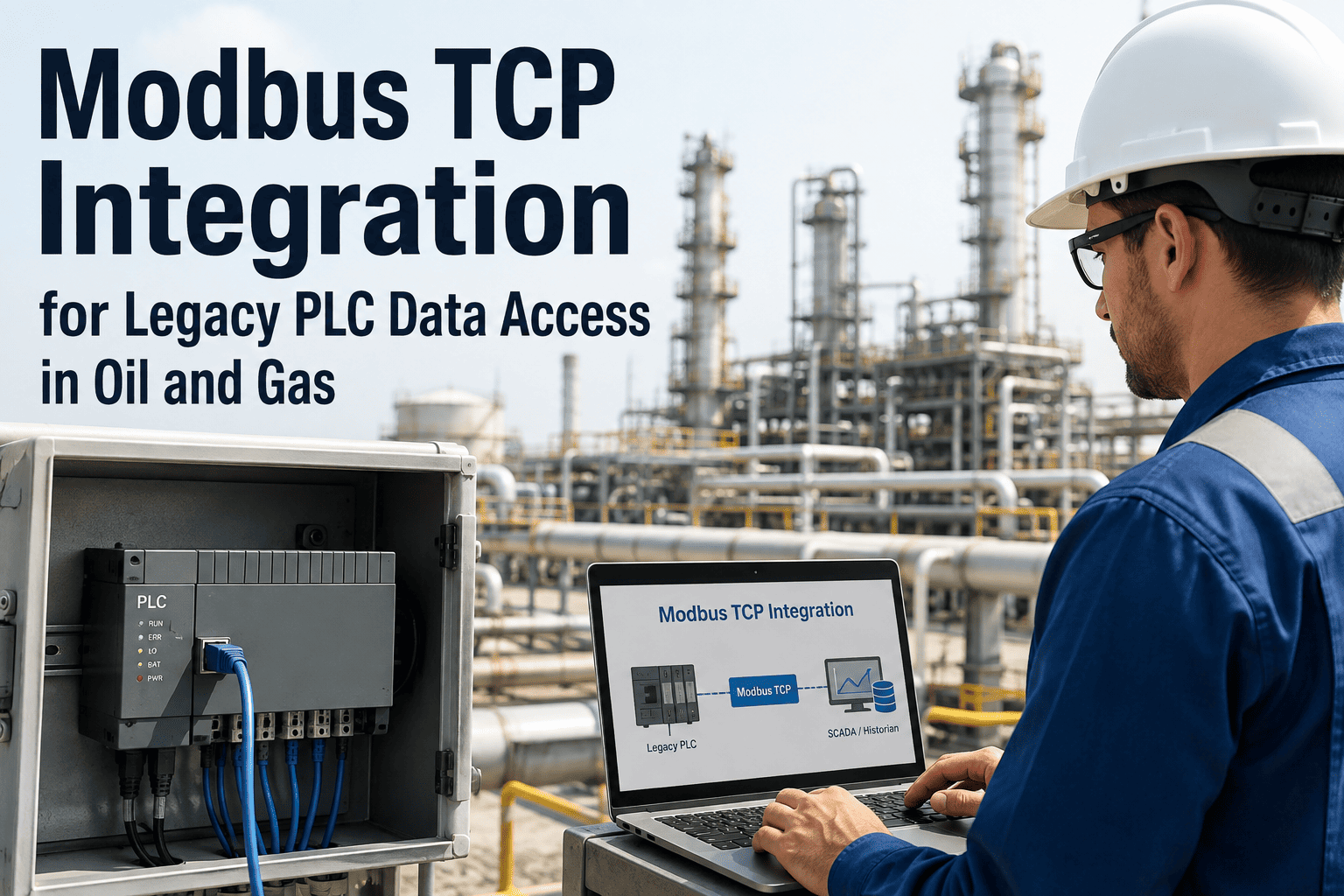
Yes, modern edge devices are designed to interface with legacy equipment through protocol conversion gateways. They can translate Modbus, DNP3, or proprietary protocols into MQTT or OPC UA for cloud communication. This allows you to preserve your existing field investments while gradually upgrading to newer hardware. The edge layer acts as an abstraction layer, enabling seamless integration without a forklift upgrade. For more details on compatibility, visit iFactory Support.
What is the typical ROI for SCADA modernization in oil and gas?
ROI depends on factors such as the scale of deployment, current inefficiencies, and the specific use cases addressed. However, typical benefits include a 30-50% reduction in unplanned downtime, 20-30% lower maintenance costs through predictive analytics, and a 40-60% improvement in incident response times. Additionally, enhanced cybersecurity reduces the risk of costly breaches. Many enterprises see a full ROI within 12-18 months. To calculate the potential savings for your operation, Book a Demo.
Future-Proof Your SCADA Operations
Embrace the next generation of industrial control with cloud-connected edge computing and AI-driven analytics. Partner with iFactory to ensure a seamless, secure, and high-performance modernization journey.