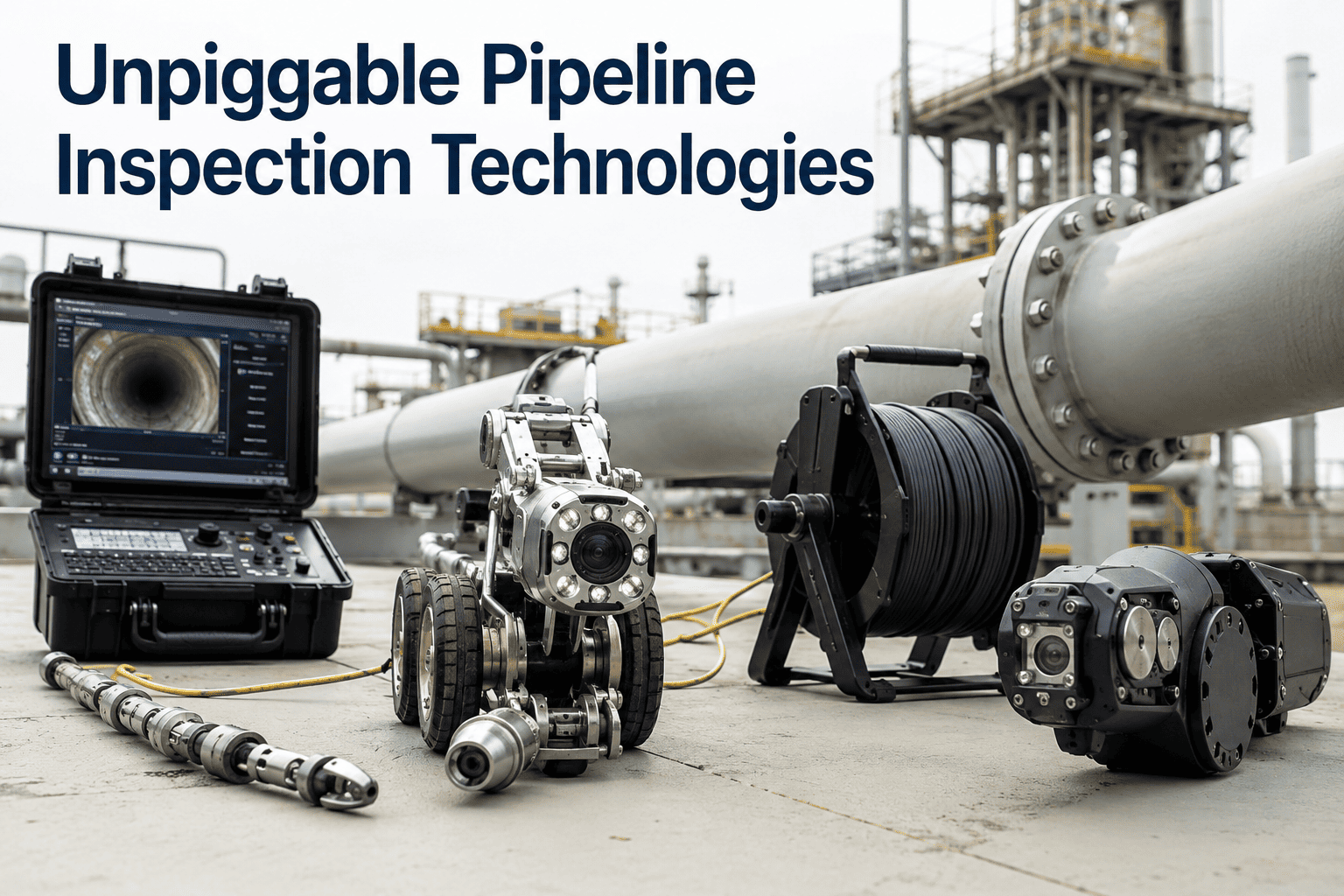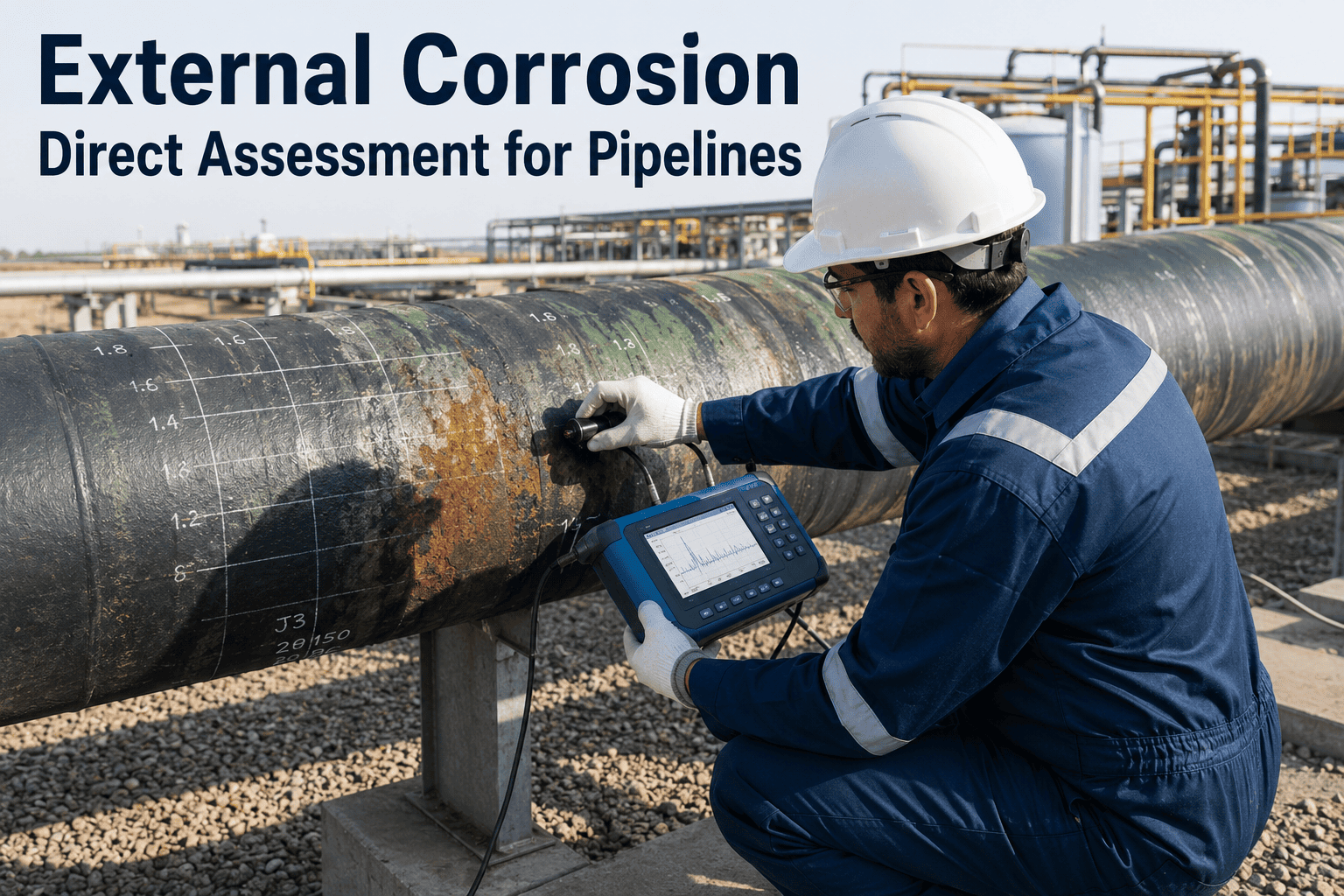
External Corrosion Direct Assessment (ECDA) is a structured, data-driven methodology for evaluating the integrity of buried pipelines where traditional In-Line Inspection (ILI) tools cannot be deployed. Governed by NACE SP0502, this process integrates indirect inspection techniques—such as Close Interval Potential Surveys (CIS), DC Voltage Gradient (DCVG) surveys, and Alternating Current Voltage Gradient (ACVG) surveys—with direct examination at targeted excavation sites. The goal is to identify, prioritize, and mitigate areas where coating degradation, cathodic protection (CP) shielding, or aggressive soil conditions create corrosion risk. For plant managers and maintenance directors in oil and gas, ECDA offers a cost-effective alternative to pigging, especially for non-piggable pipelines, gathering lines, or aging infrastructure. This guide provides a deep technical dive into each step of the ECDA process, from pre-assessment data integration to post-assessment mitigation planning, ensuring compliance with industry standards and maximizing asset life. To explore how iFactory's AI-driven analytics can automate ECDA data fusion and risk ranking, Book a Demo.
Understanding ECDA: The Four-Step Framework
NACE SP0502 defines a four-step process for ECDA: Pre-Assessment, Indirect Inspection, Direct Examination, and Post-Assessment. Each step relies on a combination of field data, historical records, and analytical models to produce a defensible integrity assessment. The methodology is particularly valuable for pipelines that cannot accommodate smart pigs due to diameter restrictions, flow conditions, or lack of launcher/receiver facilities. By integrating multiple data sources—CP readings, soil resistivity, coating type, and operational history—ECDA provides a holistic view of external corrosion threats. This approach aligns with the principles of risk-based inspection (RBI) and can be integrated into a broader integrity management program. The following sections detail each step, including specific techniques, data requirements, and common challenges.
Pre-Assessment: Data Integration and Feasibility Analysis
The pre-assessment phase involves collecting and reviewing all available data to determine if ECDA is suitable for the pipeline segment. Key inputs include: pipeline construction records (year built, coating type, wall thickness), operational history (pressure, temperature, flow rates), CP design and historical survey data, soil corrosivity data (resistivity, pH, moisture content), and previous inspection or repair records. A critical output is the identification of regions where ECDA is applicable versus those requiring alternative methods (e.g., guided wave ultrasonics). The feasibility analysis must also consider the presence of CP shielding coatings, such as polyethylene tape or asphalt enamel, which can mask corrosion activity. Data gaps are flagged and addressed through targeted field surveys or historical analysis. This phase sets the foundation for the indirect inspection plan, ensuring that resources are focused on high-risk areas.
Indirect Inspection Techniques: CIS, DCVG, and ACVG
Close Interval Potential Survey (CIS)
CIS measures the pipe-to-soil potential at closely spaced intervals (typically 1–3 meters) to identify areas where CP levels are inadequate. The data is corrected for IR drop using techniques like instant-off measurements. Key indicators include: potentials positive to -850 mV (vs. Cu/CuSO4) indicating insufficient protection, and potential gradients that suggest coating defects or CP shielding. Modern CIS systems integrate GPS for precise location mapping and can be combined with soil resistivity measurements to enhance interpretation.
DC Voltage Gradient (DCVG) Survey
DCVG detects coating defects by measuring the voltage gradient in the soil generated by the CP current flowing through a defect. The survey identifies defect location, size, and severity based on the gradient magnitude and shape. DCVG is particularly effective for detecting small, isolated defects that may not be apparent from CP potential readings alone. The technique requires interruption of CP rectifiers and careful synchronization of measurements to avoid interference from stray currents.
Alternating Current Voltage Gradient (ACVG) Survey
ACVG uses an applied AC signal to locate coating defects by measuring the voltage gradient at the surface. It is complementary to DCVG and can be performed without interrupting CP, making it faster and less disruptive. ACVG is sensitive to small defects and can be used over long distances. However, it may be affected by AC interference from power lines and requires careful calibration to distinguish between coating defects and other anomalies.
Data Fusion and Risk Ranking: From Raw Data to Actionable Insights
Indirect inspection generates large volumes of data that must be integrated to produce a unified risk ranking. This involves correlating CIS potential profiles with DCVG/ACVG defect locations to identify areas with both low CP and coating defects—a high-risk combination. Additional factors such as soil corrosivity, pipe age, and operating stress are incorporated using a weighted scoring model. The output is a prioritized list of excavation sites for direct examination. iFactory's AI platform automates this fusion process, ingesting data from multiple vendors and formats, applying NACE SP0502 criteria, and generating risk heat maps. This reduces manual analysis time by up to 70% and improves consistency across assessments. The platform also tracks data quality, flagging measurements that fall outside acceptable tolerances for re-survey.
Optimize Your ECDA Workflow
Leverage AI-driven data fusion to automate risk ranking and reduce manual analysis time. Ensure compliance with NACE SP0502.
Direct Examination: Excavation, Coating Assessment, and Corrosion Measurement
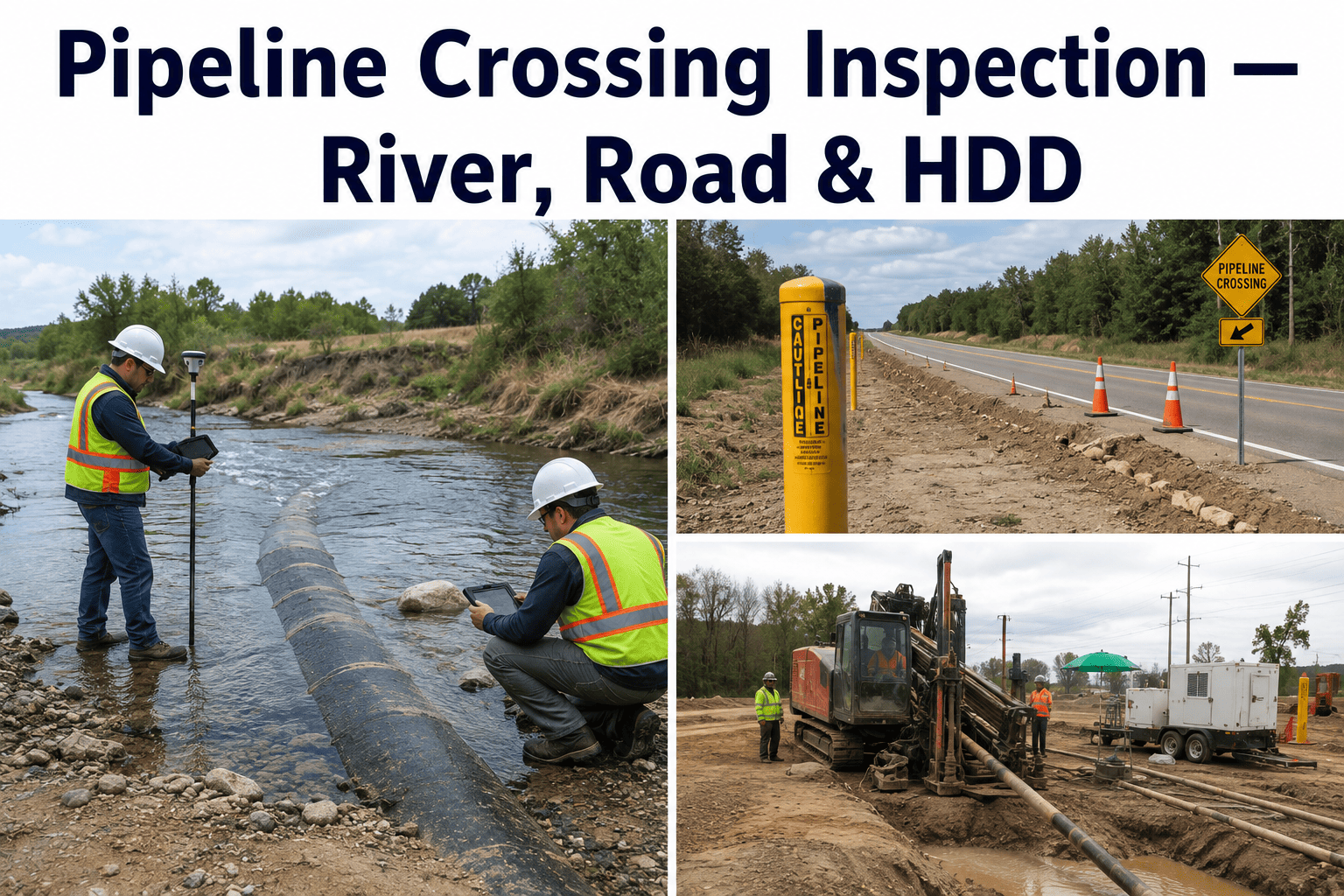
Direct examination involves excavating the pipeline at selected sites to physically inspect the coating and pipe surface. The process includes: exposing the pipe, cleaning the coating, visual inspection for defects (holidays, disbondment, blisters), and measuring coating adhesion and thickness. The pipe surface is then cleaned to bare metal to measure remaining wall thickness using ultrasonic testing (UT) or radiography. Corrosion pits are characterized by depth, length, and orientation relative to the pipe axis. Soil samples are collected at the excavation site for laboratory analysis (resistivity, chlorides, sulfates, pH, moisture content). All findings are documented in a detailed report that includes photographs, sketches, and measurement data. The number of excavations is determined by the risk ranking; typically 2–5 sites per segment, but this may increase if anomalies are found.
Coating Condition Assessment: Key Metrics and Techniques
| Metric | Method | Acceptance Criteria |
|---|---|---|
| Holiday Detection | Spark testing (15,000 V/mm coating thickness) | No holidays > 5 mm |
| Adhesion (Peel Strength) | ASTM D1000 | > 2 N/mm for FBE coatings |
| Thickness | Magnetic gauge or ultrasonic | > 90% of specified thickness |
| Disbondment Area | Visual estimate | < 10% of total area |
| Blister Density | Count per m² | < 5 blisters/m² |
Coating condition is a primary driver of external corrosion risk. Disbonded coatings can shield CP current, creating an environment where corrosion proceeds undetected. The assessment must differentiate between disbondment (coating lifted from pipe but intact) and holidays (holes in coating). Advanced techniques like guided wave testing can detect disbondment over extended lengths. The data from direct examination is used to calibrate the indirect inspection models, improving accuracy for future assessments.
Post-Assessment: Data Analysis and Mitigation Planning
The final phase integrates all findings to determine the pipeline's remaining life and recommend mitigation actions. This involves: calculating corrosion rates based on pit depth measurements and exposure time, estimating remaining strength using ASME B31G or similar criteria, and determining maximum allowable operating pressure (MAOP) for affected segments. Mitigation options include: coating repair or replacement, CP system upgrades (e.g., adding anodes or increasing rectifier output), and in some cases, pipe replacement. The post-assessment report must document all calculations, assumptions, and uncertainties. A re-assessment interval is established based on the corrosion rate and safety factor—typically 5–10 years for well-maintained systems. The report also identifies data gaps and recommends improvements for future ECDA cycles.
Common Challenges in ECDA Implementation
- CP Shielding: Coatings like polyethylene tape can disbond and shield CP, masking corrosion. DCVG/ACVG may not detect defects under disbonded coating. Solution: Use guided wave ultrasonic testing or focused excavation.
- Stray Current Interference: DC transit systems, high-voltage power lines, or other pipelines can distort CP readings. Solution: Synchronize CP interruption with stray current monitoring.
- Soil Variability: Rapid changes in soil resistivity (e.g., crossing wetlands) create variable corrosion risk. Solution: Increase indirect inspection density in transition zones.
- Data Integration: Data from different vendors may use incompatible formats or coordinate systems. Solution: Use a centralized data platform like iFactory to standardize and fuse data.
- Regulatory Compliance: Different jurisdictions (PHMSA, CEPA, etc.) have specific requirements for ECDA. Solution: Engage a certified corrosion engineer familiar with local regulations.
ECDA vs. ILI: When to Choose Direct Assessment
| Factor | ECDA | ILI (Smart Pigging) |
|---|---|---|
| Pipeline Access | No launcher/receiver needed | Requires launcher and receiver |
| Flow Condition | Can operate during normal flow | Often requires reduced flow or shutdown |
| Detection Capability | Coating defects, CP issues, external corrosion | Metal loss, dents, cracks, ovality |
| Accuracy | Indirect; requires excavation for confirmation | Direct measurement of wall thickness |
| Cost | Lower (no pigging equipment) | Higher (pigging tools, logistics) |
| Coverage | Focused on high-risk areas | Full length (if piggable) |
ECDA is often preferred for older pipelines with unknown coating condition, non-piggable segments, or when budget constraints limit ILI runs. However, it does not provide direct metal loss measurements and requires careful statistical sampling to ensure representative coverage. For pipelines that are piggable, ILI remains the gold standard for detecting metal loss and crack-like defects. A combined approach—using ILI for baseline and ECDA for targeted follow-up—is increasingly common.
Statistical Considerations for Excavation Site Selection
The number and location of excavation sites are critical to the reliability of ECDA. NACE SP0502 recommends a minimum of two excavations per segment, but statistical analysis can optimize this. A common approach is to use stratified random sampling based on risk zones (e.g., high CP, low CP, coating defect clusters). Bayesian methods can incorporate prior knowledge from similar pipelines. For example, if historical data indicates that 80% of corrosion occurs in areas with soil resistivity < 500 ohm-cm, sampling should be weighted towards those zones. The confidence level of the assessment increases with the number of excavations; for a 95% confidence level, a typical rule of thumb is 3–5 excavations per mile for high-risk segments.
Integrating ECDA with AI and Machine Learning
Modern ECDA programs are increasingly leveraging AI to improve accuracy and efficiency. Machine learning models can be trained on historical data (CIS, DCVG, soil, excavation results) to predict corrosion likelihood and severity at unexcavated locations. For example, a random forest model can identify non-linear relationships between CP potential, soil resistivity, and coating type that traditional scoring methods miss. iFactory's platform uses ensemble models that achieve >85% accuracy in predicting corrosion defects, validated against field excavations. The AI also automates data quality checks, flagging anomalous readings that may indicate instrument error or interference. This reduces the need for manual data cleaning and allows engineers to focus on high-value interpretation.
Transform Your ECDA Program with AI
Automate data fusion, risk ranking, and anomaly detection. Increase accuracy and reduce assessment time by 60%.
Regulatory Compliance and Documentation Requirements
ECDA must be performed in accordance with NACE SP0502, which is referenced by regulatory bodies such as PHMSA (49 CFR Part 192) and CEPA. Key documentation requirements include: a written ECDA plan, data collection procedures, calibration records for all equipment, and a final report that includes all raw data, calculations, and recommendations. The report must be signed by a certified corrosion engineer (NACE CP Level 3 or equivalent). Records must be retained for the life of the pipeline plus 5 years. Non-compliance can result in fines, shutdown orders, and increased liability. iFactory's platform includes a compliance module that auto-generates reports in the required format, reducing administrative burden.
Case Studies: ECDA in Action
Gathering Line in West Texas
A 12-inch gathering line operating since 1975 had no pigging capability. ECDA identified 14 high-risk sites, of which 5 were excavated. Coating disbondment was found at 3 sites, with corrosion rates up to 0.3 mm/year. Mitigation included recoating and CP upgrade. The assessment extended pipeline life by 15 years.
Offshore Pipeline in Gulf of Mexico
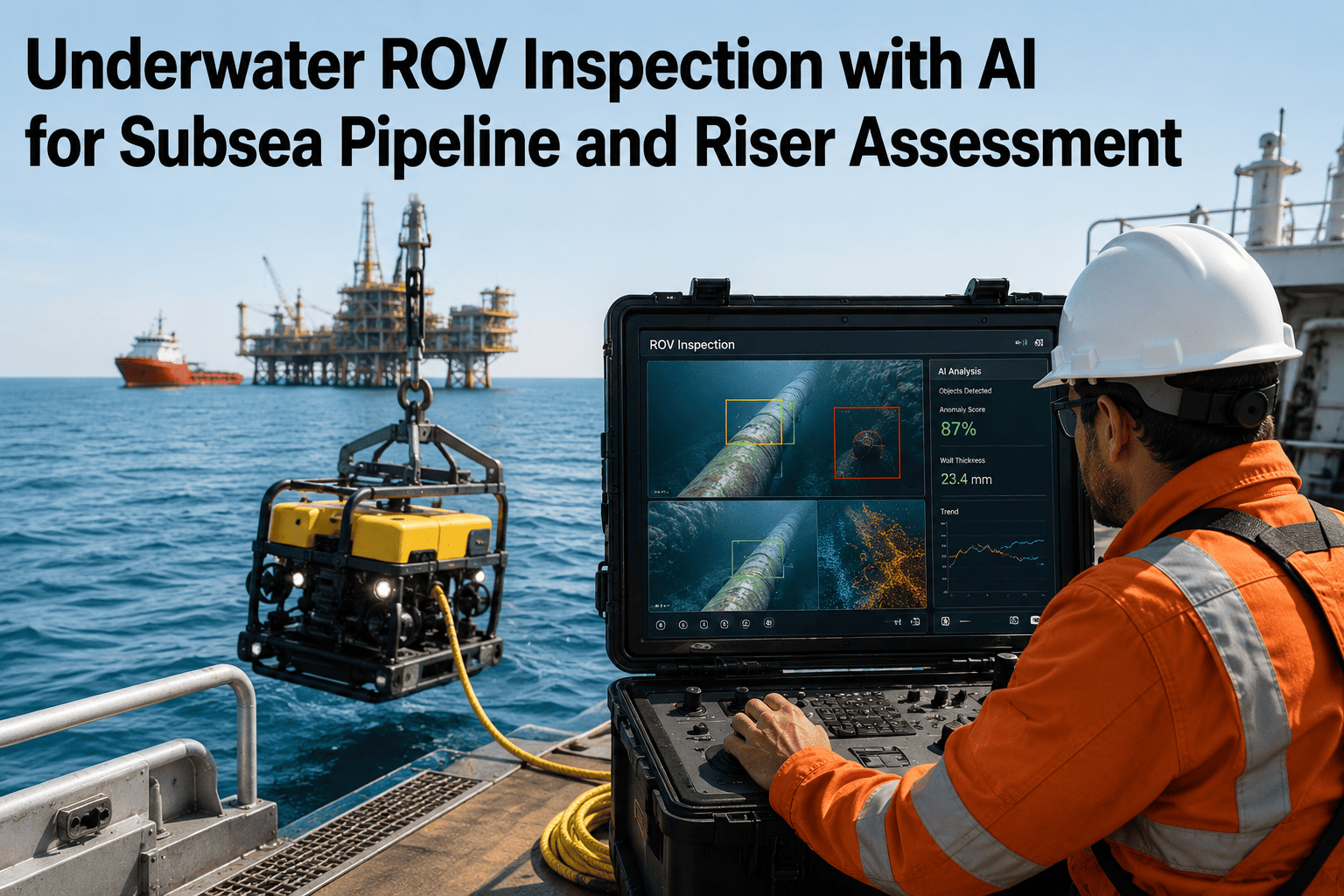
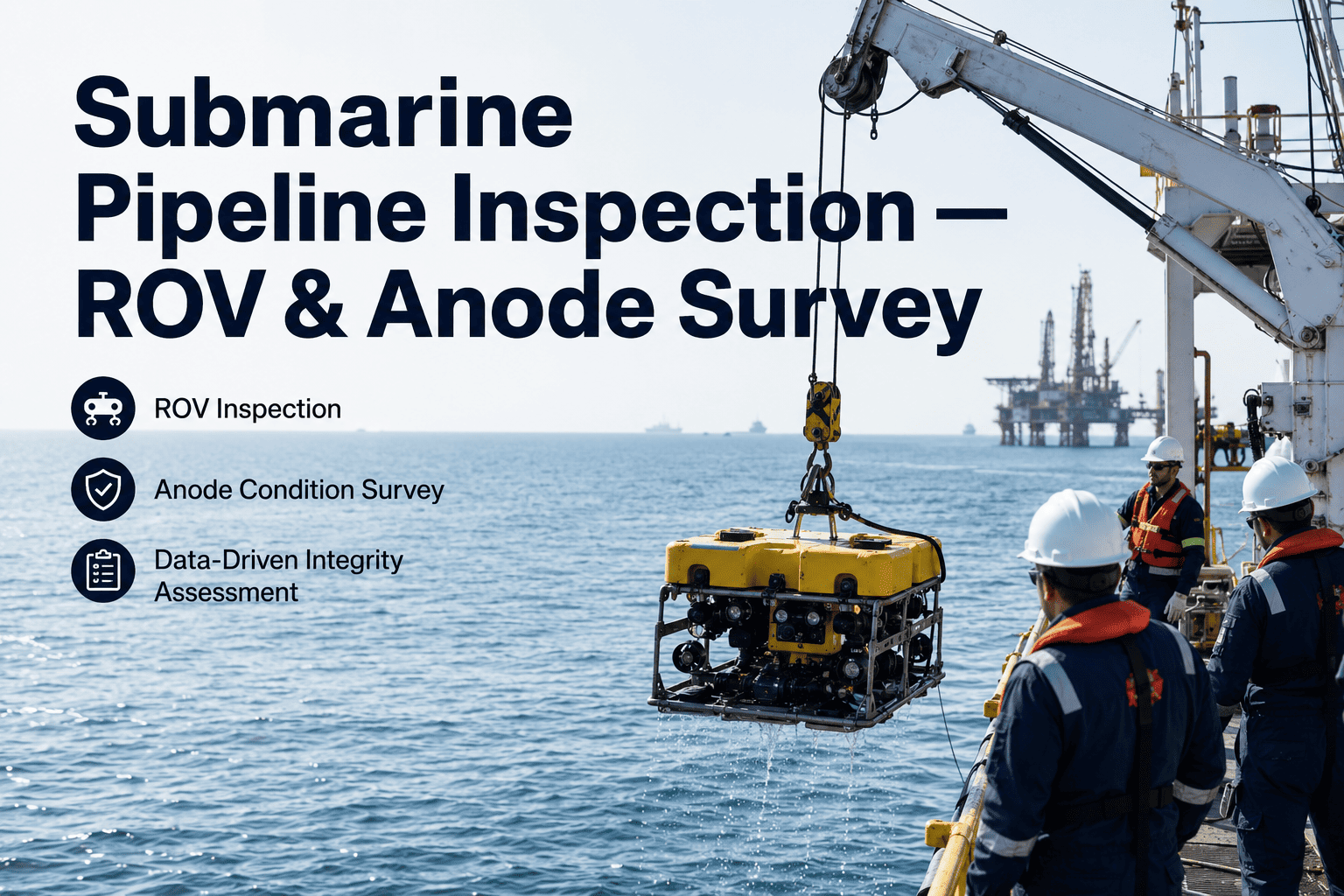
A 20-inch offshore pipeline with FBE coating showed anomalous CP readings. DCVG survey identified 8 coating defects, but CIS indicated adequate CP. Excavation revealed that CP was shielded by marine growth. Cleaning and anode replacement restored protection. ECDA saved $2M compared to ILI deployment.
Refinery Piping in Louisiana
An aging refinery piping network (6–18 inch) was assessed using ECDA due to limited access. AI-based risk ranking prioritized 10 excavation sites. Corrosion was found at 7 sites, with one near-failure (80% wall loss). The assessment prevented a potential leak and unplanned shutdown.
Future Trends in ECDA Technology
The next generation of ECDA will incorporate real-time monitoring, digital twins, and advanced analytics. Sensors embedded in coating systems can continuously monitor CP levels and detect disbondment. Digital twins of the pipeline integrate ECDA data with operational data (pressure, temperature) to predict corrosion evolution. iFactory is developing a real-time ECDA dashboard that streams CIS and DCVG data directly into a 3D model, allowing engineers to visualize risk in real-time. Machine learning models will become more sophisticated, incorporating physics-based constraints to improve prediction accuracy. As the industry moves towards autonomous integrity management, ECDA will evolve from a periodic assessment to a continuous monitoring process.
Frequently Asked Questions
What is the difference between ECDA and ICDA?
ECDA (External Corrosion Direct Assessment) focuses on external corrosion of buried pipelines, while ICDA (Internal Corrosion Direct Assessment) addresses internal corrosion threats. ECDA uses indirect inspection techniques like CIS and DCVG to detect coating defects and CP issues, whereas ICDA relies on flow modeling, water accumulation analysis, and coupon monitoring. Both follow a four-step process defined by NACE standards (SP0502 for ECDA, SP0116 for ICDA). The choice between them depends on the primary corrosion threat. For pipelines with both internal and external risks, a combined approach is recommended. For more details on integrating both methods, contact our support team.
How many excavations are required for a reliable ECDA?
NACE SP0502 requires a minimum of two excavations per pipeline segment, but the actual number depends on segment length, risk factors, and desired confidence level. For high-risk segments (e.g., CP shielding, aggressive soil), a typical recommendation is 3–5 excavations per mile. Statistical methods like stratified random sampling can optimize the number and location of excavations to achieve 95% confidence with fewer digs. The AI-based risk ranking in iFactory's platform can reduce the required excavations by up to 30% by identifying the most informative locations. To learn how our platform can optimize your excavation plan, Book a Demo.
Can ECDA be used for above-ground pipelines?
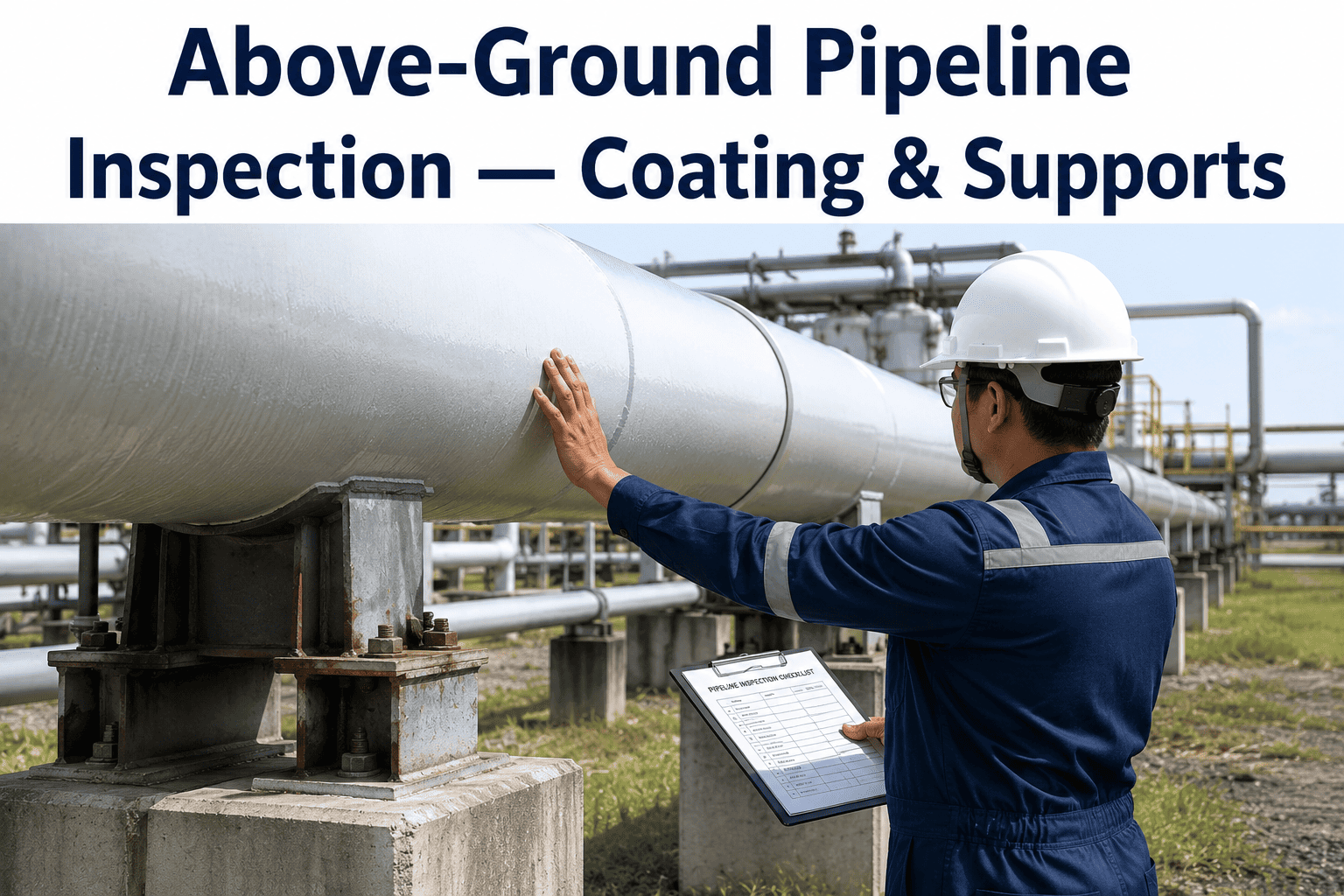
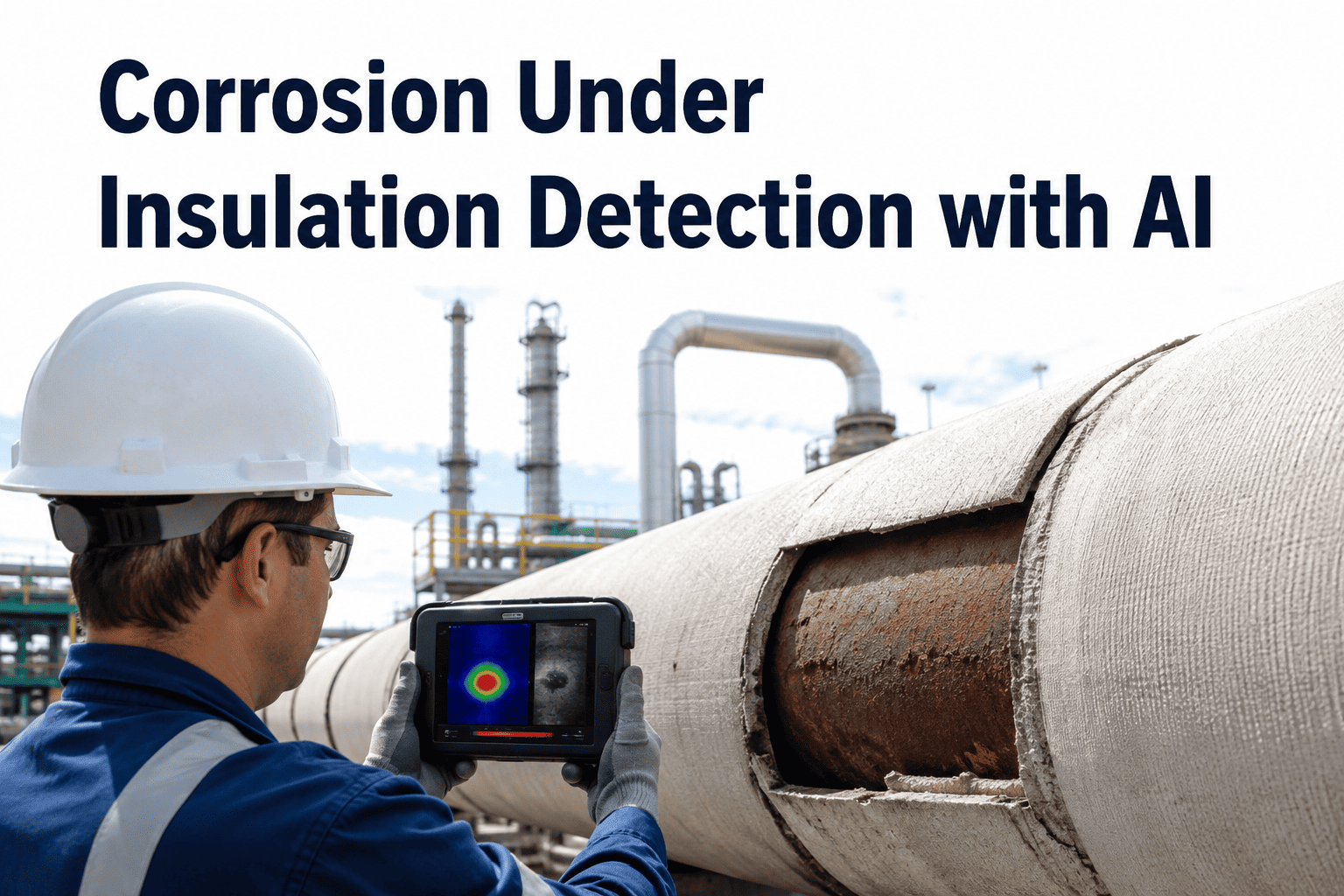
ECDA is primarily designed for buried pipelines, but the principles can be adapted for above-ground pipelines with modifications. For above-ground pipelines, visual inspection, ultrasonic thickness measurement, and coating assessment are more appropriate. The indirect inspection techniques (CIS, DCVG) are not applicable because they rely on soil as a conductive medium. However, the risk ranking methodology and data fusion approach used in ECDA can be applied to above-ground systems by incorporating different data sources such as atmospheric corrosivity, insulation condition, and support integrity. For a tailored approach for your above-ground assets, contact our team.
What are the limitations of DCVG and ACVG surveys?
DCVG and ACVG surveys are highly effective for detecting coating defects, but they have limitations. DCVG requires interruption of CP rectifiers, which can be disruptive and may not be feasible in all locations. ACVG can be performed without interruption but is more susceptible to interference from AC power lines. Both techniques may miss defects under disbonded coatings that are not exposed to the soil. Additionally, they provide limited information about defect size and severity—only the location and relative magnitude. The accuracy of both surveys depends on soil resistivity, with performance degrading in very high (>10,000 ohm-cm) or very low (<100 ohm-cm) resistivity soils. For these reasons, DCVG/ACVG data should always be correlated with CIS data and confirmed by direct examination. For guidance on selecting the right survey technique for your pipeline, Book a Demo.
How often should ECDA be repeated?
The re-assessment interval for ECDA is determined during the post-assessment phase based on the calculated corrosion rate and safety factor. For pipelines with low corrosion rates (<0.1 mm/year) and effective CP, intervals of 10 years are typical. For higher corrosion rates or where mitigation actions were taken, a shorter interval of 5 years is recommended. NACE SP0502 states that the interval should not exceed 10 years. If significant changes occur (e.g., CP system failure, coating degradation, new construction nearby), a re-assessment should be performed sooner. The iFactory platform can track assessment intervals and send alerts when re-assessment is due. To set up automated tracking for your pipeline network, contact our support team.
Ready to Implement a World-Class ECDA Program?
Leverage iFactory's AI-driven platform to automate data fusion, risk ranking, and compliance reporting. Ensure the integrity of your non-piggable pipelines.