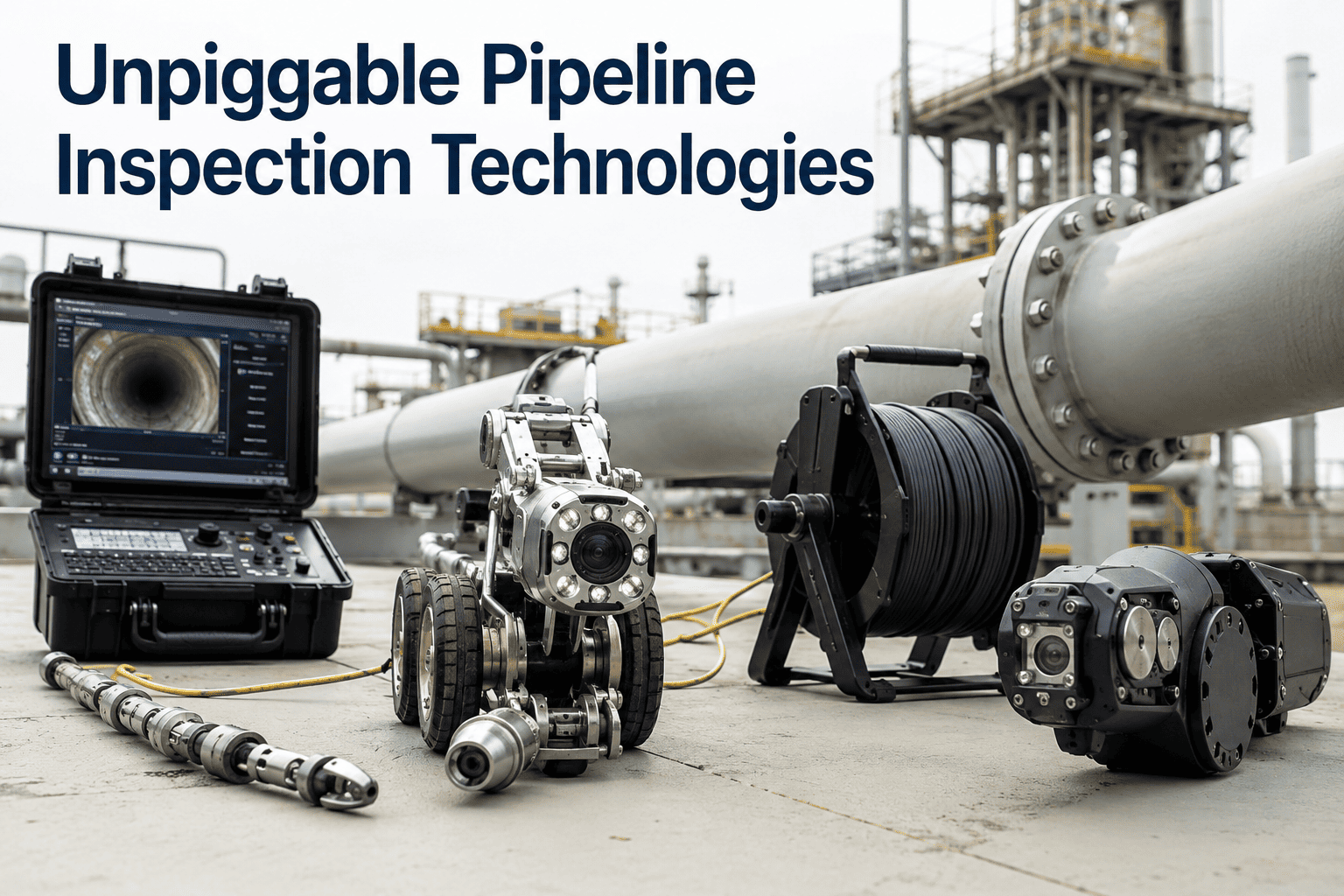
The global oil and gas network includes hundreds of thousands of miles of transmission and distribution pipelines that were never designed to accommodate inline inspection tools. These unpiggable lines carry natural gas, crude oil, refined products, and chemicals through terrain that makes conventional pigging physically impossible or economically impractical. Operators responsible for these assets face a regulatory expectation to demonstrate pipeline integrity without having access to the one technology built for exactly that purpose. The gap between what regulations require and what legacy infrastructure allows has driven the development of a parallel ecosystem of inspection technologies, and understanding which method fits which pipeline condition is now a core competency for any integrity team managing aging infrastructure. Explore how iFactory's pipeline inspection support helps operators evaluate and deploy these technologies effectively.
Pipeline Integrity Technology
Inspecting the Pipelines That Conventional Pigs Cannot Reach
Guided wave ultrasonics, external crawlers, robotic ILI, and direct assessment methods built for complex geometries, small diameters, and legacy infrastructure that rules out standard inline inspection.
Long-range screening from a single sensor location
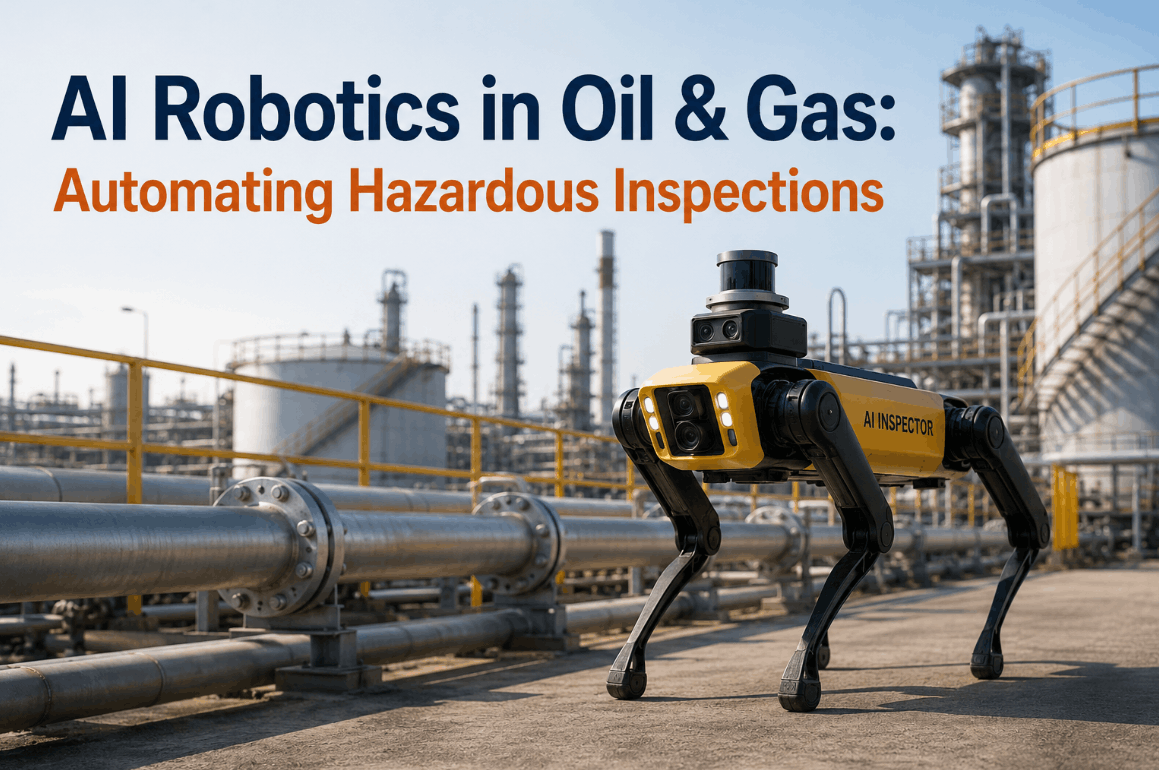
Robotic ILI
Self-propelled tools for complex routing
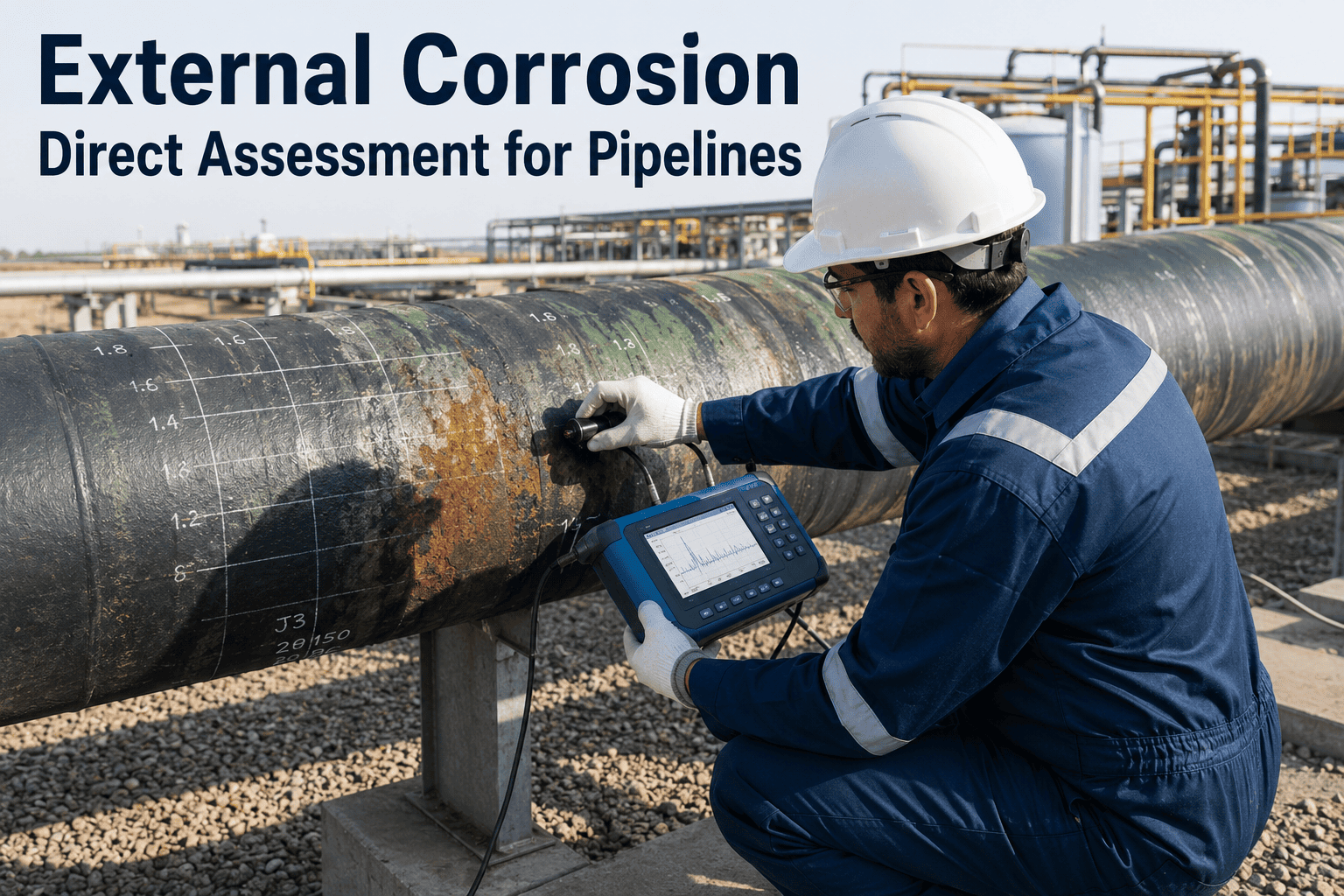
ECDA / ICDA
Regulatory-accepted direct assessment protocols
The Scale of the Unpiggable Pipeline Challenge
Unpiggable pipelines are not a niche problem confined to aging distribution networks. They exist across every segment of the oil and gas value chain, from low-pressure gathering systems in shale basins to high-pressure transmission lines that were built decades before inline inspection became an industry standard. The American Gas Association has estimated that a significant portion of the natural gas transmission network in the United States alone cannot accommodate standard smart pigs, and the figure is even higher for distribution and gathering systems. International networks face the same challenge, particularly in regions where pipelines were constructed with tight-radius bends, reduced-port valves, or diameter transitions that make it impossible to launch or retrieve a conventional inspection tool.
Regulatory frameworks like the U.S. Department of Transportation pipeline safety rules and equivalent international standards require operators to assess and manage integrity on all regulated pipelines, not just the ones that happen to be piggable. This creates a compliance gap that cannot be resolved by simply deferring inspection on unpiggable segments. Operators must either modify the pipeline to accept a pig, which is often prohibitively expensive or physically impossible, or deploy alternative inspection methods that can deliver actionable integrity data without requiring the pipeline to meet pigging specifications. The choice between these paths has significant cost, scheduling, and risk implications that affect capital planning for years.
What makes this challenge particularly difficult is that unpiggable pipelines tend to be the ones with the highest uncertainty. They are older, they often run through areas where historical records are incomplete, and they may have been exposed to conditions that accelerate degradation in ways that are hard to predict without direct inspection data. The absence of baseline inspection data means that when a problem is finally discovered, it is often more advanced than it would have been on a regularly inspected line. Closing this information gap is what the alternative inspection ecosystem exists to do.
60+ Years
Average age of many unpiggable transmission segments still in service
8 Inches
Diameter threshold below which most ILI tools cannot operate
1.5D
Bend radius that disqualifies most conventional smart pigs
Why Pipelines Become Unpiggable
A pipeline does not need a single catastrophic design flaw to be classified as unpiggable. More often, it accumulates a combination of geometric and operational constraints that individually might be manageable but together make it impossible to run a standard inline inspection tool from end to end. Understanding which constraints apply to a given line is the first step in selecting the right alternative inspection approach.
Small Diameter
Pipelines below approximately eight inches in diameter typically cannot accommodate the sensor packages, electronics, and battery sections required by conventional magnetic flux leakage or ultrasonic smart pigs. This affects a large share of gathering and distribution infrastructure, particularly in older urban gas networks and low-volume production gathering systems where small-bore pipe was specified for cost reasons. The physical constraint is absolute: the tool simply does not fit through the bore.
Tight-Radius Bends
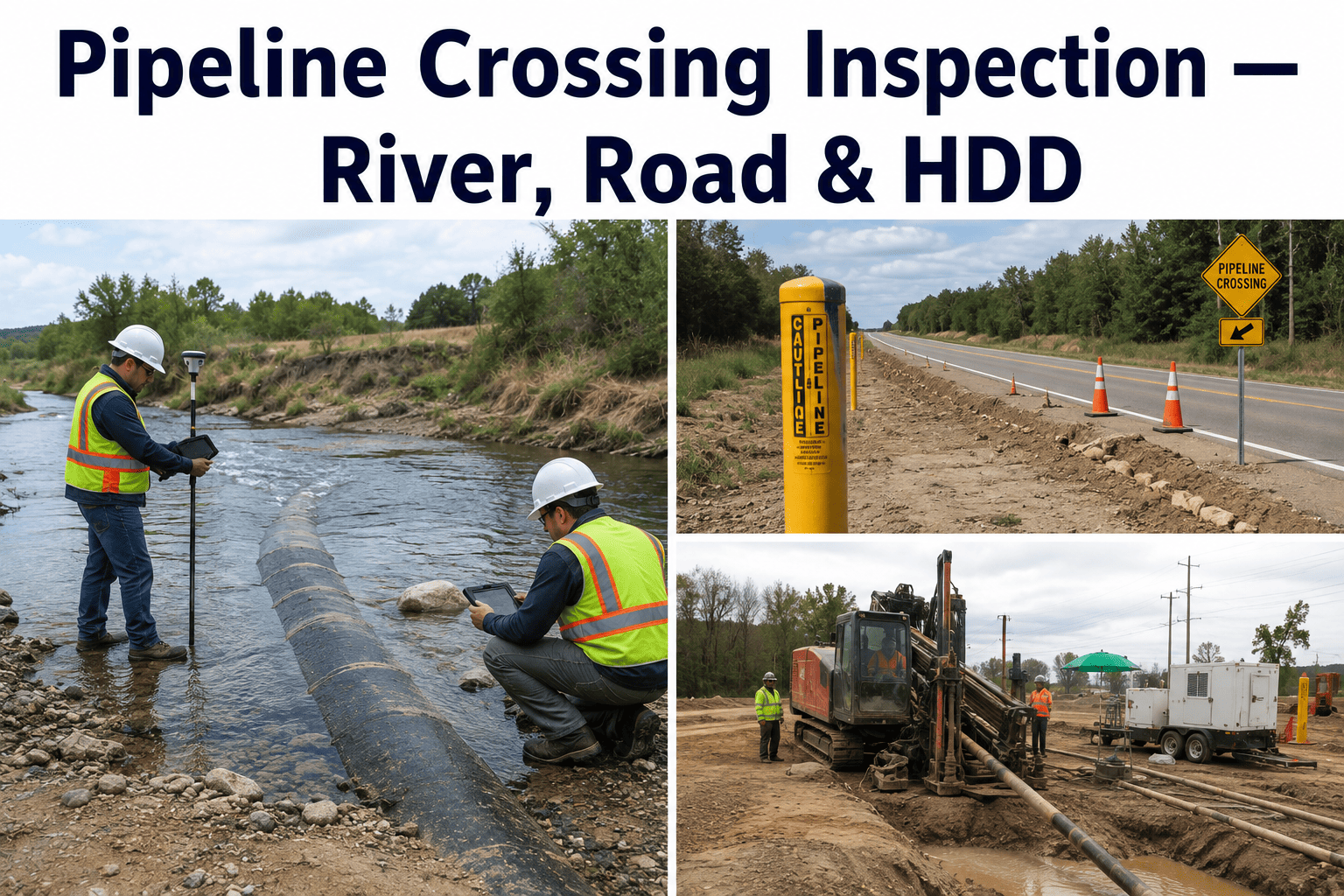
Most smart pigs require a minimum bend radius of three to five times the pipe diameter to pass without jamming or losing sensor contact. Pipelines routed through congested industrial areas, mountainous terrain, or urban rights-of-way often include bends at 1.5D or even tighter, particularly at road crossings, river crossings, or facility tie-ins. These bends are geometric barriers that no amount of tool redesign can easily overcome within the size constraints of a conventional pig.
Unpiggable Fittings and Valves
Reduced-port valves, wye connections, plug valves, and non-standard tees create internal obstructions or flow path changes that a smart pig cannot navigate. Many legacy pipelines were fitted with valves and fittings selected for pressure rating and cost rather than pigging compatibility, and retrofitting these components is often more disruptive and expensive than deploying an alternative inspection method.
No Launch or Receive Facilities
Conventional ILI requires pig traps at both ends of the inspection run, and many pipelines were built without these provisions. Installing launchers and receivers on an existing line means cutting into the pipe, modifying the right-of-way, adding isolation valves, and potentially re-rating the system. For short segments or low-priority lines, this capital expenditure cannot be justified against the inspection benefit alone.
Diameter Transitions
A pipeline that changes diameter along its route, even once, creates a barrier for most smart pigs designed to match a specific bore size. Size-on-size pigs cannot traverse a reducer, and while some expandable-tool concepts exist, they add complexity and cost that limits their practical application. Lines with multiple diameter changes are effectively segmented into separate inspection runs, some of which may be too short to justify a dedicated ILI campaign.
Flow and Pressure Limitations
Some pipelines operate at pressures or flow velocities that fall outside the operating envelope of standard smart pigs. Very low-pressure lines may not provide enough differential to drive the tool, while extremely high-velocity flows can cause speed excursions that degrade sensor data quality. These operational constraints are separate from geometric limitations but produce the same result: the line cannot be inspected with conventional ILI under its current operating conditions.
Core Inspection Technologies for Unpiggable Lines
Each alternative inspection method addresses a different subset of the constraints that make a pipeline unpiggable, and no single technology covers every situation. The table below and the detailed descriptions that follow are intended to help integrity engineers match the right tool to the right pipeline condition rather than defaulting to a single approach.
Guided Wave Ultrasonics
Low-frequency ultrasonic waves propagated along the pipe wall from a single sensor ring clamped to the exterior surface
Screens up to several hundred meters in both directions from a single access point without requiring pipeline entry
Detects metal loss and corrosion with location accuracy sufficient to direct follow-up examination
Best suited as a screening tool to prioritize areas for more detailed inspection or direct assessment
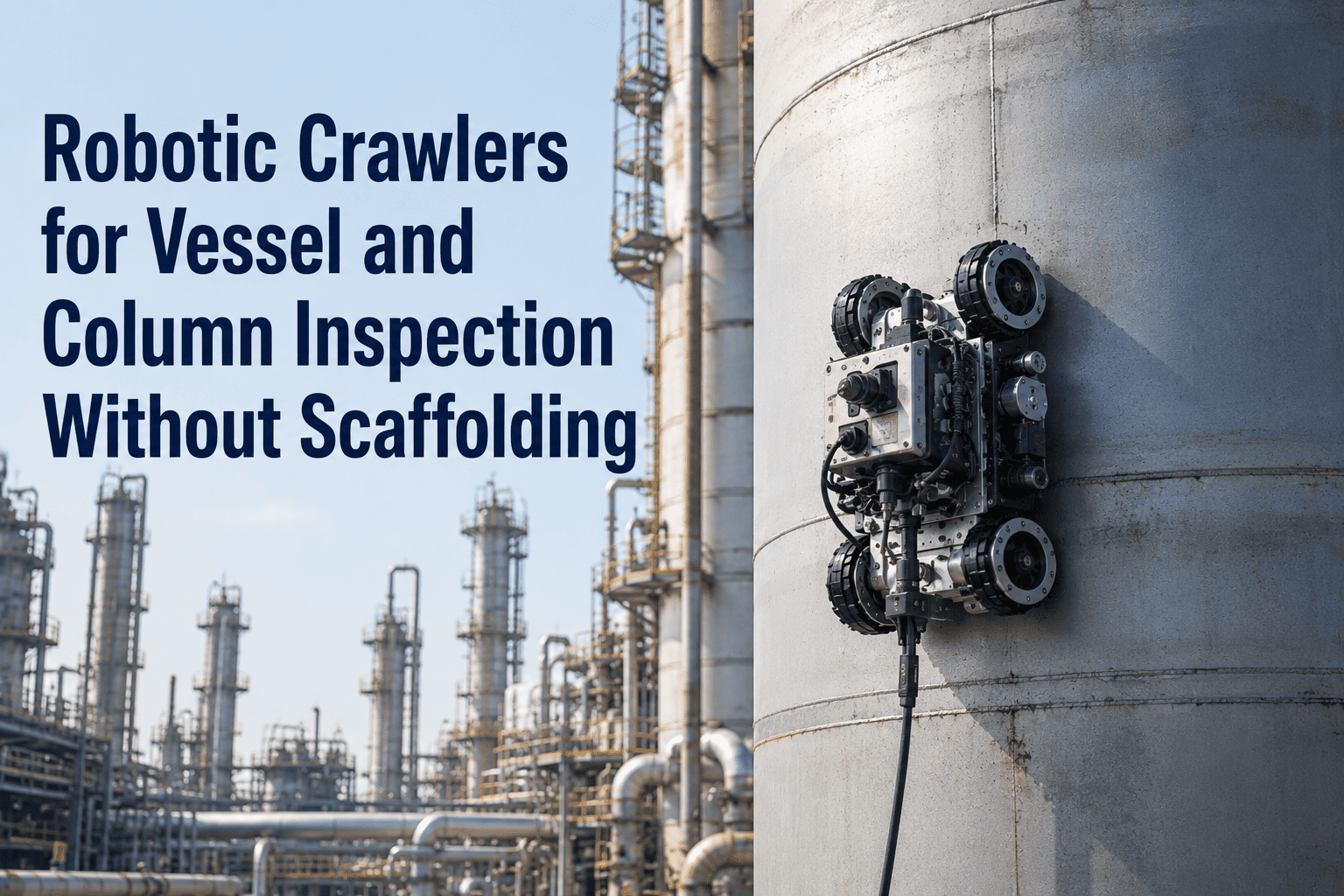
External Crawlers
Tethered or untethered robotic vehicles that travel along the exterior of the pipe, carrying MFL or ultrasonic sensors
Eliminates all internal geometric constraints because the tool never enters the pipeline bore
Provides high-resolution circumferential and axial mapping of wall thickness and defect geometry
Limited by external access conditions such as buried depth, coating type, and subsea deployment complexity
Robotic Inline Inspection
Self-propelled ILI platforms that do not rely on product flow for propulsion and can navigate complex geometries
Capable of traversing tight bends, vertical sections, and multi-diameter configurations that defeat conventional pigs
Delivers sensor data quality comparable to standard ILI when equipped with MFL or UT payloads
Requires pipeline entry and may need modified launch arrangements depending on the specific robotic platform
Direct Assessment
Structured integrity assessment protocols including ECDA for external corrosion, ICDA for internal corrosion, and SCCDA for stress corrosion cracking
Uses indirect inspection surveys, historical data analysis, and targeted excavations to assess condition without pipeline entry
Regulatory-accepted under U.S. DOT rules and equivalent international standards as an alternative to ILI
Produces lower resolution data than sensor-based inspection but can be applied to virtually any pipeline regardless of geometry
How Guided Wave Ultrasonics Screens a Pipeline From Outside
Guided wave ultrasonic testing operates on a fundamentally different principle than conventional UT inspection. Instead of sending a beam perpendicular to the pipe wall to measure thickness at a single point, GWUT excites a low-frequency wave that propagates axially along the pipe wall for tens or hundreds of meters. When that wave encounters a change in cross-sectional area caused by corrosion, erosion, or a weld, a portion of the wave energy reflects back to the sensor ring. The time-of-flight and amplitude of the reflected signal are used to estimate the location and severity of the feature.
The practical significance of this approach is that a single sensor placement can screen a long section of pipeline from one excavation or access point. For pipelines buried under roads, buildings, or waterways where excavation is expensive or restricted, this dramatically reduces the field effort required to identify areas of concern. The technology works on any pipe material that supports ultrasonic wave propagation, including carbon steel, stainless steel, and some alloys, and it is insensitive to the product inside the pipe as long as the sensor can be coupled to the exterior surface.
However, guided wave is fundamentally a screening tool, not a precision measurement tool. It provides an indication of where metal loss exists and an approximate estimate of its magnitude, but it does not produce the detailed wall-thickness maps that conventional ILI or inline UT delivers. The standard industry practice is to use GWUT to identify regions that warrant follow-up inspection with a higher-resolution method, which might include localized UT from the exterior, excavation and direct measurement, or, if the pipeline can be modified, a targeted ILI run on the segment of concern.
Guided Wave Propagation From a Single Sensor Ring
Technology Comparison for Unpiggable Pipeline Inspection
The matrix below summarizes how each major alternative inspection method performs across the criteria that matter most when selecting an approach for a specific unpiggable pipeline segment. No single method scores highest across every dimension, which is why most operators end up using a combination of technologies across their unpiggable fleet rather than relying on one approach exclusively.
Criteria
Guided Wave UT
External Crawler
Robotic ILI
Direct Assessment
Requires pipeline entry
No
No
Yes
No
Works on small diameter
Yes
Limited
Some platforms
Yes
Handles tight bends
Yes
Yes
Yes
Yes
Screening range per access
Up to 300m+
10-50m per run
Full segment
Segment-based
Defect sizing accuracy
Low to moderate
High
High
Moderate
Subsea applicability
Limited
Yes with ROV
Difficult
No
Relative cost per mile
Low
High
High
Moderate
Regulatory acceptance level
Screening only
Case-by-case
Equivalent to ILI
Established framework
Need help mapping your unpiggable segments to the right inspection technology? Book a 30-minute consultation with our pipeline integrity team.
A Practical Framework for Selecting Your Inspection Method
Rather than choosing an inspection technology based on familiarity or vendor availability, operators benefit from a structured decision process that starts with the pipeline constraints and works toward the method that best fits. The framework below outlines the sequence of decisions that typically leads to the most cost-effective and technically defensible inspection plan for an unpiggable segment.
1
Characterize Constraints
Document every geometric, operational, and access limitation that prevents conventional ILI. Include diameter, bend radii, valve types, launch and receive facility status, burial depth, coating type, and product conditions. This constraint profile determines which alternative methods are physically viable.
2
Define the Integrity Question
Determine what you need the inspection to tell you. Are you screening for general corrosion, quantifying a known anomaly, assessing internal corrosion mechanisms, or satisfying a regulatory baseline assessment requirement? The precision needed from the inspection directly affects which technology is appropriate.
3
Evaluate Access and Logistics
Assess what it takes to get each candidate technology to the pipeline. Guided wave requires excavation at sensor placement points. External crawlers need exposed pipe or digging access along the run. Robotic ILI needs an entry point. Direct assessment requires surface access for indirect surveys. Logistics often eliminate options that looked viable on paper.
4
Compare Cost and Coverage
Calculate the cost per unit length of pipeline inspected for each viable method, factoring in mobilization, field time, data analysis, and any follow-up inspection that the method's resolution limitations will require. Guided wave is cheap per access point but may leave large uncertainty zones that need additional work.
5
Validate Regulatory Acceptance
Confirm that the selected method meets the regulatory framework applicable to your pipeline and jurisdiction. Direct assessment has established precedent in U.S. DOT rules. Robotic ILI is increasingly accepted as equivalent to conventional ILI. Guided wave and external crawlers may require additional justification or a combination with other data sources.
What Operators Gain From Modern Unpiggable Inspection
The shift from deferring inspection on unpiggable lines to actively managing their integrity with alternative technologies produces measurable outcomes that go beyond simple regulatory compliance. The benefits below reflect what operators typically report after implementing a structured unpiggable inspection program across their portfolio.
Reduced
Integrity uncertainty
Baseline condition data replaces assumptions on pipelines that previously had no inspection history
Lower
Excavation costs
Screening tools like GWUT target digs to confirmed problem areas instead of random or schedule-based excavations
Stronger
Regulatory position
Documented inspection programs for unpiggable lines demonstrate due diligence to regulators and auditors
Extended
Asset life
Early detection of degradation allows targeted repair or mitigation before conditions force premature replacement
Frequently Asked Questions
Can guided wave ultrasonics replace inline inspection entirely for an unpiggable line?
Guided wave ultrasonics is a powerful screening tool, but it does not produce the defect sizing accuracy or circumferential coverage that regulators and engineering standards typically expect from a primary integrity assessment. GWUT tells you where metal loss exists and roughly how severe it is, but a follow-up method such as localized ultrasonic thickness measurement, excavation and direct examination, or direct assessment is almost always required to confirm the condition and support a fitness-for-service evaluation. In practice, guided wave is most effective as the first layer of a multi-stage inspection program that narrows the focus to specific locations before deploying a higher-resolution method. If you are building an inspection strategy for an unpiggable segment, talk to our pipeline inspection specialists about how to layer these technologies effectively.
How does external crawler inspection compare to conventional ILI in terms of data quality?
External crawlers equipped with magnetic flux leakage or ultrasonic sensors can produce data quality that is comparable to conventional inline inspection in terms of defect detection sensitivity and sizing accuracy. The fundamental difference is not in sensor capability but in coverage logistics. A conventional ILI run inspects the entire pipeline length in a single pass, while an external crawler typically covers a limited distance per deployment and may require multiple setups to inspect a long segment. The data from each crawler pass is high resolution, but stitching multiple runs together introduces logistical complexity and potential for gaps at setup transitions. For pipelines where external access is feasible and the segment length is manageable, external crawlers deliver inspection data that engineers can use with the same analysis workflows they apply to conventional ILI datasets.
What is the typical cost difference between robotic ILI and direct assessment for an unpiggable segment?
Robotic ILI generally has a higher upfront cost per inspection campaign than direct assessment because it involves specialized equipment, trained operators, and often modifications to accommodate the robotic platform at the launch point. Direct assessment has lower per-campaign costs but typically requires more field time for indirect surveys, excavation, and direct examination, and it may need to be repeated on a shorter cycle because the data resolution is lower. Over a multi-year integrity management cycle, the total cost difference depends heavily on the pipeline conditions and the frequency of reassessment required. For operators trying to decide between these approaches for a specific unpiggable segment, booking a consultation to walk through the trade-offs against your actual pipeline data is often the most efficient way to reach a decision.
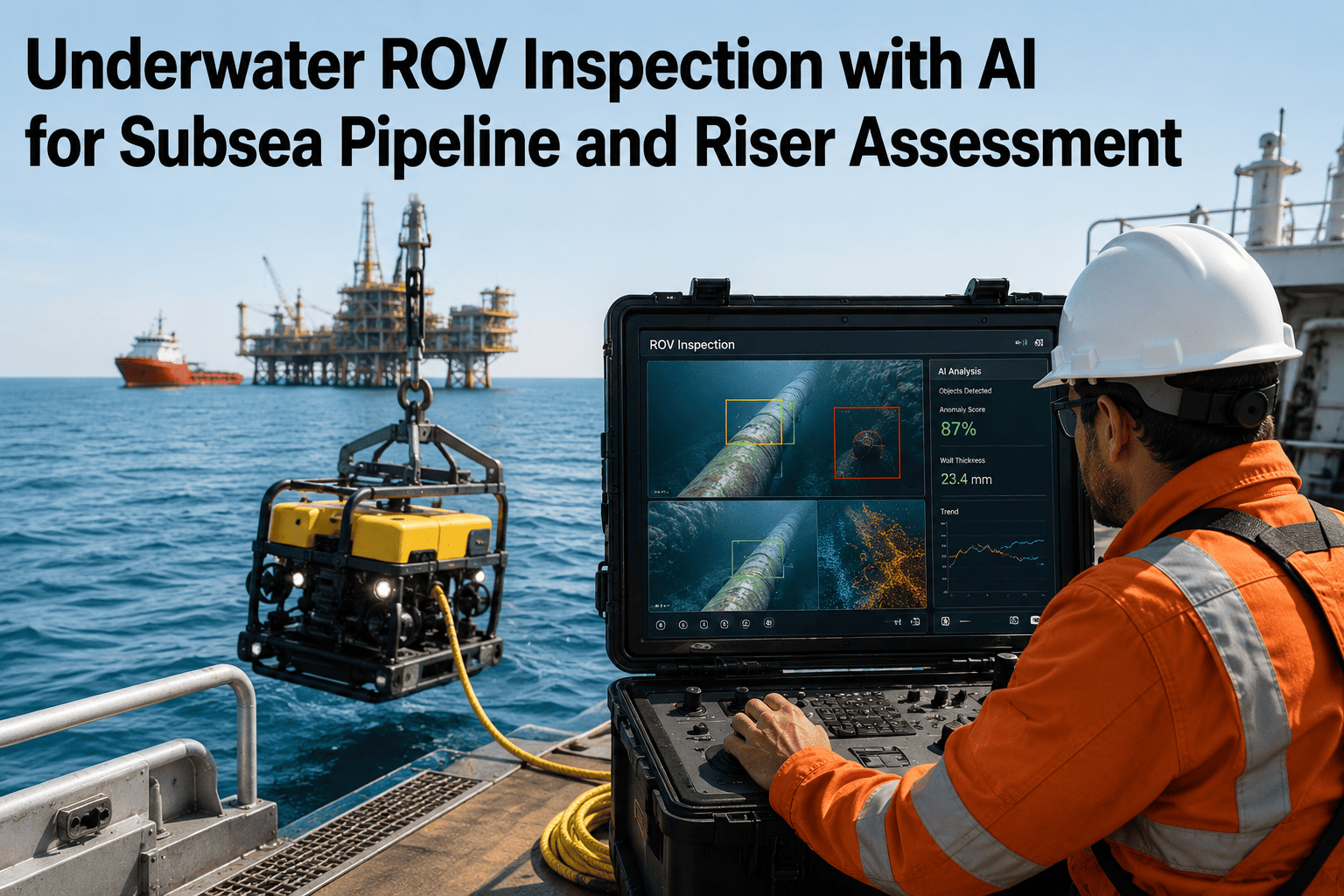
Can these alternative inspection methods be applied to subsea unpiggable pipelines?
Subsea application significantly narrows the viable options because most alternative methods require physical access to the pipe exterior, which is expensive and logistically complex in an underwater environment. External crawlers can be deployed subsea using remotely operated vehicles, and this approach is well established for shallow-water and platform-to-platform tiebacks where the pipeline is accessible to ROV intervention. Guided wave ultrasonics has been used subsea on risers and short subsea segments where a diver or ROV can clamp the sensor ring, but propagation range can be affected by marine growth, coatings, and the surrounding water medium. Direct assessment is not applicable subsea because it relies on surface-access indirect surveys. For deepwater unpiggable pipelines, the options are more limited and often require a combination of robotic crawler inspection at accessible locations and risk-based assessment for the remainder. Reach out to our team if you need to evaluate subsea inspection options for a specific pipeline.
How do we integrate unpiggable inspection data into our existing integrity management system?
Integration is one of the underappreciated challenges of unpiggable pipeline inspection because the data formats, resolution levels, and uncertainty characteristics of alternative inspection methods differ from what standard ILI data management workflows are designed to handle. Guided wave data, for example, is typically delivered as a series of feature calls with location and approximate severity, rather than the continuous wall-thickness profiles that ILI analysis software expects. External crawler data may look more like conventional ILI output but often comes in proprietary formats from the crawler vendor. Direct assessment produces excavation reports and indirect survey results that are structured differently from sensor data entirely. The integration strategy needs to map each data type into a common framework that supports risk ranking, repair prioritization, and regulatory reporting. This is an area where structured data management and AI-assisted analysis can add significant value by normalizing disparate inspection outputs into a consistent integrity picture across both piggable and unpiggable assets.
Pipeline Integrity Without Compromise
Build an Inspection Strategy for Every Unpiggable Segment in Your Portfolio
Bring your unpiggable pipeline inventory and constraint data. We will walk through how guided wave, external crawlers, robotic ILI, and direct assessment map to your specific lines and help you build a defensible inspection program that satisfies regulators and reduces uncertainty.