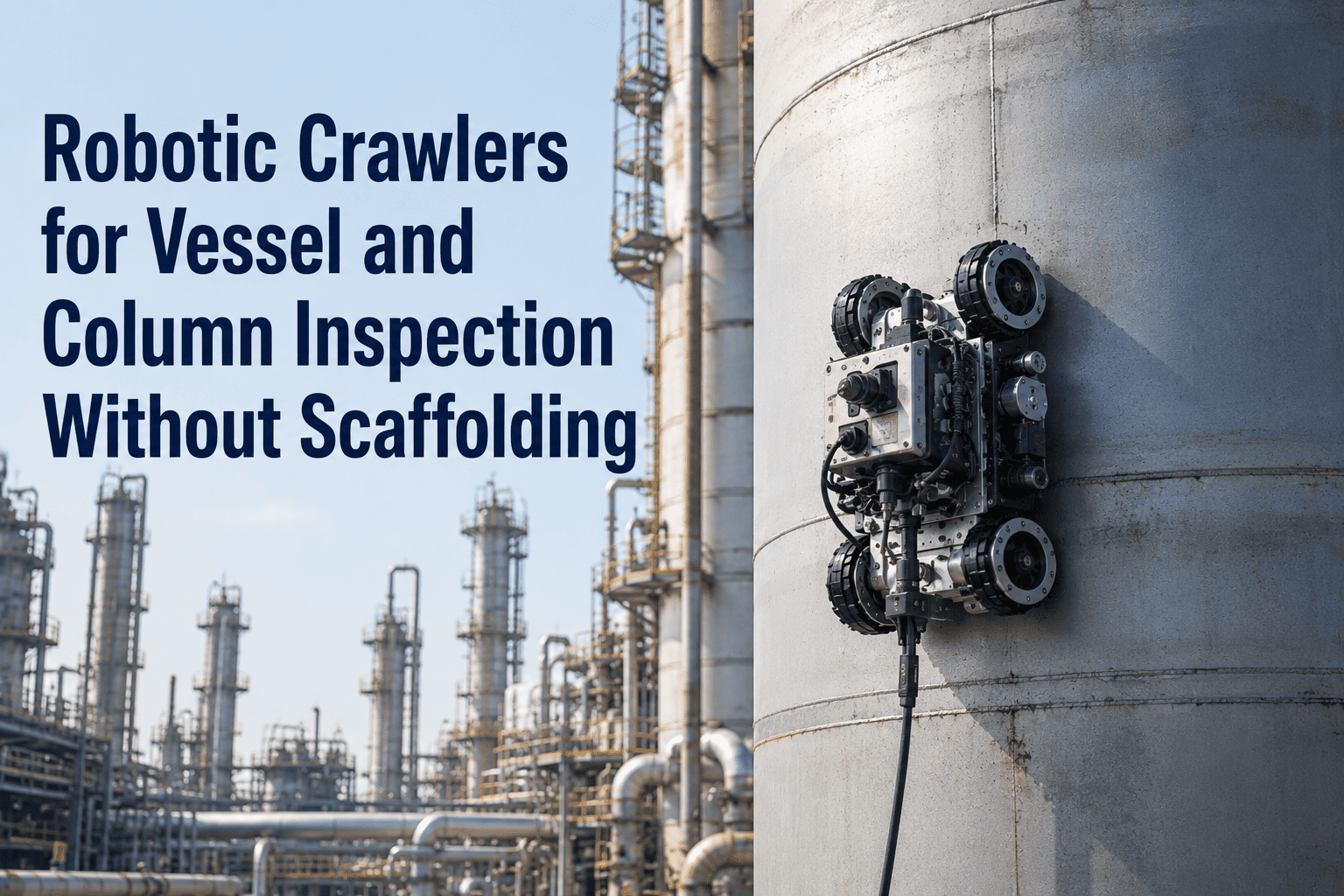
A carbon steel pressure vessel scheduled for internal inspection means draining, purging, ventilating, and clearing an OSHA 29 CFR 1910.146 confined space entry permit before a single human sets foot inside — a process that alone can take a day or more, before any scaffold or platform gets built for the inspector to actually reach the shell. Magnetic crawler robots skip nearly all of it. A tracked crawler adheres directly to the ferrous vessel wall, carries a camera and an ultrasonic thickness probe, and covers the same internal surface a manned entry would, without a person ever going inside. See how iFactory processes crawler-collected UT and visual data into a corrosion map your inspector can sign off on the same shift.
Robotic Inspection · Refinery Turnarounds
Send The Robot In First. Send The Scaffold In Only If It's Actually Needed.
Magnetic crawler robots with UT and visual payloads inspect pressure vessel shells and column internals without draining time on confined space entry, internal scaffolding, or a multi-day setup — turning a five-day vessel inspection into an eight-hour deployment.
5 days→8 hours
Typical vessel inspection duration, manned entry vs. crawler deployment
How The Robot Gets The Same Job Done
Magnetic Adhesion Replaces Scaffold, Not The Inspection Standard
The inspection requirements don't change — API 510 and API 653 still govern acceptance criteria, and a certified inspector still signs off on the findings. What changes is how the sensor physically reaches the surface.
Magnetic Track Adhesion
Powered magnetic wheels or tracks hold the crawler against vertical and overhead steel surfaces, including inverted operation on vessel roofs and tank tops, without any physical structure supporting it and without leaving the surface damage that older wheeled systems sometimes caused.
Modular NDT Payload
The same chassis carries visual cameras, ultrasonic thickness probes, and in some configurations eddy current or ACFM sensors, swapped depending on whether the pass is a visual survey or a full corrosion mapping run across the entire internal surface.
Remote Operation
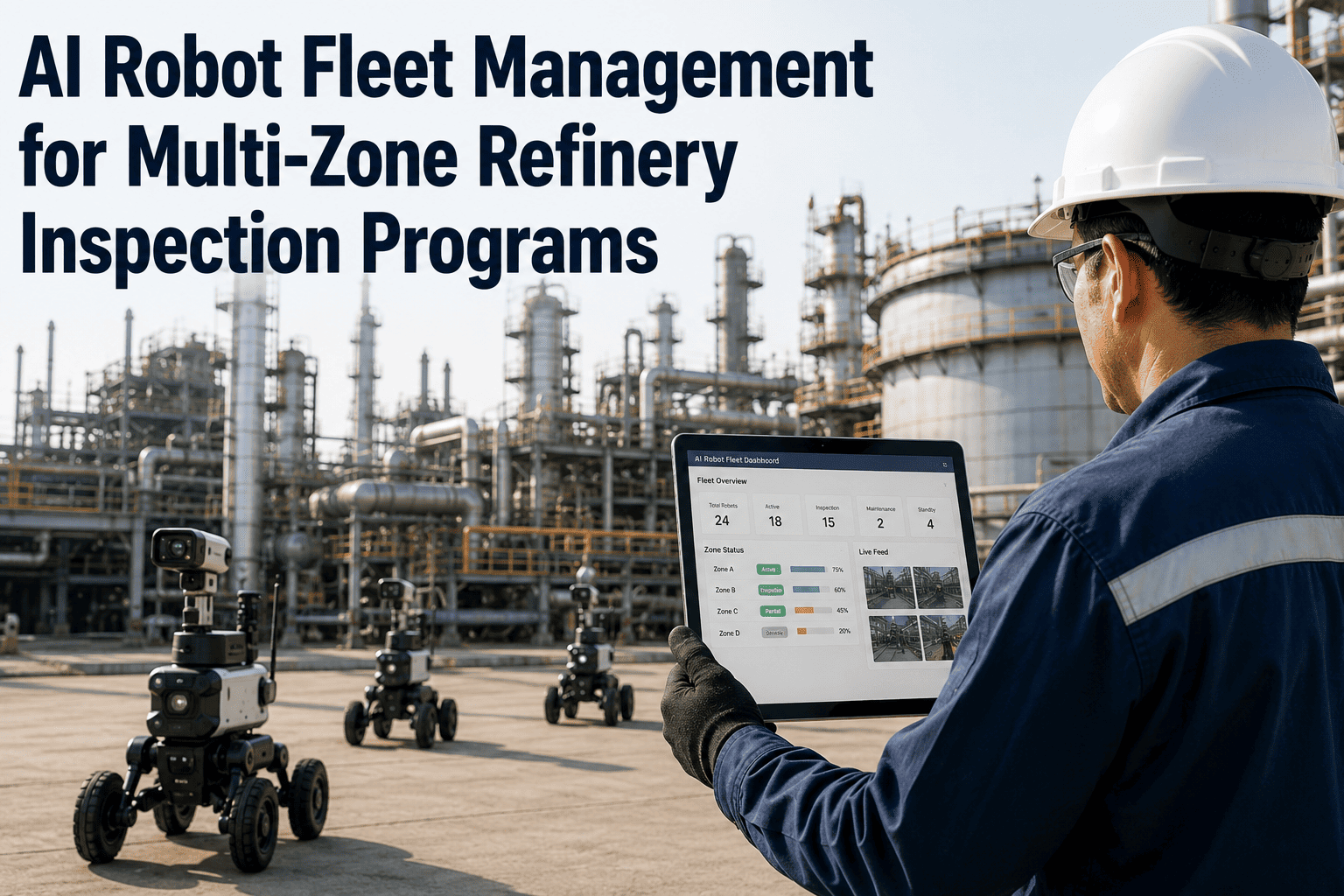
A technician operates the crawler from outside the vessel on a rugged tablet, collecting real-time video and thickness data while never entering the confined space the vessel represents, watching the same feed a manned inspector would see from the inside.
Gas Detection Onboard
Many crawler platforms carry integrated gas sensors, giving continuous atmosphere readings from inside the vessel throughout the inspection rather than a single reading taken before entry, which matters most in vessels with a history of trapped pockets.
See If Your Vessel List Qualifies
Find Out Which Of Your Vessels Are Crawler-Ready
Not every geometry suits every crawler class. Send your vessel and column inventory and iFactory's engineering team will map which assets are strong candidates for robotic inspection on your next turnaround.
The Time Breakdown
Where Manned Entry Loses Days That Crawler Deployment Doesn't
| Step | Manned Entry Inspection | Crawler Robot Inspection |
| Drain, Purge & Ventilate |
4-12 hours |
Often not required |
| Confined Space Entry Permit |
Several hours to a full day |
Not applicable |
| Internal Scaffold or Platform |
1-3 days |
Not required |
| Standby Rescue Team |
Required for full duration |
Not required |
| Actual Inspection & UT Mapping |
4-8 hours |
4-8 hours |
| Total Typical Duration |
3-5 days |
6-8 hours |
Where Crawlers Fit Best
Asset Types Best Suited To Robotic Internal Inspection
Carbon Steel Pressure Vessels
Magnetic crawlers achieve full internal coverage on ferrous vessel walls, including inverted operation across the roof, with UT payload delivering corrosion mapping data comparable to manned entry while a technician stays outside the vessel entirely.
Above-Ground Storage Tanks
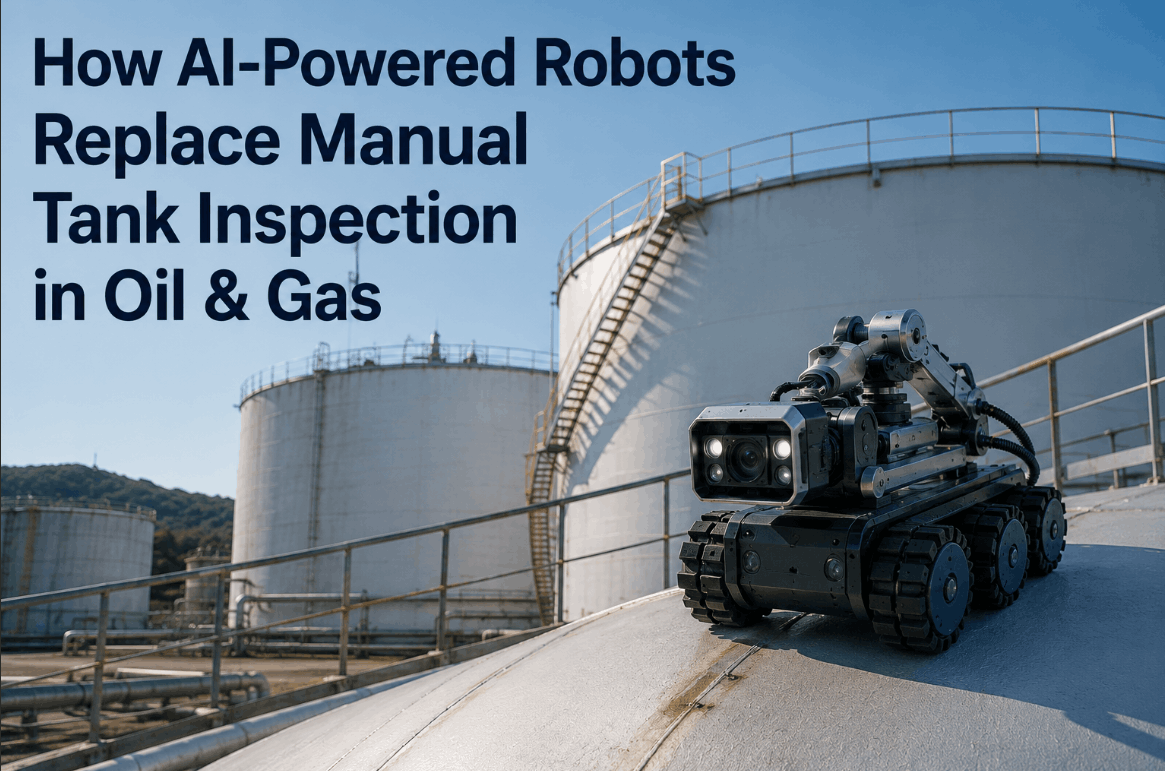
Shell and roof inspection under API 653 is a well-established crawler application, with wall thickness identified to within 1% of original thickness in trials against manned inspection, even where tank cleanliness limits full visual clarity.
Distillation Column Shells
External and, where geometry allows, internal shell inspection without the internal scaffold cycle that otherwise dominates column turnaround duration, freeing the column for mechanical work sooner.
Reactor Vessels
Weld inspection along vessel seams using eddy current or ACFM payloads, reaching weld lines that would otherwise require a full internal scaffold build to access safely and at height.
The Numbers
What Facilities Report After Adopting Robotic Inspection
Facilities that deploy robotic inspection technology consistently report the same pattern: dramatic reduction in preparation time, elimination of confined space entry risk, and inspection data that flows directly into digital maintenance systems instead of a paper checklist.
Reduction in inspection preparation time60-80%
Confined space entry fatalities during robotic inspectionZero
Wall thickness measurement accuracyWithin 1% of original thickness
Vessel inspection duration recovered4+ days per vessel
Field Perspective
People assume the win is safety, and it is, but the scheduling win is what gets a plant manager's attention. When a vessel inspection stops requiring a confined space permit, a rescue standby team, and internal scaffold, you've removed the three biggest reasons that inspection was sitting on the critical path in the first place. The robot is the tool. The permit and scaffold elimination is the actual value.
Harlan Voss
Mechanical Integrity Engineer, Downstream Refining · API 510 Certified · 19 years in pressure equipment inspection
Common Questions
Frequently Asked Questions
Does robotic UT data meet API 510 and API 653 acceptance criteria?
Yes, when the crawler's UT sensors are calibrated correctly and the resulting thickness data is reviewed by a qualified API 510 or API 653 inspector. The robot collects the measurement; a certified inspector still makes the fitness-for-service call, the same division of responsibility that applies to any UT technique regardless of how the probe reached the surface.
Talk to our engineering team about documentation requirements for your inspection program.
What vessel conditions limit whether a crawler can be used at all?
Interior cleanliness is the biggest practical limiting factor — heavy scale, sludge, or residue can obstruct both magnetic adhesion and clear UT contact, so vessels sometimes still need a cleaning pass before a crawler run. Non-ferrous materials also require a different crawler class, since standard magnetic adhesion only works on carbon steel and other ferrous surfaces.
Does this eliminate confined space entry permits entirely?
In most cases, yes, for the inspection itself, since no person enters the vessel while the crawler operates. If a finding requires hands-on repair, standard confined space entry protocols apply to that follow-up work the same way they always have — the crawler removes the entry requirement for inspection, not for physical intervention.
How does crawler inspection cost compare to a full manned entry with scaffold?
The largest savings come from eliminated scaffold, standby rescue crew, and reduced outage duration rather than the crawler deployment itself, which typically runs a fraction of a comparable manned inspection once permit, scaffold, and standby costs are included. Facilities running frequent vessel inspections tend to see the fastest payback since the avoided costs recur every cycle.
Book a call to model the comparison against your own vessel schedule.
Can a crawler inspect a vessel that's still partially in service or hard to isolate?
Some crawler platforms are rated for on-stream inspection on external surfaces and select internal configurations, though full internal inspection generally still requires the vessel to be out of service, drained, and safe for equipment entry even if not for human entry. Your inspection program's isolation requirements should be confirmed against the specific crawler class being considered.
Ready to Send the Robot In First
Stop Building Scaffold Inside Vessels Just to Get a Camera Close
iFactory processes crawler-collected visual and UT inspection data automatically, turning a robotic pass into a corrosion map and defect report your inspector can review the same shift, without the confined space entry and internal scaffold cycle that used to gate the work.