A pipeline without a pigging program is a pipeline operating blind. Wax deposition, scale buildup, corrosion pitting, and liquid slugging develop silently inside a line — reducing throughput, elevating pressure drop, accelerating corrosion, and ultimately creating the conditions for a forced shutdown or integrity failure that costs far more to remediate than any scheduled pigging run. For U.S. oil and gas operators, midstream pipeline companies, and gas processors, a structured pigging program combining routine cleaning runs with periodic intelligent pig inspections is the operational baseline for safe, efficient pipeline management — not a premium service for high-consequence assets only. The decision framework for pigging frequency, pig type selection, and ILI scheduling depends on line diameter, product type, flow regime, corrosion history, and regulatory classification. Book a Demo to see how iFactory AI's pipeline analytics platform integrates pigging event data with real-time flow, pressure, and corrosion monitoring to close the loop between ILI findings and operational response.
Cleaning Pig Selection: Matching the Tool to the Deposit
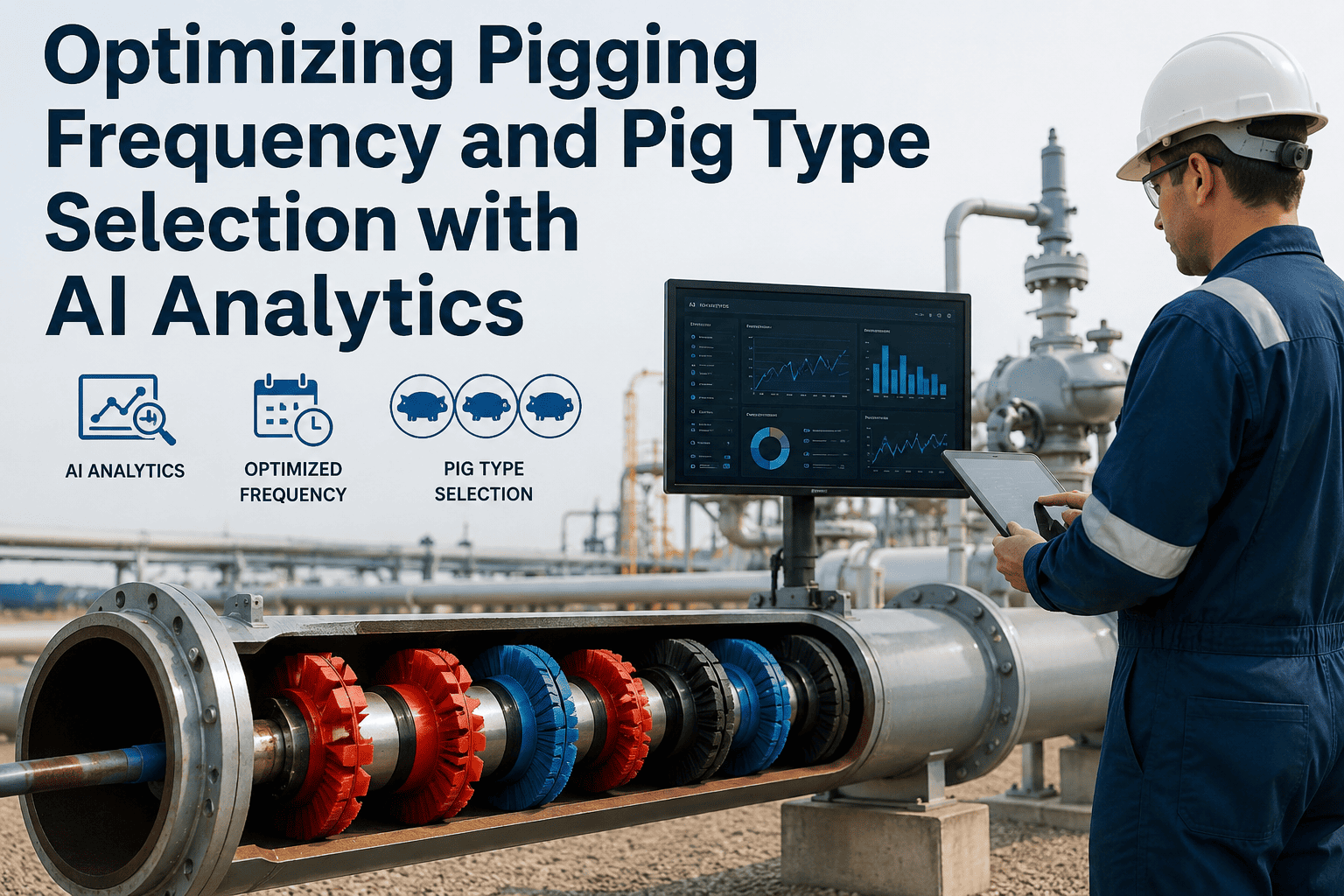
The first decision in any pigging program is pig type selection — and the most common mistake is deploying the same foam or mandrel pig regardless of what is actually coating the pipe wall. Different deposits require different tool geometries, seal configurations, and bypass ratios. Running a foam pig through a wax-heavy crude line clears the bore but leaves the wall film intact. Running a wire brush pig through a gas gathering line with soft condensate deposits generates debris slugs that overtax the pig receiver. Effective cleaning pig selection starts with an accurate characterization of the deposit type, pipeline geometry, and flow conditions.
| Pig Type | Best For | Mechanism | Limitations |
|---|---|---|---|
| Foam Pig | Initial bore clearance, liquid removal, debris displacement after hydrostatic test | Compressible polyurethane body; conforms to diameter changes and bends; sweeps liquid slugs | Minimal wall contact force; will not remove adherent wax, scale, or biological deposits |
| Mandrel Pig (Cups/Discs) | Routine liquids removal, batching product interface, light deposit maintenance | Steel body with elastomer cups or discs; maintains differential pressure seal across pig | Fixed diameter; not suitable for multi-diameter lines without configuration change |
| Wire Brush Pig | Moderate mill scale, light rust, soft wax deposits on liquid or gas lines | Carbon steel or stainless brushes on mandrel body; mechanical abrasion of wall deposits | Generates metal and debris slugs; receiver must handle high solid load; not for soft coatings |
| Magnetic Pig | Ferrous debris removal before ILI run; protecting intelligent pig sensors from metal debris | Permanent magnet assemblies attract and retain ferrous particles ahead of ILI tool | Single function; must precede ILI run, not substitute for cleaning |
| Gel Pig | Wax plug removal, scale dissolution, product batching in small-diameter or complex geometry lines | Viscous gel slug pumped as a train; adheres to wall, dissolves deposits, and is produced out at receiver | Chemical disposal requirement; not suitable as ILI precursor without follow-up flush |
| Bi-Di Pig | Deadleg cleaning, lines without permanent pig launcher/receiver, pre-ILI cleaning passes | Bidirectional seal cup configuration; runs forward and reverse without reloading | Lower differential pressure rating than unidirectional mandrel pigs; speed control more complex |
For most crude oil and products lines operating above 15 years, the optimal cleaning approach is a graduated sequence: foam pig pass to clear bore and establish baseline differential pressure, followed by progressive mandrel/disc pig passes at increasing bypass restriction, then a wire brush or spring-loaded blade pig to address wall deposits, and a final clean flush pig before the ILI run. Compressing this sequence without verifying pig receiver condition, differential pressure trends, and received debris volume at each stage is how cleaning runs damage intelligent pig tools. Book a Demo to see how iFactory AI tracks pigging run differential pressure and debris telemetry against historical baselines to optimize the cleaning sequence for each line.
Intelligent Pig Technology: MFL, UT, EMAT, and Geometry Tools
Intelligent pig runs — formally called In-Line Inspections (ILI) — are the primary tool for quantitative pipeline integrity assessment. The ILI market has converged on four primary sensor technologies, each suited to different defect types, pipeline materials, and product environments. Selecting the right ILI tool for a given pipeline is as important as scheduling the run itself; a mismatched tool produces data that either misses the relevant threat mechanism or requires expensive re-run with the correct technology.
Building a Pigging Schedule: Cleaning Frequency, ILI Interval, and Regulatory Requirements
A functional pigging program schedule integrates three distinct cadences: routine cleaning runs tied to operational indicators (pressure drop, flow efficiency, wax appearance temperature), ILI intervals governed by pipeline classification and threat assessment, and pre-ILI cleaning sequences that ensure the bore is in acceptable condition for the intelligent pig. These three cadences interact — ILI intervals set the planning horizon, cleaning frequency determines whether the line will be in ILI-ready condition when the inspection run is due, and operational data from cleaning runs feeds the threat model that determines the next ILI interval.
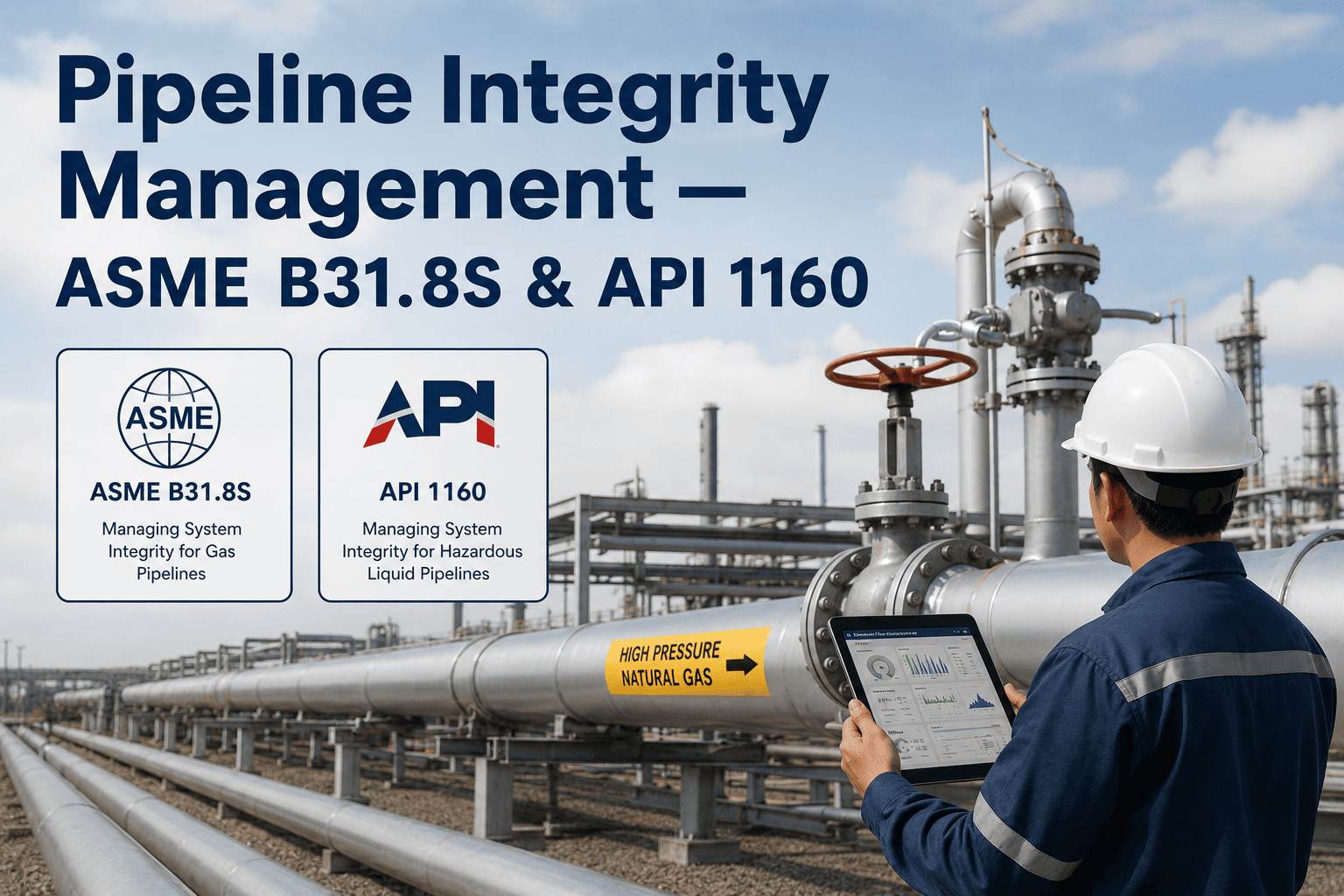
PHMSA's Integrity Management Program (49 CFR Part 195 for hazardous liquids; Part 192 for gas transmission) sets the regulatory floor for ILI intervals in High Consequence Areas — 5 years for direct assessment alternatives, with shorter intervals triggered by ILI findings that indicate active corrosion above defined growth rate thresholds. For lines outside HCA designation, operator-defined intervals based on threat assessment govern the schedule. The practical reality for most U.S. operators is that PHMSA's floor is a minimum, not an optimum — lines with high water cut, active MIC, or documented external corrosion often justify 3-year ILI intervals based on remaining life analysis.
Pig Speed Control and Bypass Ratio: The Operational Variables That Determine Run Quality
The most underspecified parameters in most pigging programs are pig velocity and bypass configuration — and they are the variables that most directly determine whether a cleaning run achieves its objective or generates a pressure surge, debris avalanche, or receiver damage event. Intelligent pig tools specify acceptable velocity windows (typically 0.5–5.0 m/s for MFL tools; tighter for UT) that are defined by sensor sampling rate and required wall coverage. Cleaning pigs have looser velocity requirements, but running a brush pig at excessive speed through a high-deposit section generates impact loads that damage the brush elements without cleaning the wall.
Expert Perspective: What Most Pigging Programs Get Wrong
Conclusion: A Pigging Program Is a Data Program
The operational value of a structured pigging program — reduced pressure drop, recovered throughput, extended pipeline life, corrosion trend visibility — is well documented in U.S. midstream operations. The integrity value, measured in avoided failures and PHMSA compliance, is equally clear. What is less consistently realized is that every cleaning pig run and every ILI inspection generates operational data that should be feeding back into the pipeline threat model, adjusting cleaning frequency, informing chemical injection optimization, and resetting the ILI interval. Treating pigging as a discrete maintenance event rather than a continuous data-collection program is the operational gap that leaves that value unrealized. For U.S. pipeline operators who are ready to close that gap — integrating pigging event data with real-time flow analytics, corrosion monitoring, and integrity management records — iFactory AI's pipeline operations platform is built for exactly that workflow.