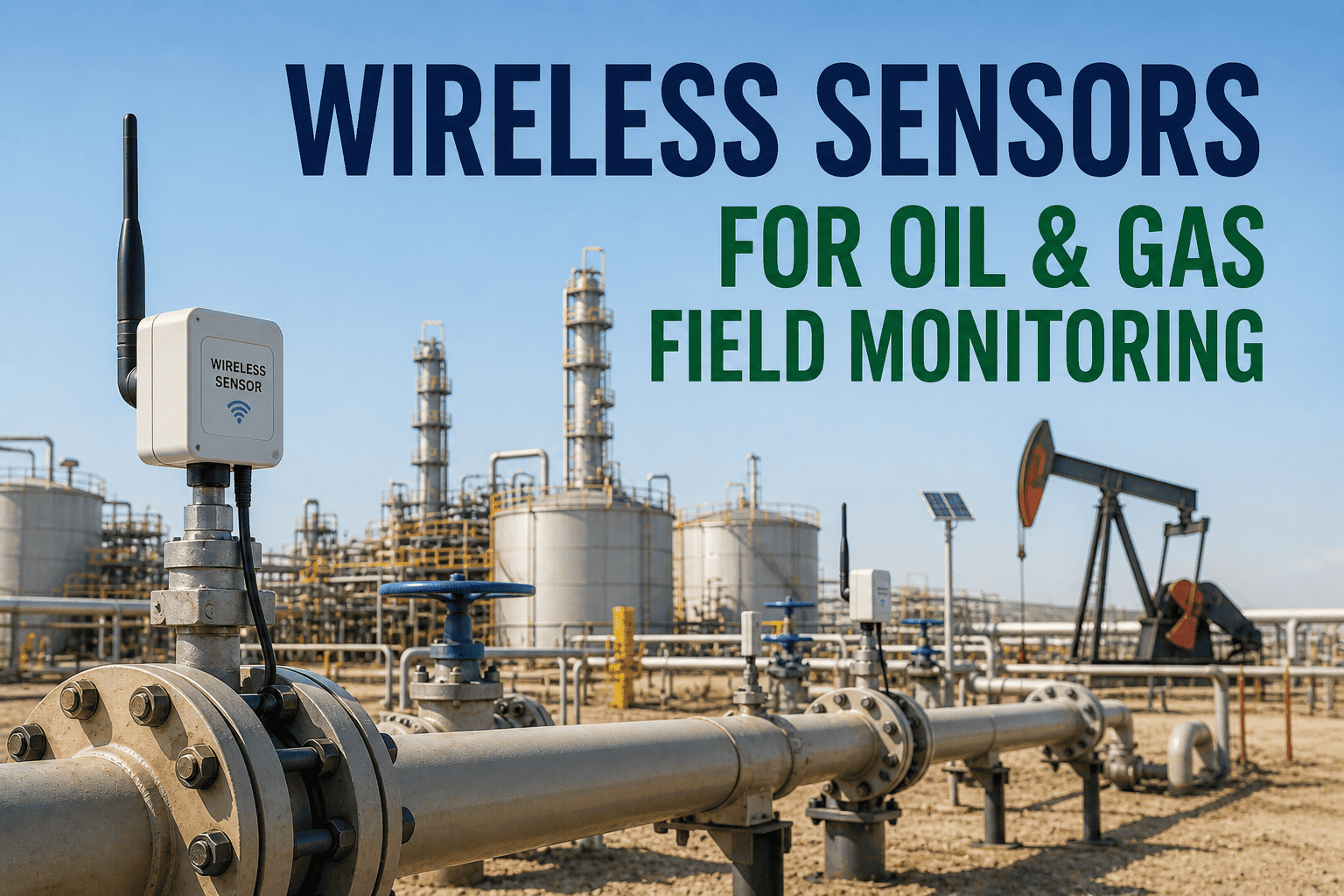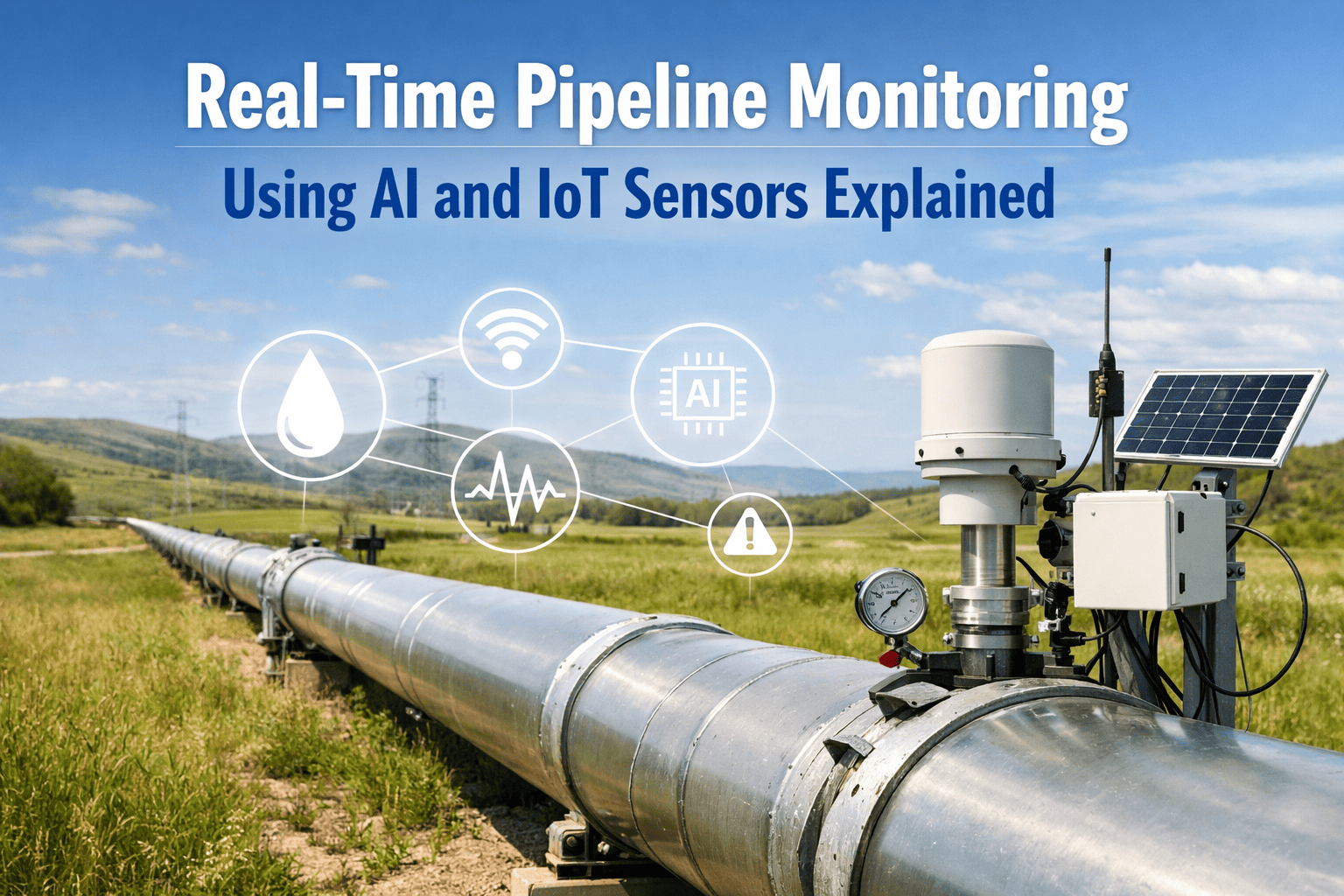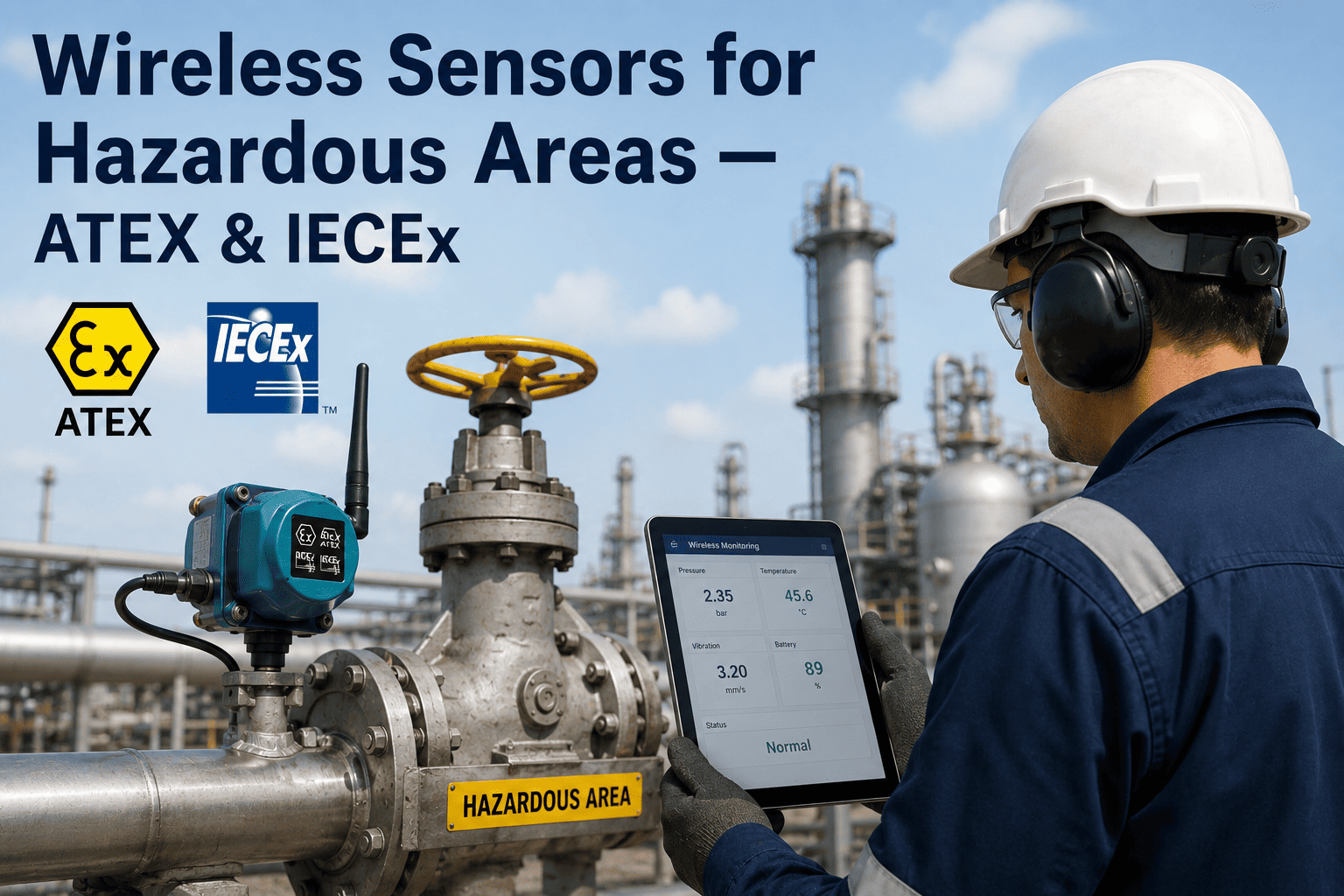
In the high-stakes environment of oil and gas operations, deploying effective monitoring solutions in hazardous areas is a critical imperative for safety, regulatory compliance, and operational continuity. Traditional wired sensor networks, while reliable, often become impractical or prohibitively expensive in Zone 1 and Zone 2 classified locations due to the stringent requirements for explosion-proof enclosures, intrinsic safety barriers, and complex installation logistics. The advent of ATEX and IECEx certified wireless sensors has revolutionized this landscape, offering a scalable, cost-effective, and intrinsically safe alternative that meets the most rigorous international standards. These wireless transmitters, engineered for extreme conditions, now enable real-time data acquisition on vibration, temperature, pressure, and gas detection without compromising safety or risking ignition sources. For plant managers and maintenance directors seeking to modernize their remote asset monitoring, understanding the technical nuances, certification pathways, and deployment strategies for these devices is essential. Book a Demo to explore how iFactory’s wireless sensor solutions can transform your hazardous area monitoring.
Transform Your Hazardous Area Monitoring
Deploy certified wireless sensors in Zone 1 and Zone 2. Ensure safety, compliance, and real-time data.
The Imperative for Wireless Monitoring in Hazardous Areas
The oil and gas industry operates under the constant threat of catastrophic failures, with unplanned downtime costing millions per day. In hazardous areas, where flammable gases, vapors, or dusts are present, the installation of traditional wired sensors requires extensive engineering, heavy conduit, and expensive explosion-proof enclosures. Wireless sensors, when properly certified, eliminate these burdens while providing the same level of accuracy and reliability. The global push toward Industry 4.0 and predictive maintenance has accelerated the adoption of wireless IoT devices in refineries, offshore platforms, and petrochemical plants. However, the deployment in hazardous locations demands adherence to strict international standards—ATEX in Europe and IECEx globally—to ensure that the devices themselves do not become ignition sources. This deep dive explores the technical architecture, certification processes, and practical implementation of wireless sensors in Zone 1 and Zone 2 areas, offering enterprise decision-makers a comprehensive guide to modernizing their asset monitoring strategies.
Intrinsic Safety (IS) Design
Wireless sensors for hazardous areas are engineered with intrinsic safety principles, limiting electrical and thermal energy to levels below what is required to ignite a specific hazardous atmosphere. This involves careful component selection, encapsulation, and current limiting to ensure that no spark or hot surface can occur under normal or fault conditions. IS certification is the gold standard for Zone 0 and Zone 1 deployments, allowing sensors to be installed in the most volatile environments without heavy enclosures.
Explosion-Proof (Ex d) Enclosures
For applications where intrinsic safety is not feasible, explosion-proof enclosures contain any internal explosion and prevent it from propagating to the surrounding atmosphere. These robust housings are designed to withstand high pressures and are sealed to prevent gas ingress. Ex d certified sensors are typically used in Zone 1 and Zone 2 areas where larger power requirements or specific sensor types demand a different protection method.
Wireless Communication Protocols
WirelessHART, ISA100.11a, and LoRaWAN are the predominant protocols for hazardous area sensors, each offering distinct advantages in range, data rate, and mesh networking capabilities. WirelessHART is widely adopted in process industries due to its self-organizing mesh topology and compatibility with existing HART devices. ISA100.11a provides robust security and deterministic timing, while LoRaWAN offers exceptional range and low power consumption for periodic monitoring applications.
Power Management & Battery Life
Battery life is a critical factor in wireless sensor deployment, especially in hazardous areas where battery replacement can be costly and logistically challenging. Advanced power management techniques, including adaptive sampling rates, sleep modes, and energy harvesting from vibration or thermal gradients, extend operational life to 5–10 years. Lithium thionyl chloride batteries are commonly used for their high energy density and wide temperature range, with intrinsic safety approvals ensuring safe operation.
Understanding ATEX and IECEx Certifications
ATEX (ATmosphères EXplosibles) is a European Union directive that governs equipment used in explosive atmospheres. It categorizes equipment into groups (I for mining, II for surface industries) and categories (1, 2, 3) based on the level of protection required. For Zone 0 (continuous presence of explosive atmosphere), Category 1 equipment is mandatory; for Zone 1 (likely to occur), Category 2; and for Zone 2 (unlikely but possible), Category 3. IECEx, operated by the International Electrotechnical Commission, provides a global certification system that harmonizes standards across countries, reducing the need for multiple national approvals. Both certifications require rigorous testing by notified bodies, including type examination, quality assurance, and ongoing surveillance. Key parameters evaluated include maximum surface temperature, ignition capability, and resistance to environmental factors like humidity and corrosion. For wireless sensors, additional scrutiny is placed on antenna design, battery safety, and electromagnetic compatibility to ensure that radio frequency emissions do not create ignition risks.
| Certification | Region | Zone Applicability | Key Standards | Protection Concepts |
|---|---|---|---|---|
| ATEX | European Union | Zone 0, 1, 2 | EN 60079-0, EN 60079-11 | Ex ia, Ex ib, Ex d, Ex e |
| IECEx | Global | Zone 0, 1, 2 | IEC 60079-0, IEC 60079-11 | Ex ia, Ex ib, Ex d, Ex e |
| UL | North America | Class I, Div 1 & 2 | UL 913, UL 1203 | Intrinsically Safe, Explosion Proof |
| CSA | Canada | Class I, Div 1 & 2 | CSA C22.2 No. 157 | Intrinsically Safe, Explosion Proof |
Step-by-Step Deployment Process
Hazardous Area Classification
Begin with a thorough area classification study to identify Zone 0, Zone 1, and Zone 2 locations, as well as gas groups (IIC for hydrogen/acetylene, IIB for ethylene, IIA for propane) and temperature classes (T1–T6). This assessment determines the required protection level and sensor specifications.
Sensor Selection & Certification Verification
Choose sensors with appropriate ATEX or IECEx certification for the specific zone and gas group. Verify that the sensor's temperature class (e.g., T4 = 135°C max surface temp) is lower than the auto-ignition temperature of the gases present. Ensure the wireless protocol is compatible with existing infrastructure.
Network Planning & Gateway Placement
Design the wireless mesh network with gateways placed in safe areas or within explosion-proof enclosures. Consider signal propagation, interference from metallic structures, and the need for repeaters. Use site surveys to validate coverage and data throughput requirements.
Installation & Commissioning
Mount sensors using intrinsically safe brackets or explosion-proof fittings. Follow manufacturer guidelines for antenna placement and grounding. Commission the network by verifying communication, data accuracy, and alarm thresholds. Document all installations for compliance audits.
Ongoing Maintenance & Compliance
Regularly inspect sensors for physical damage, battery status, and calibration drift. Maintain records of certification validity and any modifications. Use predictive analytics from the collected data to optimize maintenance schedules and prevent failures.
Ready to Deploy Certified Wireless Sensors?
Ensure safety and compliance while gaining real-time visibility into your critical assets. Our experts guide you every step.
Vibration Monitoring in Rotating Equipment
Wireless vibration sensors certified for hazardous areas are transforming predictive maintenance for pumps, compressors, turbines, and fans. These sensors measure acceleration, velocity, and displacement across a wide frequency range, enabling early detection of bearing wear, imbalance, misalignment, and cavitation. In Zone 1 and Zone 2 environments, intrinsically safe vibration sensors can be mounted directly on equipment without the need for heavy conduit, dramatically reducing installation time and cost. Data is transmitted wirelessly to a central analytics platform, where machine learning algorithms establish baseline signatures and flag anomalies. This proactive approach reduces unplanned downtime by up to 50% and extends equipment life by enabling condition-based rather than time-based maintenance. For critical assets like mainline pumps in refineries, the ability to continuously monitor vibration without human intervention is a game-changer for safety and efficiency.
Temperature & Pressure Sensing for Process Control
Accurate temperature and pressure measurements are fundamental to safe and efficient process control in oil and gas facilities. Wireless temperature sensors, often using RTD or thermocouple elements, are available with ATEX and IECEx certification for direct mounting on pipelines, storage tanks, and reactors. Pressure transmitters with wireless output eliminate the need for long impulse lines, reducing leak points and maintenance. These sensors typically feature a stainless steel construction, hermetic sealing, and a wide operating temperature range from -40°C to +85°C. The wireless data is integrated with DCS or SCADA systems, providing operators with real-time visibility into process conditions. In hazardous areas, the use of intrinsically safe wireless pressure sensors allows for easy retrofitting of existing installations without the cost and complexity of running new cables through conduit. This flexibility is particularly valuable in brownfield projects where space is constrained and shutdown windows are limited.
Gas Detection for Safety & Compliance
Wireless gas detectors certified for hazardous areas are essential for protecting personnel and assets from toxic and flammable gas releases. These sensors detect a wide range of gases including hydrogen sulfide, methane, carbon monoxide, oxygen deficiency, and volatile organic compounds. Using electrochemical, catalytic bead, or infrared absorption technologies, they provide fast and accurate readings even in harsh environments. The wireless capability enables centralized alarm management, remote calibration, and data logging for compliance with OSHA and EPA regulations. In Zone 1 and Zone 2 areas, intrinsically safe gas detectors can be installed at potential leak points without the need for explosion-proof wiring, significantly reducing installation costs. Advanced models feature self-diagnostics, dual-sensor redundancy, and long-life batteries, ensuring continuous operation for years. Integration with emergency shutdown systems and plant-wide safety networks provides a layered approach to risk mitigation.
Frequently Asked Questions
What is the difference between ATEX and IECEx certification for wireless sensors?
ATEX is a mandatory certification for equipment used in explosive atmospheres within the European Union, based on directives 2014/34/EU. IECEx is an international certification system that aims to harmonize standards globally, reducing the need for multiple national approvals. While both certifications assess similar safety parameters—such as maximum surface temperature, ignition capability, and protection concepts—the key difference lies in their legal framework. ATEX is legally required for products sold in the EU, whereas IECEx is a voluntary scheme that facilitates market access in many other countries. For wireless sensors, both certifications require rigorous testing by accredited bodies, including type examination and ongoing quality surveillance. Many manufacturers obtain both certifications to ensure global marketability. Contact our support team for guidance on certification requirements for your specific region.
Can wireless sensors be used in Zone 0 hazardous areas?
Yes, wireless sensors with intrinsic safety (Ex ia) certification can be used in Zone 0 areas, where an explosive atmosphere is present continuously or for long periods. Ex ia is the highest level of intrinsic safety, ensuring that the equipment is incapable of causing ignition even under two fault conditions. These sensors are designed with extremely low energy levels, encapsulated electronics, and robust isolation barriers. However, not all wireless sensors are certified for Zone 0; it is crucial to verify the specific marking on the device, which should indicate the protection concept and zone suitability. For example, a sensor marked "II 1 G Ex ia IIC T4 Ga" is suitable for Zone 0, Gas Group IIC, and Temperature Class T4. Book a demo to discuss your Zone 0 requirements with our experts.
How do wireless sensors achieve long battery life in hazardous areas?
Wireless sensors designed for hazardous areas employ advanced power management techniques to achieve battery life of 5 to 10 years or more. Key strategies include using low-power microcontrollers, adaptive sampling rates that adjust based on process dynamics, and deep sleep modes where the sensor draws only microamps between transmissions. Energy harvesting technologies, such as vibration energy harvesters or thermoelectric generators, can supplement battery power in suitable environments. The battery chemistry itself is critical; lithium thionyl chloride (LiSOCl2) cells are commonly used due to their high energy density, low self-discharge rate, and wide operating temperature range. For hazardous area certification, the battery must be tested to ensure it cannot cause ignition under fault conditions, including internal short circuits or reverse charging. Learn more about our battery technology in our technical documentation.
What wireless communication protocols are best for hazardous area sensors?
The choice of wireless protocol depends on factors like data rate, range, power consumption, and existing infrastructure. WirelessHART (IEC 62591) is widely adopted in process industries for its self-organizing mesh network, which provides high reliability and redundancy. ISA100.11a (IEC 62734) offers enhanced security features and deterministic latency, making it suitable for control applications. LoRaWAN provides exceptional range (up to 15 km in line-of-sight) and low power consumption, ideal for periodic monitoring of remote assets. For hazardous areas, the protocol must also comply with radio frequency emission limits to avoid ignition risks. All three protocols are available with ATEX/IECEx certified transceivers. Book a demo to see how we integrate these protocols into your existing network.
How do I ensure data security for wireless sensors in hazardous areas?
Data security for wireless sensors in hazardous areas is paramount, as a breach could compromise safety or operational integrity. Modern wireless protocols incorporate encryption (AES-128 or AES-256), authentication, and key management to prevent unauthorized access. Additionally, network segmentation, firewalls, and intrusion detection systems should be implemented at the gateway level. For critical applications, consider using private LoRaWAN networks or cellular backhaul with VPN tunnels. Regular security audits and firmware updates are essential to address vulnerabilities. Contact our security team for a comprehensive assessment of your wireless sensor network.
Secure Your Hazardous Area Monitoring Today
Deploy ATEX and IECEx certified wireless sensors with confidence. Enhance safety, reduce costs, and gain real-time insights.