Oil and gas operations depend on real-time data from equipment scattered across hazardous terrain—wellheads, pipelines, compressor stations, and processing facilities. IoT sensor deployment enables predictive analytics that catches equipment failures before they escalate into costly downtime, safety incidents, or environmental violations. A structured sensor deployment checklist ensures data quality, system integration, and compliance from day one. Book a demo to see how iFactory automates IoT sensor deployment and real-time data flow into predictive models.
87%
Unplanned downtime prevented through sensor-enabled predictive alerts
6 wks
Deployment to ROI with structured sensor integration
$2.1M
Annual savings per 500-unit deployment from prevented failures
98%
Data accuracy when sensor placement follows OT best practices
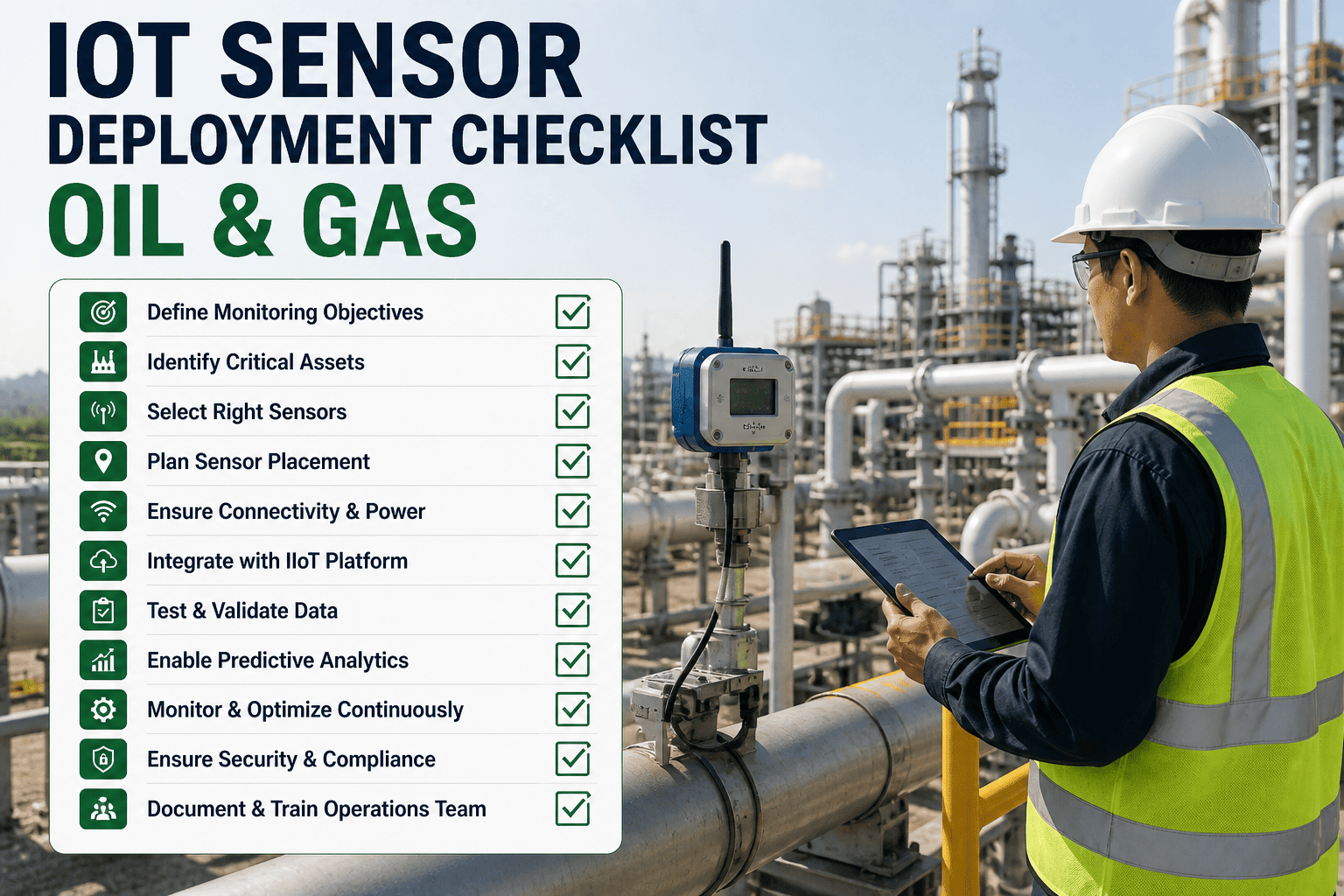
Deployment Scope and Approach: Seven sensor categories across the oil and gas value chain with deployment priority and integration requirements. Structured deployment follows data quality standards for asset monitoring, predictive maintenance, and compliance reporting. Deployment checklist covers sensor selection, placement protocols, connectivity configuration, and validation testing.
Upstream operations span exploration wells, development drilling, and primary recovery. Sensors on drilling equipment, wellhead systems, and reservoir monitoring equipment generate the highest-value data for predictive failure detection and production optimization. Sensor placement in harsh drilling environments requires weatherproofing, vibration tolerance, and high-temperature ratings.
Wellhead & Drilling Equipment Checklist
Reservoir & Formation Monitoring
Zone 2: Midstream Pipeline & Transport Sensors
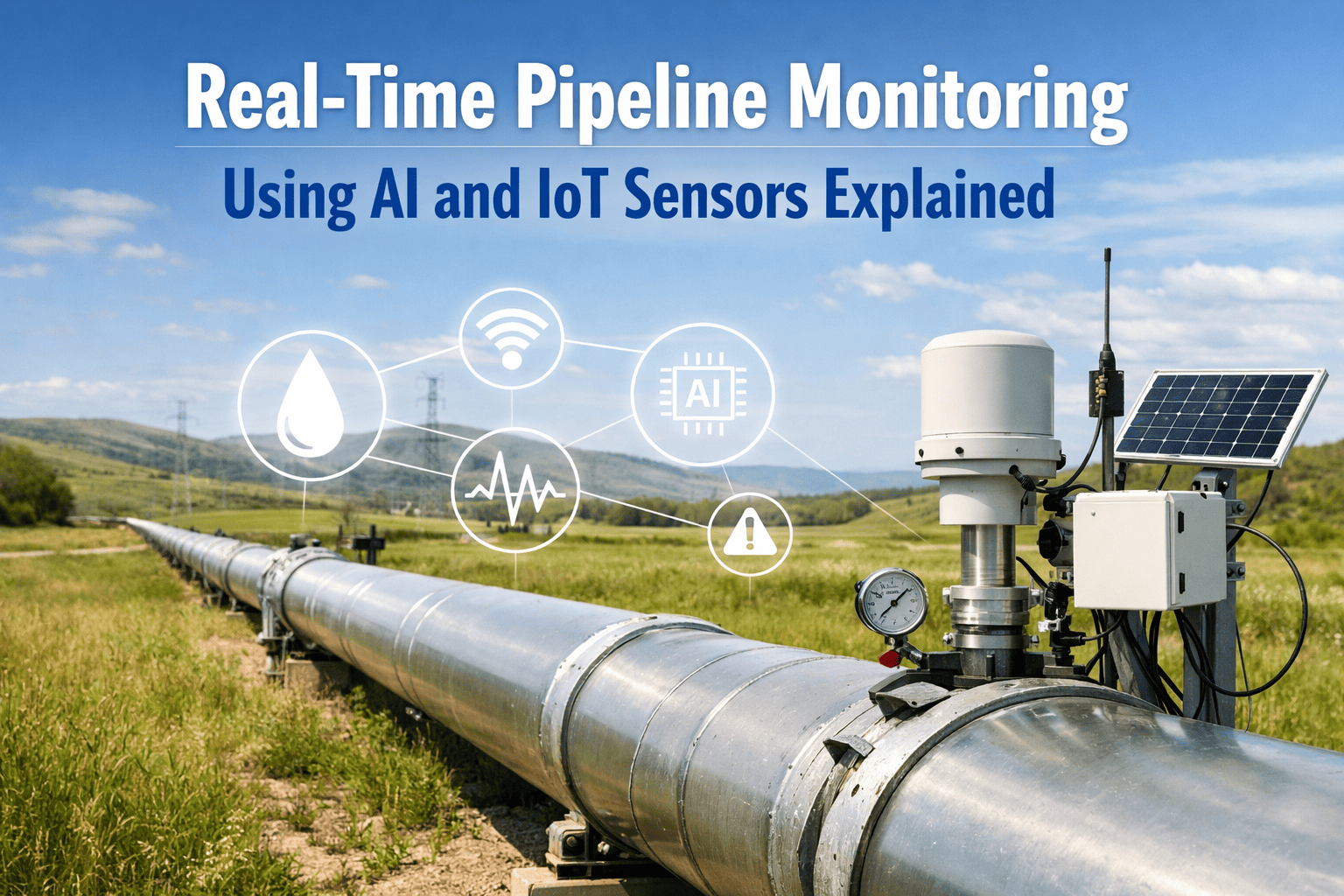
Midstream operations transport crude, refined products, and natural gas through hundreds of miles of pipeline infrastructure. Sensor placement detects leaks, corrosion, flow irregularities, and pressure anomalies before they escalate into environmental releases or safety incidents. Distributed sensors across pipeline segments enable rapid fault localization and remediation prioritization.
Pipeline Integrity Monitoring
Pump Station & Compressor Monitoring
Zone 3: Downstream Refining & Processing Sensors
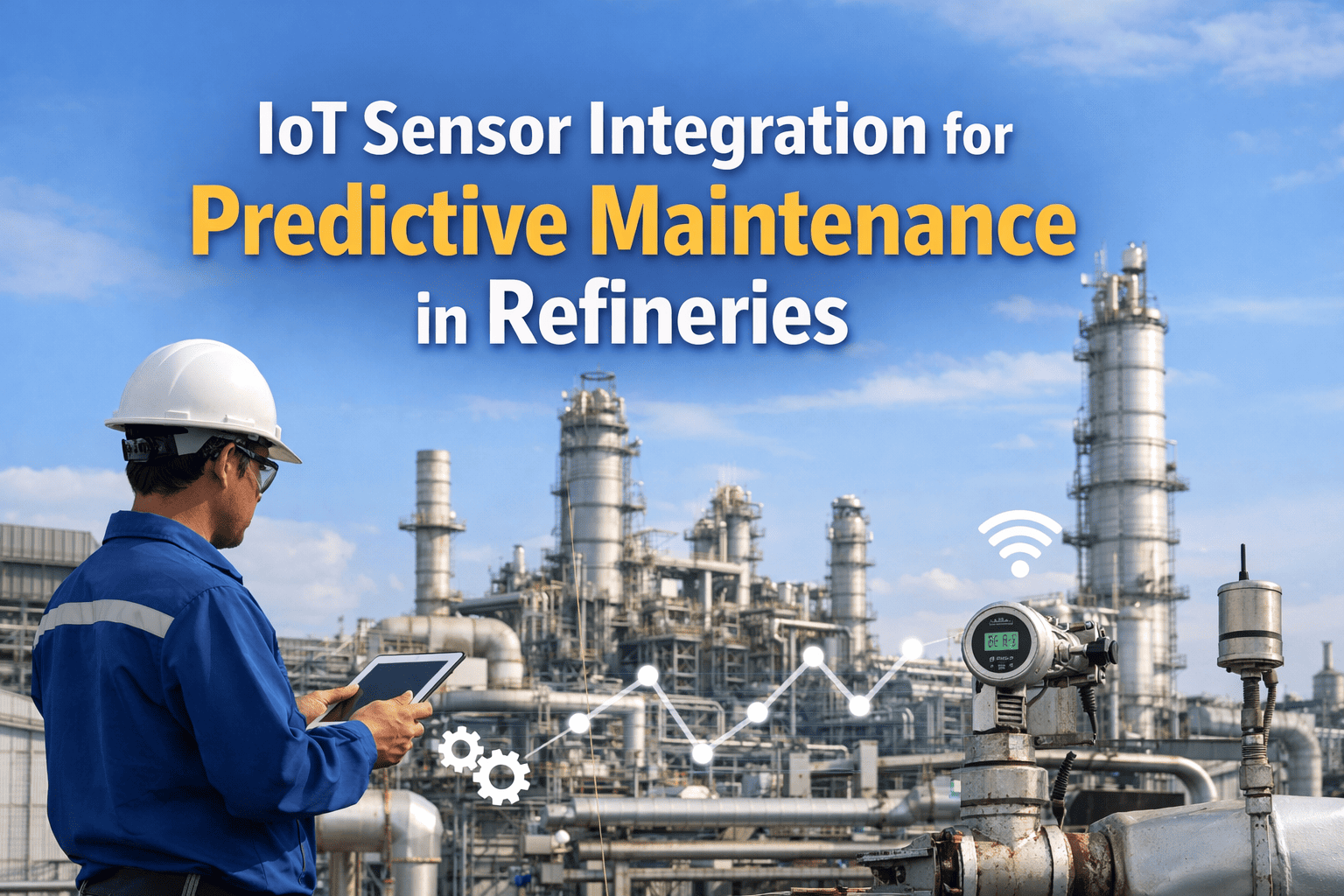
Downstream refining operations run continuous processes with hundreds of interdependent equipment items. Sensor placement on distillation columns, heat exchangers, furnaces, and separation equipment enables real-time monitoring of product yield, energy consumption, and equipment stress. High-temperature and corrosive environment ratings are essential for reliability in crude stabilization and hydrocarbon processing units.
Refinery Unit Process Monitoring
Heat Exchanger & Furnace Monitoring
Zone 4: Data Integration with DCS, PLC & Historians
IoT sensor data is valuable only when integrated with existing control systems. Integration with DCS, PLC platforms, and data historians enables correlation of sensor readings with operational events, alarms, and equipment status. Standardized OPC UA and MQTT protocols ensure data flows securely without exposing operational technology infrastructure.
DCS and PLC Connectivity
Historian and Data Lake Configuration
Zone 5: Network Connectivity & Wireless Protocols
Remote sensor placement across sprawling operations necessitates wireless and cellular connectivity. Protocol selection balances latency requirements, power consumption, cost, and security. LTE, 5G, LPWAN, and industrial mesh networks each serve different operational needs.
Wireless Network Selection
Zone 6: Sensor Validation, Calibration & Testing
Sensor quality directly determines predictive model reliability. Factory calibration certificates must be documented before installation. In-service calibration checks confirm sensor stability at periodic intervals. Redundant sensors on critical parameters provide cross-check confidence.
Pre-Deployment Validation
In-Service Monitoring and Calibration
Deployment Frequency and Priority Matrix
Sensor Zone
Typical Count
Deployment Weeks
ROI Timeline
Critical Items
Total Items
Zone 1: Upstream
45-60
3-4
Weeks 5-6
6
14
Zone 2: Midstream
80-120
4-5
Weeks 6-7
5
13
Zone 3: Downstream
120-150
4-6
Weeks 5-6
5
10
Zone 4: Data Integration
DCS dependent
2-3
Weeks 3-4
3
8
Zone 5: Connectivity
Network scope
3-4
Weeks 2-4
2
4
Zone 6: Validation
Per sensor
2-3
Weeks 5-6
2
4
IoT Sensor Deployment AI Implementation Roadmap
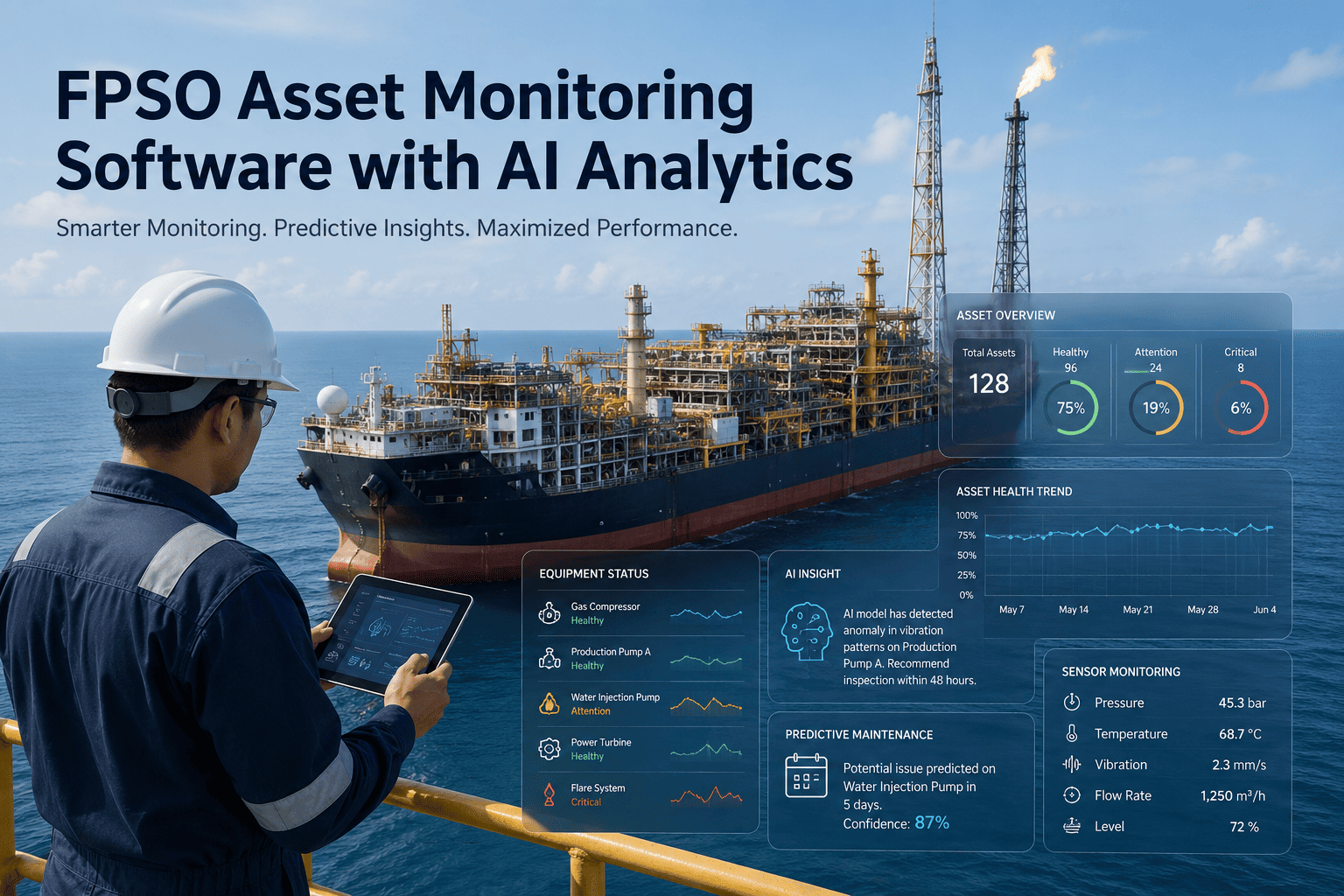
iFactory automates sensor deployment planning, data quality verification, and predictive model training across your entire oil and gas operation. The complete AI platform transforms raw sensor data into actionable maintenance alerts, production insights, and ESG compliance reports.
1
Asset & Sensor Mapping
2
DCS Integration
3
Data Validation
4
AI Model Training
5
Predictive Alerts
6
Scale & Optimize
Why iFactory for IoT Sensor Deployment
AI Eyes That Detect Leaks Before They Escalate
Computer vision and machine learning identify pressure anomalies, corrosion patterns, and flow irregularities 7-14 days before catastrophic failure.
Robots That Inspect Where Humans Cannot Safely Go
Autonomous inspection agents deploy across remote wellheads, pipelines, and processing units capturing sensor health data without field staff exposure.
Connects to Your Existing DCS/SCADA & Historians
OT data stays inside your security perimeter. iFactory bridges your existing control systems via OPC UA without modifying production logic.
Methane, VOC & Flaring From Sensor to ESG Report
Real-time environmental data flows from sensors through predictive models directly into Scope 1 & 2 emissions reports for investor disclosure.
One Platform, Every Segment
Upstream wellhead monitoring, midstream pipeline integrity, downstream refinery optimization, and ESG compliance all on a single AI platform.
Deployment to ROI in 6 Weeks Within 8-Week Plan
Weeks 1-2: Asset mapping and DCS integration. Weeks 3-4: Data validation and model training. Weeks 5-6: Live predictive models and ROI materialization.
Automate IoT Deployment with AI Eyes That See Equipment Failures Coming
iFactory orchestrates sensor deployment planning, DCS integration, and predictive model training across every segment of your oil and gas operations. One platform connects sensors to insights. Book a demo to see the 6-week path to measurable ROI.
IoT Sensor Deployment Results at Operating Companies
87%
Unplanned Downtime Prevented Predictive alerts detect equipment failures 7-14 days in advance of catastrophic failure, enabling planned maintenance windows and parts staging.
$2.1M
Annual Savings 500-unit deployment generating 18-month cumulative savings from avoided equipment failures, optimized maintenance scheduling, and extended equipment life.
98%
Data Accuracy Sensor placement and integration following deployment checklist ensures model-ready data quality from deployment week one.
6 wks
ROI Timeline Deployment to live predictive models with ROI materialization tracked week-by-week across asset categories and business units.
High-altitude ratings, seismic-resistant, minimal IT
Testimonial
"We deployed iFactory across 300 wellheads and 12 pump stations in 8 weeks. Sensor data integration with our existing Wonderware SCADA was seamless through OPC UA bridges. By week 6, we identified a bearing failure prediction 10 days before catastrophic failure would have cost $2.4M in unplanned downtime and parts. The ROI has already exceeded our annual software budget."
Operations Director, Upstream Energy Company, North America
Frequently Asked Questions
Q
What is the typical sensor count per facility for a complete oil and gas operation?
Typical deployments range 300-500 sensors across upstream, midstream, and downstream assets depending on facility complexity. A 100-well upstream field typically deploys 80-120 sensors. A 500-mile pipeline system requires 40-60 pressure/temperature sensors plus distributed leak detection. A refinery runs 200-300 sensors across distillation, hydrotreating, and utility systems. Book a demo to calculate your specific sensor count.
Q
How long does sensor deployment take across a multi-site operation?
Most deployments complete asset registration, template configuration, and staff training within 3 weeks. Physical sensor installation timelines depend on site accessibility. Remote upstream wells typically require 3-4 weeks of planning and installation. Pipeline sections can be instrumented in 2-3 weeks depending on accessibility. Refinery unit integration takes 4-6 weeks due to DCS coordination and safety review requirements.
Q
What data quality standards must sensors meet for predictive model training?
Predictive models require minimum 98% data availability, less than 0.5% sensor drift per month, and outlier rates below 1%. Sensors must report readings at consistent intervals matching model update frequency. Redundant sensors on critical parameters ensure cross-validation when individual sensor performance degrades. iFactory monitors data quality continuously and flags sensors requiring recalibration before model accuracy is compromised.
Q
Can IoT sensor deployment work with existing legacy DCS systems without disruption?
Yes. iFactory connects via OPC UA bridges, Modbus gateways, and DNP3 adapters to pull sensor data from existing DCS and historians without modifying control logic. Network firewalls and data diodes ensure unidirectional data flow from OT to IT, protecting operational technology security. Integration follows ISA-99 and NIST Cybersecurity Framework standards.
Q
How does iFactory handle sensor data security and encryption in transit?
iFactory encrypts all sensor data in transit using TLS 1.3 and at rest using AES-256. OT data stays within your security perimeter with optional on-premise data lakes. Cloud connectivity is optional and configurable per operational site and regulatory requirements. All data movement logs are audited for compliance reporting.
Q
What is the ROI timeline for IoT sensor deployment and predictive maintenance?
iFactory customers typically see measurable ROI within 6 weeks of going live with predictive models. Week 1-2 covers asset mapping and DCS integration. Week 3-4 focuses on data validation and AI model training. Week 5-6 delivers live predictive alerts and first prevented failures. Most deployments reach 6-month payback within 8 weeks of start date.
Q
Does iFactory integrate with existing SCADA/DCS/PLC systems?
Yes. iFactory natively supports OPC UA, Modbus, DNP3, and MQTT protocols. OT data stays inside your security perimeter with optional on-premise data lakes. Most customers integrate with existing DCS historians without modifying production control logic. Book a demo to review your specific DCS architecture.
Deploy IoT Sensors at Scale with iFactory's Complete AI Platform
Every sensor, every site, every segment integrated into a unified predictive maintenance and operational intelligence system. iFactory automates sensor deployment planning, DCS integration, model training, and continuous optimization. The Complete AI Platform for Oil & Gas Operations.