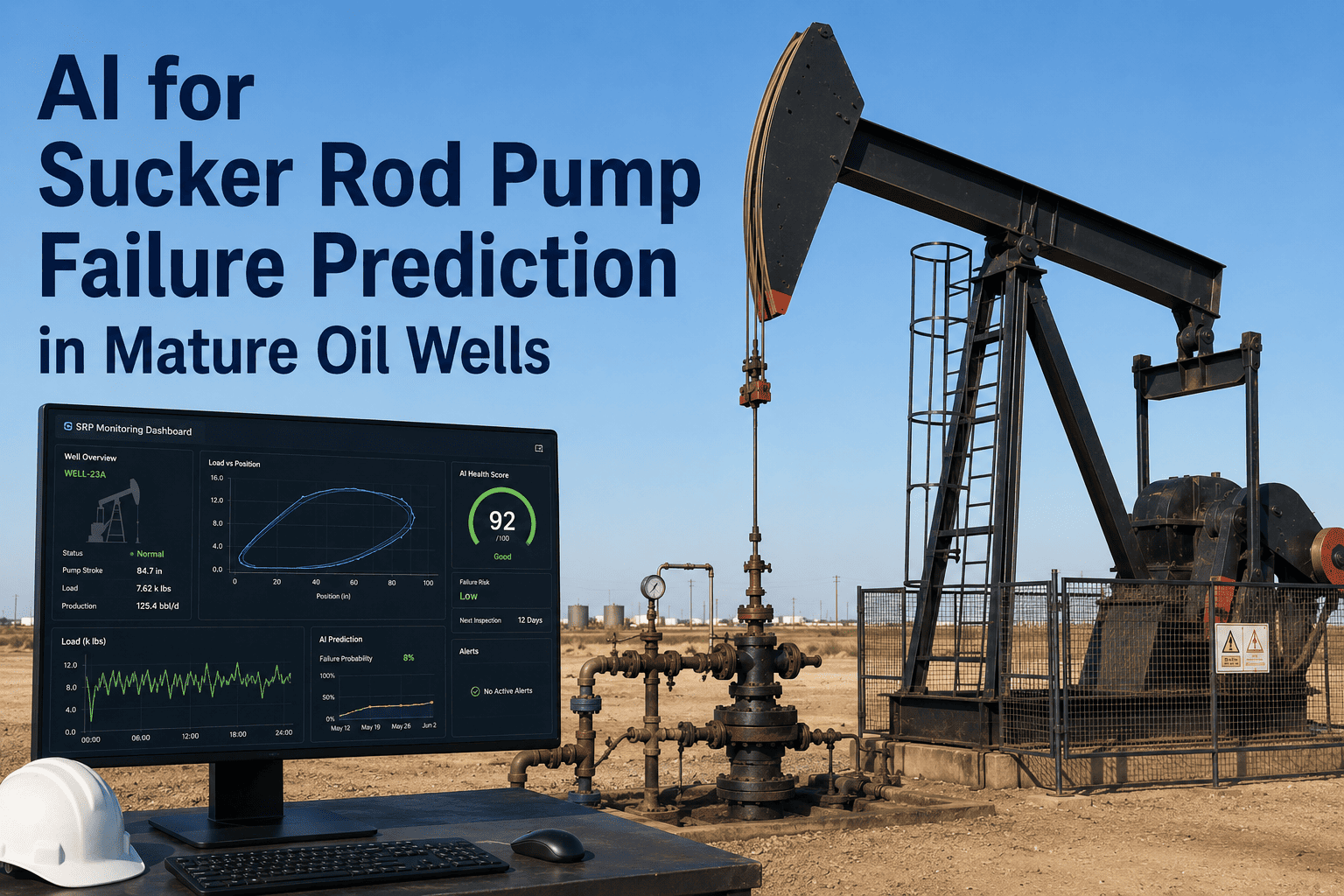
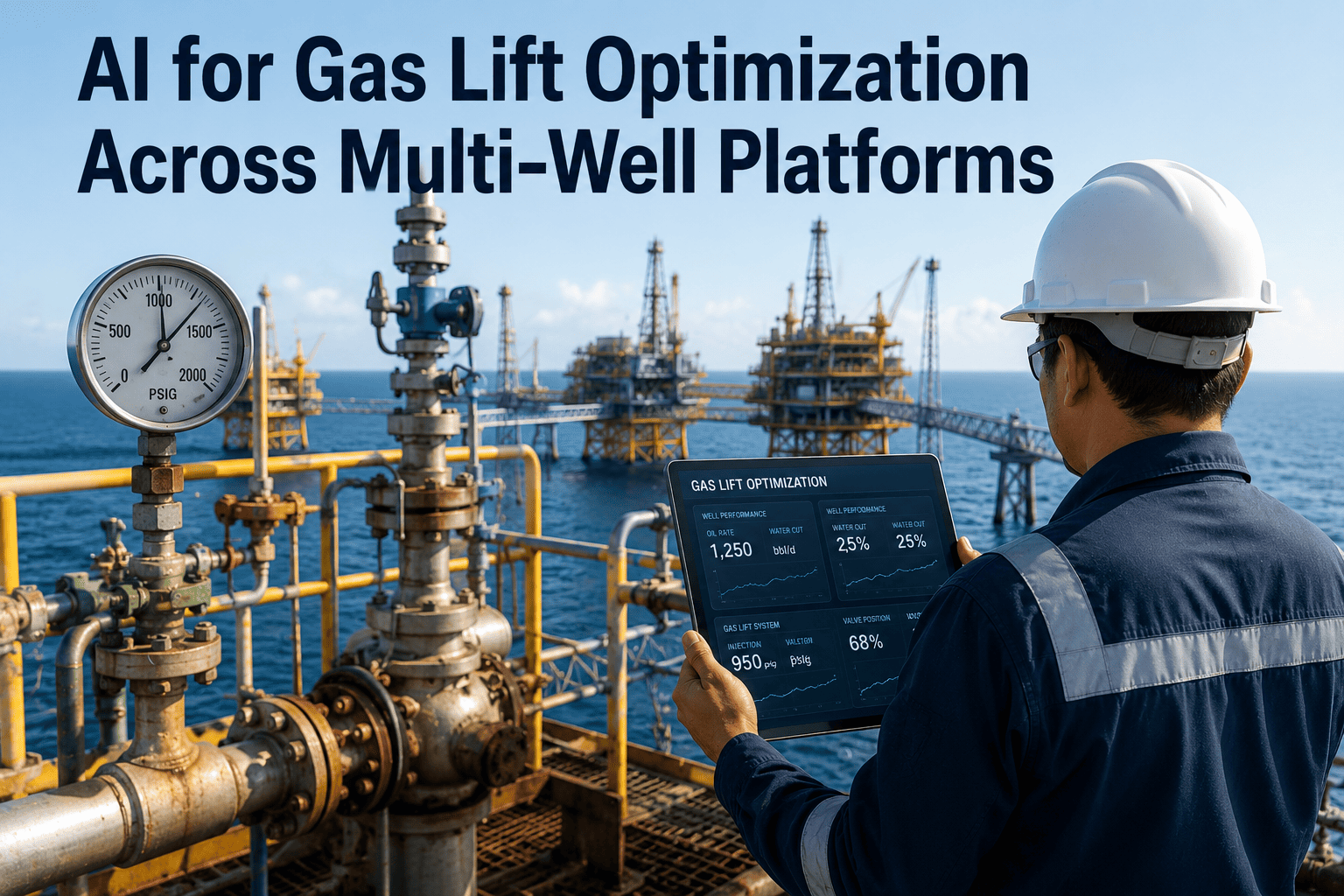
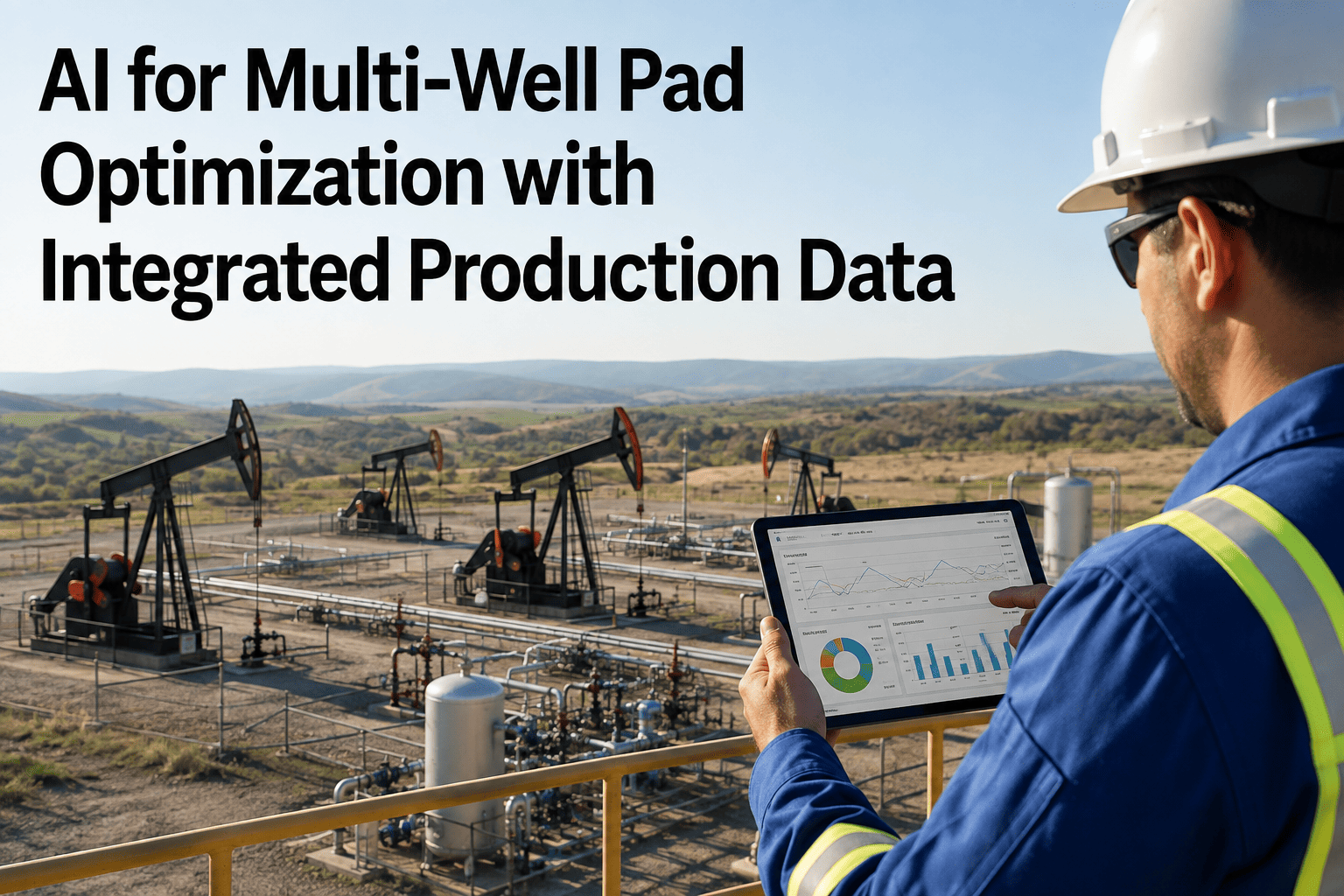
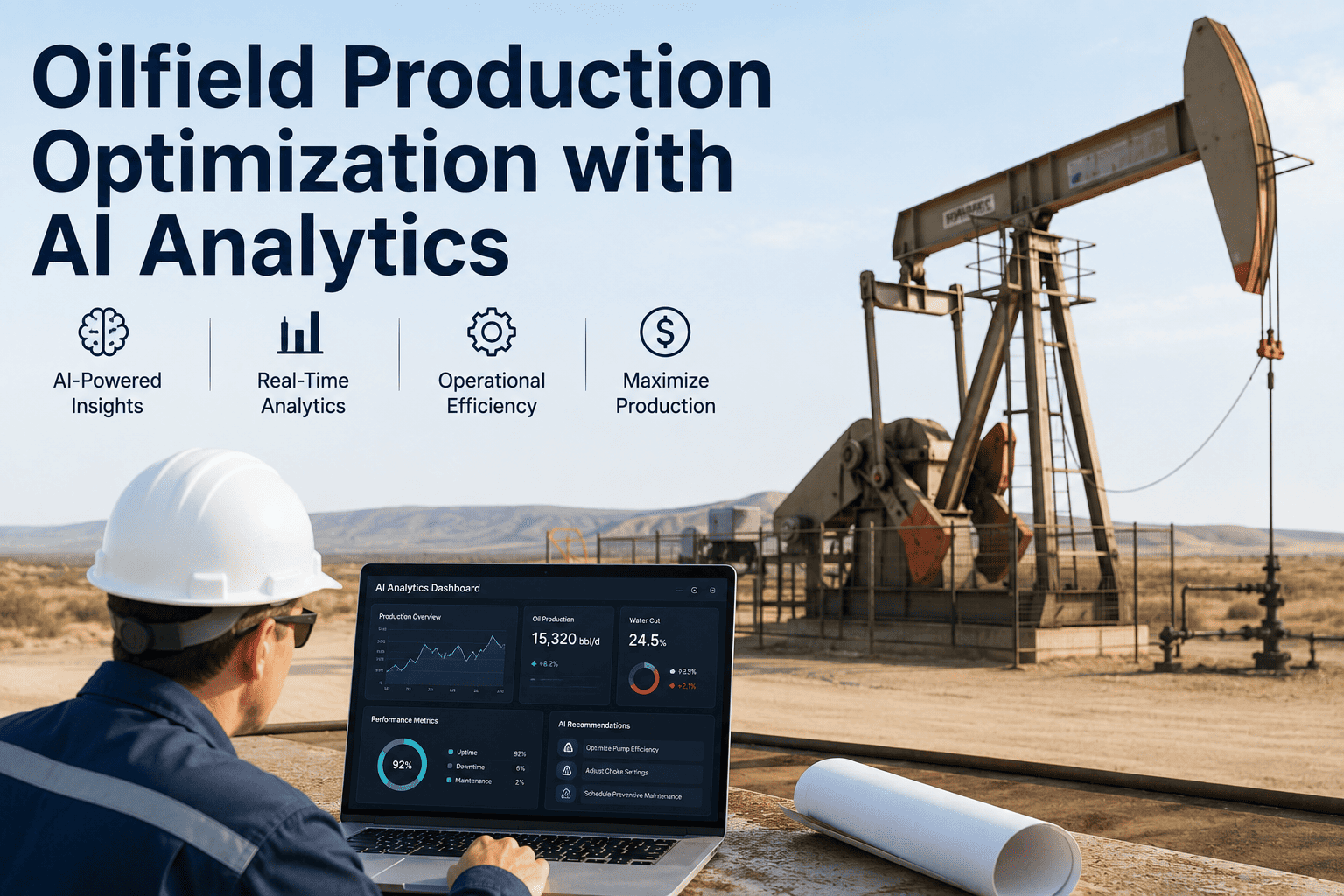
Optimizing one rod pump well against its dynamometer card is a solved problem that most production engineers can do in their sleep. Optimizing a hundred wells at once, against a shared power budget, uneven equipment condition, and a field-wide production target that shifts month to month, is a different kind of problem entirely, and it's usually handled by whoever has the most spreadsheet patience that quarter. iFactory treats fleet-wide artificial lift as one connected optimization problem instead of a hundred separate ones, and the modeling approach is explained through iFactory support.
Artificial Lift Intelligence · Mature Fields
Every Well Wants Maximum Runtime. The Field Only Has So Much Power to Give It.
iFactory optimizes stroke length, SPM, and pumping schedules across your entire rod pump fleet simultaneously, balancing production targets against power costs and equipment life instead of tuning wells in isolation.
The Real Constraint
Three Things Pulling in Different Directions Across a Hundred-Well Field
Production Targets
Field-level barrel targets set monthly or quarterly, which don't naturally translate into a per-well SPM and stroke length setting without significant manual calculation.
Power Costs and Capacity
Grid or generator power is often shared across dozens of pumping units, meaning running every well at maximum simultaneously isn't just expensive, it may not be electrically possible.
Equipment Life
Aggressive stroke settings that maximize short-term production accelerate rod, pump, and gearbox wear, trading a good month for an expensive workover later in the year.
Balancing all three by hand, well by well, across a large field is exactly the kind of repetitive optimization work that gets deprioritized the moment anything urgent comes up — which is most weeks.
Manual Tuning vs Fleet Optimization
What Actually Changes When Wells Stop Being Tuned in Isolation
Signs Worth Watching
Field-Wide Patterns That Usually Mean Settings Have Drifted Out of Balance
Widening spread between best and worst producing wells in the same zone, despite similar reservoir characteristics, often points to settings that were tuned at different times under different assumptions.
Power draw creeping upward without a matching rise in total field production usually means some wells are pumping past optimal fillage while others sit under-tuned.
A rising rate of workovers concentrated in one cluster of wells can indicate those units have been running aggressive settings for longer than their equipment condition can comfortably support.
How Fleet Optimization Runs
From Raw Field Data to Adjusted Pumping Schedules
1
Baseline condition is established per well. Current dynamometer readings, SPM, and stroke length are pulled for every well in the fleet as the starting point.
2
Constraints are applied field-wide. Shared power capacity, current production targets, and equipment condition thresholds are set as boundaries the model must operate within.
3
Optimal settings are calculated across the fleet. The model proposes SPM and stroke adjustments per well that maximize total field production without breaching power or equipment limits.
4
Engineers review and approve changes. Proposed adjustments are surfaced for review rather than pushed automatically, so field knowledge can override the model where needed.
5
The model recalculates as conditions shift. New dynamometer readings, power availability, or production targets trigger a fresh optimization pass rather than waiting for the next scheduled review.
A Hundred Wells Tuned One at a Time Never Actually Add Up to an Optimized Field.
iFactory recalculates optimal settings across the whole fleet as conditions change, so power constraints and equipment condition are weighed against every well at once, not revisited well by well on whatever schedule an engineer can manage.
Applied Example
Recovering 6% Field Production Without Adding a Single kW of Power
A Permian Basin operator running roughly 140 rod pump wells across a shared power grid had historically tuned wells reactively, adjusting SPM only when a well fell noticeably short of target or a technician happened to review its card during a routine visit. After connecting dynamometer, SCADA, and power meter data into iFactory's fleet optimization model, the platform identified that a cluster of underperforming wells were running conservatively low SPM while several nearby high-performing wells were pumping well past optimal fillage, wasting power on fluid that wasn't there to lift. Rebalancing settings across the cluster, within the same total power draw, increased field production by roughly 6% over the following quarter while reducing rod loading on the previously over-pumped wells. The operator's production team, which had previously reviewed roughly a dozen wells per week on a rotating basis, shifted that review time toward validating the model's proposed changes instead, effectively expanding their oversight from a dozen wells a week to the full 140-well fleet on a continuous basis without adding headcount.
6%Field production increase within existing power budget
140 wellsOptimized as one connected fleet
ReducedRod loading on previously over-pumped wells
Typical Outcomes
What Changes When a Fleet Is Optimized as One System
Higher
Field Production Within Existing Power Limits
Balanced
Equipment Wear Across the Fleet
Continuous
Recalculation as Conditions Change
Getting Started
What a Field Typically Needs Before Its First Optimization Pass
Confirm dynamometer coverage across the target wells. Fields with partial coverage can still start with the instrumented subset while expanding collection to the rest.
Map shared power circuits and generator groupings. Knowing which wells actually compete for the same power budget is the constraint the model needs most to be useful.
Pull recent maintenance and workover history. Equipment condition data sharpens the model's sense of which wells can tolerate more aggressive settings and which can't.
Set the review cadence your engineers are comfortable with. Some operators start with weekly review of proposed changes before moving to a faster cycle once trust in the recommendations builds.
Frequently Asked Questions
Rod Pump Fleet Optimization — Common Questions
Does the model make setting changes automatically, or does an engineer approve them first?
By default, proposed SPM and stroke length adjustments are surfaced for engineer review rather than applied automatically, since local field knowledge about a specific well's history or upcoming workover plans often matters more than the model can know on its own. Many operators move toward automated application for lower-risk wells over time once they've built confidence in the recommendations.
Book a Demo to see the review workflow.
How does the platform handle wells that share a power circuit or generator?
Shared power constraints are modeled explicitly as a fleet-wide boundary, meaning the optimization considers total draw across every well on that circuit rather than treating each well as though it had unlimited power available. This is typically the single biggest difference from well-by-well tuning approaches, which have no visibility into what neighboring wells are drawing at the same time.
What data do we need to have in place before this can run effectively?
Dynamometer card data and SCADA production history are the core requirements, with power meter readings and maintenance records adding meaningful accuracy once available. Fields without consistent dynamometer coverage can still start with production and power data while dynamometer collection is expanded.
Contact support to assess what your current data setup can support.
Can this integrate with our existing SCADA and artificial lift software?
Yes — iFactory connects to commonly used SCADA platforms and rod pump controller systems to pull existing data streams rather than requiring separate sensor installations across the field. Where a well isn't currently instrumented for dynamometer or power data, the platform can still work from available production history as a starting baseline.
How often does the optimization model recalculate settings?
Recalculation is triggered both on a regular schedule and whenever a significant change occurs, such as a new dynamometer reading indicating changed pump fillage or a shift in available power capacity, so recommendations reflect current field conditions rather than a stale monthly snapshot.
Book a Demo to see recalculation frequency configured for a field your size.
Stop Tuning Rod Pumps One Well at a Time While the Field Falls Out of Balance.
See how iFactory optimizes your entire rod pump fleet as one connected system.