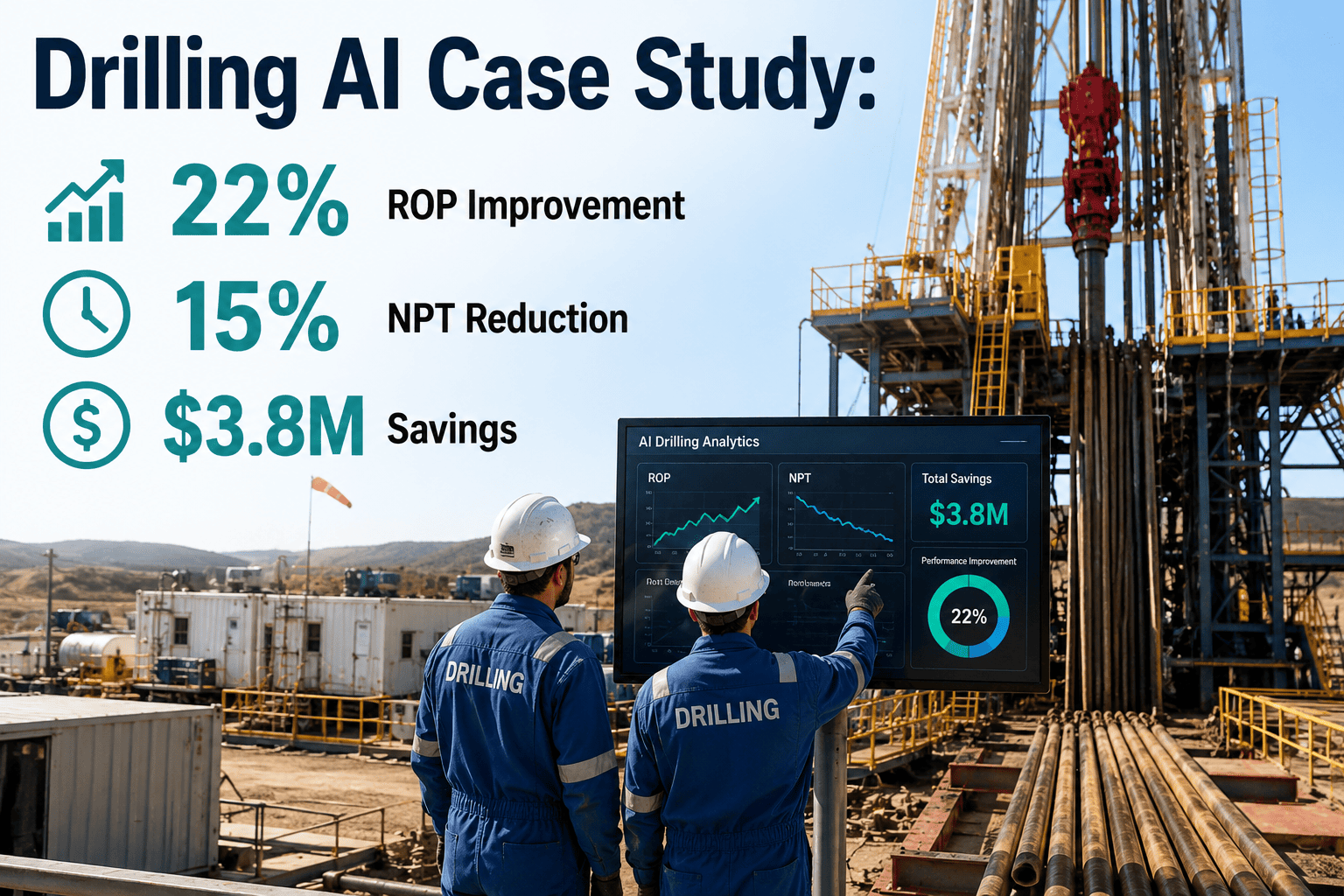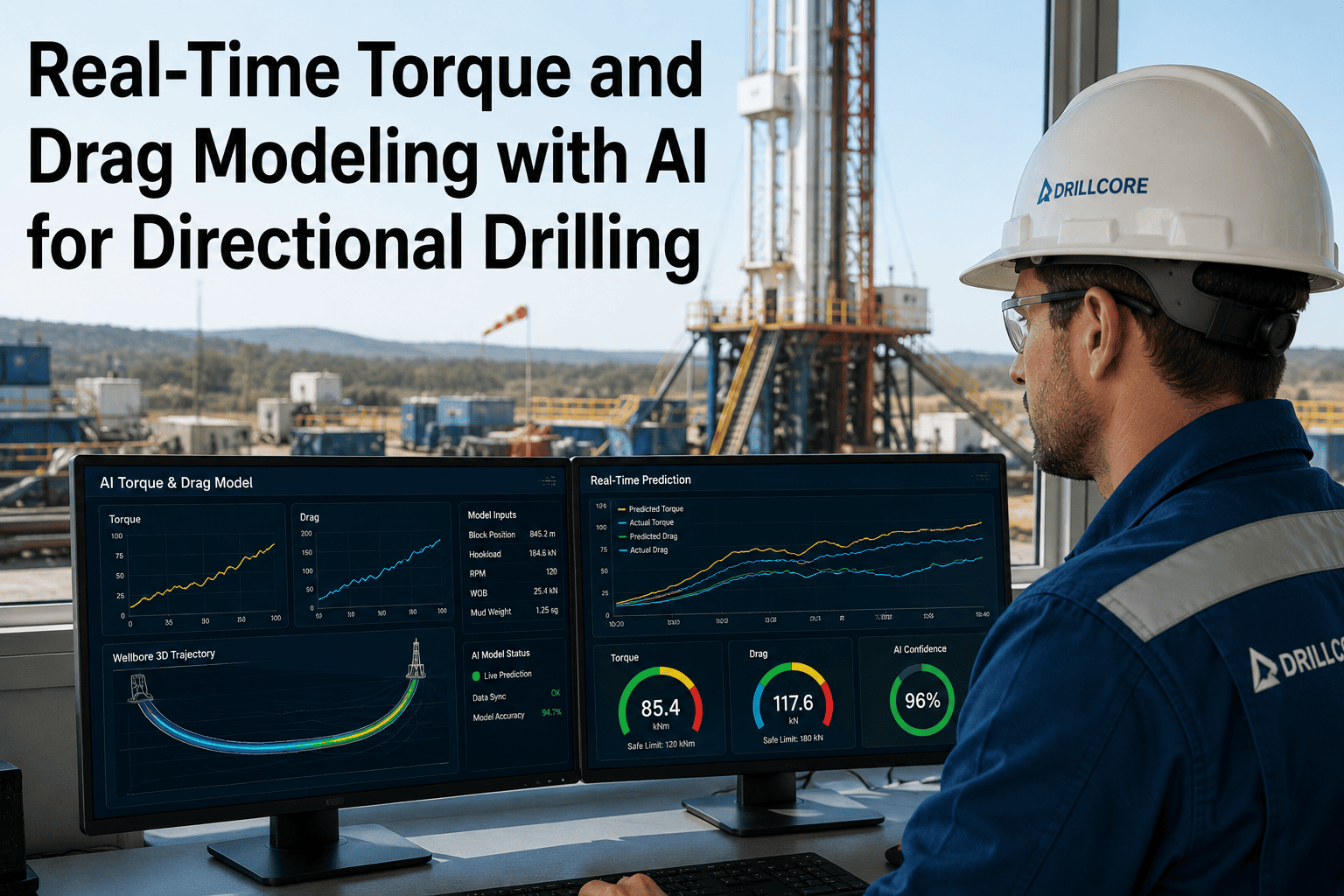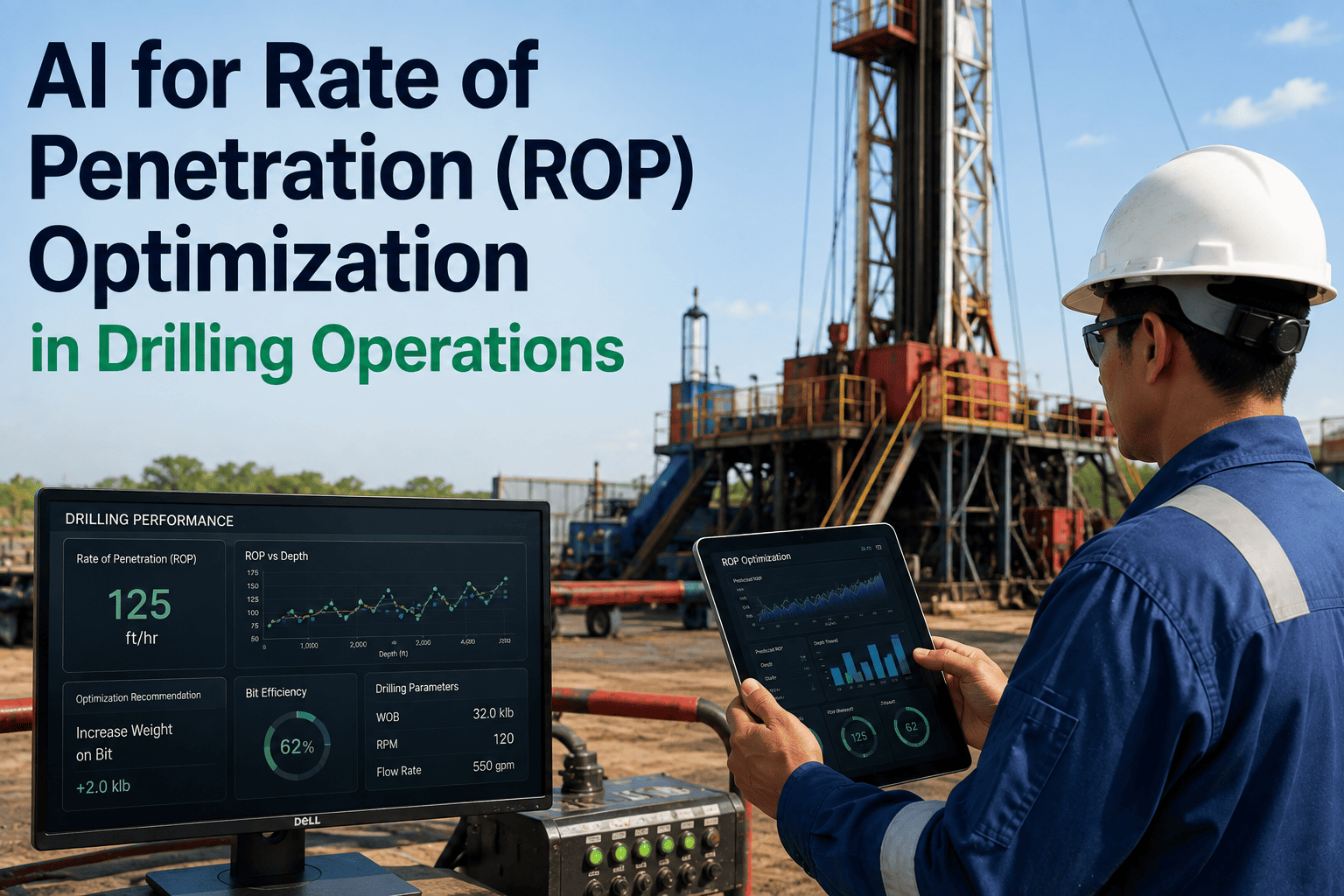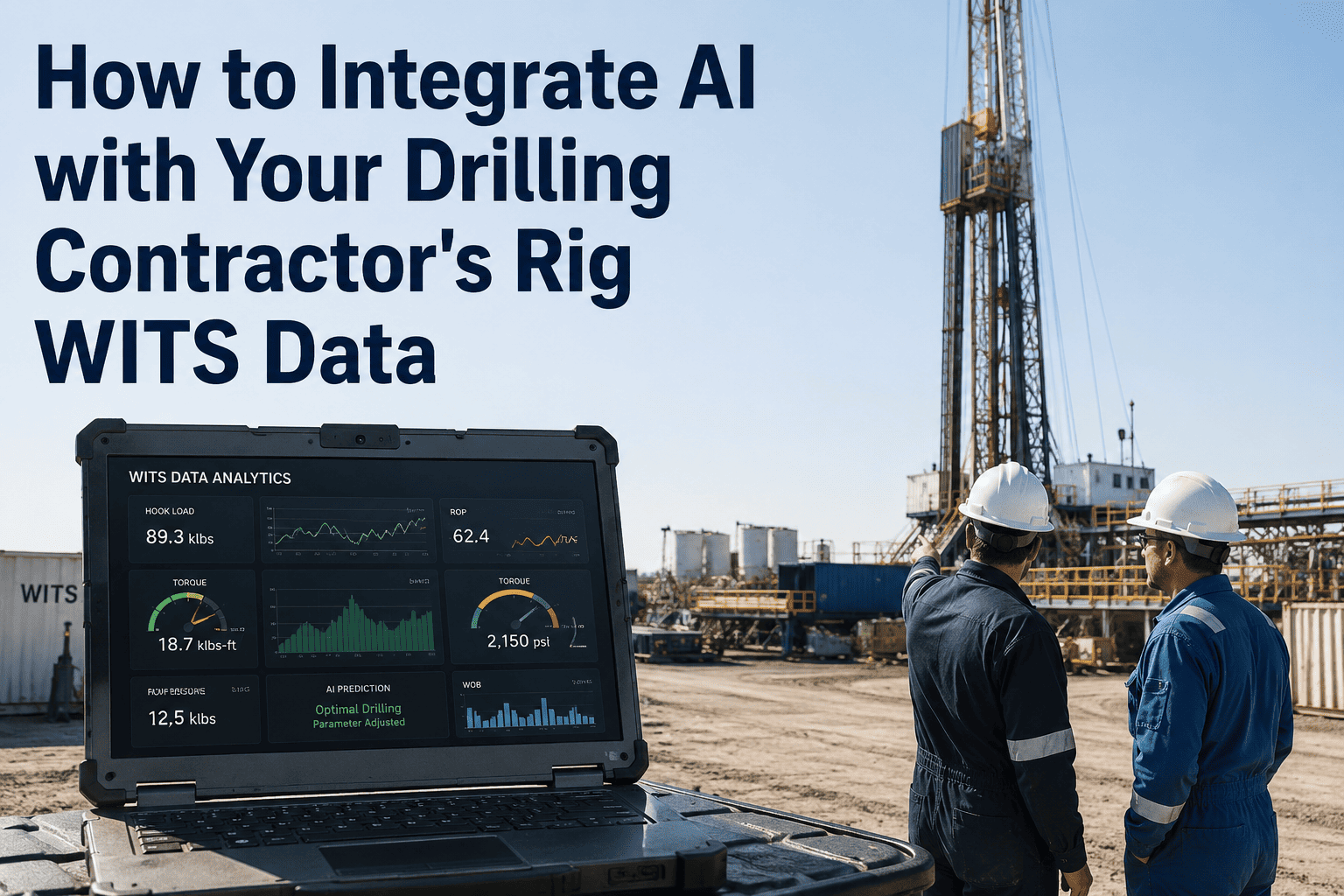
Non-productive time remains one of the most expensive line items in well construction, and it has stayed stubbornly high even as drilling technology has advanced. Industry studies show total NPT typically accounts for 10 to 15 percent of drilling costs, and on complex wells it can climb past 30 percent, driven mostly by crew decision-making and equipment failures that a static drilling program cannot anticipate. Neural network models trained on real-time weight-on-bit, torque, and rotary speed data are now closing that gap by recommending parameter adjustments as formation conditions change instead of after the fact. Operators running these models across multi-well programs report rate of penetration gains between 20 and 47 percent and NPT reductions as high as 80 percent compared to offset wells. Drilling and reservoir teams evaluating this shift can book a demo with iFactory to see how automated parameter optimization applies to their own rig program.
Cut Non-Productive Time and Drill Faster With Real-Time AI Parameter Control
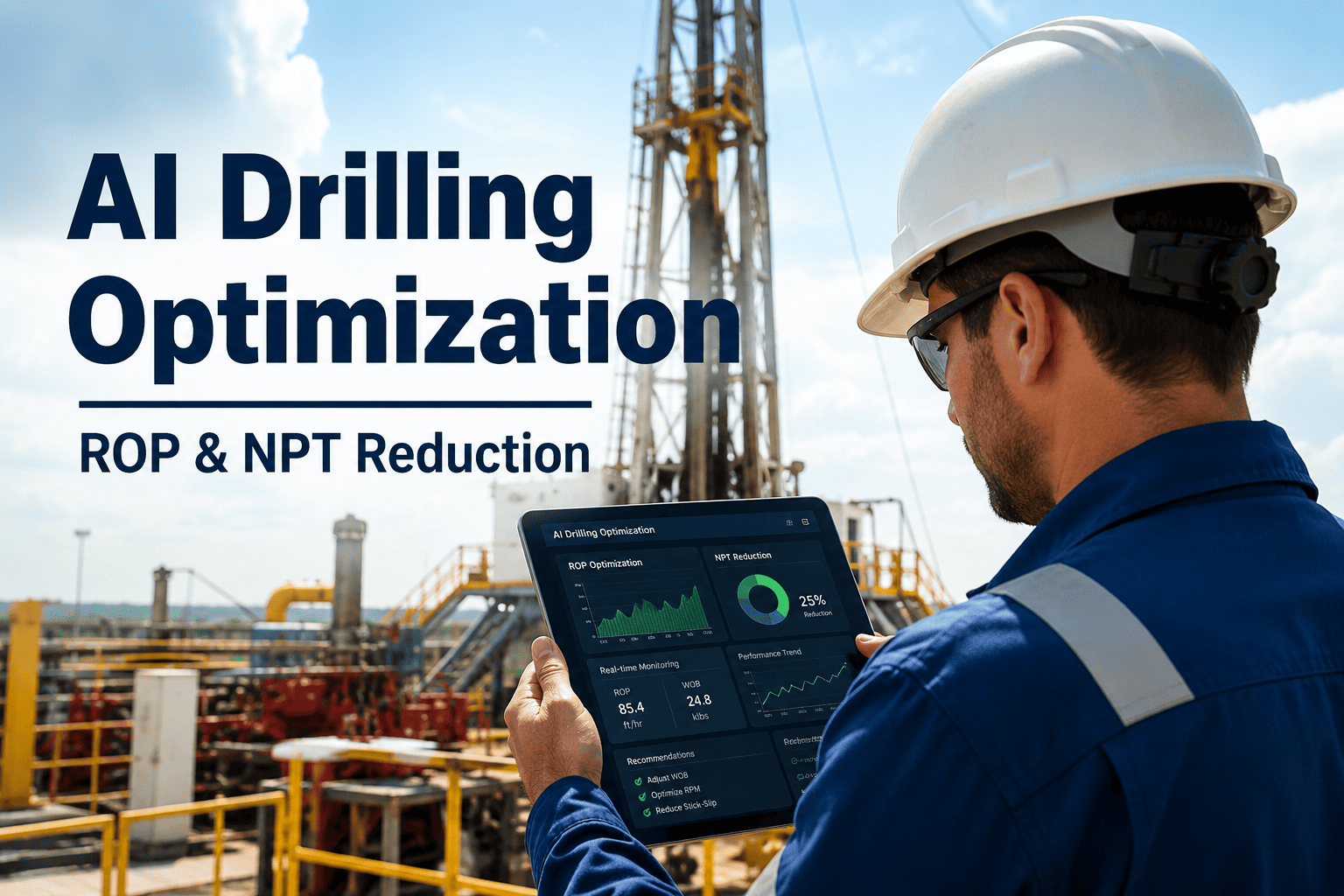
iFactory continuously analyzes weight on bit, torque, rotary speed, and mud flow to recommend the drilling parameters that maximize ROP while protecting the bit and wellbore.
Where Non-Productive Time Actually Comes From
Non-productive time is often treated as a single number on a drilling scorecard, but its causes are specific and largely predictable. Field studies of drilling and workover rigs attribute nearly seven in ten NPT hours to crew decision-making and equipment reliability issues rather than geology itself, which is exactly the category of problem a real-time recommendation engine is built to address. Crew-related NPT typically shows up as delayed or overly conservative parameter changes made without a clear view of how the formation is responding in real time, while mechanical failures often trace back to a bit or bottom hole assembly component operated outside its optimal range for too long. Neither of these causes requires new geological information to fix; both respond directly to faster, more consistent decision support at the rig site. Programs that map their own NPT breakdown before deployment typically book a demo to benchmark their rig data against these figures.
Of NPT tied to crew-related decision timing on parameter changes
Of NPT caused by mechanical equipment failure downhole
Of NPT caused by surface operational equipment failure
Of NPT from remaining geological and logistical factors combined
From Sensor Feed to Parameter Recommendation in Three Steps
Neural network drilling optimization is not a single model but a pipeline that ingests, interprets, and acts on surface and downhole data continuously through the well section.
Ingest Real-Time Drilling Data
WOB, RPM, torque, standpipe pressure, mud flow rate, and mechanical specific energy are streamed from rig sensors and MWD tools at second-level resolution and aligned against offset well records.
Predict Formation Response
A trained deep neural network estimates how the current formation will respond to a candidate parameter set, updating its prediction as lithology and drilling mechanics shift.
Recommend Optimal Parameters
The model surfaces the WOB, RPM, and flow rate combination that maximizes ROP within torque and vibration limits, refreshing the recommendation roughly every second.
Manual Parameter Selection vs. AI-Driven Drilling Optimization
The difference between a static drilling program and a continuously optimized one shows up in every stage of the well section, from how quickly a parameter change is made to how much of the section is actually optimized rather than just planned. A manual program relies on a drilling engineer's pre-spud plan and periodic driller adjustments, while an AI-driven program treats every meter of hole as a fresh optimization problem informed by everything drilled so far on that well and every comparable offset well in the training set.
| Drilling Stage | Manual Approach | AI-Driven Optimization | Typical Improvement |
|---|---|---|---|
| Parameter Adjustment Frequency | Driller judgment, changed periodically | Continuous recommendation, refreshed near real time | 3x more adjustments per section |
| Rate of Penetration | Set from offset well averages | Dynamically optimized per formation response | 20–47% ROP increase |
| Non-Productive Time | Reactive response after an event | Predictive alerts ahead of stuck pipe and failure risk | Up to 80% NPT reduction |
| Drilling Cost per Meter | Benchmarked against historical AFE | Continuously minimized within mechanical limits | Up to 29% cost reduction |
| Well Delivery Timeline | Planned days, frequently exceeded | Delivered ahead of plan on optimized sections | Days saved per well |
Measured Performance Across Multi-Well Drilling Programs
These figures reflect published field results from AI-assisted drilling parameter optimization programs across conventional and unconventional plays, spanning complex geological trials, multi-well pad development, and full-field rollouts where the model had access to hundreds of offset wells for training. The consistency of the gains across such different operating environments is itself notable, since it suggests the improvement is coming from a general weakness in manual parameter selection rather than a quirk of any one basin.
See What AI Parameter Optimization Would Save on Your Next Well Section
iFactory maps your rig's historical NPT drivers against basin benchmarks before any model is deployed, so you know the opportunity before you commit.
What Drilling Teams Report After Deployment
We had a 20-well pad program in a field known for unpredictable pressure transitions, and our historical NPT was eating into every AFE we submitted. Once the real-time parameter model was trained on our offset data, the driller stopped guessing at WOB changes during transitions and started following a live recommendation. Our penetration rates came up noticeably and, more importantly, the number of stuck-pipe events on that pad dropped to nearly zero.
What a Drilling Optimization Deployment Actually Requires
Most operators assume this kind of system needs new downhole tools before it can start delivering value, but the majority of the required data is already flowing off standard MWD and surface sensor packages. iFactory's onboarding process begins with a data audit of your existing WITSML feed, offset well archive, and bit and BHA records to confirm what is already usable before any new instrumentation is discussed.
Calibration on a new basin typically starts with 20 to 40 offset wells with matched surface and downhole logs, though sparse regions can be supplemented with physics-based synthetic data to cover formation transitions the historical set does not include. Early deployments usually run in advisory mode alongside the driller for the first several wells so the team can validate recommendations against known formation behavior before recommendations feed into any closed-loop control. Programs that want a data readiness check before committing budget can book a demo to review what their current rig data already supports.
AI Drilling Optimization — Frequently Asked Questions
How much historical drilling data is needed before the model can make reliable recommendations?
Most basin-specific models reach useful accuracy after training on 20 to 40 offset wells with matched surface and downhole logs, though iFactory supplements sparse datasets with synthetic drilling mechanics data to fill formation gaps. Programs with fewer historical wells can still book a demo to review what data is already available and what the calibration timeline would look like.
Does the AI system replace the driller or the mud logger on location?
No, the system operates as a recommendation layer that surfaces the parameter set most likely to maximize penetration rate within safe torque and vibration limits. The driller retains full control over implementation, and mud logging and directional surveys continue unchanged, with the AI output simply displayed alongside existing rig floor data.
What drilling parameters does the model actually optimize?
The core parameters are weight on bit, rotary speed, and mud flow rate, with torque, mechanical specific energy, and vibration signatures used as constraints so the model never recommends a setting that risks bit damage or wellbore instability. Additional parameters can be added for specific bit types or directional assemblies during onboarding.
Can this system help reduce stuck pipe and other NPT-causing events, not just improve ROP?
Yes, the same sensor stream used for parameter optimization is also used to flag early indicators of pack-off, differential sticking, and washout risk before they escalate into a full NPT event. Field programs that had previously relied only on reactive alerts have reported some of the largest NPT reductions from this predictive layer alone.
How is this different from the automated drilling systems already built into modern rigs?
Rig-level automation typically executes a fixed setpoint or a simple control loop defined before spud, while iFactory's neural network layer continuously re-evaluates the optimal setpoint as formation and mechanical conditions change during the run. The two work together, with iFactory supplying the adaptive intelligence and the rig's control system handling execution. Teams weighing this distinction can talk to our engineer for a technical walkthrough.
Bring Every Well in Your Program Under Continuous Parameter Optimization
iFactory connects rig sensor data, offset well records, and mechanical limits into one model that recommends the fastest safe drilling parameters, section after section.