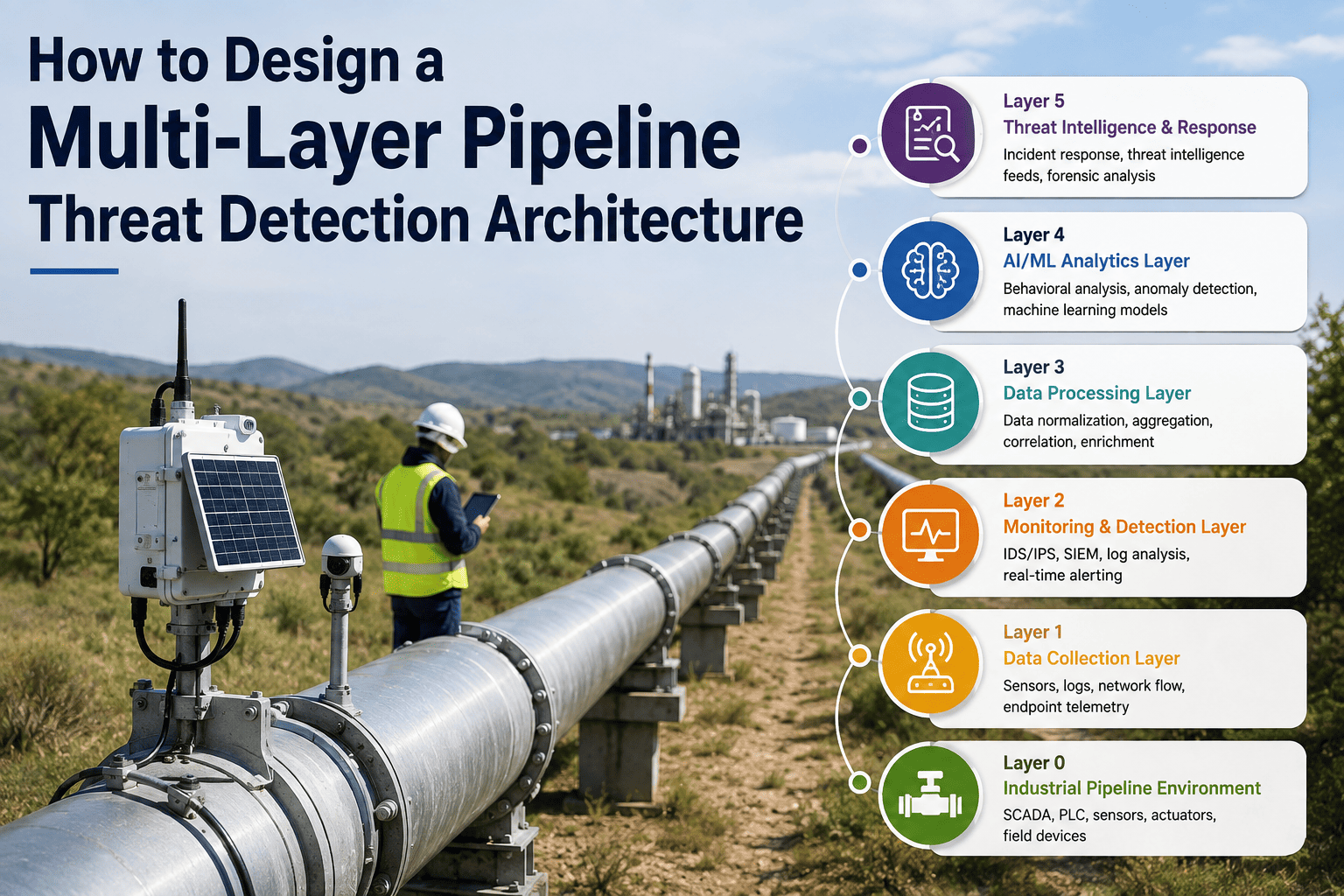
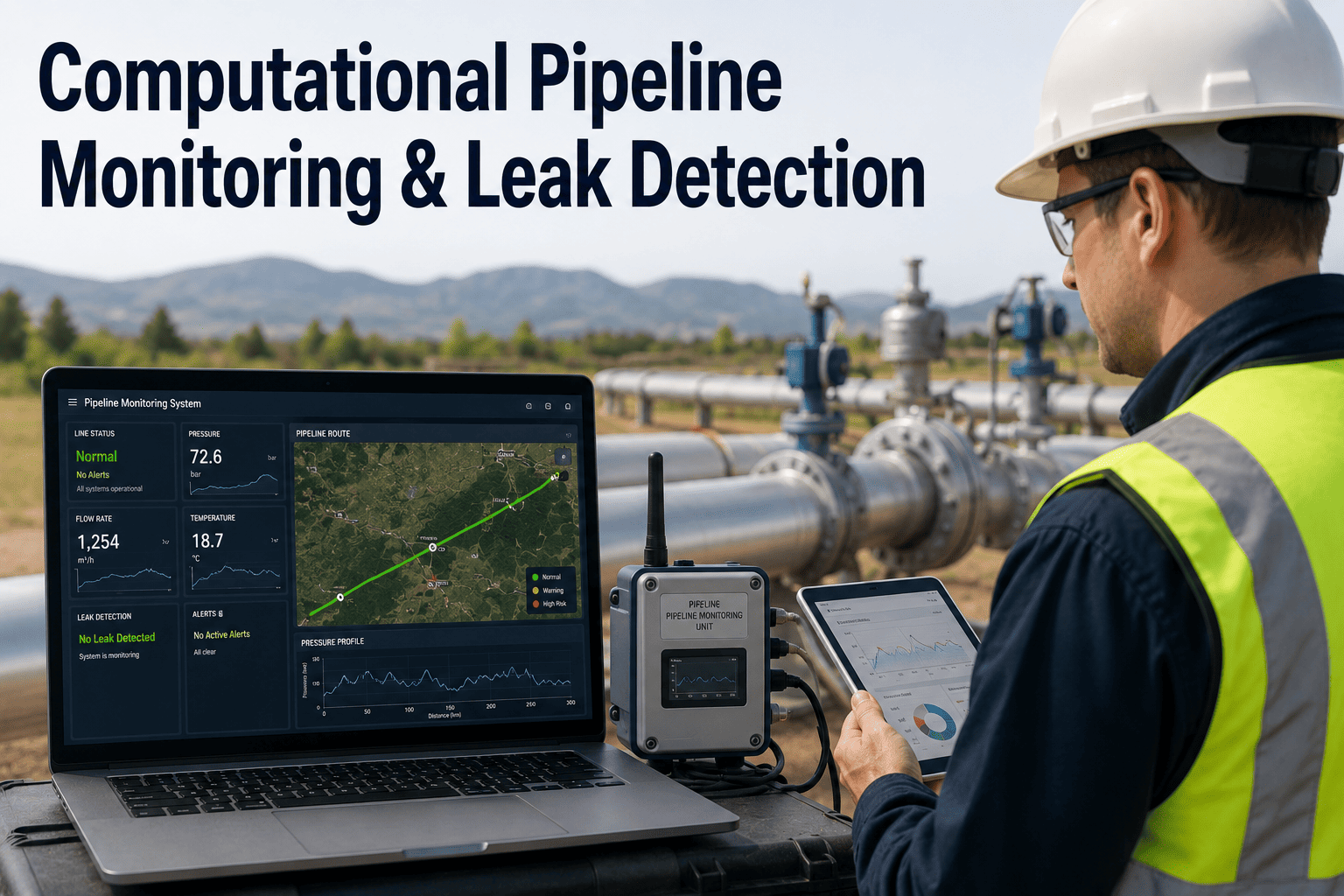
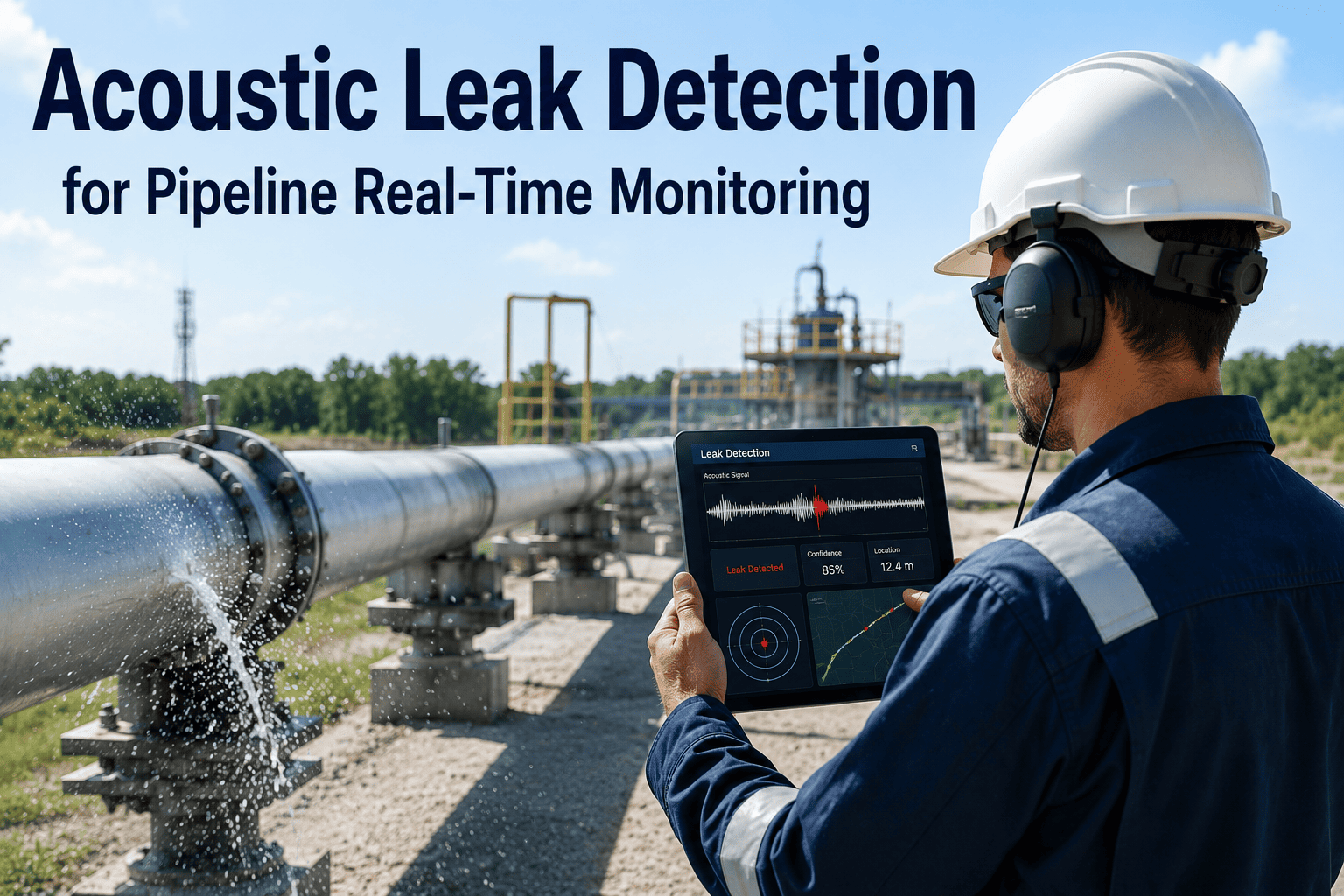
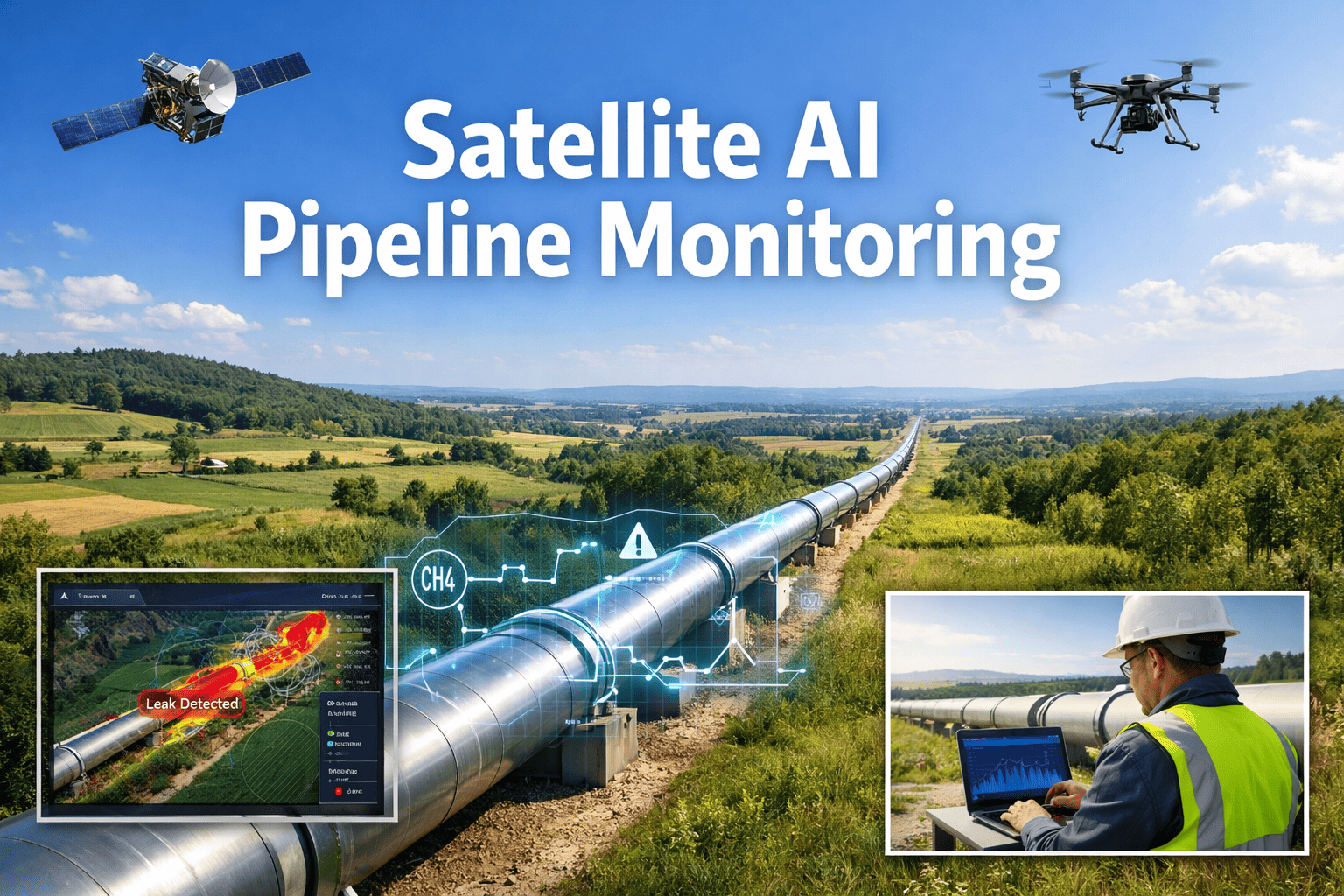
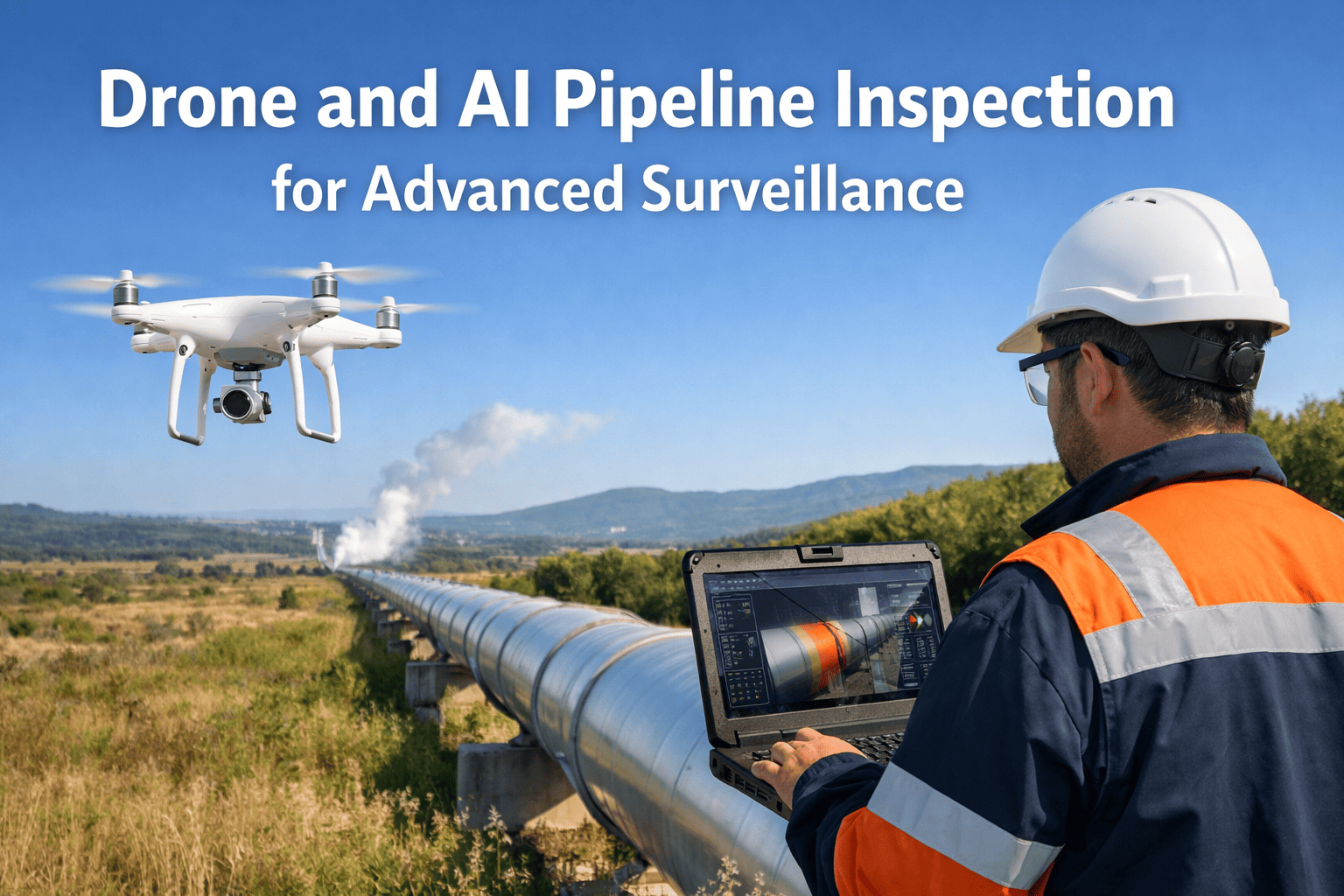
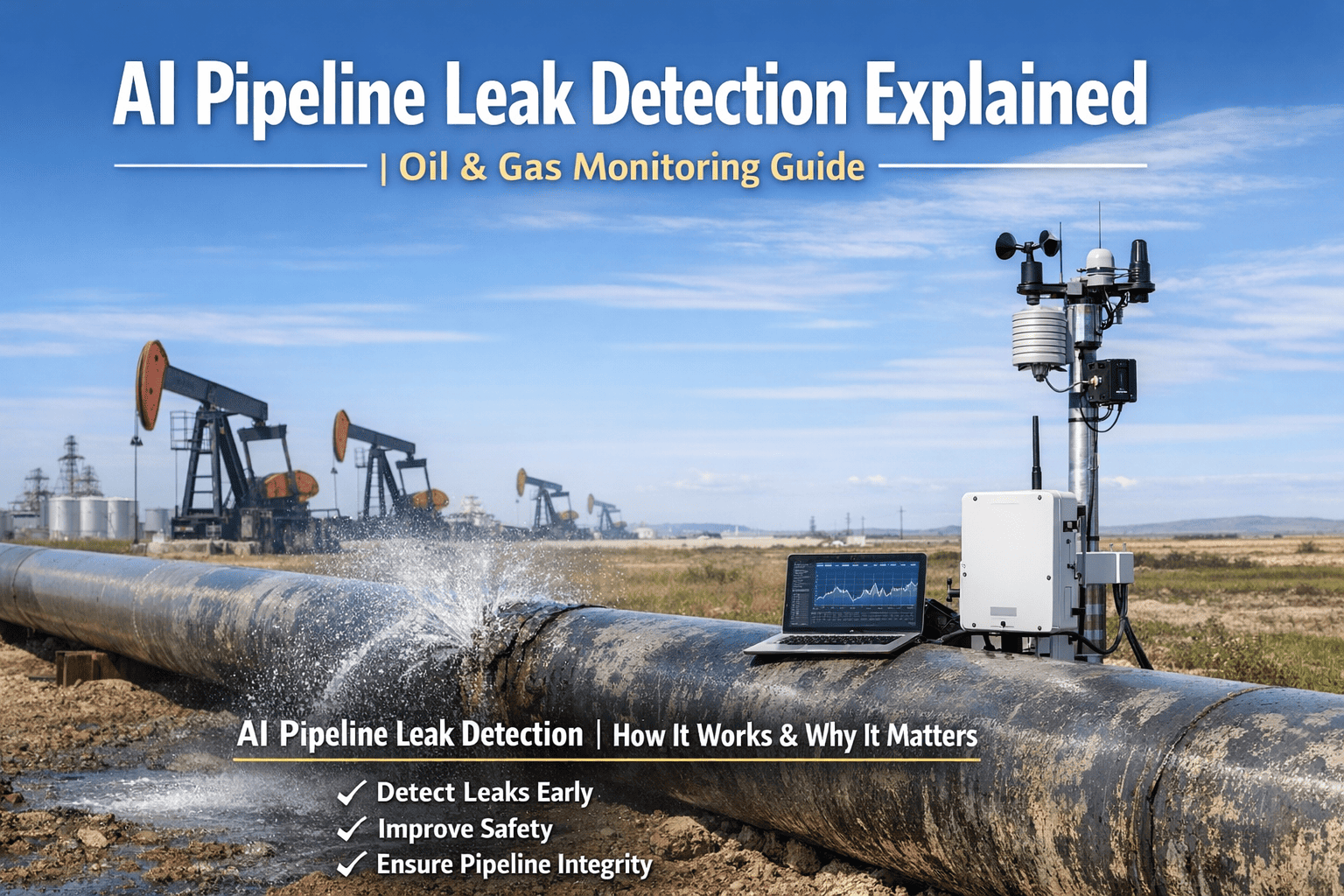
A pressure drop that stays under the SCADA alarm threshold. A slow seep that a fiber-optic cable never picks up because it sits fifty meters off the line. A right-of-way encroachment that nobody sees until the excavator bucket is already through the pipe wall. Pipeline operators lose an enormous amount of product, safety margin, and public trust to exactly these single-layer blind spots every year, and the cost of each miss compounds the longer it goes unnoticed. The fix isn't a better sensor — it's a layered architecture where SCADA, acoustic sensing, satellite imagery, and drone patrol each cover what the others miss, correlated by AI into one definitive alert instead of four separate, ignorable ones. That correlation layer is precisely what iFactory's pipeline surveillance platform is built to run.
PIPELINE SURVEILLANCE · THREAT DETECTION ARCHITECTURE
How to Design a Multi-Layer Pipeline Threat Detection Architecture
One sensor type will always have a blind spot. Four layers — SCADA computational pipeline monitoring, distributed acoustic sensing, satellite surveillance, and drone patrol — stacked and correlated by AI close the gap between "something happened" and "we caught it before it became a headline." This is the architecture that turns four disconnected alarm feeds into one system operators can actually trust.
The Blind Spot Problem
What Single-Layer Monitoring Actually Misses
Most pipeline integrity programs did not choose a single-layer approach on purpose — they built out one detection system at a time, usually starting with SCADA because it was already required for operational control, and then layered on whatever budget allowed next. The result across much of the industry is a patchwork where each system was procured, commissioned, and tuned in isolation, with no shared reference point for location, timing, or severity. That patchwork is exactly where the numbers below come from, and it's also why the fix isn't buying a fifth technology — it's connecting the four an operator likely already has.
60%+
of small-volume leaks fall below standard SCADA computational pipeline monitoring detection thresholds
1–3 km
typical fiber-optic DAS sensing radius, leaving anything outside the cable corridor effectively unmonitored
Days
typical satellite revisit gap for a given right-of-way segment without a tasked, high-frequency pass
70%+
reduction in false-positive alarm fatigue reported once AI correlates findings across detection layers
The Architecture
The Four-Layer Detection Stack
Each layer in this stack answers a different question. SCADA asks "is the flow balanced right now?" DAS asks "is something happening along this exact cable corridor?" Satellite asks "has the ground around this right-of-way changed?" Drone asks "what does this specific point look like up close, today?" No single answer is definitive on its own — together, they are. The order matters too: SCADA and DAS give continuous, always-on coverage across the whole line or corridor, satellite adds wide-area context on a scheduled or tasked cadence, and drone patrol supplies the close-range confirmation that turns a probable event into a verified one. Designing the stack this way, rather than picking whichever single technology has the loudest sales pitch, is what determines whether the resulting system actually reduces missed detections or just adds another dashboard to monitor.
01
SCADA / Computational Pipeline Monitoring (CPM)
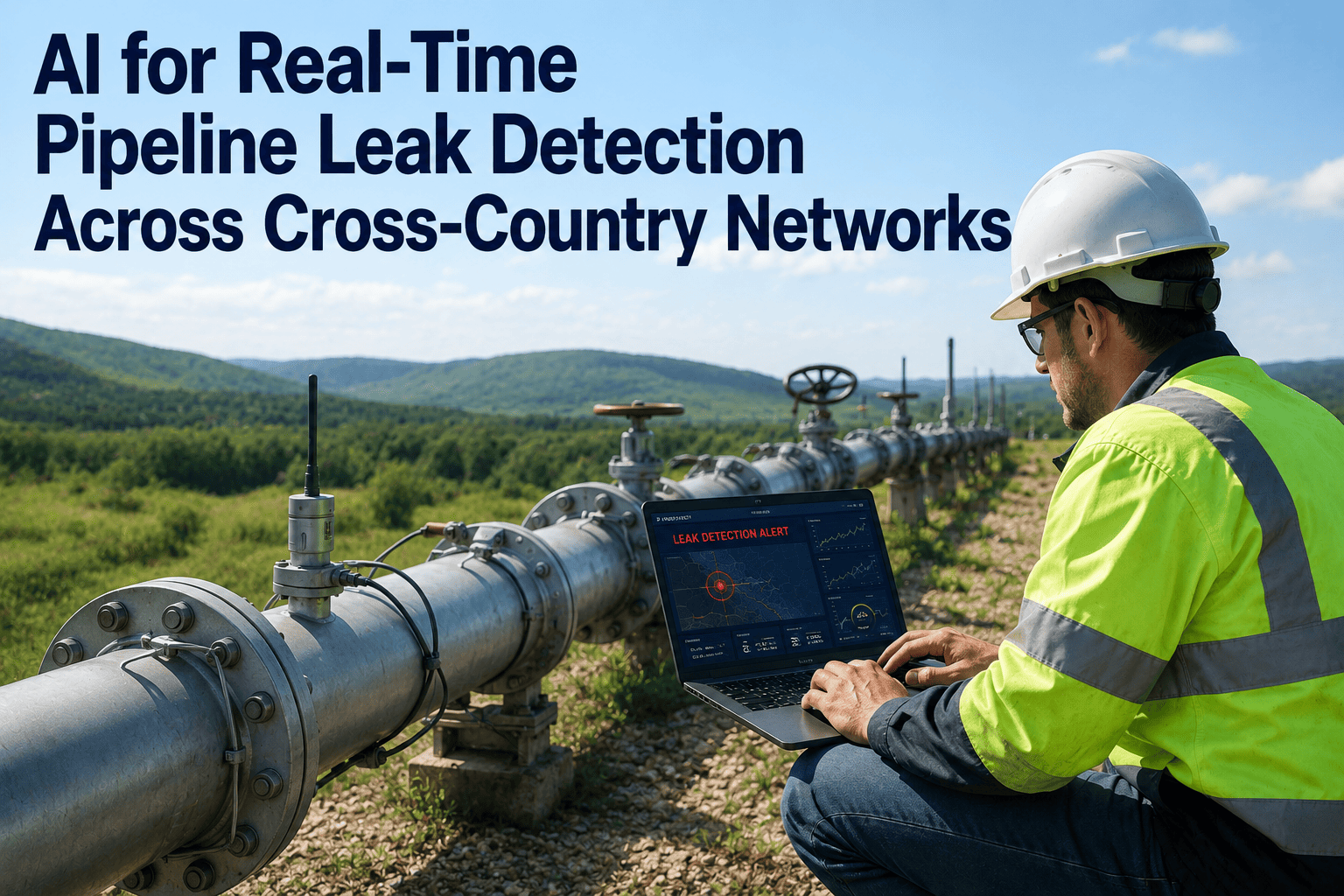
Continuously balances flow, pressure, and volume against a real-time hydraulic model. Catches large-volume ruptures within minutes but routinely misses small chronic leaks that fall inside normal operating tolerance. Because it relies entirely on inference from the model rather than direct observation of the pipe or the right-of-way, its accuracy also degrades on batched or multi-product lines where flow patterns are naturally more variable.
Detects: rupture, large leak, pump/valve anomaly
02
Distributed Acoustic Sensing (DAS)
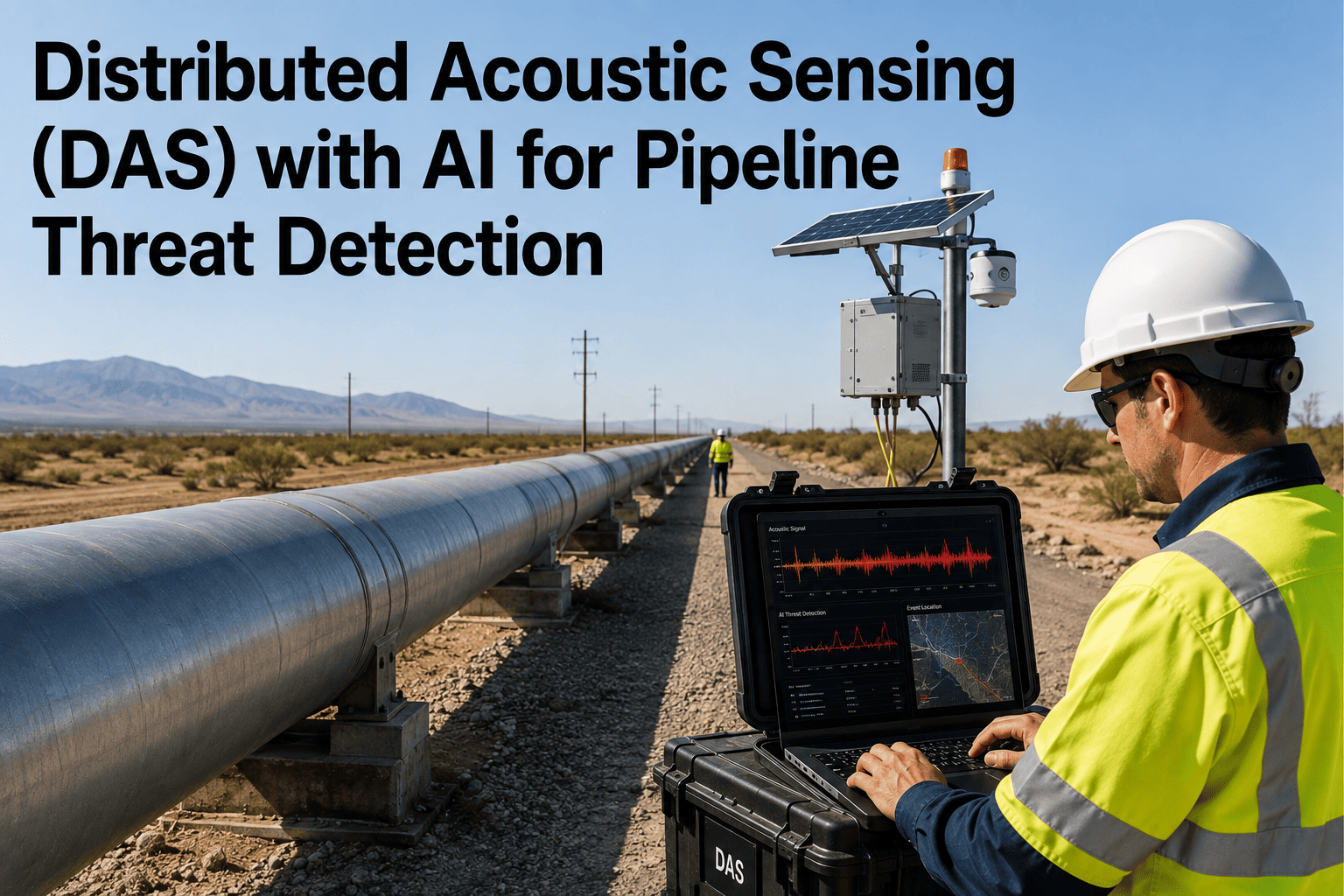
Turns existing fiber-optic cable along the right-of-way into a continuous acoustic sensor, picking up digging, vehicle activity, and drilling vibration in real time along the entire buried line, not just at fixed points. Because the cable itself is the sensor, coverage is continuous rather than sampled, which makes it especially effective against the third-party mechanical damage that remains one of the leading causes of pipeline incidents industry-wide.
Detects: third-party mechanical interference, excavation, drilling
03
Satellite Surveillance
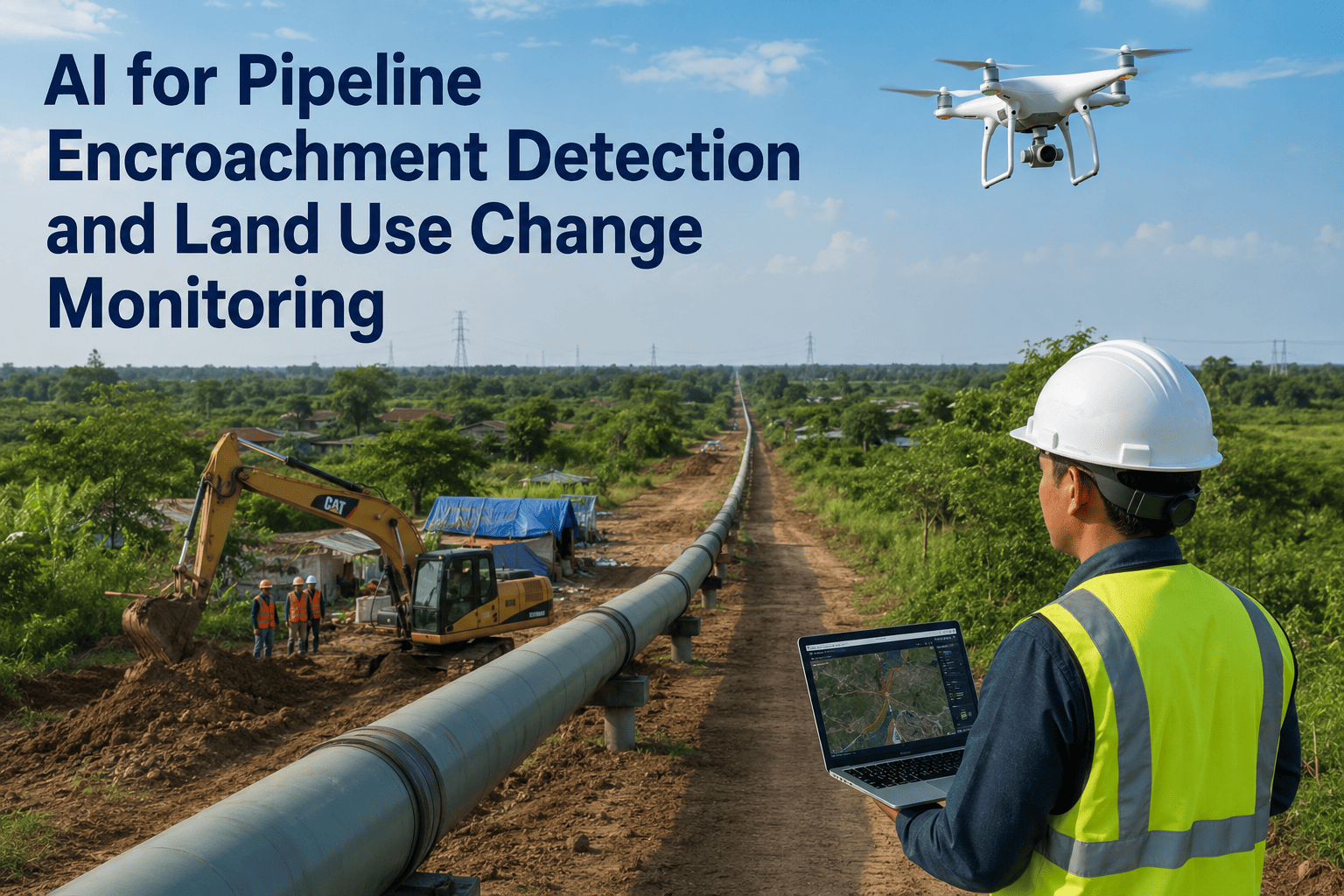
SAR and hyperspectral imagery flag vegetation stress from subsurface seepage, ground disturbance, and encroaching structures across the full right-of-way corridor, including remote stretches no fixed sensor reaches. This is the layer most operators rely on for the segments where installing fiber or scheduling frequent ground patrol simply isn't economical, such as long rural or cross-country stretches far from any access road.
Detects: slow seepage, encroachment, land-use change
04
Drone Visual and Thermal Patrol
Dispatched routinely or on demand to a flagged coordinate, drones deliver close-range visual, thermal, and optical gas imaging confirmation that turns a probable anomaly into a verified, actionable finding. This is the layer that closes the loop: without it, every alert from the other three layers stays a probability rather than a confirmed condition a crew can be dispatched against with confidence.
Detects: visual confirmation, methane plumes, right-of-way condition
Stop Chasing Four Separate Alarm Feeds
iFactory ingests SCADA, DAS, satellite, and drone data into a single fusion layer, correlating findings by location and time into one prioritized, verified alert your team can act on immediately, without switching between four separate systems first.
Deployment Patterns
How the Stack Shifts by Pipeline Type
The same four layers apply across pipeline types, but the emphasis operators put on each one shifts based on what is actually being carried, where the line runs, and what a missed detection would cost. Understanding those shifts helps prioritize budget toward the layer that closes the biggest gap for a given network, rather than deploying every layer everywhere at equal intensity. A network risk assessment that maps consequence areas against current layer coverage is usually the fastest way to see exactly where that gap sits before committing capital to a new sensor type.
Crude Oil Trunk Lines
Long-haul crude lines usually lean hardest on SCADA CPM for volume balancing across large batch segments, with satellite surveillance carrying most of the encroachment and seepage detection load across remote rural mileage where fiber and frequent patrol aren't practical.
Natural Gas Gathering and Transmission
Gas lines prioritize DAS heavily because mechanical third-party damage is the dominant risk, and a confirmed methane release calls for fast drone dispatch with optical gas imaging rather than waiting on a scheduled satellite pass.
Refined Products and Multi-Product Lines
Batched product changeovers make SCADA balancing noisier, so these networks typically weight DAS and drone confirmation more heavily to compensate for the reduced sensitivity of flow-based detection during transition windows.
Layer Comparison
Detection Speed, Coverage, and Limitations Side by Side
Choosing an architecture means understanding what trade-off each layer makes between speed, coverage, and cost. This comparison reflects how the four layers are typically deployed together across long-haul and cross-country pipeline networks in 2026. None of these trade-offs are a reason to skip a layer entirely — they're the reason correlation across layers matters more than any single layer's individual performance.
Pipeline Detection Layer Comparison
Where Single Layers Fail
Why Any One Layer, Running Alone, Eventually Fails
SCADA-Only Blind Spot
A chronic seep below the alarm threshold can run for weeks before cumulative volume loss shows up in a balance reconciliation, by which point contamination and repair scope have both grown. Operators relying on SCADA alone often only learn the true start date of a leak retroactively, once soil sampling or a landowner report forces a closer look.
DAS-Only Blind Spot
Acoustic sensing flags vibration but has no way to confirm whether it is a genuine excavation threat or routine agricultural activity, generating alerts with no severity context attached. Without a second layer to corroborate or a drone to visually confirm, control room staff are left guessing at intent from a waveform alone.
Satellite-Only Blind Spot
Standard revisit intervals mean a fast-developing encroachment or a rapidly growing leak plume can go unflagged for days between usable passes over the same segment. Cloud cover and tasking priority can push that gap even wider on networks that rely on it as a primary rather than supporting layer.
Drone-Only Blind Spot
Battery range and flight-time limits mean drones can only patrol a fraction of a long-haul network on any given day, leaving most of the line unchecked between scheduled routes. Without another layer directing where to look first, drone hours get spread thin across low-priority mileage instead of concentrated where risk is actually highest.
The Fusion Layer
How AI Correlation Turns Four Feeds Into One Alert
The fusion layer is the piece most legacy detection setups never actually build, even after all four sensor layers are technically in place. Without it, correlation still has to happen — it just happens manually, inconsistently, and usually only after the fact during an incident investigation rather than in the minutes that actually matter.
1
Ingest every layer in real time. SCADA balance data, DAS acoustic events, satellite change-detection flags, and drone imagery all stream into one platform instead of four separate control room screens, each with its own login, alert style, and reviewer.
2
Normalize by location and timestamp. Every event is mapped to the same pipeline milepost reference and time window so a DAS event and a satellite flag from the same coordinate can be compared directly, regardless of which vendor's system generated the original reading.
3
Cross-reference for corroboration. An anomaly confirmed by two or more independent layers is scored as high confidence; a single-layer flag with no corroboration is scored lower and queued for monitoring rather than escalated immediately to a field response.
4
Apply machine learning classification. Historical false-positive patterns — vegetation, wildlife, farm equipment, seasonal ground moisture shifts — are filtered out automatically, sharply cutting the volume of alerts that reach a human reviewer each shift.
5
Dispatch and generate one work order. High-confidence findings automatically trigger a drone confirmation flight and open a single prioritized work order, complete with location, severity, and supporting evidence from every layer, ready for a technician to act on without re-checking four separate systems.
What Changes
What a Correlated Architecture Actually Improves
Fewer False Alarms Reaching Control Room Staff
Cross-layer corroboration filters out single-source noise before it ever reaches a human reviewer, cutting alarm fatigue that leads to real events being deprioritized behind a backlog of unconfirmed, low-severity flags.
Faster Time to Confirmed Detection
Automated drone dispatch on a high-confidence fusion alert removes the manual triage delay between "something flagged" and "someone confirmed it visually," which is often where the most time is lost in a legacy, non-correlated workflow.
Lower Manual Patrol Mileage
Routine ground and air patrol hours shift from fixed-schedule coverage of the entire line toward targeted response on segments the fusion layer has actually flagged, freeing crews to spend time on confirmed risk instead of blanket coverage.
Stronger Regulatory and Audit Evidence
Every escalated finding carries a full evidence trail across all four layers, giving integrity management program audits and incident reporting a defensible, timestamped record instead of a single-source log entry with no corroborating context.
Before You Build
What to Prepare Before Layering These Systems
A four-layer architecture only works if the layers are actually wired together before go-live. These are the steps that separate a genuinely correlated detection system from four vendors' dashboards sitting side by side, each generating its own alerts that nobody has explicitly agreed to act on together.
Segment the Line by Risk Classification
Map high-consequence areas, population density, and environmentally sensitive crossings first, so layer investment concentrates where a missed detection carries the highest cost rather than being spread evenly across mileage that carries very different levels of risk.
Set Corroboration Thresholds With Integrity Staff
Decide with the pipeline integrity team, not the software vendor, how many corroborating layers are required before an alert auto-escalates to a drone dispatch, since this threshold directly determines both response speed and false-alarm rate.
Confirm Data Formats Before Integration
SCADA historians, DAS interrogator units, satellite providers, and drone flight software all export differently — validate the pipeline milepost referencing during commissioning, not after the first missed event, so location matching works correctly from day one.
Establish a Drone Dispatch SLA
Define how quickly a confirmation flight must launch after a high-confidence alert, and who owns that call when weather or airspace restrictions apply, so the response never stalls waiting on an undefined decision chain.
Pilot on the Highest-Risk Segment First
Prove correlation accuracy and false-positive rates on one high-consequence segment for 60 to 90 days before expanding the architecture across the full network, so lessons on threshold tuning carry forward rather than being relearned everywhere at once.
Assign Ownership of the Fusion Alerts
Every escalated alert needs one named owner responsible for review and dispatch decisions, rather than being left in a shared queue nobody is explicitly accountable for once the initial commissioning excitement wears off.
Warning Signs
Signs Your Current Setup Already Has a Gap
Most operators don't realize their detection architecture has a blind spot until an incident forces the review. These are the patterns worth checking for now, before that review is forced on you by an event. None of them require a full system replacement to fix — most come down to correlation and ownership, not the underlying sensors themselves.
Alerts Live in Four Different Systems
If confirming a single anomaly means logging into a SCADA historian, a DAS vendor portal, a satellite provider dashboard, and a separate drone flight log, nobody has time to do that correlation manually during a real event, which means most of it simply doesn't happen.
False-Positive Fatigue Is Rising
A control room that has learned to tune out a particular alarm type because it is "usually nothing" has effectively lost that detection layer, even though the sensor itself is still technically working and generating data.
No One Owns Cross-Layer Review
If responsibility for comparing a DAS event against the same day's satellite pass sits with no specific role, that comparison is happening rarely if at all, no matter how good each individual layer's data actually is.
Remote Segments Rely on One Layer Alone
Long rural or offshore-adjacent stretches that depend entirely on satellite revisit cadence, with no DAS coverage and no routine drone patrol, carry a detection gap proportional to the length of that unmonitored stretch.
Frequently Asked Questions
Multi-Layer Pipeline Detection — Common Questions
Why isn't SCADA computational pipeline monitoring enough on its own?
SCADA CPM is excellent at catching large, fast-developing ruptures because it watches flow and pressure balance across the whole line in near real time. Its weakness is chronic, low-volume leaks that stay within the normal noise band of the hydraulic model for weeks. Pairing SCADA with distributed acoustic sensing and satellite change detection closes that specific gap by watching the physical right-of-way directly rather than only inferring conditions from flow math. This is why most regulators and industry integrity frameworks now treat SCADA as one input among several rather than a standalone leak detection guarantee.
Does distributed acoustic sensing need new fiber-optic cable installed?
In most cases, no. Many pipeline operators already have fiber-optic cable running alongside the right-of-way for telecommunications purposes, and that same cable can be repurposed as a continuous acoustic sensor without new trenching. Where no cable exists along a segment, a dedicated sensing cable can be installed, though this is typically reserved for the highest-risk stretches of the network given the added cost. Retrofitting existing telecom fiber is usually the fastest and most cost-effective way to bring continuous acoustic coverage online for the first time.
How does satellite surveillance detect a leak that hasn't reached the surface yet?
Hyperspectral and synthetic aperture radar imagery can pick up subtle vegetation stress and soil moisture changes caused by subsurface hydrocarbon seepage well before a leak becomes visible to the naked eye. Combined with land-use change detection for encroachment, this gives operators coverage across remote right-of-way segments that would otherwise only be checked on a fixed patrol schedule. The trade-off is timing — satellite imagery is strongest at catching slow, cumulative change rather than a sudden event happening right now, which is exactly why it works best alongside continuous layers like SCADA and DAS.
What role do drones play if satellite and SCADA already cover the line?
Drones provide the close-range visual, thermal, and optical gas confirmation that neither SCADA nor satellite can deliver on their own. A satellite flag or acoustic event tells you something probably happened at a given coordinate; a drone dispatch tells you exactly what it is, which matters enormously for deciding whether to send a repair crew immediately or continue monitoring. Skipping this confirmation step is one of the most common reasons operators end up dispatching expensive emergency crews to sites that turn out to be false alarms.
How long does it take to stand up a fully correlated four-layer system?
Most operators pilot the fusion layer on one high-consequence segment for 60 to 90 days before expanding network-wide, since data format alignment and corroboration threshold tuning take real iteration. The
iFactory integration team typically works alongside pipeline integrity staff during this pilot phase to validate alert accuracy before any wider rollout begins. A well-run pilot generally produces a clear, defensible business case for expansion long before the full network rollout is complete.
PIPELINE SURVEILLANCE · MULTI-LAYER DETECTION
Build One Detection System Instead of Four Disconnected Ones
iFactory correlates SCADA, DAS, satellite, and drone data into a single fusion layer, turning four alarm feeds into one verified, prioritized work order your integrity team can trust and act on the same day.