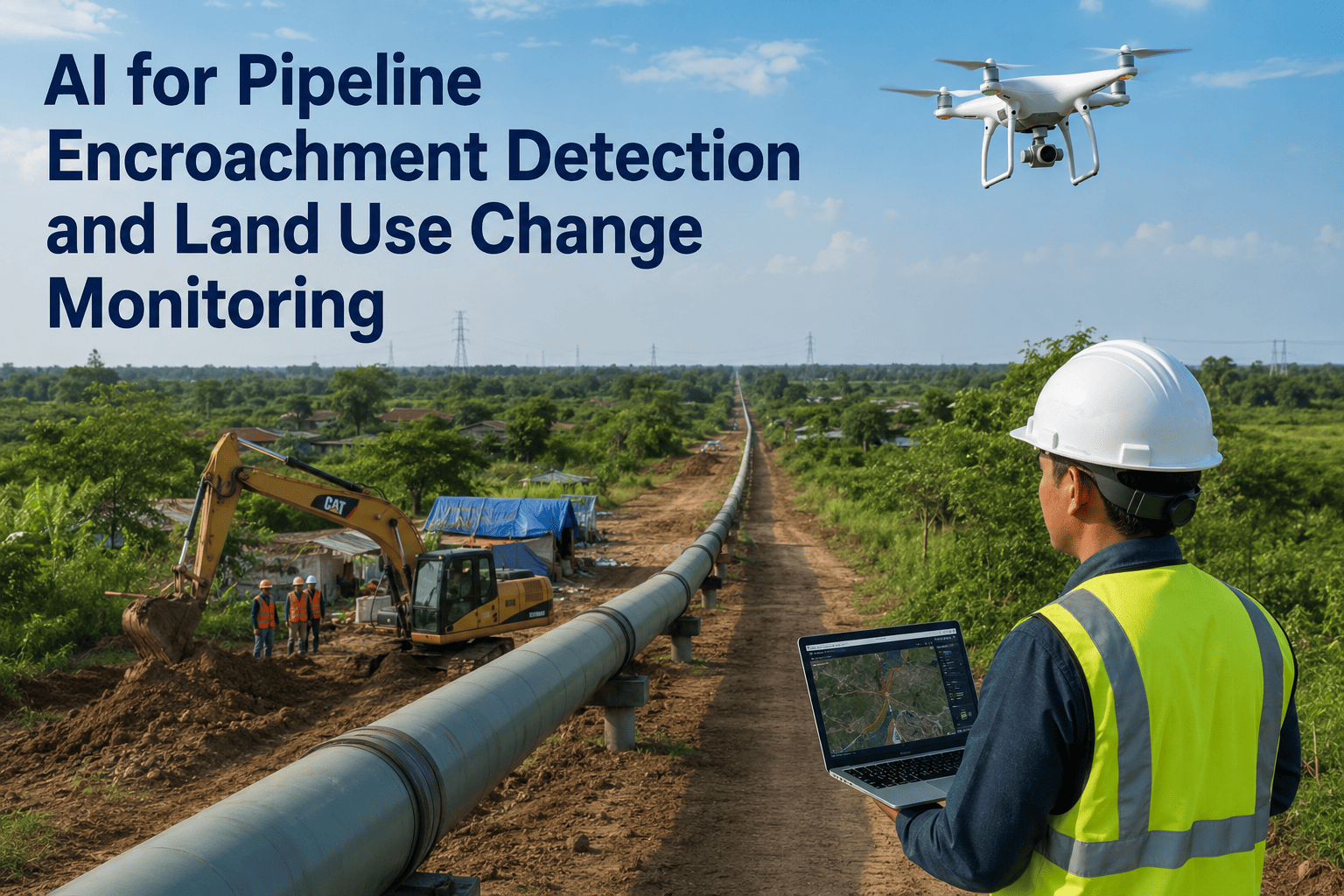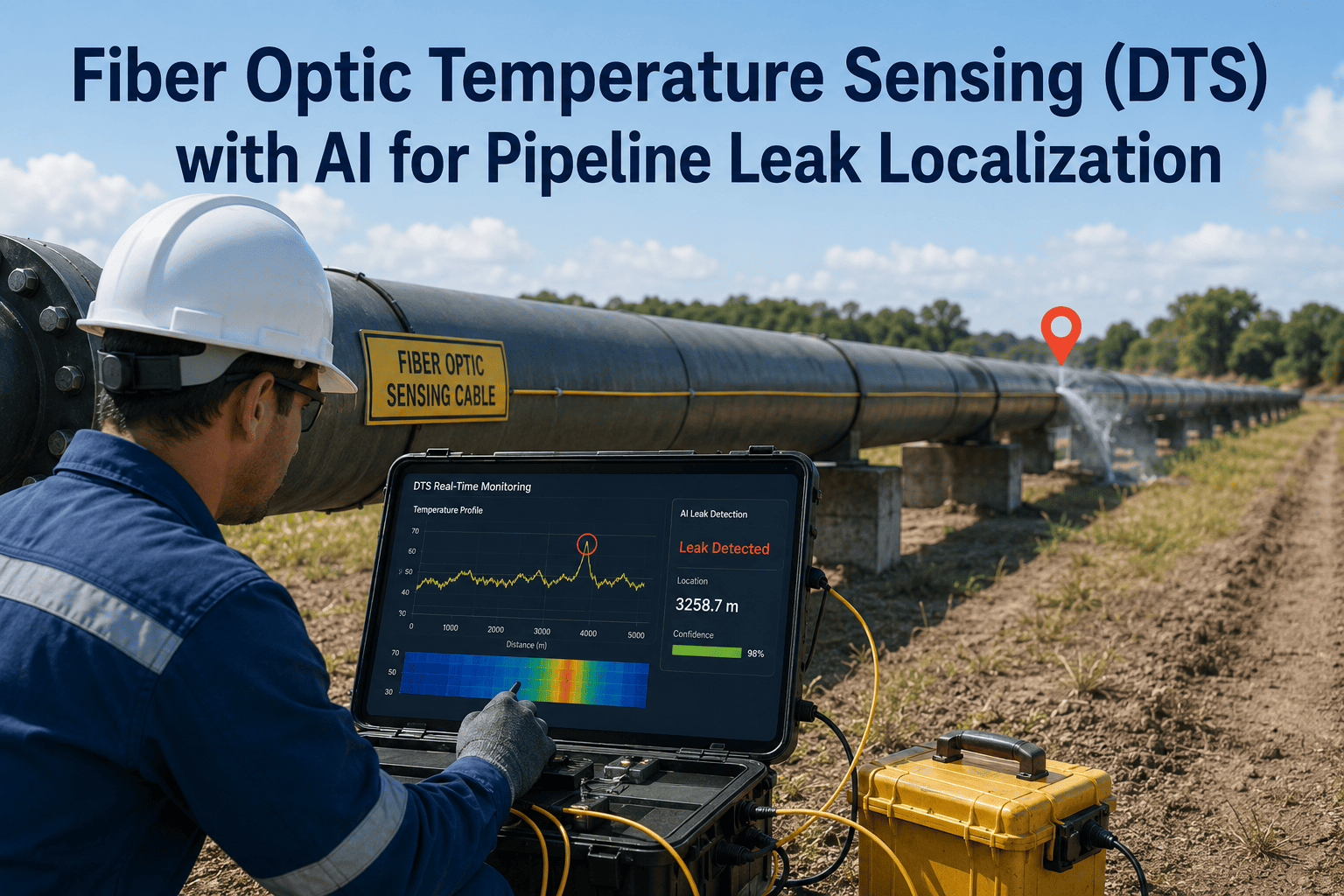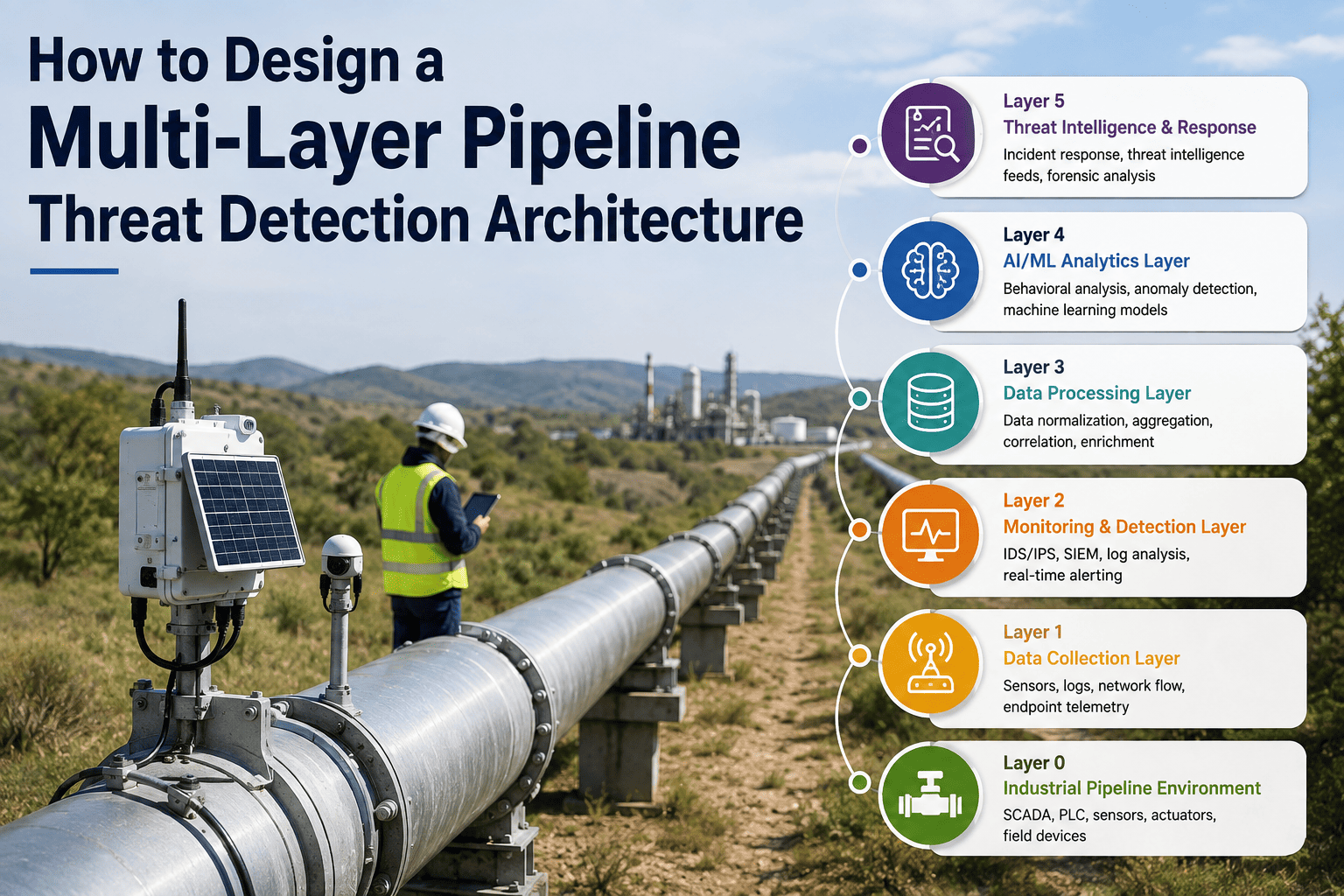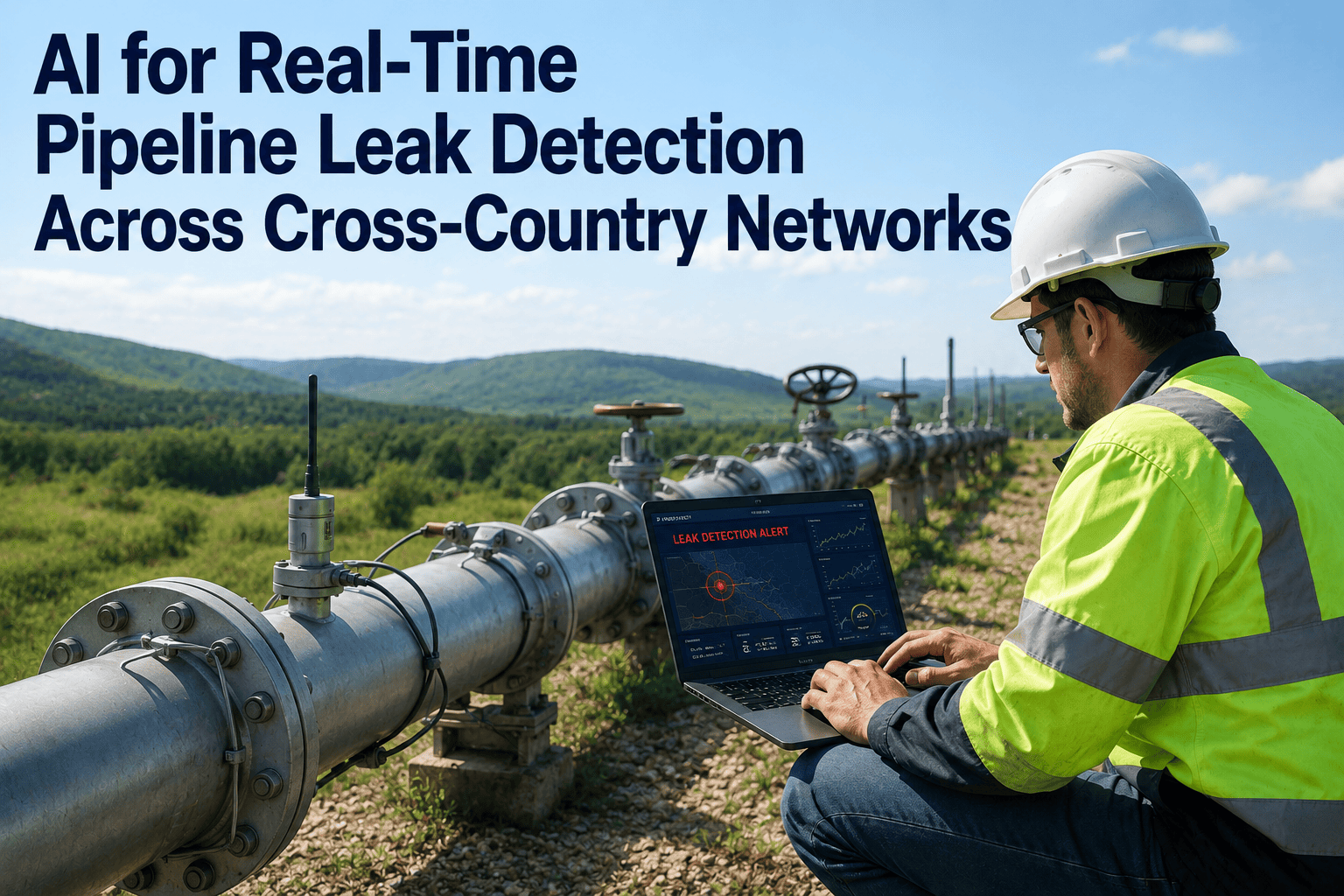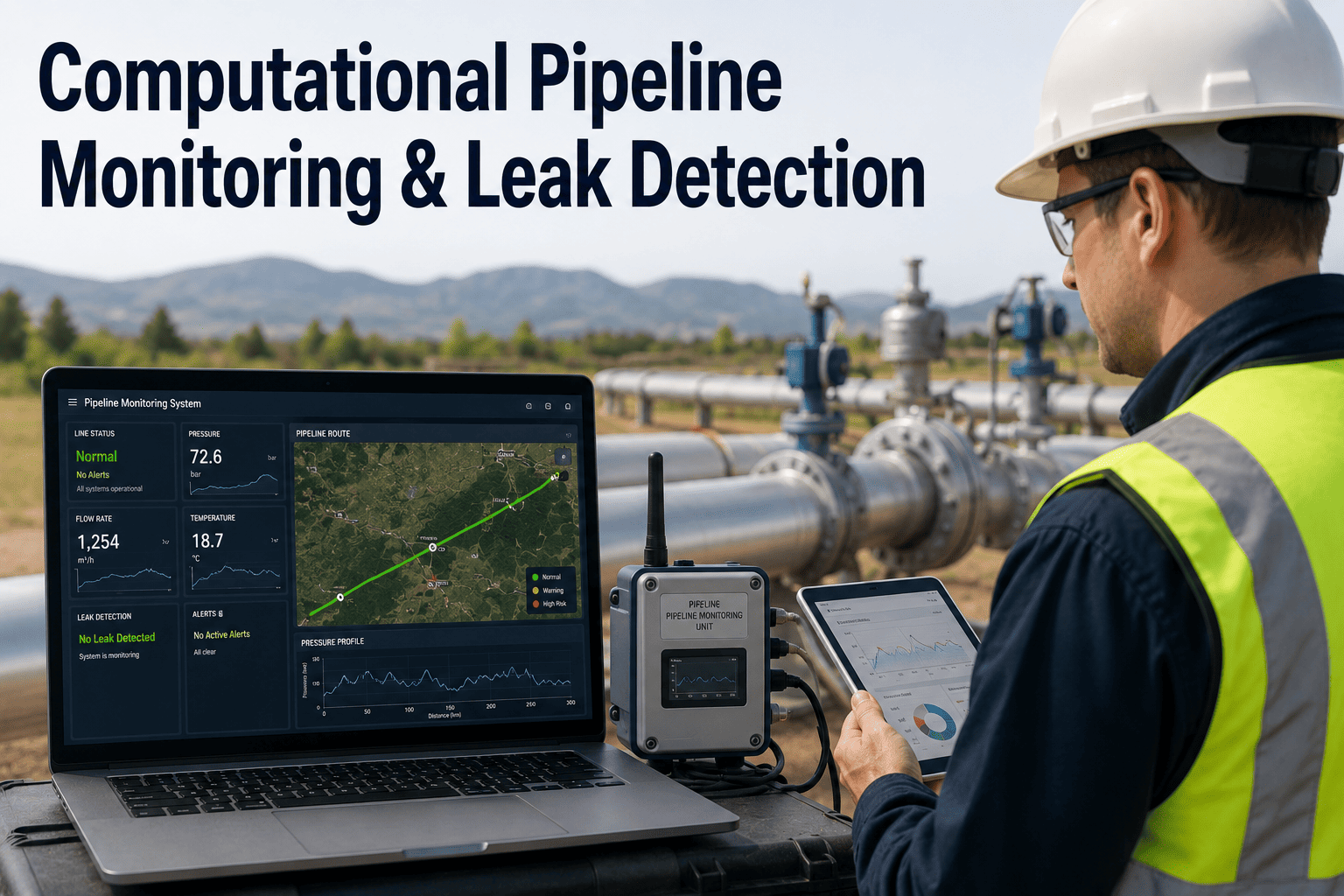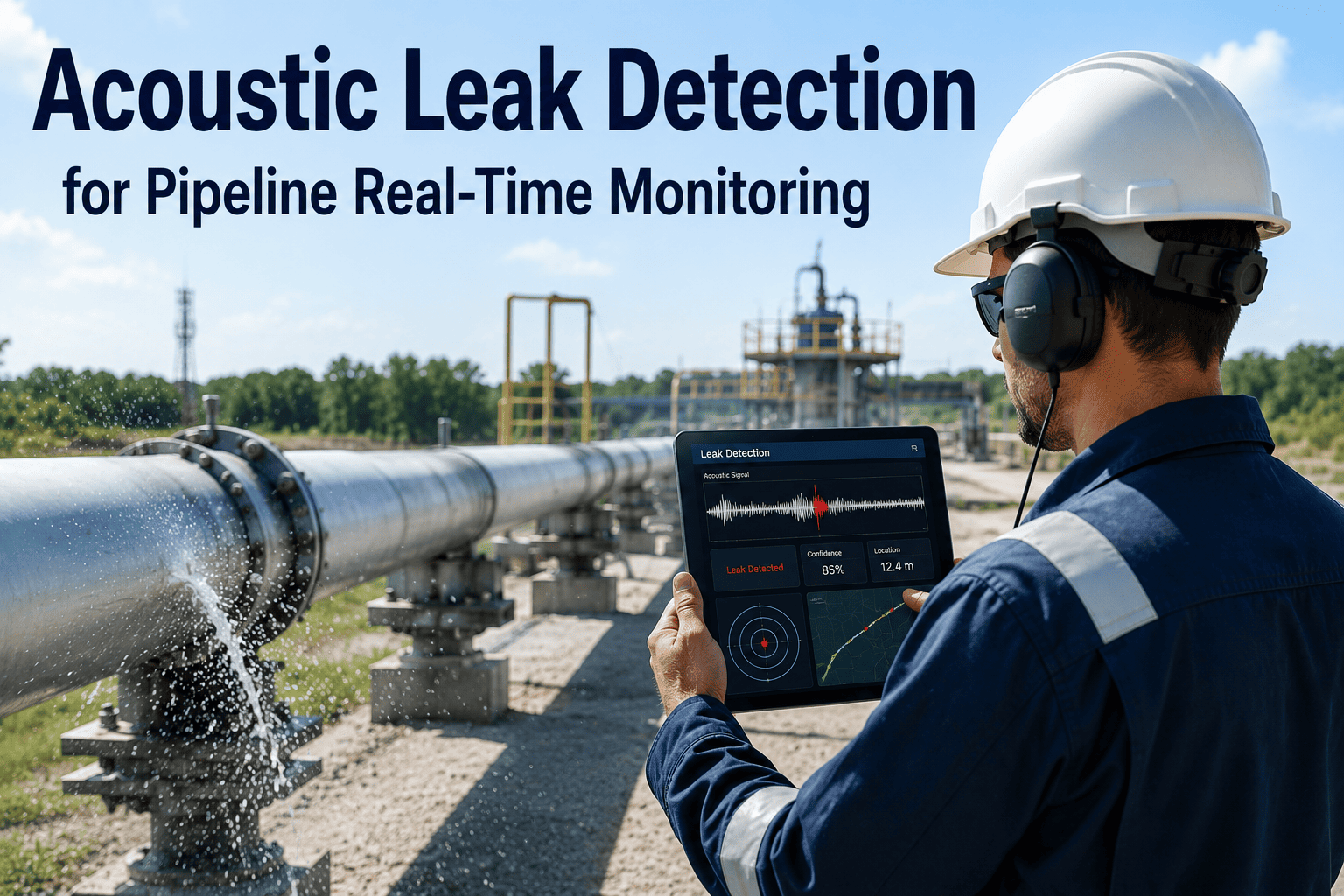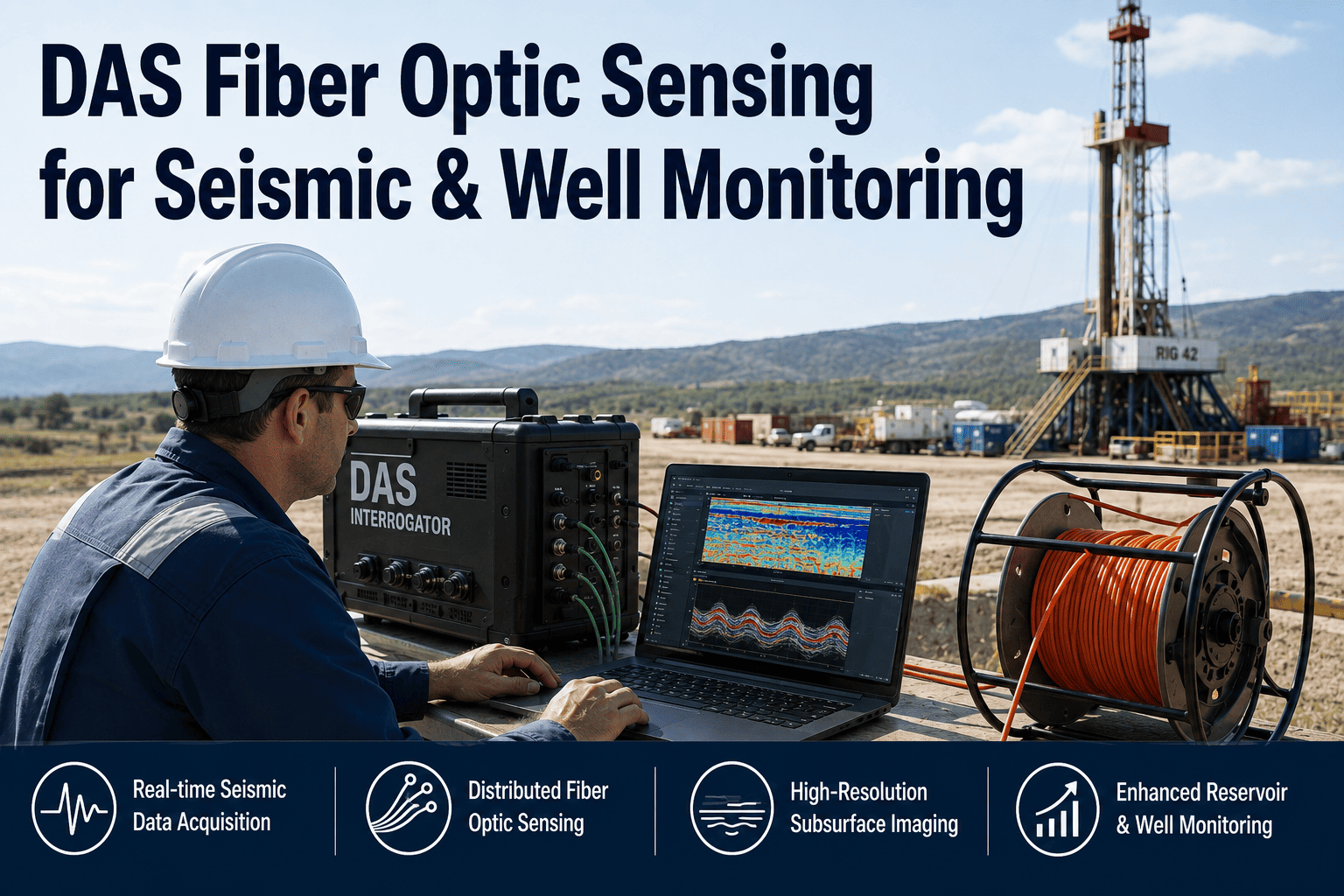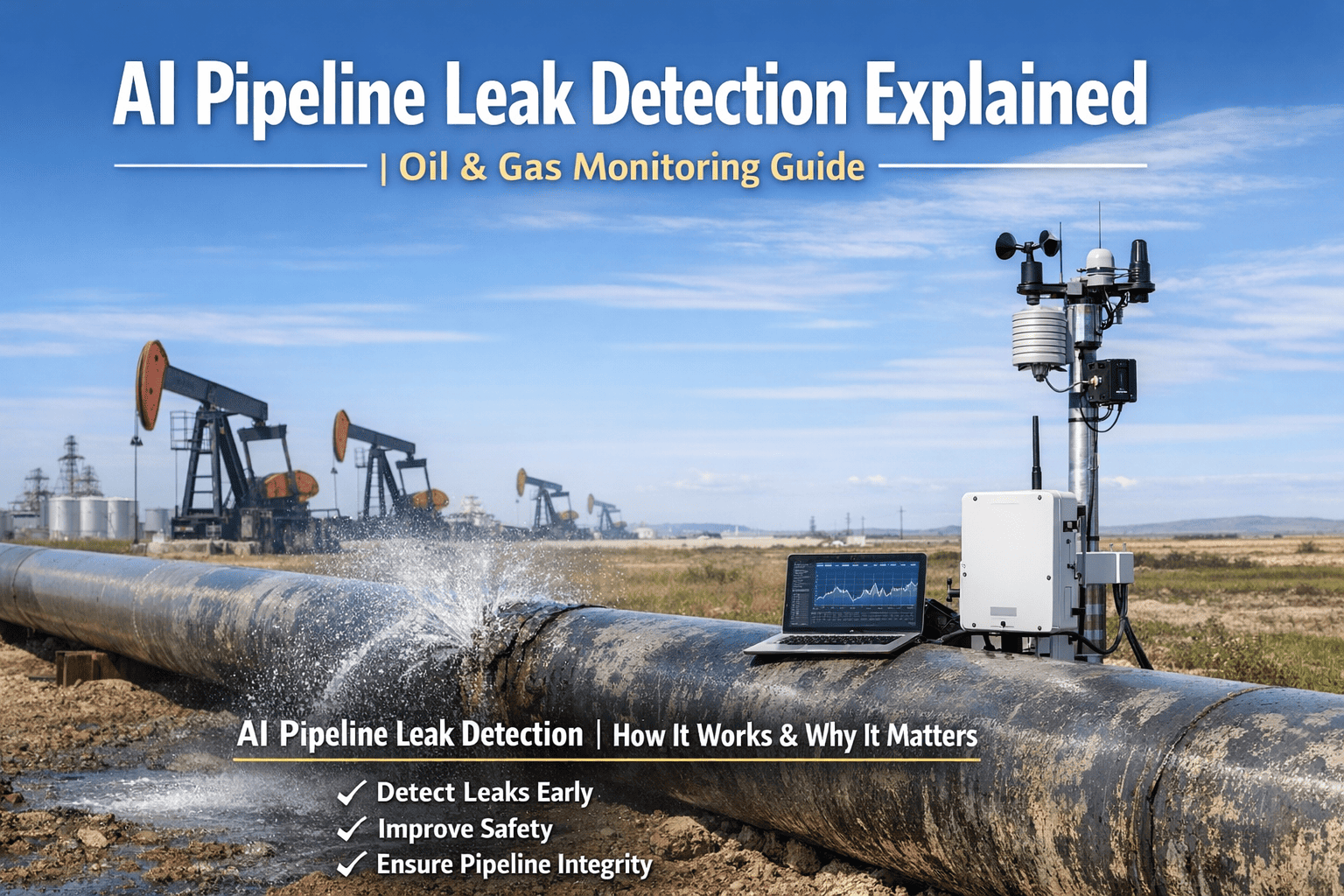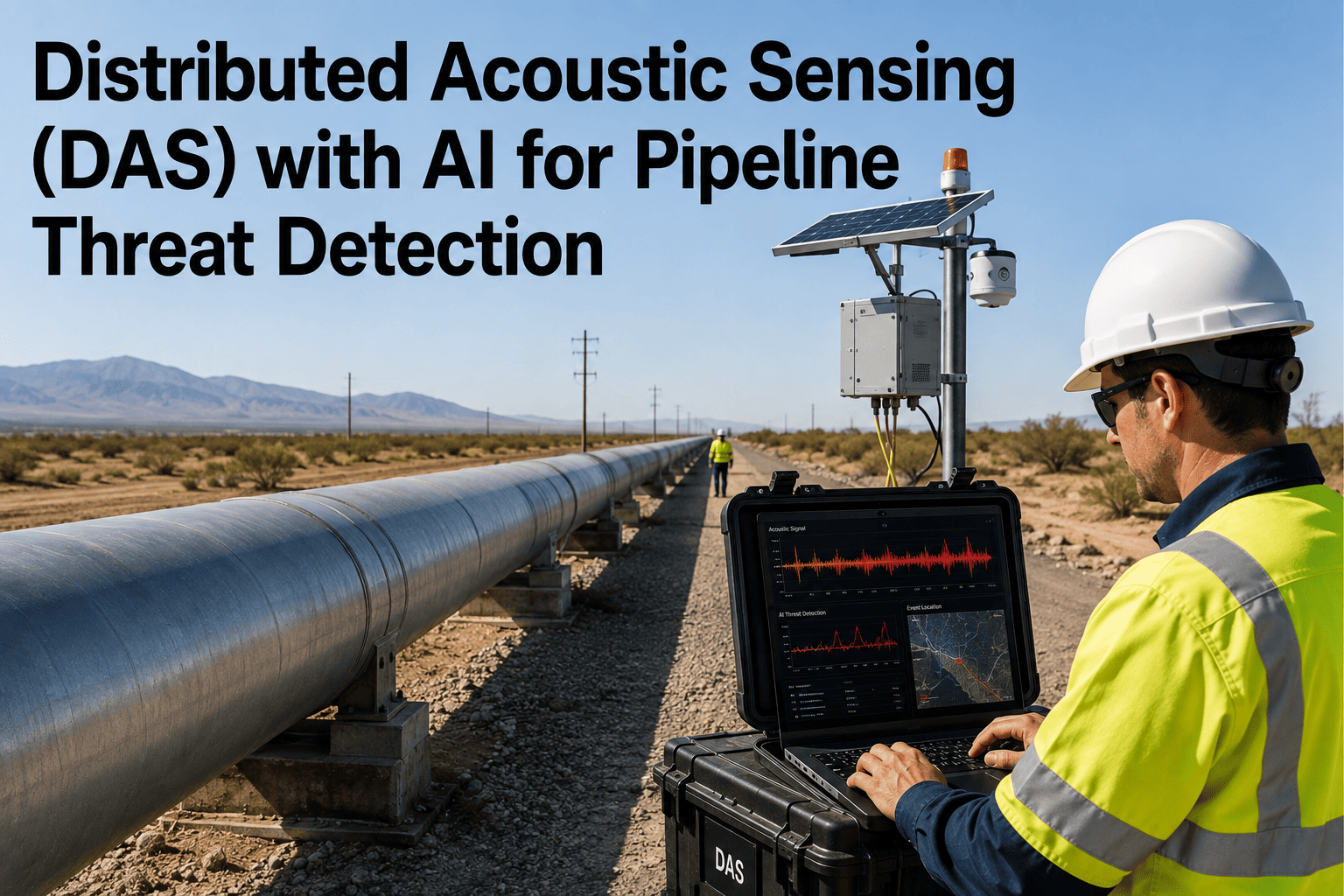
An excavator digging near a buried pipeline right-of-way sounds different, mechanically, than a passing truck, a farmer's tractor, or a person walking the line — and a fiber optic cable running alongside that pipeline can hear the difference from kilometers away, continuously, without a single camera or patrol vehicle. That's the premise behind distributed acoustic sensing: converting existing telecom-grade fiber into a dense array of acoustic listening points, then letting AI classify what it hears. iFactory's pipeline surveillance platform layers threat classification on top of DAS data so a real excavation gets flagged in seconds, not after the damage is already done.
Your Pipeline's Fiber Optic Cable Is Already Listening
Third-party interference remains one of the leading causes of pipeline failures, and most right-of-way still relies on scheduled patrols that check a given stretch once every few days. DAS plus AI classification checks it continuously.
How Distributed Acoustic Sensing Actually Works
A DAS interrogator sends short laser pulses into a standard single-mode fiber optic cable buried alongside — or already running parallel to — the pipeline. As light travels down the fiber, a small fraction scatters back due to microscopic inhomogeneities in the glass itself, a phenomenon called Rayleigh backscattering. Any vibration or strain event along the cable's path — digging, footsteps, vehicle traffic, a passing train — perturbs that backscattered signal at the exact point it occurred, turning every meter of fiber into an independent virtual sensor without any additional powered equipment buried in the ground.
Turning Raw Vibration Data Into a Threat Classification
Raw DAS output is an enormous, continuous stream of vibration data — far too dense for any human operator to watch directly, and far too noisy in urban or high-activity areas to alarm on every disturbance without producing a flood of false positives. This is where machine learning does the real work: classification algorithms trained on labeled acoustic signatures learn to tell an excavator's distinct low-frequency digging pattern apart from a passing vehicle's transient signature, a person walking, or ordinary environmental noise like wind and rain. A layered approach — short-clip sound recognition first, then activity-pattern modeling across a sequence of clips, then fusing signals from multiple channels to model a moving source — has proven effective at cutting nuisance alarms in busy urban corridors while still catching genuine third-party interference.
| Event Type | Acoustic Signature | Response Priority |
|---|---|---|
| Mechanical excavation | Sustained low-frequency, rhythmic digging pattern | Immediate — highest-risk third-party interference |
| Vehicle crossing right-of-way | Transient, moving vibration source | Monitor — confirm authorized crossing |
| Foot traffic / walking | Low-amplitude, regular cadence | Log — typically low risk |
| Environmental (wind, rain, traffic noise) | Broadband, non-localized | Suppress — filtered as background |
| Leak-related acoustic signature | Continuous, localized high-frequency hiss pattern | Immediate — separate from intrusion classification |
Why Urban Corridors Are the Hardest Case
Pipelines running through populated areas face a harder detection problem than remote rural right-of-way, precisely because urban activity noise — traffic, construction elsewhere, pedestrian activity — sits in a similar frequency range to the digging and intrusion events the system actually needs to catch. A poorly tuned classification model in an urban corridor either misses genuine threats buried in the noise or generates so many nuisance alarms that operators start ignoring the system entirely, which defeats the purpose. Deployments that specifically address this — combining convolutional neural network sound classification with model-based pattern recognition across sequential clips and multi-channel data fusion — have demonstrated successful detection of multiple genuine third-party interference events in dense urban gas pipeline corridors while keeping nuisance alarm rates low enough that operators actually act on every alert.
Catching the Excavator Before the First Strike
A midstream operator running gas transmission pipeline through a mixed industrial-residential corridor had relied on scheduled aerial and ground patrols, each covering the full right-of-way roughly once every two to three days. A DAS system installed on existing fiber flagged a sustained, rhythmic low-frequency signature at a specific mile marker at 6:40 in the morning — well before any scheduled patrol would have passed that section. The alert routed automatically to the on-call controller, who dispatched a field technician within fifteen minutes and found unauthorized excavation equipment staged directly above the pipeline, with digging not yet reaching depth. The interference was stopped with zero pipeline contact, a result that depended entirely on detection happening in minutes rather than whenever the next patrol cycle happened to pass that point.
DAS Compared to Traditional Right-of-Way Protection
See What's Already Traveling Down Your Fiber
iFactory connects to your existing DAS interrogator and adds threat classification tuned to your corridor's specific activity patterns — urban or remote.
DAS Compared to Other Pipeline Monitoring Technologies
DAS is one layer in a broader right-of-way protection strategy, not a replacement for every other monitoring method — the strongest programs combine it with satellite change-detection and periodic patrol rather than relying on any single technology alone. Understanding what each approach actually catches, and where its blind spots sit, is what determines whether a layered program closes the gaps a single method leaves open.
| Technology | Detection Latency | Coverage Pattern | Primary Limitation |
|---|---|---|---|
| DAS fiber optic | Seconds | Continuous along the fiber route | Requires fiber running the pipeline route |
| Satellite imagery | Days to weeks between passes | Wide area, low revisit frequency | Cannot catch fast-developing threats between passes |
| Ground / aerial patrol | Days between cycles | Full route, weather-dependent | No coverage between scheduled cycles |
| Patrol drones | Hours to a day | Route segments, on-demand or scheduled | Limited flight time and range per mission |
Regulatory Context and Compliance Value
Third-party damage prevention isn't just an operational efficiency question — regulators increasingly expect documented, continuous right-of-way monitoring as part of a pipeline integrity management program, and a patrol log showing gaps of several days between checks is a harder position to defend during an incident investigation than a continuous monitoring record. Beyond the compliance documentation value, continuous DAS coverage also generates an auditable event history that supports damage prevention reporting requirements without relying on manual patrol logs that are easy to fall behind on during staffing shortages or severe weather.
Frequently Asked Questions
Do we need to bury new fiber to use DAS, or can we use what's already there?
Most pipeline operators already have telecom-grade fiber optic cable running parallel to their pipelines for SCADA and communications purposes, and that existing fiber is generally usable for DAS without requiring new cable installation. The main equipment addition is the interrogator unit at one end, which sends the laser pulses and interprets the backscattered signal — a single unit can typically cover up to around 50 kilometers of fiber. Contact support to assess whether your existing fiber infrastructure is DAS-ready.
How does the system tell an excavator apart from a passing truck?
Different activities produce distinct acoustic signatures — mechanical excavation tends to show a sustained, rhythmic low-frequency pattern localized to one point, while a vehicle crossing the right-of-way produces a transient signature that moves along the fiber as the vehicle passes. Classification models trained on labeled examples of each event type learn these distinguishing patterns, and a layered approach that also fuses data across multiple channels helps confirm whether a detected source is stationary and sustained, which is the signature that matters most for real intrusion risk.
What's the biggest challenge with DAS in urban pipeline corridors?
Urban background noise — traffic, construction elsewhere, general activity — occupies a similar frequency range to genuine intrusion events, which makes false positive suppression the central engineering challenge rather than raw detection sensitivity. Systems built specifically for dense urban deployment combine short-clip sound classification with sequential pattern recognition and multi-channel fusion to keep nuisance alarm rates low enough that field teams actually respond to every alert rather than learning to ignore them.
Can DAS detect pipeline leaks in addition to third-party intrusion?
Yes — leak-related acoustic signatures are distinct from intrusion signatures, typically presenting as a continuous, localized high-frequency signal rather than the transient or rhythmic patterns associated with digging or vehicle activity. A classification system tuned for pipeline protection generally runs leak detection and intrusion detection as separate classification tasks against the same underlying DAS data stream, since the two event types require different acoustic feature analysis. Book a demo to see leak and intrusion detection running together on the same fiber.
How quickly does an alert reach the field team after an event is detected?
Detection itself happens within seconds of the acoustic event occurring, since the interrogator is continuously processing the backscattered signal in real time rather than on any polling interval. The time from detection to a field technician arriving on site depends on your dispatch workflow and crew positioning, but the detection latency itself is not the bottleneck — properly configured alert routing to an on-call controller is what determines how fast that seconds-level detection turns into a technician on the ground.
Stop Waiting for the Next Patrol Cycle to Find Out What Happened
iFactory's AI classification layer turns your existing fiber into continuous, 24/7 right-of-way protection — catching excavation activity before the pipeline is ever touched.