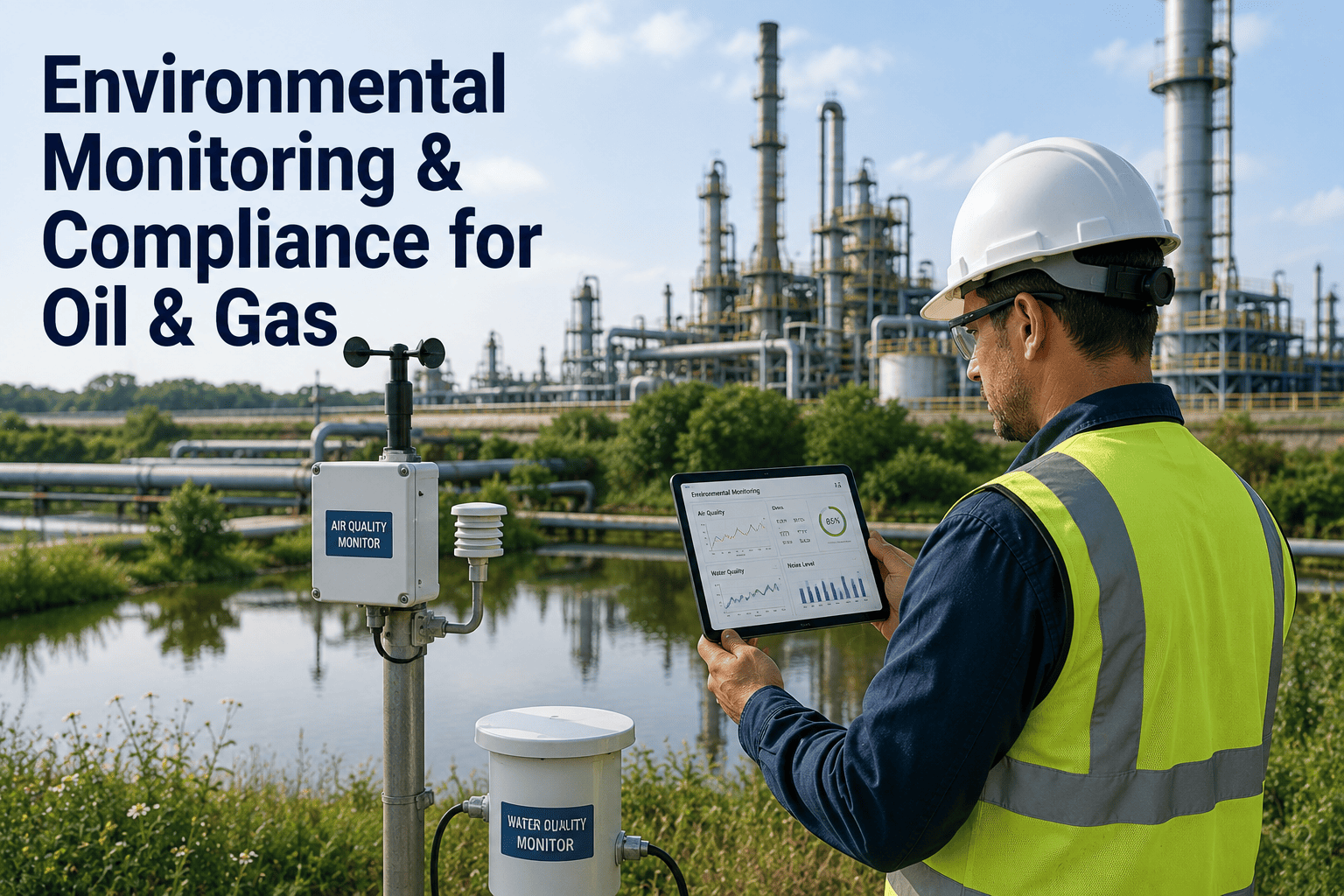
Environmental compliance in oil and gas isn't one report — it's a stack of overlapping obligations across air, water, and soil, each with its own regulator, its own measurement standard, and its own deadline. Miss one filing window or one exceedance threshold and the consequence isn't just a fine; regulators can issue stop-work orders and permit revocations that shut down operations far more expensive than the violation itself. Continuous monitoring turns that scramble into a steady, automated stream of defensible data. Book a demo to see your compliance dashboard built from live sensor data.
Environmental Compliance
Air, Water, Soil: One Compliance Picture Instead of Three Separate Scrambles
Regulators don't grade on effort — they grade on documented, continuous data. iFactory pulls air, water, and soil sensor feeds into one automated compliance record, so audit season stops being a fire drill.
Three Environmental Domains, Three Very Different Regulatory Clocks
Air emissions, water discharge, and soil contamination don't just require different sensors — they run on entirely different reporting cadences, thresholds, and agencies, and treating them as one generic "environmental monitoring" program is exactly how facilities end up missing a specific requirement buried in one of the three.
Air
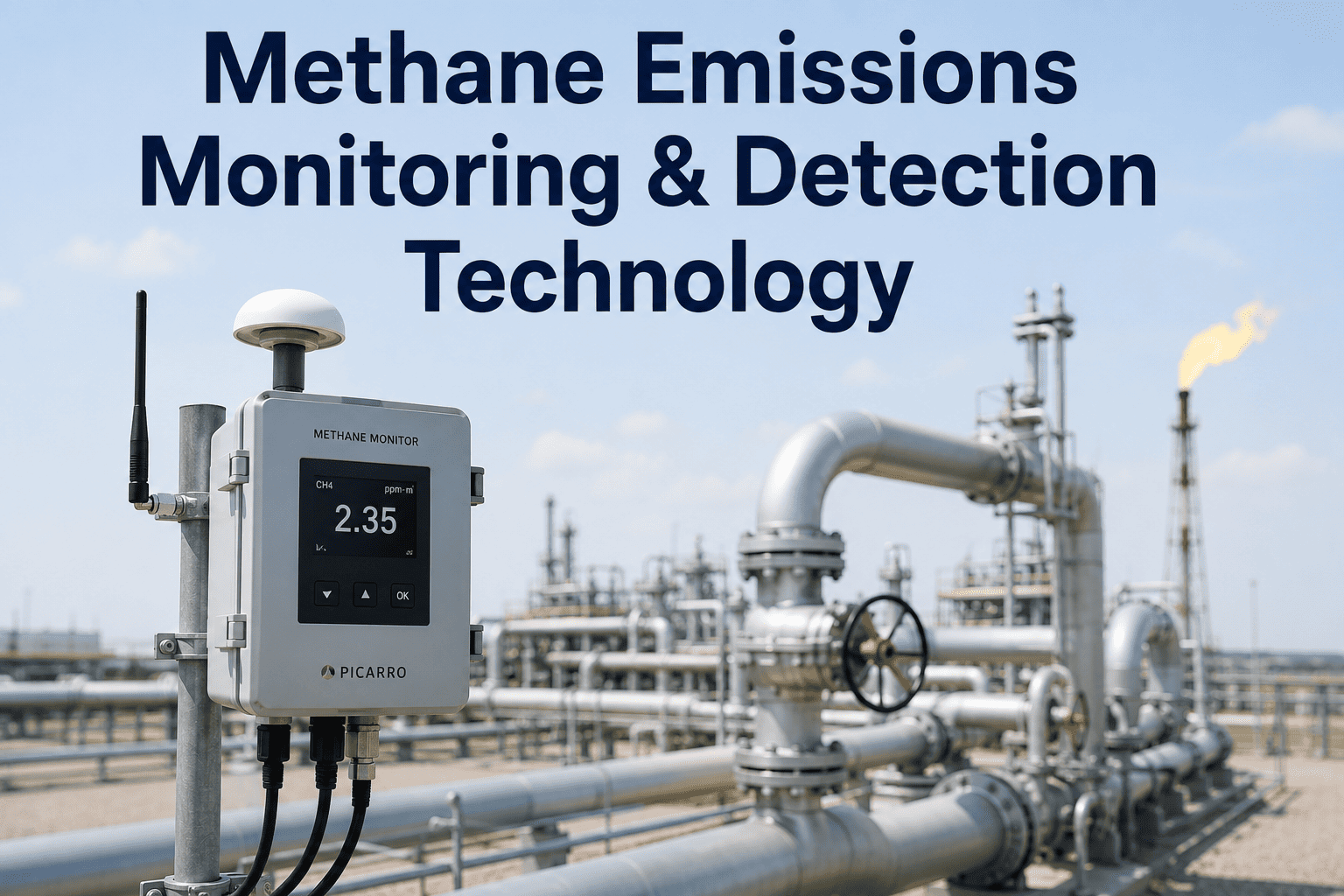
Air Quality & Emissions
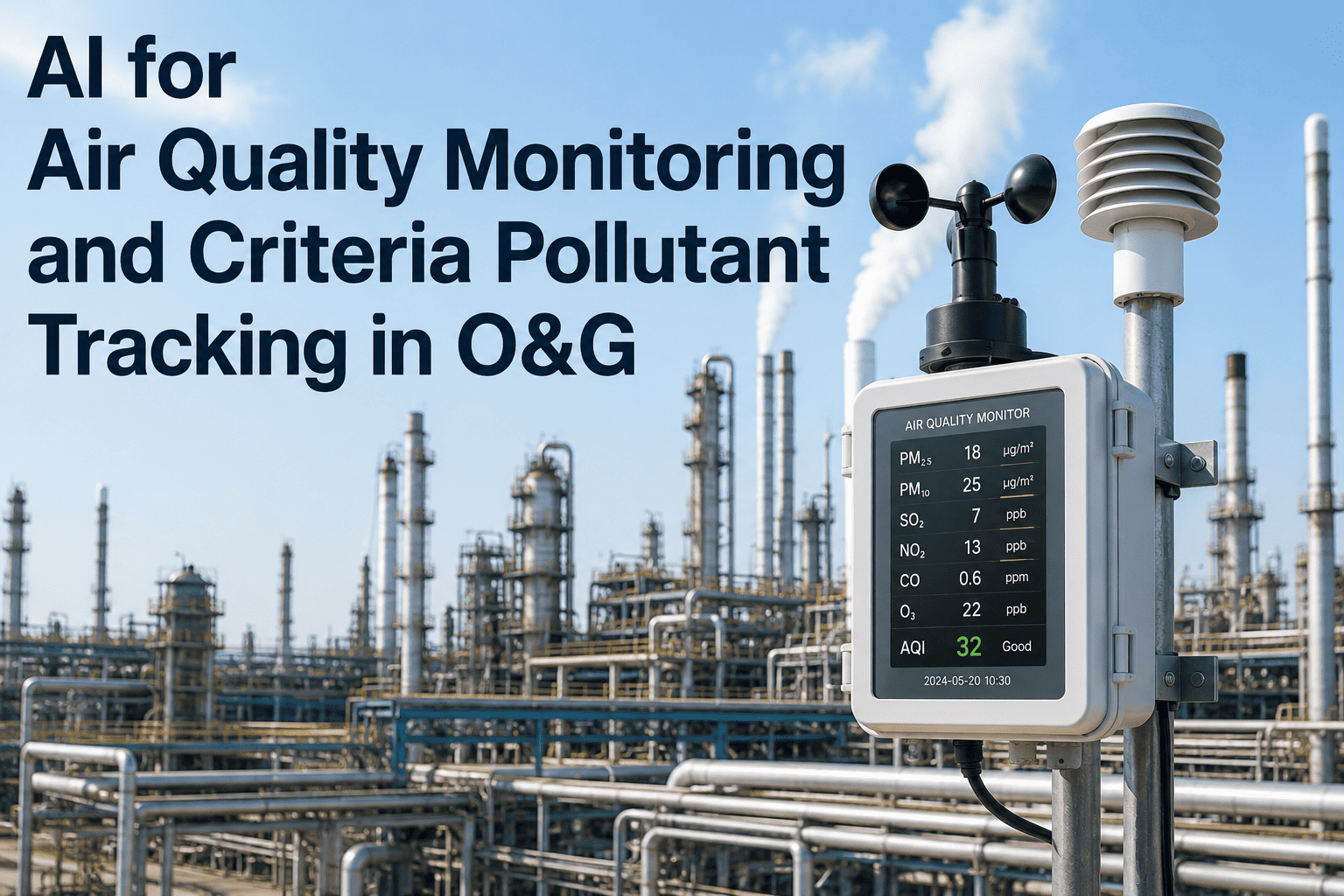
Continuous Emissions Monitoring Systems track methane, VOCs, NOx, SOx, and particulate matter at stacks, flares, and wellheads, feeding data directly into required regulatory filings.
Water
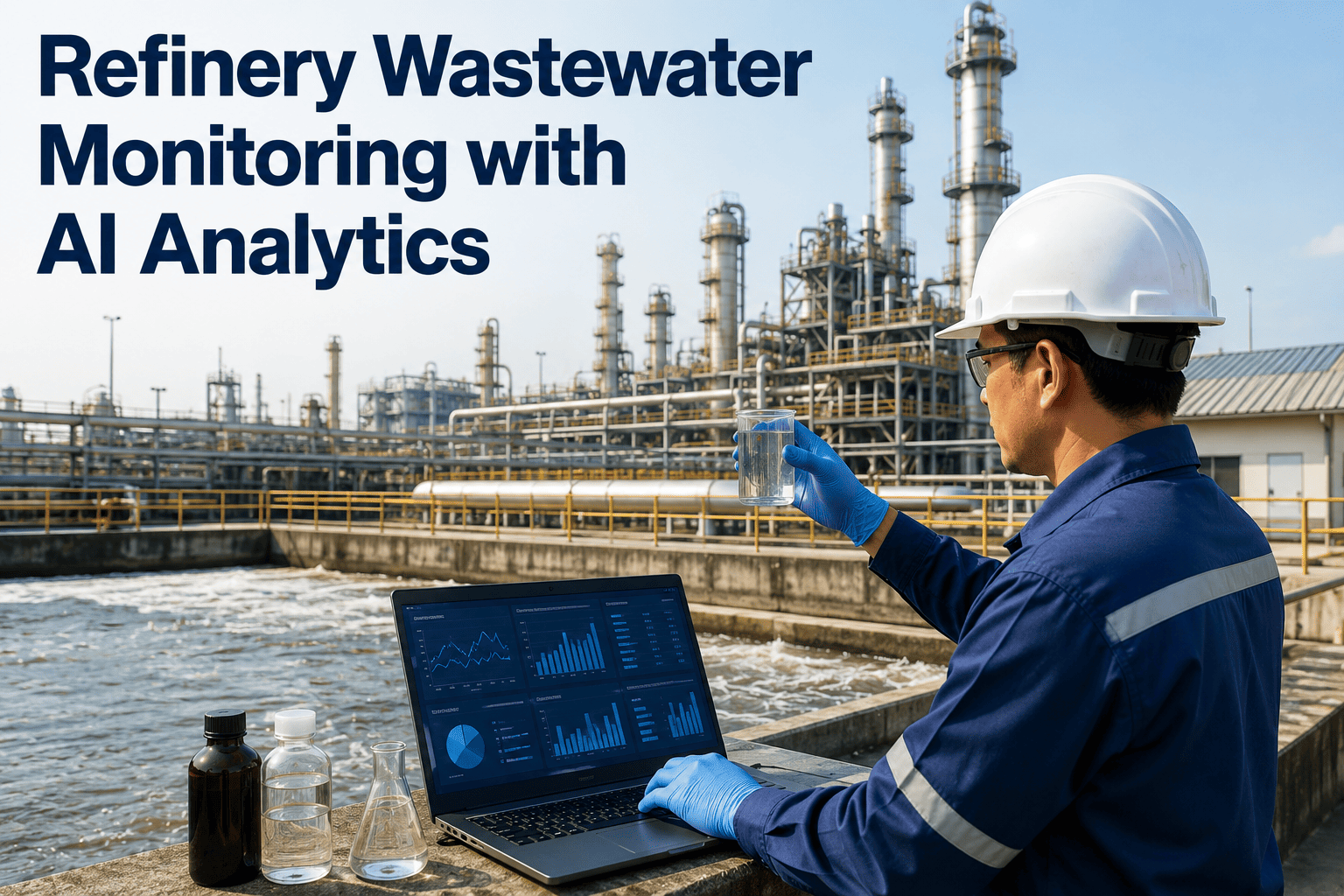
Water Discharge & Groundwater
In-situ analyzers and hydrocarbon sensors detect produced water discharge quality and groundwater contamination near storage and processing areas in real time.
Soil
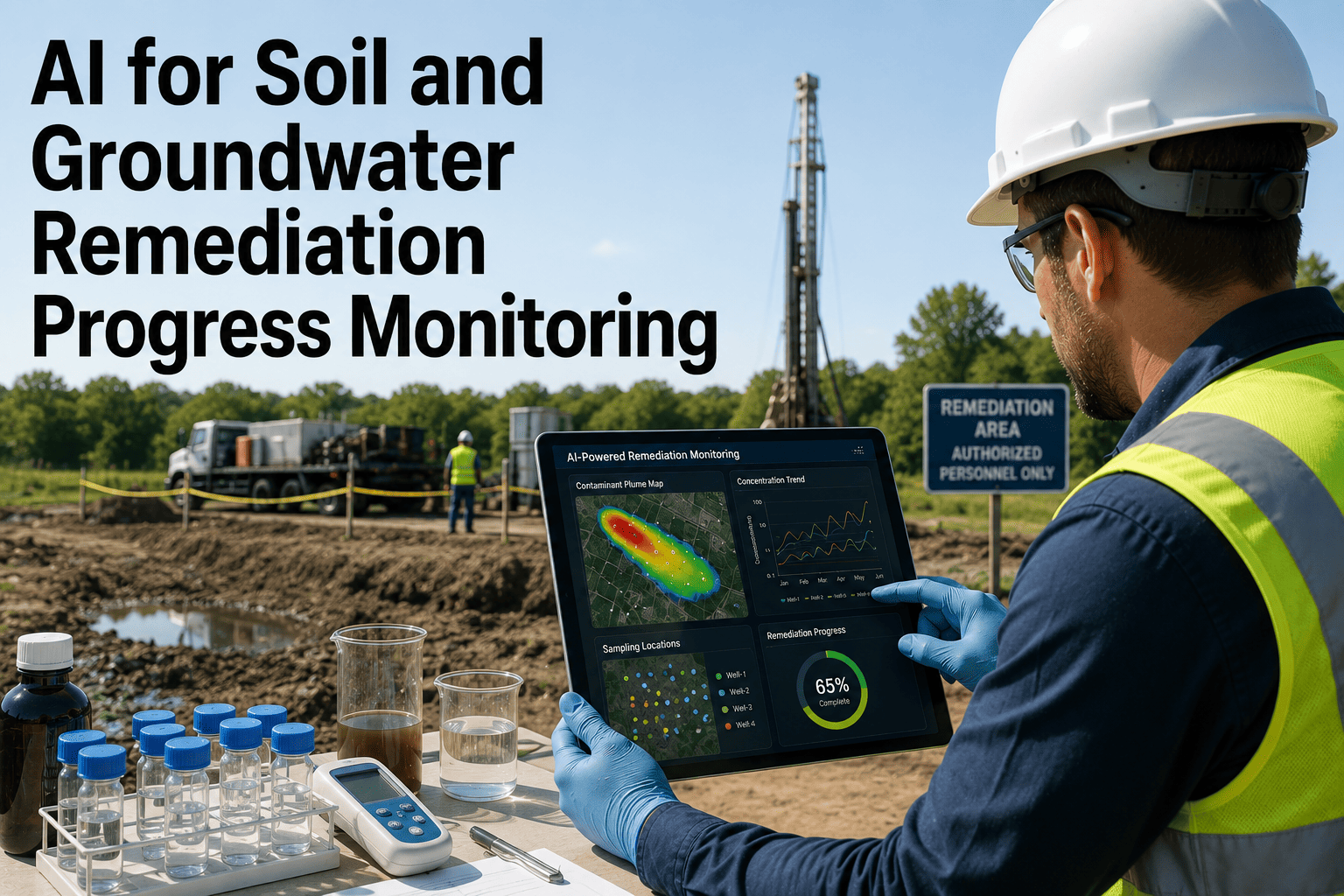
Soil & Subsurface Contamination
Sensor networks detect hydrocarbon and heavy metal contamination early, before it spreads into a larger and far more expensive remediation project.
The Regulatory Framework You're Actually Being Measured Against
| Requirement | Domain | What It Requires |
|---|
| 40 CFR Part 75 | Air | Continuous emissions monitoring at qualifying stationary sources |
| 40 CFR Part 60 Subpart OOOOb | Air | Continuous monitoring or LDAR for fugitive methane emissions |
| Clean Water Act | Water | Discharge quality limits and produced water management |
| ISO 14001 / State Groundwater Rules | Soil & Water | Baseline studies, spill prevention, and contamination monitoring |
From Sensor Reading to Regulatory Filing, Automatically
The single biggest source of avoidable compliance risk isn't a missed reading — it's the manual work between the reading and the filing, where a spreadsheet error, a delayed transfer, or a forgotten deadline turns good data into a violation. Ask to see this exact workflow running on live data in a demo.
1
Continuous Capture
Air, water, and soil sensors stream readings continuously rather than relying on periodic manual spot checks.
2
Threshold Check
Every reading is checked in real time against the specific permit limit or regulatory threshold that applies to it.
3
Exceedance Alert
Any reading approaching or crossing a threshold triggers an immediate alert, often hours before a manual review would catch it.
4
Auto-Filed Record
Compliant readings and required documentation are compiled automatically into the format each regulator expects.
Why Documentation Speed Is Worth Real Money
Environmental health and safety teams frequently overestimate how long a site was out of compliance in their own violation reports, sometimes substantially, simply because they lack minute-by-minute records and default to a conservative — and costly — estimate to avoid understating an exceedance. A continuous monitoring system removes that guesswork entirely by recording the exact start and end time of any exceedance, which can directly reduce the size of a resulting penalty.
15 days
typical window to report a detected super-emitter event to regulators
5 days
typical window to initiate an investigation after a notified exceedance
Minutes
not weeks, the precision continuous monitoring brings to violation duration records
Automated Compliance
Stop Reconstructing Compliance Records After the Fact
iFactory streams air, water, and soil sensor data straight into audit-ready records, so the next regulatory visit isn't a scramble.
What a Unified Environmental Dashboard Actually Shows
Cross-Domain View
Air, water, and soil status in one screen, instead of three separate systems no one checks together.
Permit-Specific Thresholds
Every sensor reading is checked against the exact limit written into your site's specific permit conditions.
Filing-Ready Exports
Reports generate in the format each agency requires, cutting the manual formatting work out of every filing cycle.
Historical Audit Trail
Every reading, alert, and corrective action is timestamped and stored for as long as your retention policy requires.
Frequently Asked Questions
Do we need separate systems for air, water, and soil monitoring?
No — the sensors themselves are different because they measure different physical properties, but they can all feed into one unified monitoring and reporting platform rather than three disconnected systems each with their own dashboard and login. Consolidating them is what actually makes cross-domain compliance manageable for a small EH&S team covering multiple sites.
Ask how consolidation works for your current sensor mix in a demo.
Can this integrate with our existing CEMS and CPM equipment?
Yes, most continuous emissions and parametric monitoring equipment already in place can feed data into the platform through standard industrial protocols, so you don't need to replace certified monitoring hardware to gain the automated reporting and cross-domain visibility layer on top of it.
Contact support to check compatibility with your specific CEMS vendor.
How does automated reporting reduce the risk of a penalty?
Penalties are frequently calculated based partly on the duration of an exceedance, and without precise time-stamped data, EH&S teams often have to estimate that duration conservatively, which can inflate the resulting fine. Continuous monitoring records the exact start and end of any exceedance automatically, replacing an estimate with a defensible, precise record that can materially reduce financial exposure.
What happens if a sensor detects an exceedance outside business hours?
Alerts route immediately to on-call EH&S staff regardless of the hour, since many regulatory investigation windows begin counting from the moment an exceedance is detected rather than the moment someone reviews it during business hours. Early notification directly protects your compliance timeline.
Book a demo to see the after-hours alert workflow.
How long does a typical deployment take across multiple sites?
A single site with existing sensor infrastructure can typically be onboarded within a few weeks, since the main work is connecting existing data feeds rather than installing new hardware. Multi-site rollouts are usually staged one facility at a time, prioritizing sites with the tightest regulatory deadlines or the most manual reporting burden first.