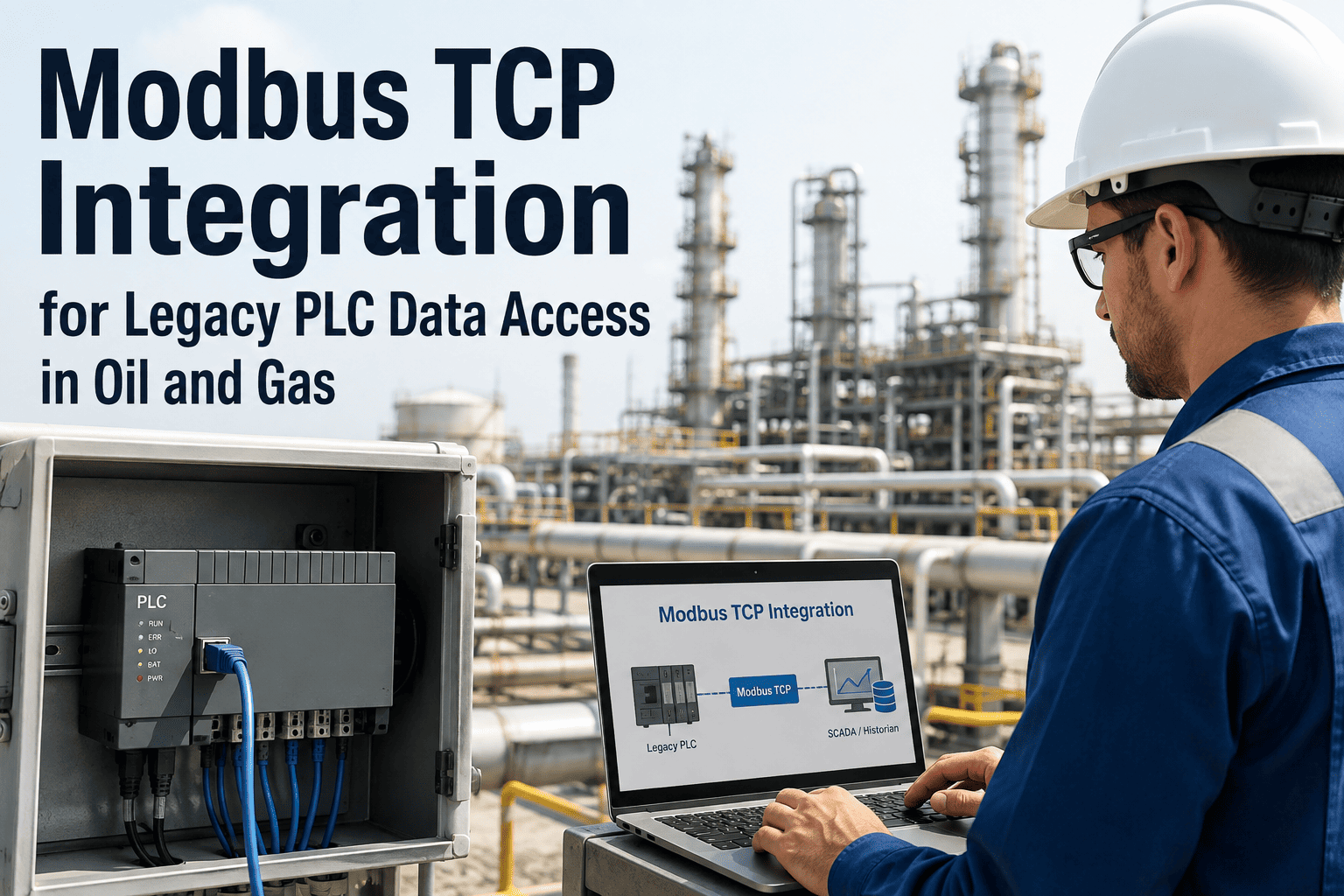
For oil and gas operators running SAP ECC, S/4HANA, Oracle JD Edwards, or Microsoft Dynamics, the gap between enterprise resource planning and real-time field operations has traditionally forced manual data entry, delayed planning cycles, and hidden operational risks. AI-driven ERP integration changes this by embedding machine learning directly into the transactional backbone — automating purchase-to-pay reconciliation, predicting inventory requirements from drilling schedules, and closing the loop between SAP work orders and pipeline sensor telemetry. Book a Demo to see how iFactory AI connects SAP, Oracle, and Dynamics with OT data streams for real-time, AI-powered ERP intelligence.
Intelligent ERP Integration: From SAP to Field Sensors
iFactory AI connects SAP S/4HANA, Oracle Fusion, and Microsoft Dynamics with SCADA, IoT, and MES — delivering predictive procurement, automated order-to-cash, and real-time asset visibility across upstream, midstream, and downstream operations.
Why AI-Driven ERP Integration Is Reshaping Oil & Gas Operations
The oil and gas industry runs on enterprise resource planning systems — SAP dominates upstream and downstream, while Oracle and Microsoft Dynamics are widely used in midstream and trading. Yet most ERP instances operate in a vacuum, disconnected from the real-time data streams that drive production decisions. Field sensors generate thousands of pressure, temperature, and flow readings per minute; SCADA systems track compressor status and pipeline throughput; IoT devices monitor fugitive emissions and equipment vibration. Without intelligent integration, this operational data never reaches the ERP, leaving planners blind to actual field conditions.
AI-driven ERP integration changes this by creating a bidirectional data fabric. Machine learning models continuously reconcile ERP purchase orders with actual material consumption from well pads or refineries. Predictive algorithms adjust production schedules based on real-time equipment health. And financial postings happen automatically as work orders are completed in the field. The result is a closed-loop enterprise where every operational event triggers an ERP transaction — and every enterprise decision reflects live operational reality. Book a Demo to explore how iFactory AI unifies SAP and OT data.
ERP Integration Patterns for Oil & Gas: SAP, Oracle, Dynamics & Beyond
Modern AI integration platforms must support the diverse connectivity requirements of oil and gas ERP landscapes — from SAP’s IDoc and RFC interfaces to Oracle’s REST APIs and Microsoft’s Dataverse. The table below compares the primary integration methods used to connect ERP systems with operational technology and AI layers.
| Integration Method | Best Use Case | iFactory AI Support |
|---|---|---|
| SAP IDoc / RFC / BAPI | Legacy SAP ECC environments | Certified SAP adapters |
| SAP OData / REST API | SAP S/4HANA Cloud & On-Prem | Native OData connector |
| Oracle REST / SOAP APIs | Oracle Fusion & E-Business Suite | Pre-built Oracle adapter |
| Microsoft Dataverse / Power Platform | Dynamics 365 Finance & Operations | Native Dataverse sync |
| OPC UA / MQTT to ERP Middleware | Real-time sensor & SCADA data | Edge-to-ERP data pipelines |
| File-Based (CSV, XML, EDIFACT) | Legacy or air-gapped systems | SFTP & automated file watchers |
iFactory AI abstracts these complexities behind a unified integration layer, allowing reliability engineers and IT teams to define business rules once and deploy them across any ERP or OT source. The AI engine then orchestrates data flows, applies semantic normalization, and triggers ERP transactions automatically — all while maintaining full audit trails for SOX and API 580/581 compliance.
High-Value AI Use Cases for ERP Integration in Oil & Gas
Predictive Procurement & Inventory Optimization
AI models analyze historical consumption patterns, drilling schedules, and equipment failure forecasts to automatically generate SAP purchase requisitions. This reduces stock-outs by 40% and cuts warehouse carrying costs while ensuring critical spares arrive before planned maintenance.
Automated Work Order Settlement
When a field service team completes a work order in SAP PM or Maximo, iFactory AI reconciles labor, materials, and equipment usage against the original estimate — then posts actual costs to the appropriate cost center and internal order without manual intervention.
Real-Time Production Accounting
Downstream refineries and upstream production facilities generate millions of measurement events daily. AI integration automatically populates SAP production confirmation tables with actual yields, losses, and quality data — eliminating end-of-month reconciliation fire drills.
Dynamic Maintenance Planning
AI health scores from vibration and thermal sensors trigger predictive maintenance notifications in SAP EAM or Oracle Maintenance Cloud, automatically creating notification records and reserving parts before failure occurs — reducing unplanned downtime by up to 60%.
Phased Roadmap: Integrating AI with SAP, Oracle & Field Systems
ERP Landscape Assessment & Connector Deployment
Inventory all ERP instances, versions, and integration touchpoints. Deploy iFactory AI connectors for SAP IDoc/OData, Oracle REST, or Dynamics Dataverse. Establish secure API gateways and network connectivity between OT/IT zones.
Data Harmonization & AI Model Training
Ingest historical purchase orders, work orders, and inventory transactions. Train anomaly detection and forecasting models on ERP data enriched with OT telemetry. Establish data quality rules and reconciliation logic.
Closed-Loop Automation Activation
Enable AI-triggered ERP transactions: purchase requisitions, work order creation, production confirmations, and cost postings. Define approval workflows and exception handling. Validate with live field data.
Continuous Optimization & Scaling
Expand integration to additional business units or ERP modules. Implement model retraining pipelines based on new operational data. Monitor ROI metrics and refine AI rules for peak performance.
Traditional Integration vs. AI-Driven ERP-OT Integration
| Capability | Traditional Middleware | iFactory AI Integration |
|---|---|---|
| Data Transformation | Fixed mapping rules | AI-driven semantic harmonization |
| Exception Handling | Manual intervention required | Automatic retry & self-healing pipelines |
| Forecasting & Planning | Static safety stock formulas | Predictive demand & maintenance models |
| Audit & Compliance | Disconnected logs | Immutable change history & model cards |
| Integration Speed | 3–6 months per connector | Weeks with pre-built AI connectors |
Expert Review: What Oil & Gas IT and Reliability Leaders Should Prioritize
"Over the past decade, I have guided ERP integration projects for seven major oil and gas producers across the Gulf of Mexico and Permian Basin. The single most common mistake is treating ERP integration as a point-to-point data pipe rather than an AI-enabled business process platform. Facilities that simply replicate SAP IDoc flows into a data lake see minimal ROI. The winners are those that embed machine learning into the integration layer — using predictive models to decide when to trigger a purchase order or automatically adjusting production schedules based on real-time equipment health. iFactory AI's approach of combining certified ERP connectors with a native AI engine directly addresses this gap."
Conclusion: AI-Driven ERP Integration as a Competitive Imperative
Oil and gas operators that successfully integrate AI with SAP, Oracle, or Dynamics gain more than operational efficiency — they achieve a real-time, closed-loop enterprise where every field event updates the financial and planning systems instantly. The checklist of integration patterns, use cases, and phased roadmap outlined here provides a battle-tested path to achieving that state. Whether you are managing SAP ECC for a legacy refinery or deploying S/4HANA across a global upstream portfolio, AI-driven integration transforms ERP from a historical record into a predictive, self-optimizing system. Book a Demo to see iFactory AI’s certified connectors and AI orchestration layer in action.
Frequently Asked Questions: AI-ERP Integration in Oil & Gas
Connect SAP, Oracle or Dynamics to Field Operations with AI
Get a personalized assessment of your ERP-OT integration maturity and a phased roadmap — at zero cost before any platform commitment.