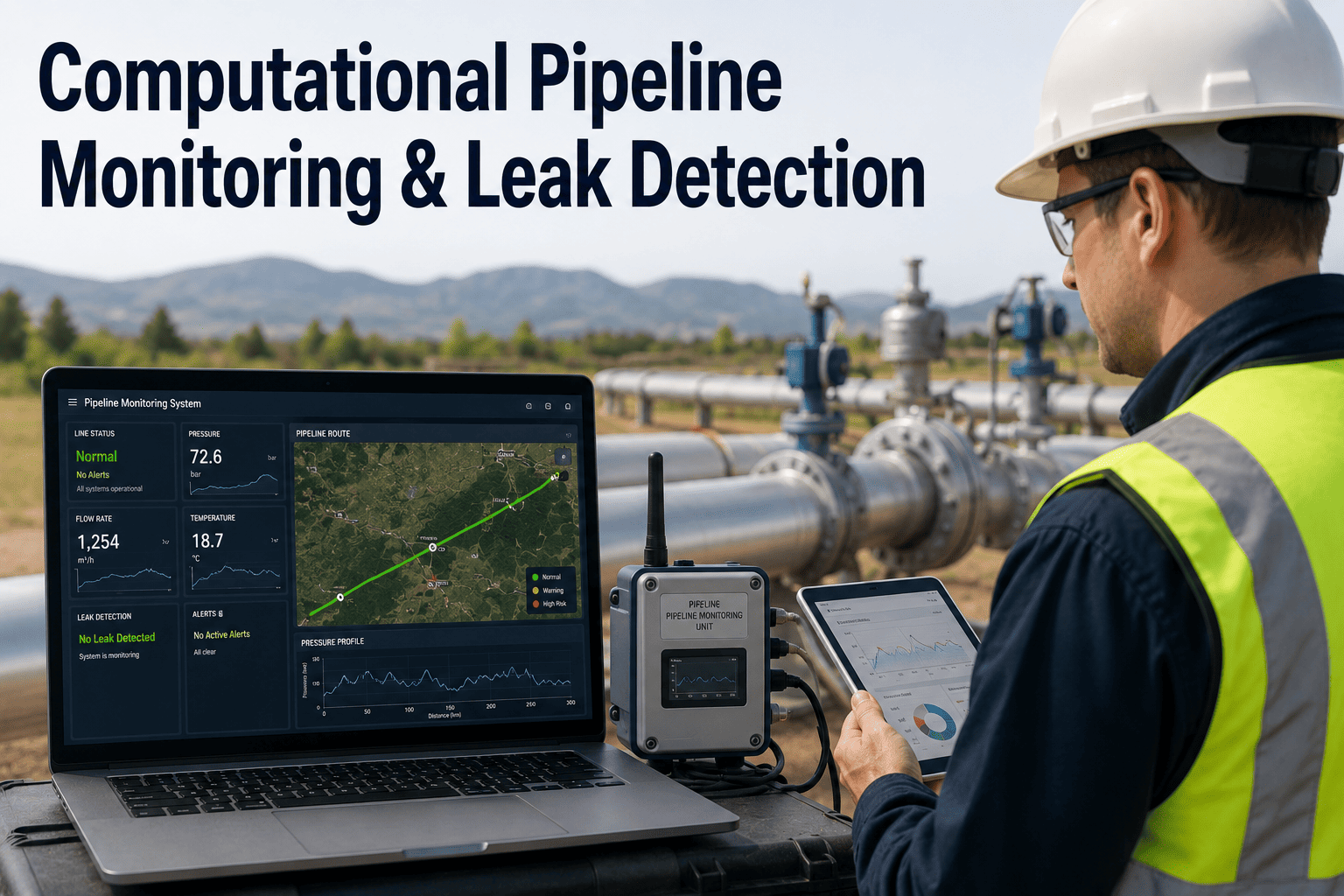
Pipeline controllers do not get to choose when a leak signature shows up in their data. It shows up buried inside normal flow noise, inside meter drift, inside the pressure transients that happen every time a pump starts or a valve throttles — and a Computational Pipeline Monitoring system either separates that signature from the noise within the performance envelope PHMSA expects, or it does not. API RP 1130 exists because "we have a leak detection system" is not a compliance statement. The system has to be evaluated against four defined metrics — sensitivity, accuracy, reliability, and robustness — and 49 CFR 195.444 gives regulators the authority to ask an operator to prove, with documentation, that their CPM system actually performs against those metrics on their specific pipeline, not on a vendor's reference case. Mass balance, Real-Time Transient Model (RTTM), statistical CPM, and acoustic/external methods each satisfy that four-metric test differently, and choosing the wrong method for a given pipeline's hydraulics is one of the most common findings in post-incident LDS reviews. iFactory's pipeline leak detection analytics layer is built to make that method comparison, the performance documentation, and the ongoing API RP 1175 testing cadence something your team manages from one system instead of three.
The Four Metrics Every API 1130 Leak Detection System Is Actually Judged On
API RP 1130 does not certify a single "correct" leak detection technology. Instead, Section 4.2 defines four performance metrics that any internally based LDS — mass balance, RTTM, statistical CPM, or pressure/flow deviation monitoring — must be evaluated against for the specific pipeline it protects. A system that performs well on a short, single-product batch line can fail badly on a long, multi-product, slack-line pipeline, and vice versa. Book a Demo to see how iFactory scores your specific pipeline segments against each metric before you commit to a single method.
Mass Balance, CPM, RTTM, and Acoustic Methods: How They Actually Compare
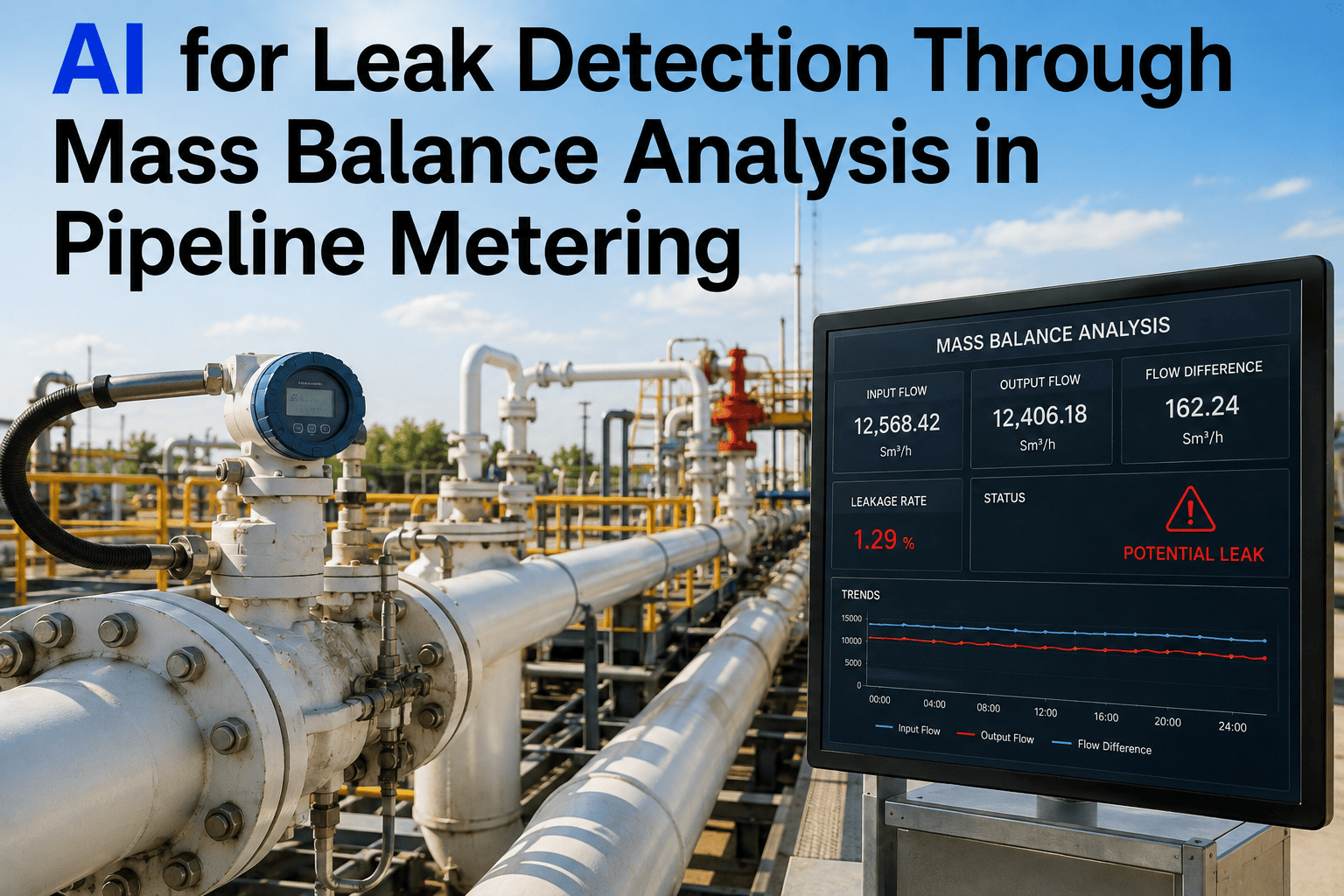
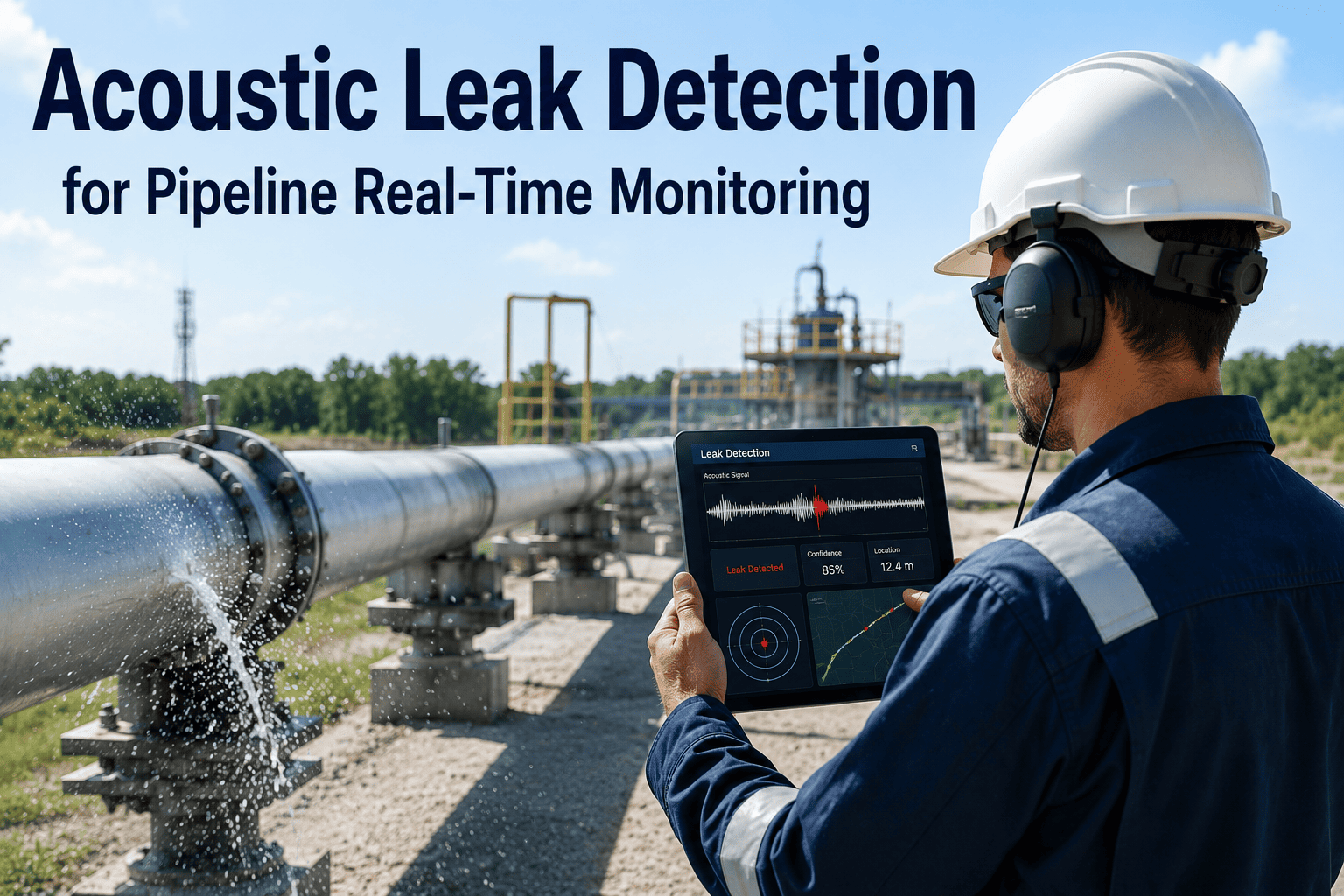
Every internally based method covered under API RP 1130 works from the same underlying physics — conservation of mass and momentum along the pipeline — but the methods diverge sharply in instrumentation demand, transient tolerance, and where they sit on the sensitivity-versus-false-alarm tradeoff. Mass balance compares volume or mass entering and leaving a segment over time; it is simple to implement but slow to resolve small leaks during transients. RTTM solves the full hydraulic model in real time against field-measured flow, pressure, temperature, and density, which improves sensitivity and location accuracy but requires a well-calibrated pipeline model and dense instrumentation. Statistical and pattern-recognition CPM methods look for anomalous deviations in flow or pressure signatures without a full hydraulic model, trading some accuracy for lower instrumentation cost. Acoustic and externally based methods detect the pressure wave or signal generated at the leak point itself, independent of mass balance entirely, and are most effective in combination with an internal method rather than as a standalone system.
| Method | Sensitivity Profile | Instrumentation Demand | Transient Tolerance | Typical Best Fit |
|---|---|---|---|---|
| Mass / Volume Balance | Lower for small, slow leaks | Flow meters at inlet and outlet only | Weak during pump starts and valve transients | Short batch lines, simple single-product segments |
| RTTM (Real-Time Transient Model) | High, model-driven detection | Dense flow, pressure, temperature, density sensors | Strong — designed for transient operation | Long-haul, multi-product, variable-profile pipelines |
| Statistical / Pattern CPM | Moderate, tunable to pipeline behavior | Existing SCADA flow and pressure tags | Moderate, depends on tuning quality | Retrofits where new instrumentation is limited |
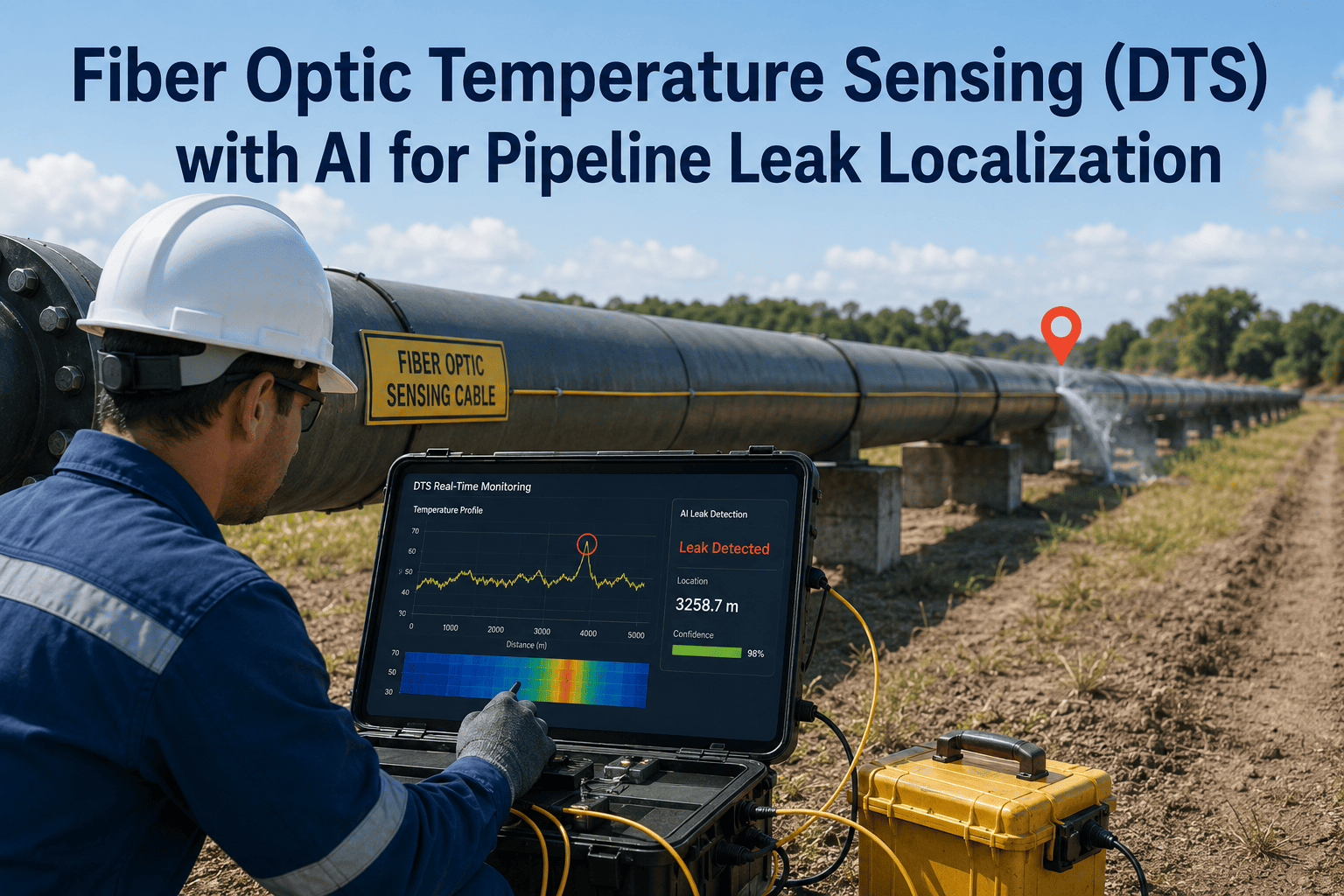
| Acoustic / External Methods | High for sudden ruptures, weaker for seepage | Fiber-optic, acoustic sensors, or thermal imaging | Independent of hydraulic transients | Supplemental layer alongside an internal CPM method |
Why Compliant CPM Systems Still Generate Findings During PHMSA and Internal Audits
A CPM system passing its commissioning test does not stay compliant by default. 49 CFR 195.444 and API RP 1130 expect the system's performance to be re-evaluated whenever pipeline conditions, instrumentation, or operating profiles change materially — and API RP 1175 sets a maximum five-year ceiling on retesting even with no changes at all. In practice, the gap between a system that was compliant at commissioning and one that is compliant today comes from a small number of recurring, documentable conditions.
iFactory closes each of these gaps by continuously tracking meter calibration status, flagging RTTM model drift against live operating data, and maintaining a standing, exportable performance record mapped to sensitivity, accuracy, reliability, and robustness — ready before a PHMSA inspector or internal auditor asks for it. Book a Demo to walk through your current LDS documentation against these gaps.
How iFactory Supports Method Selection, Tuning, and Ongoing Performance Verification
Selecting a leak detection method under API RP 1130 is a pipeline-specific engineering decision, not a one-size answer, and the selection should be revisited whenever the pipeline's operating envelope changes. iFactory's platform is built around that reality: it runs alongside your existing CPM or RTTM vendor system rather than replacing it, ingesting the same SCADA flow, pressure, temperature, and density tags to independently score performance and surface tuning opportunities.
Pipeline-Specific Method Scoring
iFactory models your pipeline's actual hydraulics — length, product mix, batch sequencing, slack-line behavior — and scores mass balance, RTTM, and statistical CPM against each of the four API 1130 metrics for that specific configuration, rather than recommending a method from a generic checklist.
Dynamic Threshold and Tuning Support
Alarm thresholds and model parameters are checked against current throughput, line pack, and seasonal product changes on an ongoing basis, flagging when a threshold set at commissioning no longer matches present operating conditions.
Continuous Performance Verification
Meter calibration status, model drift indicators, and false-alarm-to-confirmed-event ratios are tracked continuously, giving your team an early signal when sensitivity or reliability is degrading rather than waiting for the next scheduled API RP 1175 test.
Reviewer-Ready Compliance Records
Every performance metric, test result, and tuning change is logged into a single exportable record structured around API RP 1130's four metrics, so a PHMSA inspection or internal audit starts from documentation instead of a scramble.
Expert Review: Why Method Choice Decides Whether You Pass or Fail the Four-Metric Test
I have sat across the table from operators who were genuinely confident in their leak detection program right up until an inspector asked for the sensitivity and reliability data behind it. The technology was not the problem — the documentation gap was. API 1130 gives you four metrics on purpose, because no single method wins on all four for every pipeline. A mass balance system on a long, multi-batch line will struggle with sensitivity during transients no matter how well it is configured, and that is not a defect, it is physics. The operators who do well are the ones who picked their method deliberately, retuned it as the pipeline's operating profile changed, and kept a record that shows the work. The ones who struggle are the ones who installed a system once, assumed compliance was permanent, and never looked at the four metrics again until a regulator asked them to.
Conclusion: Compliance Is a Performance Record, Not a One-Time Installation
API RP 1130 was written around a simple premise: a leak detection system is only as good as the evidence that it performs against sensitivity, accuracy, reliability, and robustness on the pipeline it actually protects. Mass balance, RTTM, statistical CPM, and acoustic methods each meet that bar differently, and the right answer changes as your pipeline's operating profile changes. iFactory's role is to keep that performance record current — scoring method fit, flagging drift, supporting tuning decisions, and maintaining the documentation that turns a PHMSA inspection or internal audit into a straightforward review rather than a scramble.
Frequently Asked Questions
It requires the system to be evaluated against four metrics — sensitivity, accuracy, reliability, and robustness — specific to the pipeline it monitors, and incorporated by reference into 49 CFR 195.444.
Mass balance compares volume in versus volume out over time; RTTM solves a full real-time hydraulic model against live field data, giving better sensitivity during transients at the cost of denser instrumentation.
API RP 1175 sets a maximum five-year retest interval, with earlier retesting triggered by material changes to the pipeline's configuration or operating profile.
Generally no — acoustic and other externally based methods are most effective as a supplemental layer alongside an internal mass balance, RTTM, or statistical CPM system, not a standalone replacement.
iFactory ingests the same SCADA tags as your existing system to independently score performance, track drift, and maintain documentation — it complements rather than replaces your current LDS vendor.