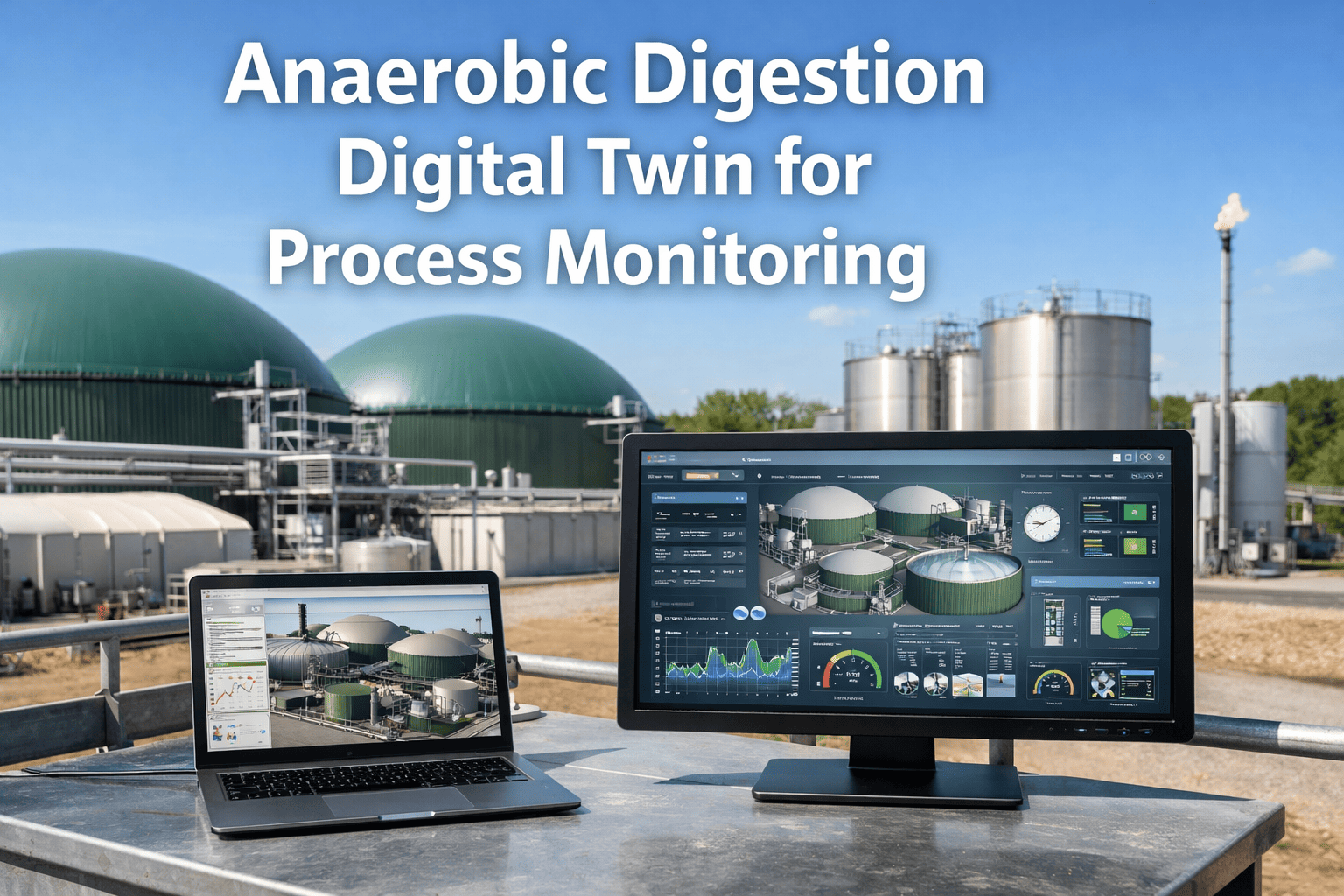
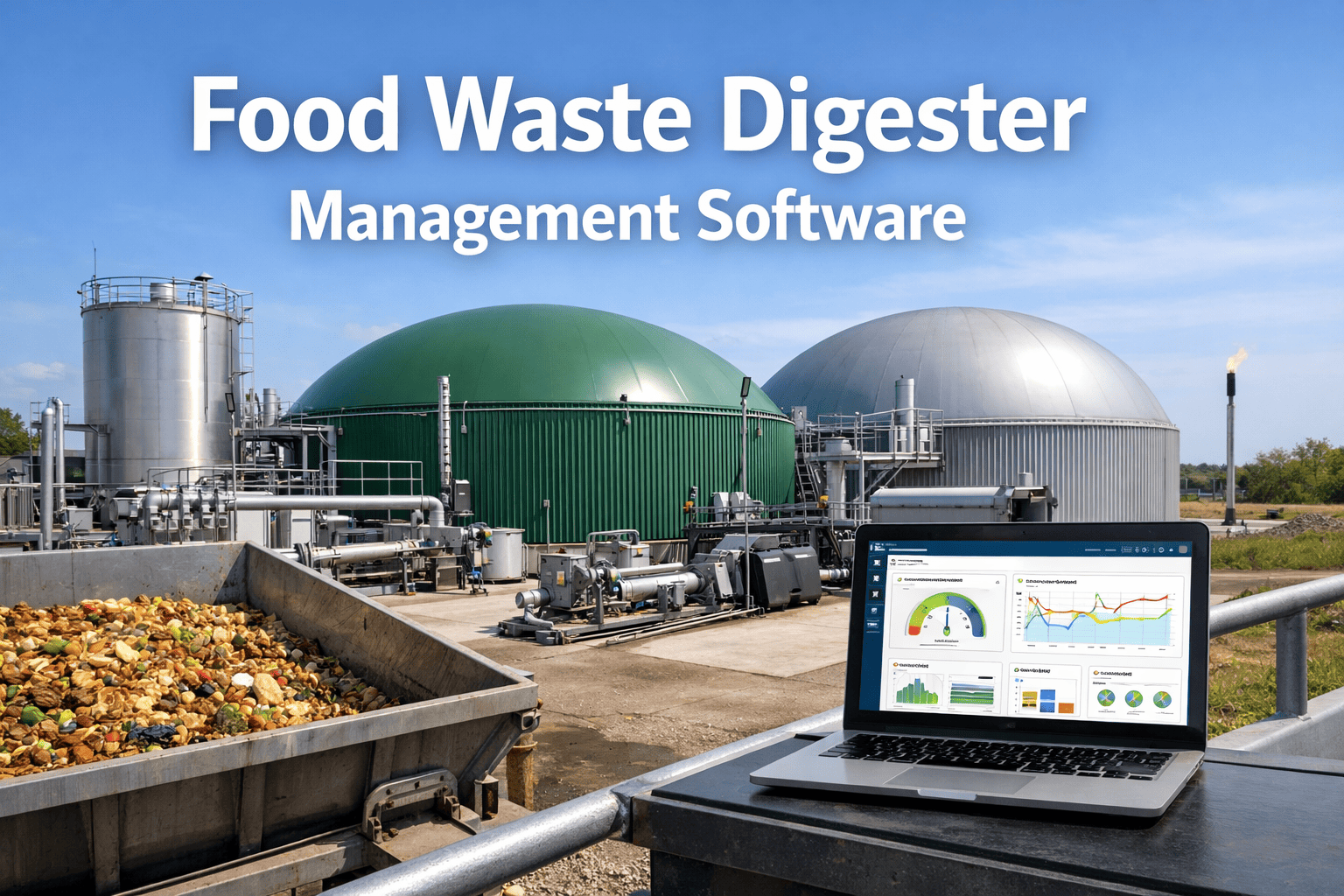
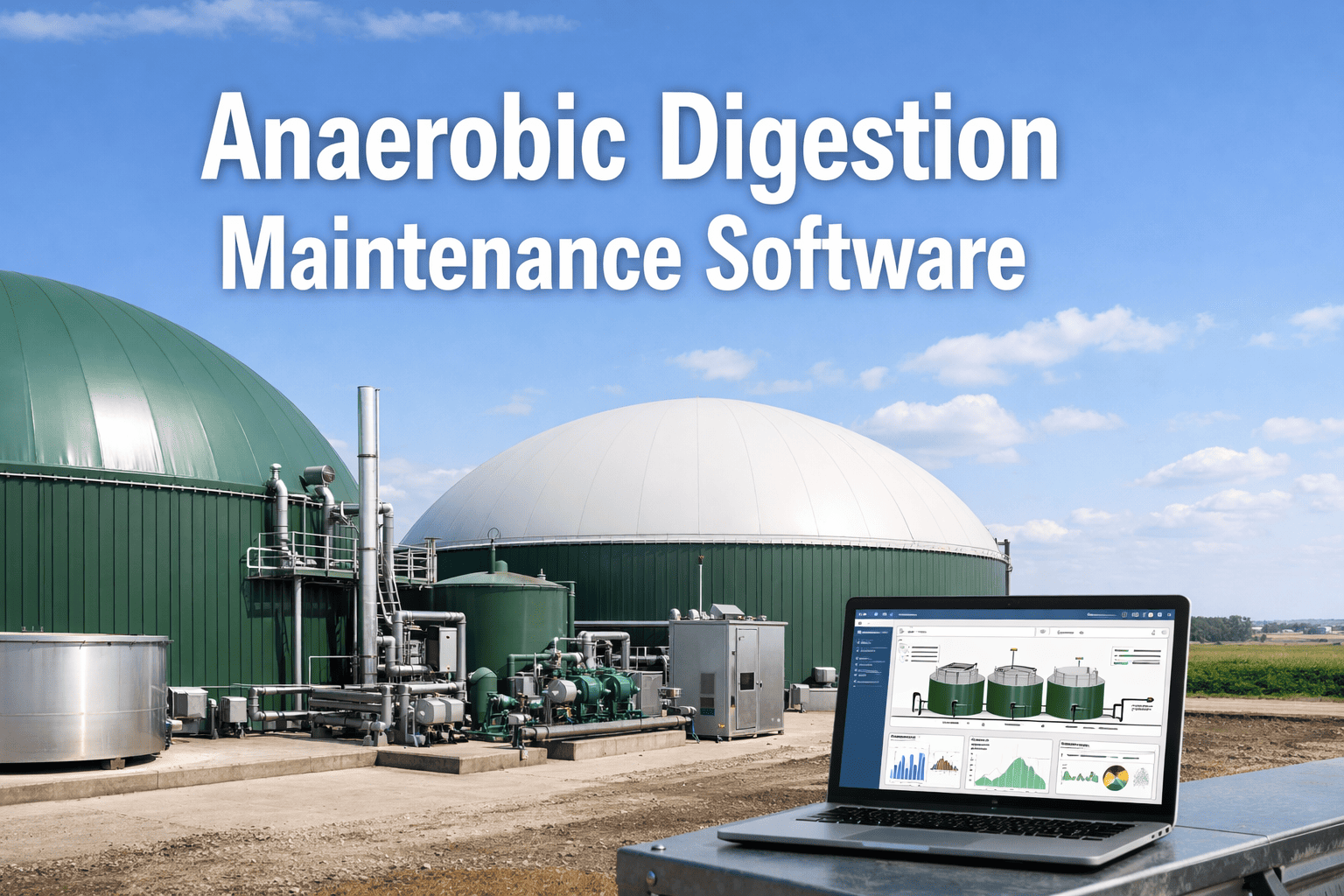
Every year, the world generates over 2.2 billion tonnes of municipal solid waste — and more than 44% of it is organic material that could be converted into energy instead of rotting in landfills. Globally, 33% of waste still ends up in open dumps and another 29% in landfills, releasing methane with a global warming potential 28 times greater than CO2. Biogas technology offers a direct solution: anaerobic digestion transforms organic waste — food scraps, agricultural residue, sewage sludge, and livestock manure — into renewable energy and nutrient-rich fertilizer. The global biogas market was valued at $53.5 billion in 2025 and is growing toward $87.8 billion by 2034. More than 100 million tons of organic waste are already processed annually in biogas plants worldwide, and countries like Sweden and Denmark convert over 50% of their organic waste into biogas energy. This is not experimental technology — it is proven infrastructure for circular waste management. If your facility still sends organic waste to landfill without energy recovery, you are paying to create pollution instead of revenue. iFactory connects waste processing workflows, equipment maintenance, and compliance tracking into one platform — book a 30-minute assessment to see how.
Biogas and Waste Management Guide 2026
How Anaerobic Digestion Turns Organic Waste into Renewable Energy, Reduces Landfill Dependency, and Powers the Circular Economy
$53.5B
Global Biogas Market (2025)
44%
Of Global Municipal Waste Is Organic and Convertible
$1.52T
Global Waste Management Market (2025)
The Problem: Where Does Organic Waste Actually Go?
Despite decades of recycling campaigns and landfill regulations, the majority of the world's organic waste is still being dumped — releasing greenhouse gases, contaminating groundwater, and wasting recoverable energy and nutrients. The numbers are stark.
Open Dumps
33% of all MSW generated globally
Uncontrolled methane release, leachate contamination
Zero energy recovered
Controlled Landfills
29% of all MSW globally
Methane capture partial, long-term management required
30% of North American biogas from landfill gas
Incineration
11% of MSW globally
Air emissions, ash disposal, high capital cost
Energy recovered but nutrients destroyed
Recycling and Composting
19% combined globally
Low emissions, resource recovery
No energy from composting; material recovery only
Anaerobic Digestion
Less than 1% of MSW globally
Methane captured as fuel, nutrients recovered
Full energy and nutrient recovery
Less than 1% of global municipal solid waste is currently treated through anaerobic digestion — despite 80% of life cycle assessments concluding that AD is the option with minimum environmental burden for treating organic waste. The gap between what we know works and what we actually do represents the single largest untapped opportunity in waste management infrastructure.
How Anaerobic Digestion Works
Anaerobic digestion is a biological process where microorganisms break down organic matter in the absence of oxygen, producing biogas (primarily methane and CO2) and digestate (a nutrient-rich byproduct usable as fertilizer). The process happens in four biochemical stages inside sealed reactor vessels.
The Four Stages of Anaerobic Digestion
Hydrolysis
Complex organics broken into simple sugars, amino acids, fatty acids
Acidogenesis
Bacteria convert simple molecules into volatile fatty acids
Acetogenesis
Fatty acids converted to acetic acid, hydrogen, and CO2
Methanogenesis
Methanogens produce biogas: 50–75% methane, 25–50% CO2
Organic Inputs
✓ Food waste from commercial kitchens, restaurants, and supermarkets
✓ Agricultural residues — crop waste, silage, and spoiled produce
✓ Livestock manure from dairy, poultry, and swine operations
✓ Sewage sludge from municipal wastewater treatment plants
✓ Green waste — yard trimmings, grass, and garden waste
Energy Products
✓ Electricity generation — 51% of biogas market application
✓ Heat for industrial processes and district heating systems
✓ Biomethane (upgraded biogas) for gas grid injection
✓ Vehicle fuel — RNG growing at 8.58% CAGR through 2031
✓ Combined heat and power (CHP) for on-site energy
Material Recovery
✓ Nutrient-rich organic fertilizer replacing synthetic alternatives
✓ Soil conditioner improving water retention and soil structure
✓ Certified digestate products meeting agricultural standards
✓ Reduced volume — 73% volatile solids reduction typical
✓ Revenue stream from digestate sales to farmers
Manage Biogas Plant Operations Digitally
iFactory connects digester maintenance scheduling, feedstock tracking, equipment inspections, and compliance documentation into one platform — with mobile access, automated work orders, and audit-ready reporting built for waste-to-energy operations.
The Biogas Market: Scale and Growth
Biogas is not a niche technology — it is a multi-billion-dollar global industry with strong policy tailwinds and accelerating investment across every region.
1
Global Biogas Market: $53.5B Growing to $87.8B
The global biogas market was valued at $53.5 billion in 2025 and is projected to reach $87.8 billion by 2034 at 5.73% CAGR. Europe dominates with 48.7% market share, while Asia-Pacific is the fastest-growing region driven by India and China.
CAGR
5.73%
2
Biogas Plant Infrastructure: $5B to $9B
The global biogas plant market was valued at $5 billion in 2025 and is projected to reach $9 billion by 2034 at 6.35% CAGR. Europe alone hosted over 19,000 operational biogas plants, with Germany operating more than 9,500 — over half the EU total.
CAGR
6.35%
3
Waste Management Market: $1.52 Trillion
The global waste management market was valued at $1.52 trillion in 2025, projected to reach $2.45 trillion by 2034 at 5.5% CAGR. Recycling is the fastest-growing segment, driven by circular economy strategies and landfill diversion mandates.
By 2034
$2.45T
4
Vehicle Fuel (RNG): Fastest-Growing Application
Renewable natural gas for transportation is growing at 8.58% CAGR through 2031 — the fastest application segment. In California, dairy-derived RNG trades at 3–4x the price of fossil gas due to negative carbon intensity scores under the LCFS program.
CAGR
8.58%
Biogas Feedstock Breakdown
Different organic waste streams produce different biogas yields and require different digester configurations. Understanding what goes into the system determines both energy output and plant economics.
Livestock Manure
37.25% of biogas feedstock
Consistent supply, moderate methane yield
Steady — farm-based AD remains dominant
Food Waste
Growing at 7.12% CAGR
High yield — 827 L biogas/kg volatile solids
Fastest-growing feedstock segment to 2031
Sewage Sludge
15%+ of global biogas production
60–75% methane content, higher than household waste
Urban wastewater plants expanding globally
Agricultural Residues
Dominant in plant market by share
Seasonal availability, co-digestion improves yield
Strong in Europe and Asia-Pacific regions
Landfill Gas Recovery
30%+ of North American biogas
50–55% methane from decomposing organic fraction
Mature but declining as AD replaces landfilling
Why Biogas Matters for Waste Management
Biogas is not just an energy technology — it is a waste management strategy that addresses multiple environmental and economic challenges simultaneously.
Reducing Emissions and Pollution
✓ Captures methane that would otherwise escape from landfills — 28x more potent than CO2
✓ Reduces landfill volume and eliminates leachate groundwater contamination
✓ Displaces fossil fuels in electricity, heating, and transportation
✓ Digestate replaces synthetic fertilizers, reducing nitrogen runoff
✓ Supports national carbon neutrality and circular economy targets
Revenue Streams and Cost Avoidance
✓ Electricity and heat sales from biogas-powered CHP systems
✓ Gate fees and tipping fees from organic waste processing
✓ RNG sales at premium prices under carbon credit programs
✓ Digestate sales as certified organic fertilizer product
✓ Landfill tax avoidance — a strong financial incentive in regulated markets
Technology Landscape: Digester Types
The choice of anaerobic digestion technology depends on feedstock characteristics, available space, desired output, and scale of operation.
01
59.1% of Installations
Wet Anaerobic Digestion
Dominant technology for liquid and semi-liquid feedstock like sewage sludge, food waste slurry, and manure — operates at total solids content below 15% with continuous stirred-tank reactor (CSTR) designs
Dry Anaerobic Digestion
Fastest-growing technology segment — handles solid feedstock above 15% total solids including yard waste, energy crops, and mixed municipal organics with batch or continuous plug-flow reactors
Landfill Gas Recovery
Captures methane from existing landfills through collection wells and piping networks — provides over 30% of North American biogas production but declining as purpose-built AD facilities become the preferred approach
Co-Digestion and Advanced Systems
Mixing multiple feedstocks (food waste with manure) to optimize C:N ratios and maximize methane yield — advanced systems integrate IoT sensors, digital twins, and automated controls for real-time process optimization
EU rules mandating separate organic waste collection by 2025 are creating stable feedstock channels and tipping-fee revenues that boost project returns. Municipal food-waste digestion can yield 827 litres of biogas per kilogram of volatile solids when carbon-to-nitrogen ratios stay within 20–25. Operators who blend food scraps with manure maximize both methane yields and digestate value — earning revenue on both the energy and material sides of the process. The economics are compelling: biogas plants are one of the few infrastructure investments that generate returns from both waste processing fees and energy sales simultaneously.
Frequently Asked Questions
What is biogas and how is it produced?
Biogas is a mixture of gases — primarily methane (50–75%) and carbon dioxide (25–50%) — produced when microorganisms break down organic matter in the absence of oxygen through a process called anaerobic digestion. Feedstock can include food waste, agricultural residues, livestock manure, sewage sludge, and green waste. The process occurs inside sealed reactor vessels (digesters) and produces both renewable energy and nutrient-rich digestate usable as fertilizer.
How does biogas reduce landfill dependency?
Anaerobic digestion diverts organic waste — which makes up over 44% of global municipal solid waste — away from landfills entirely. Instead of decomposing in landfills and releasing uncontrolled methane, the organic fraction is processed in sealed digesters where methane is captured and used as fuel. This reduces landfill volume, eliminates leachate contamination risks, and converts a waste management cost into an energy revenue stream.
What can biogas be used for?
Biogas has four primary applications: electricity generation (51% of current market), heat production for industrial and district heating systems, upgraded biomethane for injection into natural gas grids, and renewable natural gas (RNG) as vehicle fuel — the fastest-growing application at 8.58% CAGR. Biogas can also power combined heat and power (CHP) systems that provide both electricity and thermal energy on-site.
How big is the global biogas market?
The global biogas market was valued at approximately $53.5 billion in 2025 and is projected to reach $87.8 billion by 2034, growing at 5.73% CAGR. Europe dominates with nearly 49% market share and over 19,000 operational biogas plants. The biogas plant construction market alone is worth $5 billion and growing at 6.35% CAGR. More than 100 million tons of organic waste are processed annually in biogas facilities worldwide.
What role does a CMMS play in biogas plant operations?
A CMMS digitizes the maintenance, inspection, and compliance workflows critical to biogas plant operations — including digester equipment maintenance scheduling, feedstock quality tracking, gas production monitoring, safety inspections, and environmental compliance documentation. It automates preventive maintenance, tracks corrective actions to closure, and generates audit-ready reports — ensuring plants operate at peak efficiency while meeting regulatory requirements.
One Platform for Waste-to-Energy Plant Maintenance and Compliance
iFactory connects equipment maintenance, safety inspections, feedstock tracking, and environmental compliance into a single platform — with mobile access, automated scheduling, photo documentation, and audit-ready reporting built for biogas and waste management operations.