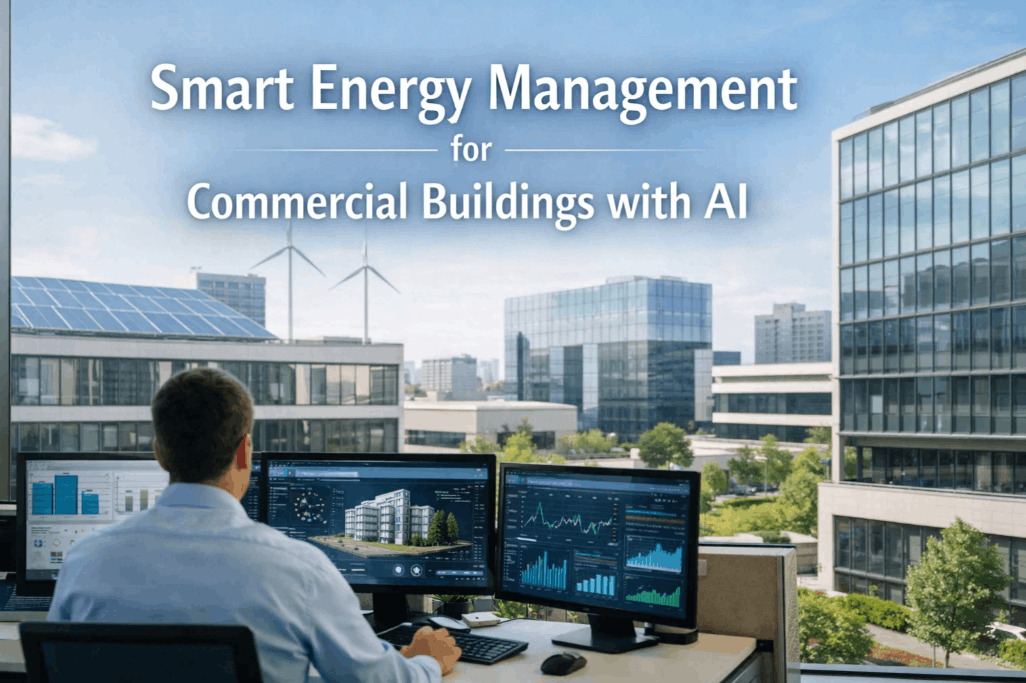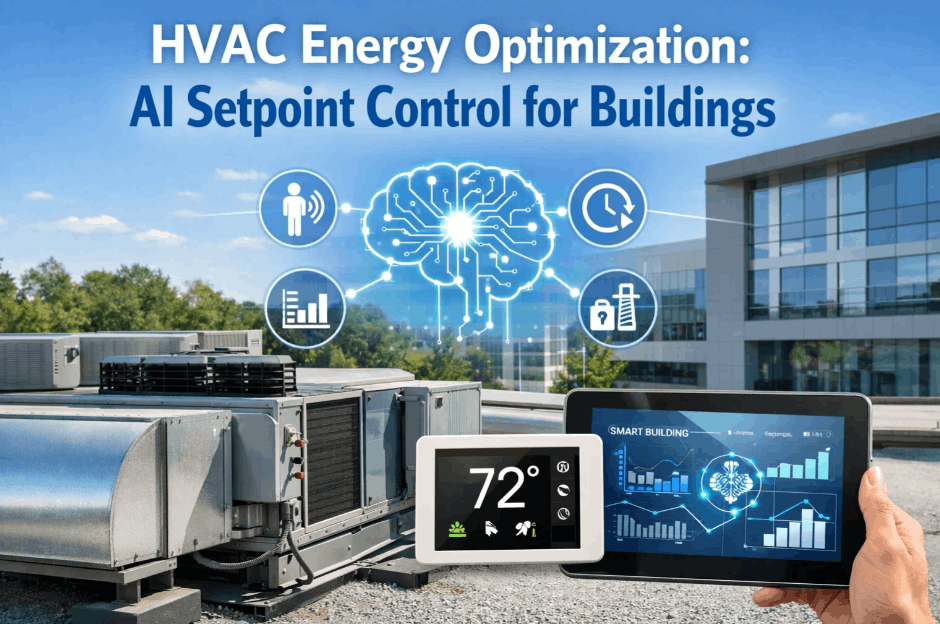
Modern commercial properties are under relentless pressure to slash exorbitant electrical expenditures, with traditional heating and cooling cycles commanding the absolute largest share of facility utility consumption across North America and Europe. Executing intelligent HVAC energy optimization by deploying AI-driven setpoint control networks definitively ends the era of manual thermostat guessing. A robust building energy reduction architecture continuously reads multi-variable data streams—including real-time tenant occupancy tracking, outdoor solar loads, and utility demand response triggers. By integrating smart HVAC control logic directly into your localized building automation systems, predictive AI algorithms intelligently pre-cool massive commercial spaces during off-peak hours and autonomously float specific zone setpoints upward when occupancy dips. This hyper-dynamic, machine-scale setpoint optimization completely eliminates simultaneous heating and cooling conflicts, reducing structural energy costs by twenty to thirty-five percent natively without forcing capital replacements of existing mechanical rooftops or chillers.
HVAC Energy Optimization: AI Setpoint Control for Buildings
End massive utility waste instantly. Deploy highly aggressive, occupancy-based HVAC algorithms to shave massive peak load requirements while strictly maintaining critical tenant comfort standards across your entire architectural portfolio.
Baseline energy consumption dropping dynamically right as specific floor populations decrease via smart gateway links.
The Setpoint Evolution Matrix
Standard schedules rely entirely on binary logic—either blasting maximum mechanical cooling or remaining totally dormant. Implementing smart HVAC infrastructure shifts logic toward constant, fractional variable demand matching.
Calendar Setpoints (Legacy)
- Rigid temporal blocks operate irrespective of current human occupancy or immediate solar loading.
- Static targets force severe simultaneous mechanical heating and cooling fighting conflicts natively.
- Vulnerability to utility peak demand charges during intense afternoon thermal pressure waves.
AI-Driven Dynamics (Modern)
- Thermal profiles automatically adapt intelligently following measured thermodynamic building inertia.
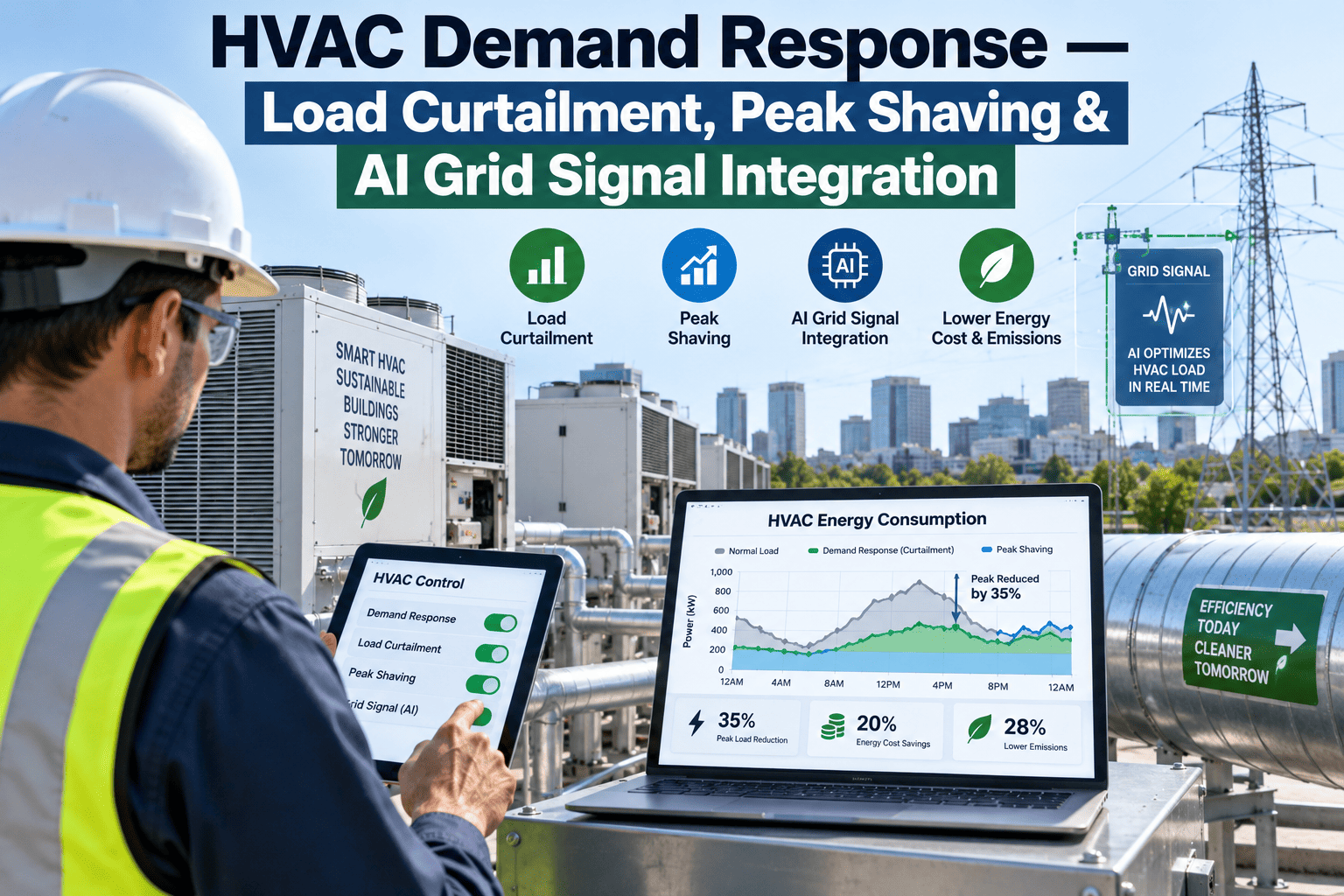
- Demand integration autonomously shelves compressor loads minutes before wholesale prices spike.
- Relentless micro-adjustments maintain incredibly superior human environment satisfaction ratings organically.
Building Energy Management Delivery
Identify the absolute fastest methodologies for recovering extreme operational overhead costs by focusing squarely on these four distinct autonomous intelligent heating execution targets.
Peak Load Shaving
Radically limit structural maximum electrical draw ceilings instantly via systematic background throttling protocols.
Ramp Up Curves
Eliminate immediate cold-start motor friction entirely by spinning up mechanical HVAC components gracefully.
Deadband Drifts
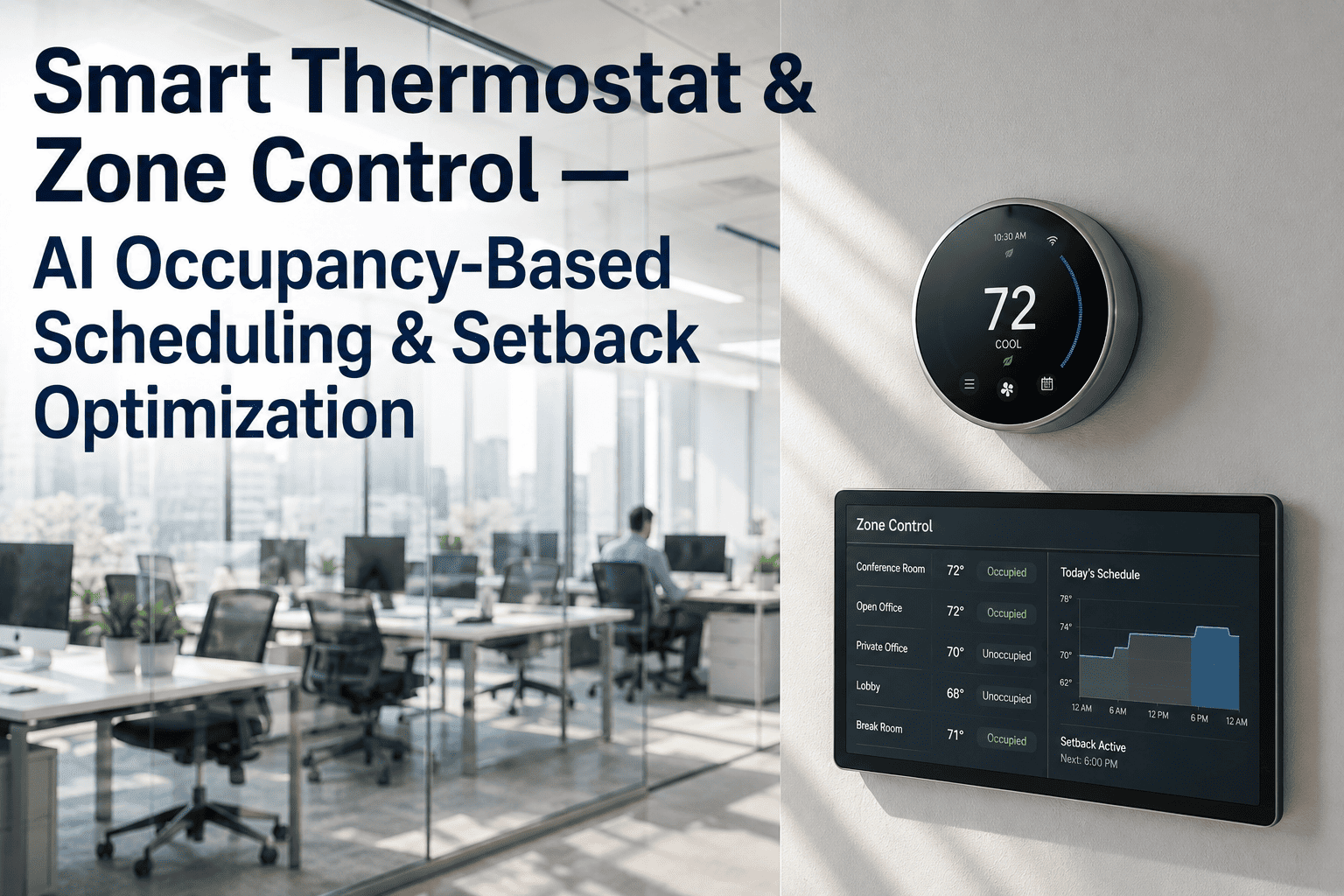
Widen interior thermostat acceptable variance bands rapidly whenever local meeting room foot-traffic dissipates completely.
Chiller Staging
Graphically optimize native operational sequencing algorithms, perfectly preventing overlapping high-amperage mechanical lockups.
Multi-Variable Cascade Optimization
Connecting advanced algorithmic logic to standard operational protocols eliminates manual facility errors fully.
Weather Matrix Ingestion
Predictive engines constantly scrape hyper-local weather tracking models, actively calculating expected afternoon solar-loads alongside humidity indices, allowing the automation software to safely pre-cool highly dense zones cleanly during cheaper morning electrical thresholds.
Real-Time Occupancy Sweeps
Access control feeds and heavy-duty PIR sensor loops provide instant volume analytics. Dead zones containing no active individuals immediately experience broad temperature drifts upwards, permanently preventing expensive fan arrays from freezing empty commercial corridors.
Automated Utility Throttling
Intelligently connecting deeply with local utility grids initiates incredible demand response routines securely. When neighborhood grid tension maximizes, the digital twin orchestrates synchronized frequency step-downs, shielding controllers from multi-thousand-dollar blackout penalty bursts.
Architectural Cost Containment
Push utility reductions forcefully by measuring specific high-burn energy variables previously deemed untrackable securely.
Subcooling Calibration
Continuous AI monitoring pinpoints strictly optimal fluid pressures natively, circumventing rapid, incredibly wasteful mechanical switching entirely.
Variable VFD Logic
Eliminate 100% load firing. Advanced optimization algorithms instruct system fans manually to operate consistently at fractions, significantly dropping baseline wattage.
Rooftop Sync Sequencing
Instead of having multiple standalone package units competing randomly against each other, machine learning coordinates comprehensive zone-cooling cleanly.
Director of Sustainability Testimony
Our operational team actively struggled against skyrocketing peak hour demand penalties. Integrating pure occupancy-based HVAC algorithms totally severed those spikes natively. We watched our chiller plant electrical draw plummet by almost twenty-eight percent simultaneously while actively improving indoor environmental metric conditions significantly.
Building Energy Management Specifics
How deeply does intelligent HVAC demand response integrate with older equipment hardware?
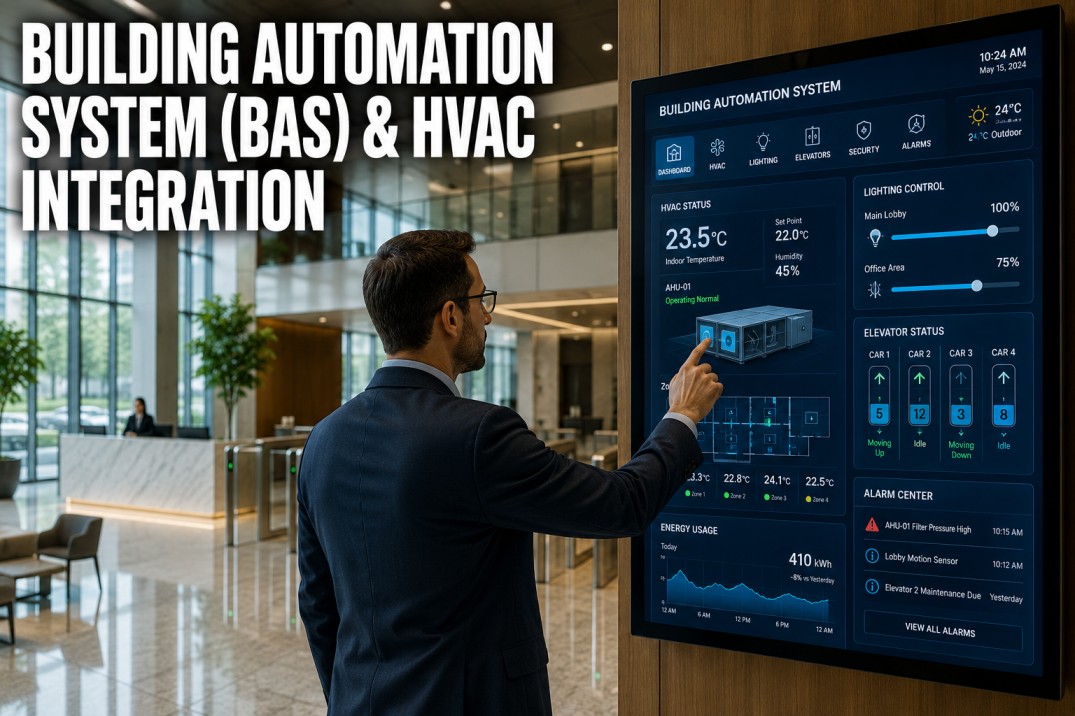
Aggressive setpoint logic runs natively from the cloud layer directly over existing central BACnet networks, meaning extremely large architectural savings manifest instantly without requiring heavy mechanical overhauls internally.
Can automated building energy optimization negatively trigger widespread tenant discomfort complaints?
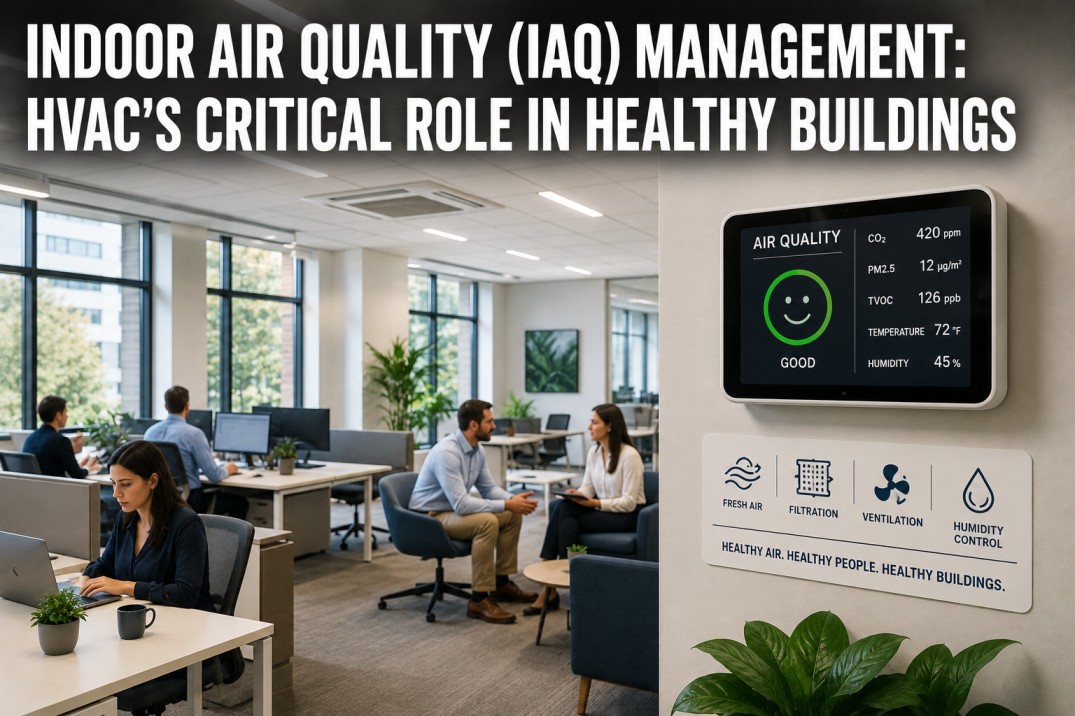
Absolutely not. Mathematical prediction arrays actively drift baseline zone temperatures exclusively within tightly restricted, globally accepted ASHRAE comfort bands, guaranteeing completely invisible transition periods securely.
Does intelligent occupancy-based HVAC require heavy physical camera systems?
Extremely flexible integration models perfectly harness existing security access swipes, internal Wi-Fi node connections, and basic thermal ceilings sensors concurrently to generate flawless real-time density representations seamlessly.
What happens during an unexpected internet infrastructure failure condition?
Mission-critical physical setpoints dynamically revert aggressively back to their deeply embedded foundational schedules locally, permanently protecting massive commercial chiller systems continuously.
Take Absolute Control Over Exorbitant Utility Constraints
Immediately deploy massive building energy reduction intelligence strictly focused on driving continuous ROI natively into your heavy operational expenditures without relying on standard human error.