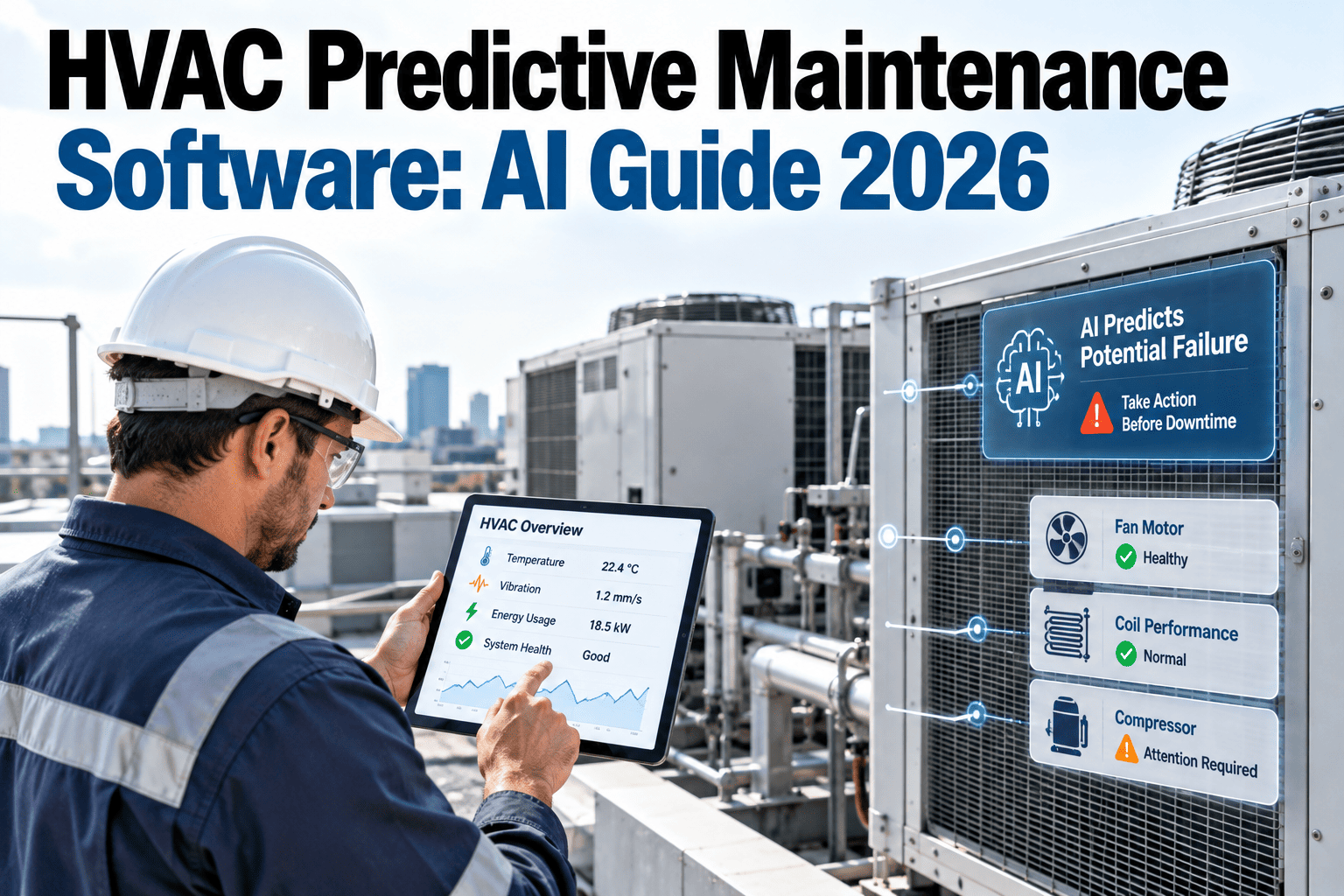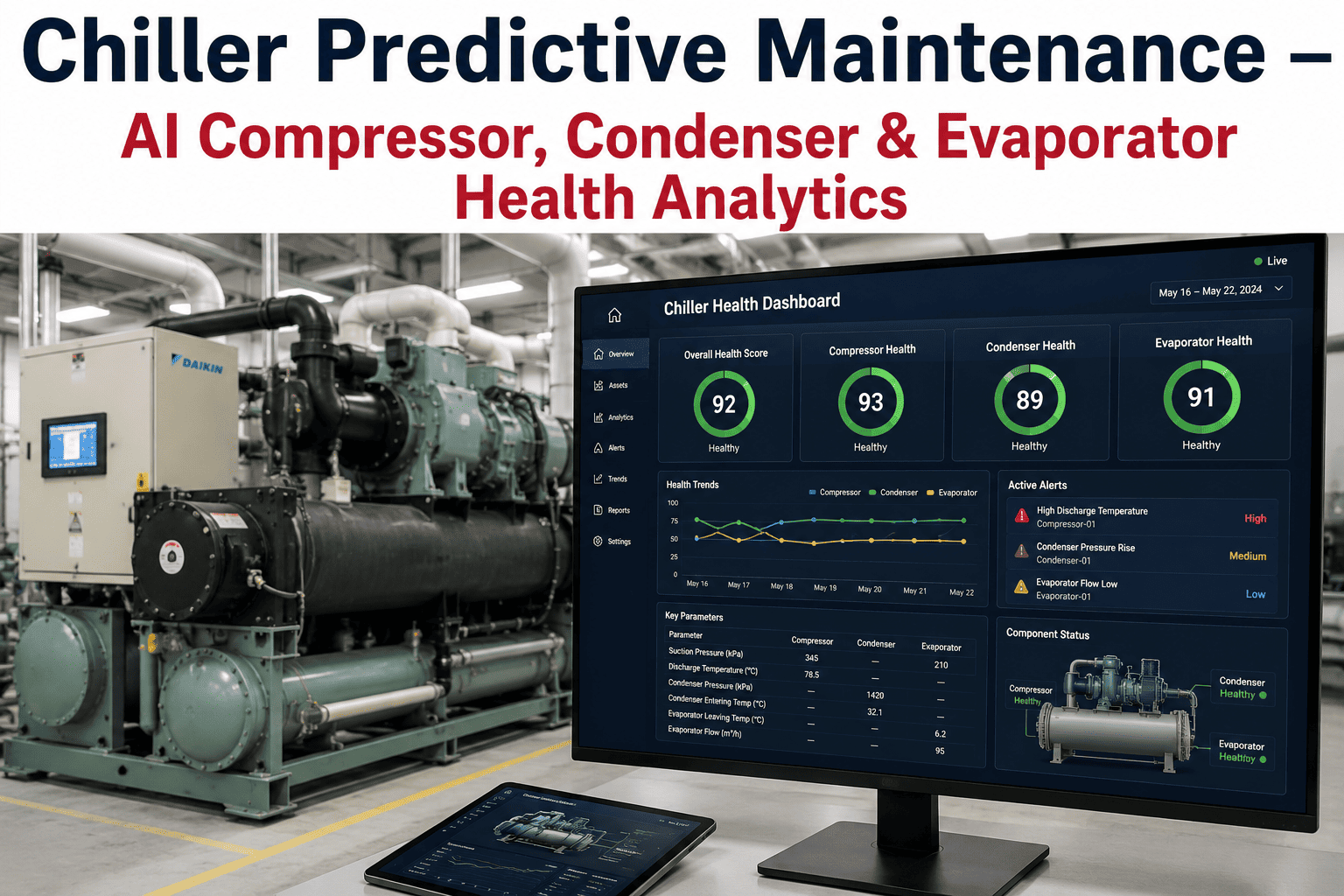
FMCG plants operate in one of the most unforgiving production environments in manufacturing. A single line stoppage during peak season can cost thousands of dollars per hour, damage retailer relationships, and shorten product shelf life. At the center of every plant manager's daily challenge is a fundamental question: should you fix equipment on a schedule, or should you fix it only when data tells you something is about to go wrong? This article breaks down both strategies — preventive and predictive maintenance — to help FMCG operations leaders make a data-informed decision that directly impacts OEE, cost, and competitive output.
Predictive vs Preventive Maintenance
A complete strategic comparison for FMCG plants — understand costs, OEE impact, and which approach fits your production reality.
Preventive Maintenance
Calendar-based or usage-based maintenance performed at scheduled intervals regardless of the equipment's current condition. Think: oil changes every 500 hours, belt replacements every quarter.
Predictive Maintenance
Data-driven maintenance triggered by real-time sensor readings, vibration analysis, thermal imaging, or AI models that detect anomalies before failure. You intervene only when the data says so.
Why FMCG Is Different
Most maintenance frameworks are built for heavy industry. FMCG has unique operational realities that make the right maintenance strategy even more critical.
Continuous High-Speed Lines
Packaging and filling lines running at 600+ units/min leave zero tolerance for unplanned stops. A 30-minute failure costs more than the maintenance that would have prevented it.
Perishable Products
Unlike automotive or steel, FMCG products expire. A line failure mid-batch can result in entire product batches being scrapped, adding waste cost to downtime cost.
Hygiene & GMP Compliance
Maintenance work in food and beverage plants must meet GMP and HACCP requirements. Every intervention is a compliance event — frequency matters greatly.
Seasonal Demand Surges
FMCG plants face Diwali, Christmas, and summer peaks. Equipment failures during peak season carry 3–5x higher business impact than off-season failures.
Side-by-Side: What Really Differs
Beyond the definition, these two strategies diverge in six critical operational dimensions that FMCG plant managers deal with every day. If your plant is still on purely scheduled maintenance, sign up to explore how predictive tools change the equation.
| Dimension | Preventive | Predictive |
|---|---|---|
| Maintenance Trigger | Fixed schedule / hours | Real-time condition data |
| Unplanned Downtime | Still occurs (15–30%) | Reduced by up to 50% |
| Parts Consumption | Often over-replaced | Replaced at actual end-of-life |
| Labor Planning | Easy, fixed schedule | Dynamic, data-triggered |
| Implementation Cost | Low upfront | Medium–High upfront |
| 3-Year ROI | Moderate | High (8–12x typical) |
| OEE Improvement | 5–10% | 15–25% |
| Best For | Low-criticality assets | High-speed, critical lines |
OEE Impact: The Numbers That Matter
OEE — Overall Equipment Effectiveness — is the single most important metric in FMCG manufacturing. Both maintenance strategies affect it, but differently.
With Preventive Maintenance
With Predictive Maintenance
A 20-point OEE improvement in a mid-size FMCG plant can translate to ₹2–5 crore in additional annual output without adding a single machine. Book a demo to model this for your plant.
Cost & ROI Breakdown
Preventive maintenance feels cheaper because costs are predictable. Predictive maintenance feels expensive because of upfront sensor and software investment. Here is what the 3-year math actually looks like.
The ROI crossover for most FMCG plants implementing predictive maintenance occurs within 14–18 months. After that, every month is pure cost savings. Sign up to calculate your plant's ROI potential.
The Smart FMCG Approach: A Hybrid Model
In practice, the most effective FMCG maintenance programs are not purely one or the other. They use a criticality-tiered model where assets are assigned to the right strategy based on their failure impact. Safety-critical and high-speed line equipment gets predictive monitoring, while low-criticality utilities and support equipment stays on a preventive schedule. This hybrid approach optimizes both cost and protection. Book a demo to see how iFactory maps your asset criticality automatically.
Critical Assets
Filling lines, sealing machines, primary packaging. Assign predictive monitoring with real-time alerts.
Semi-Critical Assets
Conveyors, compressors, HVAC in production zones. Use a mix of condition-based checks and short-interval preventive tasks.
Non-Critical Assets
Lighting, support utilities, warehouse equipment. Keep on standard calendar-based preventive schedules.