.png)
Every hour your pharmaceutical facility runs without integrated Building Management System (BMS) intelligence, revenue is silently eroding. Undetected environmental excursions invalidate batch records. Manual alarm response delays trigger regulatory citations. Legacy siloed data prevents the predictive insights needed to protect GMP compliance—and your bottom line. iFactory Healthcare eliminates this operational hemorrhage by converging your BMS with AI-driven automation, transforming reactive facility management into a precision-engineered clinical asset.
Is Revenue Leaking Through Your Facility Management Gaps?
AI-integrated BMS transforms alarms into automated work orders, prevents GMP deviations, and delivers the environmental trending intelligence your VP of Operations demands.
The Financial Reality of Fragmented Pharma BMS Infrastructure
Pharmaceutical executives managing GMP facilities face a compounding risk matrix that legacy BMS architectures are fundamentally unequipped to handle. A single environmental excursion—undetected for even 90 minutes—can invalidate an entire manufacturing batch worth hundreds of thousands of dollars. Manual alarm-to-work-order workflows introduce human latency at precisely the moments when automated precision is critical. iFactory Healthcare's AI-integrated BMS platform closes these gaps with automated analytics triggers, real-time environmental trending, and predictive maintenance logic that converts raw sensor data into defensible regulatory documentation. Book a demo to quantify the operational ROI specific to your facility portfolio.
Automated Alarm-to-Work-Order
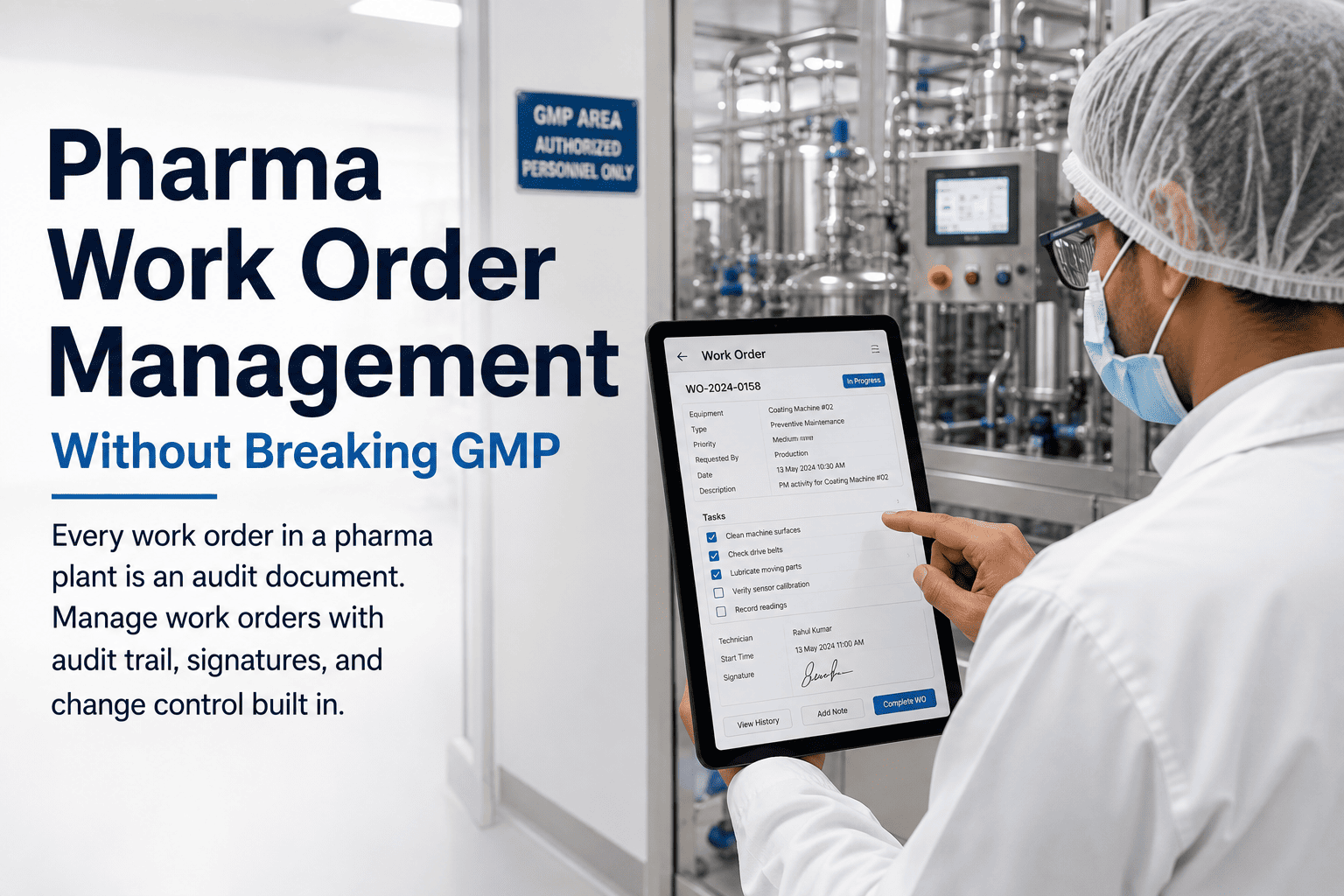
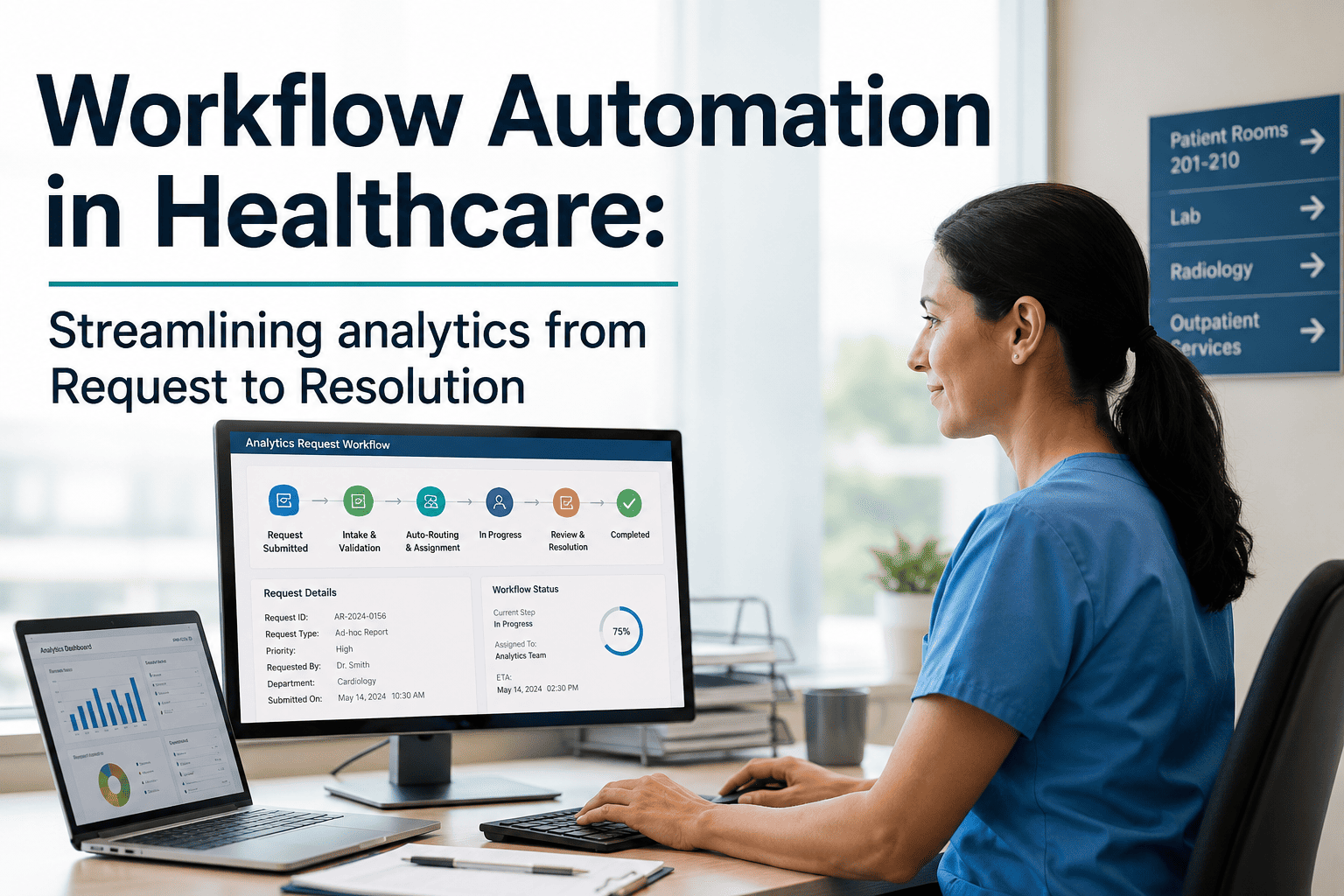
BMS alarms are instantly converted into structured CMMS work orders with priority classification, assigned technician routing, and SLA timers—eliminating the 47-minute average manual response lag in legacy environments.
Environmental Trending AI
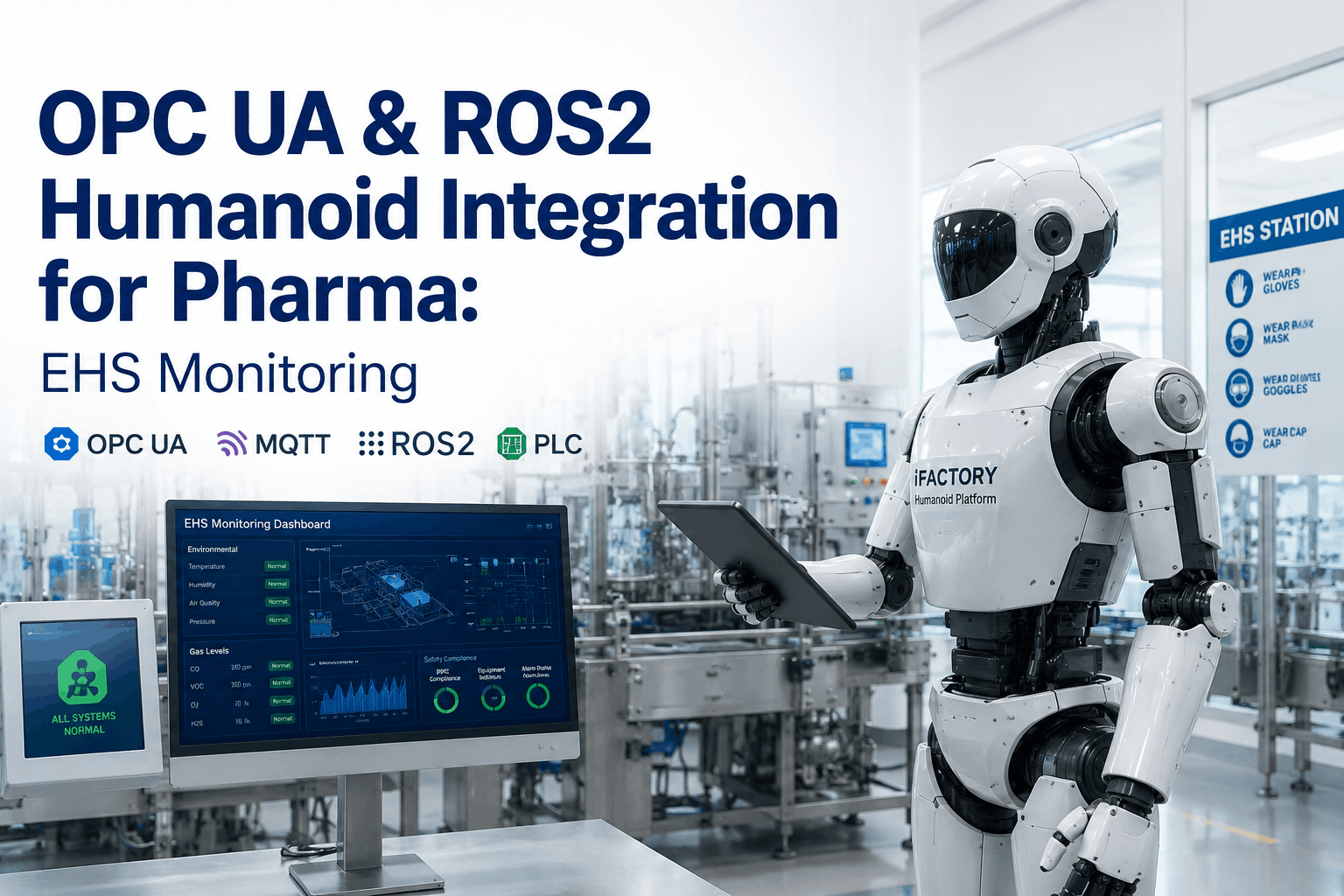
Continuous temperature, humidity, and differential pressure trending with ML-driven anomaly detection that flags deviation risks before they breach GMP thresholds—protecting batch integrity proactively.
Predictive Analytics Triggers
AI models trained on historical sensor patterns identify HVAC degradation, cleanroom pressurization drift, and equipment wear trajectories weeks before failure—scheduling maintenance during planned downtime windows.
GMP Audit Documentation
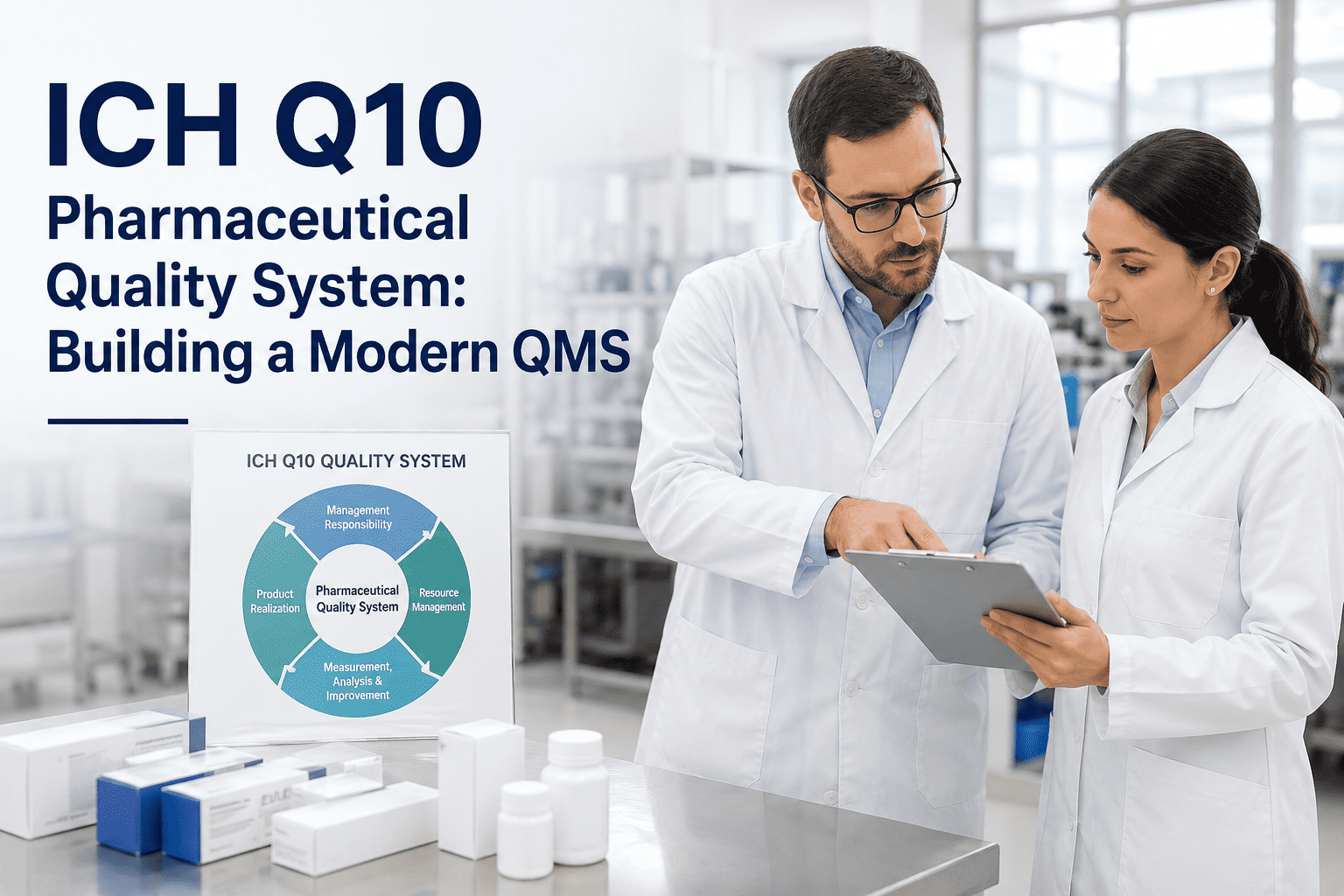
Every BMS event, alarm response, environmental reading, and corrective action is timestamped and compiled into an immutable, inspection-ready audit trail that satisfies FDA 21 CFR Part 11 and EU Annex 11 requirements.
Legacy Friction vs. iFactory Optimized Excellence
The operational gap between a fragmented BMS environment and an AI-integrated facility platform is not incremental—it is transformational. C-Suite leaders evaluating capital allocation for facility modernization must understand the full cost differential. The comparison below translates technical capability gaps into the financial and clinical outcomes that define strategic investment decisions. Book a demo to model these outcomes against your specific facility configuration and patient throughput targets.
| Operational Domain | Legacy Friction State | iFactory Optimized Excellence | Financial Impact | Risk Tier |
|---|---|---|---|---|
| Alarm Response | Manual ticket creation, 45–90 min lag | Automated work order in <60 seconds | Batch loss prevention | Critical |
| Environmental Monitoring | Scheduled manual checks, reactive logging | Continuous AI trending with predictive alerts | Deviation cost avoidance | Critical |
| Regulatory Documentation | Fragmented spreadsheets, audit preparation weeks | Immutable real-time audit trail, instant export | Citation risk eliminated | Critical |
| Maintenance Planning | Calendar-based schedules, unplanned downtime | Condition-based AI triggers, zero surprise failures | 30–40% CapEx reduction | High |
| Energy Optimization | Static setpoints, no demand-based adjustment | Dynamic AI-driven HVAC optimization | 15–25% utility savings | High |
| Staff Utilization | Technicians reactive to alarms, constant interruption | Prioritized task queues, planned preventive cycles | Burnout reduction, retention | Moderate |
How Integrated BMS Directly Improves Clinical and Operational Outcomes
The downstream clinical impact of a fully integrated pharmaceutical BMS extends far beyond facility operations. Environmental control integrity is the foundation of product quality—and product quality is the foundation of patient safety. When BMS data flows through an AI intelligence layer, the ripple effects reach manufacturing yield, staff performance, and patient throughput simultaneously. Book a Demo to review our clinical outcome modeling framework with your operations team.
AI-monitored cleanroom environments ensure that pharmaceutical products are manufactured under precisely controlled conditions, directly protecting patients from contamination-related adverse events.
Automated alarm triage and intelligent work order routing eliminate the cognitive overload of manual alert management, reducing technician burnout and increasing retention of skilled facility staff.
Predictive maintenance prevents unplanned shutdowns that disrupt production schedules. Facilities using iFactory BMS AI report up to 38% improvement in overall equipment effectiveness (OEE).
A Structured Path to Full BMS-AI Integration
Enterprise BMS integration is executed through a phased clinical deployment model that minimizes disruption to active GMP manufacturing operations while delivering measurable ROI at each milestone. Our implementation architects have deployed integrated BMS platforms across multi-site pharmaceutical networks, sterile manufacturing facilities, and biologics campuses. Book a Demo to receive a site-specific implementation timeline and investment model.
Operational Gap Audit
Our clinical architects conduct a structured assessment of your existing BMS infrastructure, alarm volumes, documentation gaps, and compliance posture to quantify the cost of your current integration deficiencies.
Protocol Mapping & Data Architecture
Existing BACnet, Modbus, and SCADA communication protocols are mapped to the iFactory unified data layer. All environmental sensor streams are normalized into a single analytics pipeline without disrupting live operations.
AI Model Training & Baseline Calibration
Historical BMS data is used to train predictive maintenance and environmental anomaly detection models. Alarm thresholds are calibrated to GMP specifications for each controlled environment zone.
CMMS Integration & Workflow Automation
Alarm-to-work-order automation is configured with your existing CMMS, LIMS, or ERP system. Escalation logic, SLA rules, and technician routing are validated against your SOPs before go-live.
Continuous Optimization & Regulatory Readiness
Post-deployment, AI models continuously refine predictive triggers as new operational data is ingested. Quarterly regulatory readiness reports are auto-generated and delivered to your Quality and Compliance leadership.
Stop Accepting Operational Hemorrhage as a Fixed Cost
Schedule your Strategic Workflow Audit and receive a site-specific ROI model showing the exact financial impact of integrated BMS AI on your pharmaceutical facility portfolio.
Strategic Questions from Pharmaceutical VPs and C-Suite Leaders
Can iFactory integrate with our existing BMS without replacing legacy infrastructure?
Yes. iFactory operates as an intelligence overlay on top of existing BMS hardware using standard industrial protocols (BACnet, Modbus, OPC-UA). No rip-and-replace is required, protecting your existing capital investment while unlocking AI-driven analytics and automation capabilities immediately.
How does the platform protect against regulatory citations during an FDA inspection?
The platform maintains a continuous, immutable audit trail of every environmental reading, alarm event, and corrective action. Inspection-ready reports are generated on demand, eliminating the 4–6 week manual documentation preparation process that exposes facilities to citation risk. Book a Demo to review our 21 CFR Part 11 compliance architecture.
What is the realistic ROI horizon for pharmaceutical BMS AI integration?
Most pharmaceutical facilities achieve full ROI within 14–18 months through a combination of batch loss prevention, citation avoidance, maintenance CapEx reduction, and energy optimization. Facilities with high-frequency alarm volumes typically see break-even within 9 months. Book a Demo to access our facility-specific ROI calculator.
Can the platform scale across a multi-site global pharmaceutical network?
iFactory is architected for enterprise multi-site orchestration. A unified global dashboard aggregates BMS data across all facilities, enabling VP-level visibility into environmental compliance posture, maintenance backlogs, and energy performance—standardized across every site in your portfolio.
How does AI-driven predictive maintenance translate to reduced staff burnout?
By converting reactive alarm firefighting into a planned, prioritized work queue, technicians shift from constant interruption cycles to structured preventive workflows. Facilities report a 31% reduction in after-hours emergency callouts and measurable improvement in technician retention scores within the first year of deployment.
Secure Your Facility's Competitive Advantage Before the Next Inspection
Every week without integrated BMS AI is a week of unquantified risk exposure. Join pharmaceutical leaders who have already transformed their facility operations with iFactory Healthcare.