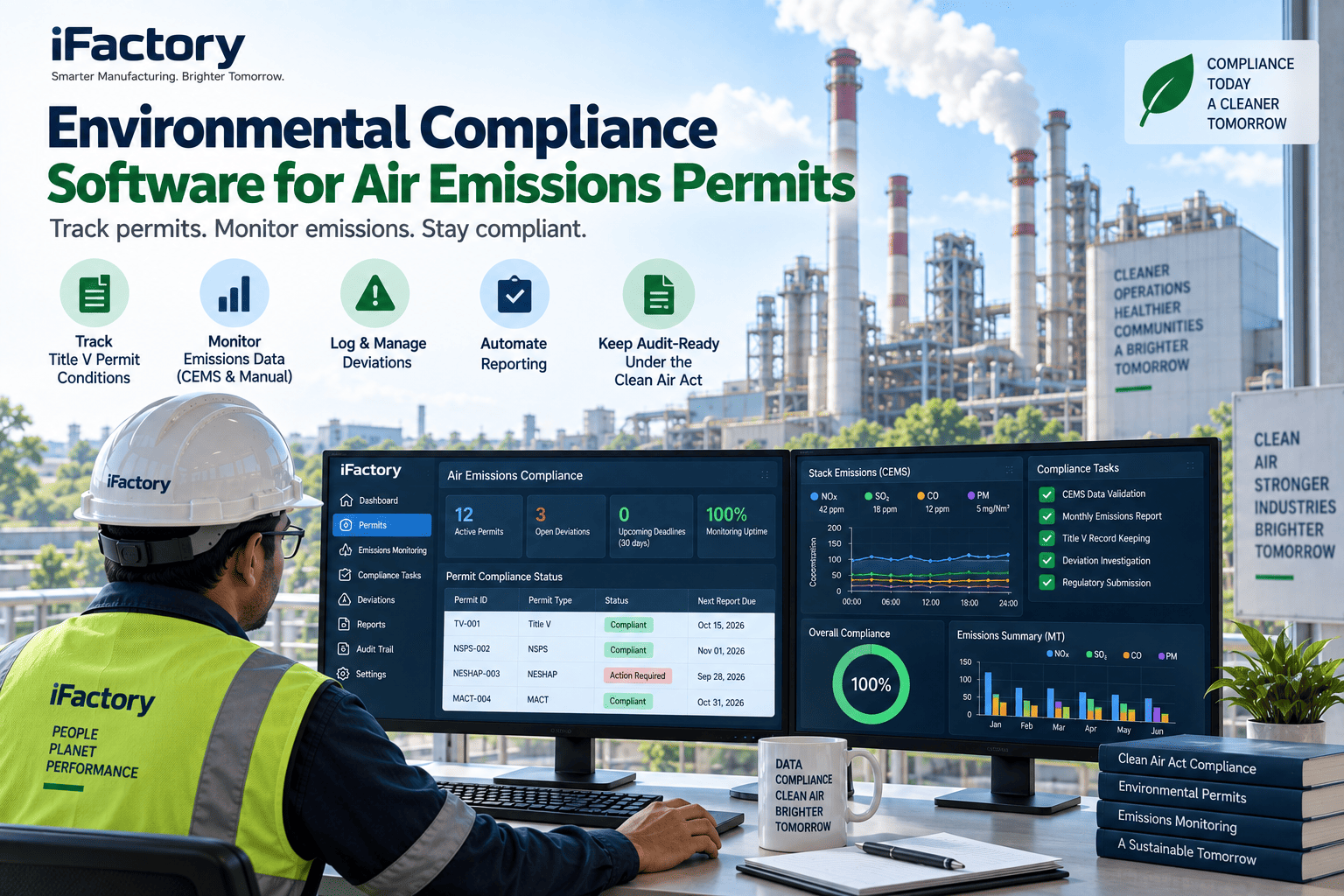
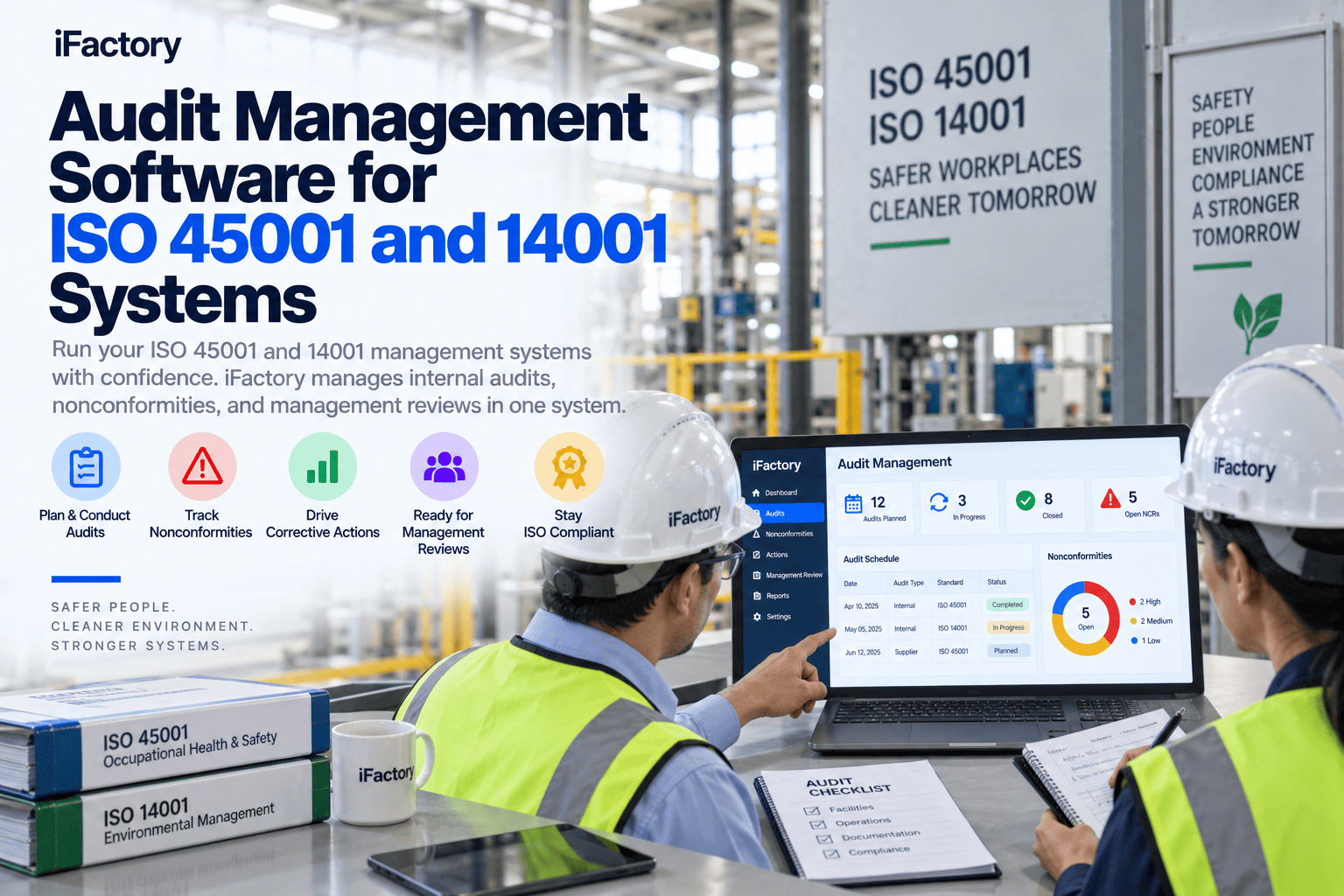
When an OSHA inspector walks onto your site, the first thing they ask for is documentation. Not your safety intentions — your proof. Proof that every permit was properly issued, every hazard was identified, every worker was certified, every isolation was verified, and every permit was formally closed. In 2025, OSHA's maximum fine for willful violations reached $165,514 per citation, with the largest single penalty exceeding $1.22 million. A worker was killed at a New Jersey food processor due to lockout/tagout failures — OSHA issued 16 violations totaling $1.13 million, citing systemic failures in energy-control documentation. The pattern is consistent across every major penalty case: the safety procedures may have existed, but the proof that they were followed did not. Paper-based permit systems cannot produce this proof reliably. Fields are left blank, timestamps are approximate, handovers are verbal, and expired permits remain in pockets undiscovered. A digital audit trail is not a luxury — it is the difference between passing an audit and facing a seven-figure fine. iFactory deploys audit-ready digital PTW systems with complete traceability — book a 30-minute consultation to see how compliance becomes automatic.
Audit-Ready Compliance
If You Can't Prove
It Was Done Safely,
It Wasn't Done Safely.
Complete Digital Audit Trails, Automated Regulatory Reporting & Full Traceability for Every Permit, Every Action, Every Worker
Book a Free Consultation
$165K
Maximum OSHA Fine Per Willful Violation (2025)
$16.5K/day
Failure-to-Abate Penalty Accruing Daily After Deadline
$1.22M
Largest Single OSHA Penalty in 2025 — Repeat Violations
15 days
Window to Contest an OSHA Citation Before It Becomes Final
The Anatomy of an Audit Failure: What Inspectors Find
Regulatory audits do not fail because of catastrophic negligence. They fail because of gaps — small, cumulative, systematic gaps in documentation that reveal a permit program operating on assumption rather than evidence. The six failure patterns below appear in audit findings across industries, geographies, and regulatory frameworks. Each one is preventable with a properly designed digital system.
Incomplete Permit Records
Inspector finds permits with blank hazard identification fields, missing PPE selections, or unsigned approval blocks. The permit was issued, but the safety process was not completed.
Typical citation: Serious violation — $16,550 per instance
iFactory enforces mandatory field completion. No permit can be submitted, approved, or activated until every required field — hazard ID, controls, PPE, gas test results — is completed and validated.
No Evidence of Risk Assessment
Auditor requests documentation showing that a task-specific hazard analysis was performed before work began. The plant produces a generic checklist used for all permits — no evidence of site-specific risk evaluation.
Typical citation: Serious violation — $16,550 per instance
Every permit generates a unique, AI-assisted risk assessment incorporating location, concurrent activities, weather, equipment status, and historical incident data. Each assessment is timestamped and archived.
Expired Certifications on Active Permits
Workers found performing confined space entry or hot work with expired training certifications. No system flagged the expiry. The permit was issued without verifying competency.
Typical citation: Willful violation — up to $165,514 per instance
AI cross-references every worker against the certification database at permit request. Expired or missing certifications block permit issuance automatically. Upcoming expiries trigger 30/15/7-day renewal alerts.
Missing LOTO Verification Records
OSHA's lockout/tagout standard (29 CFR 1910.147) requires documented proof that energy isolation was verified before work began. The plant cannot produce this documentation for 40% of maintenance permits.
Typical citation: Willful or repeat — $165,514. LOTO is top-5 most cited OSHA standard
Digital LOTO workflow requires photo evidence of lock placement, isolation verification steps with timestamps, and try-start confirmation. Permit cannot advance to "active" until all LOTO steps are digitally signed.
No Shift Handover Documentation
The Piper Alpha disaster killed 167 workers because a shift change failed to communicate the state of partially disassembled equipment. Auditors find verbal-only handovers at most industrial sites — zero documented record of what the incoming shift knew about active permits.
Risk exposure: catastrophic incident, regulatory shutdown, criminal liability
Digital handover requires the incoming shift to acknowledge every active permit, every isolation, and every suspended activity before starting work. The acknowledgment is timestamped, signed, and archived permanently.
Corrective Actions Not Tracked to Closure
Previous audit identified 23 corrective actions. Inspector returns to find 8 still open, 6 with no assigned owner, and 3 with no evidence that the action was ever started. The audit itself created liability that was never resolved.
Typical citation: Failure-to-abate — $16,550 per day until corrected
Every corrective action from permits, incidents, and audits enters a tracked workflow with assigned owner, due date, escalation chain, and required evidence of completion. Overdue actions escalate automatically to plant management.
What a Complete Audit Trail Actually Contains
An audit trail is not a log file. It is a structured, legally defensible record that proves — for every permit — who did what, when they did it, what conditions existed at the time, and what safety controls were in place. iFactory captures 14 categories of evidence across the permit lifecycle, creating a record that satisfies OSHA, ISO 45001, and Indian Factories Act requirements simultaneously.
Permit Creation
Requestor identity with role verification
Permit type and work scope description
Geo-tagged work location with zone mapping
AI-generated risk assessment (unique per permit)
Authorization
Approver identity, role, and digital signature
SIMOP conflict check result (pass/flag/block)
Worker certification verification timestamp
Conditions attached to approval (if any)
Active Work
IoT sensor readings (gas, temp, wind) during work
LOTO lock placement photos and verification
Any condition changes or alert triggers
Close-Out
Handback verification with site condition photos
All LOTO locks removed confirmation
Formal closure signature and timestamp
Regulatory Frameworks: One System, Global Coverage
Industrial facilities operating across multiple jurisdictions face overlapping and sometimes contradictory regulatory requirements. iFactory maps permit workflows to the specific requirements of each framework — generating the right documentation in the right format for the right regulator, automatically.
OSHA PSM (29 CFR 1910.119)
Requires: hot work permits, mechanical integrity documentation, management of change records, process hazard analysis linkage, employee training records
iFactory delivers: automated hot work permit workflows with pre-work checklist, MOC-linked permits, PHA cross-reference for every work zone, training verification at permit issuance
OSHA LOTO (29 CFR 1910.147)
Requires: equipment-specific written procedures, authorized employee training records, periodic inspection documentation, energy isolation verification
iFactory delivers: digital LOTO procedure library linked to equipment IDs, certification expiry tracking, photo-verified isolation steps, periodic inspection scheduling with audit trail
ISO 45001:2018
Requires: systematic hazard identification, risk assessment, worker consultation evidence, competency records, continual improvement from incident analysis
iFactory delivers: AI-driven risk assessments per permit, digital worker sign-off on hazard briefings, competency verification database, trend analysis from closed permit and incident data
Indian Factories Act & BIS Standards
Requires: safety officer appointments, factory inspectorate documentation, accident reporting, dangerous operations permits, welfare provisions records
iFactory delivers: configurable checklists aligned to Factory Act schedules, automated accident report generation, dangerous operations permit workflows, inspector-ready document export
Violation Tracking & Corrective Action Management
Finding violations is step one. Tracking them to closure with documented evidence of corrective action is where most safety programs break down. iFactory creates a closed-loop system where every violation generates a tracked corrective action, every action has an owner and deadline, and every closure requires evidence.
01
Detection
Violations captured from permit audits, inspection findings, incident investigations, near-miss reports, and IoT sensor alerts. Each entry auto-tagged with severity, location, and responsible department.
02
Assignment
Corrective action assigned to responsible owner with due date. AI suggests priority based on severity, recurrence pattern, and regulatory exposure. Escalation chain pre-configured per violation type.
03
Implementation
Owner documents corrective action with photos, updated procedures, training records, or engineering change evidence. System tracks progress against deadline with automated reminders at 7, 3, and 1 day before due.
04
Verification & Close
Independent verifier confirms corrective action is complete and effective. Evidence archived permanently. If verification fails, action returns to implementation with escalated urgency and management notification.
Compliance Analytics: From Documentation to Intelligence
Permit Compliance Rate
Track the percentage of permits completed with all mandatory fields, on-time approvals, and proper close-out procedures. Identify which departments, shifts, or contractors consistently fall below compliance thresholds and target intervention resources accordingly.
Violation Trend Analysis
Visualize violation frequency by type, location, shift, and contractor over 12-month rolling windows. Identify whether corrective actions are actually reducing recurrence or whether the same violations keep appearing — the clearest indicator of a failing safety program.
Corrective Action Closure Rate
Monitor what percentage of corrective actions are closed on time vs overdue. Track average days-to-closure by violation severity. Flag departments or individuals with chronically overdue actions for management review before auditors discover the pattern.
Audit Readiness Score
A composite score reflecting documentation completeness, certification currency, LOTO verification rates, corrective action closure status, and incident reporting timeliness. Updated daily. When the inspector arrives, you already know your number.
Frequently Asked Questions
What exactly does the digital audit trail capture?
Every action in the permit lifecycle is recorded with a geo-tagged, time-stamped entry including: requestor and approver identity with role verification, AI-generated risk assessment, SIMOP conflict check results, worker certification verification, LOTO photo evidence and isolation verification, IoT sensor readings during active work, any condition changes or alert triggers, handback site condition photos, and formal closure signatures. This complete trail satisfies OSHA, ISO 45001, and Indian Factories Act documentation requirements simultaneously.
How does the system help during an actual OSHA or factory inspectorate audit?
When an auditor requests documentation, the system produces it in seconds — not days. Any permit from any date range can be retrieved with its complete audit trail, risk assessment, worker certifications, LOTO verification photos, and closure documentation. Compliance reports aligned to specific regulatory standards (OSHA PSM, LOTO, ISO 45001, Factories Act) can be generated on demand, showing permit compliance rates, violation trends, and corrective action closure status.
Can the system track corrective actions from audits and incidents to closure?
Yes. Every corrective action enters a four-stage tracked workflow: detection, assignment (with AI-suggested priority), implementation (with photo/document evidence), and independent verification before closure. Overdue actions escalate automatically. The system tracks closure rates, average days-to-closure, and recurrence patterns — providing auditors with evidence that your safety program is not just documenting problems but actually fixing them.
What regulatory standards does the platform support?
iFactory supports OSHA Process Safety Management (29 CFR 1910.119), OSHA Lockout/Tagout (29 CFR 1910.147), OSHA Permit-Required Confined Spaces (29 CFR 1910.146), ISO 45001:2018, Indian Factories Act 1948, BIS safety standards, and configurable frameworks for site-specific or country-specific regulations. Permit checklists, approval chains, and documentation requirements are configurable per standard without code changes.
The Inspector Is Coming. Is Your Documentation Ready?
iFactory builds audit-ready compliance into every permit — complete traceability, automated documentation, violation tracking to closure, and regulatory reporting that generates itself. Every action timestamped. Every field validated. Every audit passed.