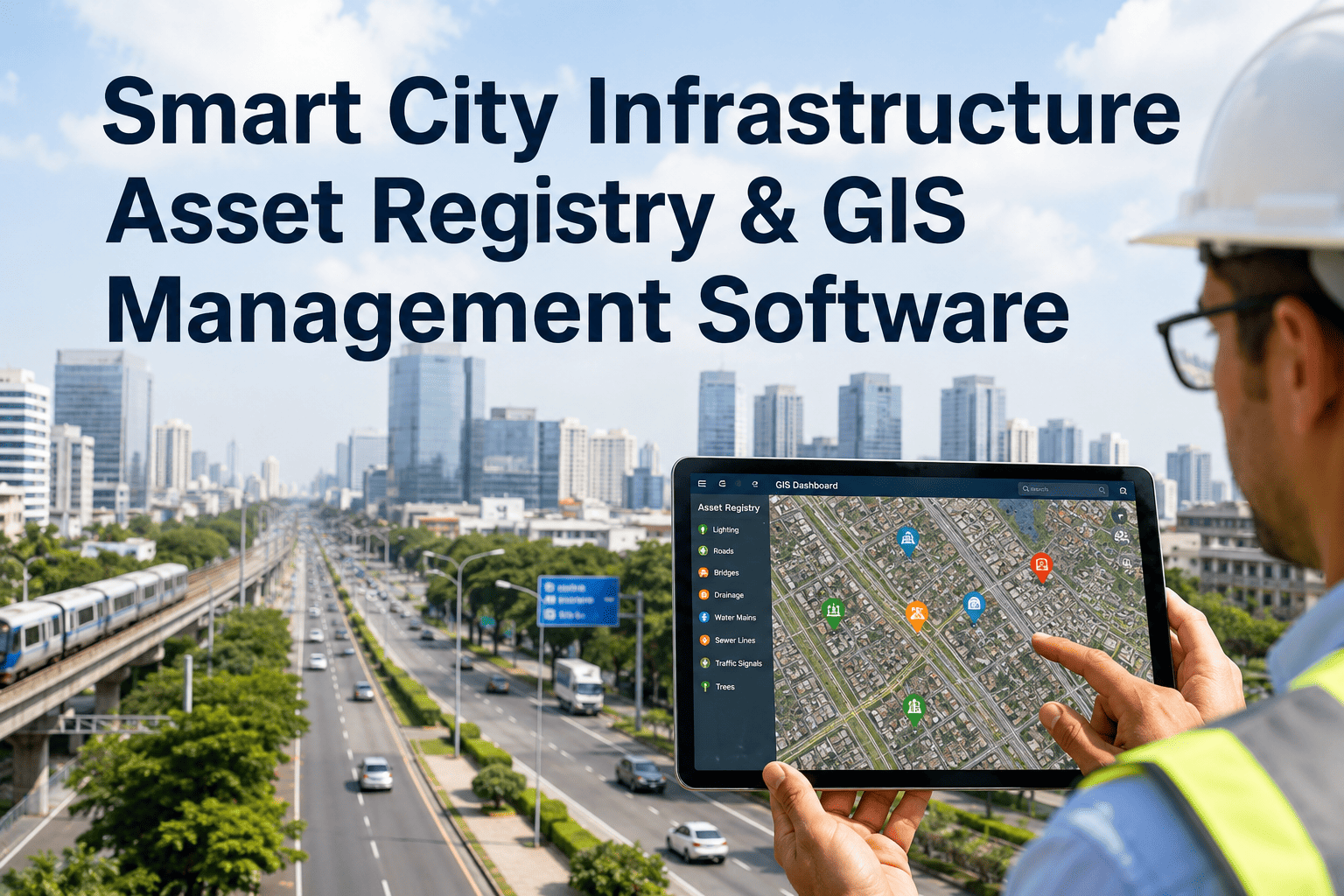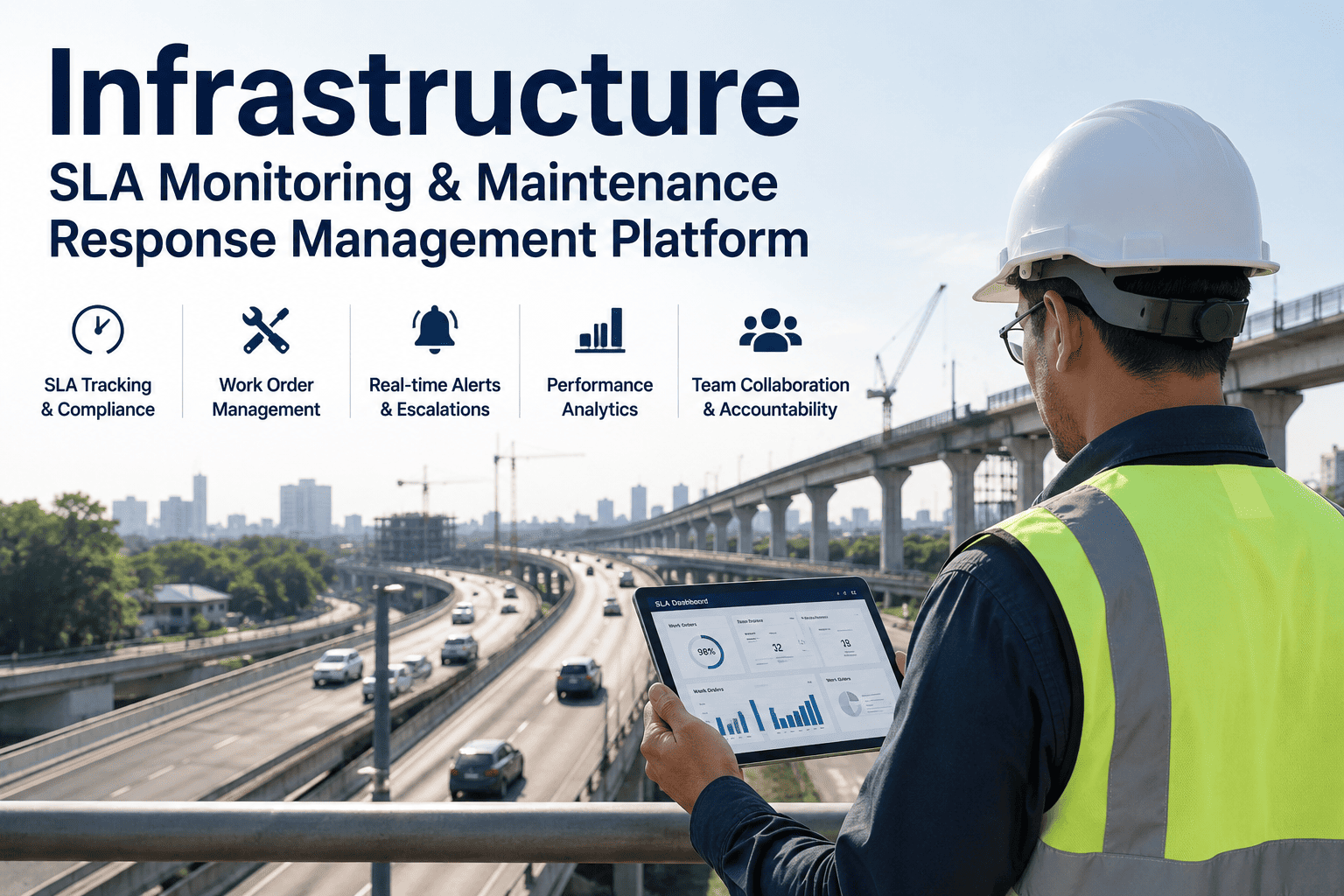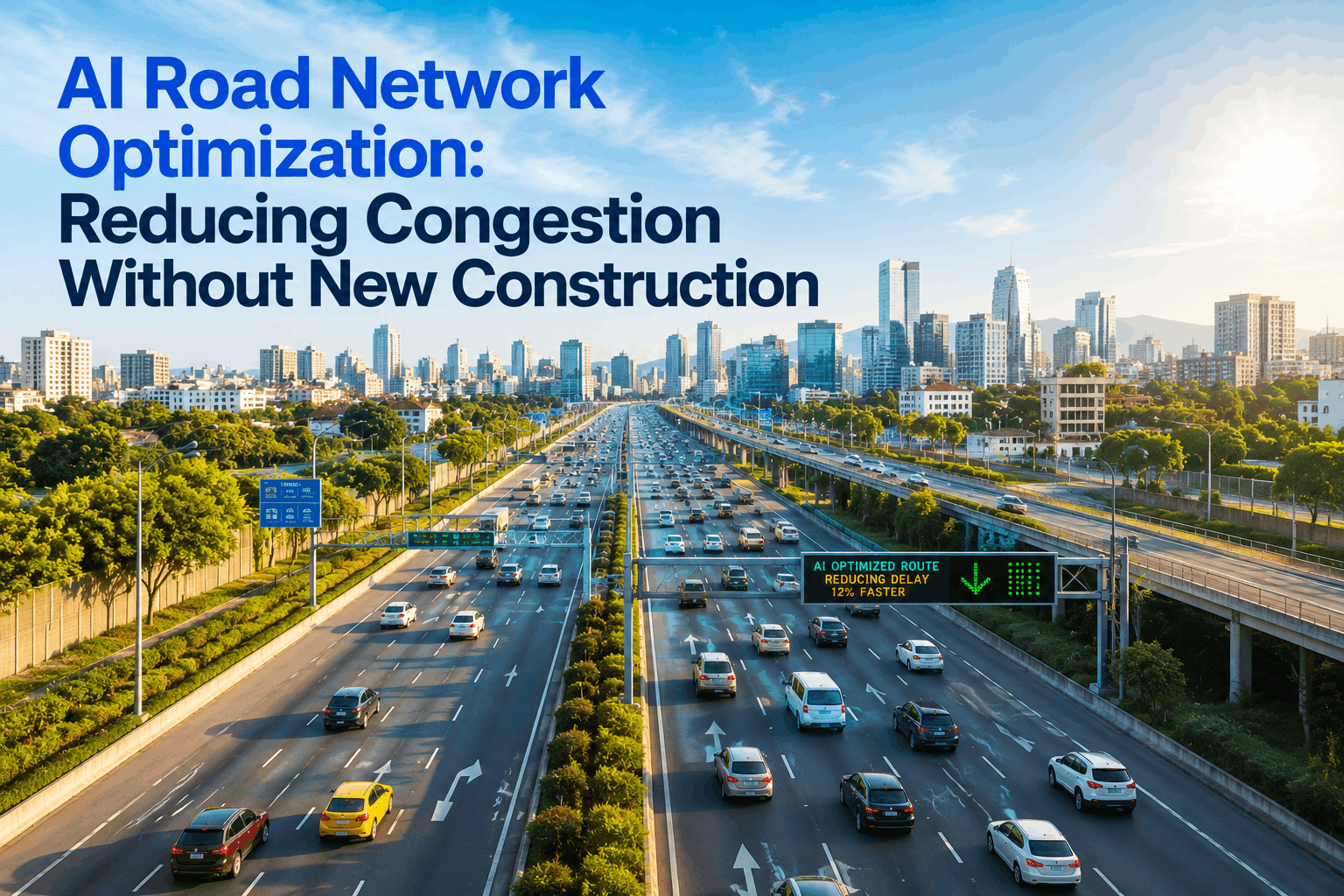
Urban centers globally are reaching a breaking point where traditional civil engineering—simply building more lanes—is no longer a viable solution due to land scarcity and astronomical construction costs. We have reached the "Asphalt Plateau," where the physical expansion of road networks yields diminishing returns in traffic throughput while exponentially increasing maintenance liabilities. The future of urban mobility lies in "Software-Defined Infrastructure," where AI road network optimization extracts hidden capacity from existing assets. By leveraging massive datasets from IoT sensors, traffic cameras, and GPS telemetry, municipalities can reduce congestion by up to 30% without laying a single new brick. This digital transformation requires a fundamental shift in how we view road assets: not as static slabs of concrete, but as dynamic nodes in a connected data ecosystem. iFactory bridges this gap by providing a unified AI asset management platform that ensures your smart infrastructure is 100% operational. From predictive maintenance of traffic signal controllers to automated health monitoring of bridge sensors, iFactory ensures the digital eyes of your city never blink. Book a demo to see how iFactory optimizes infrastructure resilience.
AI Road Network Optimization: Maximizing Capacity Without New Construction
Extract up to 35% more throughput from your existing road network using ML-driven signal synchronization and predictive asset management.
The 7-Stage Intelligence Loop — Optimizing Network Flow
Reducing congestion requires a continuous, real-time feedback loop that moves from data capture to autonomous action. iFactory ensures the reliability of the physical assets at every stage of this loop, preventing "data blackouts" that cause traffic gridlock. Explore the technical roadmap.
The lifecycle of intelligent traffic management is data-dependent. A single offline sensor or a miscalibrated camera can create a "data ghost," leading the AI to optimize for non-existent traffic surges or, worse, miss a growing bottleneck. iFactory's EAM integration provides the proactive safety net for this lifecycle, ensuring that the physical layer of the smart city is as agile as the software layer that controls it. By closing the gap between data ingestion and field maintenance, we turn reactive cities into predictive ones.
Prioritizing Smart City Asset Health
Optimization algorithms are only as good as the hardware they rely on. iFactory prioritizes maintenance of traffic controllers and bridge sensors based on their impact on network flow, ensuring that a single component failure doesn't paralyze the city.
Risk mitigation in a smart city environment requires a granular understanding of asset criticality. Not all intersections are equal; a failure at a primary arterial node during peak hour can trigger a cascading gridlock that paralyzes emergency services across multiple districts. iFactory's criticality matrix uses real-time traffic volume data to dynamically adjust maintenance priorities. If an arterial signal controller shows signs of electrical stress, the system escalates the work order ahead of non-critical tasks, ensuring the city's "circulatory system" remains open at all times.
Extracting Latent Road Capacity
Modern AI algorithms can increase effective road capacity by up to 35% by eliminating "phantom jams" and optimizing signal timings in real-time. iFactory provides the data reliability layer that makes these gains permanent. View a city-wide throughput simulation.
The Digital Foundation of Intelligent Mobility
iFactory provides the connected infrastructure necessary to manage a smart city's road network, linking real-time traffic data with proactive asset maintenance.
Signal Health Analytics
Monitor the performance of traffic signal controllers in real-time. iFactory predicts electrical component failure before a major intersection goes dark, preventing congestion surges. By analyzing voltage fluctuations and switching cycles, we identify failing relays and capacitors weeks before they impact traffic flow.
Pavement Health Monitoring
Analyze high-definition camera feeds to detect surface cracks and potholes automatically. iFactory triggers maintenance work orders before minor wear becomes a major hazard. Our computer vision models categorize road distress by severity, prioritizing repairs that impact vehicle speed and safety.
Bridge Sensor Diagnostics
Track strain gauges, vibration sensors, and corrosion monitors on critical bridge infrastructure. iFactory provides an early warning system for structural health, preventing closures. By aggregating data across your entire bridge portfolio, we identify systemic maintenance gaps before they lead to structural weight limits or emergency shutdowns.
IoT Data Reliability Layer
Ensure 99.9% uptime for the city's sensor network. iFactory detects sensor drift or connection failure instantly, triggering field repairs to keep the optimization engine fed. Our platform provides a 'single source of truth' for infrastructure health, integrating directly with municipal ERP systems to automate procurement for replacement parts.
What a Smart City Director Said
Our city was facing a billion-dollar arterial widening project that would have taken 8 years to complete. Instead, we invested a fraction of that in AI network optimization. But the real breakthrough was iFactory. They showed us that our traffic algorithms were only as good as our sensors. By using their predictive EAM platform to keep our signal controllers and IoT cameras at 99.9% uptime, we actually realized a 30% reduction in peak-hour congestion within just 12 months. We didn't build a single new lane, but it feels like we added two to every major road. It's the most efficient infrastructure investment we've ever made.
Frequently Asked Questions: AI Infrastructure
How can AI reduce congestion without adding new lanes?
AI optimizes the 'timing' and 'flow' of traffic rather than the 'space.' By using dynamic signal control that adapts to real-time surges and AI-driven rerouting to distribute loads evenly across the network, cities can eliminate phantom jams and maximize existing road throughput.
What role does iFactory play in road optimization?
iFactory is the reliability layer. Road optimization algorithms require high-quality, uninterrupted data from sensors and cameras. iFactory's AI asset management ensures these physical devices are maintained predictively, preventing the data blackouts that cause optimization engines to fail.
Can this system detect potholes automatically?
Yes. iFactory integrates with existing municipal camera networks and mobile apps to identify pavement degradation through computer vision. It automatically triggers a work order in the EAM system, allowing for rapid repairs before the damage requires full road reconstruction.
Does AI optimization work in extreme weather?
Absolutely. iFactory's infrastructure monitoring accounts for environmental variables. During snow or heavy rain, the system can automatically adjust signal timings to account for slower braking distances and reduced visibility, maintaining safety and flow simultaneously.
What happens if a critical traffic sensor fails?
iFactory's predictive maintenance engine identifies sensor drift or electrical anomalies before a full failure occurs. If a sensor does go offline, iFactory triggers an emergency field ticket instantly, notifying the optimization engine to use nearby fallback data points in the interim.
Is this system compatible with existing traffic light controllers?
Yes. iFactory is designed to be hardware-agnostic. It sits above your existing infrastructure, pulling data from legacy controllers through IoT gateways to provide a modern, AI-driven management perspective without requiring a full rip-and-replace.
How does the system help with emergency vehicle response?
The system can prioritize emergency vehicle routes by dynamically turning all lights green along their path (Preemption). Because iFactory monitors the health of these preemption sensors, emergency services can rely on the system to work 100% of the time.
What is the ROI of AI road optimization vs construction?
Building a new lane can cost upwards of $10M per mile. An AI optimization and asset management layer like iFactory typically costs less than 2% of that, while providing equivalent capacity gains within months rather than years.
A 3-Phase Roadmap for Municipal AI Transformation
Optimizing a city's road network is a strategic journey that requires moving from data silos to a unified, AI-driven operating model. Municipalities that achieve the highest ROI follow a proven three-phase implementation roadmap with iFactory:
- Phase 1: Asset Digitalization & Uptime: Focus on ensuring 100% reliability of existing traffic signal controllers and CCTV cameras. By eliminating data blackouts, we establish a stable baseline for optimization.
- Phase 2: Predictive EAM Integration: Linking real-time traffic volume data with maintenance workflows. iFactory's AI begins prioritizing field tickets based on the 'Congestion Risk' of the failing asset.
- Phase 3: Autonomous Flow Optimization: Deploying ML models that dynamically adjust signal timings and synchronize arterial corridors to create permanent 'Green Waves' across the city.
This phased approach ensures that your city builds a resilient digital foundation before deploying advanced algorithms, guaranteeing that optimization gains are permanent and audit-ready for federal infrastructure funding. Schedule an infrastructure audit today.
Master Infrastructure Resilience with iFactory AI
Reduce congestion, extend asset life, and eliminate gridlock with the world's most advanced infrastructure asset management platform.