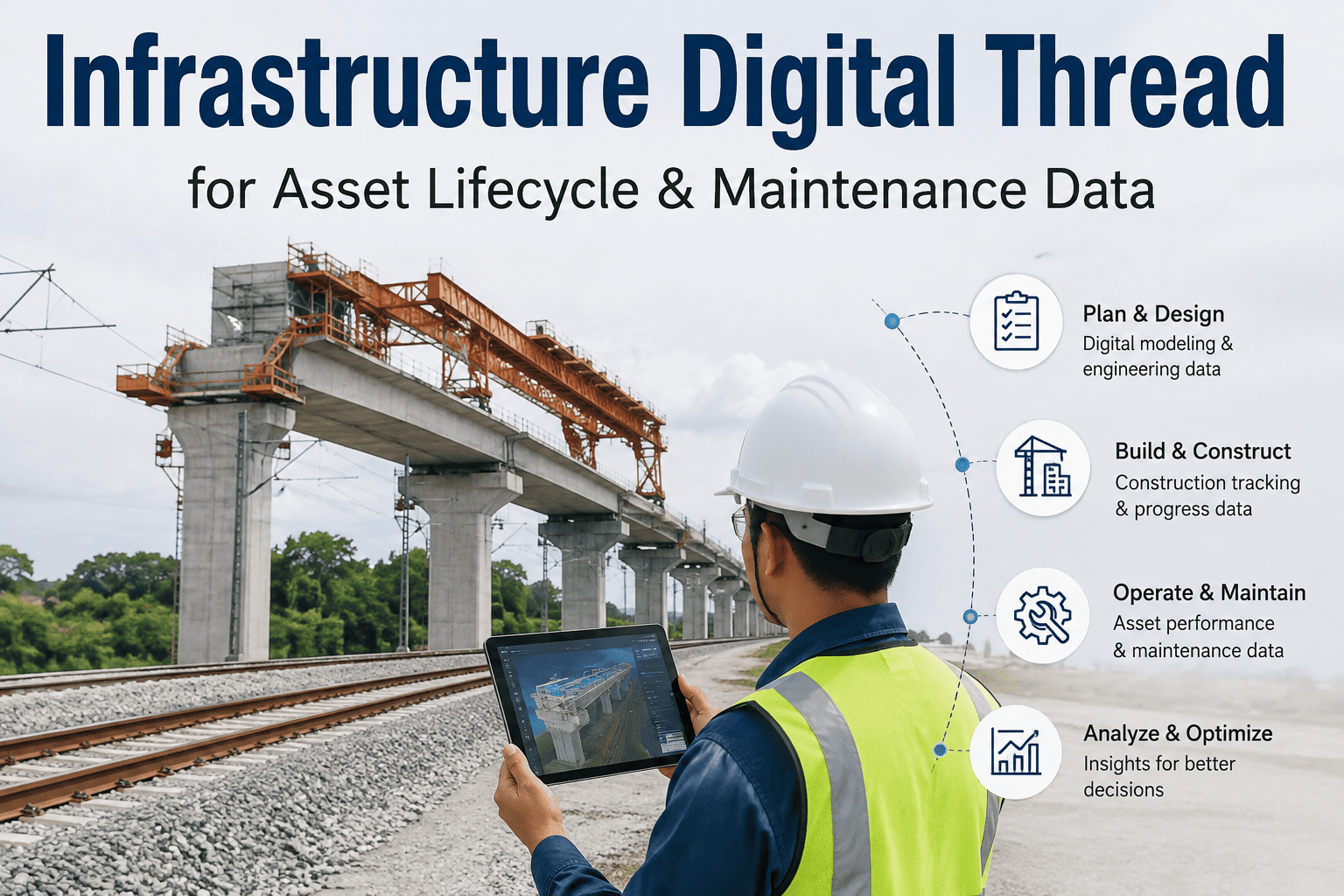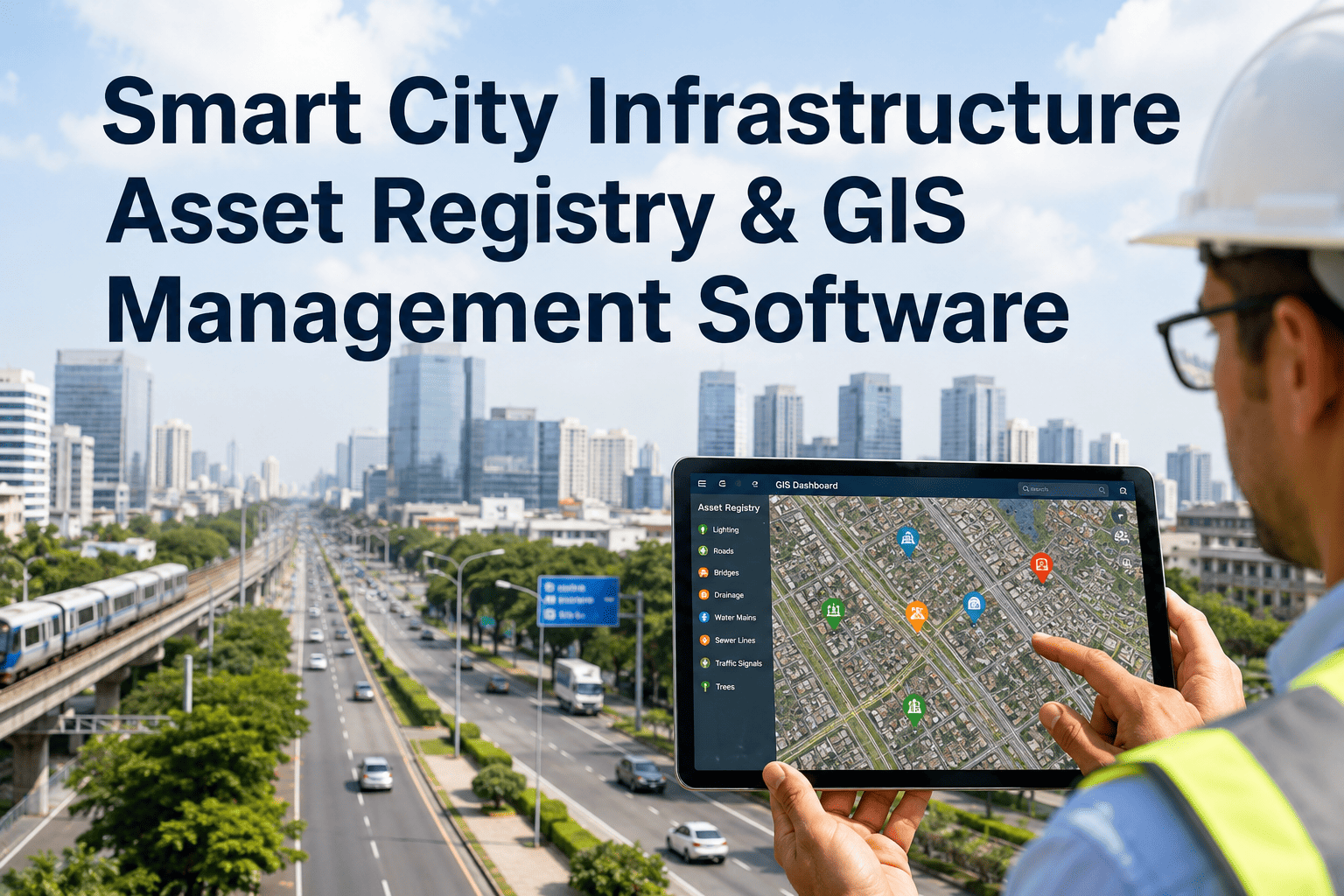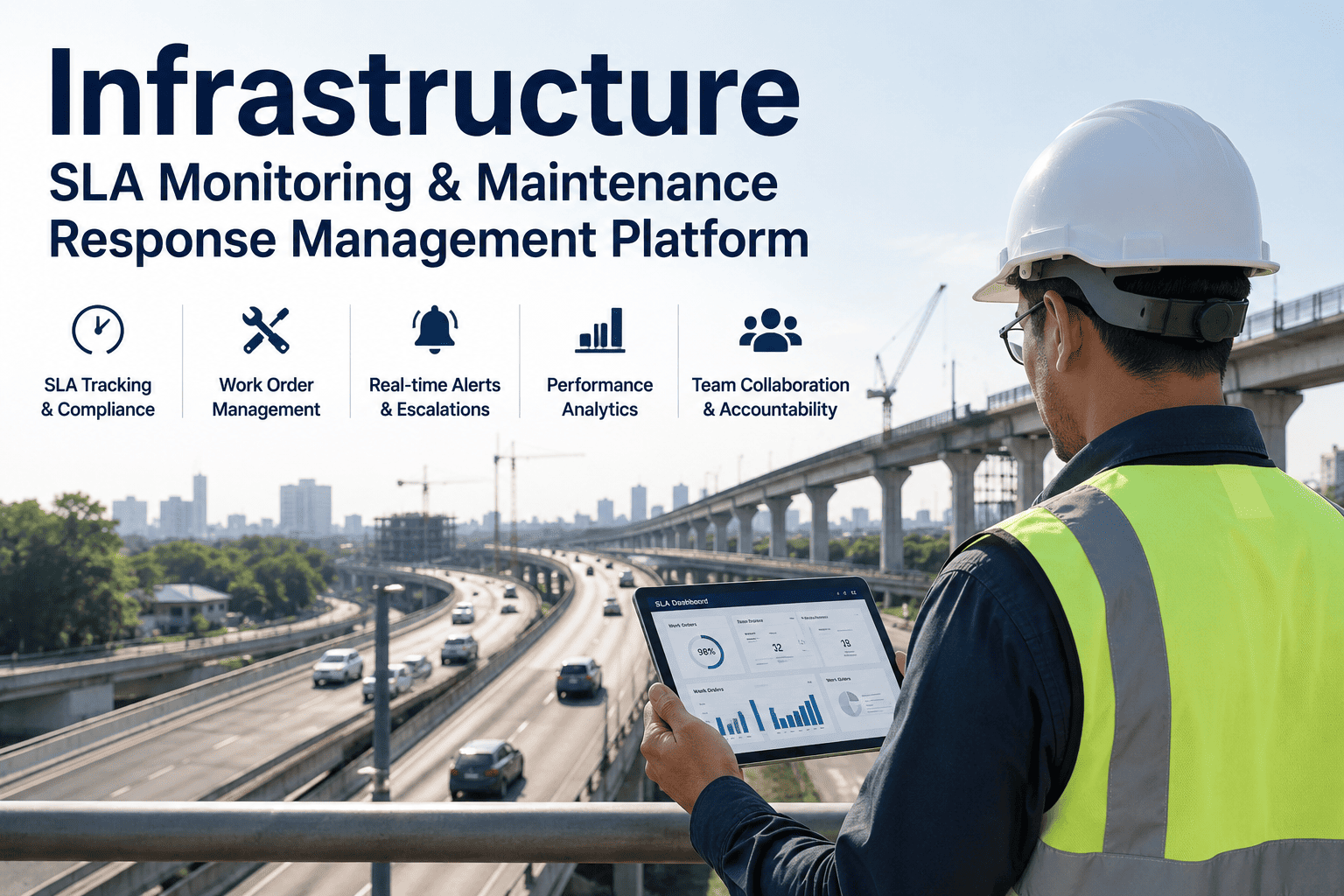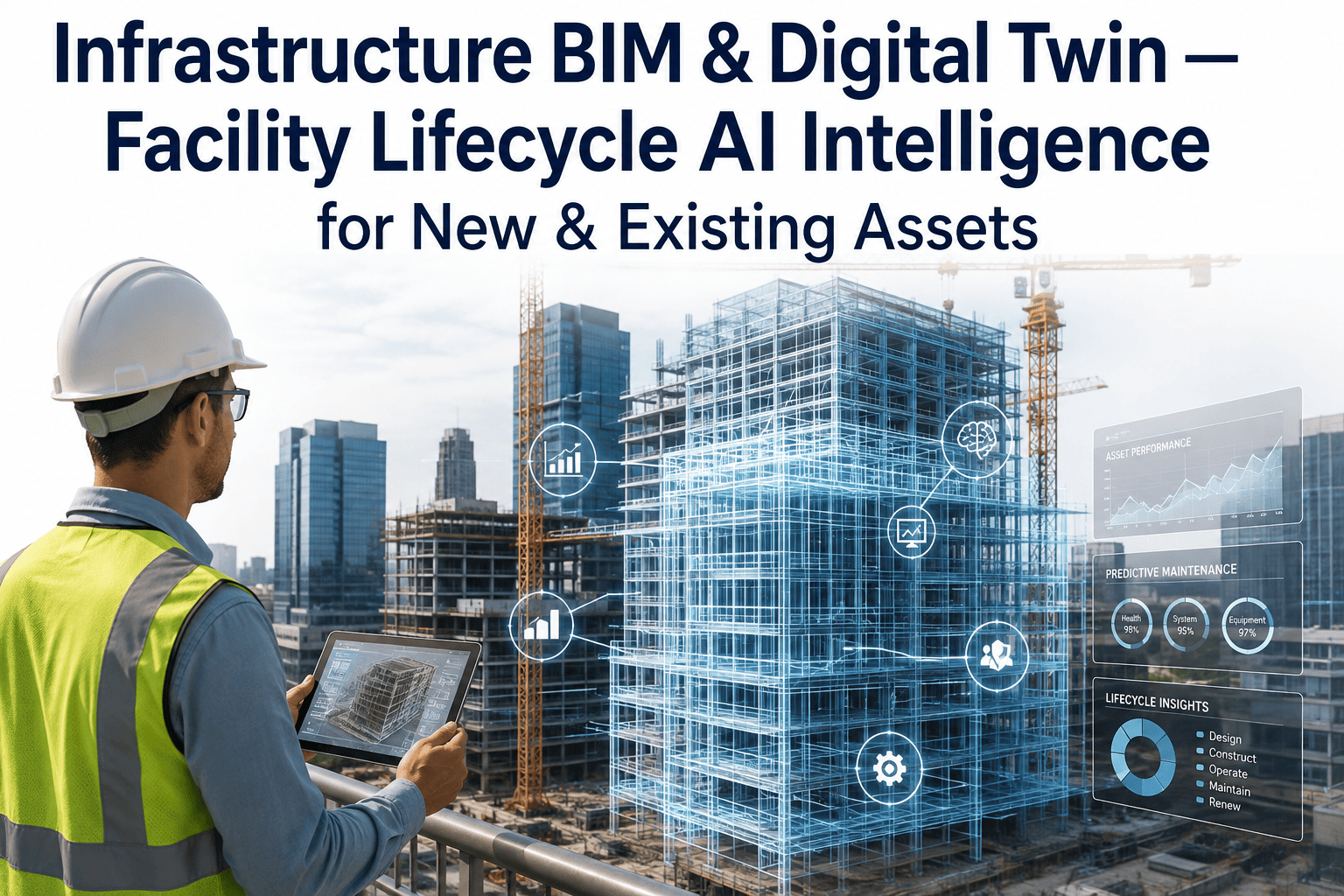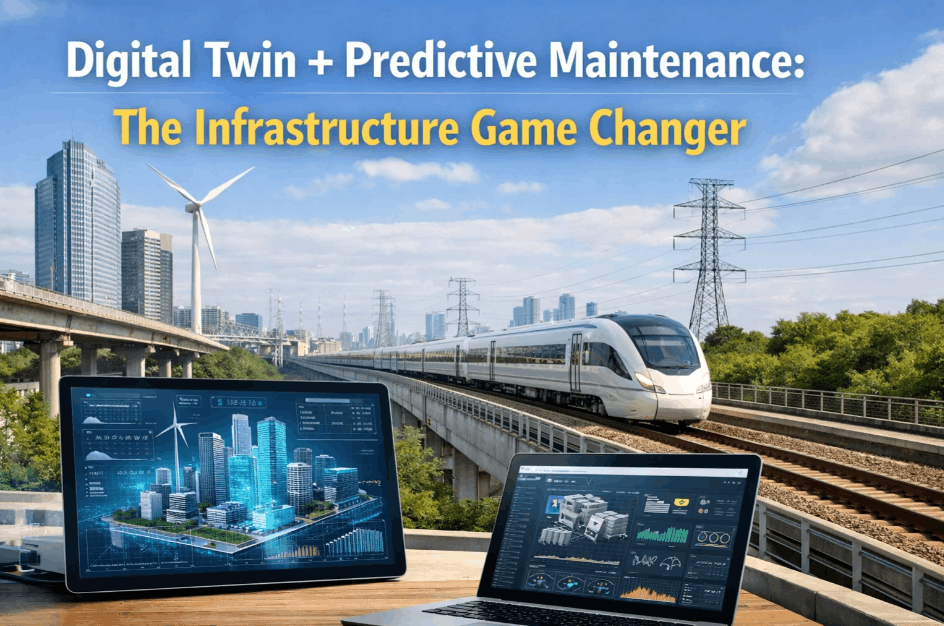
The convergence of digital twin predictive maintenance infrastructure models is creating a unprecedented paradigm shift in how high-value assets are managed over their multi-decade lifecycles. A static 3D model is no longer sufficient; modern infrastructure leaders are deploying dynamic, lived-in digital replicas that ingest real-time telemetry to simulate "Physics-of-Failure" scenarios before they manifest in reality. By combining high-fidelity digital twins with ai predictive maintenance engines, departments can achieve a measurable 30% reduction in OPEX through surgical intervention and precision lifecycle planning. Book a demo to see how iFactory's digital twin platform transforms raw data into a navigable, predictive environment.
Reduce Infrastructure OPEX by 30% with AI-Driven Digital Twins
iFactory’s intelligent maintenance system synchronizes your physical assets with a high-fidelity digital replica, enabling autonomous fault diagnosis and lifecycle simulation.
Why Static Infrastructure Models Are Failing Modern Asset Managers
Traditional Building Information Modeling (BIM) and static asset registries were designed for construction, not for the decades of operational maintenance that follow. Once an asset is commissioned—be it a municipal bridge, a power grid node, or a subterranean pipeline—it becomes a living organism affected by load, weather, and localized stressors. Infrastructure monitoring software that lacks a spatial "Digital Twin" context forces technicians to parse tables of raw data to find a fault. The core problem is the disconnect between "Where" and "Why." Digital twin maintenance closes this gap by overlaying real-time AI insights directly onto the 3D asset geometry, allowing engineers to visualize high-stress regions and impending failures before they ever leave the dispatch center. Book a demo to bridge your data-visualization gap.
What a Unified Digital Twin + AI Platform Delivers
iFactory's ai asset management platform treats the Digital Twin as the "Context Layer" and the Machine Learning engine as the "Intelligence Layer"—creating a self-optimizing feedback loop for your entire asset fleet.
Digital Twin Success: Engineering Scenarios
The synergy between digital twin infrastructure and AI is best observed in the field, where high-stakes decisions depend on real-time spatial context. Here is how iFactory supports these critical moments.
Scenario 1: Municipal Bridge Deflection
Digital twin combined vibration data with structural deflection sensors. AI identified a fatigue pattern that BIM had failed to predict. Technicians reinforced the specific strut identified in 3D, extending bridge life by 20 years.
Scenario 2: Smart City Utility Vault
A sub-surface transformer flagged an insulator warning. The Digital Twin showed the specific vault orientation, allowing the crew to arrive with the correct specialized lift tool, reducing repair time by 4 hours.
Scenario 3: Wastewater Pumping Station
Twin identified a 5% flow misalignment. AI suggested a VFD adjustment based on historical pump efficiency. Realized $12k in monthly power savings without a single physical visit to the site. Book a demo to audit your efficiency.
Scenario 4: High-Rise HVAC Lifecycle
AI queried the Twin for all motors with >85k hours. Cross-referenced current efficiency and forecasted replacement vs. repair cost, delivering a 5-year capital plan with 100% data traceability.
Static Models vs. AI-Driven Digital Twins
For infrastructure leaders evaluating predictive maintenance software, this comparison highlights the operational performance gap between traditional BIM and iFactory's active Digital Twin platform.
| Capability | Legacy BIM / 3D Models | Standard PdM Sensor Dashboards | iFactory AI Digital Twin |
|---|---|---|---|
| Data Nature | Static / Construction-focused | Raw Telemetry / Table-based | Lived-in / Intelligence-based |
| Diagnostic Context | None — purely geometry | Text-based alarms | Spatially mapped AI insights |
| Forecasting Ability | None | Trend extrapolation | High-accuracy RUL Simulation |
| Field Readiness | Requires laptop/desktop | Basic mobile alerts | AR-enabled mobile Spatial UI |
| OPEX Impact | Minimal impact on maintenance | 10–15% Reduction | Confirmed 30%+ OPEX Savings |
How iFactory Builds the Contextual Digital Twin
Creating a high-value digital twin infrastructure deployment requires more than 3D scanning. iFactory’s architecture layers data, physics, and intelligence into a single, unified oversight engine.
Spatial Data Ingestion
Connects to your existing BIM, CAD, and GIS models. For areas lacking 3D data, we ingest LiDAR scans and photogrammetry to create the geometry baseline without production halts.
Real-time Telemetry Binding
Every physical sensor (vibration, thermal, etc.) is "bound" to its exact location in the digital environment. This turns a raw data stream into a spatially aware integrity node.
Physics-of-Failure ML Fine-Tuning
iFactory applies material-science-grade ML models to the twin. The AI understands the structural physics of your specific asset materials, from specialized steel alloys to composite resins.
Predictive Feedback Orchestration
The twin orchestrates proactive maintenance by auto-grouping work orders based on geography—ensuring crews maintain multiple "red flagged" assets in a single mobilization. Book a Demo.
The Phased Path to a Unified AI-Twin Ecosystem
Deploying predictive maintenance software tied to a digital twin is a surgical process designed for zero downtime during initial onboarding and integration phases.
Geometry Asset Audit & Mapping
iFactory audits existing BIM/GIS data and GIS coordinates. We establish the 3D "Context Layer" and map the hierarchy of all critical equipment within the digital environment.
Sensor Binding & Data Normalization
Live telemetry from PLC/SCADA and new IoT nodes is bound to specific 3D geometries. The Digital Twin begins displaying live heatmaps of operational health.
Simulation Model Calibration
Machine learning models begin running "Physics-of-Failure" simulations on the twin. We calibrate RUL accuracy against historical fault logs and optimize predictive alert thresholds.
Fully Integrated Autonomous Oversight
Dynamic dispatch, auto-work order generation, and "What-If" capital planning scenarios go live permanently. Continuous learning improves twin accuracy quarter-over-quarter.
AI Digital Twins for Infrastructure: Frequently Asked Questions
Your Infrastructure Needs a Brain, Not Just a Registry.
iFactory's digital twin predictive maintenance infrastructure platform combines high-fidelity spatial context with world-class AI intelligence to reduce OPEX by 30% and eliminate unplanned downtime.