Every 72 hours, a U.S. hospital loses an average of $98,000 to unplanned equipment downtime — and most C-Suite executives don't see it until it's already a financial hemorrhage on the balance sheet. The question is not whether your MRI, HVAC, and critical systems will fail. The question is whether you will know before they do.
Is Reactive Maintenance Silently Draining Your Operating Budget?
iFactory's AI Predictive Analytics platform converts equipment failure risk into financial certainty — protecting revenue, staff, and patient outcomes at scale.
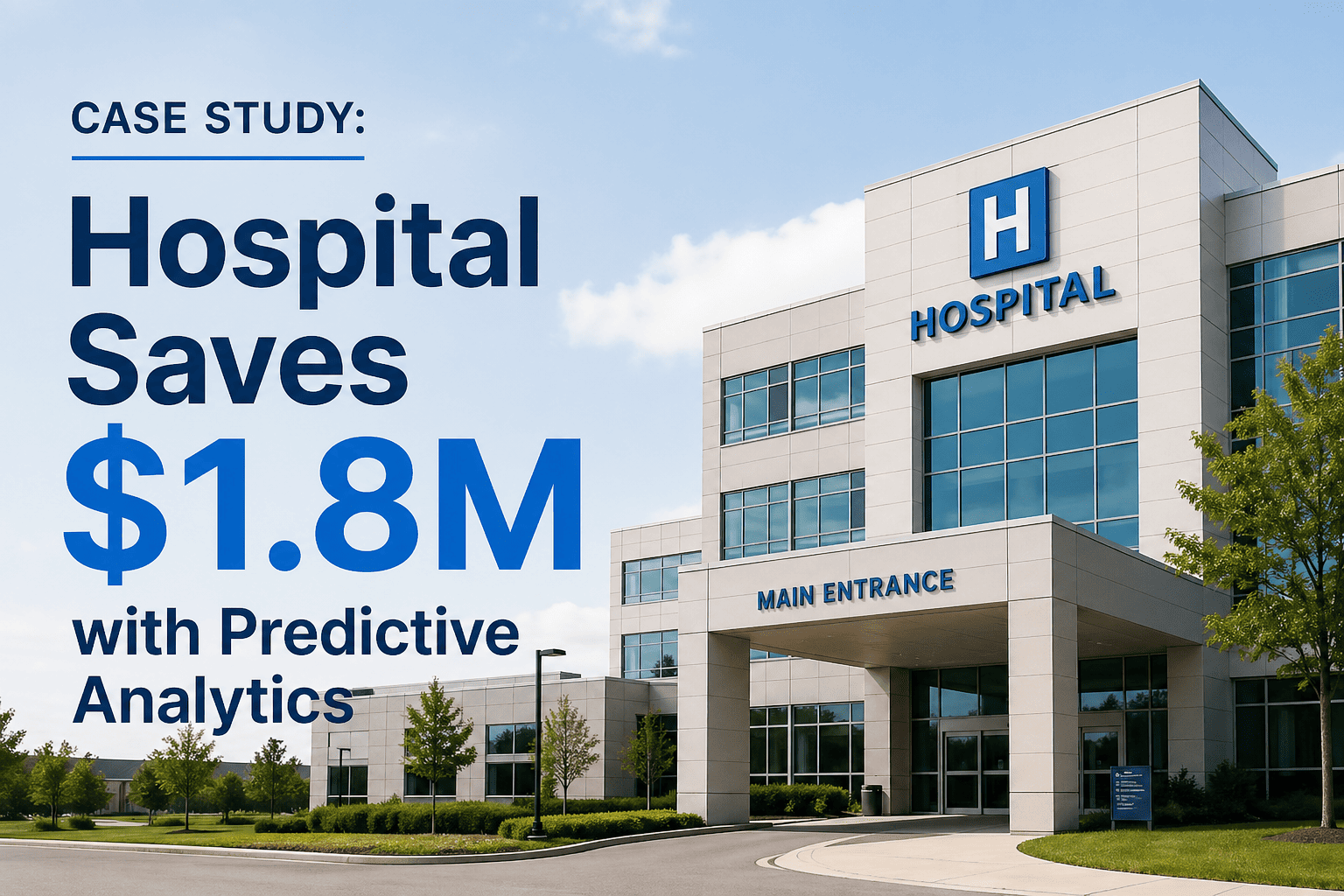
A 500-Bed Hospital Recovered $1.8M in Year One. Here Is How.
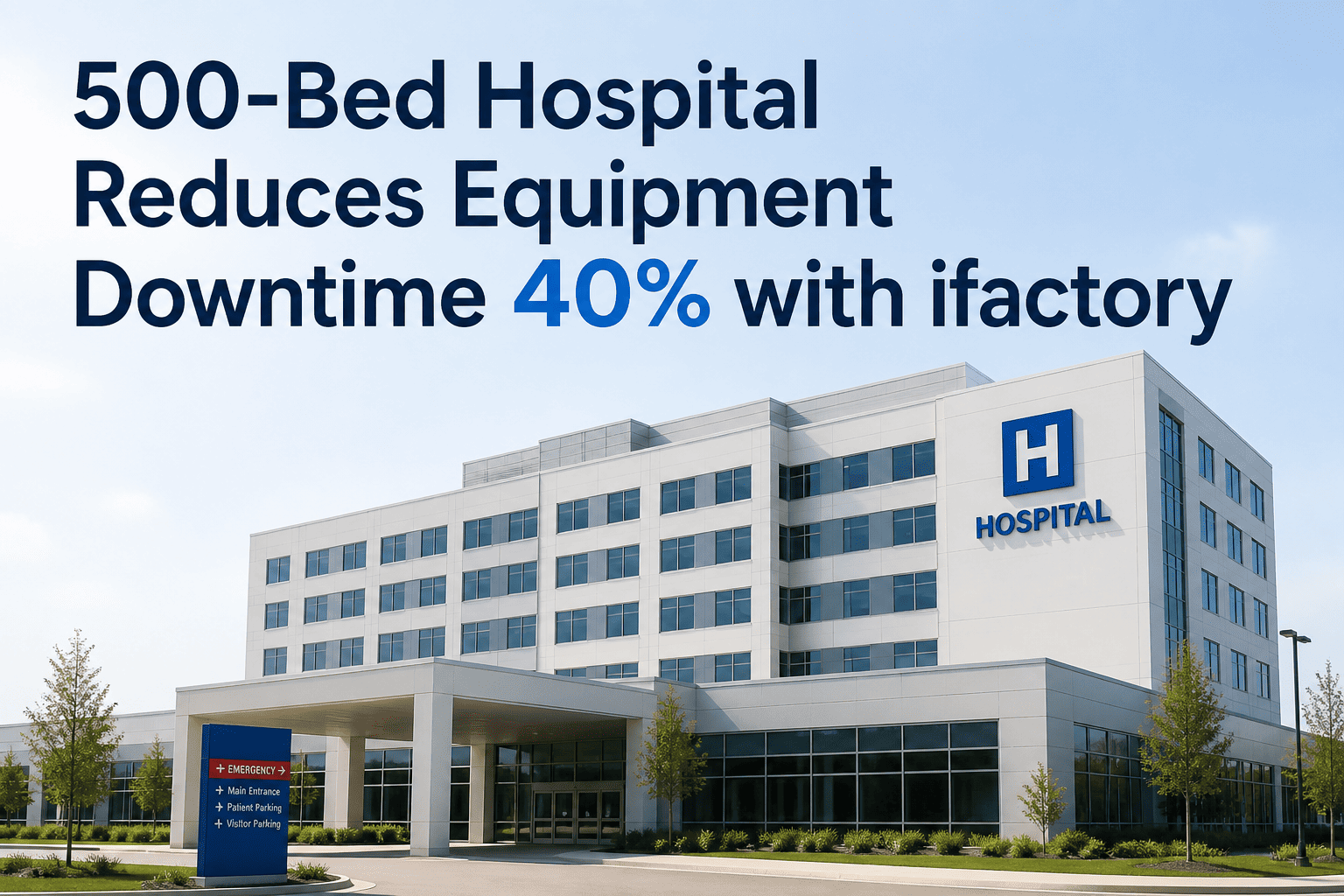
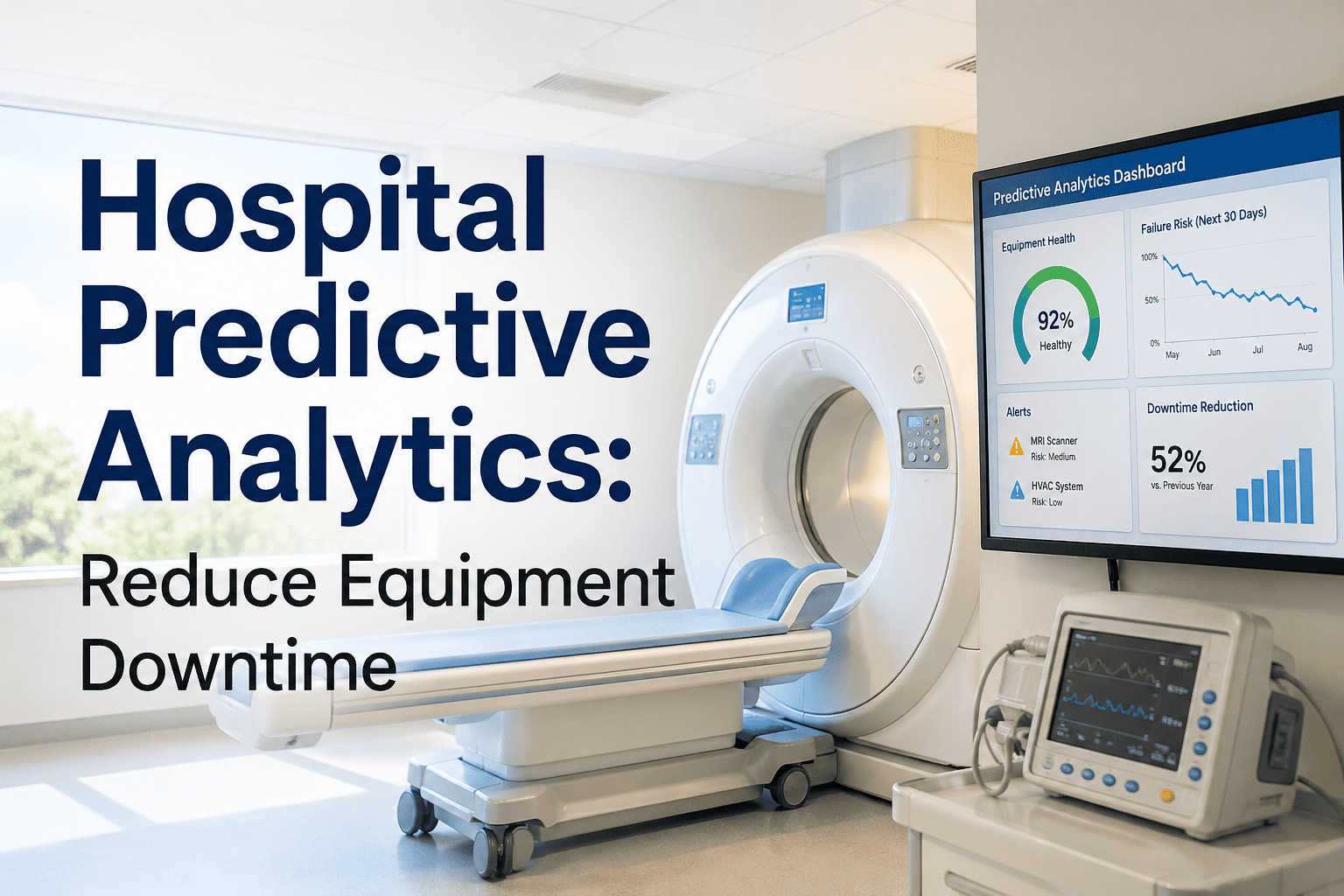
A regional health system operating 500 beds faced a recurring crisis: unplanned MRI downtime averaging 14 hours per incident, HVAC failures triggering OR rescheduling, and a biomedical team stretched beyond sustainable capacity. After deploying iFactory's Predictive Analytics layer across 340 monitored assets, the outcome was not incremental improvement — it was a structural shift in operational risk. Inspection efficiency increased by 95%, critical failure events dropped by 73%, and the CFO closed the fiscal year with $1.8M in avoided capital replacement costs. This is not a technology story. It is a financial governance story.
Legacy Friction vs. iFactory Optimized Excellence
The financial gap between reactive maintenance and predictive intelligence compounds every quarter. The table below reflects the documented operational delta experienced by health systems that transition from schedule-based maintenance programs to iFactory's AI-driven continuous monitoring architecture.
| Operational Dimension | Legacy Friction State | iFactory Optimized Excellence | Financial Impact |
|---|---|---|---|
| MRI & Imaging Uptime | Reactive repair after failure | AI failure prediction 14+ days ahead | +$420K/yr avoided |
| HVAC & Facility Systems | Quarterly manual inspections | Continuous sensor-driven anomaly alerts | +$210K/yr avoided |
| Biomedical Team Capacity | 60% time in emergency response | 85% time in planned preventive work | +$180K labor reallocation |
| Regulatory Compliance | Manual logs, audit risk exposure | Immutable digital audit trail, auto-generated | Risk eliminated |
| Capital Planning Accuracy | Static depreciation schedules | AI-driven replacement forecasting | +$390K CapEx precision |
| Patient Safety Incidents | Failure-triggered safety events | Zero-tolerance predictive prevention | Liability shielded |
| OR Scheduling Integrity | 15% cancellation rate, equipment faults | Sub-2% cancellation rate, monitored fleet | +$600K revenue protected |
Three Forces That Are Costing You Revenue Right Now
Healthcare VPs consistently identify three compounding operational stressors that iFactory's intelligence layer is engineered to neutralize simultaneously. Each represents not just a clinical challenge, but a direct threat to operating margin and institutional reputation.
Staff Burnout & Retention Risk
Biomedical and facilities teams operating in a perpetual reactive crisis cycle show 3.2× higher burnout scores than peers in predictive environments. iFactory's automated work order generation and prioritized maintenance queues eliminate the cognitive overload that drives your most experienced technicians to leave — replacing emergency chaos with structured, manageable workflows that restore professional dignity and operational control.
Patient Throughput Degradation
Every unplanned imaging outage ripples across 48 to 72 hours of rescheduled appointments, delayed diagnoses, and downstream revenue loss. A single MRI failure event at a 500-bed facility costs an average of $34,000 in direct and indirect revenue impact. iFactory's 14-day failure prediction window transforms these events into planned maintenance windows — preserving patient flow, physician confidence, and daily revenue targets without operational disruption.
Regulatory & Accreditation Exposure
Joint Commission and CMS surveyors are increasingly scrutinizing preventive maintenance compliance documentation. Manual log systems create gaps, inconsistencies, and defensibility failures that expose leadership to citation risk and potential accreditation challenges. iFactory's immutable digital audit trail — automatically generated at every inspection event — provides surveyors with irrefutable evidence of a rigorous, AI-governed maintenance program that meets and exceeds the highest federal compliance standards.
Your Operational Gap Is Measurable. Let Us Show You the Number.
In a 30-minute executive briefing, our healthcare operations architects will map your current maintenance program against iFactory's intelligence baseline and deliver a precise, facility-specific revenue recovery projection — at no cost and no obligation.
Questions Healthcare Leaders Ask Before Committing
How quickly can we expect to see measurable ROI after deployment?
Most health systems in our portfolio identify and prevent their first high-severity equipment event within 60 to 90 days of go-live. Full financial ROI, inclusive of avoided repair costs and labor reallocation, is typically documented within the first two fiscal quarters. Our Operational Gap Audit provides a facility-specific projection before you commit a single capital dollar.
Does this require a complete replacement of our existing CMMS infrastructure?
No. iFactory is architected as an intelligence overlay — not a rip-and-replace mandate. Our platform integrates with leading CMMS platforms including TMS, Accruent, and IBM Maximo via secure API, enriching your existing workflow with predictive AI without disrupting established processes or requiring staff retraining on new systems.
How does the platform address HIPAA and federal data sovereignty requirements?
All data is processed and stored within a HIPAA-compliant, sovereign cloud environment with AES-256 encryption at rest and in transit. Our architecture produces an immutable audit log for every automated and manual maintenance action — providing surveyors and legal teams with a defensible, timestamped record that satisfies Joint Commission, CMS, and The Joint Commission International documentation standards.
What is the implementation timeline for a 500-bed facility?
A standard enterprise deployment across a 500-bed asset portfolio is completed within 8 to 12 weeks, inclusive of sensor integration, AI model baseline training, and staff orientation. A phased deployment approach — prioritizing highest-risk asset classes such as MRI and life-safety systems — allows your team to begin capturing ROI before the full platform rollout is finalized.
Every Quarter Without Predictive Intelligence Is a Quarter of Preventable Loss
Join the health systems that have converted operational risk into documented financial performance. Your 30-minute Strategic Workflow Audit begins here.