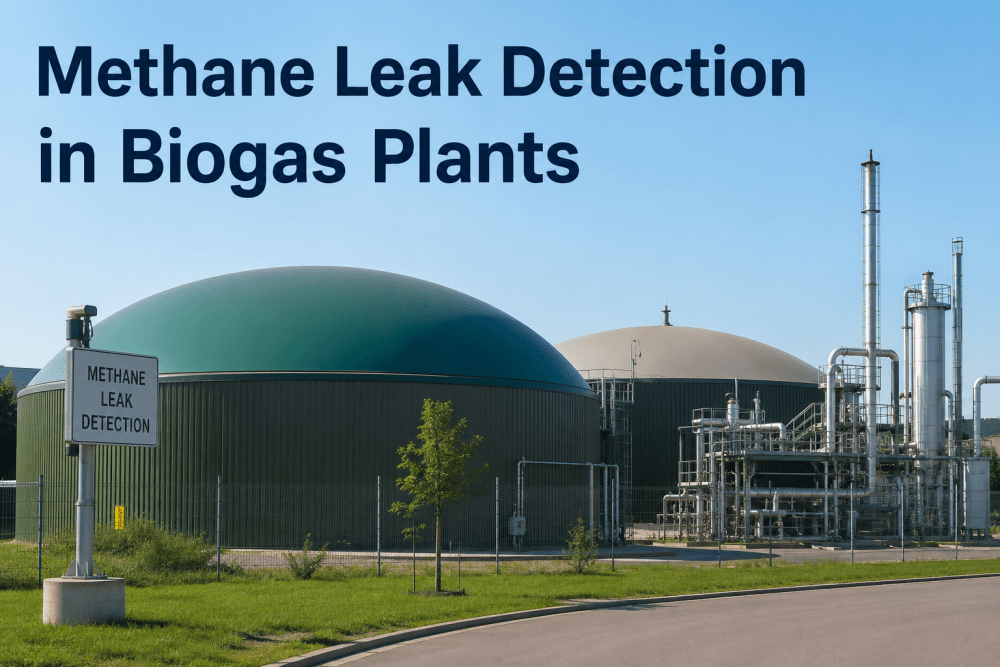
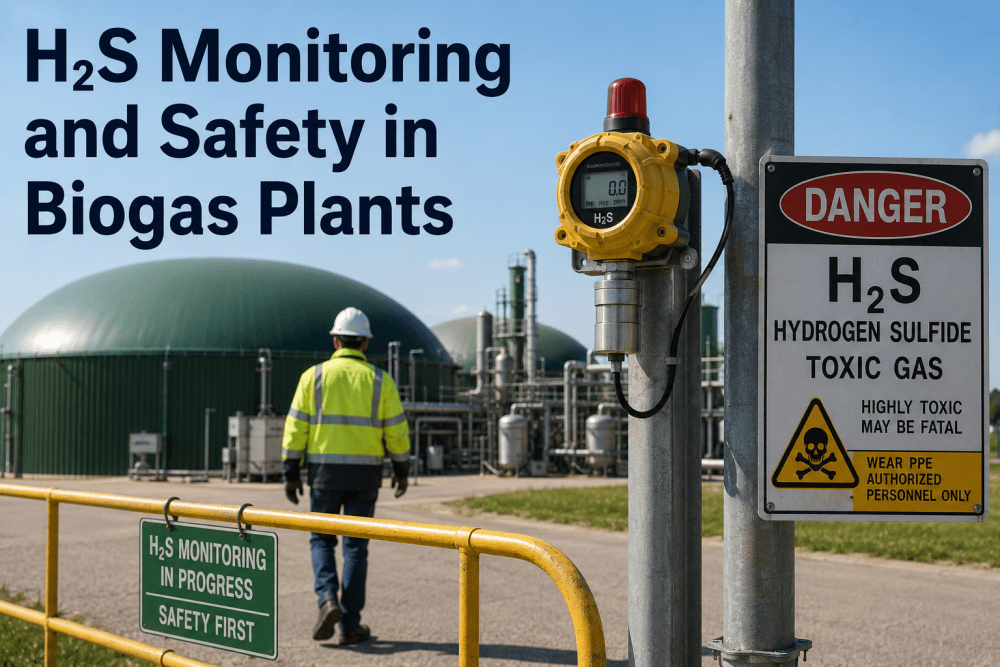
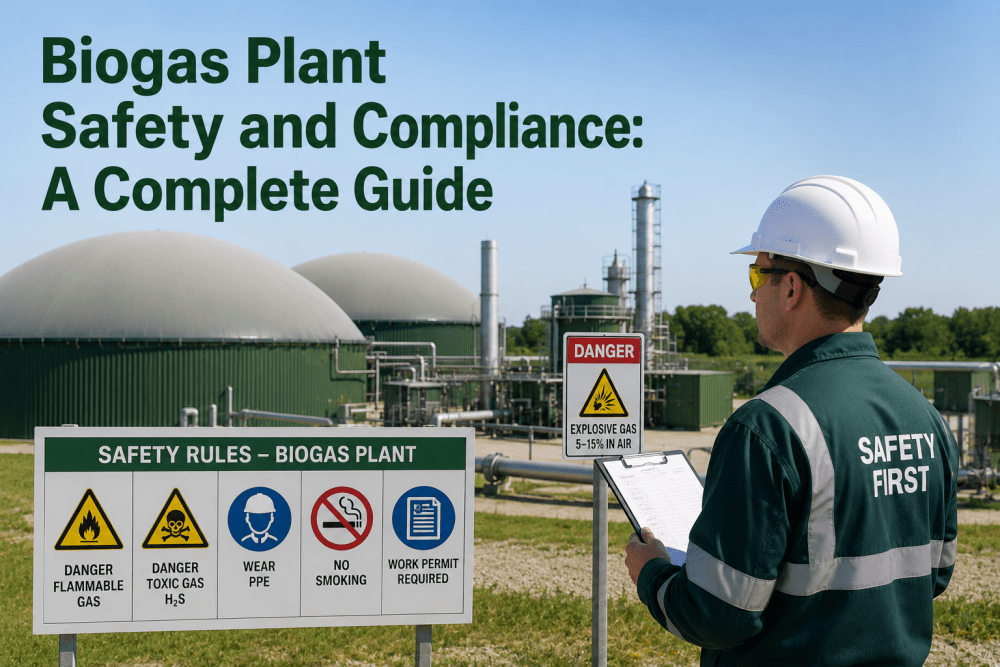
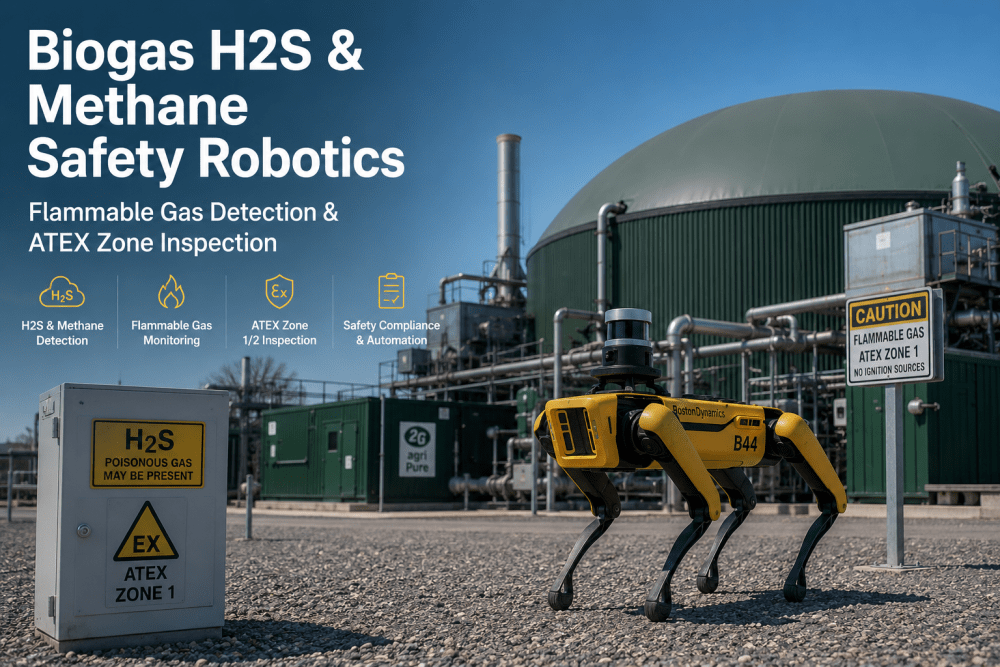
Between 1990 and 2023, researchers documented 75 significant biogas plant accidents worldwide — resulting in 51 fatalities and 76 injuries. Gas explosions accounted for 69.3% of all incidents. Toxic gas releases caused another 21.3%. In Asia alone, 163 biogas accidents produced 321 deaths. The number of accidents is growing faster than the number of biogas plants being built. These are not abstract statistics — they represent preventable failures in plant design, safety systems, and operational procedures. Every one of these incidents traces back to known hazards with known solutions: methane leak detection, H2S monitoring, ATEX-compliant equipment, confined space protocols, and emergency response planning. This guide provides a comprehensive safety compliance checklist covering every critical hazard — from explosion prevention to toxic gas management — designed for plant operators, EHS managers, and project developers building or operating biogas facilities. iFactory integrates safety-by-design into every greenfield biogas plant we consult on — book a 30-minute consultation to build safety into your plant before it is built.
Safety & Compliance Guide
Biogas Plant Safety:
The Complete Checklist
Explosion Prevention, H2S Monitoring, Regulatory Compliance & Risk Management for Anaerobic Digestion Facilities
Book a Free Consultation
69.3%
Of Biogas Accidents Are Gas Explosions
51
Fatalities from 75 Documented Global Incidents (1990–2023)
21.3%
Of Incidents Caused by Toxic Gas Releases
321
Deaths from Biogas Accidents in Asia Alone (1958–2023)
The 5 Critical Hazard Categories in Biogas Plants
Every biogas plant — regardless of size, feedstock, or geography — faces five categories of hazards. Understanding these hazards is the foundation of every safety management system, ATEX assessment, and emergency response plan.
Explosion & Fire
69.3% of all incidents
Methane (CH4) is explosive between 5–15% concentration in air. Biogas typically contains 50–75% methane. Any leak into an area with an ignition source — electrical equipment, static discharge, hot work — creates explosion risk. Ignition temperature: 595°C for methane, 700°C for biogas.
Toxic Gas Exposure
21.3% of all incidents
Hydrogen sulfide (H2S) is colorless and heavier than air. At 50 ppm it causes serious injury; at 100 ppm it is immediately dangerous to life (IDLH). Above 200 ppm, the sense of smell is deadened — victims cannot detect the gas. At 700+ ppm, respiratory arrest occurs within minutes.
Asphyxiation
4% of all incidents
CO2 and methane displace oxygen in confined spaces. Below 19.5% oxygen, asphyxiation symptoms begin. CO2 concentrations above 8% cause death. Digesters, covered lagoons, and enclosed pump rooms are high-risk confined spaces requiring continuous O2 monitoring.
Mechanical & Pressure
2.7% of all incidents
Overpressure from foam buildup, crust formation, or blocked pressure relief valves can cause tank rupture. Digestate flooding, high-pressure leaks, and rotating equipment (agitators, pumps) pose injury risk. Membrane failure on gas holders is a documented explosion trigger.
Biological & Pathogenic
Ongoing exposure risk
Feedstock from animal manure, sewage, and food waste contains Salmonella, Listeria, Clostridium, parasites, and viruses. Digestate spills and aerosol generation during loading create pathogen exposure risk for operators without proper PPE and hygiene protocols.
Gas Exposure Limits: The Numbers That Save Lives
Every biogas plant operator must know these threshold values. They are the regulatory boundaries between safe operation and potentially fatal exposure. Post these values in every control room, pump house, and confined space entry point.
Hydrogen Sulfide (H2S)
20 ppm
10 ppm (10-min ceiling)
100 ppm
Evacuate at 50 ppm; respiratory arrest at 700+ ppm
Carbon Monoxide (CO)
50 ppm
35 ppm
1,200 ppm
Headache at 200 ppm; life-threatening above 800 ppm
Ammonia (NH3)
50 ppm
25 ppm
300 ppm
Severe irritation at 100 ppm; pulmonary edema at 500+ ppm
Methane (CH4)
No PEL (asphyxiant)
O2 must stay above 19.5%
LEL 5% in air
Explosive range: 5–15% in air; alarm at 10% LEL
Carbon Dioxide (CO2)
5,000 ppm
5,000 ppm
40,000 ppm
Numbing effect at 4–5%; death above 8% concentration
The Compliance Checklist: 7 Safety Domains
This checklist covers the seven critical safety domains that every biogas plant must address — from initial design through daily operations. Use it as a baseline for site assessments, audit preparation, and greenfield plant planning.
ATEX/DSEAR hazardous area classification completed for all zones (Zone 0, 1, 2)
Explosion protection document maintained and updated annually
All electrical equipment in hazardous zones rated ATEX/IECEx compliant
Continuous methane detection at LEL thresholds (alarm at 10% LEL, shutdown at 25% LEL)
Hot work permit system enforced within 15m of any biogas source
Pressure relief valves rated for maximum biogas generation pressure
Anti-static grounding installed on all gas piping and storage vessels
Fixed multi-gas detectors installed at digesters, gas holders, engine rooms, and pump houses
Personal portable gas monitors (4-gas minimum: CH4, H2S, CO, O2) issued to all field personnel
Continuous H2S monitoring at feedstock reception, digester headspace, and upgrading equipment
Gas detection system connected to audible/visual alarms and automated ventilation
Calibration schedule maintained (monthly bump test, quarterly full calibration)
Gas density variation accounted for in detector placement (H2S sinks, CH4 varies with temperature)
All confined spaces identified, labeled, and access-controlled (permit-required)
Pre-entry atmosphere testing for O2, CH4, H2S, and CO (minimum 19.5% O2 required)
Continuous ventilation during entry with verified air exchange rates
Trained attendant stationed at entry point with rescue equipment at all times
Self-contained breathing apparatus (SCBA) available for rescue operations
Lockout/tagout (LOTO) procedures enforced on all energy-isolating devices before entry
Pressure relief devices sized and rated for worst-case biogas generation scenarios
Foam detection and management system installed (foam can block vents and cause overpressure)
Emergency flare system operational and regularly tested for fail-safe operation
Gas pipeline integrity testing schedule maintained (leak surveys quarterly minimum)
Condensate traps installed and drained regularly to prevent pipeline blockage
Freeze protection on outdoor gas lines and pressure relief valves in cold climates
Site-specific emergency response plan documented, distributed, and drilled quarterly
Fire detection and suppression systems installed in engine rooms, control rooms, and gas storage
Emergency shutdown (ESD) system tested and verified on documented schedule
Evacuation routes marked, lit, and clear of obstruction at all times
Local fire department briefed on site hazards, biogas composition, and access routes
Wind socks or direction indicators installed for toxic gas release orientation
All operators trained in biogas hazards, gas detection equipment use, and emergency procedures
PPE matrix defined for each work area (gas masks, face shields, chemical-resistant gloves, boots)
Confined space entry and rescue training completed annually for all qualified personnel
First aid stations equipped and staff trained in H2S and asphyxiation first response
Safety signage posted at all hazardous areas in local language with pictograms
Near-miss reporting system active and reviewed monthly by EHS management
ATEX Directive 1999/92/EC (EU) or DSEAR 2002 (UK) assessment current and documented
OSHA Process Safety Management (PSM) requirements met for applicable facilities
Environmental permits maintained (EPA, Environment Agency, or national equivalent)
COMAH / Seveso III assessment completed where applicable (major accident hazard sites)
BS EN 60079-10-1 hazardous area classification documented and reviewed annually
All incident investigations documented with root cause analysis and corrective actions tracked
Root Cause Analysis: Why Biogas Accidents Happen
The 2024 comprehensive study of 75 global biogas accidents identified a clear hierarchy of root causes. Addressing these causes through design-phase safety engineering eliminates the majority of accident risk before a plant ever becomes operational.
Primary Causes of Biogas Plant Accidents (Ranked by Frequency)
Component Failure
Most Common
Source: Hegazy et al., Safety Science (2024) — Analysis of 75 global biogas plant occurrences, 1990–2023
Safety by Design: Building It In, Not Bolting It On
The most effective safety interventions happen during the design phase of a greenfield biogas plant — when ATEX zoning, gas detection placement, ventilation system sizing, and emergency access routes can be engineered into the blueprint at a fraction of the cost of retrofitting. A digital twin simulation can test emergency scenarios, validate gas dispersion models, and verify ventilation adequacy before a single digester is installed.
ATEX Zoning in the Blueprint
Define Zone 0, 1, and 2 classifications during architectural design so that electrical systems, lighting, and instrumentation are specified ATEX-compliant from the start — not reclassified after installation.
Ventilation Engineering
Size forced and natural ventilation systems using biogas dispersion modeling. Account for gas density variations — methane can be lighter or heavier than air depending on temperature and CO2 content.
Gas Detection Architecture
Place fixed detectors based on simulated leak scenarios, not just regulatory minimums. Account for H2S pooling at floor level and methane behavior at varying temperatures. Connect all detectors to a centralized SCADA alarm system.
Emergency Access & Egress
Design multiple evacuation routes from every work area. Ensure rescue equipment staging areas have clear, unobstructed access to all confined spaces. Plan wind-direction-aware muster points for toxic gas releases.
Frequently Asked Questions
What is the most common cause of biogas plant accidents?
Gas explosions account for 69.3% of all documented biogas plant accidents, followed by toxic gas releases at 21.3%. The primary root causes are component failure and maintenance errors. The majority of these incidents are preventable through proper design-phase safety engineering, continuous gas monitoring, and rigorous maintenance protocols.
What are the explosive limits for biogas?
Methane, the primary combustible component of biogas, has a Lower Explosive Limit (LEL) of 5% and an Upper Explosive Limit (UEL) of 15% by volume in air. For a biogas mixture containing 60% methane and 40% CO2, the explosive range in air is approximately 8.5% to 20.7%. Industry best practice is to set alarms at 10% LEL and initiate automatic shutdown at 25% LEL.
What H2S concentration is dangerous in a biogas plant?
OSHA sets the permissible exposure limit for H2S at 20 ppm (8-hour TWA) with a ceiling of 50 ppm. NIOSH recommends a more conservative 10 ppm ceiling. At 100 ppm, H2S is immediately dangerous to life or health (IDLH). Critically, above 200 ppm the human sense of smell is paralyzed — making H2S undetectable without instruments. Electronic detection is mandatory, not optional.
How does iFactory integrate safety into biogas plant design?
iFactory uses digital twin simulation to model gas dispersion, ventilation performance, ATEX zone boundaries, and emergency scenarios during the design phase — before construction begins. This safety-by-design approach catches hazardous configurations, validates detector placement, and verifies emergency egress routes virtually, at a fraction of the cost of post-construction retrofit. Every plant we consult on leaves the design phase with a validated safety architecture.
Build Safety Into the Blueprint. Not Into the Incident Report.
iFactory delivers safety-by-design consulting for greenfield biogas plants — from ATEX zoning and gas detection architecture to digital twin safety simulation and compliance documentation. Every hazard identified. Every scenario tested. Every life protected.