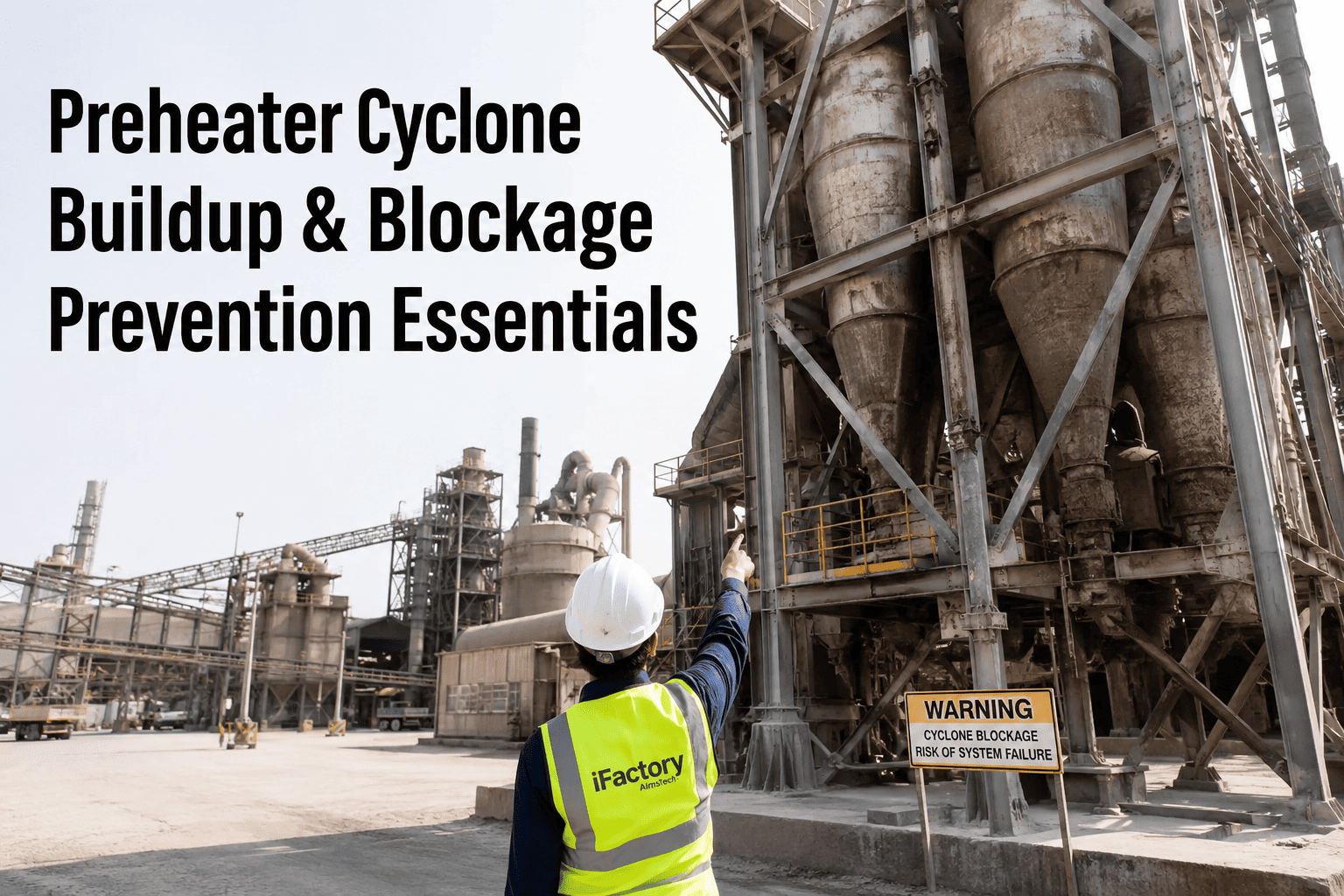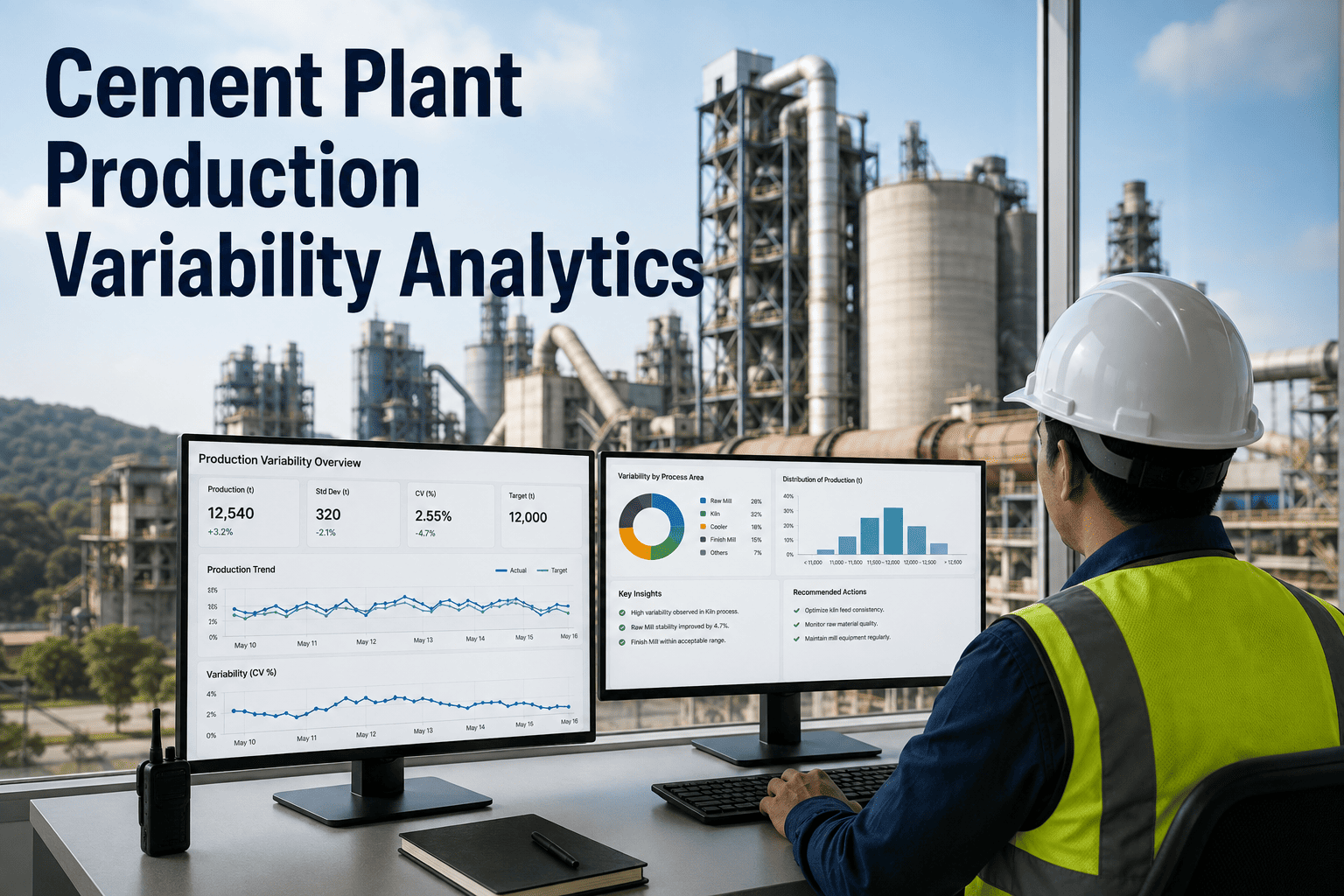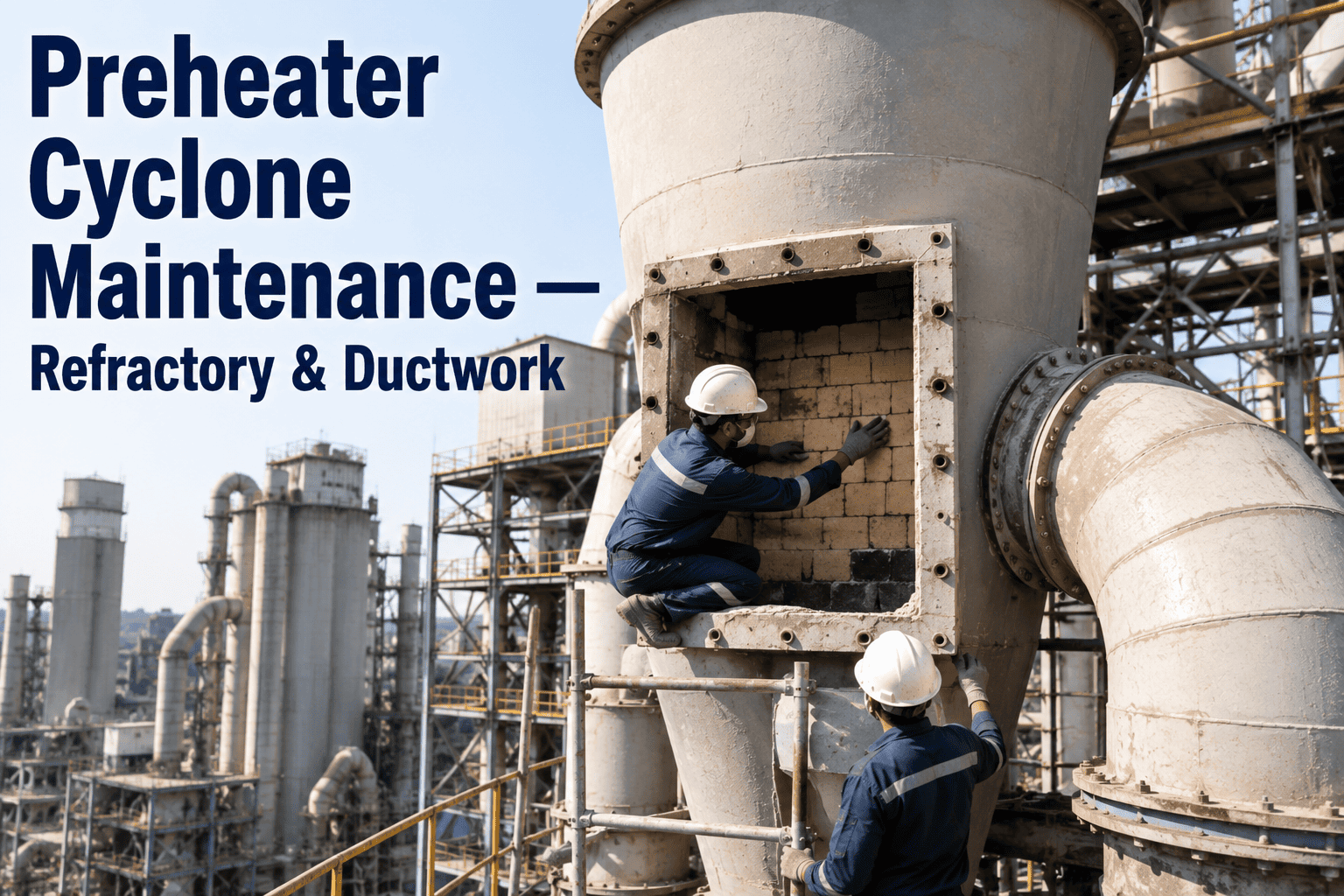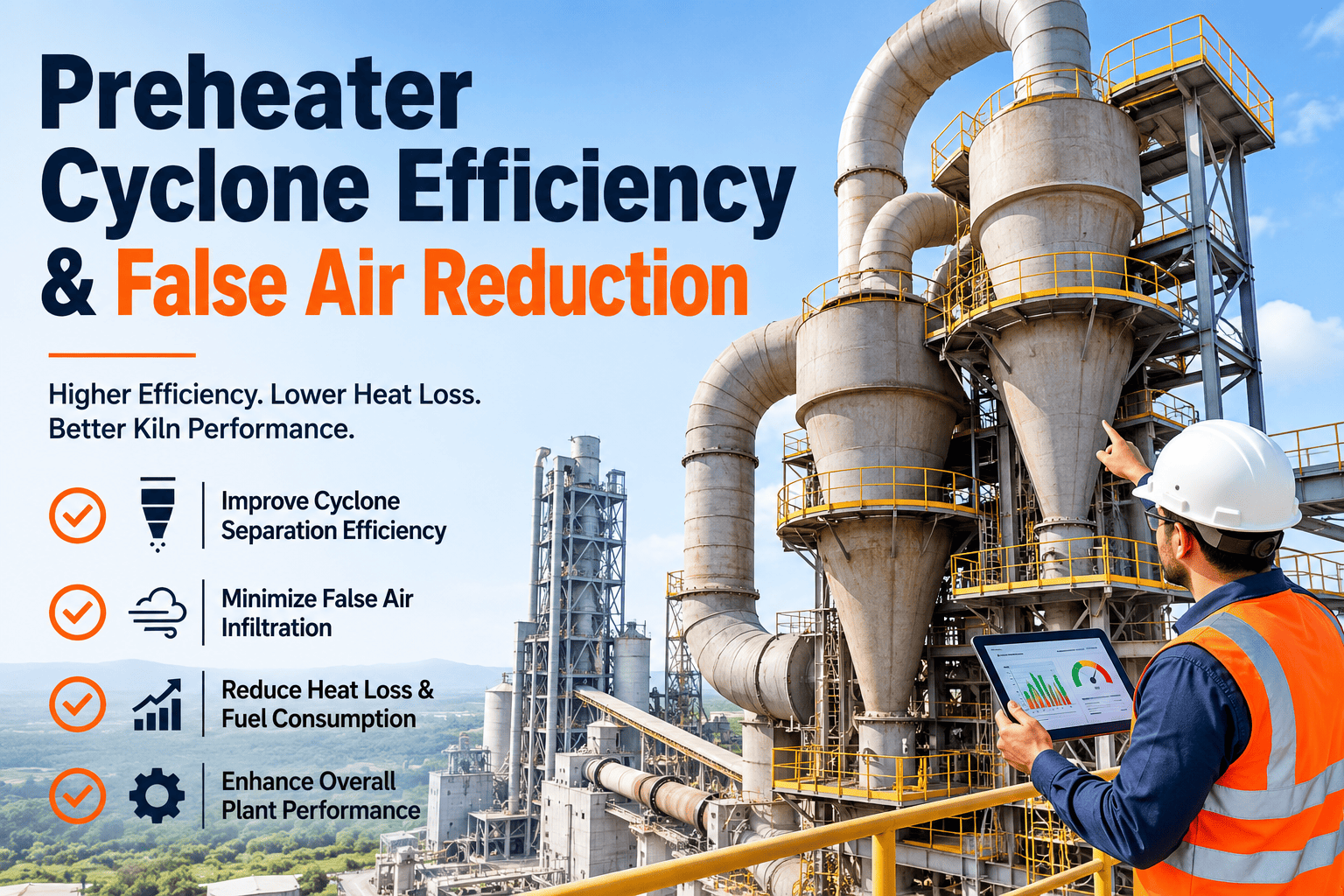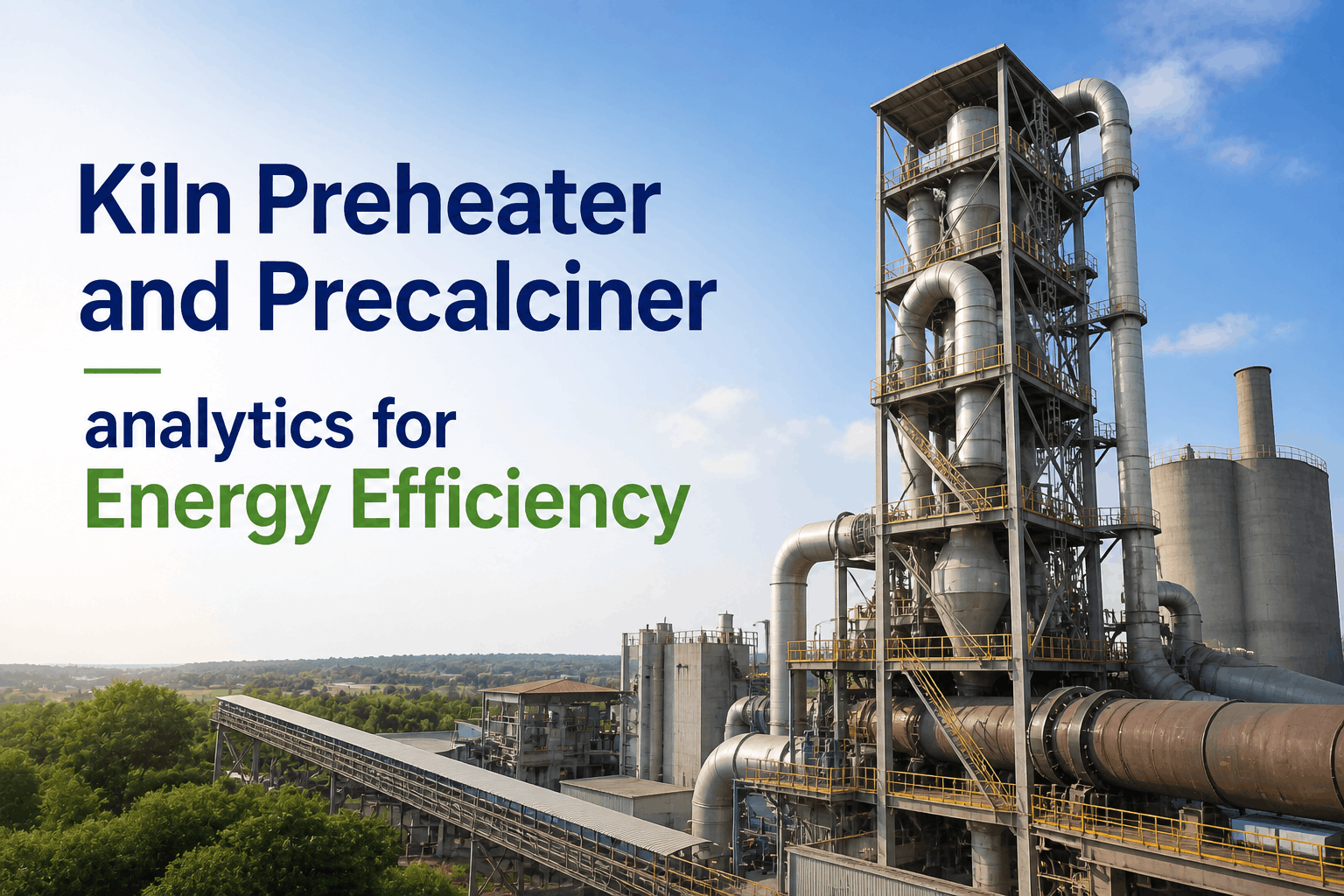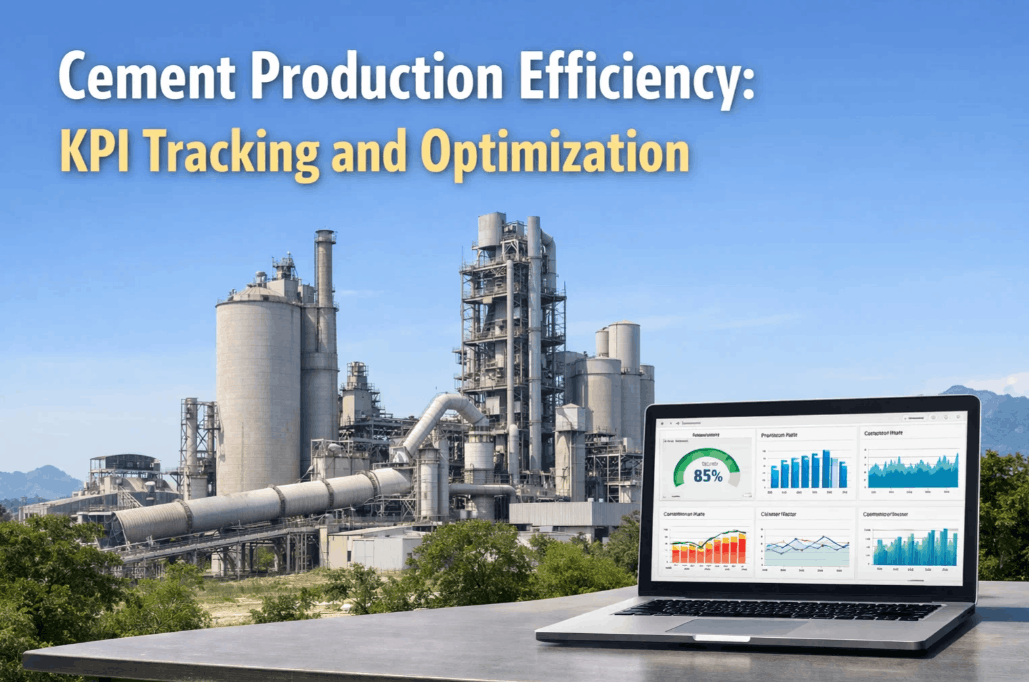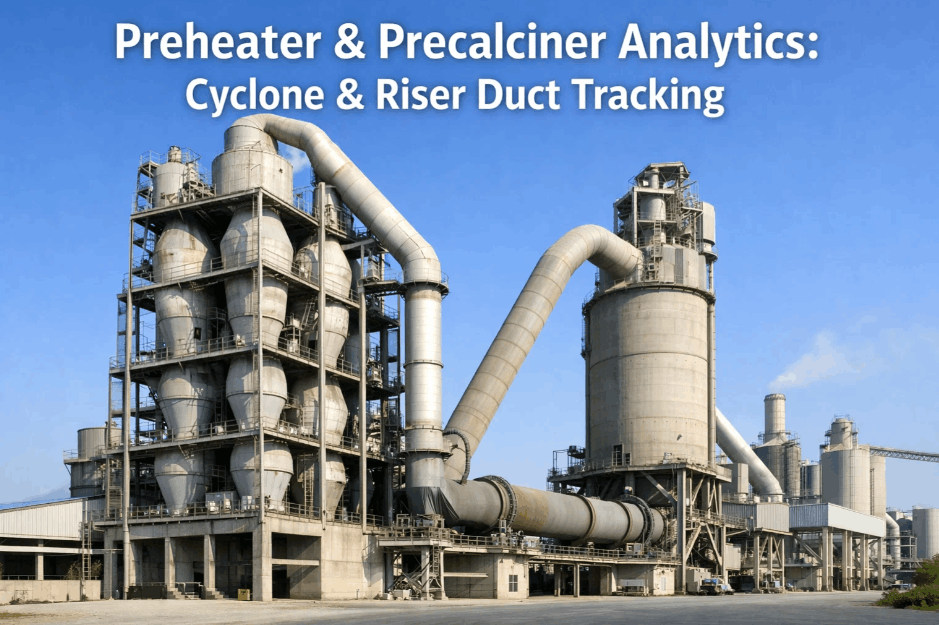
For regional cement plant operators, preheater tower performance is the heartbeat of kiln stability. When a leading South Asian cement producer faced recurring riser duct blockages and catastrophic cyclone "sandman" events, they transitioned from reactive poking to iFactory’s AI-driven Preheater analytics. By integrating real-time pressure delta (Delta-P) analytics with acoustic coating sensors, the plant reliability team now identifies buildup 72 hours before a blockage occurs. This digital transformation has eliminated dangerous manual poke-hole inspections and ensured a continuous, uniform raw meal flow into the kiln. Within 12 months, the platform yielded a verified 90% reduction in preheater-related kiln stops and saved $840,000 in recovered production capacity.
Predictive Preheater analytics Eliminates 90% of Blockage Events
Real-time riser duct buildup monitoring, automated cyclone inspection scheduling, and AI-driven air cannon optimization across 4 tower systems.
The Danger and Cost of Unseen Buildup
Preheater blockages are more than operational hazards—they are profitability killers. Traditional monitoring relies on coarse temperature sensors that only flag a problem once a cyclone has already choked. By the time an alarm sounds, manual poking becomes necessary, exposing technicians to high-heat risks and causing thermal shocks to the kiln. Audit your preheater inspection safety today.
Sudden massive coating detachments causing kiln trips and cooler upsets.
Gradual buildup in riser ducts increasing ID fan power consumption by up to 12%.
Technicians performing dangerous manual cleaning in high-temperature "red zones".
Inconsistent precalcining causing unstable kiln operation and clinker quality variance.
The Three Vectors of Preheater Optimization
Achieving zero-blockage operations requires moving from "waiting for alarm" to "predicting the trend". iFactory layers AI over your existing instrumentation to visualize the invisible.
| Pressure Fingerprinting Delta-P Analytics |
Coating Profiling Acoustic AI Models |
Autonomous Cleaning Air Cannon Control |
|
|---|---|---|---|
| Phase 1: Baseline Weeks 1-3 |
SCADA Sync
Consolidating all tower pressure and temperature transmitters
into the central iFactory cloud.
|
"Clean State" Map
Learning the acoustic and thermal signatures of the system
immediately after a shutdown.
|
Cannon Audit
Deduplicating air cannon maintenance logs and verifying sequence
firing patterns.
|
| Phase 2: Detect Weeks 4-10 |
Buildup Forecasting
Converting minute-by-minute pressure shifts into a "Percentage
Restriction" metric for riser ducts.
|
Anomaly Alerting
AI identifies the early-stage "whistle" of riser duct coatings
before they harden.
|
Condition-Based Blast
Transitioning air cannons from timer-based firing to
condition-based firing.
|
| Phase 3: Perfect Month 3+ |
Blockage Immunity
kiln feed stability increases as surprise blockages are
eliminated from the annual schedule.
|
Chemistry Correlation
Correlating raw meal alkali/sulfur ratios to specific coating
growth velocities.
|
Energy Recovery
Reducing ID fan suction power by maintaining consistently clean
internal tower channels.
|
Unlocking the Capacity Hiding in Your Tower
Eliminating preheater blockages isn't just a safety win; it’s a production multiplier. Stabilizing tower flow leads to immediate clinker quality gains. Discuss predictive cleaning ROI with our team.
Virtual Riser Inspections
By correlating pressure delta, temperature, and fan speed, iFactory creates a 3D visualization of riser duct restriction. Reliability teams can "see" buildup depth without opening a single inspection hatch.
Acoustic Blockage Prevention
High-frequency acoustic sensors mounted on cyclone walls detect the changing resonance as material begins to bridge. The AI triggers localized air cannons precisely where the bridge is forming, not where the timer was set.
Safety Compliance Dashboard
Shift the burden of safety monitoring. iFactory logs all air cannon firings and restriction levels, providing a validated safety trail that ensures no technician enters the preheater tower during high-risk coating-fall periods.
Tracking the $840K Operational Recovery
The verified results capture the recovered throughput across the tower portfolio, focusing on reduced unplanned downtime and energy efficiency.
What the Pyro-Processing Director Said
The preheater tower used to be a 'black box' until a blockage actually happened. iFactory gave us the eyes to see coating buildup as it was forming in the riser duct. The predictive air-cannon sequencing alone has recovered 15 tons of daily production that we used to lose to kiln feed fluctuations. Our technicians no longer dread the preheater tower rounds because the AI tells them exactly where to look, rather than forcing them to poke every port blindly.
Preheater tower analytics FAQs
Can the software integrate with legacy air-cannon PLC logic?
Yes. iFactory connects via OPC-UA to your existing PLC/SCADA network. It doesn't replace your safety interlocks; it simply sends the 'optimized firing' sequence to the existing controller, which then executes the physical blast.
How does it differentiate between coating and normal floor material?
The AI models use acoustic frequency shift and Delta-P transients. Normal material flow (raw meal) has a distinct high-velocity resonance, while a hardening coating creates a low-frequency damping effect that the AI identifies with 98.4% precision.
Will the sensors survive the abrasive environment?
iFactory utilizes non-contact thermal and acoustic sensors mounted on the exterior of the cyclone shell or riser duct. This eliminates the need for expensive high-heat probes that typically fail within 3 months in abrasive raw meal streams.
Schedule a Tower Blockage Audit
Let our heavy-industry engineers show you the restriction profiles currently hiding in your riser ducts.