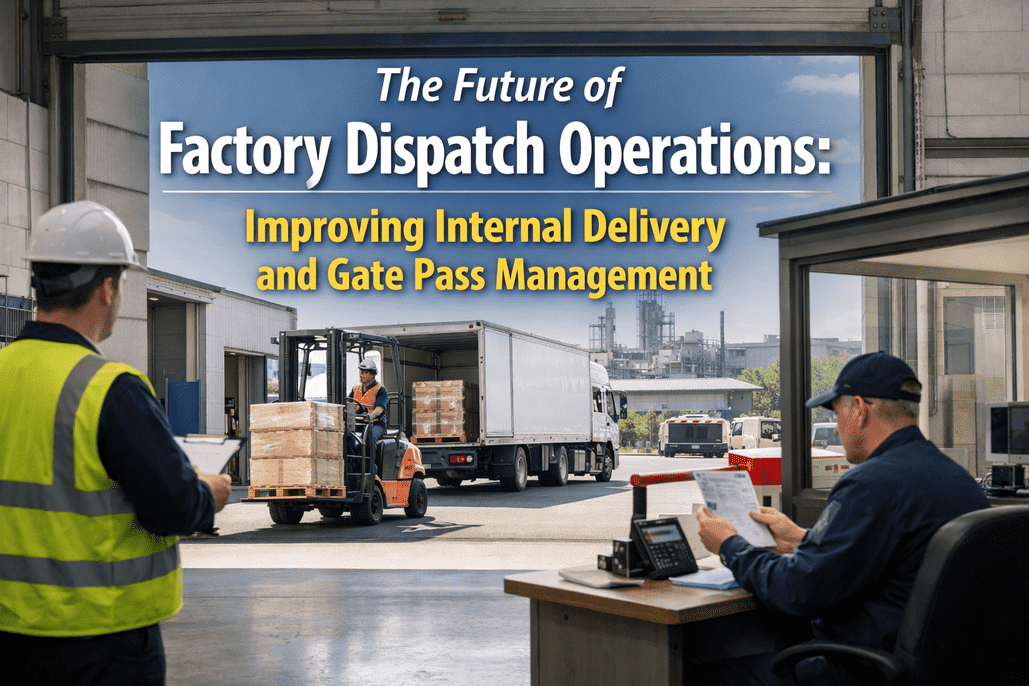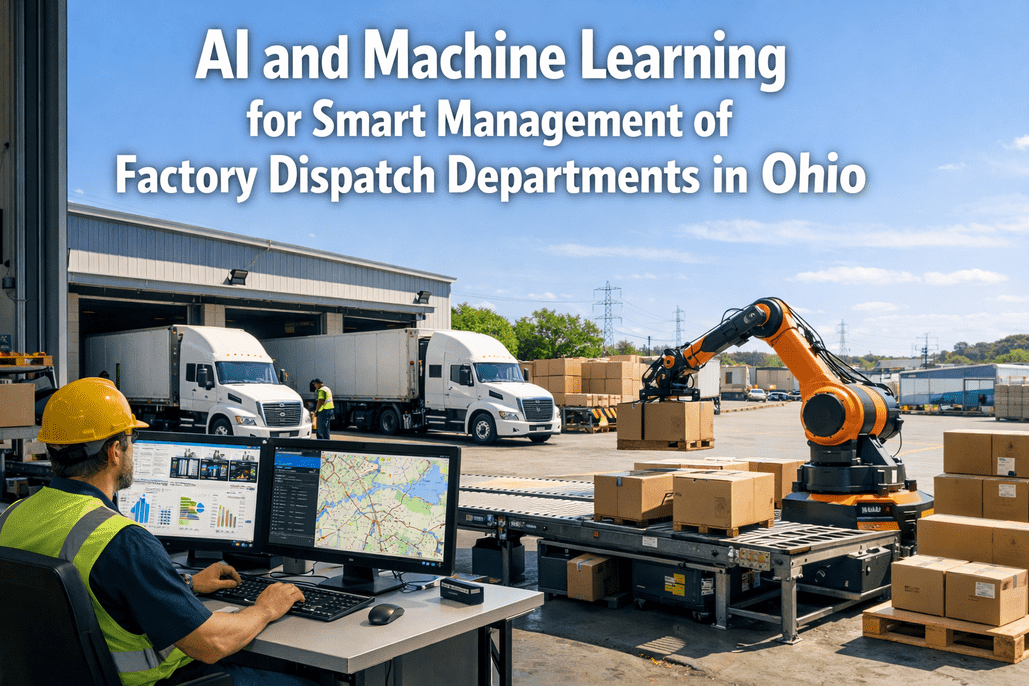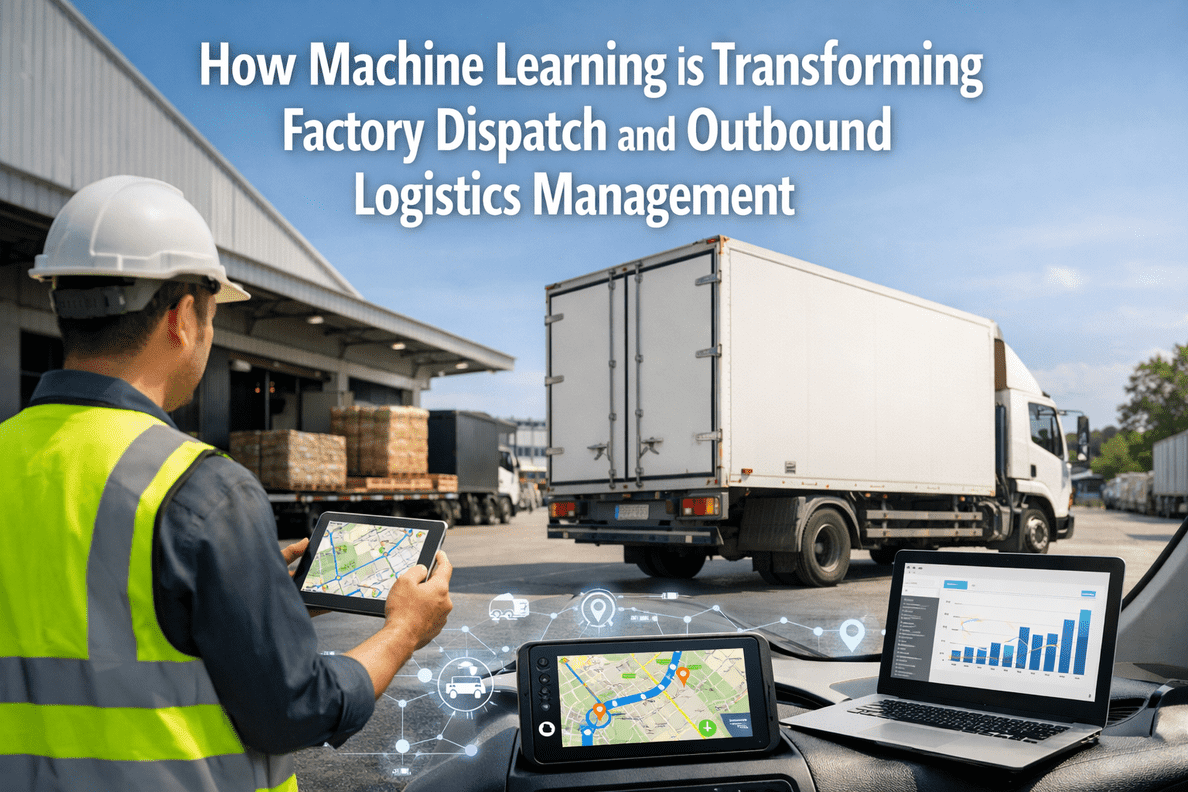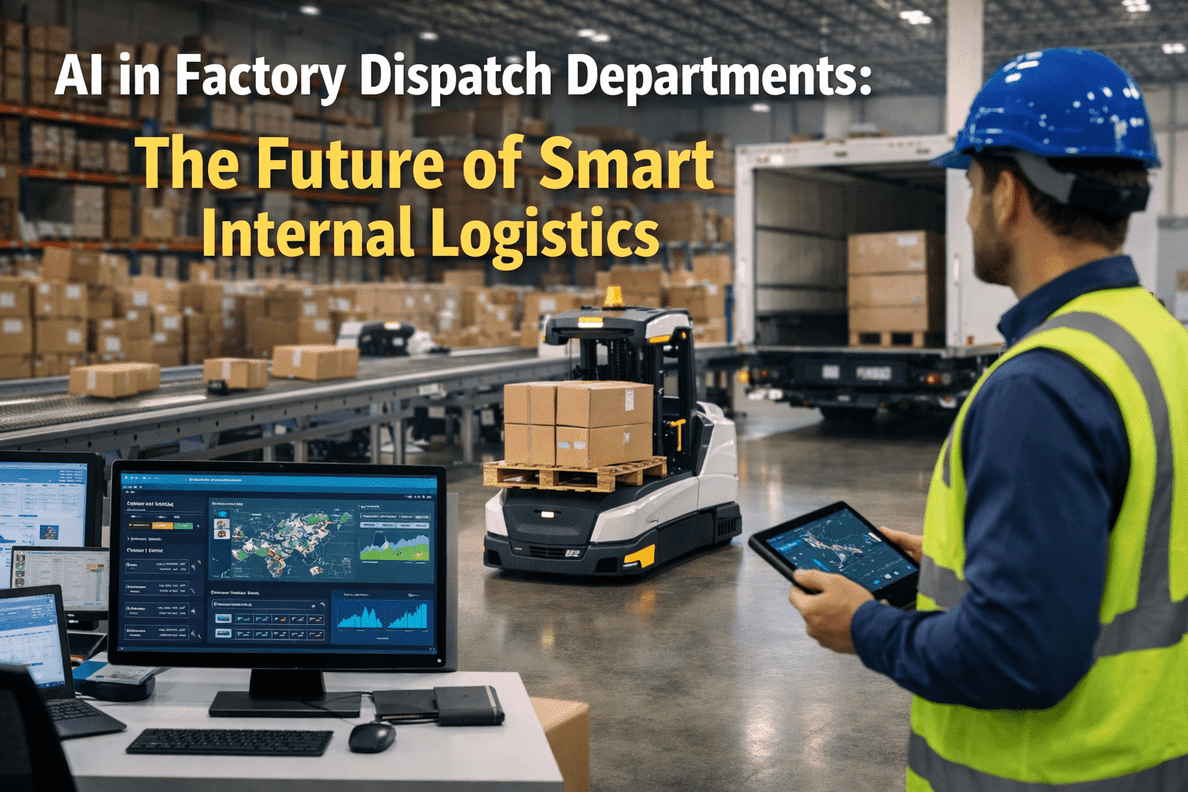
The factory production floor has had AI for years — predictive maintenance algorithms forecasting equipment failure 30 days out, computer vision systems catching quality defects at the speed of a conveyor belt, machine learning models optimizing energy consumption per shift. The factory delivery department, by contrast, is still being run by a clipboard-carrying dispatcher making sequencing decisions based on memory, a gate security officer filling in a paper logbook, and a receiving team that finds out about inbound trucks when they physically arrive at the dock. In 2026, this asymmetry is no longer defensible. AI applied to factory dispatch departments — gate pass intelligence, predictive dock scheduling, automated SLA sequencing, anomaly-detecting receiving workflows — is eliminating the human-error costs that have been silently running at 15–30% of delivery department operating budgets without appearing on any dashboard.
AI in Factory Dispatch Departments: The Future of Smart Internal Logistics
Gate pass management, inbound receiving, internal material routing, and dispatch sequencing are the four functions where human error costs factory delivery departments the most. AI replaces the clipboard, the memory, and the manual logbook with predictive intelligence — automating decisions that should never have required human guesswork in the first place.
Your Production Floor Has AI. Your Delivery Department Is Still Running on Guesswork.
Every modern factory has invested in production intelligence — sensors, analytics, predictive models. The delivery department next door is making the same decisions it made in 2005. The contrast between these two operational realities defines where the next wave of factory efficiency gains will come from.
6 AI Capabilities That Transform Factory Dispatch — And What Each One Replaces
AI in factory dispatch is not about replacing people. It is about removing the decisions that humans should never have been making with inadequate information — gate pass processing against incomplete vehicle registries, dispatch sequencing without live SLA visibility, dock scheduling without inbound arrival prediction. Here are the six AI capabilities that matter most.
How AI Processes a Single Factory Gate Pass Event — What Happens in Under 2 Seconds
The complexity of what AI does during a gate pass scan is invisible to the operator — they scan a QR code and the gate opens. Here is what the AI layer is executing in the background during those 2 seconds.
Manual Factory Dispatch vs. AI-Powered Operations — Function by Function
What AI in Factory Dispatch Actually Delivers — Results in the First 60 Days
AI in Factory Dispatch — Where Each Industry Gets the Highest Return
Predictive gate pass intelligence, AI dispatch sequencing, arrival prediction, anomaly detection, and incident pattern recognition — all in one factory delivery platform. Deploy in days. Measurable AI-driven results within 30 days of go-live.