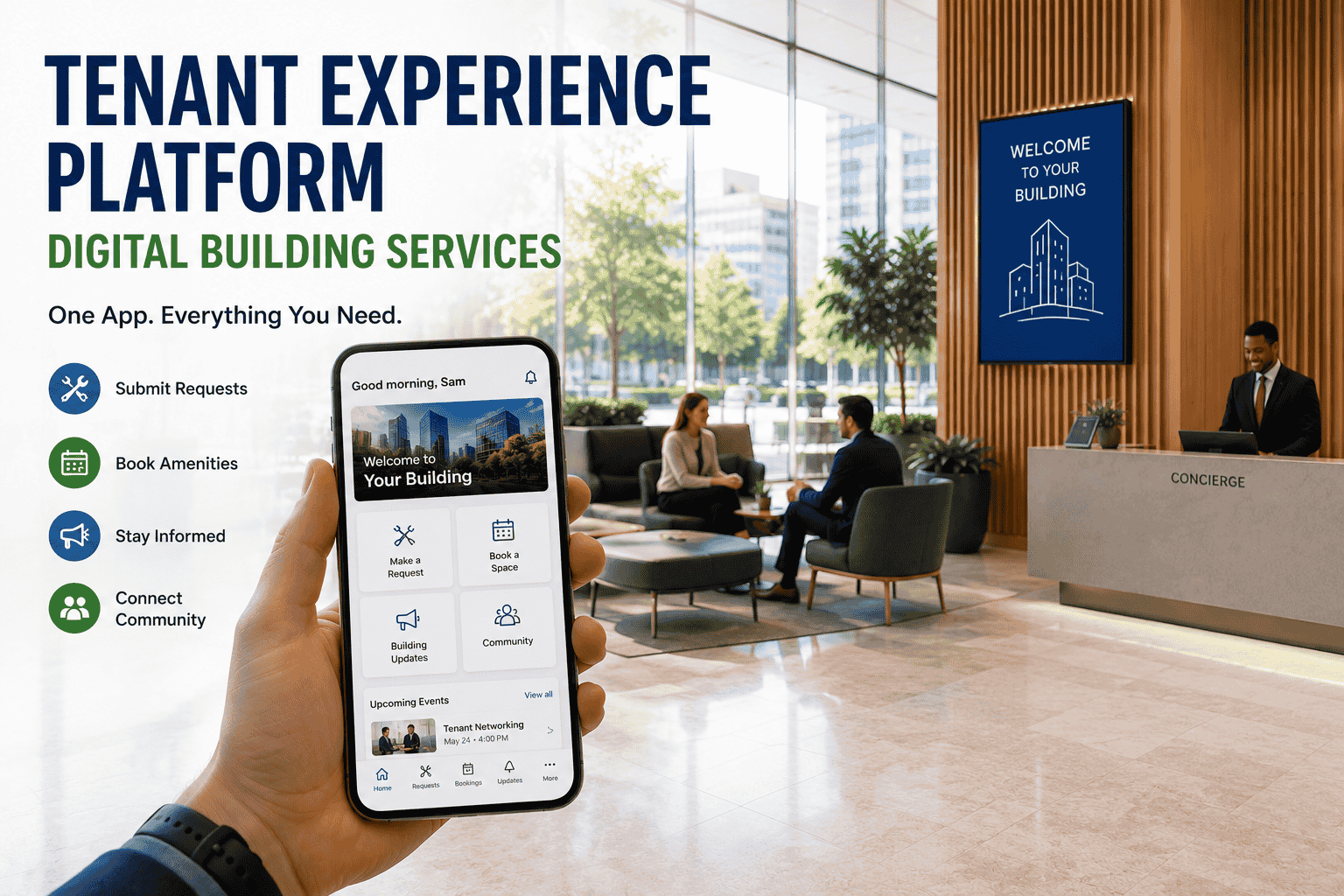
Amenity management has shifted from a calendar problem to a tenant-experience strategy. iFactory Amenity Booking System brings conference rooms, fitness centers, rooftop spaces, and event venues into one tenant-facing platform with real-time availability, mobile-first booking, and utilization analytics. Book a demo to see it live.
Turn Every Amenity Into a Used, Loved, and Measured Asset
A practical guide to deploying amenity booking systems in commercial properties — covering conference rooms, fitness centers, rooftop spaces, event venues, and the utilization analytics that turn shared spaces into engagement and revenue drivers.
Six Amenity Categories That Define Modern Commercial Properties
Every commercial property has its own amenity mix — but the categories cluster into six recognizable types. Each has its own booking patterns, peak times, and tenant-experience implications. Understanding how each category behaves shapes how the booking platform is configured.
Conference & Meeting Rooms
The most-booked amenity category. Multiple sizes, AV-equipped, calendar-integrated. Peak demand: weekday mornings.
Fitness & Wellness
Gym access, fitness studios, yoga rooms, wellness lounges. Peak demand: early morning, lunch, evening.
Rooftop & Outdoor Spaces
Terraces, courtyards, garden spaces. High-value amenity, seasonal patterns, premium for events.
Event & Community Spaces
Large-format venues for tenant events, town halls, holiday parties, networking. Lower frequency, higher impact.
Lounges & Coworking Bars
Drop-in flexible workspace, library lounges, café-style work areas. Capacity-based, no reservation typically needed.
Parking & EV Charging Bays
Reserved parking spaces, EV charging bays, executive parking. Booking with time-window or membership tier.
A Five-Step Workflow That Eliminates Friction
Modern amenity booking systems run on a five-step lifecycle. Each step has its own friction points that older systems missed — and each has a smart-system solution. The properties with the highest amenity engagement have all five steps automated end to end.
Discover
Tenants browse available amenities through a mobile app or building portal. Filter by amenity type, capacity, equipment, or time window.
Book
Real-time availability shown across all amenities. One-tap booking with calendar sync. Conflicts detected and prevented automatically.
Access
Mobile credentials unlock the booked amenity at the reserved time. No keys, no badges, no front desk handoff required.
Use
Booking starts when check-in confirms. Service requests submitted from within the amenity if anything's wrong. Time tracked precisely.
Release
Auto-release after the booking ends. No-shows surface within minutes so the space returns to available state. Cleaning crew notified.
Six Amenity Headaches That Modern Booking Fixes
Anyone who's managed amenities the old way recognizes the same recurring problems. Smart booking platforms don't just digitize the calendar — they solve specific structural issues that property managers fought with for years.
Phantom Bookings & No-Shows
People book conference rooms "just in case" and never show up. Rooms sit empty while others can't find one.
Auto-release with check-in requirement. Booking is cancelled if no check-in within a configured window — typically 10-15 minutes.
Hoarding the Best Rooms
Same teams or individuals booking the most desirable rooms for recurring meetings, blocking access for others who need them more.
Booking quotas per user or team. Premium rooms require justification fields. Fair-use rules enforced automatically.
Double-Bookings & Conflicts
Two groups arrive at the same room at the same time. Awkward standoffs. Front desk has to mediate. Tenant experience suffers.
Centralized real-time availability across all booking channels. Calendar sync prevents conflicts at the source.
Underutilized Premium Spaces
Rooftop, event spaces, and large rooms sit empty most of the week while smaller spaces are constantly booked.
Utilization analytics surface underused amenities. Off-peak engagement events programmed to drive demand into quieter windows.
No Visibility for Property Teams
Property managers have no real data on which amenities tenants actually use. Capital decisions made on gut feel.
Live dashboards showing booking volume, utilization rates, peak windows, no-show patterns by amenity and tenant.
External Visitor Access Friction
Tenants book conference rooms for clients, but the guest has to navigate the building, find the room, get a badge.
Pre-registered visitors receive QR pass tied to the booking. Front desk pre-notified. Guest navigates directly to the right space.
Launch an Amenity Booking System Tenants Actually Want to Use
Our team maps your amenity inventory, tenant base, and booking preferences — then configures iFactory with mobile-first booking flows, auto-release no-show logic, and utilization analytics that turn underused amenities into engagement drivers.
The Data That Turns Amenities Into Strategy
Once amenity booking runs on a platform, every reservation becomes a data point. The patterns that emerge inform capital decisions, programming strategy, and even leasing conversations. These are the metrics property teams should watch most closely.
Utilization Rate
Percent of available booking hours actually used. Below 30% suggests overcapacity; above 85% suggests undercapacity.
Peak Window Density
Highest utilization concentrated in a single window. Reveals the times when tenants need more capacity or alternatives.
No-Show Rate
Bookings made but never checked into. High rates signal phantom booking behavior — auto-release usually drops this dramatically.
Tenant Penetration
Percent of tenants who book any amenity in a month. Low penetration means many tenants don't even know the amenities exist.
Booking-to-Use Ratio
Of booked time, what percent is actually used? Below 70% means bookings are wasteful; above 90% means the system is working.
Conclusion: Amenities Are Operating Tools, Not Marketing Photos
For too long, building amenities have been treated as marketing assets — beautiful spaces featured in leasing brochures, then largely unmanaged in daily operation. Modern amenity booking systems change that math by turning every shared space into a measured, used, and continuously optimized layer of the tenant experience. The properties that deploy them well don't just book conference rooms more efficiently — they turn their entire amenity inventory into a competitive advantage that compounds with every booking, every utilization data point, and every tenant who renews because the spaces actually worked the way they were promised.
Frequently Asked Questions
What's the single most impactful feature to launch with?
Mobile booking with auto-release for no-shows. Mobile booking eliminates the friction that keeps tenants from making reservations in the first place. Auto-release solves the phantom-booking problem that frustrates everyone competing for popular rooms. Together they shift the system from a calendar to an actual coordination layer, and they're typically the two features that drive the fastest jump in tenant satisfaction scores after launch.
How should premium amenities like rooftops be priced or restricted?
Booking quotas and minimum advance windows work better than direct pricing for most commercial properties. Premium amenities can require justification fields, tenant-tier eligibility, or approval workflows. Some properties open premium spaces to external bookers during off-peak hours to drive utilization without disrupting tenant access during prime windows.
Does an amenity booking system need calendar integration?
Yes — bidirectional sync with Outlook and Google Workspace is essentially table stakes. Without it, tenants book through one channel and forget through another, creating the phantom-booking problem at scale. The platform should expose available rooms to tenant calendars and prevent double-bookings whether the reservation originates in the calendar invite or the building app.
How should property teams handle no-shows fairly?
Start with friction-free reminders and a clear auto-release window (typically 10-15 minutes after booking start). Most tenants check in or release the room when reminded. Persistent no-show patterns can be addressed with tenant-specific booking limits. Punitive fines tend to be unnecessary if the auto-release logic is configured correctly.
How does iFactory handle amenity booking specifically?
Every amenity is configured with its own booking rules — capacity, time slots, eligibility tiers, advance booking limits. Tenants book through the building app with real-time availability. Calendar sync with Outlook and Google prevents conflicts. Auto-release handles no-shows. Mobile access credentials unlock the booked amenity at the reserved time. The platform also feeds amenity-related work orders into the broader facility CMMS — cleaning requests, AV issues, equipment failures all flow through the same operational layer.
Turn Amenities Into a Used, Loved, and Measured Experience Layer
Stop running amenities through spreadsheets, paper sign-ups, and email chains. Bring conference room booking, fitness access, rooftop scheduling, and event coordination into one branded platform built for commercial portfolios that compete on tenant experience.