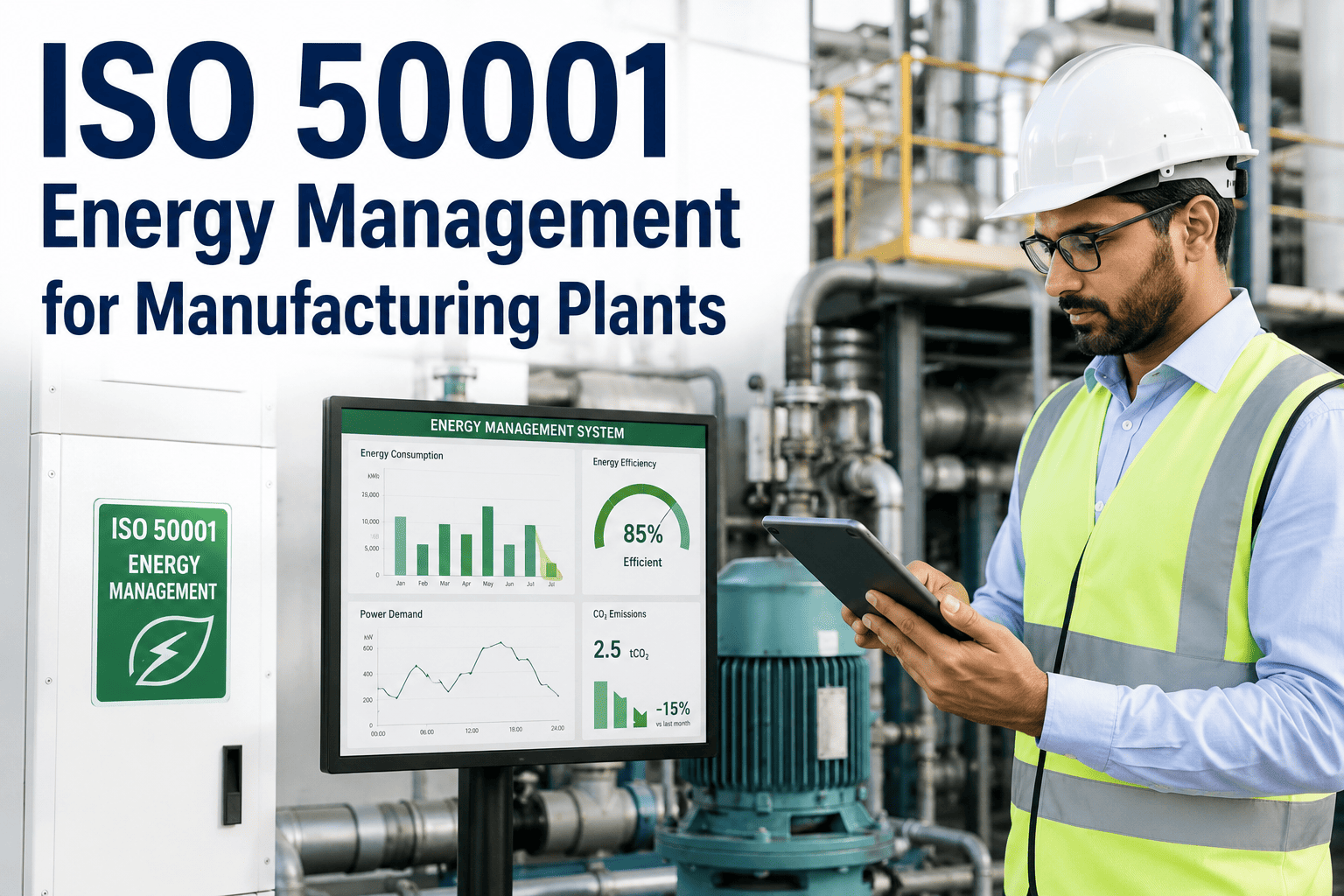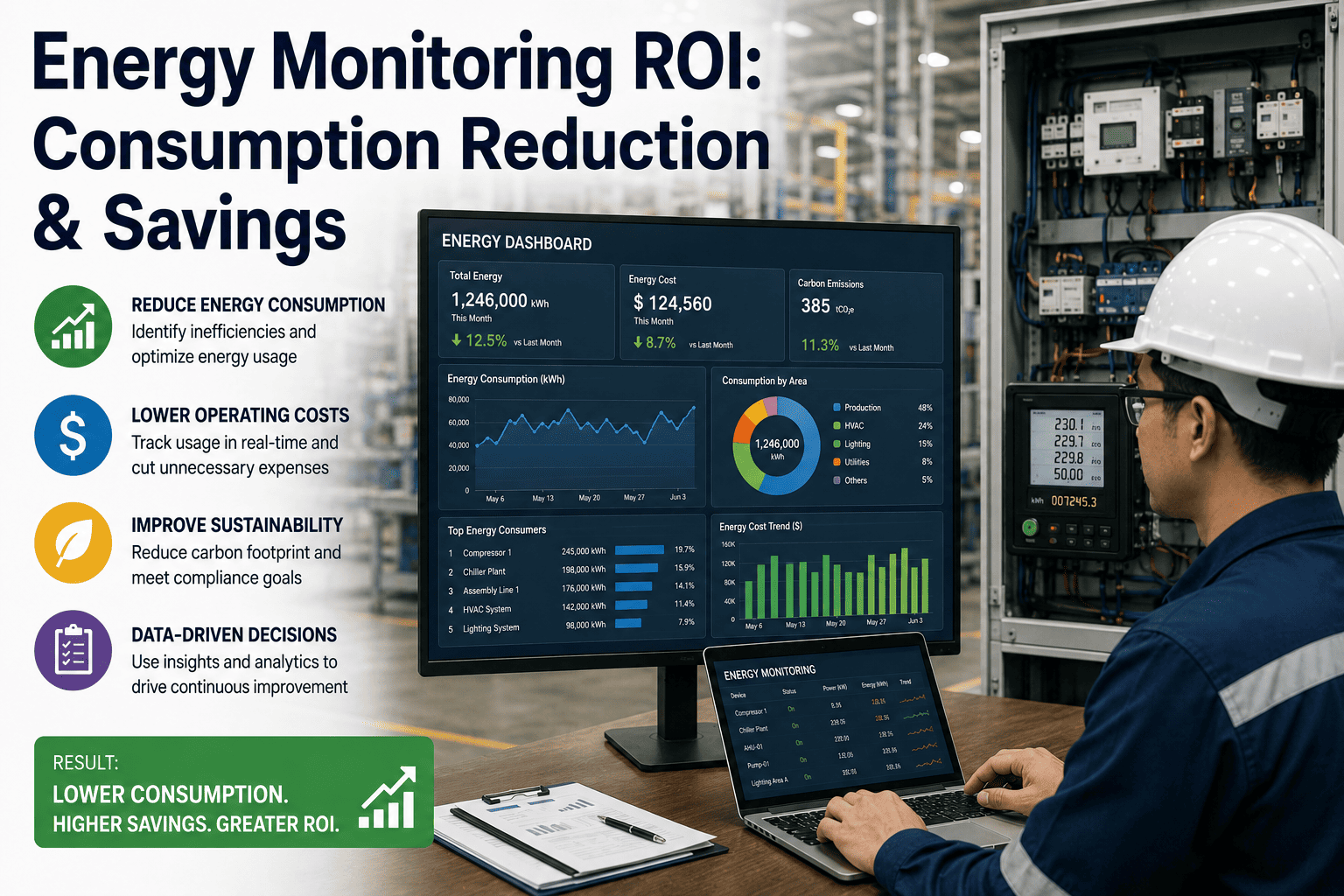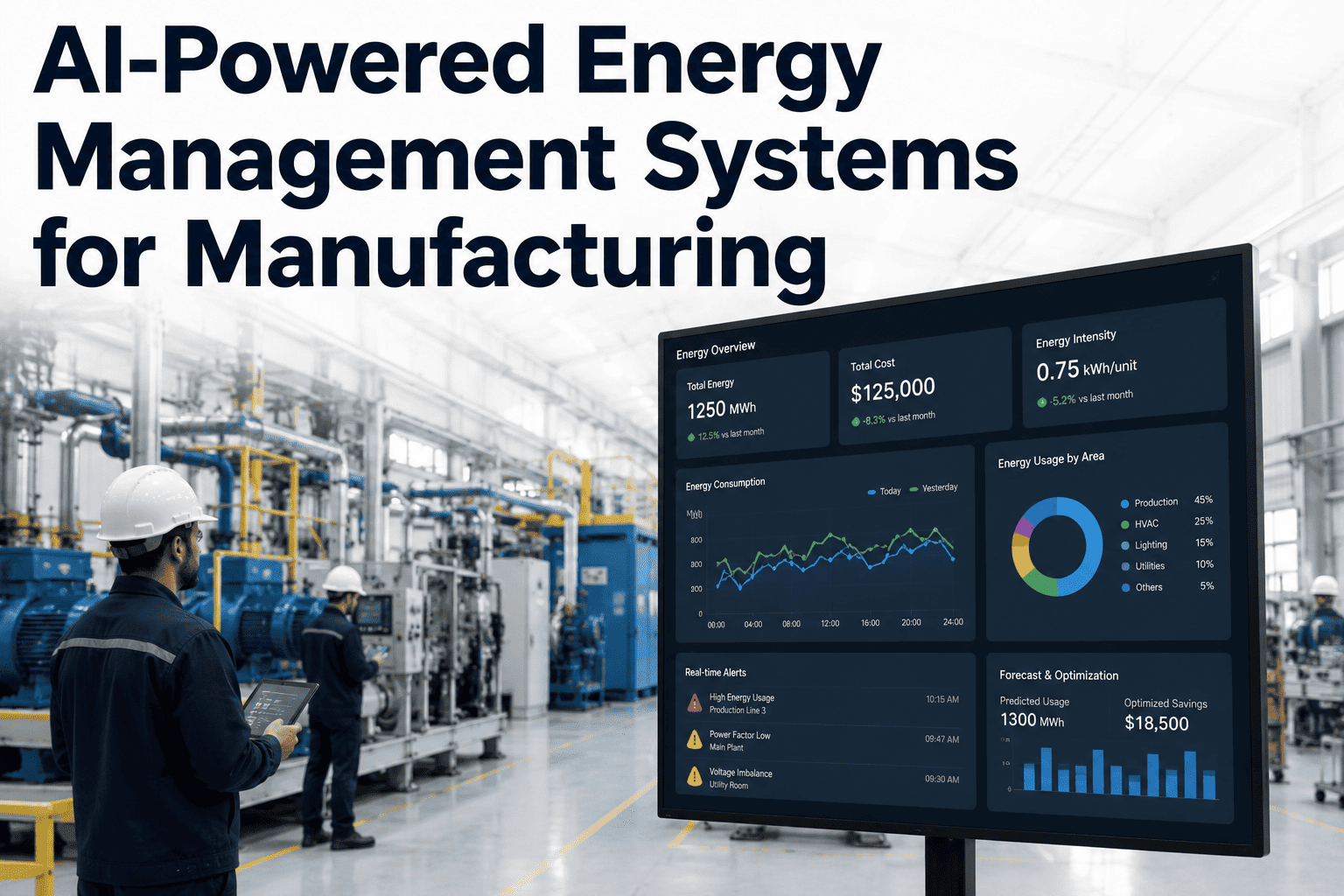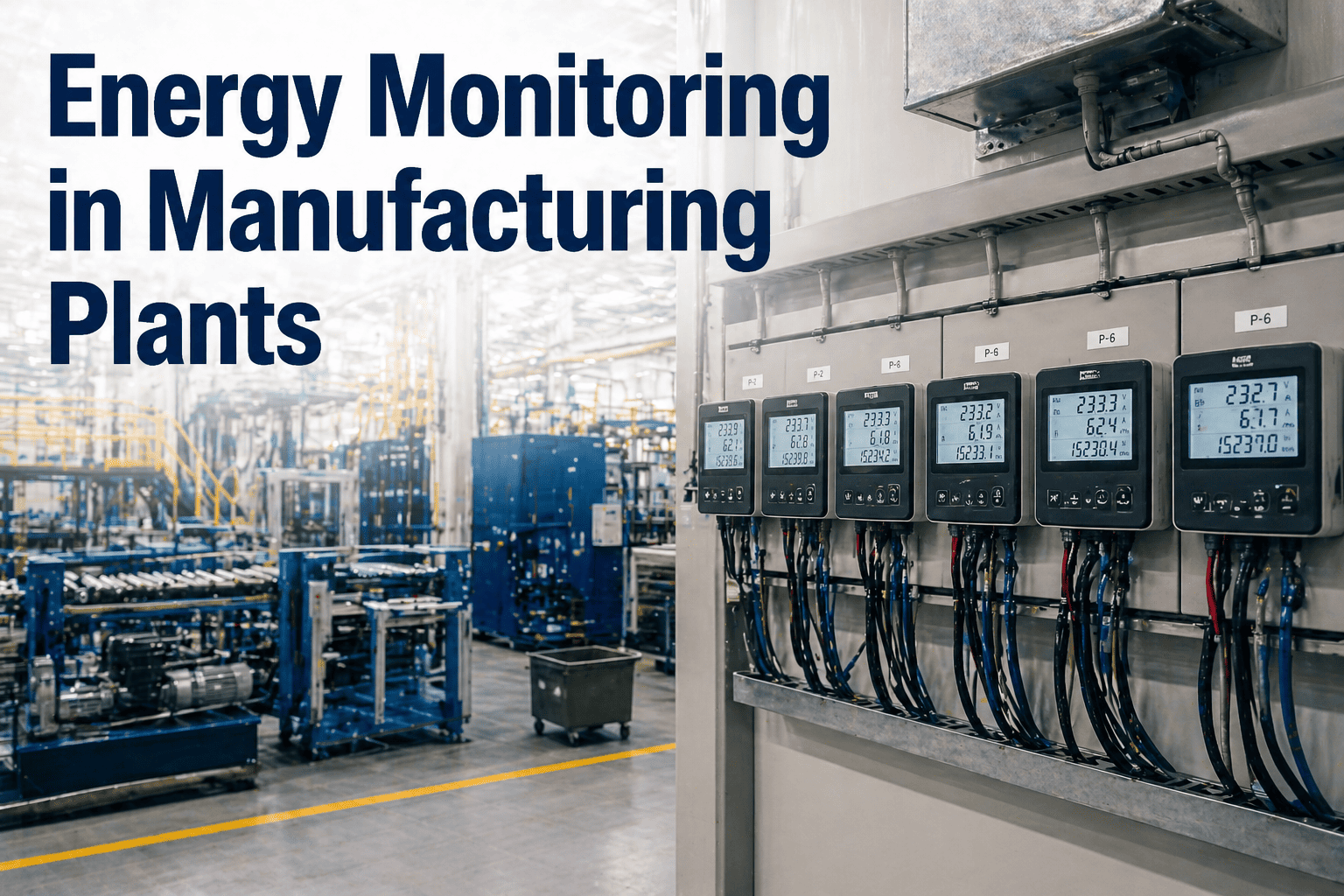
Energy costs account for 25-40% of operating expenses in oil and gas operations, yet most facilities lack systematic visibility into consumption patterns, baseline performance, and efficiency improvement opportunities. Preventive maintenance keeps equipment running, but energy management keeps profits intact. ISO 50001 is the international standard for energy management systems, and it transforms energy from an afterthought into a measurable, optimizable business metric. Without ISO 50001 implementation, your operation is flying blind on one of its largest cost centers. With it, every megawatt hour is tracked, trended, and actionable. Plants implementing ISO 50001 typically reduce energy consumption by 12-18% within the first year while simultaneously improving equipment reliability and environmental performance. Want to establish your energy baseline and launch continuous improvement? Book a demo today or get support to map your ISO 50001 roadmap.
Reduce Energy Costs by 15% While Meeting Compliance Standards
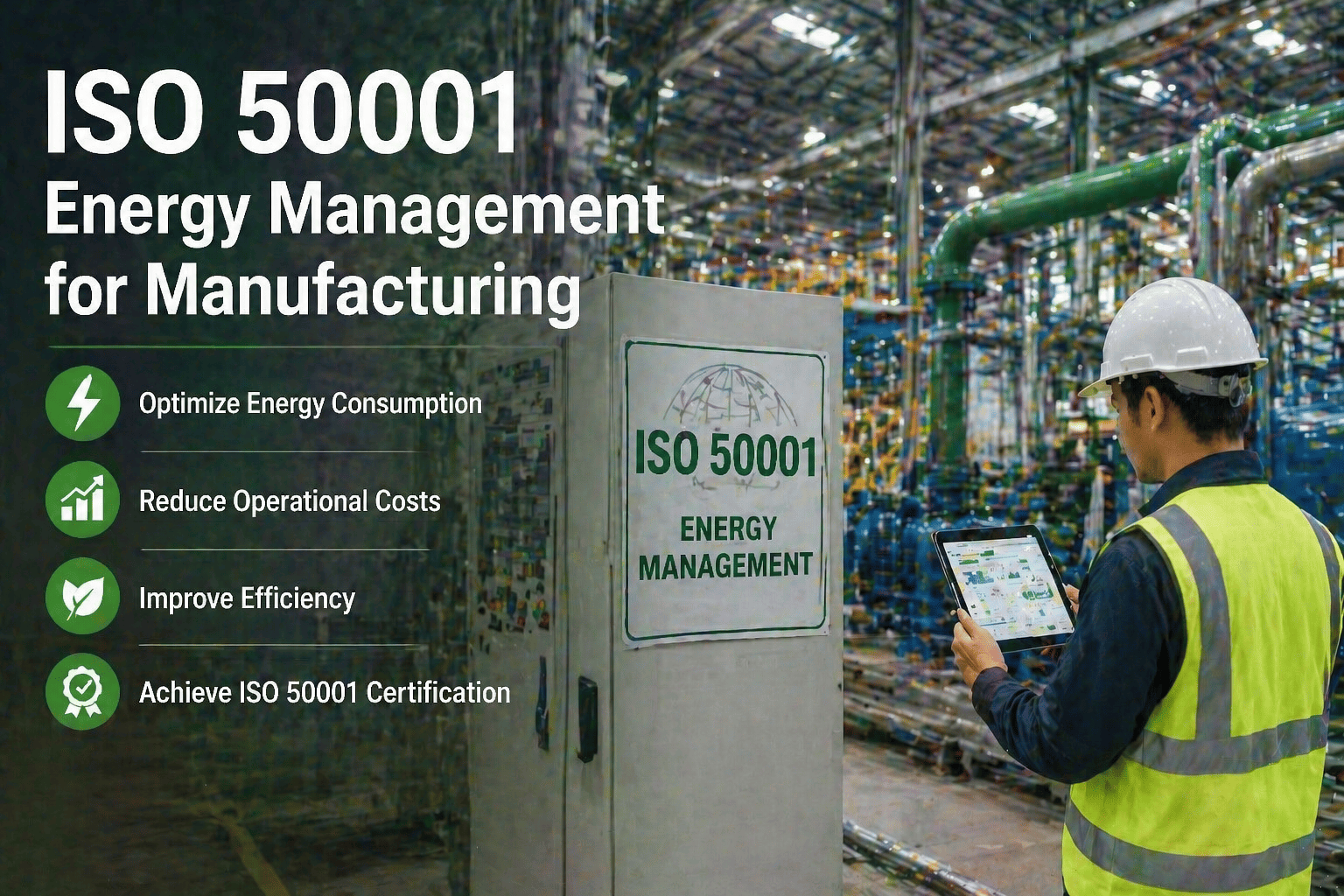
ISO 50001 energy management system with real-time monitoring, baseline tracking, and continuous improvement integration.
What Is ISO 50001 Energy Management?
ISO 50001 is the international standard for energy management systems. It provides a framework for establishing energy policy, setting objectives, monitoring energy consumption, and driving continuous improvement in energy performance. Unlike generic sustainability initiatives, ISO 50001 is systematic, auditable, and directly connected to operational and financial metrics. It applies to organizations of any size in any sector—but oil and gas operations benefit uniquely because energy intensity is high, consumption patterns are data-rich, and small efficiency gains compound to massive savings. ISO 50001 implementation requires four core elements: energy review and baseline establishment, energy objectives and targets, operational controls, and measurement and verification. The certification process provides third-party validation that your energy management system is effective and compliant with international standards.
Why ISO 50001 Matters for Oil and Gas Operations
Energy is the second-largest controllable cost in oil and gas operations after maintenance. In a refinery processing 100,000 barrels per day, a 1% reduction in energy intensity saves $2-3 million annually. In midstream pipeline operations, pump efficiency improvements directly impact operating margins. Upstream drilling operations depend on mobile power systems where fuel consumption is a critical cost and environmental metric. Yet most plants operate without baseline visibility—they know total energy spend but cannot identify which equipment consumes how much energy or track efficiency trends over time. ISO 50001 implementation creates that visibility and transforms it into competitive advantage.
Energy Baseline and Normalization
Establish a quantified baseline of energy performance at a reference point in time. Normalize baseline data for production throughput, ambient conditions, and operational variables so you can measure true efficiency improvement independent of output changes.
Energy Performance Indicators (EnPIs)
Define metrics tied to organizational objectives and relevant variables. Common EnPIs in oil and gas include kWh per barrel produced, natural gas consumption per mile of pipeline, and compressor efficiency on specific rotating equipment.
Significant Energy Uses (SEUs) Identification
Identify which equipment, processes, and systems consume the most energy. Typically 20% of energy-consuming assets account for 80% of total consumption. Focusing improvement efforts on SEUs delivers the highest ROI.
Continuous Improvement Cycle
ISO 50001 is built on Plan-Do-Check-Act (PDCA) methodology. Establish energy targets, implement controls, measure actual performance, review against targets, and adjust. The cycle repeats quarterly and annually.
Operational Control and Maintenance
Link energy management to maintenance. Equipment operating outside optimal conditions consumes more energy. Predictive maintenance directly supports energy efficiency by keeping equipment in peak performance windows.
Competence and Communication
Ensure operators, technicians, and management understand energy management expectations. Training and awareness programs embed energy efficiency into daily decision-making across the organization.
Measurement, Monitoring, and Verification
Continuously track actual energy consumption against baseline and targets. Real-time dashboards provide visibility into performance deviations. Monthly and quarterly reviews quantify progress and adjust improvement priorities.
The 7 Essential Energy Management KPIs
ISO 50001 success depends on tracking metrics that reveal efficiency trends and highlight improvement opportunities. These seven KPIs form the foundation of energy management in oil and gas operations.
01. Energy Consumption per Unit of Production
Formula: Total Energy (kWh/MMBtu) ÷ Total Production Units. World-class benchmark: 2-5% annual improvement. Action: Track monthly. Deviations trigger root cause analysis on Significant Energy Uses.
02. Energy Cost as % of Total Operating Expense
Formula: Total Annual Energy Cost ÷ Total Operating Expense × 100. World-class benchmark: 15-25% of OpEx in oil and gas. Action: Benchmark against industry. Higher ratios signal inefficiency opportunities.
03. Equipment Efficiency (Compressor, Pump, Motor Performance)
Formula: Ideal Power Output ÷ Actual Power Input × 100. World-class benchmark: 85-92% for new equipment. Action: Monitor quarterly. Declining efficiency signals maintenance needs or replacement candidates.
04. Peak Demand Management (Demand Response Performance)
Formula: Peak Load vs. Baseline Peak × 100. World-class benchmark: 10-15% reduction through demand shifting. Action: Negotiate lower utility rates by shifting non-critical loads away from peak hours.
05. SEU (Significant Energy Use) Performance Index
Formula: Current SEU Energy Intensity ÷ Baseline SEU Energy Intensity × 100. World-class benchmark: Index declining 3-8% annually. Action: Focus improvement projects on assets driving the highest energy consumption.
06. Energy Target Achievement Rate
Formula: Actual Energy Reduction ÷ Target Energy Reduction × 100. World-class benchmark: 90%+ achievement of quarterly targets. Action: Below 80% triggers review of target-setting process and control execution.
07. Renewable Energy and Carbon Intensity
Formula: (Total Emissions ÷ Total Production) × Carbon Factor. World-class benchmark: Annual carbon reduction 3-5% through efficiency and renewable integration. Action: Track for ESG reporting and regulatory compliance.
ISO 50001 Implementation Roadmap: 12-Month Path to Certification
Establishing an ISO 50001 compliant energy management system requires structured execution across 12 months. The timeline balances foundation-building with early quick wins that demonstrate value and maintain organizational momentum.
By Month 6, quick-win projects typically deliver 3-5% energy reduction, justifying investment and building stakeholder support. By Month 12, full certification is achieved with documented 8-12% energy consumption reduction and established continuous improvement culture.
Real Results: Oil and Gas ISO 50001 Success Cases
Refinery Energy Optimization
Result: 18% energy intensity reduction, $2.1M annual savings. Large refinery implemented ISO 50001 with focus on Significant Energy Uses: furnaces (35% of total energy), compressors (22%), and cooling systems (18%). Real-time monitoring of furnace fuel flow and combustion efficiency identified tuning opportunities saving $180K annually. Compressor bearing upgrades and seal replacements improved efficiency by 8%. Cooling tower optimization through predictive maintenance reduced energy consumption by 12%. Certification achieved in 11 months with full system integration into CMMS and SCADA.
Midstream Pipeline Operations
Result: 14% reduction in pump station energy consumption, $650K annual savings. Pipeline company implemented ISO 50001 across 12 pump stations spanning 350 miles of crude transport. Baseline analysis identified oversized pumps operating at inefficient partial load. Installed variable frequency drives (VFDs) on 8 critical pump motors, reducing energy consumption by 22% while maintaining throughput. Predictive maintenance on pump bearings and seals kept equipment in peak efficiency windows. ISO 50001 certification enabled demand response contracts with utilities, capturing additional $180K in demand reduction revenue.
Upstream Drilling Operations
Result: 16% reduction in fuel consumption per well drilled, $420K annual savings. Exploration company implemented ISO 50001 focused on mobile power generation systems on drilling rigs. Baseline analysis revealed genset efficiency degradation over operating hours. Predictive maintenance program detected fuel injection timing drift, corrected through servicing, improving fuel consumption by 9%. Demand management during mud circulation phases reduced peak load requirements, enabling smaller gensets. Energy performance visibility enabled drilling crew optimization of rig operations for energy efficiency, contributing additional 7% fuel savings.
Energy Management System vs. Energy Audits
| Dimension | One-Time Energy Audit | ISO 50001 Management System |
|---|---|---|
| Scope | Point-in-time snapshot of energy consumption | Continuous monitoring and ongoing improvement |
| Frequency | Every 3-5 years | Real-time dashboards, monthly reviews, quarterly targets |
| Baseline Tracking | Baseline documented but not actively tracked | Baseline continuously normalized to enable accurate performance measurement |
| Accountability | Report provided to management; limited follow-up | Ownership assigned, targets set, performance reviewed weekly |
| Investment Required | $15K-$50K audit cost | Metering infrastructure ($50K-$200K) plus software and personnel |
| Typical Results | 8-12% identified savings potential (often unrealized) | 12-18% actual realized savings within 18 months |
One-time energy audits identify opportunities; ISO 50001 management systems capture value from those opportunities. The difference is systematic execution with assigned accountability and continuous measurement. A facility that completes an energy audit but takes no action saves nothing. A facility with ISO 50001 captures 70-85% of identified savings because the system embeds accountability, measurement, and continuous improvement into daily operations.
ISO 50001 and Equipment Maintenance: The Synergy
Energy management and maintenance are inseparable. A compressor operating with worn bearings consumes 8-12% more energy than one in optimal condition. A furnace with burner drift consumes 15% more fuel. A heat exchanger fouled with scale operates at 20% lower thermal efficiency. Predictive maintenance keeps equipment at peak energy performance. ISO 50001 creates the framework for continuously monitoring that performance and prioritizing maintenance actions on Significant Energy Uses—the assets delivering highest return on maintenance investment.
Link 1: Maintenance Quality Directly Impacts Energy Efficiency
Equipment degradation manifests first in energy consumption increases before it manifests in operational failures. Real-time energy monitoring detects maintenance needs 2-4 weeks before downtime occurs. First-time fix rate and wrench time improvements reduce equipment downtime, keeping it in optimal energy windows.
Link 2: Energy Performance Indicators Guide Maintenance Prioritization
Pumps consuming 8% more energy than baseline get priority maintenance above those operating at baseline. Compressor efficiency declining 5 points triggers bearing inspection and seal replacement. Energy trends justify capital investments in equipment upgrades and replacements.
Link 3: Maintenance ROI Visibility Improves with Energy Metrics
A $45K variable frequency drive (VFD) installation saves $180K annually in energy costs plus $60K in reduced maintenance from lower operating stress. ROI becomes crystal clear: 25% simple payback. Without energy metrics, that same project looks like a $45K capital expense with no quantified return.
Link 4: Continuous Improvement Compounds Across Disciplines
Improving equipment availability (maintenance metric) reduces unexpected load swings (energy metric). Reducing unplanned downtime (maintenance KPI) stabilizes energy consumption patterns. Lower energy costs support higher maintenance budgets. The disciplines amplify each other.
ISO 50001 Compliance and Regulatory Alignment
ISO 50001 certification demonstrates to regulators, auditors, and stakeholders that your energy management practices meet international standards. In jurisdictions with mandatory energy reporting (EU Energy Efficiency Directive, LEED requirements, ESG reporting standards), ISO 50001 certification accelerates compliance and reduces audit findings.
EU Energy Efficiency Directive (EED)
Requires large enterprises to conduct energy audits every 4 years or implement an ISO 50001 certified system. ISO 50001 certification exempts you from periodic audits while demonstrating continuous improvement. EU reporting obligations are fully satisfied by ISO 50001 documentation.
SEC Climate Disclosure Rules
Require disclosure of energy consumption and climate risk for public companies. ISO 50001 implementation creates the data infrastructure and governance structures that support accurate, auditable climate reporting. Energy KPIs feed directly into Scope 1 and Scope 2 emissions calculations.
API (American Petroleum Institute) Standards
API 682 and other operating standards address energy efficiency in rotating equipment. ISO 50001 provides the measurement and verification framework to demonstrate compliance with API efficiency guidance and justify capital investments in efficiency upgrades.
CSRD and ESG Reporting Standards
Corporate Sustainability Reporting Directive and voluntary ESG frameworks require documented energy efficiency programs. ISO 50001 certification is recognized evidence of systematic energy management, strengthening sustainability claims and reducing reputational risk.
Frequently Asked Questions
Start Your ISO 50001 Energy Management Journey
Energy is your second-largest controllable cost. Establish baseline visibility, identify Significant Energy Uses, and drive continuous improvement with ISO 50001 certification. 12-month path to 12-18% energy reduction and proven compliance.