Your maintenance team replaced every motor bearing on schedule last quarter—yet a conveyor drive still failed mid-shift, halting production for nine hours. Sound familiar? That gap between scheduled servicing and actual equipment health is costing manufacturers an estimated $253 million per facility every year. The question is no longer whether to invest in maintenance, but which strategy delivers the best return: preventive, predictive or a smart combination of both. This guide breaks down exactly what manufacturing plants need to know to make that call. Schedule a free strategy consultation with our maintenance specialists to find the right fit for your operation.
What Separates Scheduled Servicing from Condition-Based Intelligence
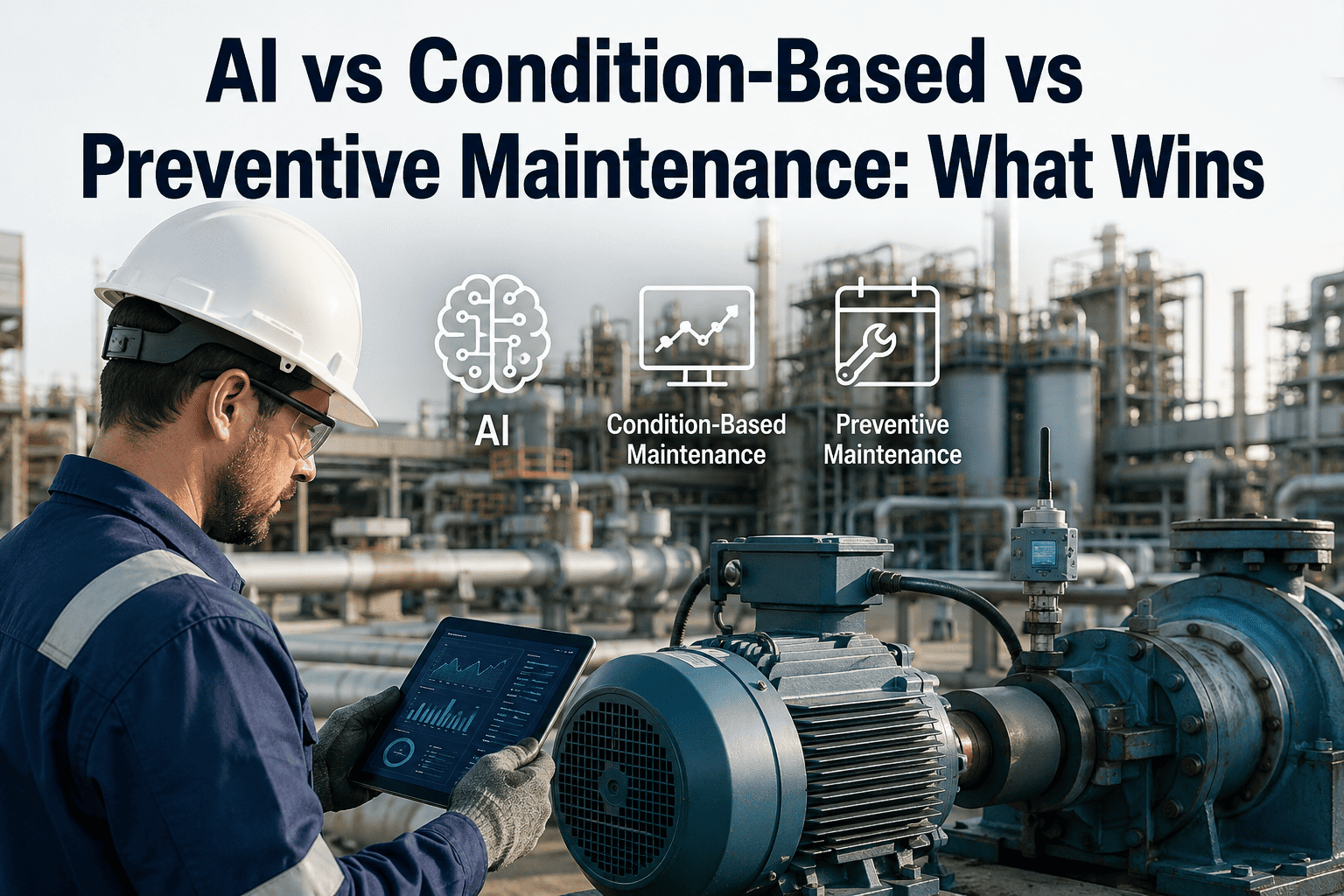
At its core, the difference comes down to timing and data. Preventive maintenance operates on a calendar—service every 90 days, replace parts at fixed intervals, inspect based on manufacturer guidelines. Predictive maintenance operates on evidence—service when vibration patterns shift, replace parts when thermal imaging shows degradation, inspect when acoustic sensors detect anomalies. Both approaches aim to prevent breakdowns, but their philosophies, costs, and outcomes differ significantly.
Routine inspections, lubrication, calibrations, and part replacements performed at predetermined intervals—regardless of actual equipment condition.
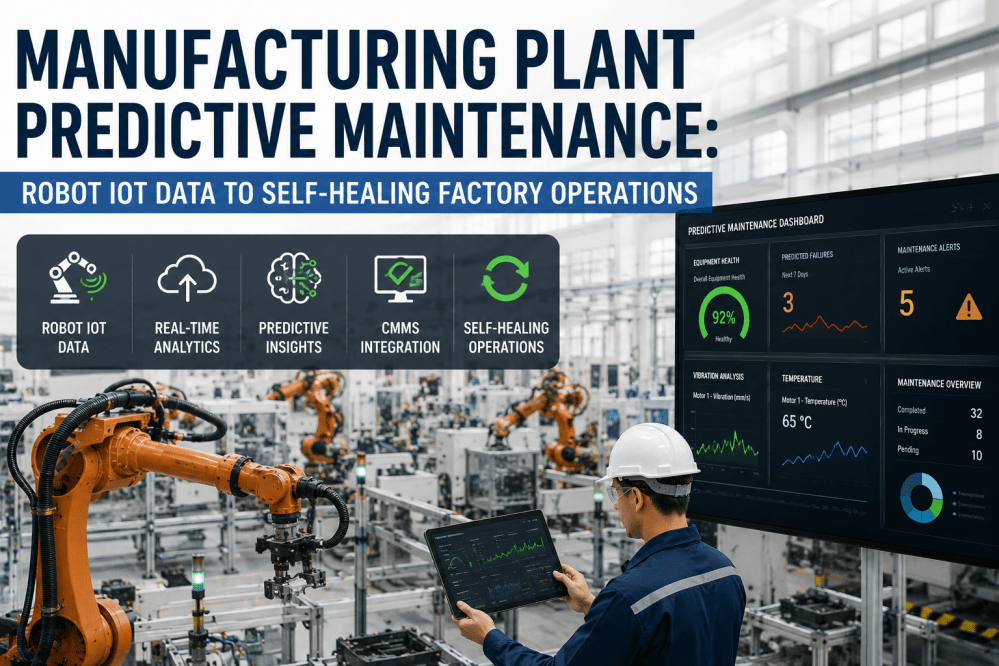
Real-time monitoring of equipment health using IoT sensors, vibration analysis, thermal imaging, and AI algorithms to service assets only when conditions demand it.
The Financial Pressure Driving Strategy Changes
Manufacturing downtime costs have nearly doubled since 2019. The financial penalty for getting maintenance wrong is no longer a line item—it is a threat to competitiveness. Here is what the latest industry data reveals about why facilities are rethinking their approach.
How Scheduled Maintenance Protects Your Baseline
Preventive maintenance is the workhorse of manufacturing reliability. It ensures that every asset receives systematic care—lubrication, filter changes, belt replacements, torque checks—at intervals designed to prevent the most common failure modes. For 88% of manufacturing companies, it remains the first line of defense against unplanned stoppages.
The strength of PM lies in its simplicity and predictability. You know what needs to happen, when, and what it will cost. Work orders are generated automatically, technicians follow standardized checklists, and compliance documentation is straightforward. Get Support to automate your preventive maintenance schedules and eliminate missed inspections. For assets with predictable wear curves—conveyor belts, HVAC filters, lubrication points—scheduled maintenance is both effective and economical.
The limitation appears when PM is applied uniformly. Servicing every motor on the same 90-day cycle regardless of operating hours means some assets are over-maintained while others are under-maintained. Industry data shows that facilities using only time-based PM still experience critical failures between intervals because not all degradation follows a neat calendar.
How Sensor Data and AI Are Changing Maintenance Timing
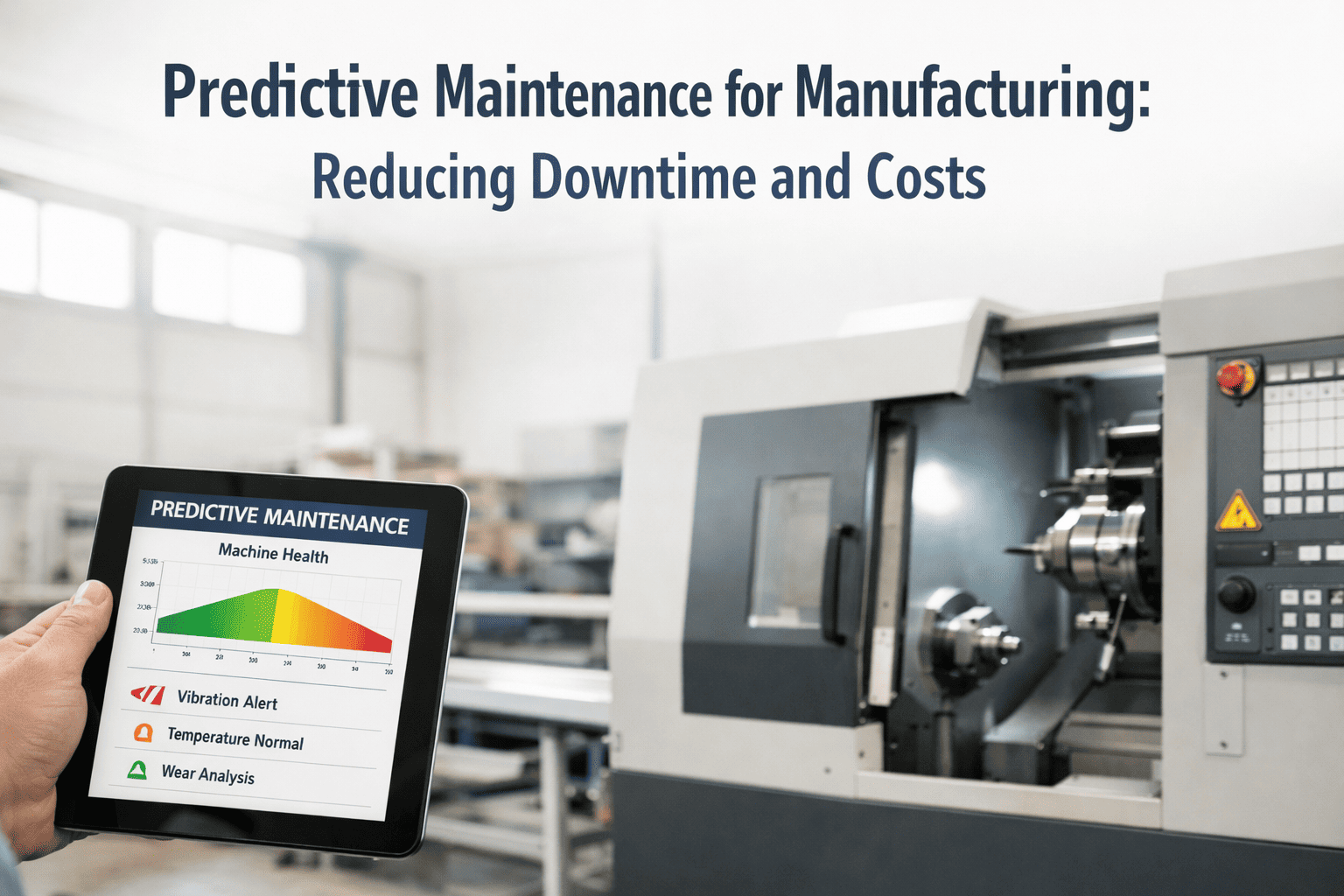
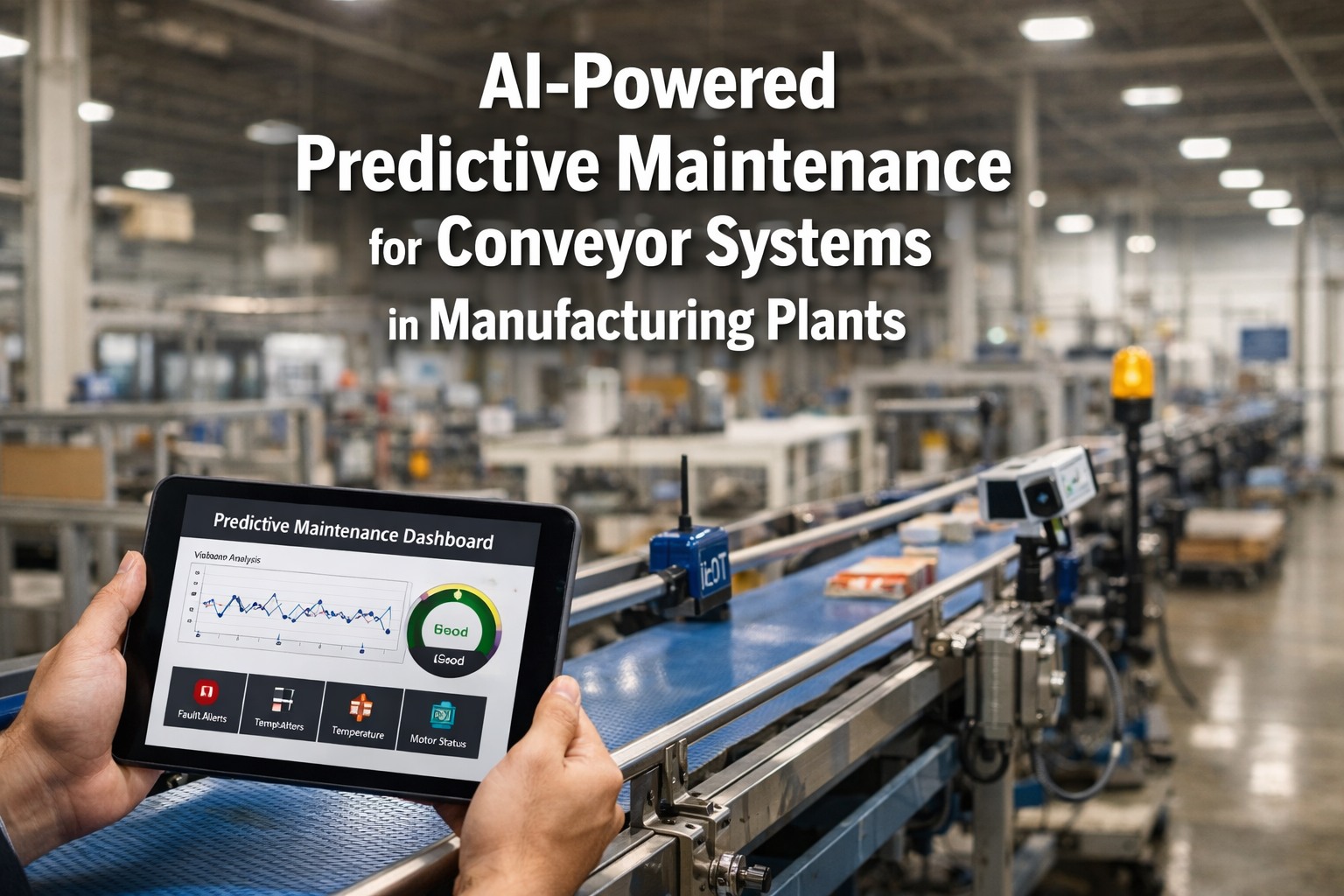
Predictive maintenance flips the model. Instead of asking "when is this asset due for service?" it asks "does this asset actually need service right now?" The answer comes from continuous condition monitoring—vibration sensors on rotating machinery, thermal cameras on electrical panels, ultrasonic detectors on compressed air systems, and current signature analysis on motors.
The result is maintenance performed at exactly the right moment—not too early (wasting resources) and not too late (causing breakdowns). According to the U.S. Department of Energy, a functional predictive maintenance program can deliver a 30-40% reduction in maintenance costs and a 35-45% reduction in downtime. Schedule a walkthrough to see how predictive workflows reduce your maintenance costs by up to 40%.
Direct Comparison: Where Each Strategy Wins
Neither approach is universally superior. The right choice depends on your asset portfolio, downtime costs, digital maturity, and budget. This breakdown shows where each strategy delivers its strongest return.
| Dimension | Preventive (PM) | Predictive (PdM) | Winner |
|---|---|---|---|
| Maintenance Trigger | Fixed time or usage intervals | Real-time equipment condition data | PdM |
| Setup Complexity | Low—checklists, schedules, CMMS | Higher—sensors, analytics, integration | PM |
| Downtime Reduction | Reduces common failures by 15-25% | Reduces unplanned downtime by 30-50% | PdM |
| Cost Efficiency | Can over-maintain healthy equipment | Services only when condition warrants | PdM |
| Asset Life Extension | Extends life by 10-20% | Extends life by 20-40% | PdM |
| Compliance Readiness | Excellent—documentation built-in | Good—requires reporting setup | PM |
| Skill Requirements | Standard technician training | Data literacy + domain expertise | PM |
| ROI Timeline | Immediate with CMMS implementation | 3-9 months for full payback | Tie |
Building a Hybrid Strategy That Fits Your Plant
The industry consensus is clear: the most effective manufacturing maintenance programs use both approaches strategically. Preventive maintenance covers your standard asset base while predictive capabilities focus on your highest-value, highest-risk equipment. Here is how leading plants structure that blend.
Measurable Outcomes Manufacturers Report
The business case for upgrading your maintenance strategy is backed by consistent data across industries. These are the real-world results that facilities report after implementing structured preventive programs and layering predictive intelligence on critical assets.