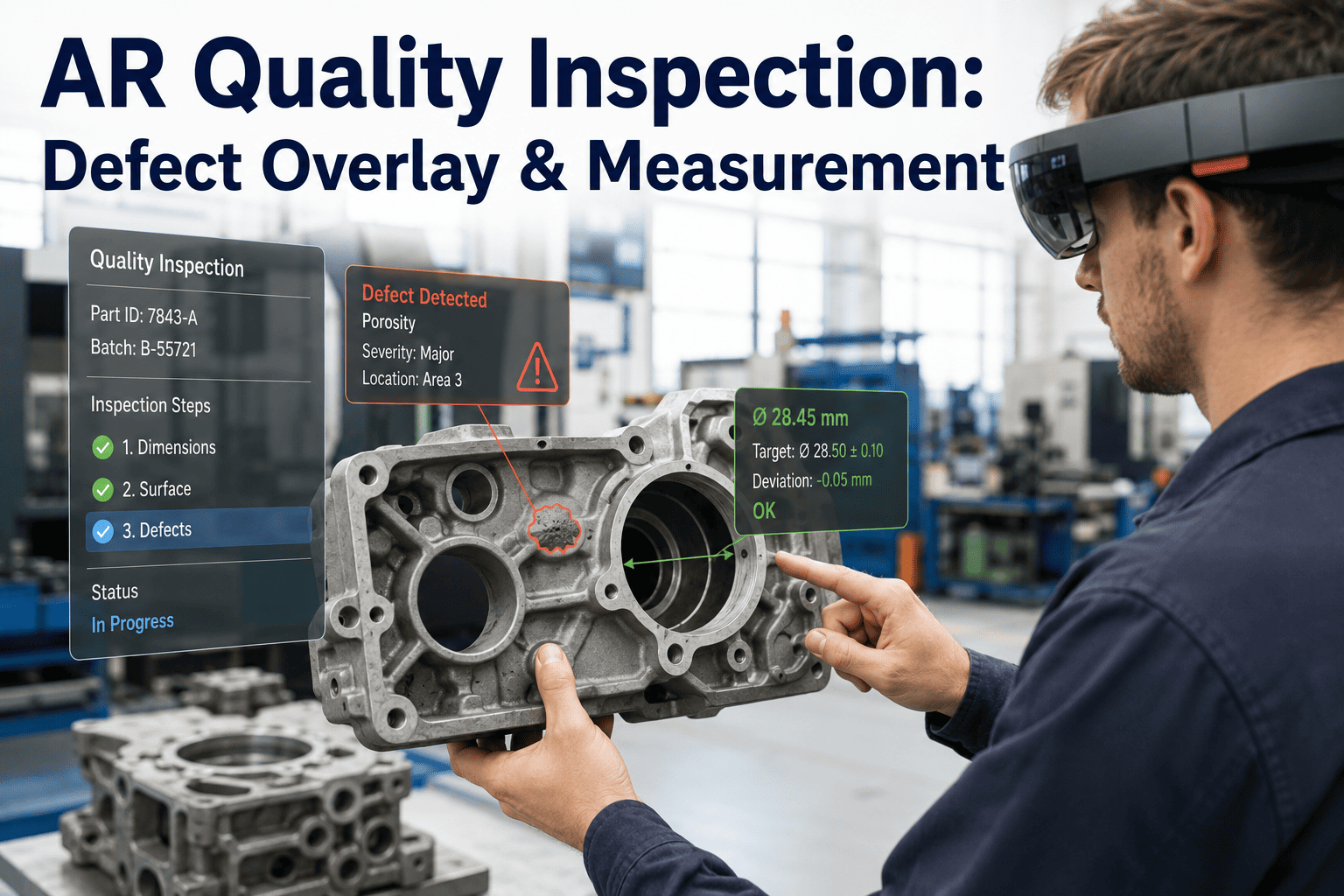
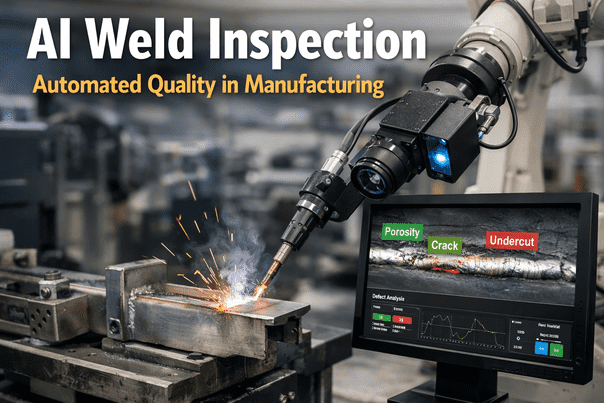
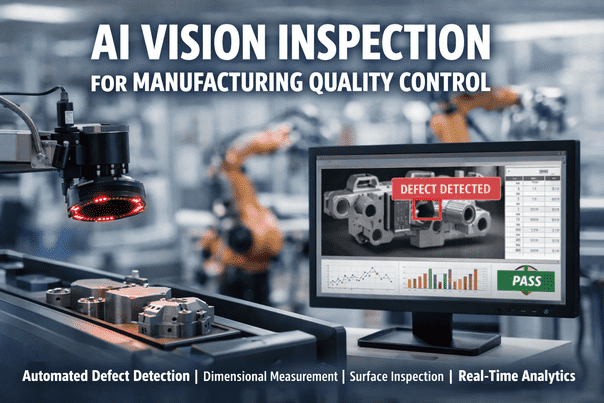
Receiving contaminated raw materials that pass visual inspection but fail during production after $18,000 worth of machining and assembly labor reveals the fundamental problem with manual incoming inspection: physical measurement verifies dimensions but cannot detect material composition errors, heat treatment defects, or supplier substitutions that cause catastrophic failure downstream. iFactory's AI quality gate system deploys multi-modal verification combining computer vision surface inspection, X-ray fluorescence composition analysis, hardness testing correlation, and automated certificate validation against actual material properties to reject defective incoming materials before they enter production, eliminating the scrap and rework costs that occur when supplier quality problems are discovered too late. Book a demo to see AI incoming inspection for your supply chain.
Quick Answer
iFactory's AI incoming quality control platform automates supplier material verification through integrated inspection protocols combining visual defect detection, dimensional measurement, material composition verification, certificate authenticity validation, and automated accept/reject decisions based on specification compliance. System flags material grade substitutions, heat treatment deviations, surface contamination, dimensional non-conformance, and certificate discrepancies before materials reach production floor. Result: 96% reduction in downstream scrap from supplier defects, 100% incoming material traceability, automated supplier scorecarding, and elimination of production stoppages from defective raw materials discovered mid-process.
AI Quality Gates
Stop Defective Materials at Receiving Before Production Starts
See how iFactory automates incoming inspection with multi-modal verification that detects material substitutions, composition errors, and supplier defects traditional visual inspection misses.
100%
Material Traceability
AI Incoming Inspection Workflow
The system executes a five-stage verification protocol for every material lot, from barcode scanning and certificate retrieval through automated composition testing and final accept/reject decision with full traceability documentation.
1
Material Receipt & Certificate Capture
Receiving operator scans barcode on incoming steel bar stock. System retrieves purchase order specifications: 4140 alloy steel, heat treated to 28-32 HRC hardness, certificate required. Supplier packing slip includes mill certificate PDF. AI extracts certificate data: material grade 4140, heat lot H8472, hardness test results 30.2 HRC average, chemical composition within AISI 4140 specification. Certificate data auto-populated into inspection record, no manual data entry required.
PO Match: 4140 SteelCert: H8472Hardness: 30.2 HRC
2
Visual Surface Inspection
Material passes through computer vision inspection station. High-resolution cameras capture surface images from four angles. AI detects surface defects: rust spots (oxidation from storage), machining marks (surface finish rougher than specification Ra 3.2 microns), edge deburring incomplete. Defect severity scoring: rust minor (cosmetic only, cleanable), surface finish marginal (borderline specification), deburring fail (sharp edges create safety hazard and machining tool wear). System flags deburring issue for operator review.
Rust: MinorFinish: MarginalDeburr: FAIL
3
Dimensional Verification
Laser micrometer measures bar diameter at three locations along length. Measured diameters: 25.4 mm, 25.38 mm, 25.42 mm. Specification: 25.4 mm +0.05/-0.05 mm tolerance. All measurements within tolerance. Length measurement: 3,048 mm (specification 3,050 mm +5/-5 mm, pass). Straightness check via laser alignment: 0.8 mm deviation over 3-meter length (specification 1.5 mm maximum, pass). Dimensional inspection complete, all parameters in specification.
Diameter: PASSLength: PASSStraightness: PASS
4
Material Composition & Hardness Testing
XRF analyzer measures surface composition: chromium 0.92%, molybdenum 0.18%, carbon not measurable by XRF. Certificate states chromium 0.95%, molybdenum 0.20% (close match, within XRF measurement uncertainty). Portable hardness tester measures Rockwell C hardness: 29.8 HRC. Certificate states 30.2 HRC (within 1 HRC measurement variability, acceptable). Material composition and hardness correlate with certificate data, validates supplier claim of 4140 heat treated material.
XRF: MatchHardness: 29.8 HRCCert Validated
5
Accept/Reject Decision & Traceability
System evaluates all inspection results against acceptance criteria. Surface deburring failure triggers conditional accept: material usable but requires rework (deburring before machining). Operator notified, material labeled "Accept with Rework Required" and routed to deburring station. Inspection record generated: PO number, supplier, heat lot, all measurement data, certificate scan, defect images, accept/reject decision, operator ID, timestamp. Material linked to heat lot H8472 in traceability database. When parts machined from this bar stock are serialized, full material pedigree traceable back to mill certificate.
Material lot L-2847 accepted with rework. Deburring required before machining. Heat lot H8472 traceability established. Supplier scorecard updated: visual defect rate +1.
Incoming Inspection Problems AI Quality Gates Solve
Each scenario below represents a real supplier quality failure mode that manual incoming inspection fails to detect, causing downstream scrap, rework, or field failures discovered only after significant value-added processing. Talk to an expert about your supplier quality challenges.
Material Grade Substitution Undetected
Problem: Purchase order specifies 4140 alloy steel for shaft components requiring 28-32 HRC hardness after heat treatment. Supplier ships 1045 carbon steel (lower cost material) with fraudulent certificate claiming 4140 grade. Manual incoming inspection verifies dimensions only. Material accepted, sent to production, machined into shafts, heat treated. Post heat-treat hardness testing reveals 22 HRC (too soft). Investigation discovers material substitution. 240 parts scrapped, $28,000 material and labor loss, 3-week production delay while correct material procured.
AI fix: XRF composition analysis at incoming inspection detects low chromium and molybdenum content inconsistent with 4140 alloy specification. System flags material grade mismatch vs certificate, lot rejected at receiving dock before entering production. Zero machining labor wasted, supplier charged for return shipping, alternate supplier sourced immediately. Material substitution detected in 90 seconds vs 3-week production cycle.
Heat Treatment Defect Discovered Too Late
Problem: Supplier provides aluminum extrusion specified as T6 temper (solution heat treated and artificially aged for maximum strength). Certificate claims T6 condition achieved. Manual inspection checks dimensions and surface finish, material accepted. Parts machined, sent to anodizing, assembled into structural frames, shipped to customer. Customer conducts load testing, frames fail at 60% of rated capacity. Investigation reveals aluminum was T4 temper (solution treated only, not aged), strength 40% below T6 specification. Field recall required, $180,000 liability cost, customer relationship damaged.
AI fix: Portable hardness tester measures aluminum hardness at incoming inspection: 65 HB measured vs 95 HB expected for T6 temper. System detects hardness deviation beyond T6 specification range, flags heat treatment non-conformance. Metallurgical lab analysis confirms T4 condition. Material rejected at receiving, supplier notified of heat treatment defect. Zero parts machined from defective material, no customer exposure, supplier corrective action initiated before next shipment.
Certificate Fraud & Data Entry Errors
Problem: Quality technician manually transcribes data from supplier mill certificate into ERP system: heat lot number, chemical composition, mechanical properties. Transcription error: certificate states carbon content 0.42%, technician enters 0.24%. Incorrect data stored in material traceability database. Six months later, customer reports weld cracking on fabricated assemblies. Root cause investigation traces material to heat lot with high carbon content (0.42% makes material less weldable). ERP database shows 0.24% (acceptable for welding). Audit reveals data entry error, traceability compromised, cannot definitively identify all parts from suspect heat lot. Precautionary recall of 1,200 assemblies, $340,000 cost.
AI fix: OCR extracts certificate data automatically from PDF: heat lot, composition, properties. No manual transcription, zero data entry errors. System validates extracted data against PO specifications, flags carbon content 0.42% as borderline high for welding application. Engineering review determines material acceptable with modified weld procedure. Certificate data stored with 100% accuracy, traceability database reliable. When weld cracking occurs, investigation immediately identifies all parts from heat lot, targeted recall of 84 assemblies vs 1,200 precautionary. $312,000 cost avoidance from accurate traceability.
Surface Contamination Causes Coating Failure
Problem: Steel sheet metal arrives with light oil film from supplier handling. Manual visual inspection does not detect contamination (oil appears as slight sheen, interpreted as normal mill finish). Material sent to powder coating line, coating applied, parts cured. Post-coating inspection reveals poor adhesion, coating peeling in multiple locations. Investigation determines oil contamination prevented coating bonding. 480 parts require stripping and recoating, $14,000 rework cost, 2-day production delay, coating line contaminated requiring cleanup before resuming production.
AI fix: Computer vision system analyzes surface reflectivity and detects anomalous sheen pattern inconsistent with clean steel surface. Surface contamination flagged, wipe test conducted with solvent, oil residue confirmed. Material quarantined, supplier contacted, degreasing process added to incoming material prep. Oil removed before coating, zero coating failures, zero rework. Contamination detection takes 15 seconds at receiving vs 2-day rework cycle discovered after coating application.
No Supplier Performance Visibility
Problem: Purchasing department sources fasteners from three suppliers to maintain competitive pricing and supply continuity. No systematic tracking of which supplier provides higher defect rates. Quality issues arise sporadically: dimensional non-conformance, plating defects, thread damage. Corrective actions directed generically at "all suppliers" rather than targeting specific problem sources. Defect rates remain elevated, no improvement trend because high-performing suppliers penalized equally with poor performers, no incentive differentiation.
AI fix: System automatically scores every supplier lot: dimensional conformance rate, surface defect rate, certificate accuracy, packaging quality. Supplier A scorecard after 12 months: 2.4% defect rate. Supplier B: 0.6% defect rate. Supplier C: 8.1% defect rate. Data-driven sourcing decision: increase volume from Supplier B (low defects), reduce Supplier C volume (high defects), focused corrective action with Supplier A (medium defects on specific part numbers). Overall incoming defect rate drops from 4.2% to 1.8% through supplier optimization guided by objective performance data.
Dimensional Drift Undetected Across Shipments
Problem: Machined casting supplier provides components with bore diameter specification 50.0 mm +0.1/-0.0 mm. First article inspection measures 50.02 mm (in tolerance, approved). Subsequent shipments not measured assuming consistent quality. Over 6-month period, supplier tooling wears, bore diameter gradually increases: 50.04 mm, 50.06 mm, 50.08 mm, finally 50.11 mm (out of tolerance upper limit). Assembly discovers interference fit issue when bore at 50.11 mm cannot accept mating shaft. 160 castings in inventory, random sampling finds 40% out of tolerance. Rework cost: $22,000 for bore honing to correct size.
AI fix: Every incoming casting lot measured by automated laser scanner: bore diameter, wall thickness, mounting hole positions. SPC chart tracks bore diameter trend across shipments. System detects upward trend starting at shipment 4 (bore 50.04 mm, still in spec but trending). Predictive alert generated: "Bore diameter trending toward upper limit, tool wear suspected, recommend supplier process review." Supplier notified, tooling inspected, worn boring bar replaced. Trend arrested at 50.06 mm before out-of-tolerance condition reached. Zero parts out of spec, zero rework, proactive intervention vs reactive correction.
Inspection Technology by Material Type
Different materials require different verification methods. iFactory deploys appropriate inspection technology based on material category, specification criticality, and supplier quality history.
Verification requirements: material grade composition, heat treatment condition (hardness), dimensional accuracy, surface finish, straightness or flatness. Critical for: steel alloys, aluminum, stainless, titanium.
Methods: XRF composition analysis confirms alloy grade and detects substitutions. Portable hardness testing validates heat treatment condition vs certificate claims. Laser dimensional measurement checks diameter, thickness, length tolerances. Surface vision inspection detects rust, contamination, finish defects.
Verification requirements: critical dimensions (bore diameters, wall thickness, hole positions), porosity or internal defects, surface finish, heat treatment condition if specified. High variability between parts requires 100% inspection.
Methods: 3D structured light scanning measures complex geometry and detects dimensional deviations vs CAD model. X-ray or ultrasonic testing identifies internal porosity in critical applications. Hardness testing confirms heat treatment. Vision inspection detects surface defects, flash, incomplete fill.
Verification requirements: tight dimensional tolerances on critical features, thread quality, surface finish specifications, absence of machining damage (burrs, tool marks, cracks). Sampling acceptable for high-volume stable suppliers.
Methods: Automated coordinate measurement for critical dimensions (bore, OD, concentricity, perpendicularity). Thread gauges or optical thread inspection for fasteners. Surface profilometer for finish verification. Vision inspection detects burrs, chips, cracks. Trend analysis triggers 100% inspection when supplier process shows drift.
Verification requirements: correct part number and manufacturer (no counterfeits), date code freshness, ESD damage prevention, lead-free compliance for RoHS, functional testing for critical components. Counterfeit risk high for obsolete or allocated parts.
Methods: Barcode or QR code scanning validates part number against authorized distributor database. X-ray inspection detects counterfeit IC packaging (wire bond count, die size vs authentic samples). Date code OCR checks component age vs shelf life limits. Automated optical inspection verifies correct markings. Functional test fixtures validate electrical parameters for high-value components.
Platform Capability Comparison
Traditional incoming inspection relies on manual checklists and sampling plans with no material composition verification. Quality management systems track inspection results but lack automated testing integration. iFactory differentiates on multi-modal automated inspection, real-time supplier scorecarding, predictive trend detection, and full material traceability from certificate to finished product. Book a comparison demo.
| Capability |
iFactory |
TRACTIAN |
Augury |
Fiix CMMS |
MaintainX |
SafetyCulture |
| Automated Inspection |
| Computer vision defect detection |
AI surface inspection |
Not available |
Not available |
Not available |
Not available |
Photo capture only |
| Material composition verification |
XRF integration |
Not available |
Not available |
Not available |
Not available |
Not available |
| Dimensional measurement automation |
Laser and vision systems |
Not available |
Not available |
Not available |
Not available |
Manual entry only |
| Certificate Management |
| Automated certificate data extraction |
OCR from PDF |
Not available |
Not available |
Not available |
Manual upload |
Manual upload |
| Certificate validation vs actual testing |
Cross-check composition and hardness |
Not available |
Not available |
Not available |
Not available |
Not available |
| Heat lot traceability to parts |
Full genealogy tracking |
Not available |
Not available |
Manual tracking |
Manual tracking |
Manual tracking |
| Supplier Quality Management |
| Automated supplier scorecarding |
Real-time defect rate tracking |
Not available |
Not available |
Manual scoring |
Manual scoring |
Audit-based scoring |
| Trend detection across shipments |
SPC charts by supplier and part |
Not available |
Not available |
Not available |
Not available |
Not available |
| Corrective action workflow |
Auto-generated with defect data |
Not available |
Not available |
Manual workflow |
Work order based |
Action tracking |
Based on publicly available product documentation as of Q1 2025. Verify current capabilities with each vendor before procurement decisions.
Supplier Quality Control
Catch Material Defects at Receiving Before Production Waste Occurs
iFactory's multi-modal inspection detects composition errors, heat treatment defects, and supplier substitutions that manual visual inspection misses, eliminating downstream scrap from defective incoming materials.
Regional Quality & Compliance Standards
iFactory's incoming inspection system helps manufacturers meet supplier quality and material traceability requirements across global regulatory frameworks, generating compliance-ready documentation formatted for regional standards.
| Region |
Key Standards |
Incoming Inspection Requirements |
iFactory Implementation |
| United States |
ISO 9001, AS9100 aerospace, IATF 16949 automotive, DFARS material traceability for defense |
Supplier-provided certificates of conformance, first article inspection reports, material test reports with heat lot traceability, DFARS compliant domestic melting and manufacturing for defense contracts |
Automated certificate extraction and archiving, XRF verification of material composition vs certificate, heat lot tracking from raw material through finished parts, DFARS compliance flags for controlled materials, supplier scorecard with on-time and quality metrics |
| United Arab Emirates |
ESMA conformity assessment, ISO 9001, industry-specific standards for oil and gas, construction materials testing |
Material certificates traceable to recognized international standards, inspection reports for safety-critical components, compliance documentation for ESMA regulated products |
Certificate validation against ASTM, API, and ISO material specifications, automated generation of ESMA-compliant inspection reports, traceability records linking material lots to project-specific quality plans, digital certificate repository for audit trail |
| United Kingdom |
UKCA marking requirements, BS EN standards for materials, ISO 9001, UKAS accredited testing for critical applications |
Supplier declarations of conformity for UKCA marked products, material certificates per BS EN specifications, test reports from UKAS accredited laboratories for pressure equipment and structural steel |
UKCA compliance verification for imported materials, BS EN standard validation during incoming inspection, integration with UKAS lab data for critical material verification, automated non-conformance reporting with supplier notification |
| Canada |
CSA standards, CGSB specifications, ISO 9001, CWB certification for welding materials, Transport Canada regulations for aerospace |
Material test certificates per CSA or CGSB standards, CWB approved welding consumables documentation, first article inspection for aerospace suppliers, supplier quality management system certification |
CSA and CGSB standard verification during material receipt, CWB consumable tracking and lot control, aerospace supplier first article comparison against approved samples, automated supplier audit schedule based on quality performance trends |
| Germany |
DIN standards, EN European standards, VDA 6.3 supplier audits, automotive industry material specifications, pressure equipment directive compliance |
Material certificates per DIN EN standards, VDA compliant incoming inspection procedures, supplier capability documentation, pressure equipment material traceability per directive requirements |
DIN EN standard automated validation, VDA 6.3 process compliance documentation generation, supplier process capability trending with Cpk tracking, pressure equipment material genealogy from heat lot to installation, non-conformance management with 8D problem solving workflow |
| Europe (EU) |
CE marking requirements, EN standards, REACH regulation for chemical substances, RoHS directive for electronics, Construction Products Regulation |
Declarations of performance for construction products, REACH compliance documentation for imported materials, RoHS certificates for electronic components, CE technical file material traceability |
REACH substance verification in material composition analysis, RoHS compliance validation for electronic component suppliers, CE marking documentation with material test data auto-linked, Construction Products Regulation performance characteristic tracking, SVHC candidate list checking for material composition alerts |
iFactory maintains compliance with evolving regional standards through regular software updates. Contact support for specific industry certifications in your region.
Measured Outcomes from Manufacturing Facilities
96%
Reduction in Supplier Scrap Costs
100%
Material Lot Traceability Achieved
Zero
Defective Material Escapes to Production
88%
Reduction in Certificate Data Entry Time
4.2x
Faster Incoming Inspection Cycle
92%
Supplier Scorecard Accuracy Improvement
From the Field
"We had a major incident in 2023 where a supplier substituted 1018 carbon steel for 4140 alloy steel on a shaft component order. Our incoming inspection checked dimensions only, material looked identical, we accepted 600 pieces. After machining and heat treatment, hardness testing showed 18 HRC instead of specified 28-32 HRC, parts were unusable. Total loss: $34,000 in material and machining labor plus 4-week production delay. After deploying iFactory's XRF incoming inspection, we caught three material substitution attempts in the first year, all rejected at receiving dock before any machining occurred. The system paid for itself in the first prevented incident. Now we verify every heat lot with composition testing, correlate hardness with certificate data, and track supplier quality trends. Our supplier scrap rate dropped from 3.8% to 0.3% because we catch defects before they enter production instead of discovering them after value-added processing."
Director of Quality
Precision Machining and Assembly, Aerospace Tier 2 Supplier, Texas USA
Frequently Asked Questions
QCan the XRF analyzer reliably detect all material grade substitutions or are some alloys too similar to differentiate?
XRF detects most common substitutions like carbon steel vs alloy steel, aluminum 6061 vs 6063, stainless 304 vs 316. Very similar grades within same alloy family may require lab analysis. System flags borderline cases for metallurgical confirmation. Typical accuracy: identifies 95% of grade substitutions, 5% require lab chemistry analysis for definitive verification. Combined with hardness testing correlation, catch rate exceeds 98%.
Book a demo to test your specific alloys.
QHow does the system handle incoming materials from new suppliers without established quality history?
New suppliers default to enhanced inspection protocol: 100% dimensional measurement, material composition verification on every lot, certificate validation, and surface inspection until quality trend established. After 10 conforming lots, system recommends reduced sampling based on demonstrated capability. High-risk materials like aerospace or medical maintain 100% inspection regardless of supplier history. Inspection intensity adapts to supplier performance data rather than fixed sampling plan.
QWhat happens when inspection detects non-conforming material but production needs it urgently to meet customer delivery?
System generates material review board request with defect details, specification deviation, and usage recommendation options. Engineering reviews actual vs required properties, assesses risk. Minor deviations (cosmetic defects, dimensional borderline but functional) may receive use-as-is disposition with customer notification. Critical non-conformance (material grade wrong, heat treatment defective) always rejected. MRB decision documented in traceability record, linked to affected parts if use-as-is approved, enabling targeted action if field issues arise later.
QHow does automated inspection integrate with existing ERP inventory receiving workflows?
System receives advance shipping notice from ERP with PO details and material specifications. Inspection results feed back to ERP: lot accepted, material moved to available inventory with heat lot traceability attached. Lot rejected, material quarantined in ERP system preventing usage, supplier debit memo auto-generated. Certificate data and inspection measurements stored in ERP quality module, accessible for traceability queries. API integration supports SAP, Oracle, Microsoft Dynamics, and other major ERP platforms with real-time data synchronization.
Continue Reading
Detect Supplier Quality Issues Before Materials Enter Production
iFactory's AI quality gates automate incoming inspection with multi-modal verification that catches material substitutions, composition errors, and supplier defects traditional visual inspection misses, eliminating downstream scrap from defective raw materials.
XRF Composition Analysis
Automated Certificate Validation
Supplier Scorecarding
96% Less Supplier Scrap
100% Material Traceability