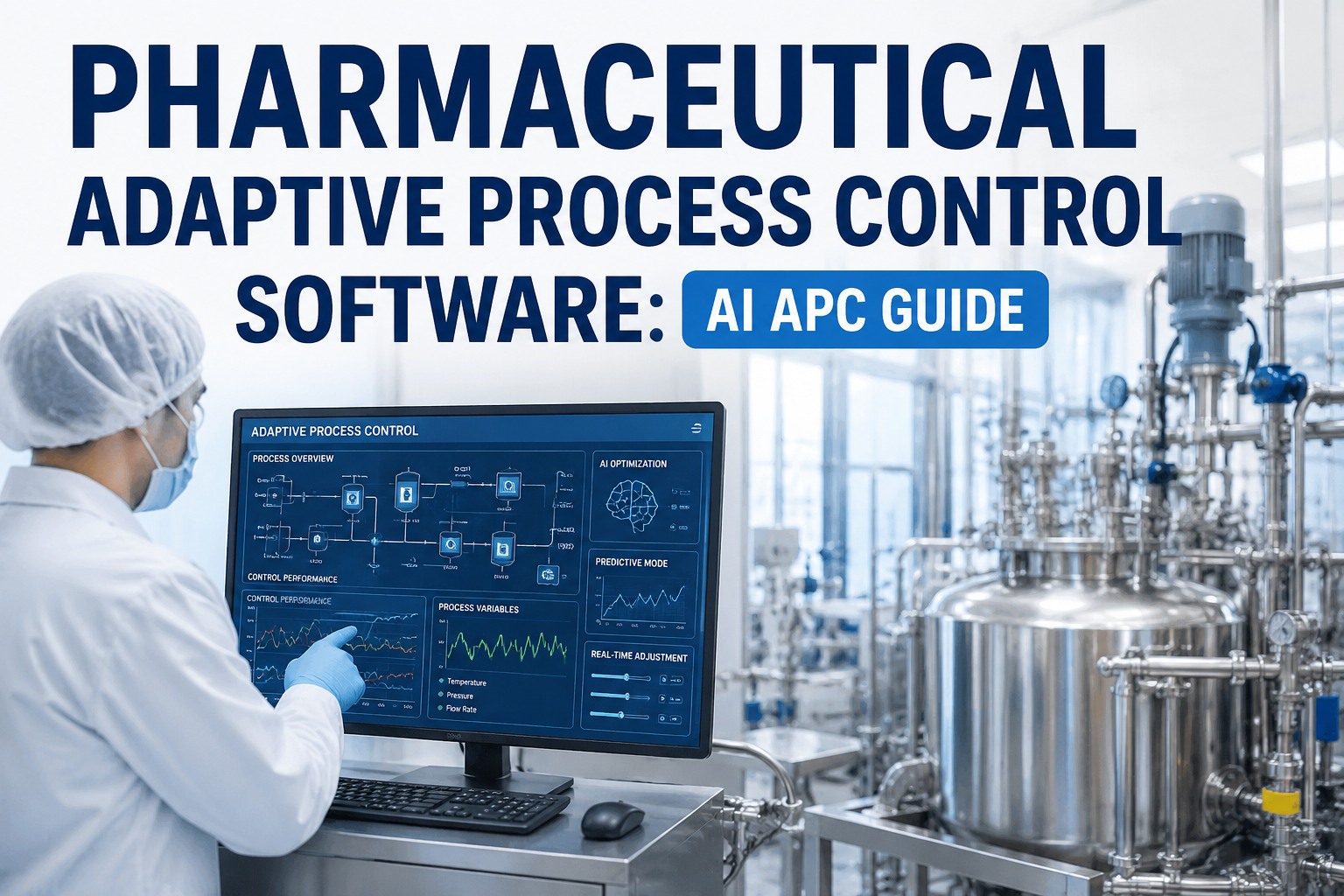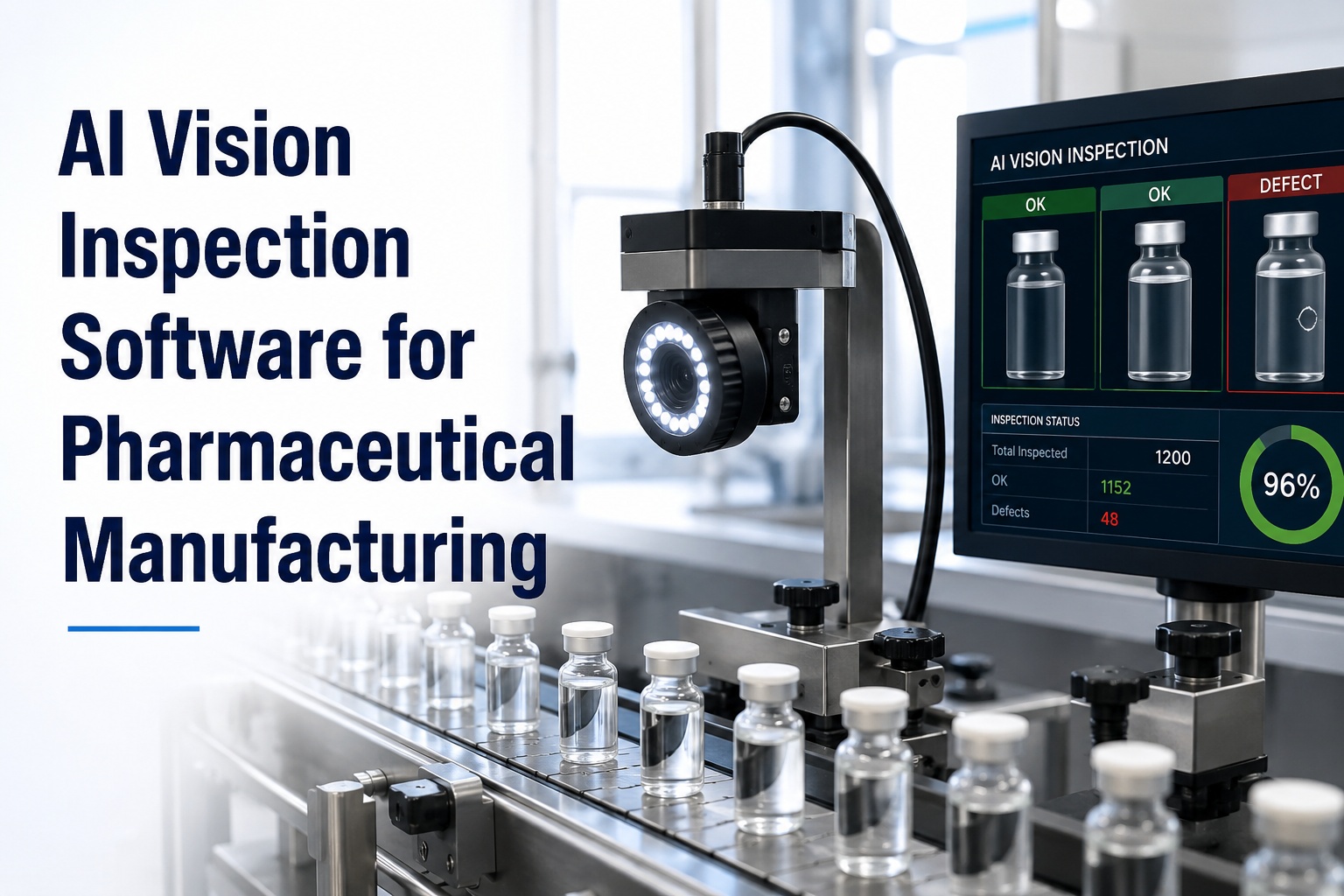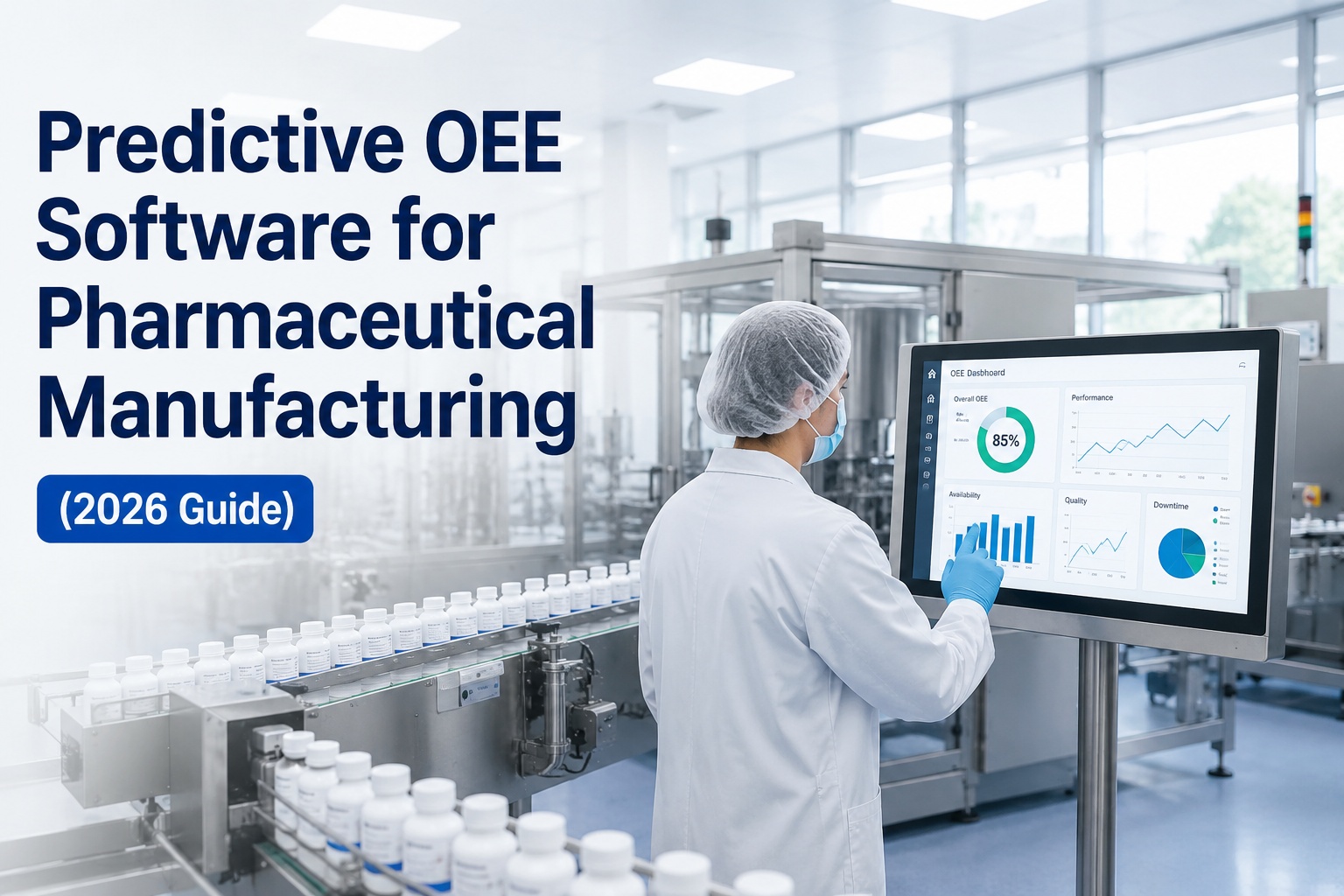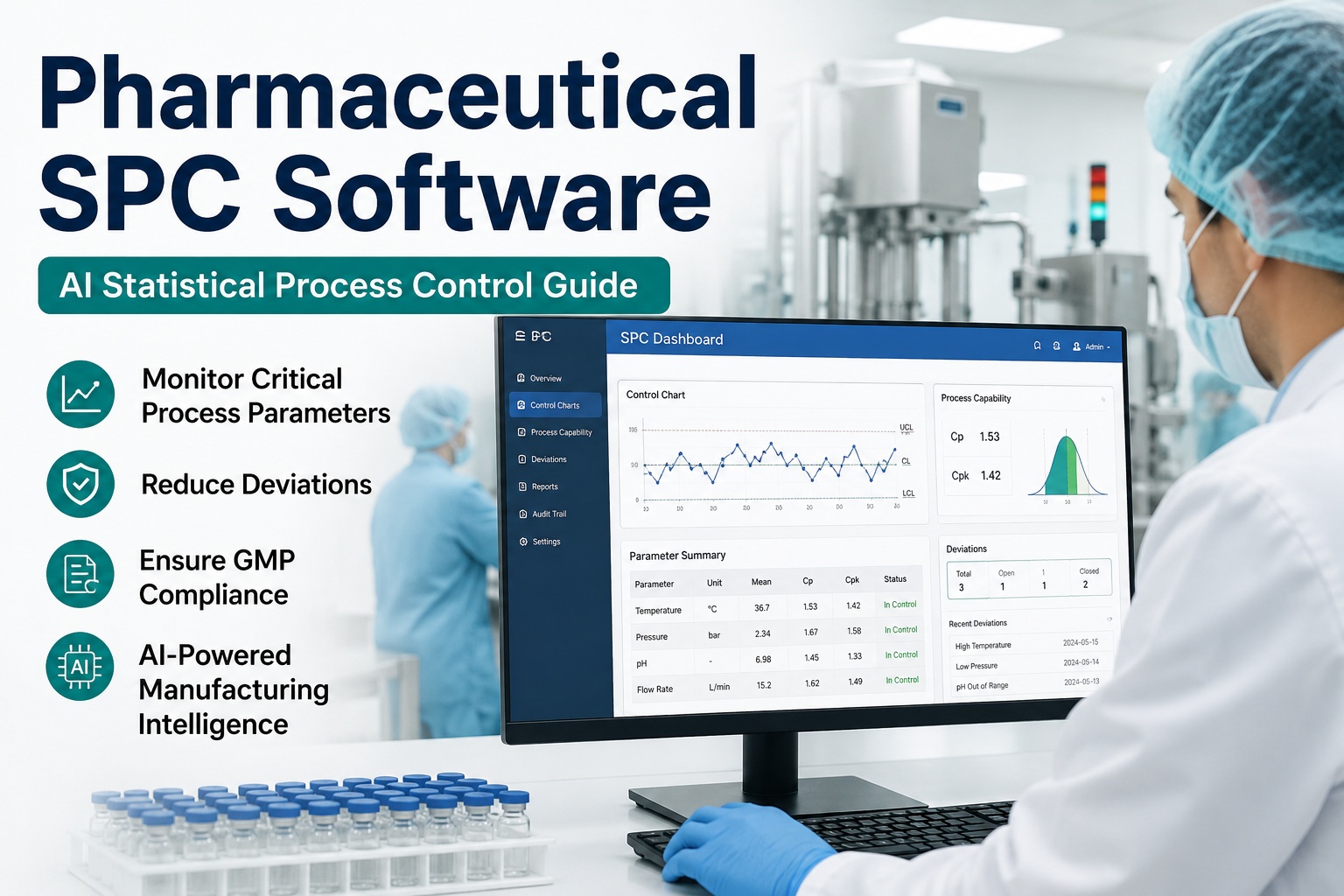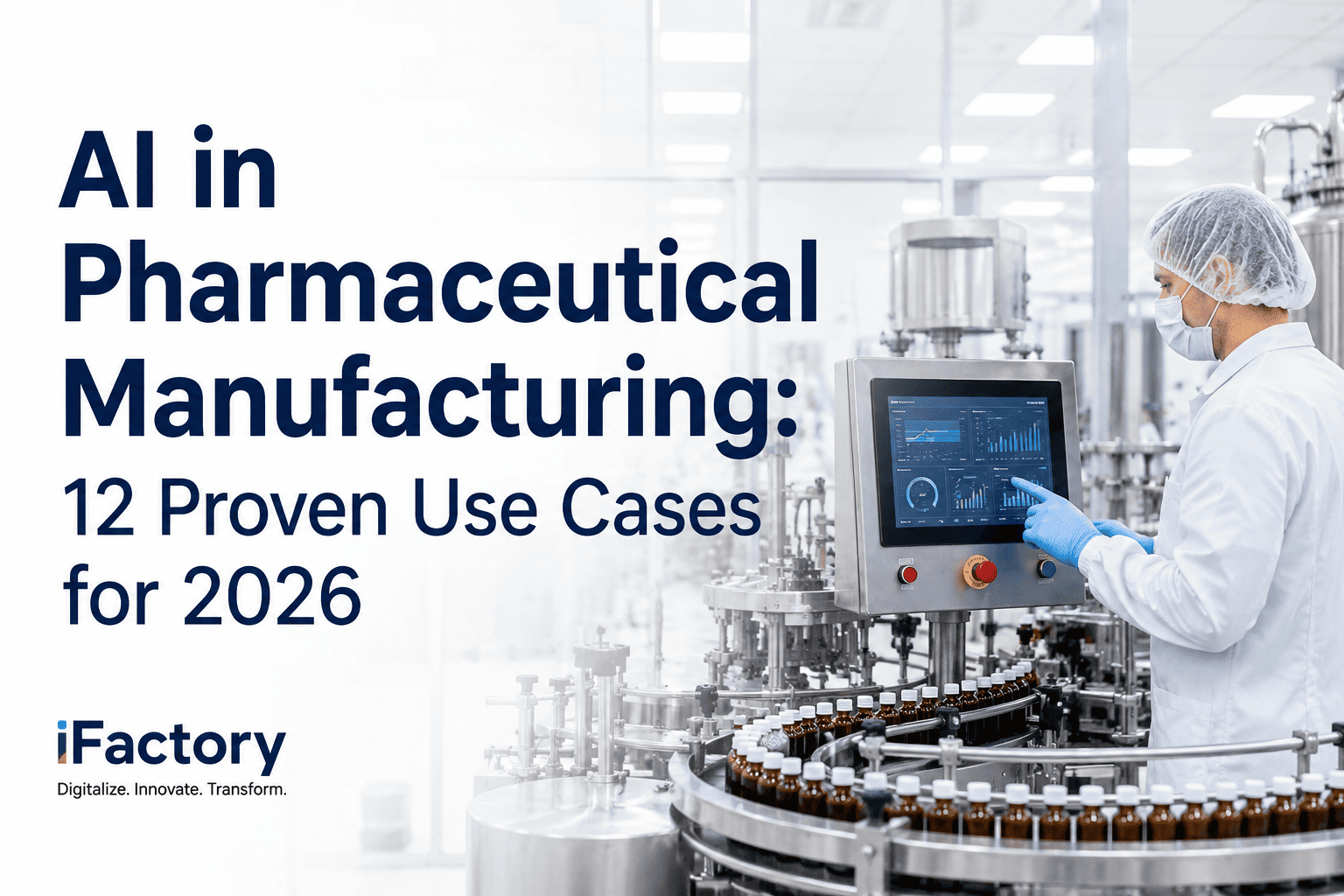
Every batch deviation that slips past your legacy QMS doesn't just cost thousands in rework—it quietly erodes your facility's compliance posture, burns out your quality teams, and inches your operation toward a Form 483. In 2026, pharmaceutical manufacturers running on fragmented, reactive systems face a compounding liability: rising regulatory scrutiny, thinning margins, and a talent shortage that makes manual oversight unsustainable. The facilities winning this decade aren't working harder—they've deployed AI to catch what humans miss, predict what spreadsheets can't, and scale quality without scaling headcount. Here are 12 proven AI use cases transforming pharma manufacturing right now, and how iFactory's AI Suite operationalizes each one.
Is Your Manufacturing Intelligence Ready for 2026?
Deploy AI-driven yield prediction, deviation triage, and compliance automation across your entire pharma operation from a single platform.
The ROI Case for AI in Pharma Manufacturing
Legacy QMS platforms were built for compliance documentation—not operational intelligence. iFactory's AI Suite closes that gap by embedding predictive models directly into your manufacturing workflows, turning raw sensor data and batch records into financial and clinical outcomes your CFO and VP of Quality can act on.
Quality & Compliance Intelligence
AI-Powered Deviation Triage
- Classifies deviation severity in real-time using NLP on batch record narratives
- Routes critical deviations to QA leads before CAPA timelines are breached
- Reduces manual triage time by up to 70% per event
- Maintains a full audit trail for FDA and EMA inspections
Predictive Out-of-Specification (OOS) Detection
- Monitors in-process parameters to flag OOS risk before final batch release
- Integrates with PAT (Process Analytical Technology) sensor feeds
- Cuts OOS investigation costs by addressing root causes upstream
- Supports 21 CFR Part 211 compliance documentation automatically
Automated CAPA Recommendation Engine
- Analyzes historical deviation patterns to suggest proven corrective actions
- Reduces CAPA cycle time from weeks to days
- Flags recurring root causes that signal systemic process failure
- Generates audit-ready CAPA reports in structured GMP format
Real-Time Environmental Monitoring AI
- Detects cleanroom excursions in temperature, humidity, and particulate levels
- Triggers automated alerts and containment protocols without human latency
- Correlates environmental data with batch outcomes for trend analysis
- Reduces contamination-related batch losses by up to 35%
Yield, Batch & Process Optimization
AI Yield Prediction Modeling
- Builds ML models on historical batch data to predict yield before production completes
- Identifies which raw material lots, process parameters, and equipment states drive yield loss
- Enables proactive adjustment mid-batch to recover target yields
- Directly impacts gross margin per batch and annual product cost of goods
Process Parameter Optimization (PPO)
- Uses Design of Experiments (DoE) AI to identify optimal parameter ranges
- Reduces time to process lock during tech transfer by up to 50%
- Continuously refines parameter windows as new batch data accumulates
- Feeds directly into validated process control strategies
AI-Driven Batch Record Review (eBR)
- Automates exception detection in electronic batch records at release
- Cuts batch record review time from hours to under 15 minutes
- Flags data integrity risks before submission to QA for final sign-off
- Scales effortlessly across multi-product, multi-site operations
Raw Material Variability Prediction
- Scores incoming material lots for process compatibility before they enter production
- Reduces batch failures linked to supplier variability by 45%
- Enables dynamic formula adjustments to compensate for material attribute shifts
- Builds a supplier performance intelligence layer for procurement decisions
Comparison: Legacy Friction vs. iFactory Optimized Excellence
| Capability Area | Legacy QMS Friction | iFactory AI Suite | Business Impact |
|---|---|---|---|
| Deviation Management | Manual triage, 48–72hr response lag | AI classification in <60 seconds | 70% faster resolution |
| Yield Forecasting | Post-batch reconciliation only | Real-time predictive yield modeling | $2.4M avg savings/site |
| Environmental Monitoring | Periodic manual checks, reactive alerts | Continuous AI anomaly detection | 35% fewer contamination events |
| Batch Record Review | 2–4 hour manual QA review cycle | Automated exception flagging in 15 min | 85% cycle time reduction |
| Equipment Maintenance | Scheduled calendar-based PM | Predictive failure alerts from sensor AI | 60% downtime reduction |
| Regulatory Audit Prep | Manual document assembly, weeks of prep | Auto-generated, inspection-ready packages | Continuous readiness |
Workforce, Equipment & Regulatory AI
Predictive Equipment Maintenance
- Analyzes vibration, temperature, and run-time data to predict equipment failures
- Converts reactive breakdowns into planned maintenance windows
- Reduces maintenance labor costs by 30% through precision scheduling
- Integrates with existing CMMS platforms for seamless work order creation
AI-Assisted Regulatory Submission Drafting
- Generates CTD-compliant manufacturing sections using structured batch data
- Reduces submission preparation time by 50% for BLAs, NDAs, and MAAs
- Flags data gaps before submission to prevent agency refuse-to-file responses
- Maintains version-controlled document lineage for post-approval change management
Generative AI for SOP & Training Content
- Auto-generates SOP drafts from process change requests and validation reports
- Creates role-specific training modules aligned to updated procedures
- Reduces SOP authoring and review cycles by up to 65%
- Addresses staff burnout by eliminating high-volume documentation tasks
AI-Powered Supply Chain Demand Forecasting
- Integrates market signals, patient demand trends, and production capacity data
- Predicts API and excipient procurement needs with 90%+ accuracy
- Reduces stockout events and excess inventory carrying costs simultaneously
- Connects manufacturing planning directly to commercial demand signals
How iFactory AI Solves Your Three Biggest Operational Risks
Patient Safety
- Catches contamination risks 4–6 hours earlier than manual monitoring
- Prevents OOS releases through upstream predictive screening
- Reduces product recalls by 50% through proactive batch intelligence
Staff Burnout
- Eliminates 80% of manual data entry in quality operations
- Auto-generates documentation so teams focus on judgment—not transcription
- Reduces after-hours investigations triggered by delayed deviation alerts
Patient Throughput
- Faster batch release cycles mean earlier product availability to patients
- Predictive scheduling eliminates production bottlenecks that delay campaigns
- Multi-product AI prioritization maximizes throughput across shared equipment
Deploy All 12 AI Use Cases Across Your Manufacturing Sites
iFactory's AI Suite integrates with your existing MES, QMS, and ERP infrastructure—no rip-and-replace. Start with one use case. Scale to enterprise-wide intelligence.
Frequently Asked Questions — AI in Pharma Manufacturing
Does iFactory AI Suite require replacing our existing MES or QMS?
No. iFactory integrates via API with leading MES, QMS, and ERP platforms including Veeva, SAP, and Honeywell. Your validated systems stay in place; iFactory adds the intelligence layer on top.
How does the AI handle GMP data integrity requirements?
Every AI-generated record includes an immutable audit trail, timestamps, and user attribution aligned to ALCOA+ principles. The platform is validated per GAMP 5 guidance for computerized systems in regulated environments.
What is the typical time to value for AI yield prediction?
Most sites see measurable yield improvement within 60–90 days of model training on existing batch data. The platform requires a minimum of 18–24 historical batches to generate statistically reliable predictions. Book a Demo to assess your site's readiness.
Can the platform support multi-product, multi-site deployments?
Yes. iFactory is architected for enterprise-scale pharma operations. Role-based access controls, site-level data segregation, and centralized executive dashboards are standard across all enterprise licenses.
See iFactory AI Suite Live — Book Your 30-Minute Demo
Our pharma solutions architects will map your current operational gaps to specific AI use cases with projected ROI for your site volume and product mix.