For mid-market manufacturers, selecting an enterprise resource planning (ERP) system is one of the most consequential technology decisions a leadership team will make. The wrong choice can lead to millions in cost overruns, operational disruptions, and years of suboptimal performance. The right choice, however, unifies production planning, inventory management, financial controls, and supply chain visibility into a single source of truth. In this comprehensive guide, we analyze the top five ERP platforms—SAP S/4HANA, Oracle Cloud ERP, Microsoft Dynamics 365, Infor CloudSuite, and Epicor Kinetic—through the lens of mid-market manufacturing needs. We evaluate each system across a rigorous feature matrix, total cost of ownership, implementation complexity, and integration readiness for Industry 4.0 technologies. Whether you are modernizing legacy systems or deploying ERP for the first time, this comparison provides the analytical framework to make a data-driven decision. Book a Demo with our ERP integration experts to accelerate your evaluation.
ERP Selection Guide for Mid-Market Manufacturers (2026)
Deep-dive comparison of SAP S/4HANA, Oracle Cloud, Dynamics 365, Infor CloudSuite, and Epicor Kinetic. Feature matrix, pricing, and implementation risk for smart factories.
Mid-market manufacturers operate in a unique sweet spot—too large for entry-level accounting software, yet too agile for the monolithic, multi-year ERP transformations of global enterprises. The challenge is finding a system that balances depth of manufacturing functionality with speed of deployment and manageable total cost of ownership (TCO). This guide cuts through the vendor hype, providing a structured evaluation framework based on real-world implementation data, industry analyst reports, and direct feedback from manufacturing IT leaders. Our analysis covers production planning, quality management, supply chain execution, financial consolidation, and integration with IoT and AI-driven predictive maintenance platforms. The goal is to equip decision-makers with the technical and financial clarity needed to issue an RFP, conduct vendor demos, and ultimately select an ERP that aligns with their Industry 4.0 roadmap.
Comprehensive ERP Feature Matrix for Manufacturing
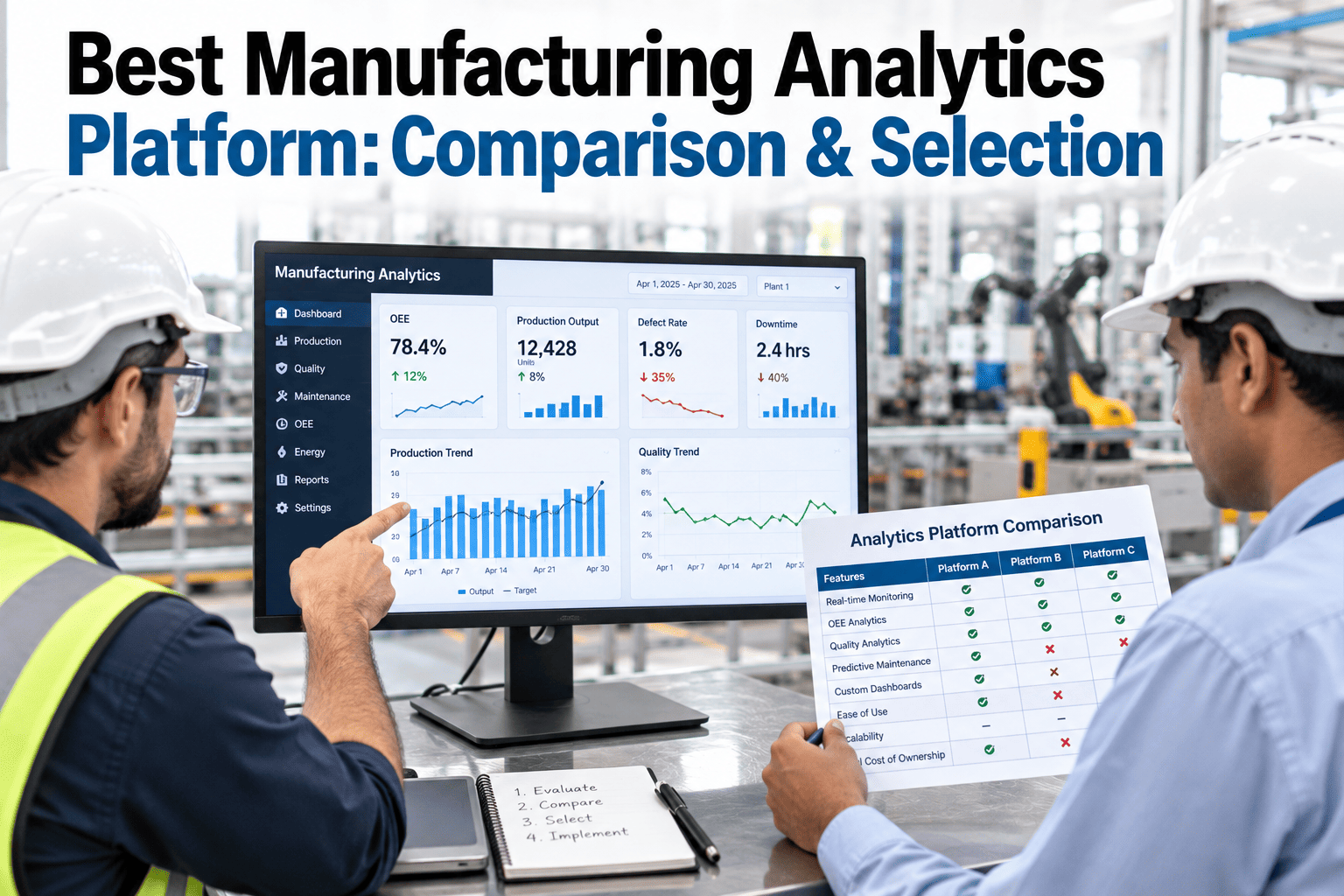
| Feature Category | SAP S/4HANA | Oracle Cloud ERP | Dynamics 365 | Infor CloudSuite | Epicor Kinetic |
|---|---|---|---|---|---|
| Production Planning & Scheduling | Advanced MRP, PP/DS, finite scheduling | Manufacturing Cloud, WIP tracking | Production control, lean manufacturing | Advanced planning, visual scheduling | Job management, real-time scheduling |
| Quality Management | Integrated QM module, inspection plans | Quality Cloud, nonconformance tracking | Quality control, defect management | Quality assurance, compliance tracking | Quality control, SPC integration |
| Inventory & Warehouse | WM/EWM, cycle counting, serialization | Inventory Cloud, lot tracking | Warehouse management, barcode scanning | Inventory optimization, multi-site | Advanced inventory, bin management |
| Supply Chain Planning | IBP, demand & supply planning | SCP Cloud, demand management | Supply chain planning, AI insights | Supply chain execution, visibility | Supply chain management, vendor portal |
| Financial Management | General ledger, AP/AR, cost accounting | Financial Cloud, revenue management | Finance, budgeting, analytics | Financials, multi-entity consolidation | Financial management, job costing |
| IoT & AI Integration | SAP Leonardo, predictive maintenance | Oracle IoT, AI/ML services | Azure IoT, AI builder, Power BI | Infor ION, AI-powered analytics | Epicor Data Analytics, IoT edge |
Pricing & Implementation Risk Analysis
SAP S/4HANA
Pricing: $108–$250/user/month (cloud) plus implementation fees. Typical mid-market deployment cost: $500K–$2M. Risk: High. Long implementation cycles (12–24 months), complex data migration, and need for specialized SAP consultants. Best suited for manufacturers with existing SAP footprint or complex multi-national operations.
Oracle Cloud ERP
Pricing: $100–$200/user/month. Implementation: $300K–$1.5M. Risk: Medium-High. Oracle's cloud-native architecture reduces infrastructure burden, but customization is limited. Integration with legacy systems can be challenging. Strong for discrete manufacturing with global supply chains.
Microsoft Dynamics 365
Pricing: $95–$180/user/month. Implementation: $200K–$800K. Risk: Medium. Tight integration with Office 365 and Azure makes it attractive for Microsoft-centric organizations. Flexible but can require significant configuration. Good for mid-market manufacturers seeking a balanced TCO.
Infor CloudSuite
Pricing: $80–$150/user/month. Implementation: $150K–$600K. Risk: Low-Medium. Industry-specific functionality for manufacturing (e.g., Infor M3 for industrial). Lower customization but faster deployment. Best for manufacturers wanting a pre-configured, industry-tailored solution.
Epicor Kinetic
Pricing: $70–$130/user/month. Implementation: $100K–$500K. Risk: Low. Designed specifically for mid-market manufacturing. Fast implementation (3–6 months), strong out-of-the-box functionality, and lower TCO. Ideal for manufacturers with limited IT resources seeking rapid ROI.
Ready to Compare ERP Costs for Your Factory?
Get a customized TCO analysis and implementation roadmap from our ERP integration specialists.
Implementation Timeline Comparison
Discovery & Requirements
Duration: 2–4 weeks. Define business processes, pain points, and integration needs with existing MES, IoT, and analytics platforms. Output: detailed RFP and vendor shortlist.
Vendor Evaluation & Demo
Duration: 4–8 weeks. Conduct scripted demos focusing on manufacturing-specific workflows, data migration strategy, and scalability. Use the feature matrix to score vendors objectively.
Contract & Licensing
Duration: 2–4 weeks. Negotiate subscription terms, implementation fees, and support SLAs. Include clauses for data portability and future integration with Industry 4.0 platforms.
Implementation & Integration
Duration: 3–12 months (varies by vendor). Execute phased rollout, starting with finance and inventory, then production and quality. Parallel run with legacy systems to ensure data integrity.
Go-Live & Optimization
Duration: 1–3 months post-launch. Monitor system performance, user adoption, and resolve integration issues. Continuous improvement via analytics and IoT data feeds.
Frequently Asked Questions
What is the total cost of ownership for a mid-market manufacturing ERP?
Total cost of ownership (TCO) for a mid-market manufacturing ERP typically includes software licensing or subscription fees, implementation services, customization, data migration, training, and ongoing support and maintenance. For a manufacturer with 100–500 users, the TCO over five years can range from $500,000 to $3 million, depending on vendor and complexity. Cloud-based solutions generally have lower upfront costs but higher recurring fees. It is critical to factor in integration costs with existing systems like MES, IoT platforms, and predictive maintenance tools. A detailed TCO analysis should be part of your RFP process. For a custom TCO estimate tailored to your factory, Book a Demo with our team.
How long does it take to implement an ERP system in a mid-market factory?
Implementation timelines vary significantly by vendor and scope. For a standard deployment with limited customization, Epicor Kinetic can go live in 3–6 months, while Infor CloudSuite typically takes 6–9 months. Microsoft Dynamics 365 averages 6–12 months, Oracle Cloud ERP 9–18 months, and SAP S/4HANA 12–24 months. Factors affecting duration include data quality, number of integrations, organizational change readiness, and availability of internal IT resources. A phased approach—starting with core financials and inventory, then adding production and quality modules—reduces risk and accelerates time-to-value. For a realistic timeline based on your specific requirements, Book a Demo.
Which ERP vendor offers the best IoT and AI integration for Industry 4.0?
All five vendors offer some level of IoT and AI integration, but the depth and ease of integration differ. SAP S/4HANA with SAP Leonardo provides robust IoT and AI capabilities, but requires significant expertise and investment. Oracle Cloud ERP integrates with Oracle IoT and AI/ML services, offering strong analytics but limited flexibility. Microsoft Dynamics 365 leverages Azure IoT and Power BI, making it highly customizable and scalable for manufacturing analytics. Infor CloudSuite uses Infor ION for integration and AI-powered analytics, with industry-specific templates. Epicor Kinetic offers IoT edge capabilities and built-in analytics, with lower complexity. For manufacturers prioritizing seamless integration with predictive maintenance and smart factory analytics, Dynamics 365 and Epicor Kinetic offer the best balance of functionality and ease of deployment. Book a Demo to see how we integrate ERP with Industry 4.0 platforms.
What are the hidden costs of ERP implementation for manufacturing?
Hidden costs often include data migration and cleansing, customization and configuration beyond initial scope, integration with legacy systems and third-party applications, extensive user training and change management, temporary productivity loss during go-live, and ongoing support and upgrade fees. Manufacturers frequently underestimate the cost of integrating ERP with MES, SCADA, and IoT platforms. Additionally, cloud subscription fees can escalate as user counts grow or additional modules are needed. To avoid budget overruns, include a contingency of 20–30% in your implementation budget and ensure the vendor provides a detailed scope of work. For a transparent cost breakdown, Book a Demo with our ERP financial analysts.
How do I choose between cloud and on-premise ERP for my factory?
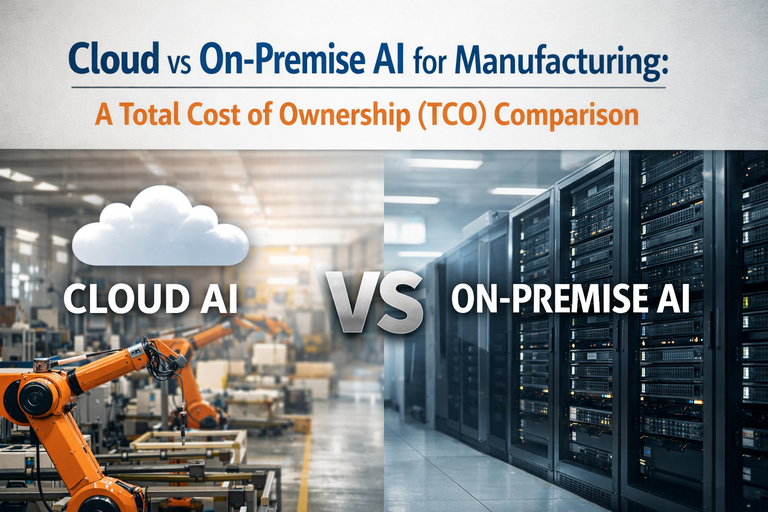
Cloud ERP offers lower upfront costs, automatic updates, scalability, and remote access, making it ideal for manufacturers with limited IT staff or multiple locations. On-premise ERP provides greater control over data, customization, and security, which may be required for highly regulated industries or factories with strict data residency requirements. Mid-market manufacturers increasingly prefer cloud ERP due to faster deployment and lower TCO over time. However, if your factory has existing on-premise infrastructure and complex integrations, a hybrid approach may be suitable. Evaluate your connectivity, data sensitivity, and IT support capabilities before deciding. For a cloud vs. on-premise assessment, Book a Demo.
Select the Right ERP for Your Factory
Our ERP integration experts help mid-market manufacturers evaluate, select, and implement the optimal system. Get a personalized comparison and implementation roadmap.