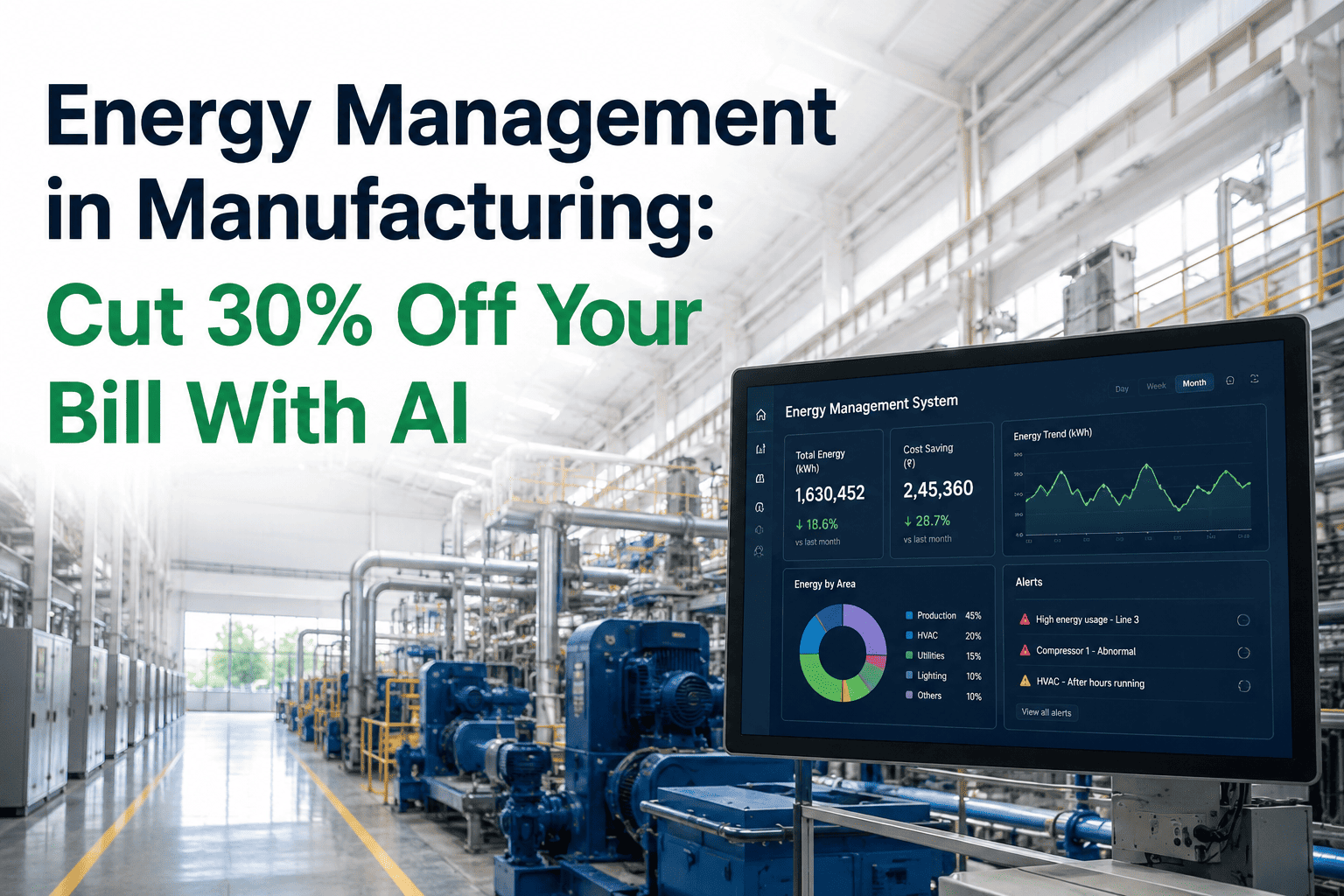
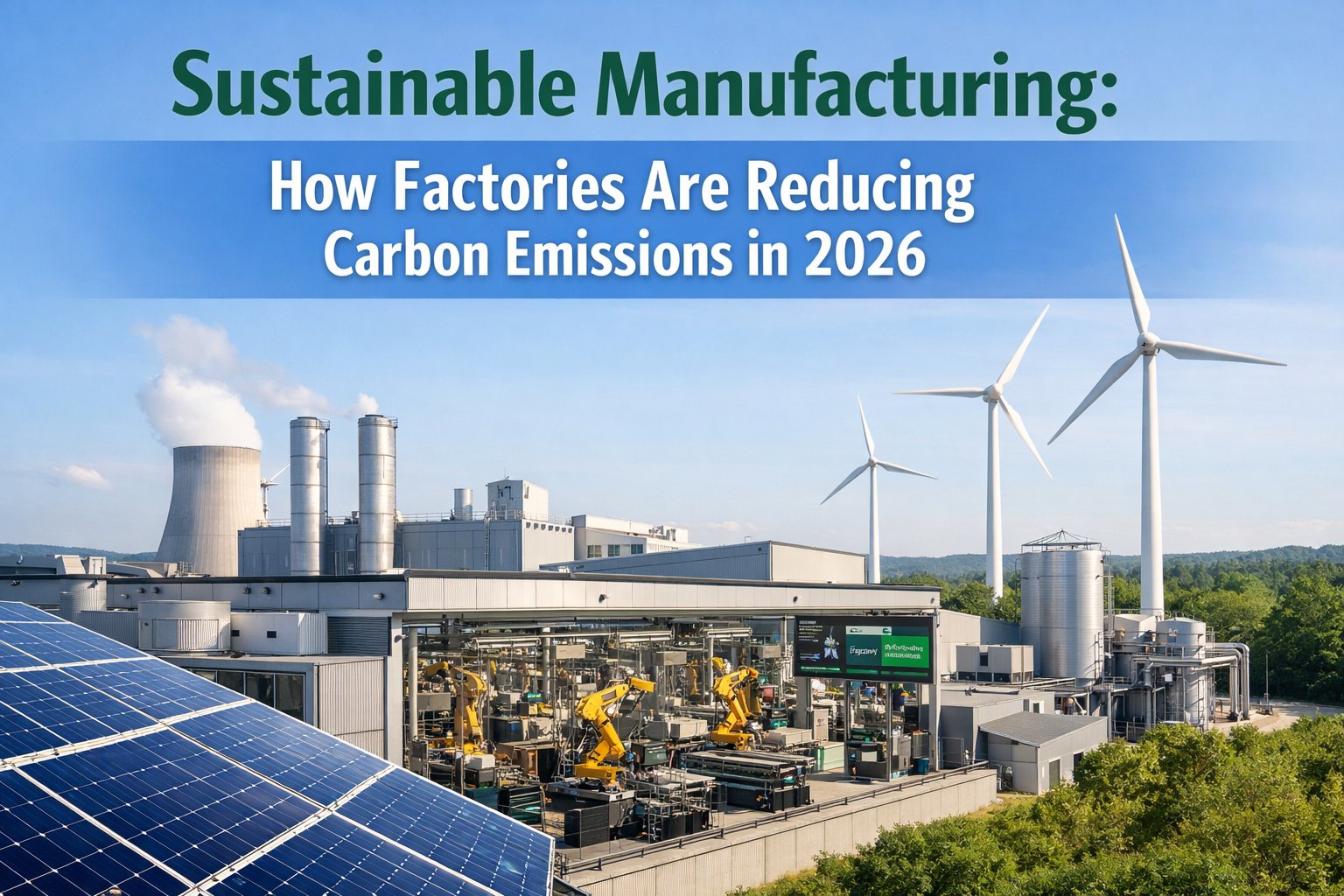
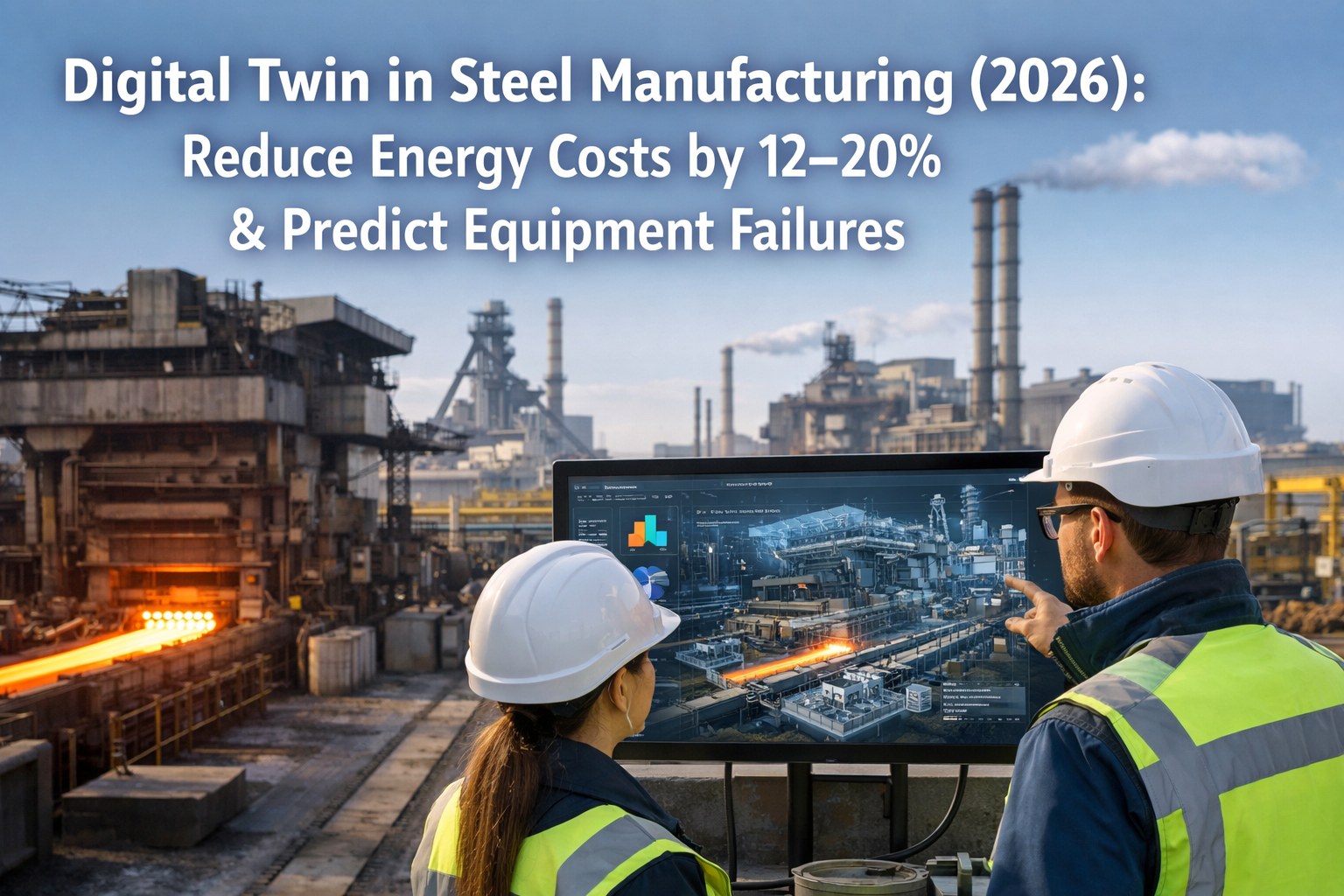
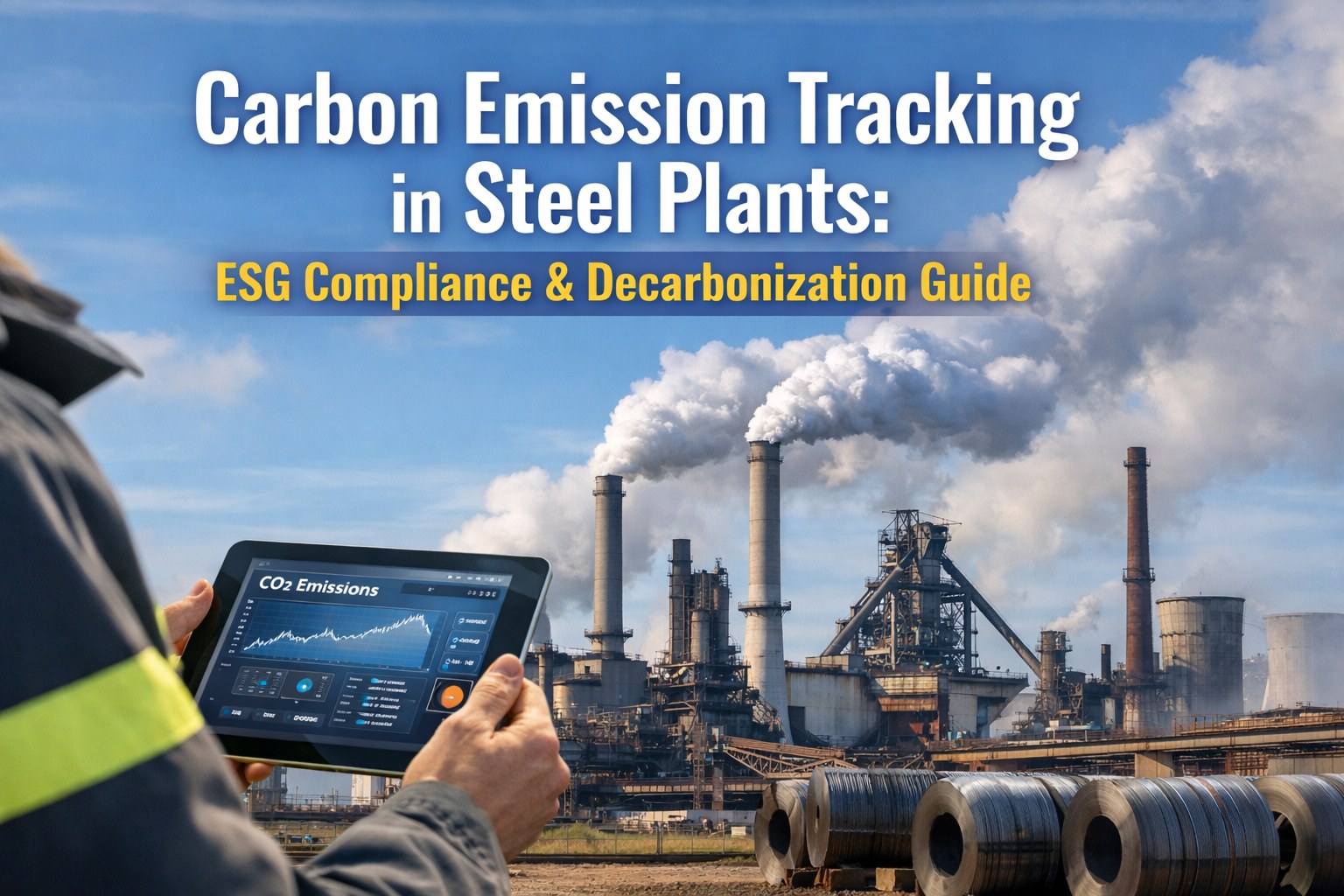
The industrial sector contributes nearly 30% to global greenhouse gas emissions. Yet Schneider Electric's Le Vaudreuil factory cut CO₂ by 25% and energy by 25% using IIoT sensors alone. Siemens Healthineers in Kemnath reduced emissions 80% since 2010. The path to net zero isn't theoretical anymore — factories worldwide are proving it works. Here's the practical roadmap for 2026.
The 4 Pillars of Net Zero Manufacturing
The DOE Industrial Decarbonization Roadmap identifies four key pathways. Every successful net zero factory addresses all four:
Energy Efficiency
Optimize existing systems before replacing them. AI monitoring, smart controls, and process improvements.
Electrification
Replace fossil fuel processes with electric alternatives. Heat pumps, electric boilers, induction heating.
Clean Energy
Source electricity from renewables. On-site solar/wind, PPAs, renewable energy certificates.
CCUS & Offsets
Address remaining emissions. Carbon capture, nature-based solutions, verified offset credits.
Ready to identify which pillars need attention in your plant? Get a free efficiency assessment to find your starting point.
Net Zero Leaders: Real Results
Schneider Electric — Le Vaudreuil, France
IIoT sensors connected to digital platforms transformed this facility into a benchmark for sustainable manufacturing.
Schneider Electric — Lexington, KY
Retrofitted facility proves older plants can achieve net zero without rebuilding.
Siemens Healthineers — Kemnath
Flagship sustainability site showing long-term commitment pays off.
Siemens — Global Operations
Exceeded 2025 targets one year early. SBTi validated net zero commitment.
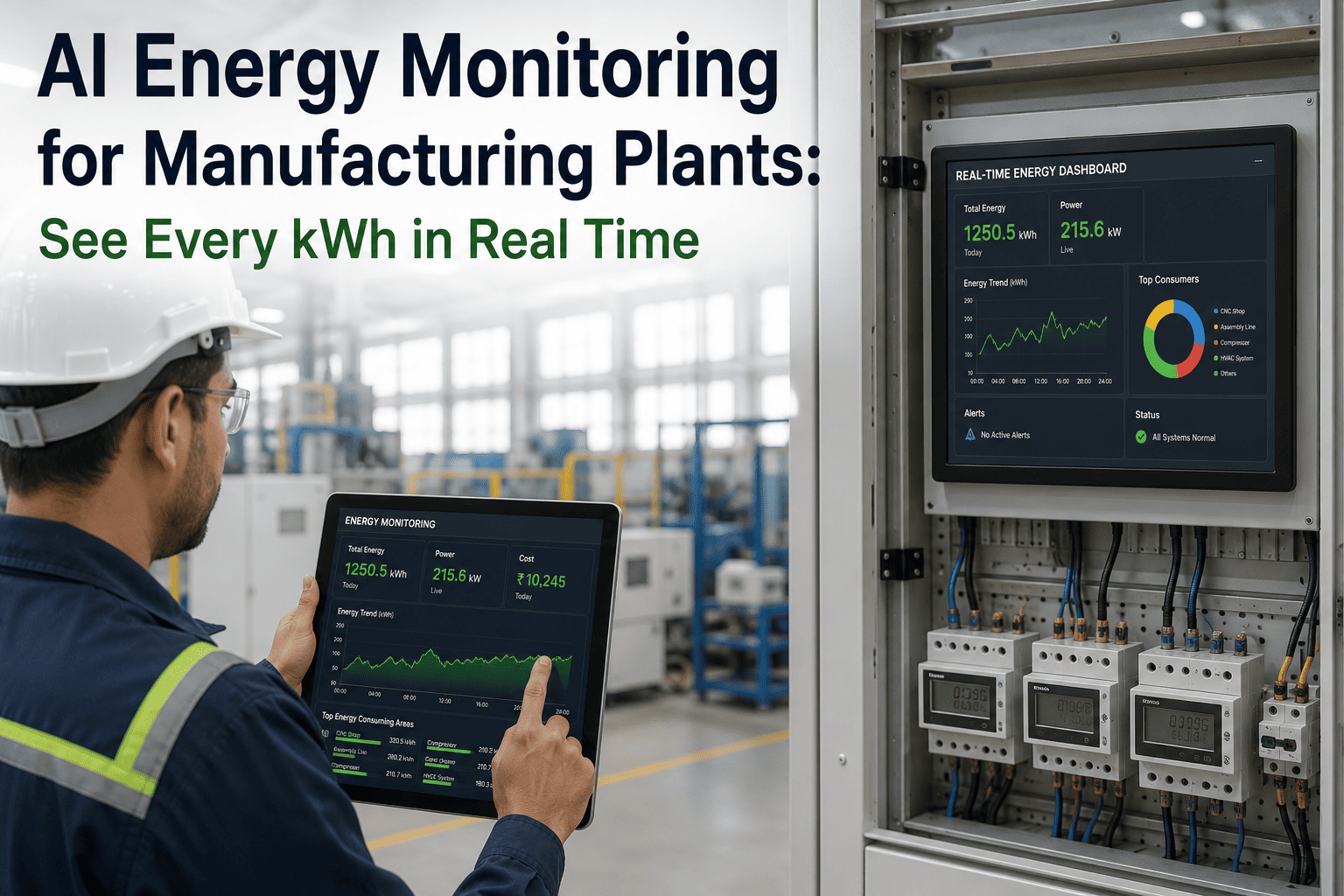
Key Pattern: Every leader started with energy monitoring and efficiency before tackling electrification or renewables. Data visibility is the foundation.
Net Zero Starts with Visibility
iFactory's AI-powered CMMS provides the equipment monitoring, energy tracking, and maintenance optimization that net zero leaders rely on as their foundation.
Your Net Zero Journey: Phase by Phase
Baseline & Quick Wins
- Deploy sensors and CMMS for energy visibility
- Establish Scope 1, 2, 3 emissions baseline
- LED lighting, HVAC optimization, smart controls
- Set science-based targets (SBTi framework)
Process Optimization
- AI-driven predictive maintenance deployment
- Heat recovery and waste-to-energy systems
- Process electrification planning
- Renewable energy sourcing (PPAs, RECs)
Deep Decarbonization
- Major electrification projects (boilers, furnaces)
- On-site renewable generation
- Supply chain engagement (Scope 3)
- Circular economy integration
Net Zero Achievement
- Address residual emissions with verified offsets
- Carbon capture where applicable
- Continuous monitoring and optimization
- Third-party verification and reporting
Not sure which phase your plant is in? Our specialists can help assess your current position and identify next steps.
The WEF No-Excuse Framework
The World Economic Forum's Industry Net Zero Accelerator developed a comprehensive framework for industrial decarbonization. It works across four action levels:
Internal Changes
Energy efficiency, process optimization, facility upgrades
Supply Chain
Supplier engagement, low-carbon sourcing, Scope 3 reduction
Ecosystem
Industry collaboration, shared infrastructure, policy advocacy
Cultural Shift
Sustainability mindset, employee engagement, continuous improvement
Expert Perspective
"Electrification is seen by most industrial firms as the most realistic path to net zero, but many say their ambitions are held back by inadequate grid infrastructure. Between 2023 and 2025, industrial firms made progress in renewable energy and electrifying heating/cooling, but decarbonization of core operations remains the least developed goal."
Ready to begin your net zero journey? Schedule your iFactory demo and see how data visibility drives decarbonization.
Build Your Net Zero Foundation Today
iFactory provides the equipment monitoring, energy tracking, and maintenance optimization that every net zero strategy requires. Start with visibility — the rest follows.
Conclusion
Net zero manufacturing is no longer aspirational — it's operational. Schneider Electric's factories demonstrate 25-30% reductions through IIoT and digital platforms. Siemens achieved 60% emissions cuts while growing revenue. The WEF's No-Excuse Framework provides the roadmap: start internal, expand to supply chain, leverage ecosystems, and embed sustainability in culture. The common thread among every leader? They started with data visibility and energy monitoring before tackling larger investments.
Schedule your iFactory demo or speak with our net zero specialists to start building your decarbonization foundation.