Your assembly line just shipped 50,000 vehicles. Six months latera critical defect surfaces triggering a $267 million recall affecting 1.3 million units. The financial damage Catastrophic. The brand reputation hit Incalculable. This is the harsh reality facing automotive manufacturers today where 72.7 million vehicles currently drive with open recalls and electrical systems alone caused 6.3 million recalls in 2024. Yet manufacturers using real-time manufacturing intelligence detect quality escapes 48-72 hours before they reach customers, and prevent recalls entirely. Book a free consultation to see how intelligence prevents your next recall crisis.
Reducing Recall Risk Through Manufacturing Intelligence: Why Reactive Quality Control Is Costing You Millions
Discover how real-time defect detection, complete traceability, and predictive analytics eliminate quality escapes before they become billion-dollar recalls.
Why Traditional Quality Control Fails to Prevent Recalls
Most automotive manufacturers don't have a quality problem. They have a detection problem. By the time defects are discovered, millions of vehicles are already on the road.
Traditional quality control relies on end-of-line inspections, manual sampling, and post-production testing — discovering defects hours, days, or months after they occur, when vehicles have already shipped to dealers and customers.
In most automotive plants, "quality control" means catching problems after they've happened. Inspectors check finished units. Testing happens at the end. Root cause analysis begins only after field failures pile up. This backward-looking approach creates a dangerous gap: the time between when a defect occurs and when it's discovered. During that gap, thousands or millions of defective components flow through your production line, get installed in vehicles, and ship to customers. Not sure how many quality escapes are slipping through your current processes? Schedule a free 30-minute quality assessment and our manufacturing experts will identify your blind spots and quantify your actual escape rate.
Defects discovered weeks or months after production — far too late to prevent shipping.
Manual sampling inspects 2-5% of production — missing defects in the other 95%.
Unable to pinpoint which specific units contain defects — forcing broad recalls.
Quality issues addressed only after customer complaints and field failures accumulate.
Traditional Quality Control vs Manufacturing Intelligence
The shift from reactive inspection to proactive prevention — across every stage of automotive production.
The True Cost of Automotive Recalls: Beyond the Repair Bill
What a single recall actually costs across different severity levels — and what manufacturing intelligence could have prevented.
Direct Repair Costs
Parts replacement, labor, logistics for returning vehicles to service centers. Single recalls average $200-$500 per vehicle depending on complexity.
$267M for 1.3M vehicle recallStock Price Drop
Major recall announcements trigger immediate investor panic, wiping billions in market capitalization overnight during critical periods.
-20% average drop during major recallsRegulatory Penalties
NHTSA fines for concealing defects, delayed reporting, or failing safety standards. Criminal charges possible for egregious violations.
Up to $1B+ for major violationsBrand Reputation
Consumer trust erosion lasting years after recall. Premium brands suffer disproportionately as quality perception directly impacts pricing power.
3-5 years recovery time minimumWarranty Reserves
Ford's warranty costs increased from $591 to $1,203 per vehicle (2019-2024). Major OEMs set aside billions annually anticipating quality issues.
$1.3B annual average for major OEMsProduction Disruption
Halting assembly lines to investigate defects, retooling processes, validating fixes. Each day of downtime compounds losses exponentially.
$2.3M per hour in automotiveWhat Manufacturers Gain by Implementing Intelligence
Measurable outcomes reported by automotive manufacturers who moved from reactive quality control to proactive intelligence.
60-70% Reduction in Recall Costs
Real-time defect detection catches quality escapes at the source — preventing defective components from ever reaching assembly. Instead of discovering brake failures six months after shipping, sensors detect anomalous torque values during installation and trigger immediate holds. Ford reduced recalls by 50% from their 2022 peak through enhanced quality detection systems. Manufacturing intelligence delivers ROI within 6-12 months by preventing even a single major recall. Want to calculate your specific savings potential? Schedule a personalized assessment and we'll project your recall risk reduction based on your production volume and historical defect rates.
Complete Component Traceability
Digital twins track every component from supplier through final assembly. When defects surface, pinpoint affected vehicles in minutes instead of issuing blanket recalls affecting millions of unnecessary units — reducing recall scope by 70-85%.
90% Fewer Quality Escapes
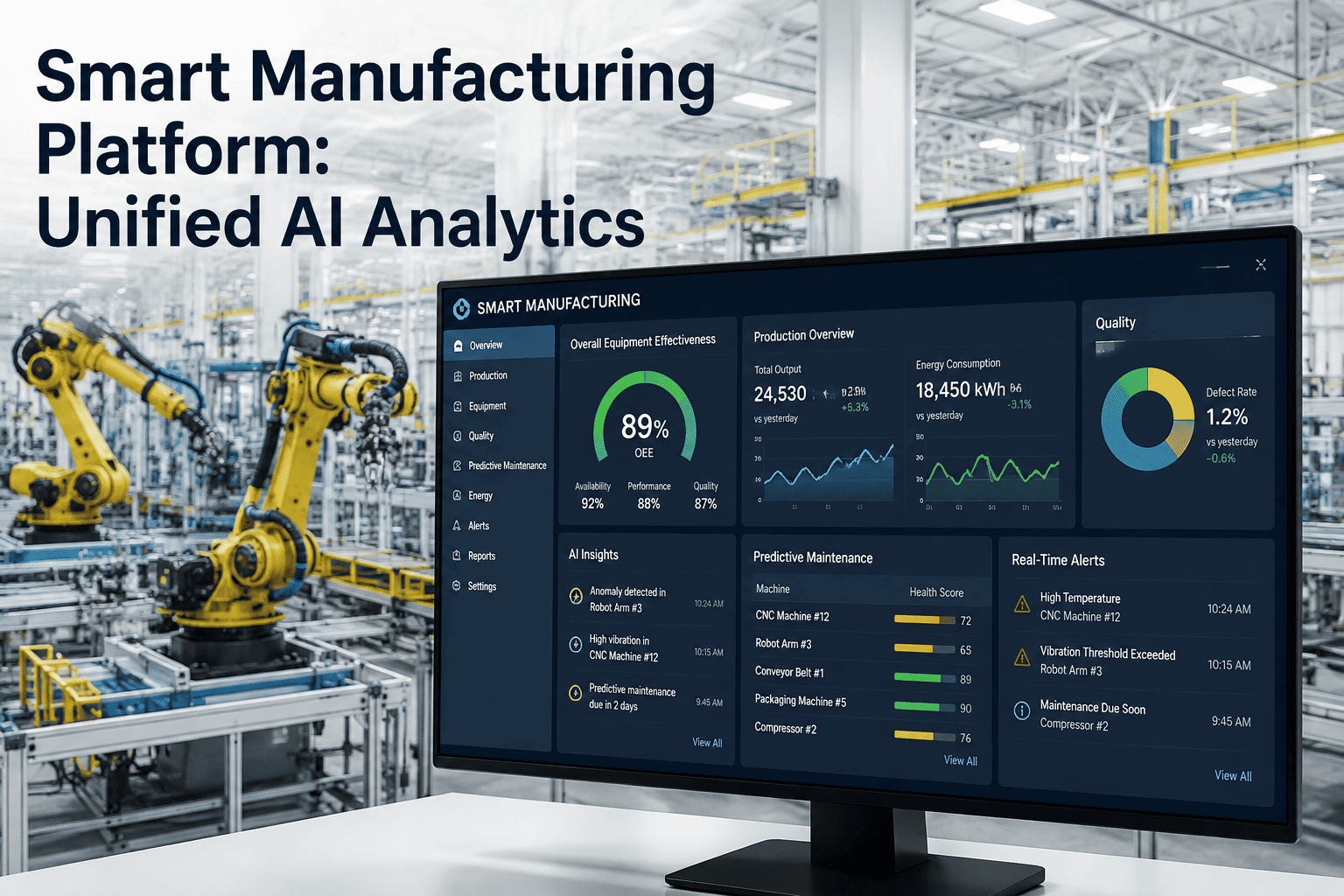
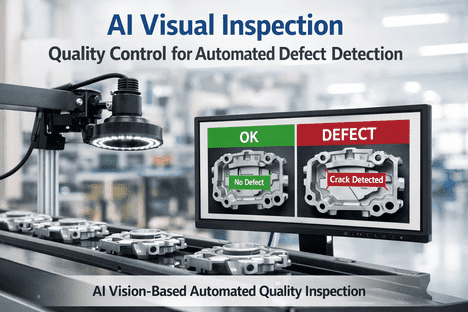
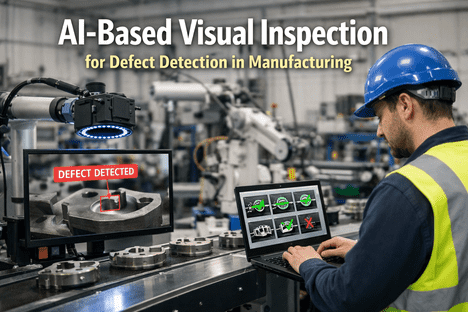
AI-powered computer vision detects microscopic defects invisible to human inspectors — cracks, misalignments, contamination. 100% automated inspection replaces 2-5% manual sampling, catching defects that previously reached customers.
EV Battery Safety Monitoring
Thermal imaging and real-time cell-level quality tracking prevent battery fire risks. Monitor assembly integrity, detect thermal anomalies, and validate safety-critical processes before units ship — critical as EV recalls surge.
Predictive Quality Analytics
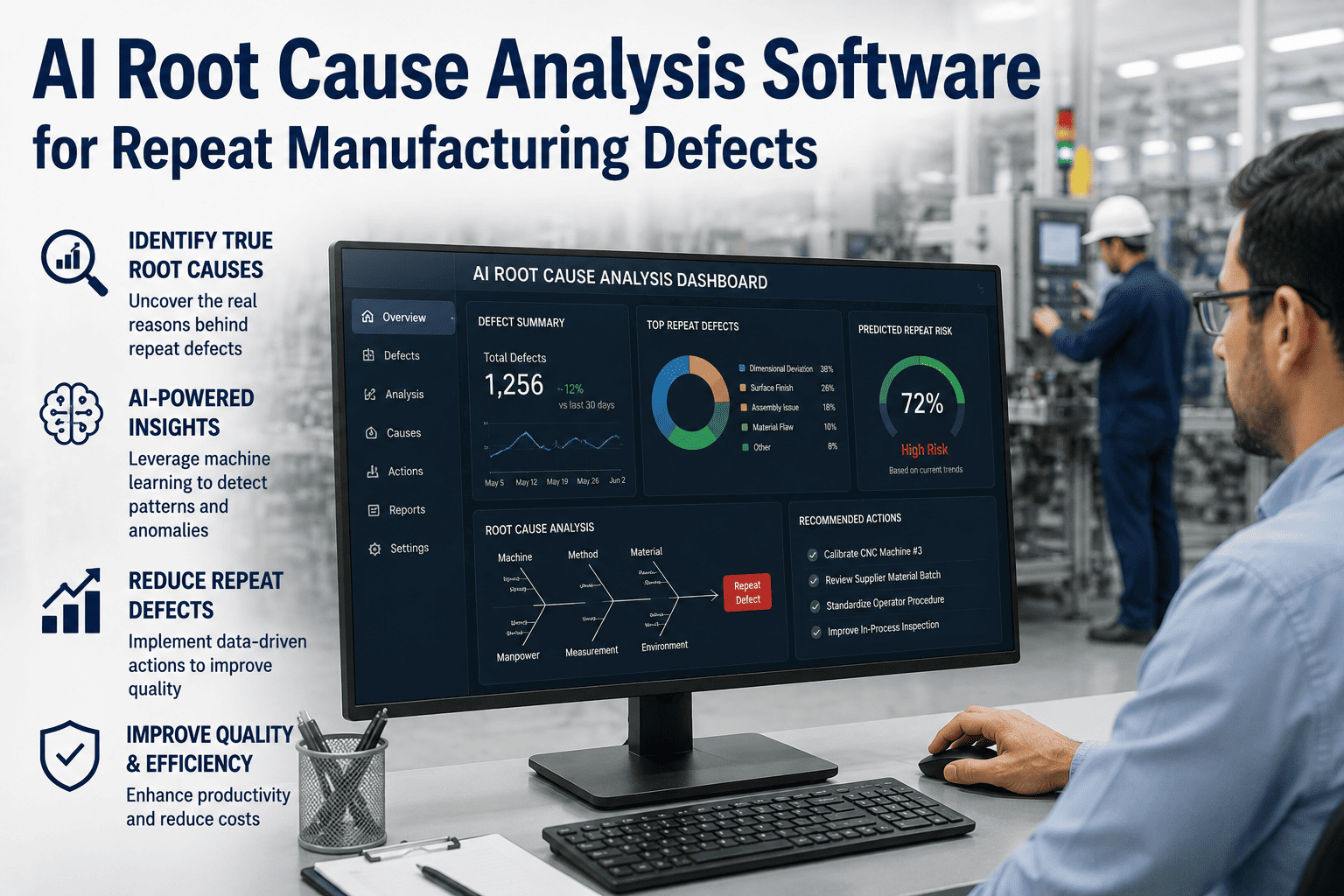
Machine learning identifies patterns leading to defects 48-72 hours before they occur. Address root causes proactively — equipment drift, material variation, process instability — before they create quality escapes requiring recalls.
From Sensor to Prevention: The Intelligence Pipeline
Traditional quality control follows an inspect — react — recall cycle. Manufacturing intelligence replaces it with an intelligent, prevention-first flow.
Layer 1: Real-Time Capture
IoT sensors, computer vision, and inline measurement systems capture quality data at every production step — torque values, dimensional accuracy, thermal profiles, visual inspection — creating complete digital records.
Layer 2: Digital Twin Traceability
Every component and assembly process gets linked to specific vehicle VINs. Complete genealogy tracking enables surgical recalls targeting only affected units when issues arise.
Layer 3: AI-Powered Detection
Machine learning algorithms analyze millions of data points, detect anomalies invisible to humans, predict defect patterns, and identify root causes within minutes instead of weeks.
Layer 4: Automated Response
Quality holds trigger instantly when defects detected. Automated work orders, supplier notifications, and corrective action workflows prevent defective units from advancing — stopping recalls before they start.
The Technology Stack: MES, QMS, Traceability, and AI Working Together
Quality Management (QMS)
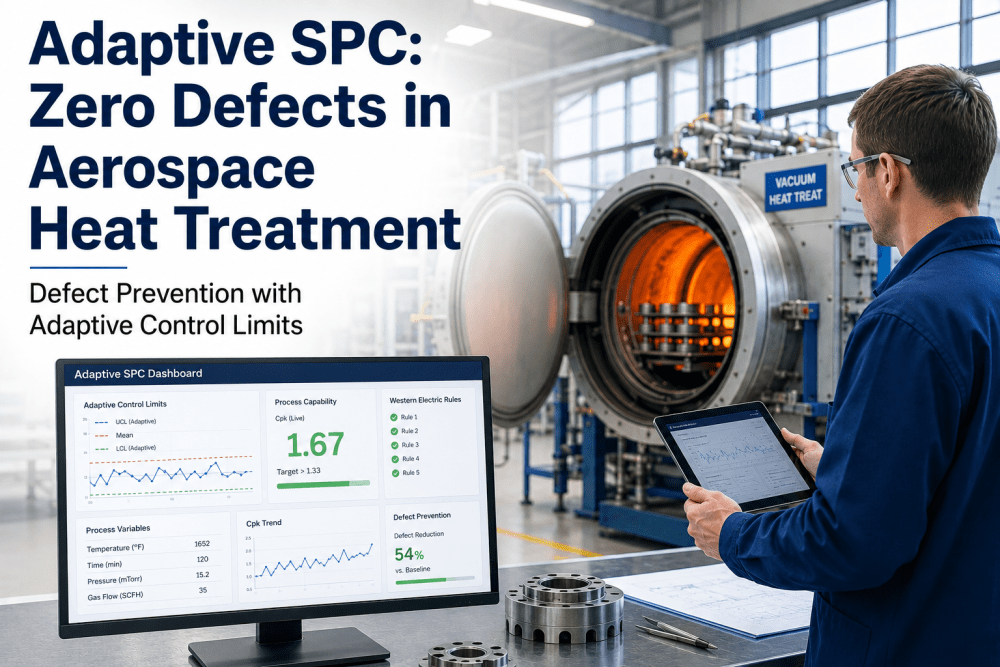
Real-time defect tracking, automated quality holds, SPC monitoring, and CAPA workflows that prevent nonconforming products from shipping.
Manufacturing Execution (MES)
Production tracking, work instructions, automated data collection. Captures process parameters and links them to specific vehicle builds.
Traceability System
Digital twin creation, genealogy tracking, component-to-vehicle mapping. Enables surgical recalls affecting only specific units.
AI & Computer Vision
Automated visual inspection, defect classification, predictive analytics. Detects quality issues invisible to human inspectors.
In traditional quality systems, these operate as disconnected silos — each generating reports that nobody cross-references until after recalls happen. With manufacturing intelligence, they share a unified data layer. When computer vision detects a weld defect, the QMS automatically holds affected units, MES traces which vehicles contain them, and traceability identifies exact VINs. Integration creates prevention.
Still Relying on End-of-Line Inspection and Manual Sampling?
Our automotive quality experts will assess your current quality control processes and show you exactly where manufacturing intelligence would deliver the fastest recall risk reduction — whether that's battery assembly monitoring, supplier quality tracking, or predictive defect detection.
Common Objections to Manufacturing Intelligence for Recall Prevention
We hear these from automotive quality leaders every week. Here's what the data actually says.
"Our end-of-line inspection catches quality issues."
End-of-line inspection discovers defects after they're built in — when vehicles are complete and ready to ship. By then, hundreds or thousands of defective units may have passed through. Real-time in-process monitoring catches issues at the source, preventing defective components from ever reaching assembly. The 72.7 million vehicles with open recalls prove end-of-line inspection isn't enough.
"We can't afford manufacturing intelligence systems."
A single recall affecting 1.3 million vehicles costs $267 million. A focused intelligence pilot — computer vision on critical assembly stations plus digital traceability — starts at $75K-$200K. Preventing even one moderate recall pays for the entire system 10-100x over. Ford's 50% recall reduction saved hundreds of millions annually.
"Our manual sampling is sufficient for quality control."
Manual sampling inspects 2-5% of production. Defects in the other 95-98% ship to customers undetected. Automated 100% inspection via computer vision catches microscopic defects human inspectors miss — cracks, contamination, dimensional variation. This is why electrical system recalls surged to 6.3 million vehicles in 2024 despite sampling programs.
"We'll know about issues from warranty claims."
Waiting for warranty claims means defective vehicles are already on the road endangering customers. By the time patterns emerge, millions of units may be affected. Real-time intelligence detects anomalies during production — before a single defective vehicle ships. Reactive warranty analysis becomes proactive defect prevention.
The Recall Landscape in Numbers
How to Transition from Reactive Quality to Proactive Intelligence
A phased approach that builds recall prevention capabilities without disrupting production.
Audit Current Quality Gaps
Map your quality control processes end-to-end. Identify where defects escape detection. Analyze historical recalls and warranty claims to find patterns. Calculate your actual quality escape rate and cost per escape. Pinpoint highest-risk processes — battery assembly, electrical systems, safety-critical components. Not sure where your biggest quality risks hide? Schedule a free quality gap analysis — our team will map your processes and identify where intelligence delivers maximum recall risk reduction within 90 days.
Deploy Pilot Intelligence System
Install computer vision and sensors on highest-risk production line. Implement digital traceability linking components to VINs. Connect real-time quality data to your MES/QMS. Start with one critical process — prove ROI before scaling. Establish baseline metrics for comparison.
Activate Predictive Analytics
Train AI models on your production data to predict defect patterns. Enable automated quality holds when anomalies detected. Implement root cause analysis workflows. Connect supplier quality data for upstream prevention. Measure defect reduction against baseline — quantify recall risk eliminated.
Scale Across Production
Expand to additional assembly lines and processes. Integrate complete digital twin traceability plant-wide. Connect multiple facilities into unified quality intelligence platform. Your manufacturing operation no longer just inspects — it predicts, prevents, and proves quality continuously.
Frequently Asked Questions
Clear answers for automotive quality leaders evaluating manufacturing intelligence for recall prevention.
How does manufacturing intelligence actually prevent recalls?
Manufacturing intelligence prevents recalls through three mechanisms: real-time detection catches defects during production before they ship, complete traceability enables surgical recalls affecting only specific units when issues arise, and predictive analytics identifies quality risks 48-72 hours before they occur. Traditional quality control discovers defects after vehicles ship — intelligence prevents them from shipping at all. Ford reduced recalls 50% through this approach.
What's the difference between quality control and manufacturing intelligence?
Quality control inspects finished products to catch defects after they occur — reactive and backward-looking. Manufacturing intelligence monitors production in real-time, predicts quality issues before they happen, and automatically prevents defective units from advancing — proactive and forward-looking. Quality control asks "did we make it right?" Intelligence asks "are we making it right, and what will go wrong next?"
How quickly can we see ROI from manufacturing intelligence?
Most automotive manufacturers see measurable ROI within 6-12 months of pilot deployment. A single prevented recall affecting 100,000 vehicles at $300/unit saves $30 million — far exceeding implementation costs. Ford's recall reduction saved hundreds of millions annually. The key is starting with your highest-risk process where quality escapes are most costly and frequent.
Can manufacturing intelligence work with our existing quality systems?
Yes. Modern manufacturing intelligence platforms integrate with existing MES, QMS, ERP, and SCADA systems via standard APIs. You don't replace your quality infrastructure — you enhance it with real-time monitoring, AI-powered defect detection, and predictive analytics. The intelligence layer unifies your disconnected quality data into actionable prevention workflows. Need help mapping integration to your specific systems? Contact our integration specialists for a technical compatibility assessment.
How does this address EV battery safety specifically?
EV battery assembly requires specialized monitoring: thermal imaging detects cell-level anomalies, pressure sensors validate seal integrity, computer vision verifies assembly sequence, and real-time analytics track every cell's quality genealogy. When battery defects occur, complete traceability identifies affected vehicles within minutes instead of issuing "Do Not Drive" advisories for millions of units. Critical as electrical system recalls surged to 6.3 million vehicles in 2024.
Replace Reactive Inspection with Proactive Manufacturing Intelligence
iFactory connects your production floor to intelligent quality systems — delivering real-time defect detection, complete traceability, and AI-powered analytics that traditional quality control can never provide.