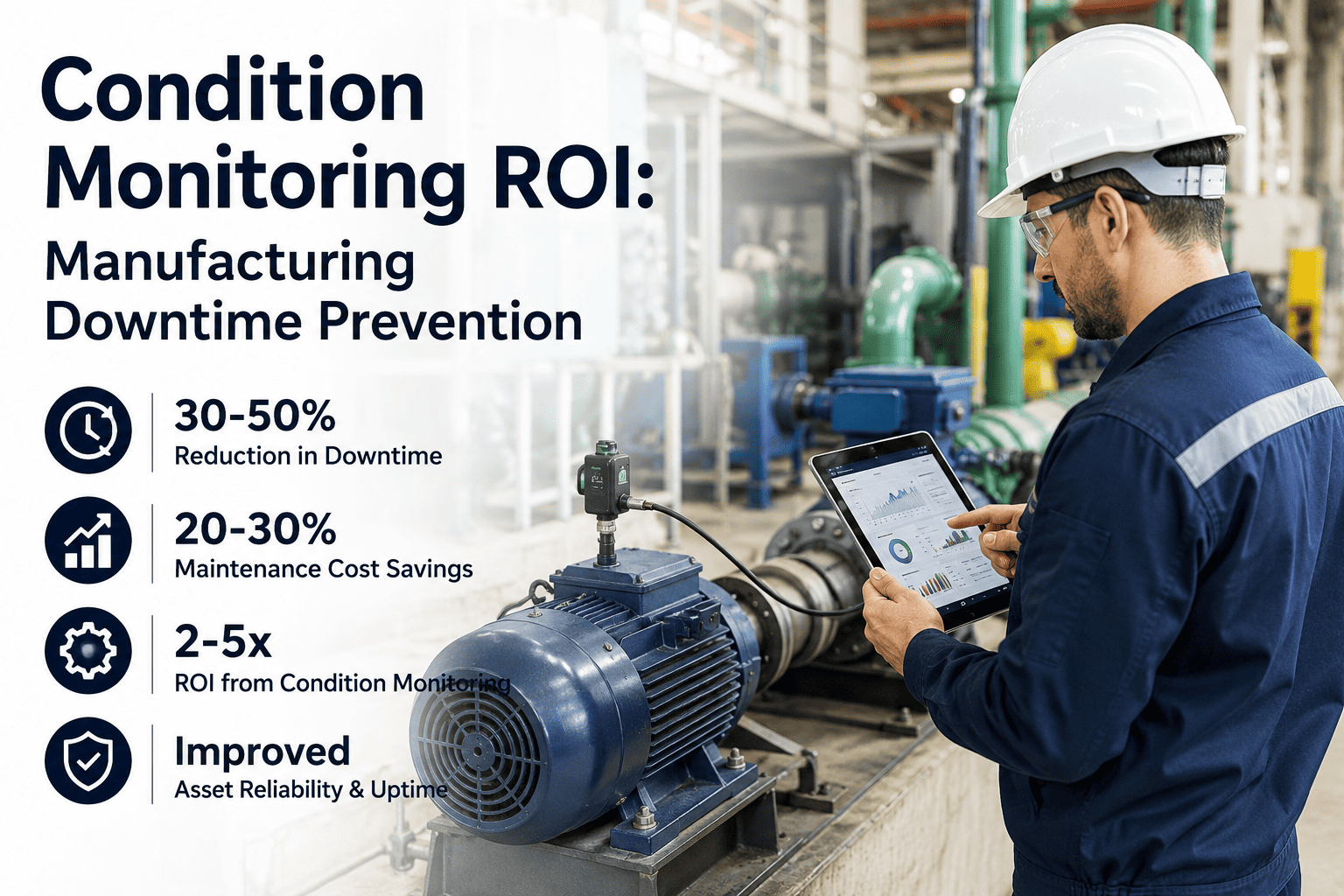
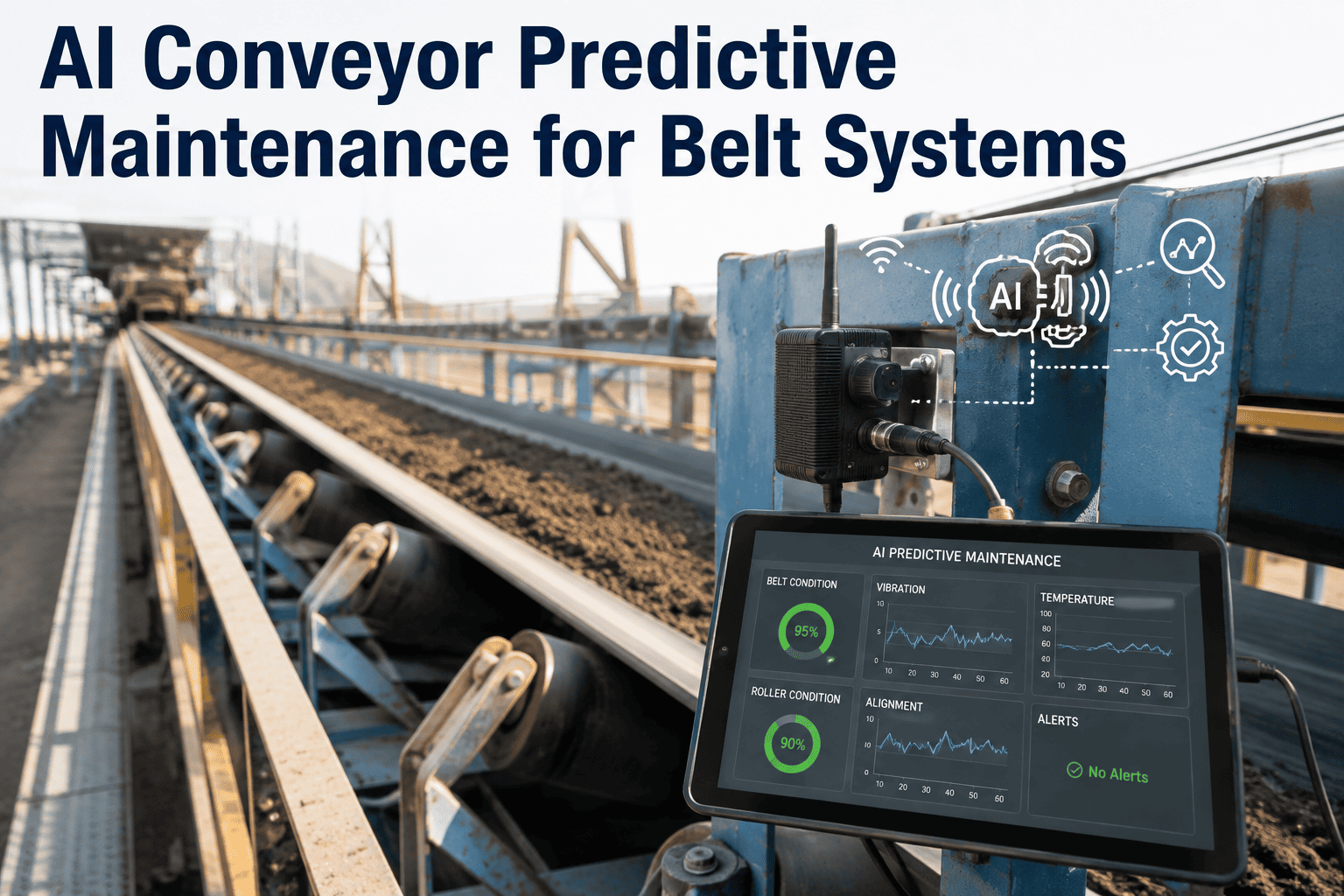
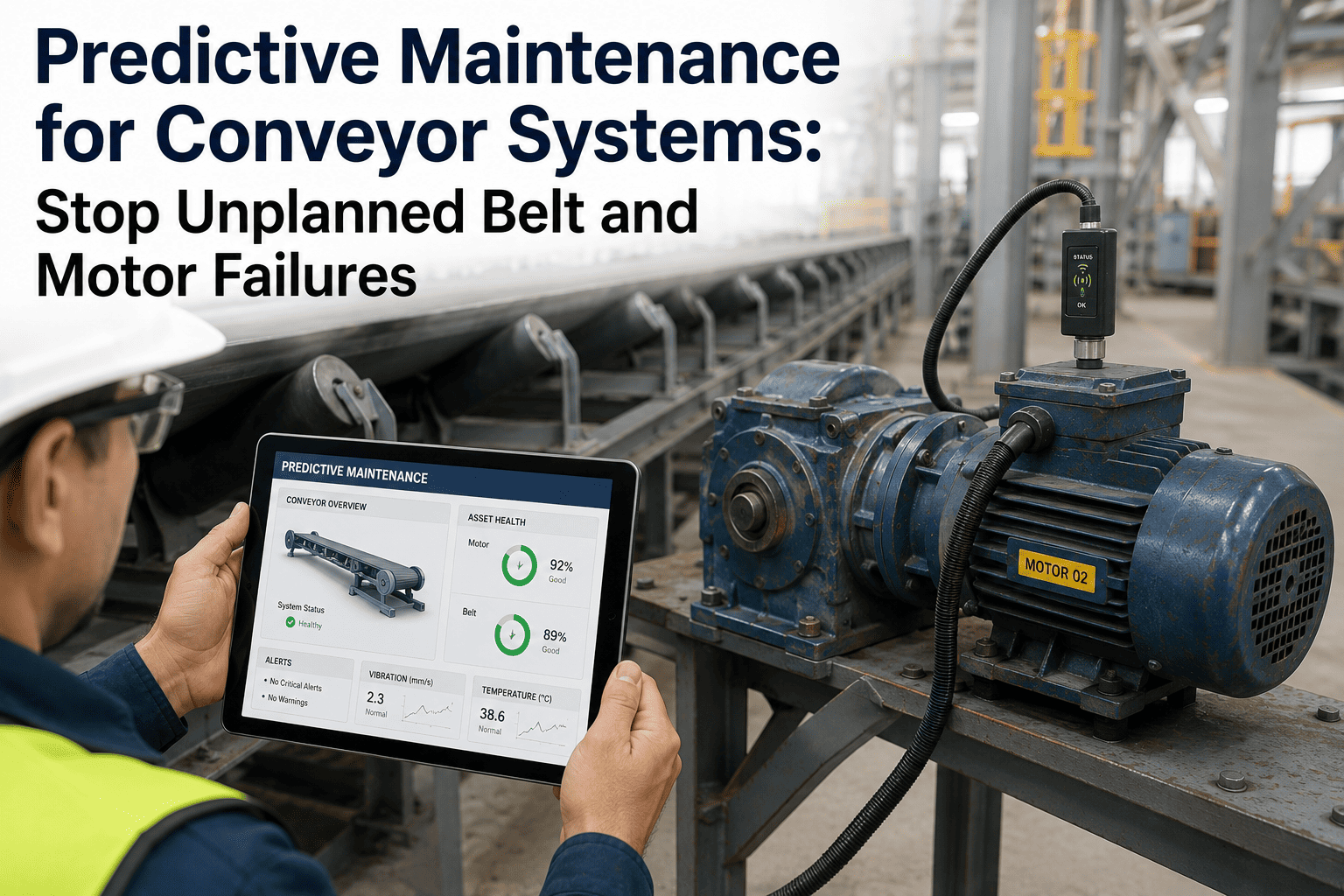
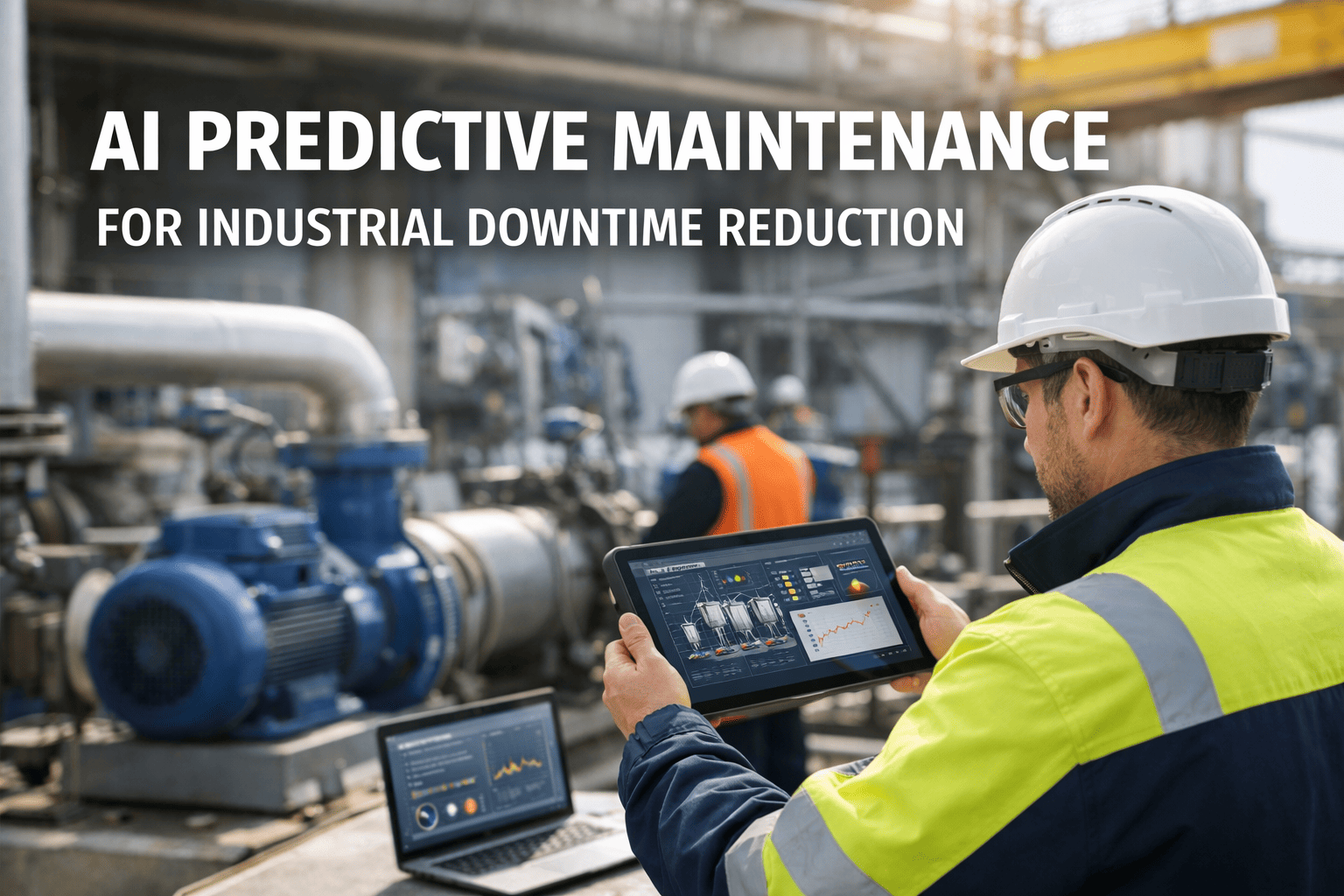
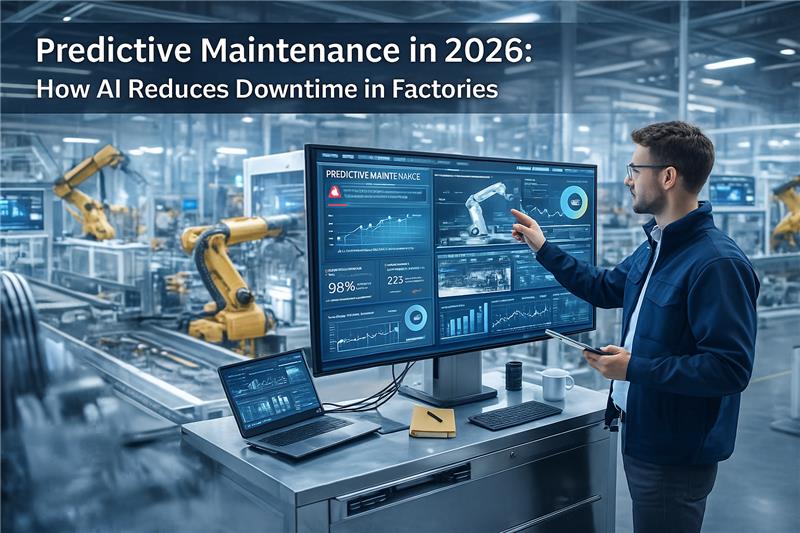
Your conveyor just stopped. The line is down. Every hour that passes is costing you up to $250,000 in lost production. The worst part — the warning signs were there weeks ago. Manufacturers using AI-driven predictive maintenance on conveyor systems are cutting unplanned downtime by up to 70% and extending belt life by 30–50%. Here is how to stop reacting and start predicting. Book a free demo to see how iFactory turns conveyor data into downtime prevention.
Conveyor Belt Predictive Maintenance Guide 2026
AI-Based Condition Monitoring to Detect Failures Early, Cut Downtime, and Extend Belt Life
Why Conveyor Belts Still Fail in 2026
51% of conveyor operators report productivity loss from unexpected belt damage. Here is where most maintenance strategies fall short.
Fix It When It Breaks
Wait for failure, then scramble. Emergency repairs cost 3–5x more than planned maintenance. Average response leads to 12–48 hours of lost production per event.
Fixed-Interval Inspections
Maintenance runs on a calendar — not on actual condition. Over-maintenance wastes resources. Under-maintenance misses real failures between scheduled checks.
AI-Driven Condition Monitoring
Sensors detect degradation patterns weeks before failure. Maintenance happens at the optimal time — not too early, not too late. Every dollar is spent on real need.
The AI Predictive Maintenance Pipeline
From sensor signal to maintenance action — four layers that keep your conveyors running.
Sense
IoT sensors capture vibration, temperature, motor current, belt tension, and acoustic data at sub-second intervals across every conveyor component.
Process
Edge computing filters noise and performs initial anomaly detection locally — no cloud latency. Raw signals become structured, time-stamped condition data.
Predict
Machine learning models learn your equipment's unique operating patterns, identify degradation trends, and calculate Remaining Useful Life for critical components.
Act
Automated work orders flow into your CMMS with severity, recommended action, required parts, and the optimal maintenance window — before failure occurs.
5 Conveyor Failures AI Catches Before You Do
Each failure mode has a detectable signature — if you have the right sensors listening.
Belt Wear and Surface Degradation
Bearing Degradation
Belt Misalignment and Tracking Drift
Motor and Drive Failure
Roller and Idler Seizure
Stop Waiting for Your Conveyor to Fail
iFactory CMMS connects to your conveyor sensors, automates condition-based work orders, and gives your team the lead time to act — before a breakdown shuts down your line.
The Business Case: Predictive vs. Reactive Maintenance
A typical mid-sized manufacturing plant experiences 2–3 major conveyor failures per year. Each failure halts production for 1–2 days. Predictive maintenance reduces these events by 60–70%, delivering six-figure annual savings.
5 Steps to Deploy Predictive Maintenance on Your Conveyors
You do not need to rip and replace. Start with one line, prove ROI, then scale.
Audit Your Critical Conveyors
Identify your highest-risk, highest-cost conveyor lines. Map failure history, current maintenance costs, and downtime impact. Focus on the conveyors where a single failure hurts the most.
Instrument with IoT Sensors
Deploy vibration, thermal, current, and acoustic sensors on critical components — bearings, motors, pulleys, and belt surfaces. Legacy machines can be retrofitted without modification using clamp-on sensors and edge gateways.
Establish Baselines and Alert Rules
Collect 4–6 weeks of normal operating data. Set threshold rules first — torque above 85%, bearing temperature spikes, encoder jitter — then let machine learning models learn your unique equipment behavior over time.
Connect to CMMS for Automated Work Orders
When a sensor detects degradation, the system auto-generates a work order with severity level, recommended action, required parts, and the safe maintenance window. No manual ticket creation. No missed alerts.
Measure, Optimize, Scale
Track downtime reduction, MTTR improvement, and maintenance cost savings. After proving ROI on the pilot line, expand to the next highest-risk conveyors. The model improves as it learns from more data.
What to Monitor on Every Conveyor System
The three most critical measurement categories and what they reveal.
Vibration Analysis
Bearing inner/outer race defects, roller damage, misalignment, belt splice degradation, and idler seizure — each with distinct frequency signatures.
Motor housings, gearbox casings, head and tail pulleys, and high-load idler stations.
Thermal Monitoring
Overheating bearings, electrical panel hotspots, motor winding deterioration, and friction points from misaligned components before they become visible.
Infrared sensors on bearings, electrical panels, motors, and belt contact points at pulleys.
Electrical Signature
Motor current anomalies, VFD fault precursors, overcurrent from mechanical drag, and power consumption patterns that signal emerging belt or drive issues.
Motor control centers, VFD outputs, and power feeds to conveyor drive systems.
Is Your Conveyor Maintenance Ready for 2026?
Score yourself. Each "No" is money leaving your operation.
Frequently Asked Questions
Can predictive maintenance work on older, legacy conveyor systems?
Yes. Legacy machines without built-in connectivity can be retrofitted with IoT sensors that detect machine state through current sensors, vibration monitors, or acoustic devices. These connect to edge gateways that feed data to your CMMS without modifying the machine itself.
How long before predictive maintenance shows ROI?
Most manufacturers see measurable results within 6–8 weeks of deployment. The first prevented failure typically pays for the entire sensor investment on that line. Ongoing savings compound as the AI model learns and improves.
What is the role of CMMS in conveyor predictive maintenance?
A CMMS like iFactory receives condition data from sensors, auto-generates prioritized work orders, tracks maintenance history per asset, and provides the analytics to measure downtime reduction and cost savings over time. It closes the loop between detection and action.
Which conveyor components should be monitored first?
Start with the highest-failure components: drive motors, head and tail pulley bearings, belt splices, and high-load idlers. These account for the majority of unplanned conveyor downtime and give the fastest return on sensor investment.
Your Conveyor Data Is Talking. Start Listening.
iFactory CMMS integrates with your conveyor sensors, automates condition-based work orders, and delivers live equipment health dashboards — so your team acts on data, not guesswork.