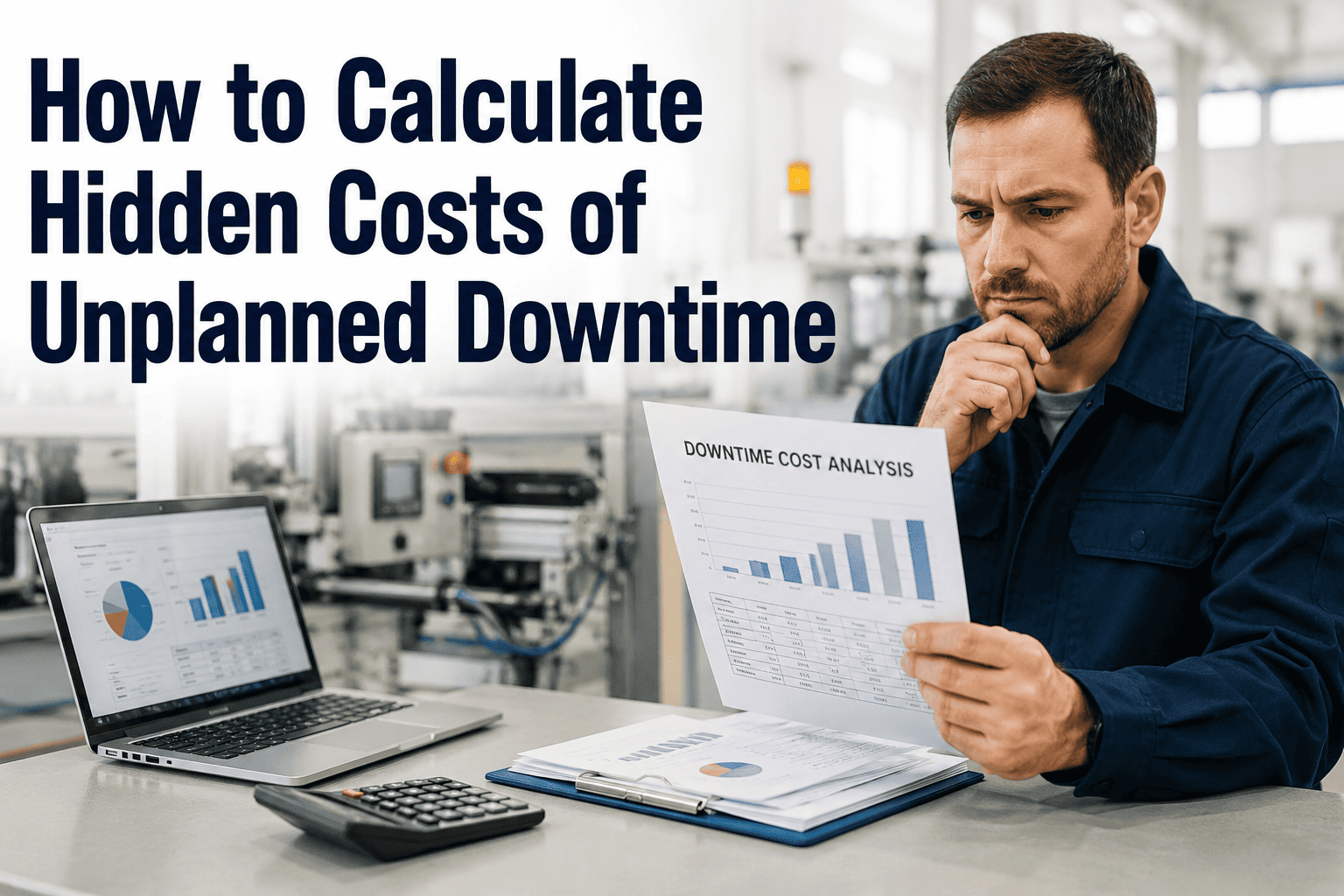
At 2:17 AM on a Tuesday, a plant manager in the Midwest watches a dashboard flicker. The line's standard cost for a single unit has drifted by $0.14 since the last shift. No single alarm triggered — just a slow bleed from a mis-set temperature, a 12-minute unscheduled stop, and a batch of 200 units that will need rework. Multiply that across three shifts, five days, and you are looking at a $340,000 quarterly variance that no quarterly review will catch in time. The real cost per unit isn't what the finance team calculated last month. It is what the plant is actually burning right now.
Stop Guessing Your Unit Cost. iFactory Calculates It in Real Time — From Labor and Materials to Downtime and Scrap.
Replace static cost-of-goods-sold models with live, machine-level cost-per-unit visibility. iFactory ingests every signal on your plant floor and converts it into actionable cost data — without the cloud.
From Standard Costing to Live Manufacturing Cost Analysis
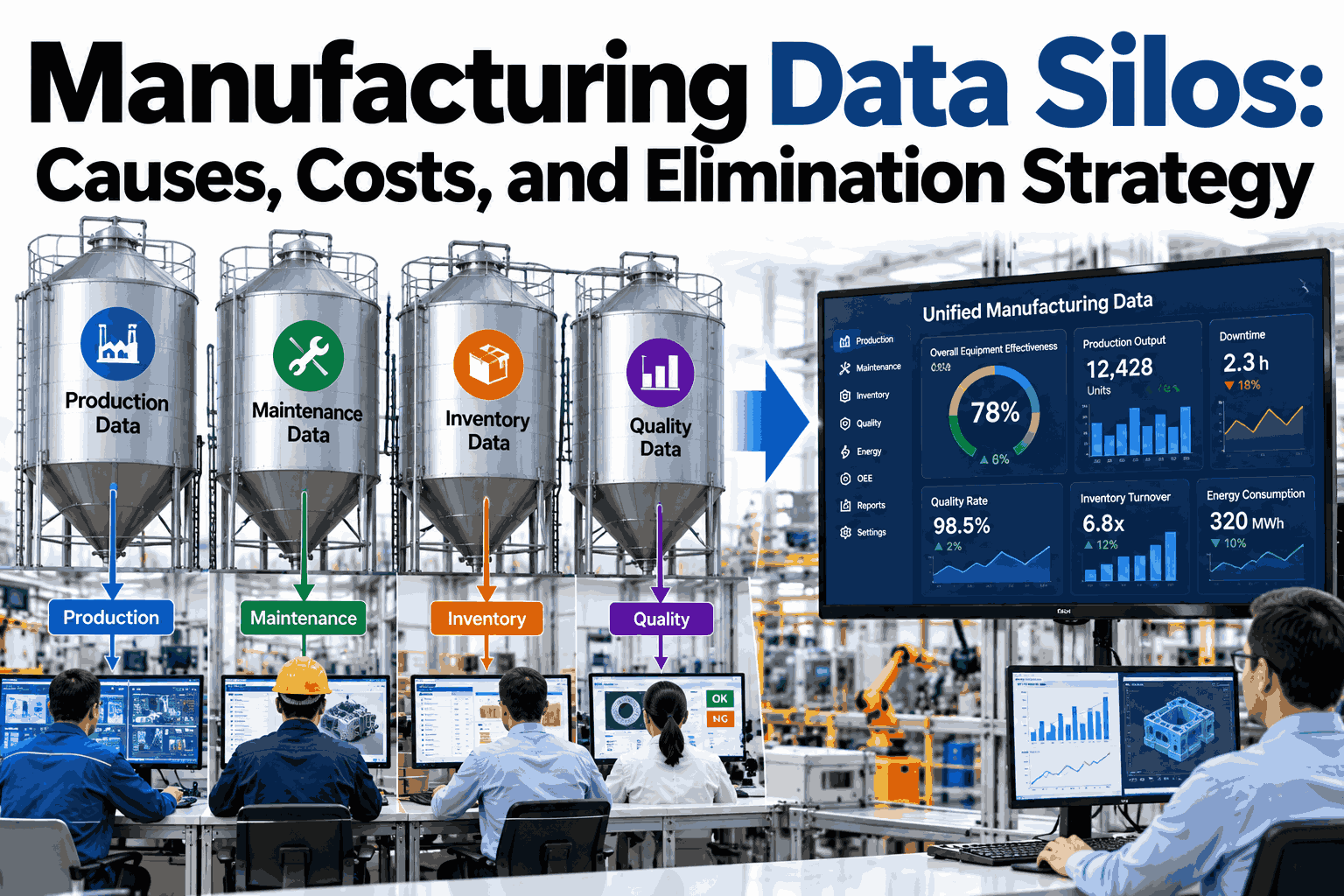
Traditional manufacturing cost accounting relies on standard costs updated quarterly — or annually. By the time finance reconciles the cost-of-goods-sold (COGS) report, the plant has already burned through margin on hidden inefficiencies. iFactory replaces that lag with real-time cost-per-unit calculation, pulling directly from PLCs, SCADA, CMMS, and ERP systems on your network. Every shift, every line, every SKU gets a live cost number that includes labor, material, energy, downtime, and scrap. You don't wait for the month-end close to know your true manufacturing profitability.
iFactory runs on a dedicated NVIDIA appliance inside your plant. No cloud dependency. No data leaving the floor. The platform is turnkey — we connect to your data sources, configure the cost model, and deliver a working pilot in six to twelve weeks. It is designed to absorb the operational role of legacy plant systems, giving you a unified view of production performance without forklift upgrades or expensive migrations.
Six Modules That Drive Factory Cost Optimization
Each capability is a distinct tool in the iFactory platform. Together, they give you a complete picture of what every unit actually costs — and where to cut.
Live Unit Cost Calculation
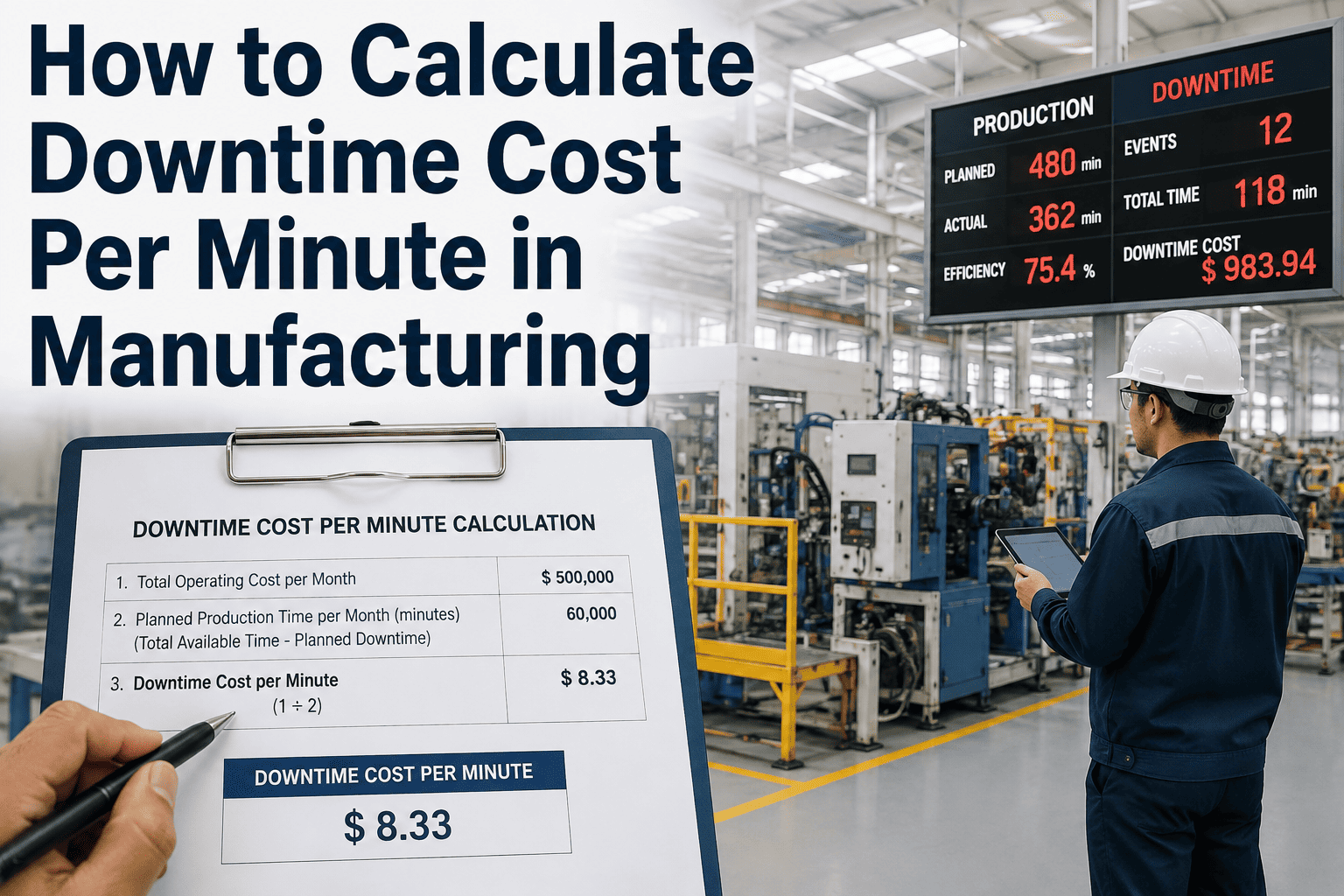
iFactory calculates cost-per-unit every cycle, factoring in raw material prices, labor rates, energy consumption, and overhead. When a material price spike or a downtime event hits, the cost model updates instantly — no waiting for month-end.
Real-Time OEE Dashboards
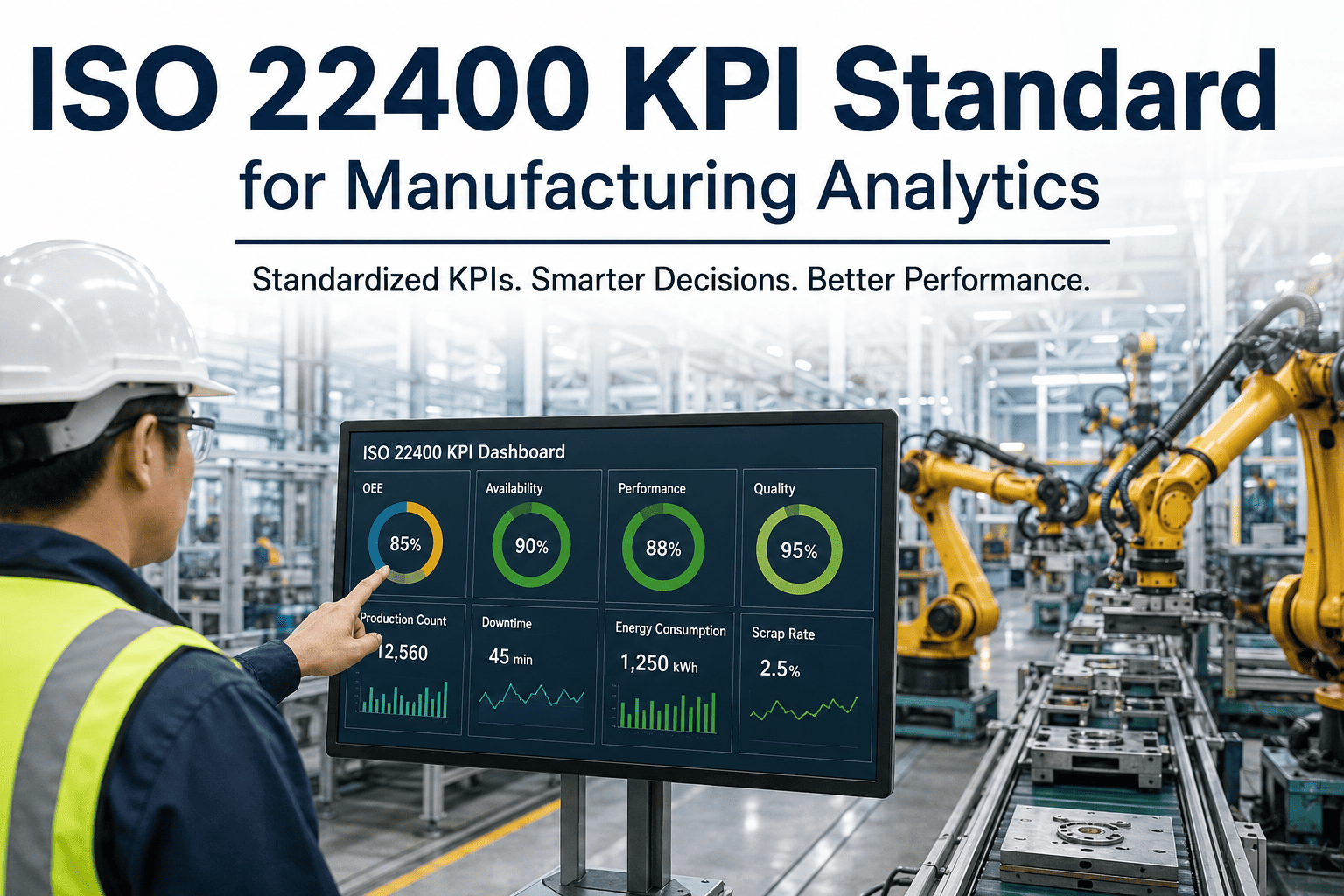
Track availability, performance, and quality in real time. See exactly how lost production minutes translate into increased unit cost — and where to focus improvement efforts for the biggest impact on COGS.
Energy Cost Allocation
Assign energy consumption — electricity, gas, steam, compressed air — to specific products, lines, or shifts. iFactory converts kW, therms, and CFM into cost-per-unit so you can identify energy-intensive SKUs and optimize scheduling.
Scrap and Rework Tracking
Every rejected unit, every rework loop, every material variance is captured and costed. iFactory shows the real dollar impact of quality issues, helping you prioritize root-cause analysis on the defects that cost the most.
Downtime Cost Attribution
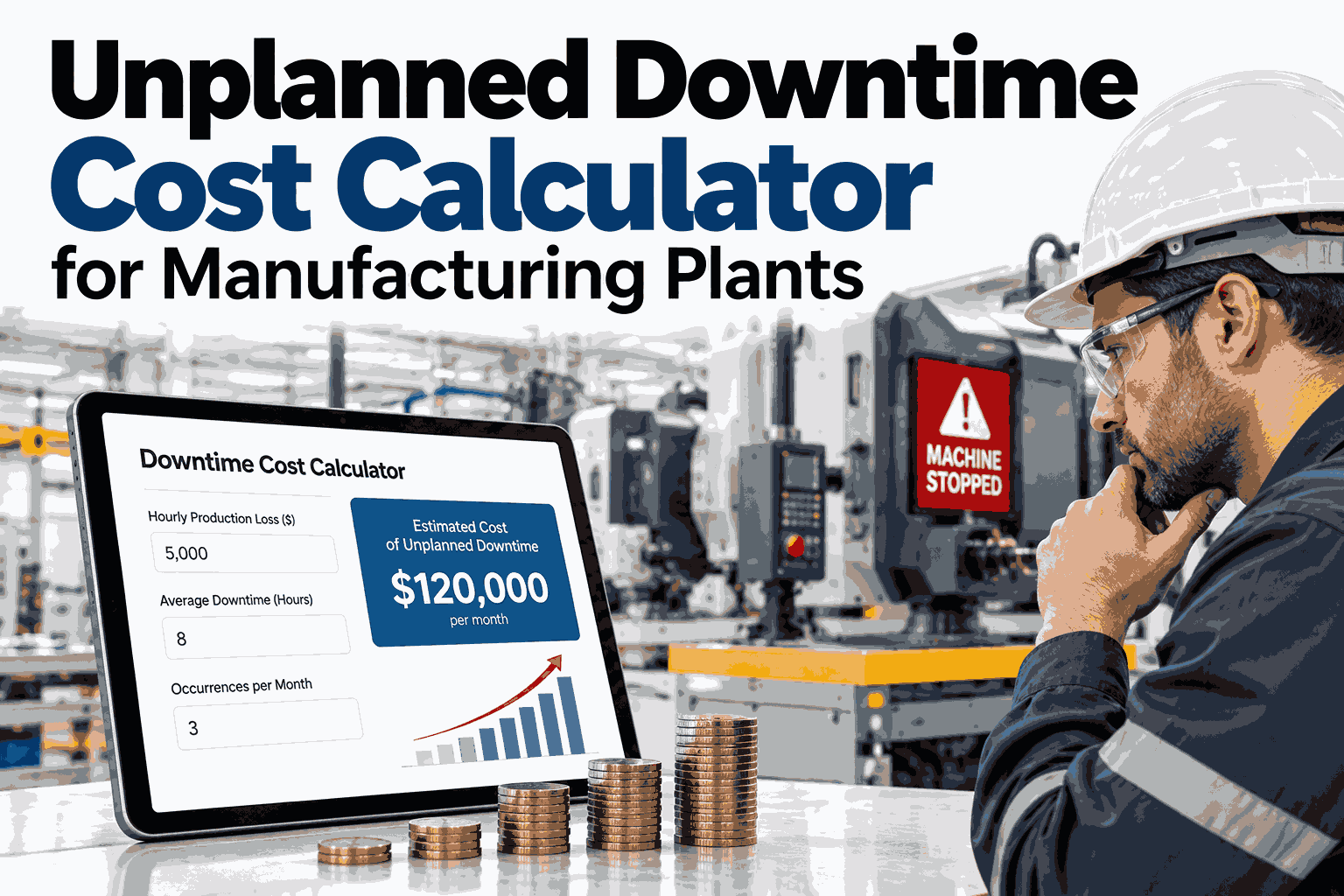
Link every unplanned stop — from a sensor failure to a tool change — to its cost impact on the affected product. iFactory calculates the cost of lost production, wasted labor, and expedited maintenance, so you can justify preventive investments.
Standard Cost Reconciliation
Compare live cost-per-unit against your standard cost model. iFactory surfaces variances in real time, letting finance and operations align on cost reduction targets before the variance compounds across thousands of units.
From Plant Data to a Live Cost Model in Four Steps
iFactory is designed for rapid deployment. You hand over data-source access; we deliver a working pilot within a quarter.
Connect
iFactory connects to your existing PLCs, SCADA, CMMS, and ERP over the plant network. No cloud. No data leaves your facility.
Configure Cost Model
We map your standard cost structure — labor rates, material costs, energy tariffs, overhead allocation — into the iFactory cost engine.
Live Calculation
Every cycle, iFactory calculates cost-per-unit using real-time production data. The dashboard updates in seconds, not days.
Act & Optimize
Operations and finance teams use the same live cost data to identify savings, adjust schedules, and reduce unit cost — shift by shift.
Three Factors That Distort Your Real Unit Cost
Standard costing misses these drivers. iFactory captures them all.
Unplanned Downtime
A 10-minute stop on a line producing 120 units/hour costs $480 in lost output at a $40/unit margin. When that happens three times a shift, it adds $1,440 per shift to your unit cost.
Scrap & Rework
A 2% scrap rate on a line producing 10,000 units per day at a $50 material cost per unit means $10,000 in wasted material daily. iFactory tags each scrap event to the specific SKU and shift.
Energy Inefficiency
Running a 500 kW line at 70% OEE instead of 85% wastes 75 kW-hours per hour. At $0.10/kWh, that is $7.50 per hour — or $54,000 per year per line — that gets absorbed into unit cost.
What a Live Cost Model Delivers in One Quarter
These metrics come from actual iFactory deployments in discrete and process manufacturing environments.
Your plant is already generating the data you need to reduce unit cost. iFactory turns that data into a live, actionable cost model. Book a 30-min walkthrough and we'll show you how on your own production data.
Common Questions About Manufacturing Cost Per Unit
Stop Waiting for Month-End. Know Your True Cost Per Unit Right Now.
iFactory turns your plant data into a live cost model — on-premise, in weeks, with no cloud dependency. See the difference a real-time manufacturing cost analysis makes for your bottom line.