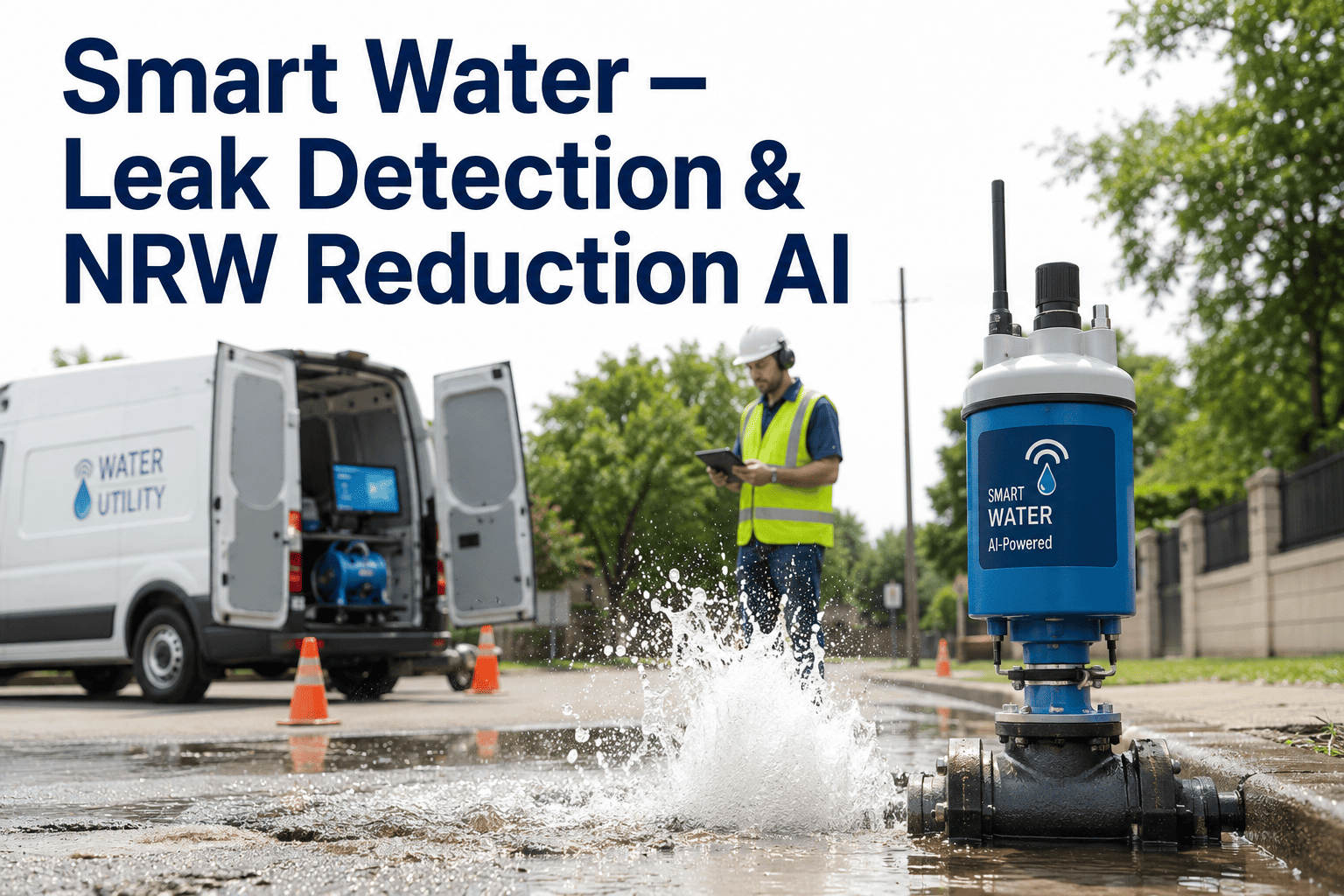
The U.S. loses 6 billion gallons of treated drinking water every single day — enough to fill 9,000 Olympic swimming pools. With 240,000 water main breaks annually and infrastructure graded C- by ASCE, the question isn't whether your pipelines will fail. It's whether you'll detect the problem before it becomes a crisis. Here's how smart municipalities are cutting water loss by up to 40% and extending pipeline life by decades.
Beneath every city, town, and suburb lies a hidden network of over 2.2 million miles of water pipes — many installed 50 to 100+ years ago. A water main break happens somewhere in North America every two minutes. The cost isn't just water — it's road damage, service disruptions, contamination risk, and billions in emergency repairs that could have been prevented with proactive pipeline maintenance.
The Hidden Crisis Beneath Your Streets
America's water distribution infrastructure is aging faster than it's being replaced. The average water pipe is 45 years old, with some cast-iron mains exceeding 100 years. The EPA estimates $744 billion in needed investment over the next 20 years — yet current spending falls short by hundreds of billions.
Nearly 20% of all treated water in the U.S. is lost before reaching customers — classified as non-revenue water. Five states alone — California, Texas, Florida, New York, and Illinois — account for over 2.4 billion gallons of daily losses. Smaller utilities face even higher loss rates, sometimes exceeding 30%, due to limited access to modern monitoring technology.
5 Pillars of Smart Pipeline Maintenance
Municipalities that achieve the lowest water loss rates don't rely on a single method — they build integrated maintenance programs across five critical pillars. Here's the framework the best-performing utilities follow.
Leak Detection Technologies: What Works and When
No single technology catches every leak. The most effective programs layer multiple detection methods based on pipe material, diameter, location, and criticality. Here's how the leading technologies compare.
The Real Cost of Reactive vs. Proactive Maintenance
Most water utilities still operate in reactive mode — fixing breaks after they happen. The math is clear: proactive pipeline maintenance costs a fraction of emergency response, and the gap only widens as infrastructure ages.
Stop Chasing Leaks. Start Predicting Them.
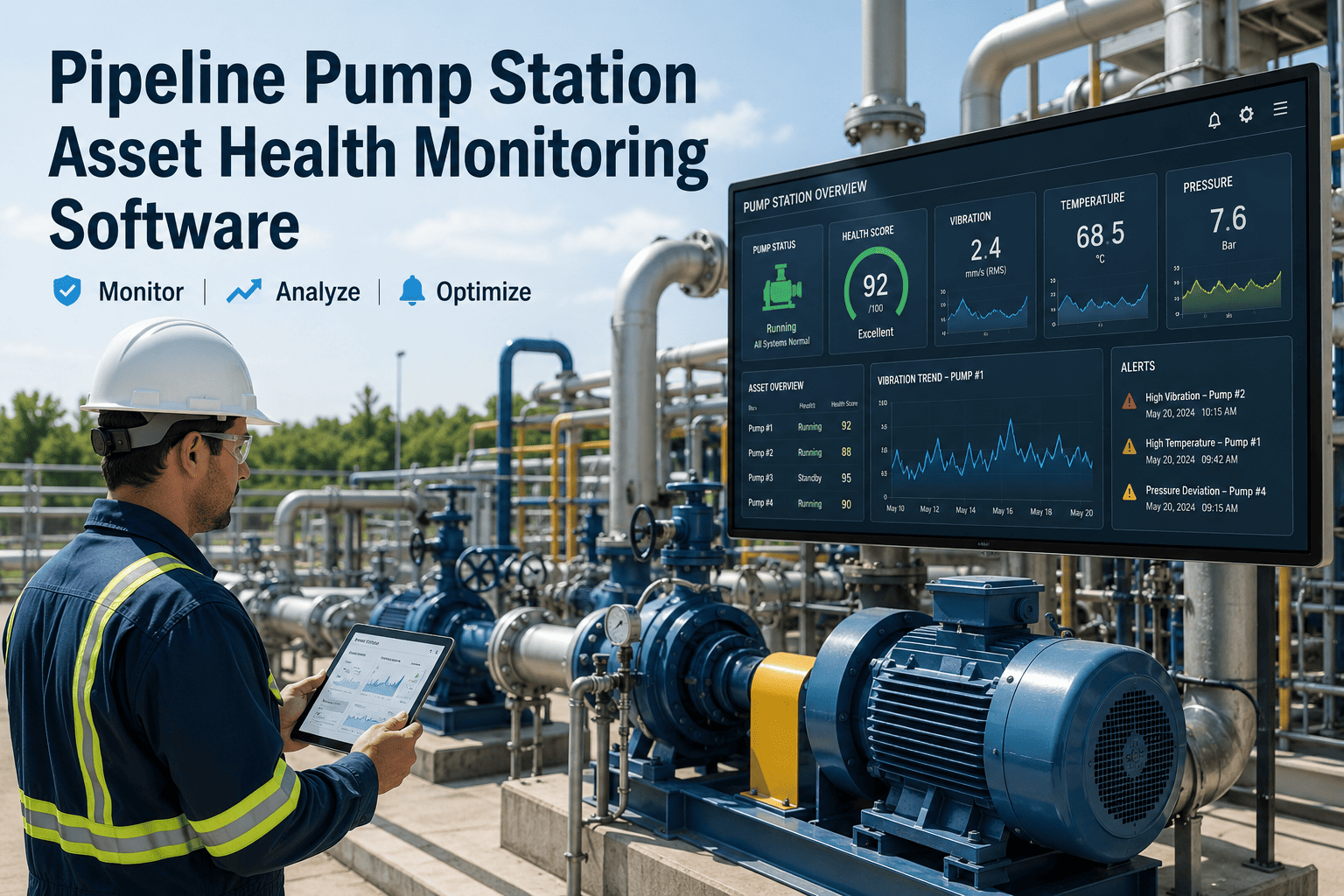
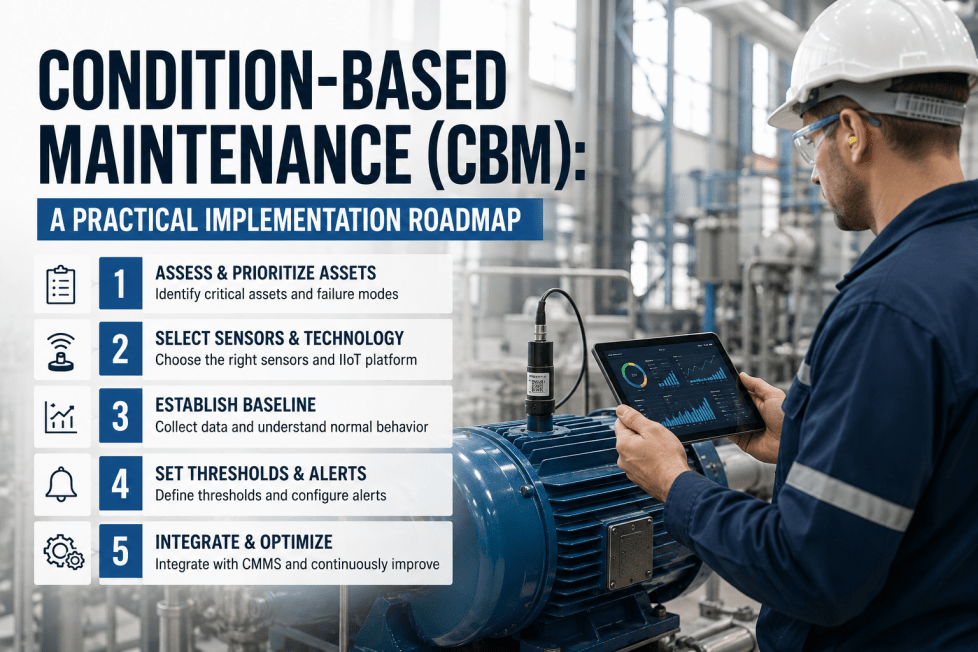
iFactory's CMMS helps water utilities shift from reactive repairs to predictive pipeline management — with automated work orders, condition-based alerts, and full asset lifecycle tracking built for underground infrastructure.
Building a Water Main Replacement Plan That Works
You can't replace every pipe at once. The smartest utilities use a risk-scoring framework that weighs probability of failure against consequences of failure to prioritize capital investment where it matters most.
What Top-Performing Water Utilities Do Differently
Utilities that achieve water loss rates under 10% share common operational practices. These aren't theoretical — they're proven strategies from utilities managing hundreds of miles of pipeline.
The ROI of Getting Pipeline Maintenance Right
Your Pipelines Are Talking. Is Your Software Listening?
iFactory helps municipal water teams unify leak detection data, valve maintenance schedules, pipe condition assessments, and replacement planning into one AI-powered platform — so every decision is backed by real infrastructure intelligence.
Frequently Asked Questions
U.S. water systems lose approximately 2 trillion gallons of treated water annually — roughly 6 billion gallons every day. This costs utilities and their customers an estimated $6.4 billion in lost revenue each year. The national average loss rate is about 19.5%, though smaller utilities often exceed 30%.
The most effective approach layers multiple technologies: acoustic sensors for metallic pipes, pressure-based monitoring for transmission mains, satellite SAR imaging for large networks, and AI-driven analytics for system-wide risk forecasting. District metered areas with continuous flow monitoring provide the fastest detection — often catching leaks within hours rather than months.
Use a risk-based approach that scores each pipe segment on two axes: probability of failure (age, material, break history, soil conditions) and consequence of failure (population served, proximity to hospitals or schools, road classification). Pipes scoring high on both axes are prioritized for immediate replacement, while moderate-risk segments are scheduled for condition assessment.
A CMMS serves as the operational backbone — tracking every asset, work order, inspection, and repair across your entire distribution network. It connects leak detection alerts to automated work orders, schedules preventive valve exercising, stores pipe condition data for replacement planning, and generates compliance reports. Without a CMMS, pipeline data stays fragmented and maintenance stays reactive.
Most utilities see measurable results within 6–12 months of implementing a structured leak detection and condition assessment program. Water loss reductions of 25–40% are common in the first two years. The financial payback comes through reduced emergency repair costs, recovered revenue from water that was previously lost, and deferred capital expenditure on premature pipe replacement.