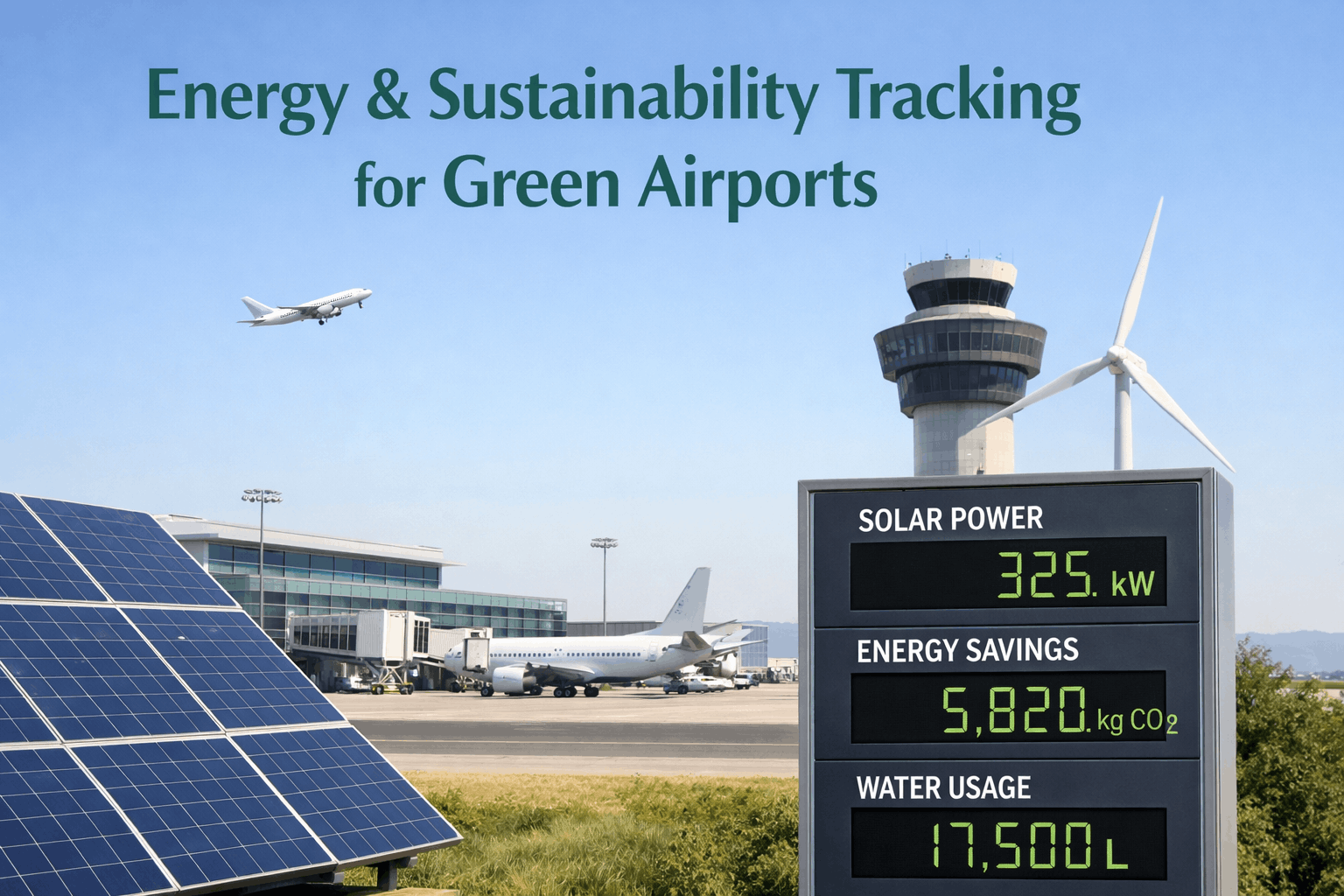
Major airport terminals consume as much energy as small cities. Yet, nearly half of this energy is wasted due to legacy HVAC systems, inefficient lighting, and reactive maintenance practices. Once an airport's energy consumption spirals out of control, operational budgets take a massive hit, and carbon emission targets are missed. The transition to a green aviation hub is where sustainability visions either become operational realities or expensive lessons in compliance. This guide covers the AI frameworks, digital tools, and operational systems that separate airports achieving their 2026 sustainability goals from those lagging behind.
What Makes Green Airport Operations Different From Standard Facilities?
Transforming an airport into a sustainable hub isn't just about changing lightbulbs — it's the orchestration of real-time tracking, baggage system optimization, predictive maintenance, and terminal climate control into a single, tightly sequenced aviation management operation. All of this must be executed with zero disruption to passenger flow or flight schedules. Every kilowatt must be monitored, and every asset must run at peak efficiency.
This is why iFactory AI exists. The gap between a well-intentioned sustainability pledge and a well-executed green airport is where most budgets blow up. Understanding the anatomy of energy optimization — and what can go wrong at each stage — is the foundation of modern airport maintenance.
The 7 Execution Risks That Derail Airport Sustainability
Research into large-scale aviation infrastructure consistently identifies the same failure patterns in green initiatives. Understanding these risks — and having structured AI-driven mitigation plans — is the difference between achieving Net Zero and falling behind regulatory mandates.
Technology Sourcing: Getting the Right Infrastructure
Transitioning to a smart airport requires intelligent procurement of hardware and software. With the rapid evolution of 2026 tracking technologies, ensuring interoperability is critical to project success.
Facility Preparation: Laying the Digital Groundwork
Deploying AI tracking across a 2 million square foot facility requires meticulous preparation. Network blackspots, incorrect asset hierarchies, and missing historical data account for the majority of delayed rollouts. Here is the systematic approach to digitizing an airport.
Efficiency Assurance: Optimizing it Right the First Time
False alerts and miscalibrated sensors can lead to alert fatigue, causing maintenance teams to ignore the AI. Properly validating the digital twin saves thousands of hours in wasted diagnostic time. Here's the framework that top-performing aviation teams follow.
From Raw Data to Real-Time Predictive Maintenance
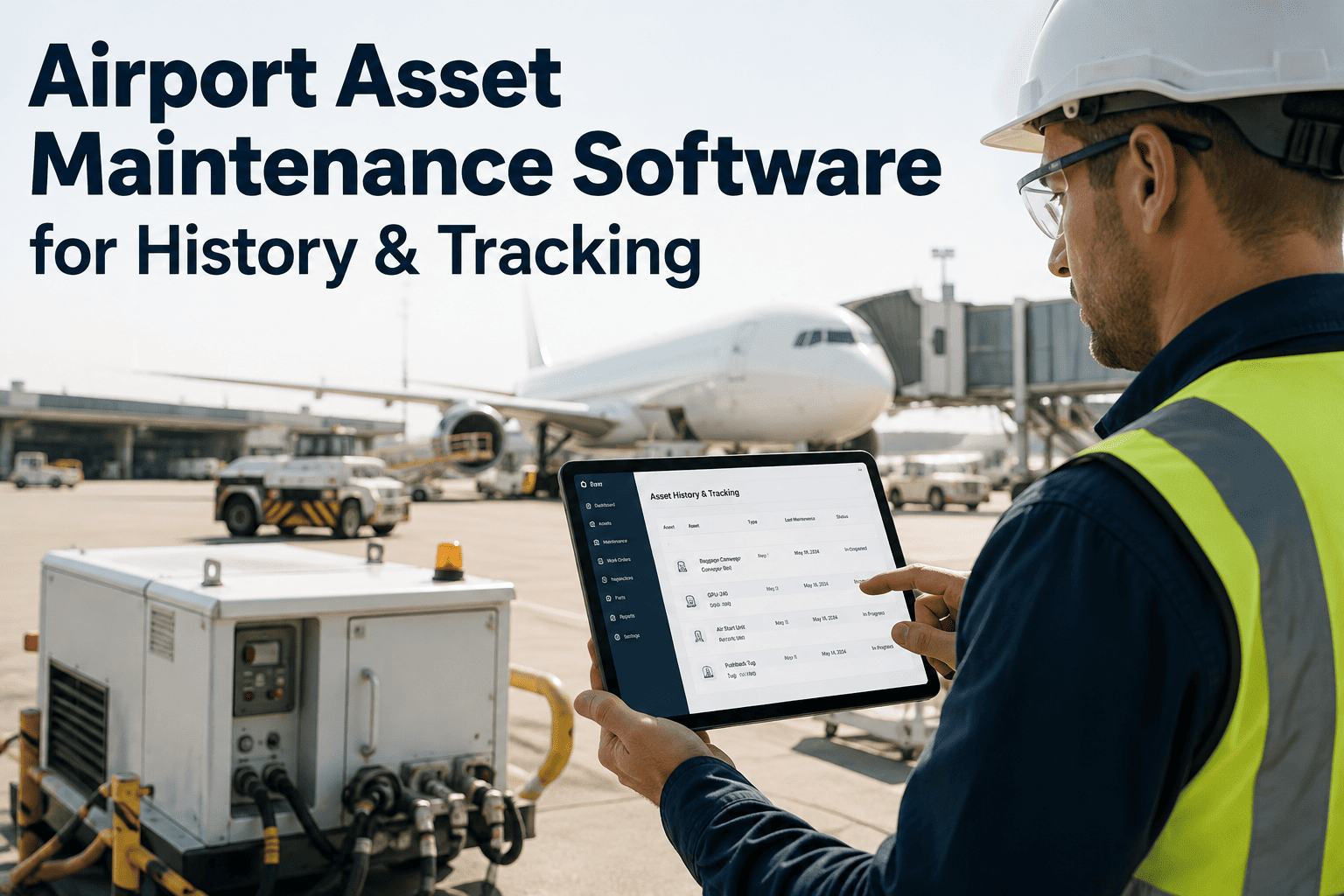
iFactory AI lets aviation teams transition seamlessly from reactive repairs to predictive optimization. Every chiller, conveyor, and lighting grid — tracked from the digital twin straight through to automated work orders.
Stakeholder Alignment: The Invisible Sustainability Risk
Green airport initiatives often fail because data is siloed. In a major hub, dozens of stakeholders — operations, airlines, retail tenants, regulatory bodies, and maintenance teams — must stay synchronized. Alignment isn't a soft skill; it's a core function of aviation management.
Operational Readiness: The Proactive Shift
The most common mistake in airport maintenance is treating energy tracking as an end-of-year accounting task. True sustainability requires continuous operational readiness. Facilities that rely on reactive management end up paying premium utility rates every day — and never catch up to their green goals.
Transform Your Terminal into a Green Airport Today
iFactory AI integrates seamlessly into your aviation operations — identifying energy waste in real-time, mapping a dynamic digital twin, and dispatching predictive maintenance work orders before excess carbon is emitted.
Frequently Asked Questions
iFactory AI continuously analyzes data from IoT sensors across the airport to build a digital twin. It identifies invisible inefficiencies — like a baggage motor drawing too much friction-induced power or an HVAC unit cooling an empty terminal. By immediately sending a work order to the CMMS, the platform stops energy waste in real-time, drastically reducing the airport's carbon footprint.
A digital twin is a dynamic, virtual replica of the physical airport created using data from IoT sensors, BMS systems, and AI. It allows facility managers to view real-time energy usage, measure inefficiencies, and simulate the outcome of operational changes without disrupting actual passenger flow or flight schedules.
Predictive maintenance addresses issues before they escalate into full breakdowns. When a machine begins to fail, it works harder and draws significantly more electricity. By predicting the failure and fixing the root cause early through automated CMMS alerts, the airport saves the excess energy that would have been wasted, directly lowering greenhouse gas emissions.
Yes. While brand new facilities might have native sensors, older infrastructure can be retrofitted with non-invasive IoT sensors (like clamp-on power meters and acoustic flow sensors) that wirelessly feed data into iFactory's AI platform. This provides modern tracking and airport maintenance analytics without the need to tear out legacy equipment.
Regulatory requirements for aviation energy reporting are becoming much stricter heading into 2026. Manual, spreadsheet-based estimates will no longer suffice for compliance. Automated tracking ensures that airports have audit-proof, verifiable data to demonstrate adherence to new green standards, secure environmental grants, and build public trust.