Sustainable Aviation Fuels and Hydrogen: Preparing Airports for the Future
By Taylor on March 5, 2026
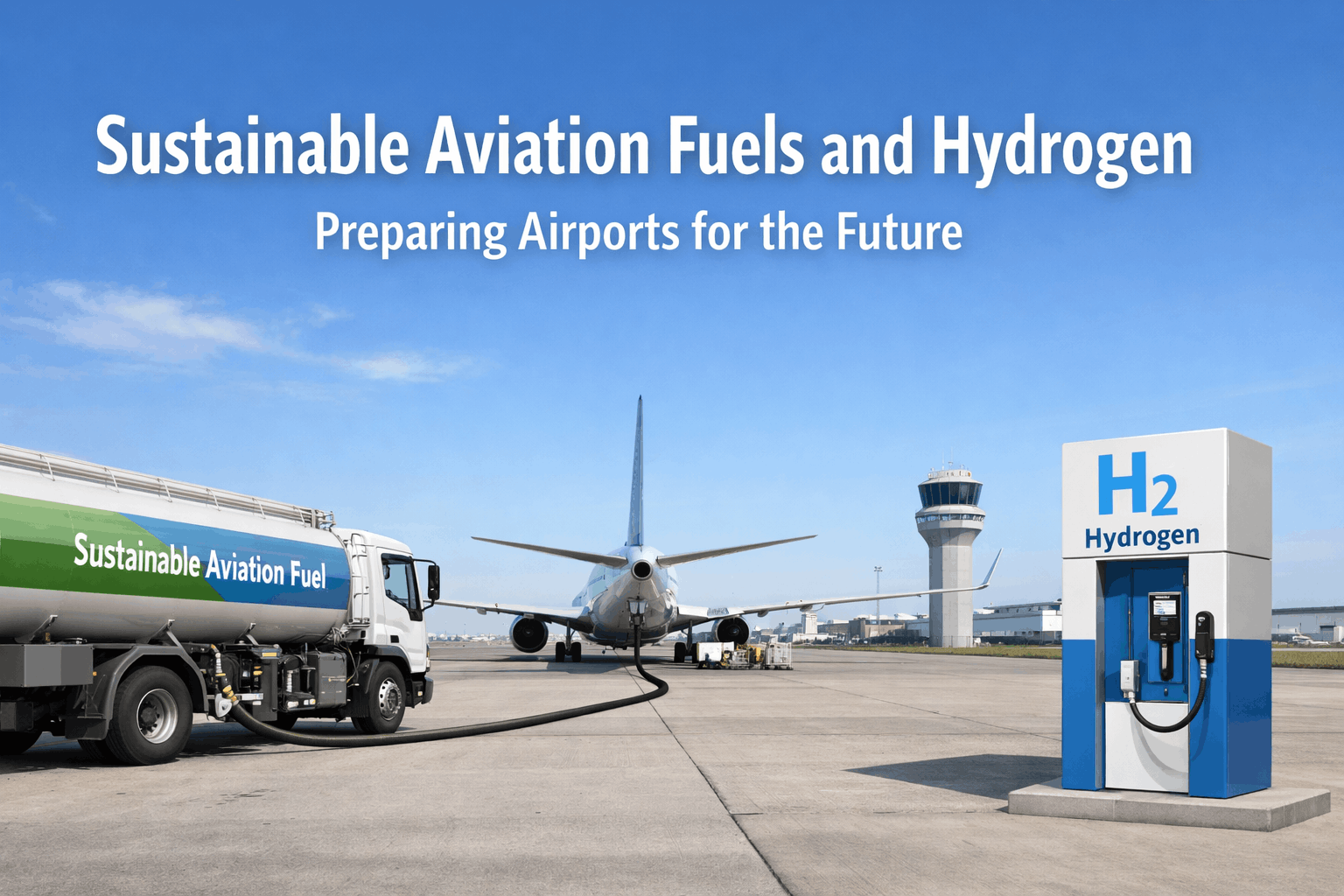
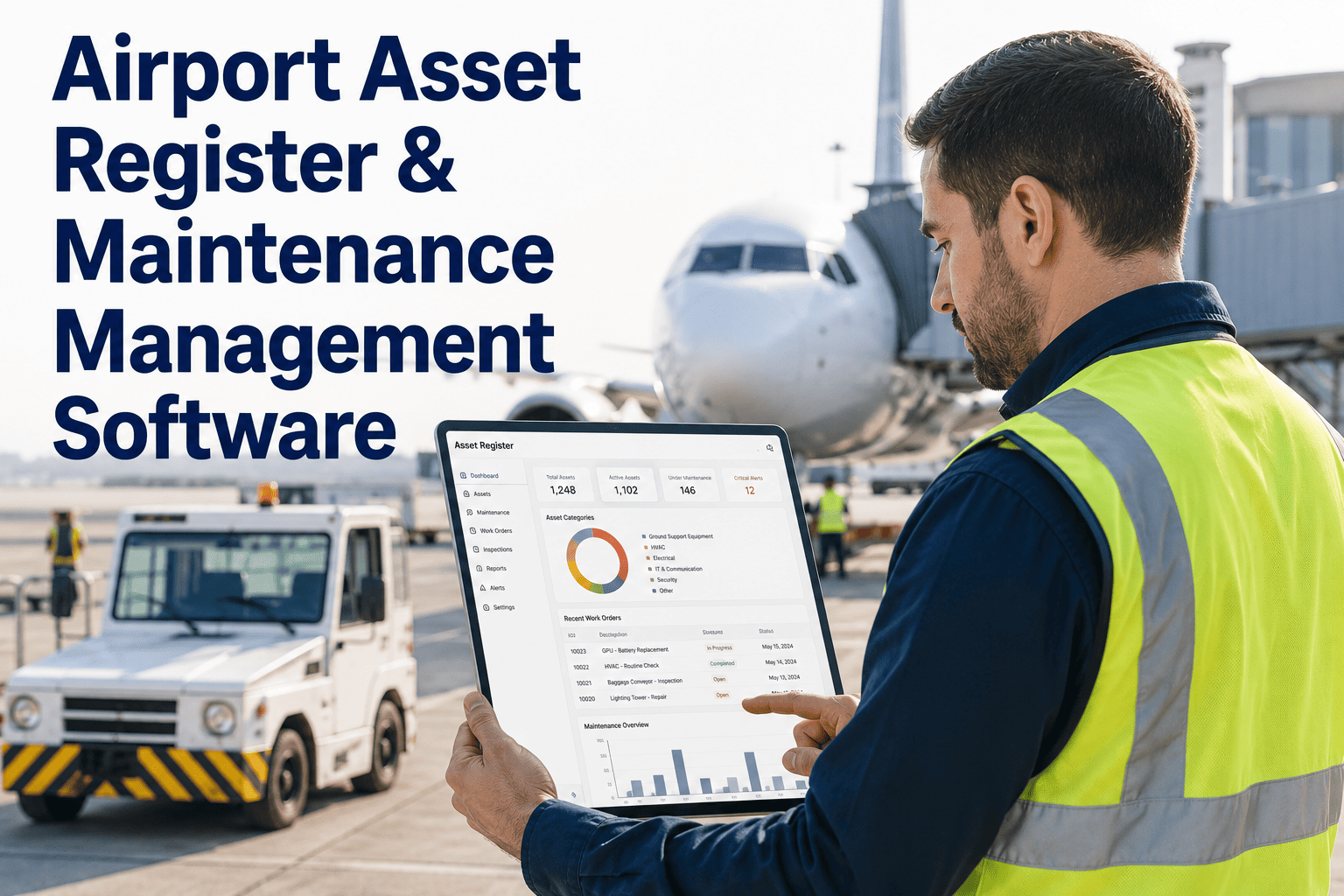
Aviation accounts for 2.5% of global CO₂ emissions — and with passenger volumes projected to double by 2050, that number climbs unless the industry fundamentally changes what powers its aircraft. Two fuel technologies are converging to rewrite the aviation energy equation: Sustainable Aviation Fuels (SAF), which are already blending with conventional Jet-A at ratios up to 50% and can use existing airport fuel infrastructure with targeted modifications, and liquid hydrogen (LH₂), which promises zero-carbon flight but requires entirely new cryogenic storage, distribution, and refueling systems that no commercial airport currently operates at scale. For airport operators, the challenge is not choosing one over the other — it is preparing infrastructure for both simultaneously while maintaining uninterrupted operations on conventional fuel systems that will coexist for decades. In 2026, iFactory's AI platform is giving airports the digital infrastructure to manage this three-fuel future: monitoring SAF blending compliance in real time, modeling hydrogen facility readiness through digital twin simulation, tracking fuel infrastructure asset health with IoT sensors and predictive maintenance, and generating the sustainability compliance documentation that regulators and airlines increasingly demand. Airports that build this digital foundation now will lead the transition. Those that wait will retrofit under pressure. Book a free SAF and hydrogen readiness assessment and see how iFactory prepares your airport for the fuel transition already underway.
— ICAO CORSIA Framework; IATA Net Zero 2050 Roadmap; FAA SAF Grand Challenge; EU ReFuelEU Aviation Mandate 2025
Two Fuel Pathways, One Airport: How SAF and Hydrogen Coexist
Airports preparing for sustainable aviation must manage two fundamentally different fuel transitions simultaneously. SAF is a near-term, drop-in solution that blends with conventional Jet-A and flows through existing hydrant systems with targeted material and quality control upgrades. Hydrogen is a longer-term, transformational fuel that requires entirely new cryogenic infrastructure, safety zones, and operational protocols. Understanding both pathways — and how they coexist with conventional fuel operations — is essential for building a future-ready airport fuel program.
SAF
Sustainable Aviation Fuel Integration
1
SAF delivered to airport fuel farm — HEFA, Fischer-Tropsch, or alcohol-to-jet pathways
2
Blended with Jet-A at certified ratios (up to 50%) — ASTM D7566 compliance verified
3
Distributed through existing hydrant/tanker systems — seal and gasket compatibility verified
4
iFactory tracks blend ratios, quality records, CORSIA credits, and ESG reporting per uplift
Timeline:Available now — scaling through 2030
Infrastructure:Existing fuel farm with targeted upgrades
Not sure where your airport stands on SAF readiness or hydrogen infrastructure planning? Book a free fuel transition assessment to map your current capabilities and build a phased readiness roadmap.
The Infrastructure Readiness Gap: Why Most Airports Aren't Prepared
The regulatory mandates are clear — EU ReFuelEU requires 2% SAF by 2025, 6% by 2030, and 70% by 2050. ICAO CORSIA demands carbon offset or reduction credits. Airlines are signing SAF offtake agreements. Yet most airports have not assessed whether their fuel infrastructure — tanks, seals, gaskets, hydrant systems, quality testing labs — can handle SAF blends without degradation. And hydrogen readiness is even further behind: fewer than 5% of major airports have completed even a preliminary hydrogen infrastructure feasibility study.
iFactory-Managed Fuel Infrastructure — Full Digital Readiness
100% Monitored
Airports with SAF Material Compatibility Assessment Completed
~30%
Airports with Hydrogen Infrastructure Feasibility Study
<5%
2%EU ReFuelEU SAF mandate effective 2025 — scaling to 70% by 2050
-253°CLiquid hydrogen storage temperature — entirely new infrastructure class
Net ZeroIATA 2050 commitment — airports must build the fuel infrastructure to deliver it
How iFactory Prepares Airport Fuel Infrastructure for SAF and Hydrogen
Transitioning to sustainable fuels is not just a procurement decision — it is a full infrastructure management challenge that touches every tank, pipe, seal, pump, and quality testing system in the fuel farm. iFactory's four-module fuel transition platform gives airports the digital infrastructure to manage SAF integration today and hydrogen readiness planning for tomorrow — while maintaining uninterrupted conventional fuel operations throughout the transition.
SAF Blend Compliance Monitoring
iFactory tracks SAF blend ratios per fuel batch, per storage tank, and per aircraft uplift — verifying ASTM D7566 compliance at every blending point. Blend certification records, quality test results, and CORSIA credit documentation are auto-generated and linked to the fuel infrastructure asset record. Airlines receive verified SAF uplift certificates automatically — eliminating manual paperwork that delays sustainability credit claims.
100% verified SAF blend compliance — CORSIA credits documented per uplift automatically
Fuel Infrastructure Asset Health Monitoring
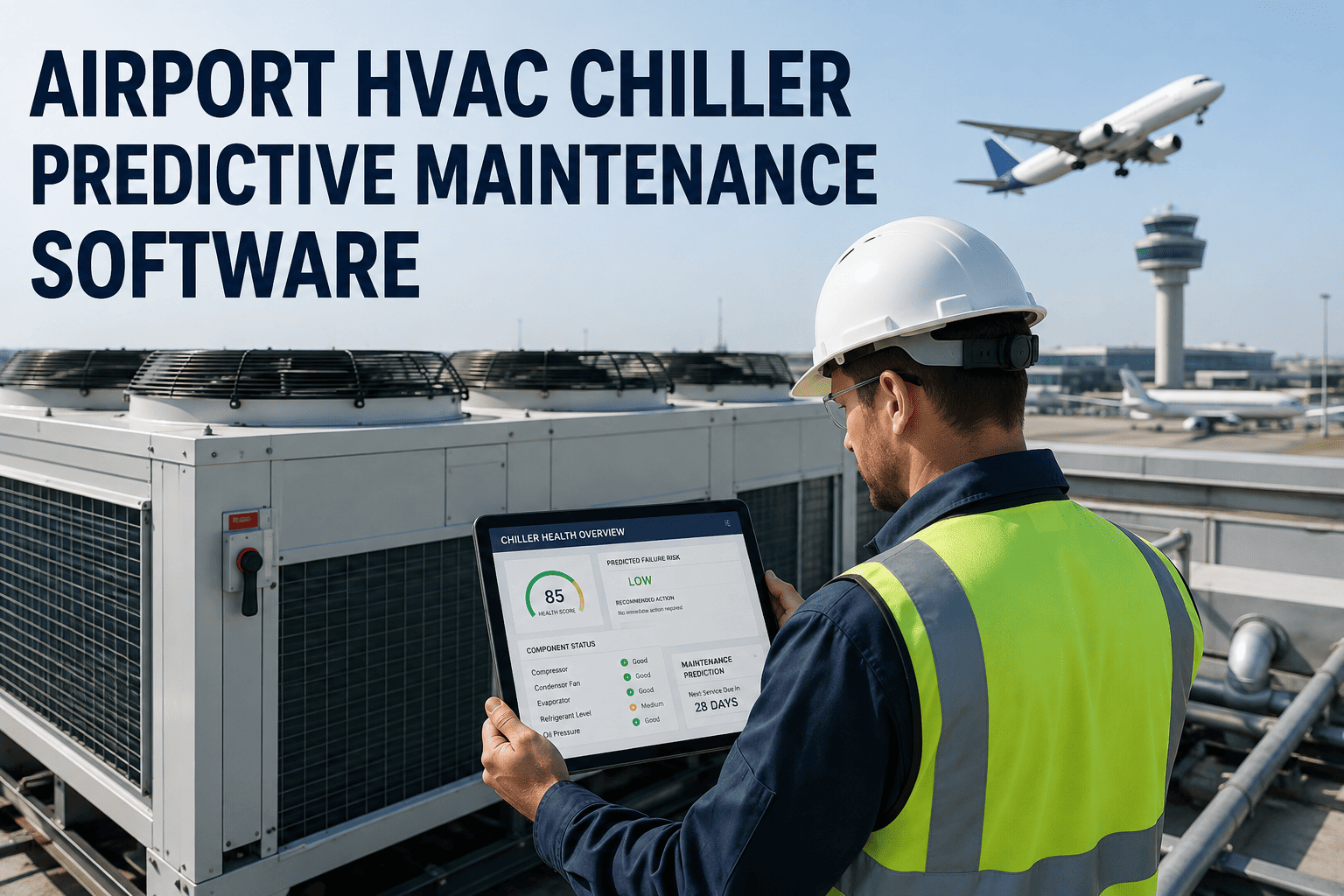
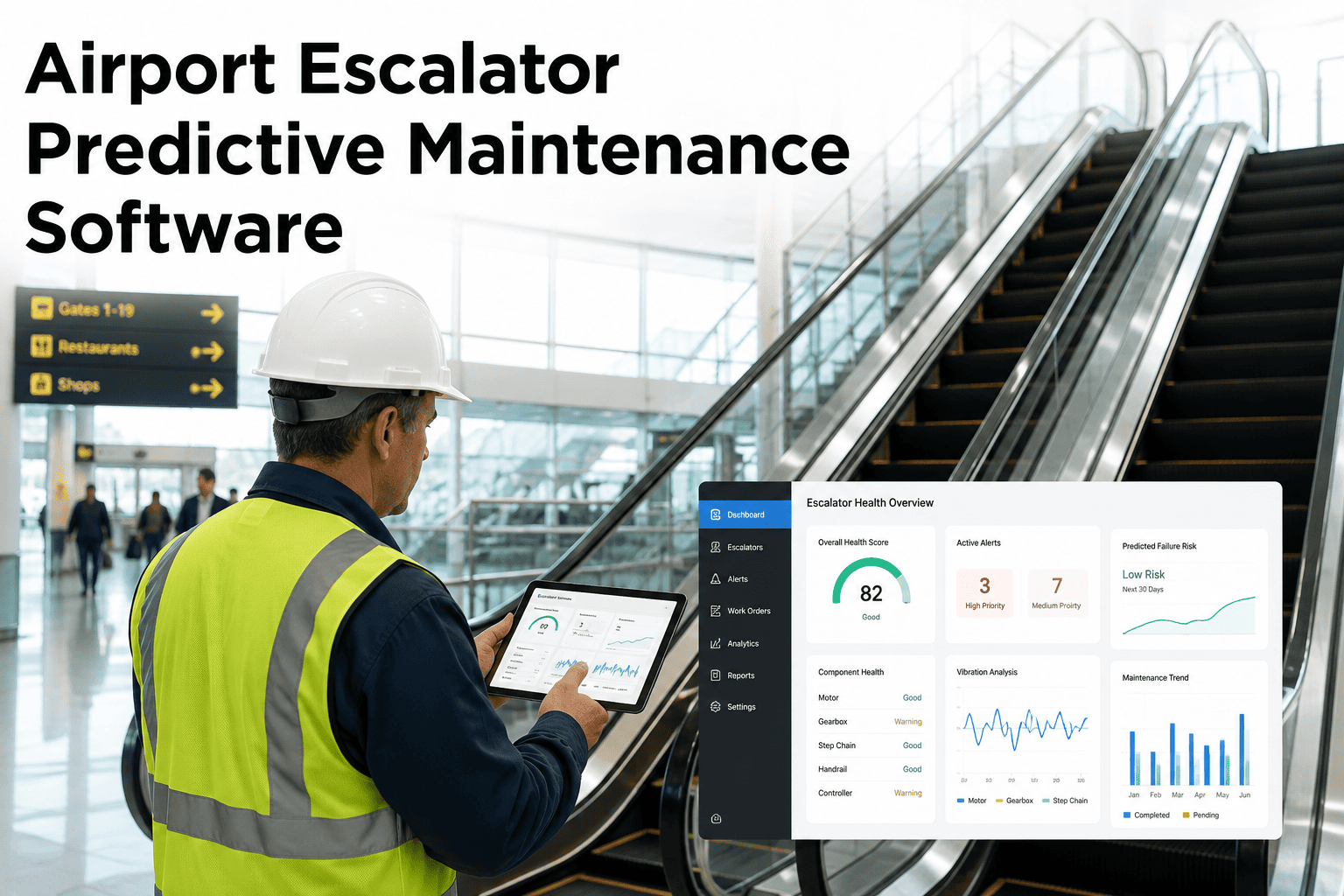
SAF has different aromatic and seal-swell properties than conventional Jet-A — meaning existing fuel system seals, gaskets, hoses, and tank linings may degrade faster under SAF blends. iFactory's IoT sensor network monitors fuel system component condition in real time: seal integrity, tank liner health, hydrant system pressure, and pump performance. Predictive maintenance flags degrading components before they cause leaks, contamination, or service interruptions.
Predictive fuel infrastructure maintenance — SAF-specific degradation detected before failure
Hydrogen Infrastructure Digital Twin
iFactory's digital twin module models your airport's hydrogen facility readiness: cryogenic storage tank placement with safety exclusion zone visualization, LH₂ distribution piping routes overlaid on existing fuel farm layouts, refueling point locations relative to terminal gates, and the phased CapEx investment timeline. Airport planners simulate hydrogen infrastructure scenarios without disrupting current operations — testing layouts, safety zones, and capacity models virtually before committing capital.
Virtual hydrogen facility planning — test every layout scenario before breaking ground
Sustainability Reporting & ESG Compliance
iFactory automatically generates the sustainability documentation that regulators, airlines, and ESG reporting frameworks demand: total SAF volume uplifted, CO₂ reduction per SAF blend, CORSIA credit accounting, Scope 1/2/3 fuel-related emissions tracking, and progress dashboards against Net Zero 2050 milestones. Reports export in formats compatible with CDP, GRI, and ICAO State Action Plan reporting requirements — produced as a byproduct of daily fuel operations, not a manual quarterly compilation.
Automated ESG and CORSIA reporting — always current, audit-ready, zero manual compilation
Manage SAF Compliance, Hydrogen Planning & Fuel Infrastructure Health in One Platform
iFactory integrates SAF blend monitoring, fuel infrastructure predictive maintenance, hydrogen digital twin simulation, and automated sustainability reporting — giving airports the unified digital infrastructure to manage the three-fuel future from a single platform.
The Airport Fuel Transition Gap — Unprepared vs. Digitally Ready
What separates airports that will lead the sustainable fuel transition from those that will scramble to comply? It is not SAF purchase volume — it is whether their fuel infrastructure is monitored, their blend compliance is verified, and their hydrogen readiness is planned with data rather than assumptions.
Scroll to compare
Capability
Unprepared Airport
iFactory-Ready Airport
SAF Blend Tracking
Manual logs — blend ratios estimated, not verified per batch
Real-time monitoring — ASTM D7566 verified per tank and uplift
Fuel Infrastructure Health
Calendar-based PM — SAF seal degradation undetected
IoT-monitored — SAF-specific component wear predicted before failure
CORSIA Credit Documentation
Spreadsheets compiled quarterly — airline disputes common
Auto-generated per uplift — airline certificates instant, audit-ready
Hydrogen Readiness
No feasibility study — reactive when mandates arrive
Digital twin modeling — facility layout, safety zones, CapEx planned
"The airports that will lead the sustainable aviation transition are not the ones buying the most SAF — they are the ones that have built the digital infrastructure to verify what they blend, monitor how their fuel systems respond to new fuel chemistries, and plan for hydrogen integration years before the first hydrogen aircraft arrives at their gates. SAF blend compliance without real-time monitoring is a liability waiting to surface during an ASTM audit. Hydrogen planning without digital twin simulation is guesswork that will cost billions to correct once construction begins. The fuel transition is an infrastructure management challenge first and a procurement challenge second — and the airports that understand this distinction will define the standard for everyone else."
— Aviation Sustainability Infrastructure Advisory; IATA Fuel Infrastructure Working Group; Airport Carbon Accreditation Program Analysis, Q1 2026
The Bottom Line: ROI of Digital Fuel Transition Management
100%
SAF Blend Compliance Verification
Every batch, every tank, every uplift — ASTM D7566 compliance verified digitally with auto-generated records
30%
Fuel Infrastructure PM Cost Reduction
Predictive monitoring of SAF-specific seal and gasket degradation prevents costly contamination events
Zero
CORSIA Documentation Gaps
Airline SAF uplift certificates generated automatically per fueling event — no quarterly compilation scramble
Years
Hydrogen Planning Head Start
Digital twin simulation of cryogenic facility layout, safety zones, and CapEx phasing — ready before mandates arrive
The Fuel Transition Is Already Here. Your Infrastructure Needs to Be Ready.
EU ReFuelEU mandates are active. CORSIA obligations are tightening. Airlines are demanding verified SAF uplift certificates. And hydrogen aircraft programs are targeting 2035 entry into service — meaning airport infrastructure planning must begin now. iFactory gives airports the unified digital platform to manage SAF compliance, monitor fuel infrastructure health, plan hydrogen readiness, and report sustainability metrics — all from one connected system built for the three-fuel future.
What is Sustainable Aviation Fuel (SAF) and can it use existing airport infrastructure?
SAF is a jet fuel produced from sustainable feedstocks — used cooking oil (HEFA pathway), agricultural waste (Fischer-Tropsch), alcohols (ATJ), or synthetic processes (Power-to-Liquid). When blended with conventional Jet-A at certified ratios up to 50% under ASTM D7566, SAF is a "drop-in" fuel that uses existing airport fuel farm infrastructure — tanks, hydrant systems, tanker trucks, and aircraft fuel systems. However, SAF has different aromatic content and seal-swell properties than conventional Jet-A, which means fuel system seals, gaskets, hoses, and tank linings may degrade at different rates. iFactory's fuel infrastructure monitoring tracks these SAF-specific degradation patterns through IoT sensors, flagging component replacement needs before contamination or leaks occur.
What infrastructure does an airport need for liquid hydrogen fueling?
Liquid hydrogen (LH₂) requires infrastructure that does not exist at any commercial airport today at operational scale: cryogenic storage tanks maintaining -253°C, vacuum-insulated distribution piping, hydrogen-specific leak detection systems, explosion-proof electrical zones, new safety exclusion perimeters around storage and fueling areas, and specialized refueling vehicles or fixed hydrant systems compatible with cryogenic hydrogen. iFactory's digital twin module allows airports to model all of these elements virtually — testing storage tank placement, safety zone geometry, piping routes, and gate-side fueling point locations before any capital is committed. Book a demo to see hydrogen facility digital twin modeling in action.
How does iFactory track CORSIA compliance and SAF carbon credits?
ICAO's Carbon Offsetting and Reduction Scheme for International Aviation (CORSIA) requires airlines to offset or reduce CO₂ emissions from international flights. SAF usage generates CORSIA-eligible emission reduction credits based on the lifecycle carbon intensity of the specific SAF pathway used. iFactory tracks the full chain: SAF batch origin and pathway certification, blend ratio per tank, volume uplifted per aircraft, lifecycle emission factor per batch, and the calculated CO₂ reduction credit per uplift event. Airline SAF uplift certificates are generated automatically — giving airlines the verified documentation they need for CORSIA reporting without manual compilation or dispute risk.
What is the EU ReFuelEU Aviation mandate and how does it affect airports?
ReFuelEU Aviation is an EU regulation requiring fuel suppliers at EU airports to blend minimum percentages of SAF into aviation fuel: 2% from 2025, 6% from 2030, 20% from 2035, 34% from 2040, 42% from 2045, and 70% from 2050. The mandate includes sub-targets for synthetic fuels (e-fuels including hydrogen-derived) starting at 1.2% in 2030. For airport operators, this means fuel infrastructure must be SAF-compatible, blend ratios must be verified and documented, and sustainability reporting must be continuous — not annual. iFactory automates all three requirements through real-time blend monitoring, infrastructure health tracking, and automated regulatory reporting.
When should airports start planning for hydrogen infrastructure?
Now. Airbus targets hydrogen aircraft entry into service in the mid-2030s. Airport infrastructure planning, environmental permitting, safety certification, and construction for cryogenic hydrogen facilities requires 7–10 years from concept to operational readiness. Airports that begin digital twin modeling and feasibility assessment in 2025–2026 will be positioned to receive hydrogen aircraft when they enter service. Those that wait until aircraft are certified will face a decade of catch-up — during which hydrogen-ready competitor airports capture the routes and airlines. Visit our Support Center for hydrogen readiness planning documentation and case studies.