Generative AI in infrastructure planning and design is fundamentally rewriting the blueprint for modern industrial engineering, moving beyond the static constraints of traditional drafting into a new paradigm of autonomous architectural evolution. What once required months of manual drafting, CAD iteration, and physical prototyping is now being compressed into high-velocity, data-driven "Design Sprints" that account for real-world physics in every pixel. By leveraging Large Language Models (LLMs) and physics-aware generative algorithms, integrated steel mills, heavy manufacturers, and municipal planners can now simulate thousands of structural and logistical permutations to identify the singular configuration that maximizes throughput while minimizing environmental intensity. Organizations that schedule a design strategy session with iFactory are discovering that they can transition from static master plans to a "Generative Digital Twin"—a live virtual replica that doesn't just monitor current performance but suggests structural design improvements for future capacity expansion. In 2026, the competitive advantage lies not in the size of the engineering team, but in the resolution and speed of the generative intelligence guiding their long-term infrastructure roadmap, ensuring that every asset built is resilient, efficient, and 100% compliant with future standards.
Design the Future of Your Mill with Generative AI
iFactory's Mobile AI-driven platform delivers physics-accurate simulation, real-time IoT sync, and autonomous "What-If" analysis — purpose-built for the next generation of infrastructure asset owners. Shift from static blueprints to a self-optimizing master plan in under 30 days.
1. Conceptual Design & High-Fidelity Visualization: The Generative Leap
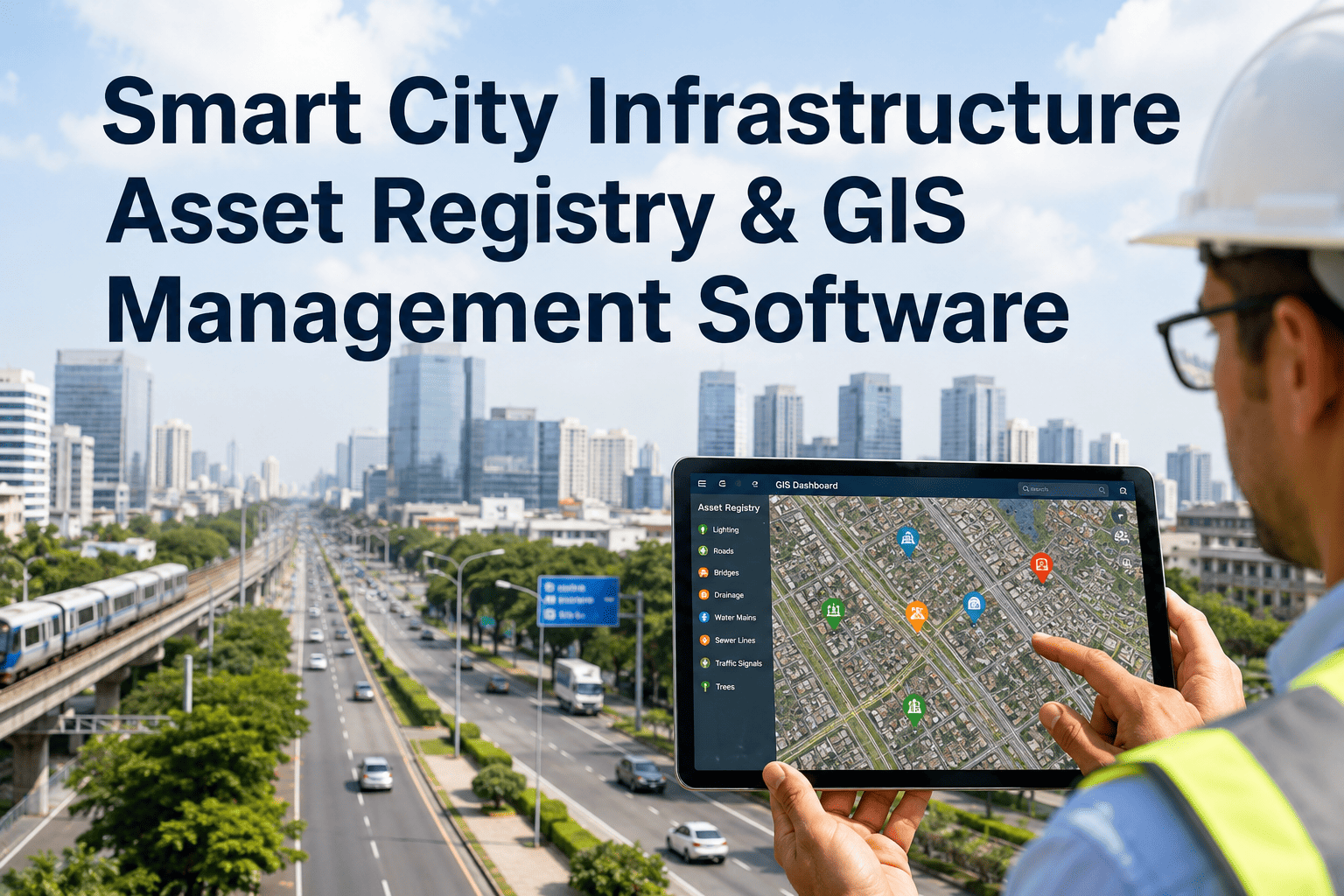
Traditional conceptual design in heavy industry often suffers from "Visual Stagnation," where complex engineering specs are siloed in 2D drawings that fail to communicate the dynamic reality of a 300-ton charging bay or a high-speed rolling mill. Generative AI solves this by transforming technical requirements into 4D animated walkthroughs and immersive spatial models. Instead of looking at a static CAD file, plant directors can now "walk" through a proposed mill stand upgrade before a single bolt is ordered. This high-fidelity visualization allows for the identification of "Space Collisions" and maintenance access issues that are typically only found during the high-cost installation phase. Organizations exploring these spatial twins often schedule a technical demo to see how iFactory converts SCADA tags into real-time visual design feedback, ensuring that human-factor engineering is optimized before construction begins.
Beyond basic visualization, Generative AI enables "Scenario Generation" for environmental resilience and asset hardening. By ingesting decades of historical weather data and process transients, the AI simulates how a proposed furnace foundation or cooling gallery will perform under extreme 50-year flood events or record-breaking heatwaves. This process of design-stage resilience ensures that multi-million dollar infrastructure investments are future-proofed by design rather than by luck. This level of technical sovereignty ensures that your organization can prove its resilience to bond-rating agencies and insurance underwriters, directly impacting the mill's financial creditworthiness. Maintenance teams exploring this shift often begin by choosing to baseline their current asset integrity data versus generative requirements, ensuring the future-readiness of the entire plant architecture.
2. Strategic Impact Matrix: Legacy Design vs. Generative AI Planning
Comparing the resolution of design foresight between traditional engineering processes and iFactory's autonomous generative model across global infrastructure standards. This matrix is used to benchmark the digital transformation ROI of design workflows.
| Planning Parameter | Traditional Engineering (Manual) | iFactory Generative AI Model | Business Impact |
|---|---|---|---|
| Iteration Speed | Weeks per major layout change | Hours for thousands of permutations | Compressed Time-to-Market |
| Resource Optimization | Safety factors based on standard tables | Generative physics-aware reduction | –15% Material cost savings |
| Constraint Management | Manual collision detection in CAD | Autonomous 3D spatial interference | Zero installation-phase rework |
| Energy Efficiency Design | Static thermal loss calculations | Dynamic "WAGES" Twin simulations | –20% Operating energy costs |
| Workforce Integration | Paper manuals & separate LMS | AR-guided generative instructions | 2.8x faster training speed |
| Compliance Audit | Manual sign-off and filing | Immutable blockchain design logs | 100% digital certification |
3. Layout Optimization: Automating Throughput Symmetry
In the integration of new equipment into an existing "Brownfield" site, the layout dictates the final OEE of the production line. Traditional layout design is a game of tradeoffs, often resulting in "Logistical Bottlenecks" where material flow is restricted by the physical geometry of legacy stands or structural pillars. iFactory's Generative AI analyzes the entire "Melt-to-Coil" journey, autonomously identifying the optimal placement for cranes, galleries, and utility connections to ensure perfectly symmetrical material flow. This AI-driven spatial planning accounts for the physics of liquid metal transit times and heat retention, ensuring that every meter of travel is optimized for energy conservation. Organizations that book a layout audit are finding that they can recover up to 5% of their total yield just by re-optimizing their equipment coordinates based on AI-simulated traffic patterns.
This optimization extends to the "Digital Nervous System" of the plant itself. Generative AI designs the most resilient routing for IoT gateways and wireless mesh networks, ensuring 100% data coverage even in the high-EMF environments of electric arc furnaces. By simulating signal propagation across a 3D twin of the mill, iFactory ensures that your connectivity is hardened against interference, allowing for the stable execution of Stage 4 autonomous control loops. Choosing the right design platform is about ensuring that every unit of infrastructure is built to support the high-frequency telemetry of the future. This level of technical transparency is what separates high-matured organizations from those stuck in legacy digital states, providing a permanent foundation for autonomous growth and continuous margin recovery.
Pillar 1: Multi-Scenario Generative Simulation
Identify failure modes before they are built. AI generates 'Stress Scenarios' for every design, identifying how a pump gallery or cooling tower will fail under peak load. This allows for 'Asset Hardening' during the planning phase, reducing lifecycle insurance costs by up to 38% and ensuring 24/7 operational continuity.
Pillar 2: Autonomous Constraint Satisfaction
Automatically satisfy hundreds of OSHA and ISO safety constraints simultaneously. The AI won't allow a design that compromises maintenance clearance or safety egress, ensuring that compliance is 'Baked-In' to the architecture of the mill from day one, eliminating the risk of costly post-construction retrofits.
Pillar 3: Material-Efficient Structure Design
Use generative design to reduce steel and concrete volumes in non-critical structural areas. By applying topological optimization, iFactory helps owners reduce the carbon footprint of their new build by 20% while maintaining absolute structural integrity, meeting both sustainability goals and capital budget constraints.
4. Resource Allocation & Generative Capital Planning
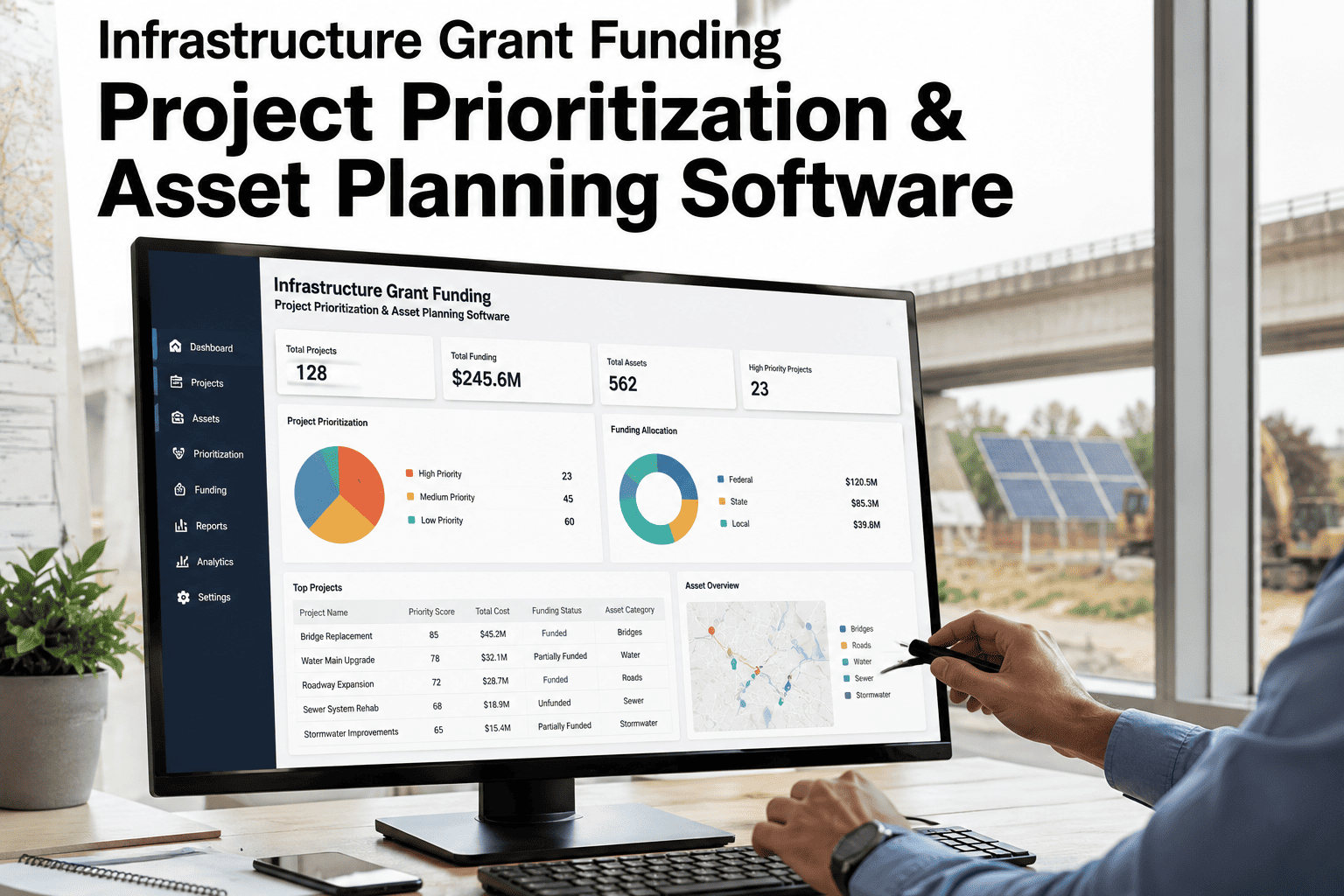
One of the most powerful use cases for Generative AI is in the prioritization of capital reinvestment. Infrastructure owners are often overwhelmed by a "Repair Backlog" that exceeds their annual budget. iFactory's AI engine acts as a "Generative Financial Advisor," ingesting asset health data to simulate the ROI of different investment portfolios. It generates the most efficient sequence of repairs and upgrades to maximize total plant availability over a 10-year horizon. This move from "Subjective Budgeting" to "Generative Asset Planning" allows CFOs to allocate limited capital to the exact zones where it will reduce the most operational risk per dollar spent. Maintenance directors looking to build these data-backed cases often book a strategy session to review our capital planning dashboards.
Beyond simple ROI, this generative planning model integrates ESG targets directly into the investment sequence. If your organization targets a 30% carbon reduction by 2030, the AI generates a multi-year technology rollout plan—sequencing EAF electrode upgrades, waste-heat boiler installations, and VFD motor replacements—to hit that target at the lowest possible cost. This ensures that every capital dollar spent is a multi-purpose investment in reliability, energy efficiency, and regulatory compliance, creating a virtuous cycle of margin recovery and sustainability leadership. It transforms the capital budget from a defensive repair fund into an offensive strategy for market domination, ensuring long-term shareholder value and operational continuity in a decarbonizing economy.
5. Maintenance & Safety Training: Generative Walkthroughs
Generative AI is revolutionizing workforce competency by creating "on-demand" training content for any asset. Using the plant's digital twin, iFactory generates interactive AR work instructions that guide junior technicians through complex repairs using 3D spatial overlays. This eliminates the "Seniority Gap" by digitizing the tribal knowledge of your most experienced engineers into a permanent digital memory. A technician standing at a failed HAGC valve doesn't need to consult a paper manual; they look at the valve through their tablet and see a generative 3D animation of the specific repair sequence required, including torque specs, seal orientations, and safety prerequisites. This ensures that every technician performs to the expert standard every time.
This capability extends to safety-critical scenario simulations. AI generates realistic "Near-Miss" and "Crisis Response" walkthroughs for hazardous zones like the blast furnace hearth or the rolling mill cellar. By training in a risk-free generative environment, operators develop the "Muscle Memory" needed to respond to breakout events or hydraulic fires without being exposed to actual physical risk. This data-driven approach to safety training satisfies the most demanding OSHA 1910 and ISO 45001 requirements, providing the "Record of Control" needed to avoid recordable incident penalties and reduce workers' compensation premiums. Mills that have transitioned to this generative training mesh report a 50% reduction in safety-related delays and a significant increase in first-time fix rates, protecting both the workforce and the production schedule from human-clerical errors.
6. Sustainability & "Green Steel" Architecture
The push for decarbonization requires a fundamental redesign of the energy flows within a steel mill. iFactory's "Energy Twin" models the WAGES (Water, Air, Gas, Electricity, Steam) consumption of every asset, allowing for the generative design of waste-heat recovery loops and renewable energy integration. The AI simulates how setpoint changes in the furnace will impact the overall carbon intensity of the final slab, providing the "Carbon Passport" data needed for CBAM compliance. By optimizing these thermal cycles during the design phase, manufacturers can reduce their total carbon footprint by up to 25% without sacrificing throughput. This ensures that your facility is ready for the stringent environmental mandates of 2030 and beyond, securing your access to global export markets.
Moreover, the AI automates the reporting of these energy intensity metrics, providing the auditable digital evidence required for ISO 50001 certification. By integrating flow and chemical sensors with AI-driven trend detection, the platform identifies potential "Efficiency Excursions" before they lead to an energy budget overrun. This predictive environmental governance ensures that high-hazard assets are always operating within their permitted intensity limits. Organizations that utilize our autonomous fuel-air ratio governors report up to a 15% reduction in NOx emissions, with the audit logs generated automatically for regulatory submission. This transition to "Digital Steel" is not just an environmental initiative; it is an economic imperative that ensures low-carbon products can be sold at a premium in global markets. To see our decarbonization roadmap, schedule an engineering strategy call.
7. Closing the Loop: Operational Feedback for Generative Design
The most profound impact of Generative AI in infrastructure planning is the creation of a "Circular Intelligence Loop." Traditionally, once a mill is built, the design is static. Any lessons learned from operational failures or energy inefficiencies are manually documented and might—if the organization is lucky—inform the design of a new facility five years later. iFactory's generative architecture changes this by feeding real-time operational telemetry back into the design engine. If the AI detects that a specific motor mounting is prone to resonance at certain rolling speeds, it autonomously updates the generative design model for that mounting. This ensures that your next capital upgrade is informed by 100% of your real-world operational history, effectively automating the "Lessons Learned" phase of industrial engineering and ensuring each iteration is superior to the last.
This continuous optimization is critical for scaling across multiple facilities. When one plant identifies a layout-related energy saving or a safety hazard, iFactory propagates that finding across the entire enterprise's generative master plan. This prevents the "Siloed Mistake" where the same engineering error is repeated in different sites due to lack of cross-plant communication. By closing the loop between how an asset was designed and how it actually performs, Generative AI creates a self-improving infrastructure network that becomes more resilient and efficient every day. Operations directors looking to benchmark their fleet's design efficacy often choose to book a multi-site strategy audit to visualize these enterprise-wide learning patterns and optimize their global engineering standards.
8. Future-Proofing: How to Start Your Generative Design Journey
Transitioning to a Generative AI design workflow is not a displacement of your engineering team; it is an amplification of their capabilities. The process begins with the "Data Unification Phase"—establishing the secure IoT gateways and plant historians that provide the high-frequency telemetry the AI requires. iFactory's "Asset-Aware" platform ensures that this transition is low-friction, offering pre-trained models that can ingest your legacy data in a matter of weeks. The end goal is the "Autonomous Master Plan," where your facility is constantly self-auditing its own design and suggesting structural optimizations based on real-world performance, ensuring that your infrastructure evolves as fast as the global market does.
By adopting this generative mindset today, you secure your position as an industry leader in the Industry 4.0 era. Organizations that wait for "Perfect Data" often miss the window for marginal gain recovery. iFactory allows you to start with your most critical asset zone—whether it is EAF electrode control or HSM gauge precision—proving the generative ROI before scaling plant-wide. Our infrastructure team is ready to help you map your fastest path to high-maturity AI planning, ensuring that your next master plan isn't just a document, but a live, self-optimizing engine of growth. By bridging the gap between engineering theory and operational reality, iFactory provides the strategic control tower your enterprise strategy requires. Schedule your roadmap briefing today and lead the future of autonomous steelmaking.
"Our master planning for the new cold mill was stuck in traditional CAD-loop cycles for six months. We brought in iFactory to run a generative layout simulation. In just 72 hours, the AI identified a spatial configuration that reduced our crane travel time by 18% and improved our secondary metallurgy cooling efficiency by 12%. It completely changed how we think about industrial architecture—it's like the mill is designing itself to be perfect."
Generative AI in Infrastructure Planning — Frequently Asked Questions
How is Generative AI different from standard CAD software?
Standard CAD is a drawing tool where humans define every line. Generative AI is a solving tool where humans define the goals (e.g., 'max throughput', 'lowest cost') and constraints (e.g., 'safety egress'), and the AI autonomously generates and tests thousands of optimal layouts to meet those goals, identifying solutions that human engineers might never conceive.
Can Generative AI improve the energy efficiency of an existing 'Brownfield' plant?
Yes. By creating a digital 'Energy Twin' of your existing facility, the AI identifies hidden inefficiencies in your steam and air loops. It can suggest new pipe routings or equipment relocations that offer the highest energy-saving ROI, often identifying savings that were invisible to traditional audits by correlating energy intensity with batch-level production data.
Does iFactory require a massive cloud migration to enable generative design?
No. iFactory utilizes an 'Edge-Centric Hybrid' model. Large simulations can be run in our secure industrial cloud to leverage massive compute power, but the actual execution models and digital twins are deployed locally on your plant floor, ensuring 100% data sovereignty, low-latency response, and safety during internet outages.
What role do our engineers play in a 'Generative' design process?
Your engineers transition from being 'Draftsmen' to being 'Constraint Designers.' They use their deep domain expertise to define the safe operating envelopes, metallurgical requirements, and maintenance clearances that the AI must satisfy, focusing on high-level strategic optimization rather than spending thousands of hours on manual CAD iteration.
How does the platform handle the 'Physics of Failure' in heavy industry?
Unlike general AI, iFactory is 'Physics-Aware.' Our models are pre-trained on the specific stress, vibration, and thermal profiles of industrial assets. This means a generative design for a new conveyor or furnace isn't just a 3D shape; it is a structural model validated for fatigue life, thermal expansion, and mechanical stability under actual mill loads.
Is the generative data compatible with BIM and Digital Twin standards?
Absolutely. iFactory's outputs are OpenUSD and Omniverse ready, ensuring 100% interoperability with existing Building Information Modeling (BIM) workflows and digital twin standards across your entire enterprise architecture. This allows for seamless data flow between the planning phase and the operational health monitoring phase.
How does Generative AI assist with regulatory and safety compliance?
The AI acts as an 'Automated Auditor' during the design stage. It continuously checks your designs against pre-loaded OSHA, ISO, and EPA standards. It won't allow a layout that violates safety clearances or environmental discharge rules, effectively automating the compliance phase and ensuring 100% audit readiness before construction begins.
What is the typical ROI timeframe for a generative planning project?
Most organizations see ROI in the planning phase itself by identifying $500k+ in preventable installation rework through spatial collision detection. Long-term operating ROI is typically achieved within 6-12 months through improved throughput, 15-20% lower energy intensity, and a significant reduction in lifecycle maintenance costs.
Achieve 100% Design Resiliency and Operational Precision
iFactory's generative analytics platform transforms complex engineering constraints into a unified strategic control tower — giving executives the real-time visibility and predictive intelligence to build for the future.