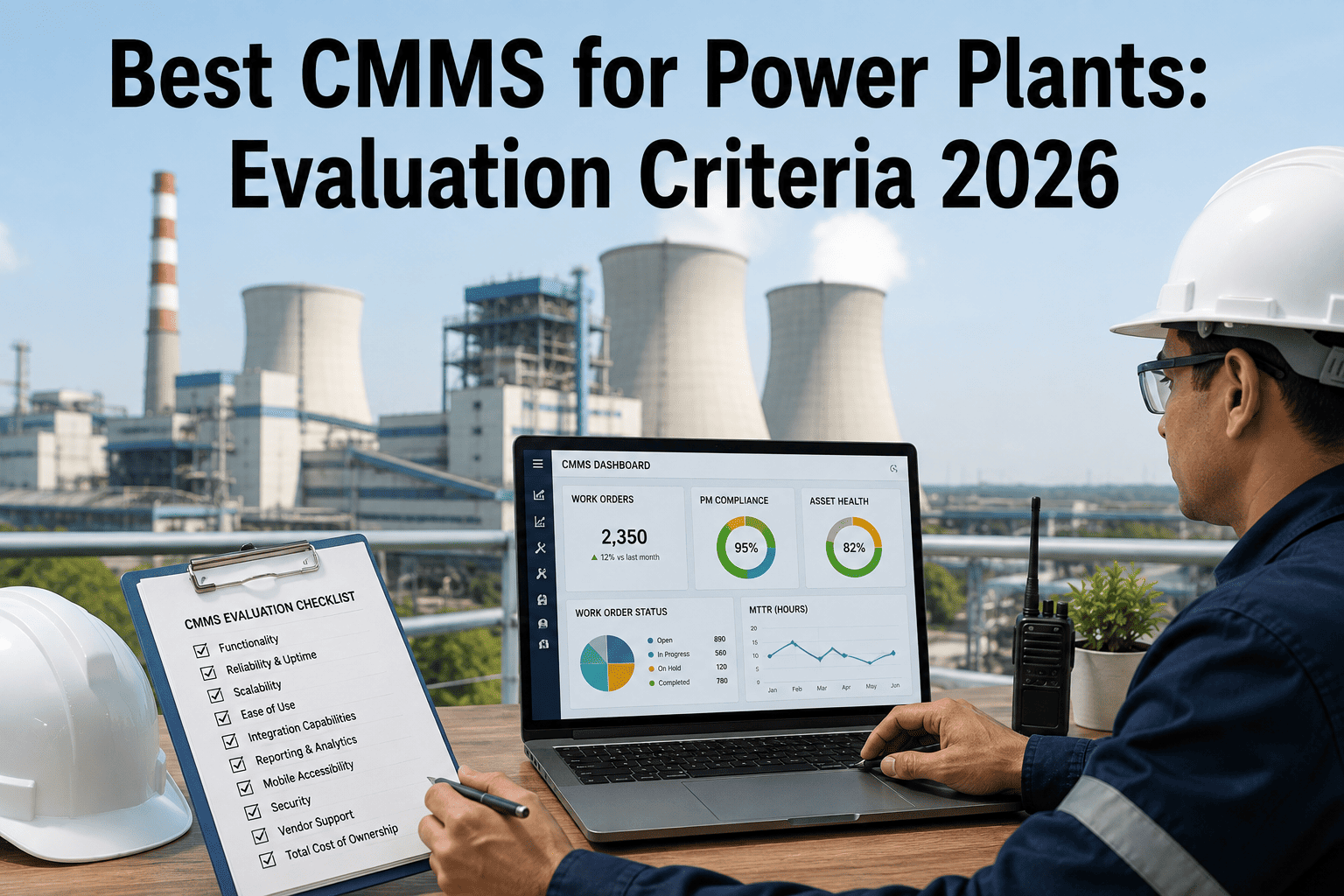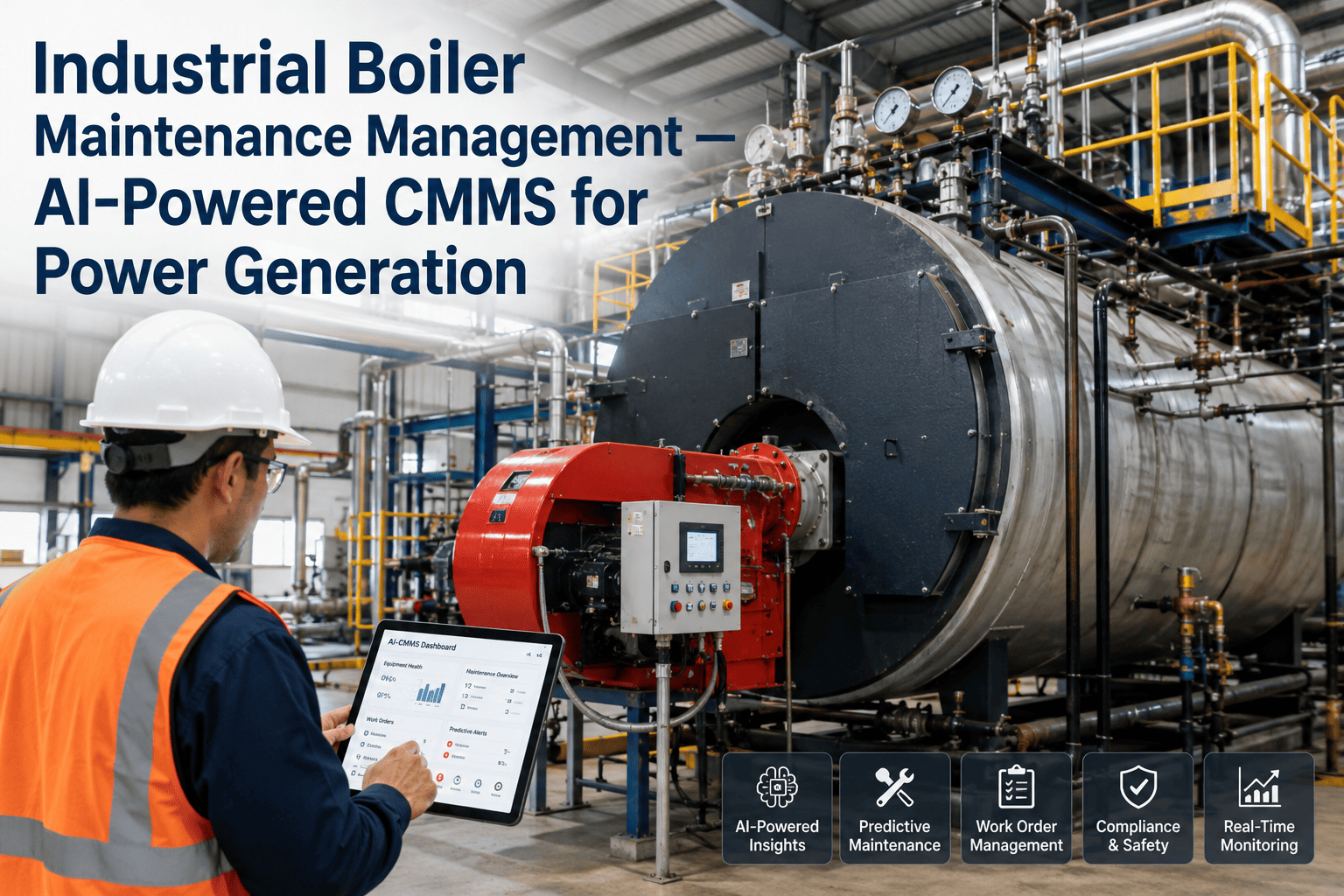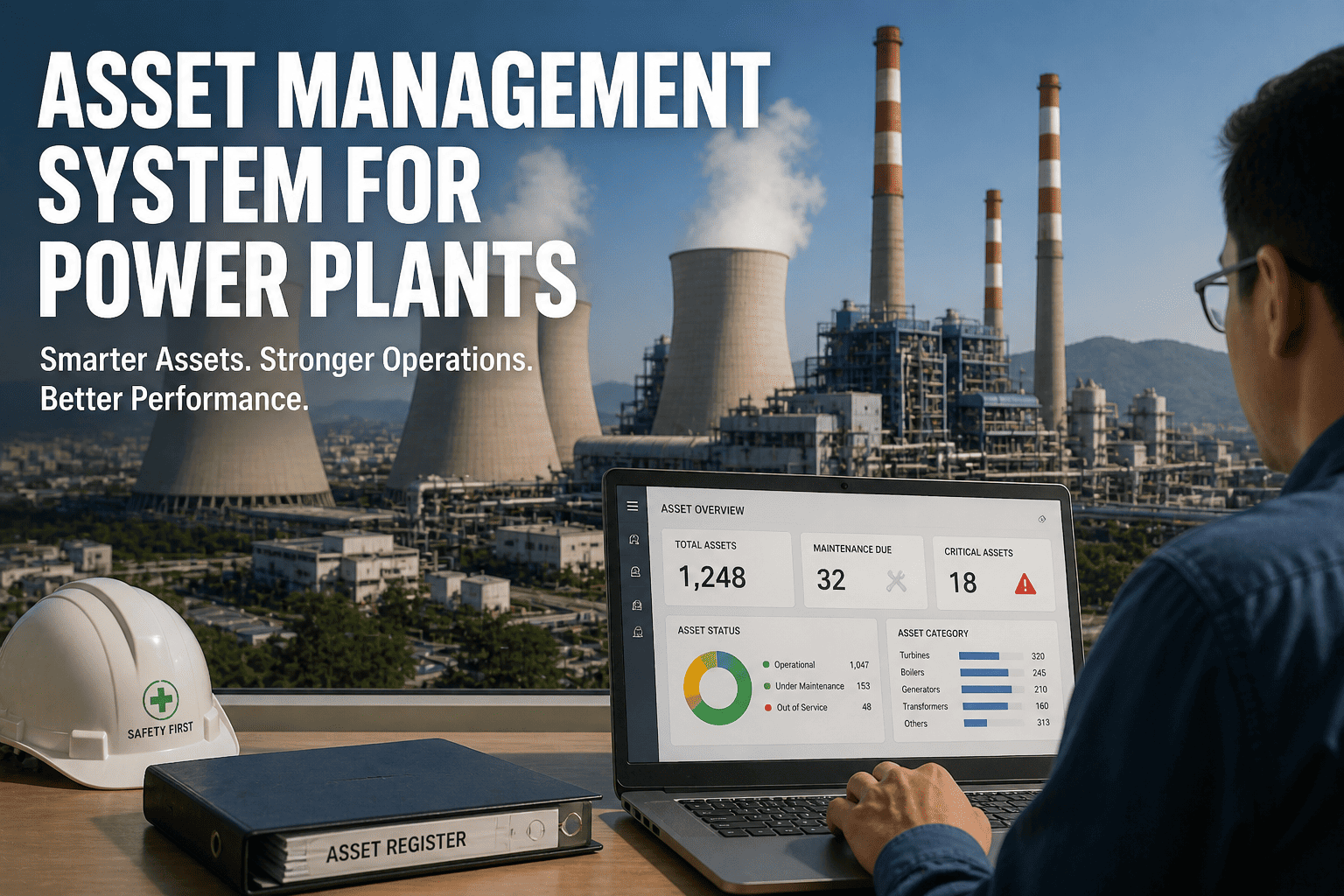
Every unplanned outage at a power plant begins the same way — a maintenance gap that nobody saw coming because the data lived in spreadsheets, inboxes, and someone's memory. Plants running without a purpose-built CMMS lose an average of $1.7 million per year to reactive repairs, misallocated labor, and compliance documentation failures. Selecting the right CMMS platform is not a software purchase — it is an operational decision that determines whether your plant runs predictively or perpetually behind. This guide breaks down exactly what power plant operations teams need to evaluate, which platform capabilities separate contenders from pretenders, and how to avoid the implementation mistakes that stall 60% of CMMS rollouts. Book a free platform assessment to see how iFactory's CMMS maps to your plant's specific asset base and compliance requirements.
Red Flags That Signal a Wrong-Fit CMMS
Not every CMMS is built for power generation. The wrong platform creates more administrative burden than it eliminates — forcing technicians into data entry workflows that add no operational value while missing the predictive and compliance capabilities that actually prevent outages and regulatory penalties.
Must-Have Capabilities for Power Plant CMMS
The right CMMS platform for power generation connects sensor intelligence to work order execution, automates regulatory documentation, and provides real-time visibility into asset health across every critical system — from the boiler waterwall to the balance of plant auxiliaries.
7 Non-Negotiable Capabilities for Power Plant CMMS Selection
Each capability below represents a documented differentiator between CMMS platforms that succeed in power generation and those that become expensive shelf-ware. Book a demo to see how iFactory delivers all seven out of the box.
Generic CMMS vs. Power-Plant-Grade CMMS: The Capability Gap
This comparison reflects the functional differences between general-purpose CMMS platforms and systems designed specifically for asset-intensive power generation environments.
| Capability | Generic CMMS | Power-Plant-Grade CMMS | Impact |
|---|---|---|---|
| Asset Hierarchy Depth | 2–3 levels (building/floor/room) | 6+ levels (plant/unit/system/component) | Full traceability |
| Sensor Integration | Manual data entry or basic imports | Real-time IoT and SCADA streaming | Condition-based triggers |
| Regulatory Compliance | Generic audit trails only | NERC GADS, EPA, OSHA auto-reporting | Zero manual assembly |
| Outage Planning | Basic scheduling calendar | Multi-resource Gantt with dependencies | 30% shorter outages |
| Failure Prediction | Threshold alerts (static limits) | AI anomaly detection (learned baselines) | 30–90 day lead time |
| Work Order Intelligence | Manual creation and assignment | Auto-generated, priority-ranked, skill-matched | 45% faster response |
| Parts Procurement | Separate inventory system | Integrated forecasting and auto-reorder | 35% fewer rush orders |
| Mobile Access | Browser-based (limited offline) | Native app with full offline sync | 95%+ technician adoption |
The 5-Phase CMMS Implementation Roadmap for Power Plants
Successful CMMS deployment at power plants follows a structured rollout that avoids the two most common failure modes: trying to digitize everything at once and failing to onboard frontline technicians before management dashboards.
Documented Outcomes from iFactory-Powered Power Plants
These figures represent verified results from thermal, gas, and combined-cycle power plants operating on iFactory's CMMS platform for 12 months or more.
5 Implementation Mistakes That Derail CMMS Projects at Power Plants
These are the most frequently documented failure patterns from CMMS implementations across the power generation sector — and how to avoid each one.
iFactory CMMS for Power Plants — Built for Generation, Not Retrofitted
iFactory gives power plant operations teams a CMMS platform designed from the ground up for asset-intensive, regulated generation environments. Generation-specific asset hierarchies, real-time sensor integration, AI anomaly detection, automated NERC compliance reporting, and outage planning tools — all in one platform that your technicians will actually use.