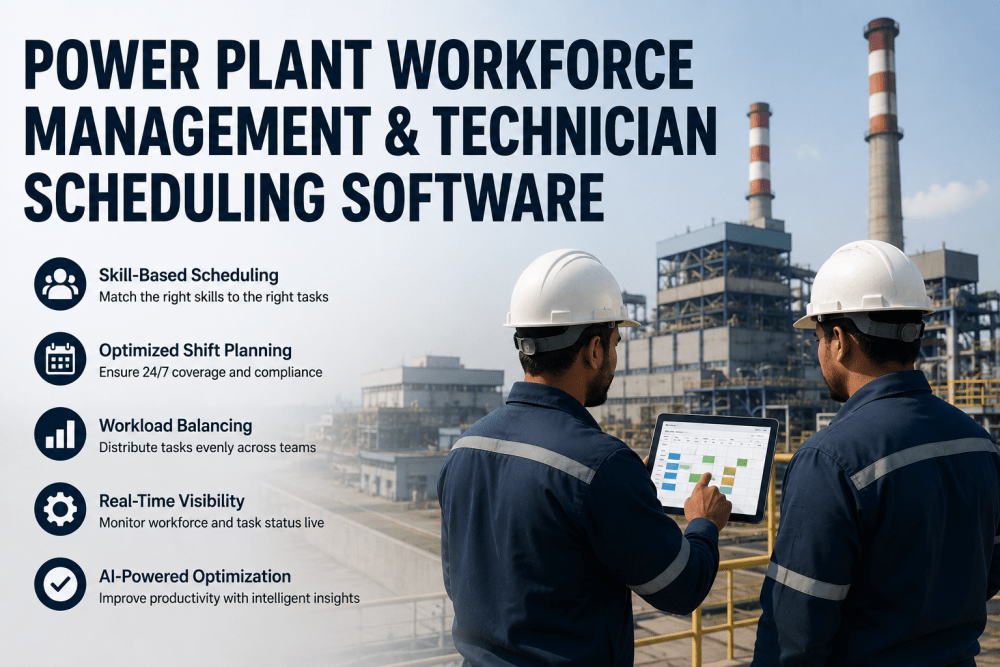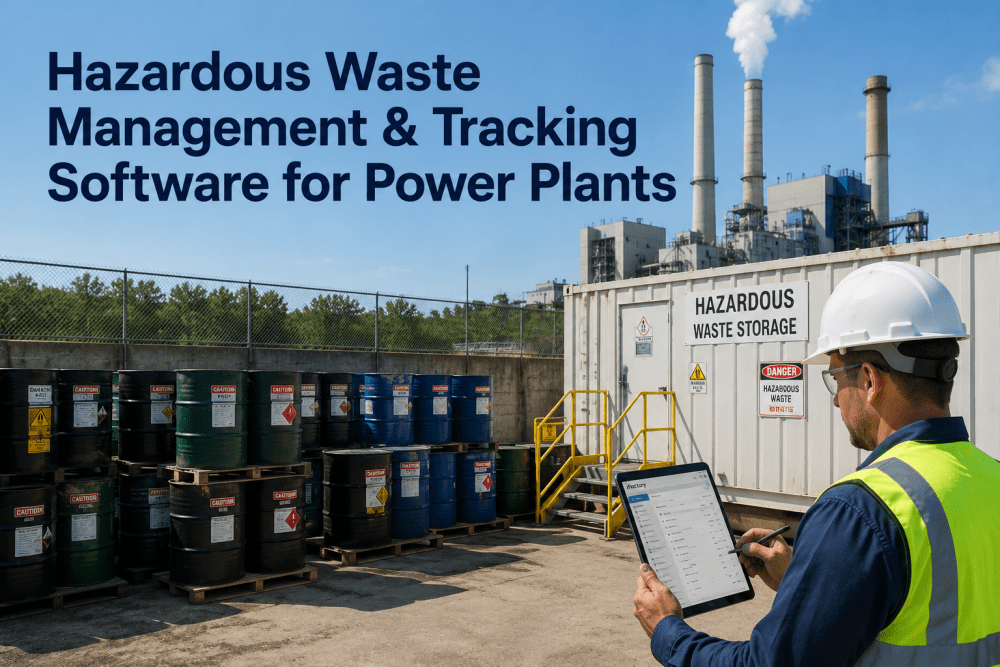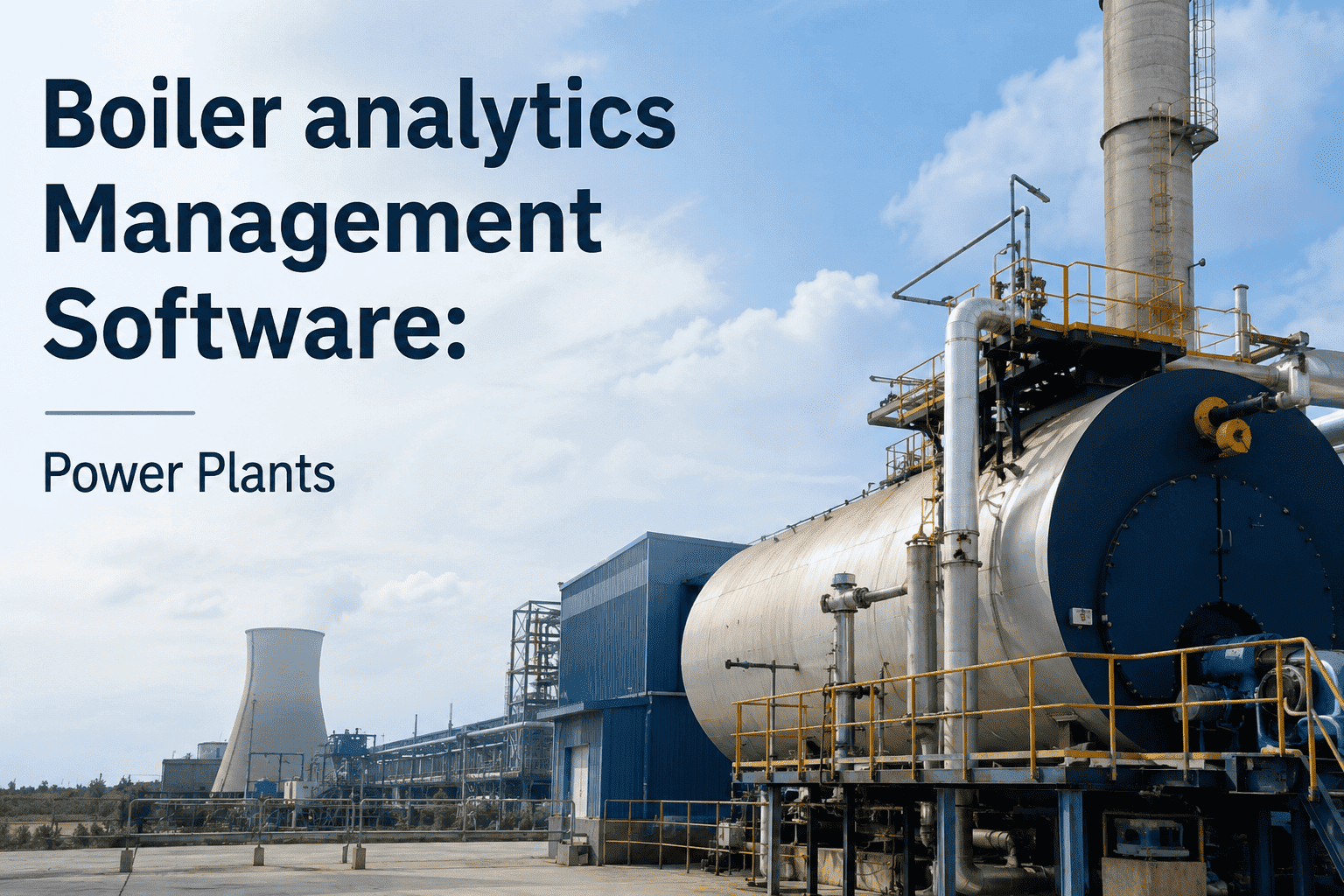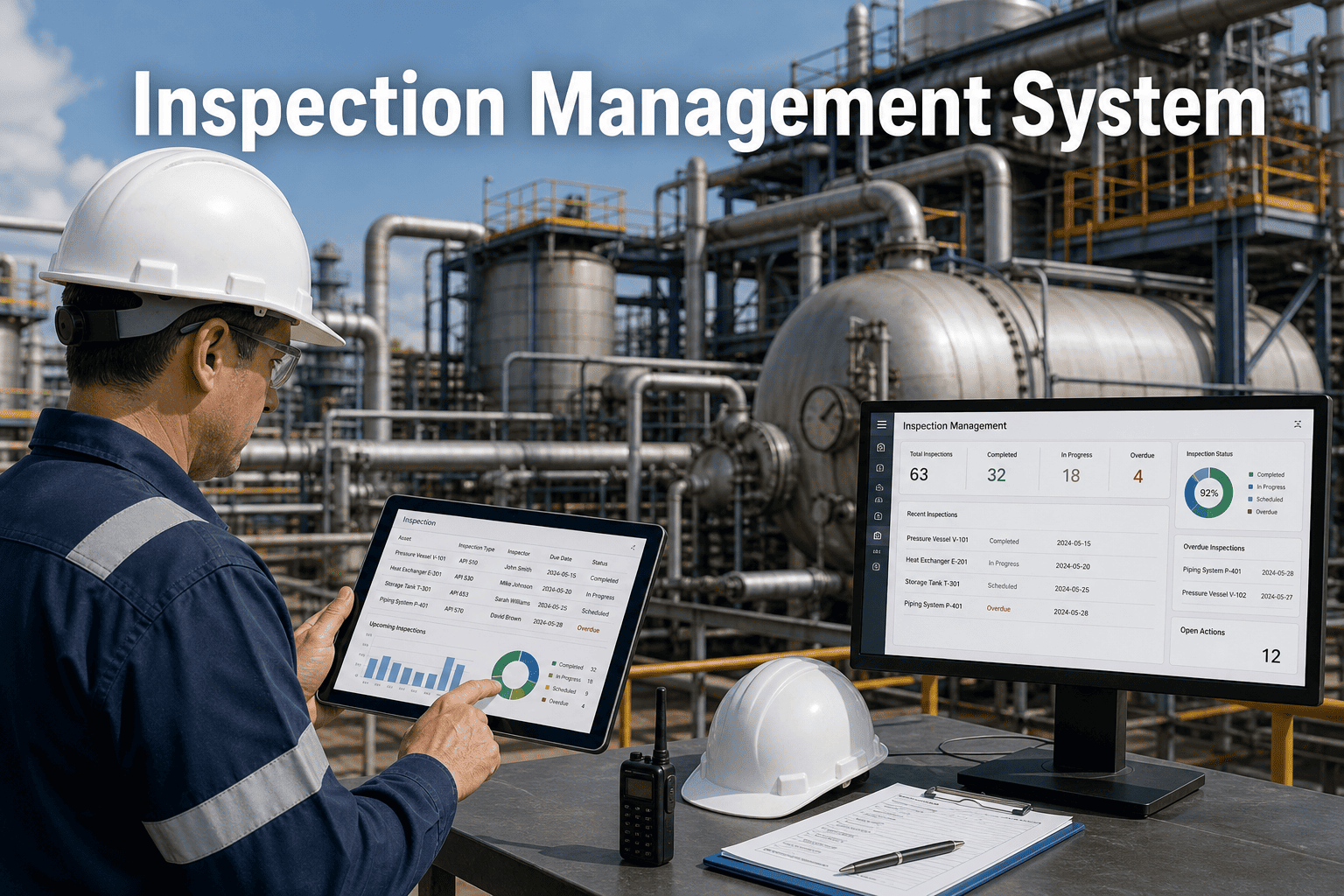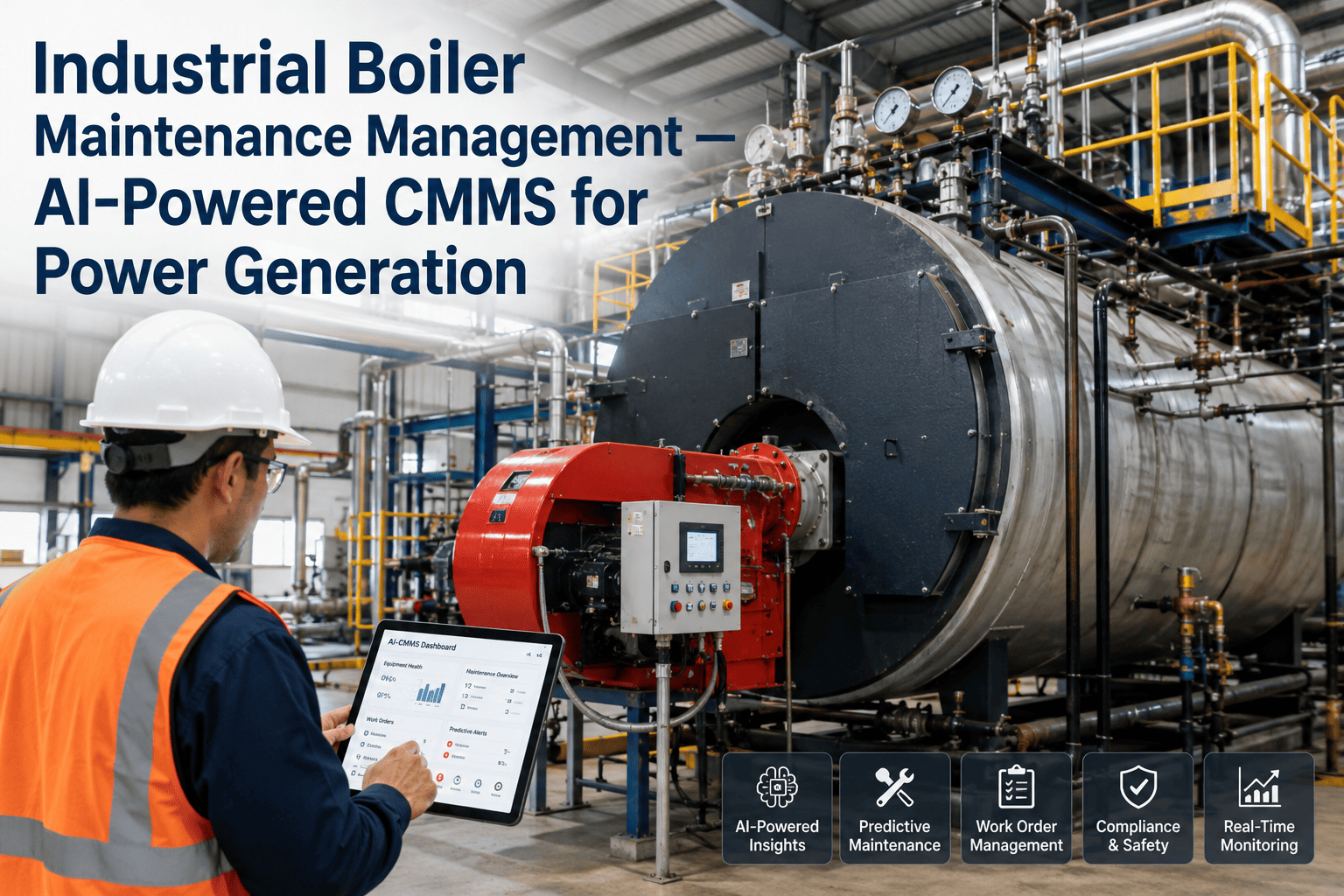
Industrial boiler maintenance across most plants still lives in spreadsheets, filing cabinets, and the personal notebooks of shift engineers who have been running the same units for twenty years. When a tube leak forces an unplanned shutdown, the plant manager discovers that the last inspection report was never closed, the water treatment log was not reviewed for months, and the replacement parts list was last updated during a different administration. iFactory's AI-powered CMMS pulls every work order, inspection record, and compliance milestone for your water tube, fire tube, and waste heat boilers into one platform that tracks what is due, what is overdue, and what is about to become a problem. You can book a demo to see your boiler maintenance managed this way.
Every Missed Boiler Inspection Is a Bet You Are Making Against Your Own Plant's Uptime
iFactory centralizes maintenance for every boiler in your plant into one AI-powered CMMS, so work orders, inspection schedules, and ASME compliance tracking never fall through the cracks again.
The Quiet Chain of Events That Turns a Skipped Inspection Into a Forced Outage
Boiler failures rarely announce themselves suddenly. They follow a predictable deterioration path where each missed maintenance step loads the next one with more risk, and the plant manager often does not see the chain until the final link breaks during peak production.
Water Chemistry Log Stops Being Reviewed
When daily water treatment logs are no longer checked against ASME feedwater limits, dissolved oxygen and pH excursions go unnoticed for weeks, and scale and corrosion begin accumulating on tube surfaces without anyone raising an alarm.
Minor Tube Leak Gets Patched Without Root Cause Analysis
A small leak is temporarily plugged to keep the boiler online for a production deadline, but the underlying cause, whether it is water chemistry, flow imbalance, or thermal fatigue, is never documented or investigated in a work order.
Scheduled Inspection Gets Deferred to Avoid Production Impact
The annual internal inspection is pushed back by two months to meet a shipment commitment, meaning the tube wall thickness measurements and refractory condition assessment that would have caught the spreading damage are skipped entirely.
Spare Parts Inventory Was Never Updated After Last Repair
The gaskets, studs, and tube plugs consumed during the last patch repair were never requisitioned or restocked, so when a larger failure demands an immediate shutdown, the stores room does not have the materials to execute a fast turnaround.
Forced Outage Occurs During Peak Season With No Prepared Plan
The tube failure that was preventable at step one now forces an extended shutdown during the one period the plant can least afford it, with no pre-planned repair scope, no staged parts, and no regulatory paperwork ready for the insurance carrier.
Water Tube, Fire Tube, and Waste Heat Boilers Demand Different Maintenance Approaches
Treating all boilers with the same maintenance template is one of the most common mistakes in industrial plants. Each boiler type has distinct failure modes, inspection requirements, and operational stress points that a CMMS must handle separately while keeping them visible on one plant-wide dashboard.
- Tube bank erosion and thinning at bend locations and support points
- Drum internal corrosion and deposit accumulation requiring periodic entry inspections
- Superheater and reheater tube creep and oxidation at high-temperature sections
- Mud drum sludge buildup requiring scheduled bottom blowdown verification
- Header-to-tube joint weld cracking under thermal cycling stress
- Tube sheet cracking and ligament damage at the front and rear tube sheets
- Refractory and insulation degradation in the combustion chamber and turnaround chamber
- Scale buildup inside tubes reducing heat transfer and creating localized hot spots
- Stack corrosion and breeching deterioration from condensing flue gases
- Shell corrosion under insulation that goes undetected between annual inspections
- Dew point corrosion on cold-end tubes from process gas composition changes
- Fouling and plugging from particulate carryover in the upstream process stream
- Thermal shock damage during rapid process load changes or startup shutdown cycles
- Acid attack on tube surfaces when process gas chemistry shifts unexpectedly
- Uneven heat distribution causing differential expansion and mechanical stress
The Regulatory Milestone Timeline Most Plants Manage on a Whiteboard
ASME and local jurisdictional requirements impose a strict sequence of inspections, tests, and documentation submissions that govern whether your boiler is legally permitted to operate. Missing a milestone does not just risk a fine; it can force a shutdown order until compliance is re-established.
What Breaks Down When Boiler Maintenance Lives in Spreadsheets
The migration from spreadsheet-based tracking to an AI-powered CMMS is not just an upgrade in convenience. It eliminates the specific failure modes that make spreadsheet maintenance management unreliable as soon as a plant operates more than two or three boiler units with overlapping inspection cycles.
- Work orders are email attachments that get buried in inboxes and never closed
- Compliance deadlines depend on someone remembering to check the date column
- Boiler-to-boiler comparisons require manually consolidating separate files
- Parts consumption history is disconnected from the work orders that used them
- No alert when a recurring task is overdue until an auditor or inspector finds it
- Work orders are created, assigned, tracked, and closed in one system with full history
- Compliance milestones generate automatic alerts at configurable lead times
- All boiler types appear on one dashboard with drill-down to unit-specific details
- Parts usage links directly to work orders and triggers restocking thresholds
- AI flags patterns like repeating failures on the same unit suggesting an unresolved root cause
If Your Boiler Maintenance Plan Only Exists in a Spreadsheet, It Does Not Exist During a Crisis
iFactory's CMMS moves your boiler work orders, inspection schedules, and ASME compliance into a single platform that alerts your team before deadlines pass and before small issues become forced outages.
From Condition Alert to Closed Work Order Without Leaving the Platform
A maintenance management system is only as effective as the speed and completeness with which a detected condition travels through the organization to become a completed corrective action. The workflow below shows how iFactory's CMMS handles this for every boiler in your plant.
AI monitors performance trends, water chemistry data, and vibration readings to flag deviations before they produce visible symptoms or trigger a trip.
A prioritized work order is automatically generated with the detected condition, recommended scope, required permits, and estimated labor and materials pre-populated.
The work order is placed in the maintenance backlog, scheduled against production windows and crew availability, and assigned to the qualified technician with relevant history.
The technician completes the work using the mobile interface, recording findings, parts consumed, time spent, and any scope changes directly into the work order record.
The completed work order feeds back into the AI model, updating failure frequency data, refining future inspection intervals, and adjusting parts reorder points automatically.
Where Your Boiler Maintenance Budget Should Actually Be Focused
Not all boiler failure modes deserve equal maintenance attention. The matrix below maps common failure modes by how frequently they occur against how severely they impact plant operations, helping plant managers see where proactive CMMS scheduling delivers the highest return and where resources are being wasted on low-risk items.
What Plant Managers Report After Centralizing Boiler Maintenance in a CMMS
The results below reflect outcomes reported by industrial plants after deploying AI-powered CMMS platforms to manage boiler work orders, inspection scheduling, and ASME compliance across multiple boiler units in continuous and batch process environments.
Questions Plant Managers Ask About AI-Powered Boiler CMMS
Your Boilers Deserve a Maintenance System That Remembers What Your Spreadsheets Forget
iFactory's AI-powered CMMS centralizes every work order, inspection, and compliance deadline for your boiler fleet into one platform that alerts your team before small issues become expensive outages and before auditors find the gaps.