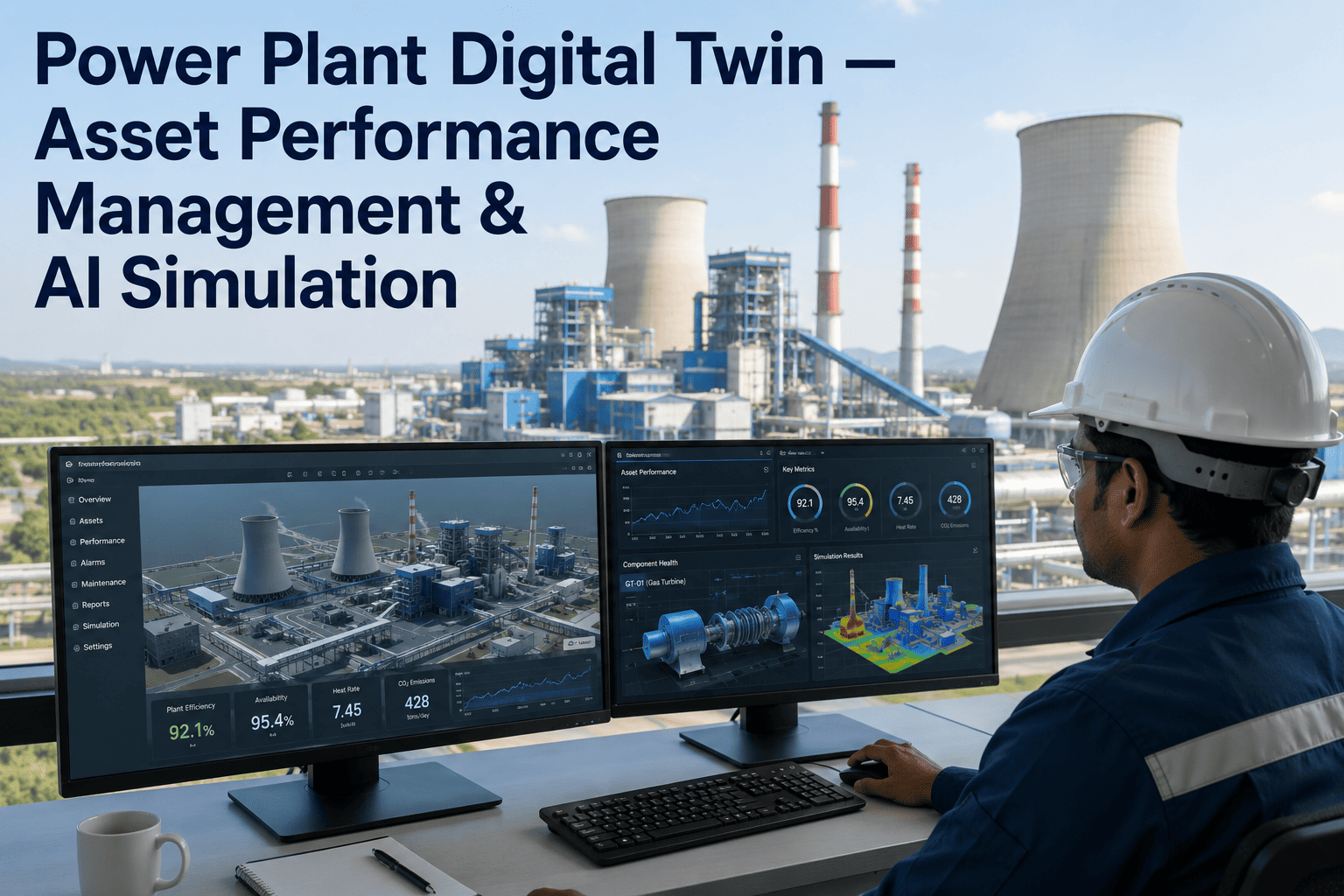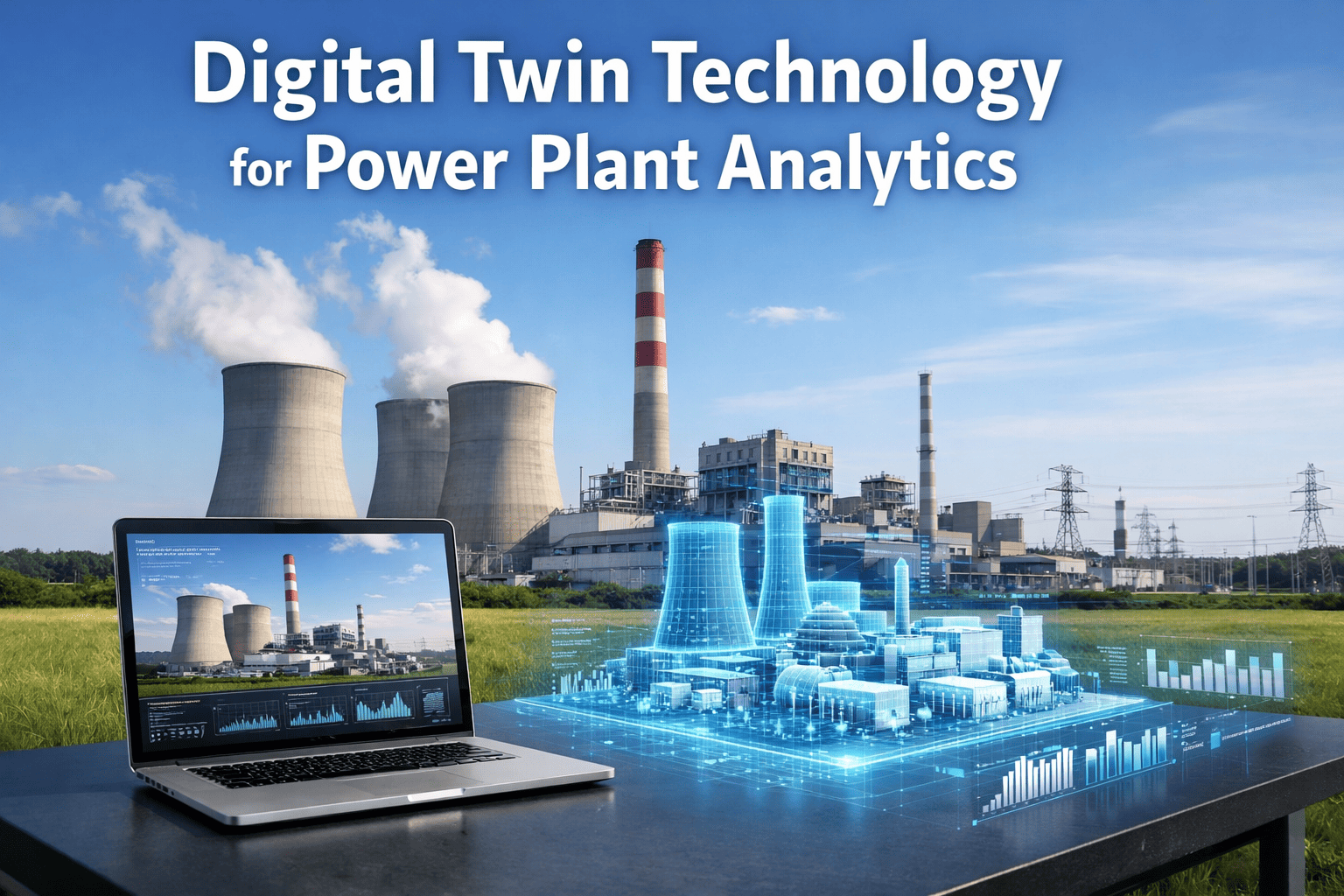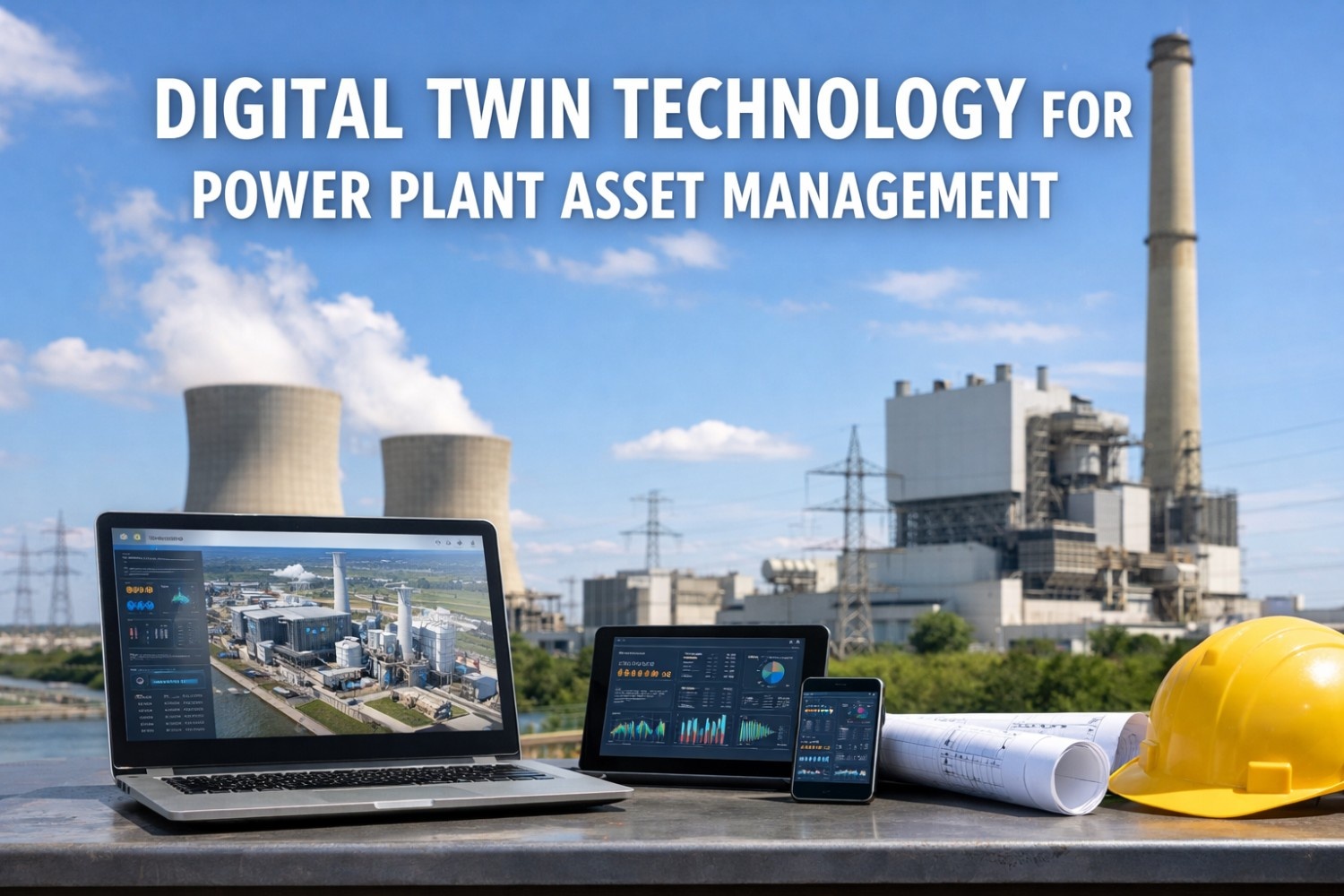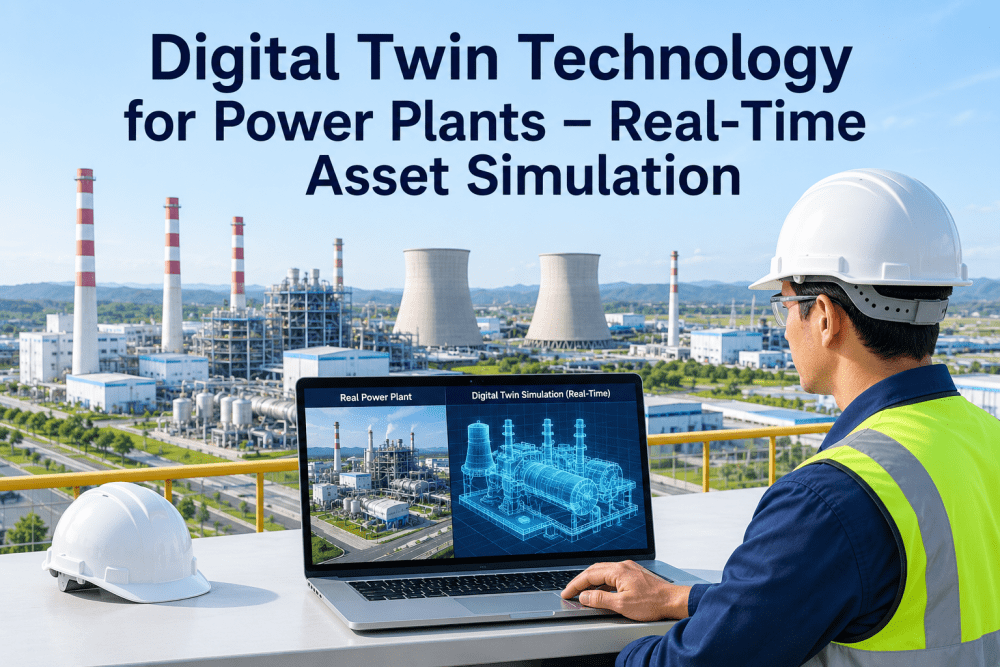
Power plant operators have always worked with incomplete information — maintenance decisions made from scheduled inspections rather than real-time condition data, performance optimization driven by annual benchmarks rather than live operating parameters, and failure prediction based on historical failure rates rather than continuous equipment health intelligence. The operational gap that creates is significant: a single unplanned turbine outage at a gas-fired combined cycle plant costs $800,000 to $2.4 million in lost generation, emergency repair costs, and replacement power procurement. iFactory AI's Digital Twin platform is purpose-built for power generation assets, connecting to the plant's existing historian and SCADA infrastructure without requiring new field instrumentation. Book a Demo to see how iFactory's Digital Twin platform maps to your power plant's specific asset configuration and operational requirements.
Is Your Power Plant Running on Real-Time Asset Intelligence?
iFactory AI's Digital Twin platform delivers continuous virtual simulation of turbines, boilers, generators, and balance-of-plant systems — giving operations teams live performance visibility, failure prediction, and optimization recommendations before conditions require emergency response.
The Intelligence Gap That Scheduled Inspections and Fixed Maintenance Cannot Bridge
Modern power generation assets — gas turbines, steam turbines, heat recovery steam generators, combined cycle configurations, and large coal or nuclear generating units — operate at thermal and mechanical limits that leave very narrow margins between optimal performance and accelerated degradation. The traditional operating model manages those margins through scheduled outages, run-hour maintenance intervals, and alarm-threshold monitoring. Each approach has a fundamental limitation: scheduled maintenance is calendar-driven, not condition-driven; alarm thresholds detect failures after degradation has already reached a visible stage; and performance optimization requires analysis cycles that take days rather than minutes.
Five Digital Twin Capabilities That Transform Power Plant Asset Management
iFactory AI's Digital Twin platform for power plants integrates five capability domains that address the operational gaps created by scheduled maintenance, alarm-threshold monitoring, and static performance benchmarks. Each capability operates on the plant's existing sensor data infrastructure — connecting to the historian, SCADA, and DCS data already being collected — without requiring new field instrumentation in most configurations.
| Capability | Primary Asset / System | AI Mechanism | Data Inputs | Documented Outcome |
|---|---|---|---|---|
| Real-Time Asset Health Scoring | Turbines, generators, boilers, condensers | Physics-informed ML models scoring equipment condition continuously from sensor data | Vibration, temperature, pressure, flow, performance parameters | 65–80% reduction in unplanned outages |
| Failure Mode Prediction | Rotating equipment, heat exchangers, valve trains | Degradation trajectory modeling with remaining useful life estimation | Operational history, sensor trends, maintenance records | 28–45 day advance warning on developing failures |
| Heat Rate and Combustion Optimization | Gas turbines, boilers, HRSG systems | Thermodynamic simulation + real-time combustion parameter optimization AI | Fuel composition, ambient conditions, load demand, exhaust data | 1.5–3% heat rate improvement, 2–5% fuel cost reduction |
| Outage Planning Optimization | All generating unit components | Remaining life modeling + work scope optimization across component degradation curves | Component condition scores, maintenance history, outage calendar | 15–25% reduction in outage duration and unplanned scope additions |
| Virtual Scenario Simulation | Full plant asset hierarchy | Digital twin scenario engine simulating operating condition changes before field execution | Current plant state, proposed operating parameter changes | Risk quantification for operational changes before live implementation |
Digital Twin Coverage Across Gas, Steam, Combined Cycle, and Renewable Integration Plants
Power generation assets vary significantly by technology type — and digital twin models must be configured for the specific thermodynamic, mechanical, and electrical characteristics of each generating technology. iFactory AI's platform delivers technology-specific digital twin modules for the four primary power generation configurations operating in the U.S. market.
Fixed-Interval Maintenance vs. Digital Twin-Driven Asset Intelligence — The Performance Gap
The dominant maintenance and performance management model at most U.S. power plants still relies on run-hour-based maintenance intervals, alarm-threshold condition monitoring, and annual performance testing. This model was designed for a generating environment where units ran at baseload for months with minimal cycling. The modern grid — with gas plants cycling daily in response to renewable integration, combined cycle units performing fast ramp operations, and peaking units starting and stopping multiple times per week — places a fundamentally different stress profile on plant assets than the maintenance models were calibrated for. Digital twin technology recalibrates operations to the actual condition and stress history of each asset.
- Maintenance intervals set by OEM run-hour recommendations — not adjusted for actual operating stress, cycling frequency, or fuel quality history
- Condition monitoring based on alarm thresholds — faults detected only after degradation reaches a visible stage, typically 2–6 weeks after onset
- Heat rate performance tracked through annual or quarterly efficiency testing — degradation between tests is invisible and unquantified
- Outage scope determined during the outage itself — unexpected component findings add days to planned outage duration and millions to budgeted cost
- Operating parameter changes evaluated by engineering judgment — actual impact on equipment life consumption not quantified before implementation
- Maintenance windows scheduled from actual component condition scores — units with light cycling history defer maintenance; heavily cycled units advance it, saving both cost and outage risk
- Continuous anomaly detection from physics-informed models — developing faults identified 28–45 days before alarm threshold, enabling planned rather than forced outage response
- Heat rate monitored continuously from digital twin thermodynamic simulation — degradation trends visible in real time, cleaning and optimization actions taken before efficiency loss accumulates
- Outage scope pre-defined from digital twin component condition assessments — 85–92% of planned work scope confirmed before outage start, reducing unplanned scope additions
- Operating parameter changes simulated in the digital twin before field execution — life consumption impact quantified and risk-evaluated in the virtual environment first
- Fleet-wide pattern recognition from AI anomaly models — similar developing conditions identified across multiple units before any of them reach failure
A Structured Path to Digital Twin Deployment at Your Power Plant
Deploying iFactory AI's Digital Twin platform at a power plant does not require replacing the DCS, modifying SCADA infrastructure, or interrupting generating operations. The platform connects to the plant's existing historian — OSIsoft PI, Aveva System Platform, GE Historian, or equivalent — through read-only data interfaces, and the deployment sequence below has been validated across gas turbine, combined cycle, and large steam generating facilities.
Data Integration and Asset Model Configuration
iFactory engineers connect the Digital Twin platform to the plant's historian through read-only API interfaces. Sensor data streams for priority assets — typically the gas turbine and generator trains first — begin flowing to the Digital Twin engine. Physics-informed asset models are configured with the equipment's OEM design parameters, operating history, and maintenance records. For most power plant historian configurations, data integration to live ingestion completes in 3–5 weeks. Book a Demo to review your plant's specific data architecture with iFactory's power generation integration team.
Baseline Establishment and Anomaly Model Training
The Digital Twin models train on historical operational data — minimum 90 days, ideally 12–24 months — to establish individual asset performance baselines calibrated to the specific equipment's operating history, fuel type, and cycling profile. Anomaly detection models are validated against historical maintenance events to confirm that known faults would have been detected at the target advance warning horizon. Operations and maintenance engineers review initial alert outputs to calibrate sensitivity to plant-specific operating conditions.
Full Plant Coverage and Work Order Integration
Digital twin coverage expands to the full plant asset hierarchy — HRSG systems, steam turbine, condenser, cooling water, and balance-of-plant equipment. The platform integrates with the plant's CMMS or work order management system, automatically generating maintenance work orders with anomaly classification, priority scoring, and recommended inspection scope from validated Digital Twin alerts. Heat rate optimization recommendations begin running alongside existing plant operations processes.
Outage Planning Integration and Continuous Optimization
With 6–9 months of plant-specific operational data accumulated, Digital Twin condition assessments drive outage scope planning for the next planned maintenance window. Pre-outage component condition reports provide the maintenance planning team with a data-driven work scope that reduces unplanned scope additions during the outage. Quarterly KPI reports compare Digital Twin-optimized outcomes against pre-deployment baselines across forced outage rate, heat rate performance, maintenance cost per MWh, and unit availability.
See iFactory's Power Plant Digital Twin Platform — Applied to Your Asset Configuration.
iFactory AI integrates real-time asset health scoring, failure mode prediction, heat rate optimization, outage planning intelligence, and virtual scenario simulation into a single platform built for the operational and regulatory complexity of power generation.
How iFactory's Digital Twin Supports NERC Reliability, EPA Emissions, and FERC Compliance at Power Plants
Power plant operations sit at the intersection of NERC reliability standards, EPA emissions performance requirements, and FERC market participation obligations. Digital twin analytics must operate within this regulatory framework — and iFactory AI's platform is designed specifically to support compliance documentation and reporting, not just operational optimization.
NERC Reliability Standards Support
- Continuous generating unit health monitoring supports FAC-001 and FAC-002 facility design and connection requirements documentation
- Forced outage rate trending with causal factor documentation supports GADS reporting accuracy for NERC reliability assessments
- Maintenance history and condition assessment records maintain the asset documentation trail required for reliability standard compliance audits
- Real-time availability monitoring with automated notification for developing conditions affecting generation capability
EPA Emissions Performance Documentation
- Continuous combustion parameter monitoring supports Title V permit compliance documentation for NOx, CO, and particulate emission limits
- Combustion optimization recommendations from digital twin models maintain emissions performance within permit limits while optimizing heat rate
- Automated emissions exceedance risk alerts generated from combustion anomaly detection — before permit limit violation occurs
- Historical combustion and emissions data aggregated with audit-ready record retention for EPA compliance inspection readiness
Operational Data and Reporting Efficiency
- Automated shift log generation from Digital Twin-monitored operational parameters reduces manual data entry burden on operations staff
- Maintenance work order pre-population from Digital Twin anomaly classifications accelerates root cause documentation
- Asset lifecycle cost tracking with component-level replacement history for capital planning and budget justification
- Performance benchmarking reports comparing plant efficiency against design basis and fleet average for management and ownership reporting
Expert Perspective: What Digital Twin Technology Changes in Power Plant Asset Management
The most significant shift that digital twin technology brings to power generation is not the individual capability — anomaly detection, heat rate optimization, outage planning — but the integration of those capabilities into a single continuously updated view of plant condition that the operations and maintenance team can act on in real time. The operational improvement that generates is measurable in every part of the plant's financial performance. Book a Demo to review the full iFactory Digital Twin platform for your generating fleet.
How iFactory AI Connects to Your Power Plant's Existing Data Infrastructure
iFactory's connection to power plant data infrastructure is architecturally read-only at every stage: the platform ingests from existing historians and SCADA systems without modifying them. No DCS changes, no new field instrumentation required in most configurations, and no interference with existing control room operations or protection systems.
The full integration from historian connection to live Digital Twin monitoring completes in 3–5 weeks for the initial priority asset set. No DCS modification, no new field equipment required in most configurations, no impact on existing control room or protection system functions. Book a Demo to walk through your plant's specific data architecture with iFactory's power generation integration team.
Digital Twin Technology for Power Plants: From Reactive Maintenance to Real-Time Asset Intelligence
The operational case for digital twin deployment at power plants is built on four measurable improvements: forced outage rates declining by 65–80% from predictive anomaly detection, heat rate improving by 1.5–3% from continuous combustion and thermodynamic optimization, planned outage durations shortening by 15–25% from condition-based work scope definition, and asset life consumption tracking that enables condition-based maintenance deferral worth 30–40% reduction in unnecessary inspection teardowns. The financial case follows directly — a single avoided forced outage or a 1.5% heat rate improvement at a 400–600 MW combined cycle plant generates returns that exceed total platform investment within a single operating year.
The strategic case matters equally. In a power generation market where gas plants cycle daily in response to renewable integration, heat rate performance directly affects competitive position in energy markets, and regulatory scrutiny of maintenance program adequacy is increasing, the ability to demonstrate real-time asset condition monitoring and proactive maintenance management is both a financial and competitive differentiator. iFactory AI's Digital Twin platform is deployable on the plant's existing historian infrastructure without DCS modification, without new field instrumentation in most configurations, and within the operational framework of any power plant currently running a process historian. The path from data connection to live digital twin monitoring is 3–5 weeks. Book a Demo with iFactory's power generation team to build a plant-specific deployment plan and quantify the optimization opportunity at your generating facility.
Deploy Real-Time Digital Twin Intelligence Across Your Generating Assets
iFactory AI delivers continuous asset health monitoring, failure prediction, combustion optimization, and outage planning intelligence — in one platform built for the operational complexity of modern power generation.
Digital Twin Technology for Power Plants — Frequently Asked Questions
No. iFactory's Digital Twin platform connects exclusively to the plant's existing historian or SCADA system through read-only API interfaces — there is no write access to control infrastructure at any stage, and no modification to DCS, PLC, or field instrumentation is required. A data quality assessment during the pre-deployment phase identifies any asset categories that would benefit from targeted instrumentation additions. Book a Demo to review your plant's specific integration architecture with iFactory's power generation engineering team.
Purely data-driven anomaly detection models identify deviations from historical operating patterns — which works well for common failure modes with extensive historical data but struggles with novel failure modes, equipment operating outside its historical envelope, and the interpretation of what a detected deviation actually means for maintenance urgency. iFactory's physics-informed digital twin models embed thermodynamic and mechanical engineering first principles into the AI — the models understand the physical relationships between combustion parameters and turbine efficiency, between rotor temperature profiles and creep life consumption, and between vibration signatures and bearing failure modes.
The Digital Twin supports outage planning by generating a pre-outage component condition assessment — a data-driven work scope recommendation for each major component based on its current health score, remaining life estimate, and degradation trajectory. Plants that implement Digital Twin-driven outage planning typically reduce unplanned scope additions during the outage by 70–85% — since most component conditions that previously generated surprise findings during the outage are now identified and planned for in advance. Outage duration improvements of 15–25% and outage cost reductions of 12–20% are typical across the first two to three major maintenance outages following platform deployment.
Yes. Combined cycle plants are the most complex digital twin configuration iFactory deploys, and the platform is specifically architected to model the thermodynamic coupling between the gas turbine exhaust, the HRSG heat recovery system, and the steam turbine cycle. The platform also models the start-up thermal stress profile for the steam turbine in combined cycle fast-start operations — a capability that is increasingly important as combined cycle plants cycle more frequently in response to renewable integration on the grid. The HRSG tube condition monitoring, duct burner optimization, and condenser performance modules are all included in the standard combined cycle deployment configuration.
Heat rate improvement is typically measurable within the first 4–8 weeks of live Digital Twin-assisted combustion optimization, as the continuous parameter recommendations take effect across operating cycles. Anomaly detection value is realized continuously from platform activation, with the first documented advance-warning detections typically occurring within the first operating quarter — though the financial value of each detection is only quantified retrospectively when the planned maintenance intervention confirms the fault. Outage planning improvement is typically first measurable at the first major planned outage following platform deployment — usually 6–18 months post-deployment depending on outage scheduling. Most power plants document full platform investment recovery within 8–14 months. Book a Demo for an ROI projection specific to your plant's generating configuration and operating profile.