Power plant decommissioning and repowering decisions represent some of the highest-stakes capital allocation choices that operations directors face in the energy transition era. With over 300 gigawatts of coal-fired capacity projected for retirement across North America and Europe by 2035, the question has shifted from whether to decommission to how to maximize residual asset value. AI-driven analysis platforms are transforming this planning process from static spreadsheet models into real-time, data-rich decision support that accounts for equipment condition, grid capacity, and repowering technology readiness. Book a Demo to explore AI-driven decommissioning analysis for your fleet.
Power Plant Decommissioning, Repowering and Asset Transition with AI-Driven Planning
A comprehensive analysis framework for operations directors evaluating decommissioning timelines, brownfield repowering pathways, and AI-powered asset transition strategies across coal, gas, and mixed-generation portfolios.
Evaluate your fleet decommissioning and repowering options with AI-driven scenario modeling and asset condition intelligence.
The Decommissioning Wave Reshaping Global Power Generation
The global power generation fleet is undergoing an unprecedented structural transformation as aging coal, oil, and early-generation gas plants reach the end of their economic and regulatory viability. In the United States alone, over 120 coal-fired units with a combined capacity exceeding 55 gigawatts have announced retirement dates between 2025 and 2030, while European markets are accelerating coal phase-out timelines under the EU Green Deal and national climate commitments. The critical decision facing operations directors is not whether these plants will close, but whether the substantial embedded infrastructure — grid interconnection capacity, substation equipment, cooling water systems, steam turbines, and industrial-zoned land — can be monetized through brownfield repowering rather than demolished at a net cost. The economic differential between these two paths is substantial: full decommissioning and site restoration typically costs $15 to $65 million per facility with zero ongoing revenue generation, while brownfield repowering retains 30 to 70 percent of the original asset value through conversion to gas turbines, battery storage, hydrogen-ready systems, or solar hybrid configurations.
Decommissioning vs. Repowering: A Structured Comparison Across Key Decision Factors
Operations directors evaluating end-of-life plant strategies must weigh multiple interdependent factors that span financial, regulatory, technical, and workforce dimensions. The following framework provides a structured comparison across the three primary transition pathways, enabling leadership teams to identify the optimal strategy for each facility based on its specific conditions, market position, and corporate portfolio objectives.
| Decision Factor | Full Decommissioning | Brownfield Repowering | Hybrid Transition |
|---|---|---|---|
| Capital Investment | $15-65M demolition and restoration cost with no return | $80-250M repowering investment with 12-20 year payback | $40-120M partial conversion with phased investment |
| Timeline to Revenue | No revenue post-closure; land sale may take 3-8 years | 18-36 months to commercial operation after decision | 6-18 months for initial phase; incremental during transition |
| Grid Value Retention | Lost entirely; interconnection capacity released to queue | Retained at 60-100% with upgraded equipment | Retained at 30-60% during transition; expandable later |
| Regulatory Complexity | Well-established decommissioning permit processes | Requires new generation permits and grid studies | Moderate; leverages existing permits with amendments |
| Workforce Impact | Full workforce displacement; severance and retraining costs | Retains 40-70% of workforce with retraining | Gradual transition; retains majority during conversion |
| Environmental Liability | Fixed-scope remediation with defined endpoint | Ongoing compliance under new permit conditions | Reduced liability during phased compliance alignment |
Four Viable Brownfield Repowering Strategies for Retired Power Plant Sites
Brownfield repowering leverages the embedded infrastructure of retired power plants — grid interconnection, substation capacity, cooling water systems, transmission rights-of-way, and industrial-zoned land — to host new generation technology at significantly lower cost and shorter timeline than greenfield development. The four primary repowering pathways each offer distinct trade-offs in capital intensity, revenue potential, technology maturity, and alignment with long-term corporate decarbonization strategies.
Gas Turbine Combined Cycle Repowering
Install advanced-class gas turbines on existing coal plant sites, repurposing the steam turbine bottoming cycle, cooling water systems, and grid interconnection infrastructure. Capital costs of $80-150 million for 400-800 MW capacity, with capacity factors of 60-85% and levelized costs competitive with new greenfield gas construction. The existing steam turbine can often be retained as the bottoming cycle, reducing capital requirements by 15-25% compared to new-build combined cycle plants. This pathway offers the highest revenue potential and fastest path to commercial operation, but creates ongoing natural gas price exposure and carbon emission obligations.
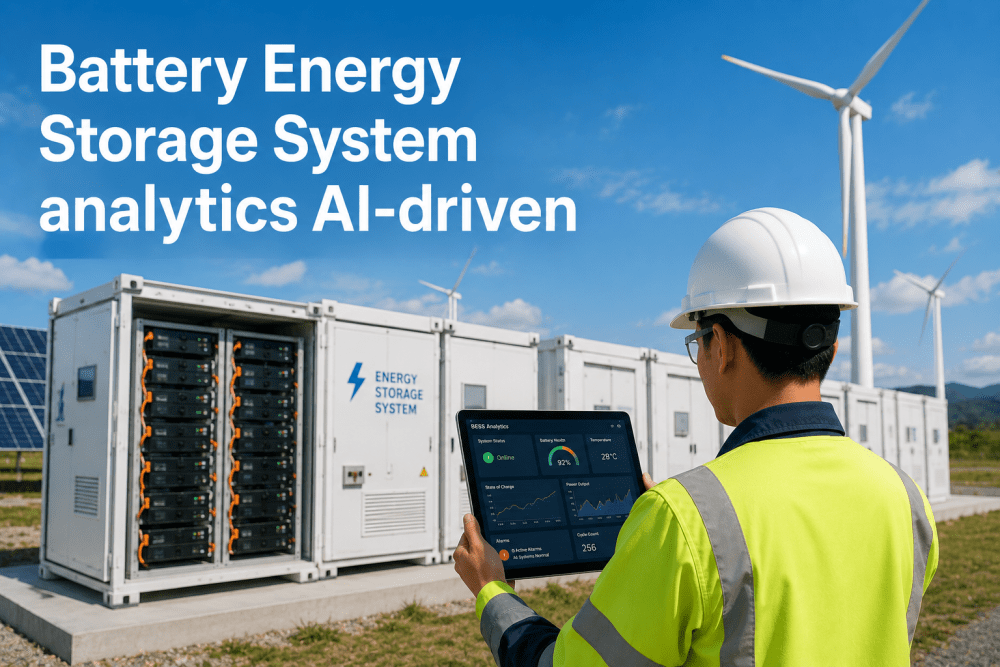
Battery Energy Storage System Integration
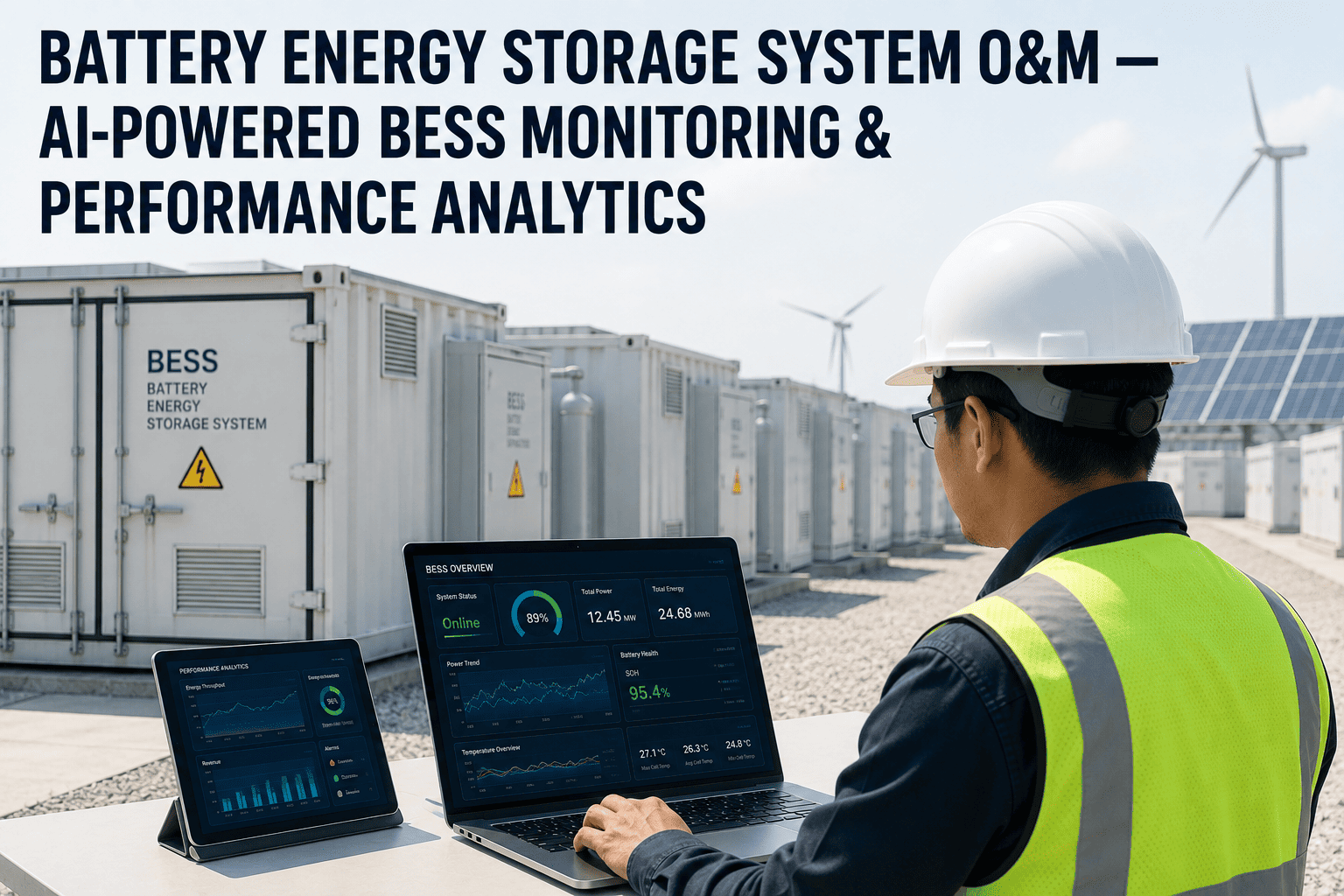
Deploy utility-scale lithium-ion or iron-air battery systems on retired plant sites, leveraging existing grid interconnection capacity and substation infrastructure for energy arbitrage, frequency regulation, and transmission deferral services. Capital costs of $40-80 million for 100-500 MWh capacity, with revenue streams from capacity markets, ancillary services, and energy time-shifting. Battery storage requires minimal site modification and preserves option value for future technology deployment, but current economics depend heavily on local market structures and may not support full site monetization without complementary generation assets.
Hydrogen-Ready Boiler and Turbine Conversion
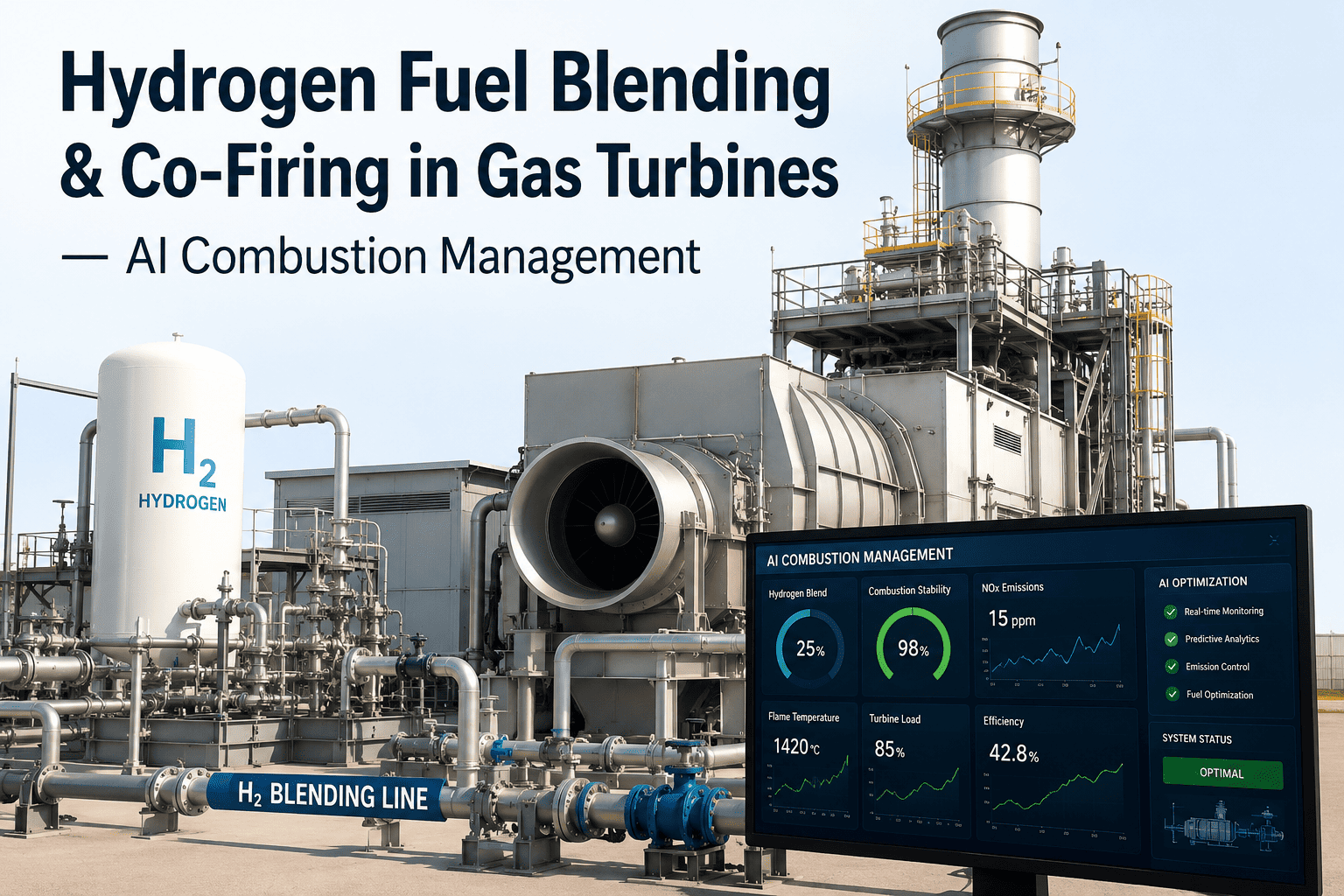
Convert existing coal-fired boilers or install new hydrogen-capable gas turbines designed to operate on natural gas initially with a defined pathway to 30-100% hydrogen blending or full hydrogen combustion. Capital costs of $100-250 million depending on hydrogen readiness level, with the strategic advantage of positioning the asset for long-term fuel flexibility as hydrogen production costs decline. This pathway addresses gas price exposure by providing a migration path to zero-carbon fuel, but carries technology maturity risk for high-hydrogen-content operation and depends on regional hydrogen supply infrastructure development timelines.
Solar Hybrid with Storage Retrofit
Install ground-mounted or rooftop solar PV arrays on available plant site land and building surfaces, co-located with battery storage systems, utilizing existing grid interconnection for power export. Capital costs of $25-60 million for 50-200 MW solar plus 50-200 MWh storage, with lower revenue density than thermal repowering but minimal operating costs, zero fuel price exposure, and strong alignment with renewable portfolio standards. Solar hybrid repowering maximizes land utilization but may not fully utilize existing grid interconnection capacity unless supplemented with additional storage or generation in future phases.
Five-Phase AI-Driven Decommissioning and Repowering Planning Methodology
iFactory AI's decommissioning and repowering planning methodology replaces static spreadsheet-based scenario analysis with a continuous, data-driven process that integrates real-time asset condition data, regulatory intelligence feeds, market price projections, and technology readiness assessments into a unified decision support platform. The five-phase methodology enables operations directors to move from high-level strategic options to facility-specific execution roadmaps with quantified confidence intervals on cost, timeline, and revenue projections.
Asset Condition and Remaining Life Assessment
AI analysis of historical maintenance records, inspection findings, equipment performance data, and failure mode patterns to quantify the remaining useful life and repowering suitability of each major asset system — steam turbines, generators, cooling systems, electrical infrastructure, and grid interconnection equipment. The platform generates asset-by-asset condition scores that determine which systems can be retained for repowering and which require replacement, forming the technical foundation for pathway selection and capital cost estimation.
Regulatory and Grid Interconnection Analysis
Automated assessment of decommissioning permit requirements, environmental remediation obligations, grid interconnection capacity retention rules, and new generation permitting timelines across all applicable jurisdictions. The platform monitors regulatory changes in real time and models the impact of policy shifts on decommissioning timelines, repowering permit feasibility, and interconnection queue positioning — enabling proactive strategy adjustments rather than reactive responses to regulatory changes.
Repowering Technology Evaluation and Matching
Systematic evaluation of repowering technology options against site-specific constraints including available land area, cooling water capacity, gas pipeline proximity, grid interconnection voltage and capacity, noise ordinances, air quality permit thresholds, and workforce skill profiles. The AI matching engine scores each technology pathway against the facility's constraint profile and ranks options by net present value, payback period, risk-adjusted return, and strategic alignment with corporate decarbonization targets.
Financial Scenario Modeling and Optimization
Monte Carlo simulation and sensitivity analysis across thousands of scenarios varying fuel prices, electricity market prices, carbon pricing trajectories, capital cost escalation, construction timeline risks, and financing structure assumptions. The platform generates probability-weighted financial outcomes for each pathway — full decommissioning, each repowering option, and hybrid transition strategies — with clear visualization of the risk-return trade-offs that enable informed capital allocation decisions.
Execution Roadmap and Portfolio Optimization
Generation of facility-specific execution roadmaps with milestone schedules, resource requirements, permitting dependencies, and capital expenditure profiles, integrated into a portfolio-level optimization engine that sequences decommissioning and repowering decisions across the entire generation fleet to maximize aggregate net present value while managing capital expenditure timing, workforce transition logistics, and regulatory compliance across all facilities simultaneously.
Comparative Financial Analysis: Capital Investment vs. Asset Value Retention by Pathway
The financial viability of each decommissioning and repowering pathway depends on the relationship between capital investment required and the percentage of original asset value that is retained or generated through the transition. The following visualization compares these two metrics across the five primary pathways, using data aggregated from iFactory AI's analysis of 47 decommissioning and repowering projects across North America and Europe between 2022 and 2025. Full decommissioning represents the baseline where capital is consumed entirely for demolition and restoration with minimal asset value retention, while repowering pathways require higher capital investment but retain significantly greater asset value through continued power generation and grid services revenue.
Capital Investment Required
As percentage of equivalent new-build cost
Asset Value Retention
As percentage of pre-decommissioning asset value
Evaluating decommissioning and repowering options for your generation fleet requires a structured analytical framework that integrates asset condition data, regulatory intelligence, and financial modeling into actionable scenario comparisons.
iFactory AI provides that framework — connecting your existing asset management systems to AI-driven scenario analysis that quantifies the trade-offs between full decommissioning, brownfield repowering, and hybrid transition strategies for each facility in your portfolio.
Risk Assessment Framework for Power Plant Asset Transition Projects
Every decommissioning and repowering project carries a distinct risk profile that varies by pathway, site condition, regulatory jurisdiction, and market context. The following risk assessment framework categorizes the six most significant risk factors across transition projects, with risk levels calibrated to current 2025-2026 market conditions based on iFactory AI's project database. Understanding these risk categories enables operations directors to allocate risk mitigation resources effectively and set appropriate contingency levels in project financial models.
Regulatory Permitting Delays
New generation permits for repowering projects face increasing scrutiny from environmental agencies, with average permit timelines extending 6-18 months beyond initial projections in multiple jurisdictions. Delay risk is highest for gas turbine repowering in states with aggressive decarbonization mandates.
Environmental Remediation Cost Overruns
Coal plant site remediation costs frequently exceed initial estimates by 30-80% due to undocumented contamination from historical operations, evolving regulatory cleanup standards, and unexpected subsurface conditions discovered during demolition activities.
Repowering Technology Maturity
Hydrogen-ready conversion technology and long-duration battery storage systems carry performance uncertainty that may not be fully resolved until 2028-2030, creating execution risk for projects that commit to these pathways before technology validation is complete at utility scale.
Grid Interconnection Queue Backlog
Repowering projects that require upgraded interconnection capacity face queue wait times of 3-5 years in many regions, potentially delaying revenue generation and reducing project net present value unless existing interconnection rights can be fully preserved.
Workforce Transition Challenges
Repowering projects require workforce retraining from coal plant operations to gas turbine, battery, or solar technology management, with skill gaps typically requiring 6-12 months of structured training programs and external technical support during transition.
Community and Land Use Opposition
Brownfield repowering on existing industrial sites generally faces lower community opposition than greenfield development, as the site is already permitted for power generation and the transition typically reduces local environmental impacts compared to continued coal operation.
Power Plant Decommissioning and Repowering — Frequently Asked Questions
The decision between full decommissioning and brownfield repowering depends on five primary factors: the condition and remaining useful life of retainable infrastructure such as steam turbines, cooling systems, and grid interconnection equipment; the market value of the existing grid interconnection capacity and whether it can be preserved through the transition; regional electricity market prices and the revenue potential of new generation capacity on the site; regulatory feasibility of obtaining new generation permits within an acceptable timeline; and corporate portfolio strategy alignment with decarbonization targets. iFactory AI's platform quantifies each of these factors for your specific facilities and generates pathway-specific financial projections that enable direct comparison. Book a Demo to see how the AI pathway analysis works for your fleet.
The four commercially viable brownfield repowering technologies for retired coal plant sites today include advanced-class gas turbine combined cycle plants that repurpose existing steam turbines and cooling systems; utility-scale battery energy storage systems that leverage existing grid interconnection capacity for energy arbitrage and ancillary services; hydrogen-ready gas turbine installations that operate on natural gas initially with a defined pathway to hydrogen fuel; and solar PV hybrid systems with co-located battery storage that utilize available site land and existing interconnection infrastructure. Each pathway has distinct capital requirements, revenue potential, technology maturity levels, and alignment with different corporate decarbonization strategies. Contact Support to discuss which repowering technologies best suit your specific facility conditions.
AI-driven decommissioning analysis improves on traditional spreadsheet methods in four critical dimensions. First, it integrates real-time asset condition data from maintenance management systems rather than relying on static engineering assessments that become outdated within months. Second, it continuously monitors regulatory changes and automatically updates permit timeline projections, whereas spreadsheets require manual updates that are frequently missed. Third, it runs thousands of Monte Carlo simulation scenarios across fuel prices, market conditions, and construction risks to generate probability-weighted outcomes rather than single-point estimates. Fourth, it optimizes decisions at the portfolio level across multiple facilities simultaneously, capturing interdependencies that spreadsheet analysis of individual plants cannot address. Book a Demo to compare AI-driven analysis outputs with your current spreadsheet models.
The timeline from decommissioning decision to commercial operation varies significantly by repowering pathway. Battery storage repowering is the fastest at 6-12 months to commercial operation, as it requires minimal site modification and leverages existing interconnection capacity. Solar hybrid repowering typically requires 12-24 months depending on array size and permitting requirements. Gas turbine combined cycle repowering requires 18-36 months due to equipment procurement lead times, construction activities, and commissioning requirements. Hydrogen-ready conversion has the longest timeline at 24-48 months, reflecting the additional engineering complexity of hydrogen-capable combustion systems and fuel supply infrastructure. All timelines assume that existing interconnection capacity can be preserved, which is a critical assumption that iFactory AI validates early in the planning process. Contact Support for a timeline assessment specific to your facilities.
iFactory AI integrates with existing plant asset management systems through a middleware layer that connects to CMMS platforms, SCADA systems, enterprise asset management databases, and document management systems via standard API connectors and file-based data exchange protocols. During the decommissioning transition, the platform ingests historical maintenance records, equipment condition assessments, failure event logs, and inspection findings from these existing systems to build the asset condition baseline that drives repowering suitability analysis and remaining life quantification. The integration does not require replacement of existing systems and operates in parallel with ongoing plant operations during the transition planning phase, ensuring that the decommissioning analysis benefits from the most current asset data available without disrupting daily operations. Book a Demo to review the integration architecture for your specific asset management systems.
Transform Your Decommissioning and Repowering Decisions with AI-Driven Intelligence
iFactory AI integrates asset condition data, regulatory intelligence, market projections, and technology readiness assessments into a unified platform that enables operations directors to evaluate, compare, and optimize decommissioning and repowering strategies across their entire generation portfolio with quantified confidence intervals.