Hydrogen doesn't behave like most industrial gases an EHS team is trained to watch for. It has no odor, no color, and burns with a flame that is nearly invisible in daylight, which means a leak can go completely undetected by every human sense until an ignition source finds it first. Add a flammable range stretching from roughly four to seventy-five percent concentration in air, and the margin between a routine generator cooling system and a reportable incident becomes uncomfortably thin. Most plants still lean on periodic manual gas checks and paper purity logs to manage that margin, even though the system itself throws off enough data to know the risk long before a technician's next scheduled reading. iFactory's AI turns that stream of purity, pressure, and leak data into one continuous safety picture — see what continuous hydrogen monitoring looks like for your plant.
Know Your Hydrogen System Is Safe Before a Manual Check Ever Confirms It
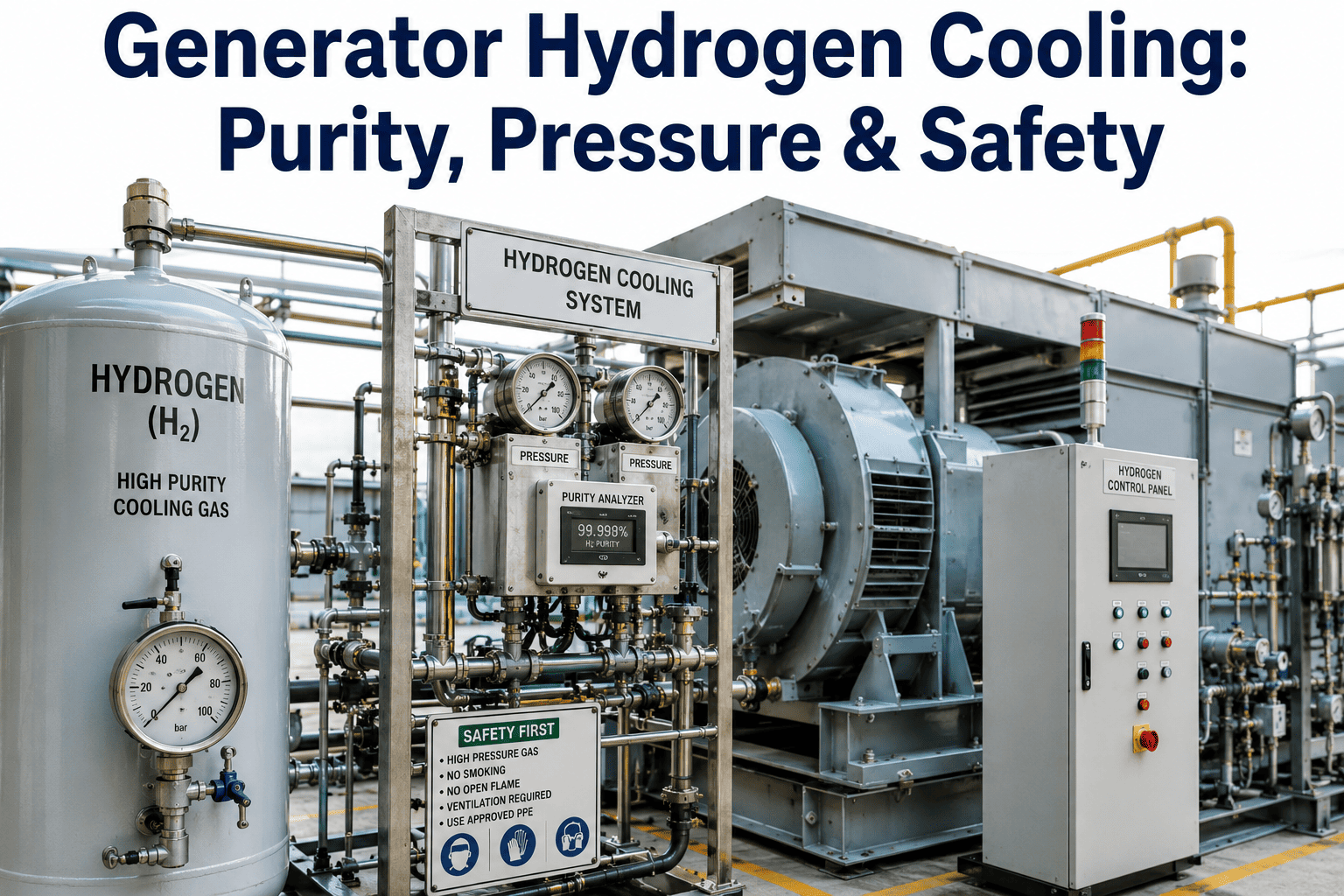
iFactory's AI watches generator hydrogen purity, casing pressure, seal oil moisture, and storage-area leak sensors continuously, flagging drift toward the explosive range hours or days before it would ever surface in a routine log entry.
What a Few Percentage Points of Purity Actually Cost
Hydrogen purity is not just a safety number tucked into a maintenance log. It is the variable that decides how close a generator sits to an explosive mixture, how much power it wastes to windage losses, and how much margin your team has before a routine reading turns into an incident report.
Three Places Hydrogen Risk Shows Up in Every Plant
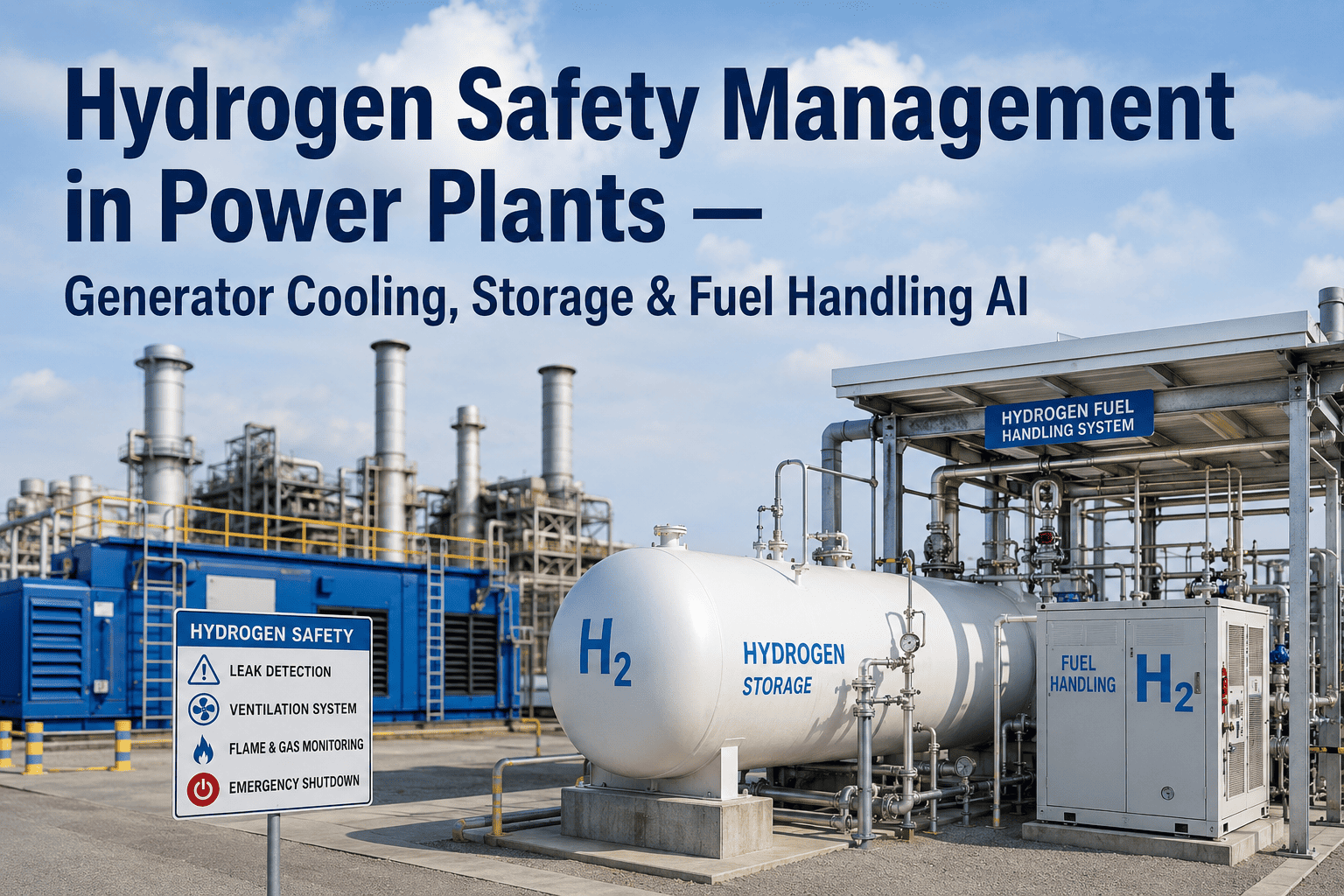
Hydrogen safety conversations tend to center on the generator, but the same gas moves through storage, supply, and fuel handling systems that carry their own leak points and failure modes. A complete safety picture has to cover all three.
- Purity dilution from slow air ingress through seals, gaskets, or bushings over time
- Seal oil moisture buildup that raises dew point and accelerates contamination
- Casing pressure drift below the margin needed to keep outside air excluded
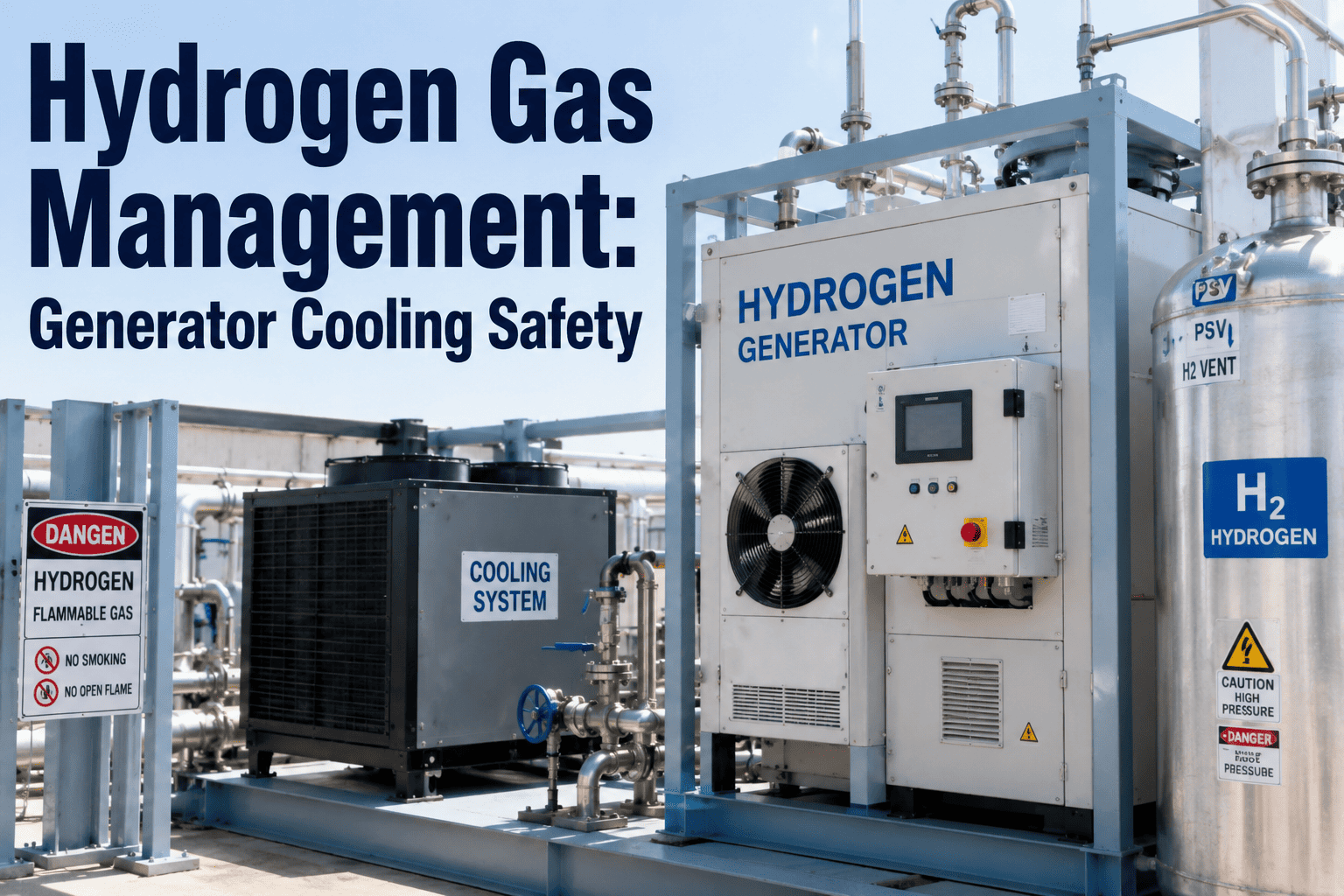
- Undetected leaks at manifold, regulator, and tube-trailer connection points
- Ventilation gaps in enclosed storage areas where hydrogen can accumulate
- Pressure relief and venting equipment that goes unverified between inspections
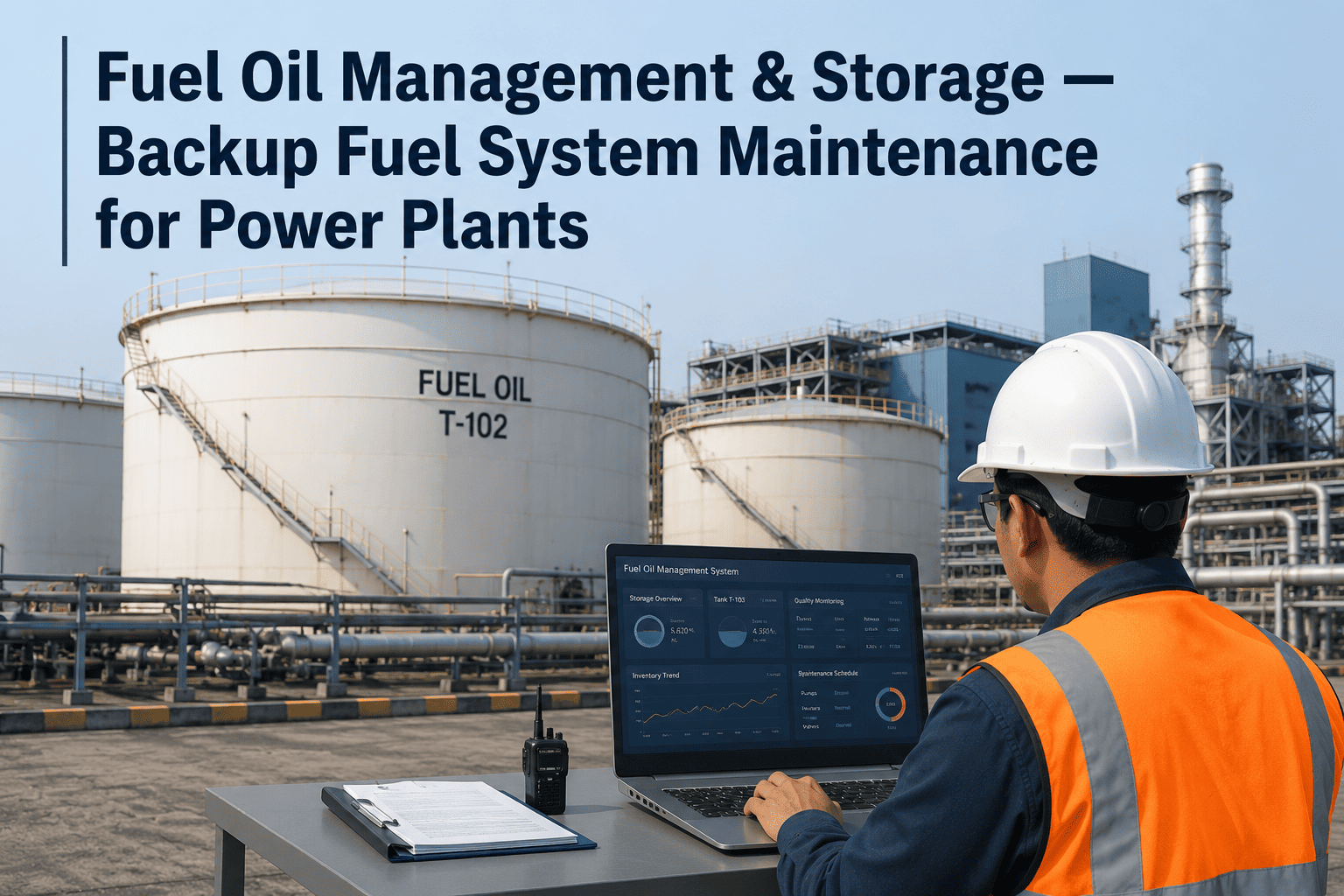
- Purge and inerting steps skipped or rushed during startup and shutdown transitions
- Transfer line integrity issues that only show up as a slow pressure decline
- Handoffs between contractors and plant staff where documentation gaps appear
What Continuous Monitoring Actually Replaces
Most hydrogen safety programs are built around a fixed inspection calendar rather than continuous visibility, which means the system can drift toward risk for days between the checks that are actually scheduled to catch it.
The Gap Between Checks Is Exactly Where Risk Builds
A weekly sample only tells you where purity stood at the moment it was taken, not what happened in the six days before or after. iFactory's AI reads generator and storage-area sensors continuously, so drift toward the flammable range gets caught the moment it starts, not at the next scheduled reading.
What Changes When Hydrogen Safety Stops Being a Checklist
The comparison below is not about whether your current program follows the rules. It is about how much time exists between a real safety event starting and someone on your team actually finding out about it.
| Dimension | Manual Log-Based Monitoring | iFactory Continuous Monitoring |
|---|---|---|
| Detection Speed | Limited to the next scheduled reading | Real-time, as purity or pressure drifts |
| Purity Visibility | A single point-in-time sample | Continuous trend across the full gas cycle |
| Leak Detection | Periodic walkdown with handheld sensor | Always-on sensors across generator and storage |
| Incident Documentation | Paper logs, reconstructed after the fact | Automatic, timestamped record for every event |
| Personnel Exposure | Technician enters area for every manual check | Remote visibility reduces routine area entry |
What EHS Managers Ask Before Deploying Hydrogen Safety AI
Turn Your Hydrogen System Into a Continuously Verified One
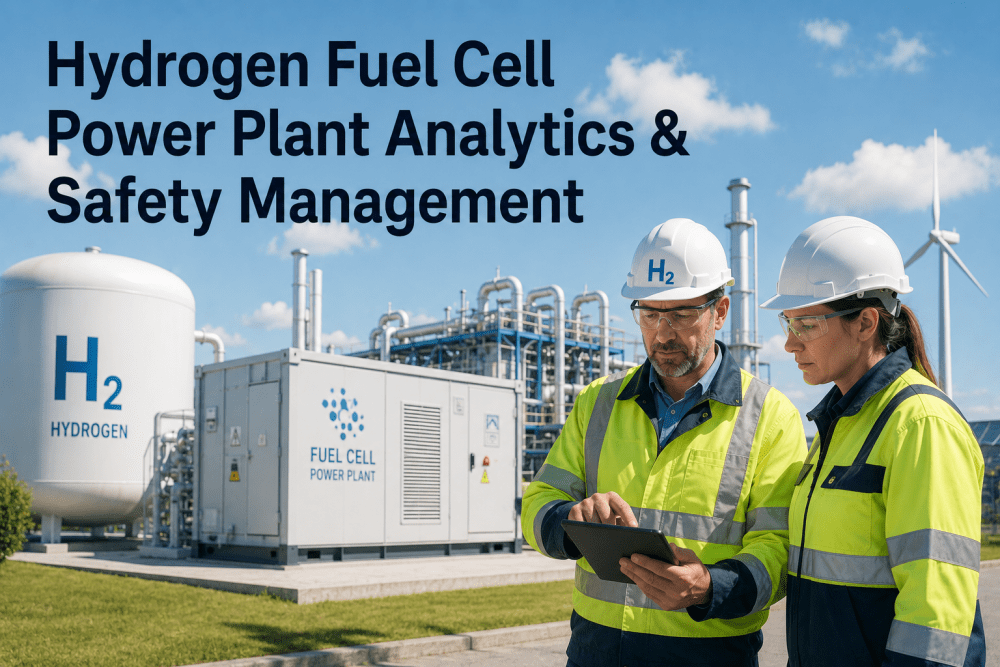
iFactory's AI reads purity, pressure, seal oil moisture, and leak sensor data across your generator, storage, and fuel handling systems around the clock, giving your EHS team a live safety picture instead of a stack of periodic logs. Book a demo to see it running against your own plant data.