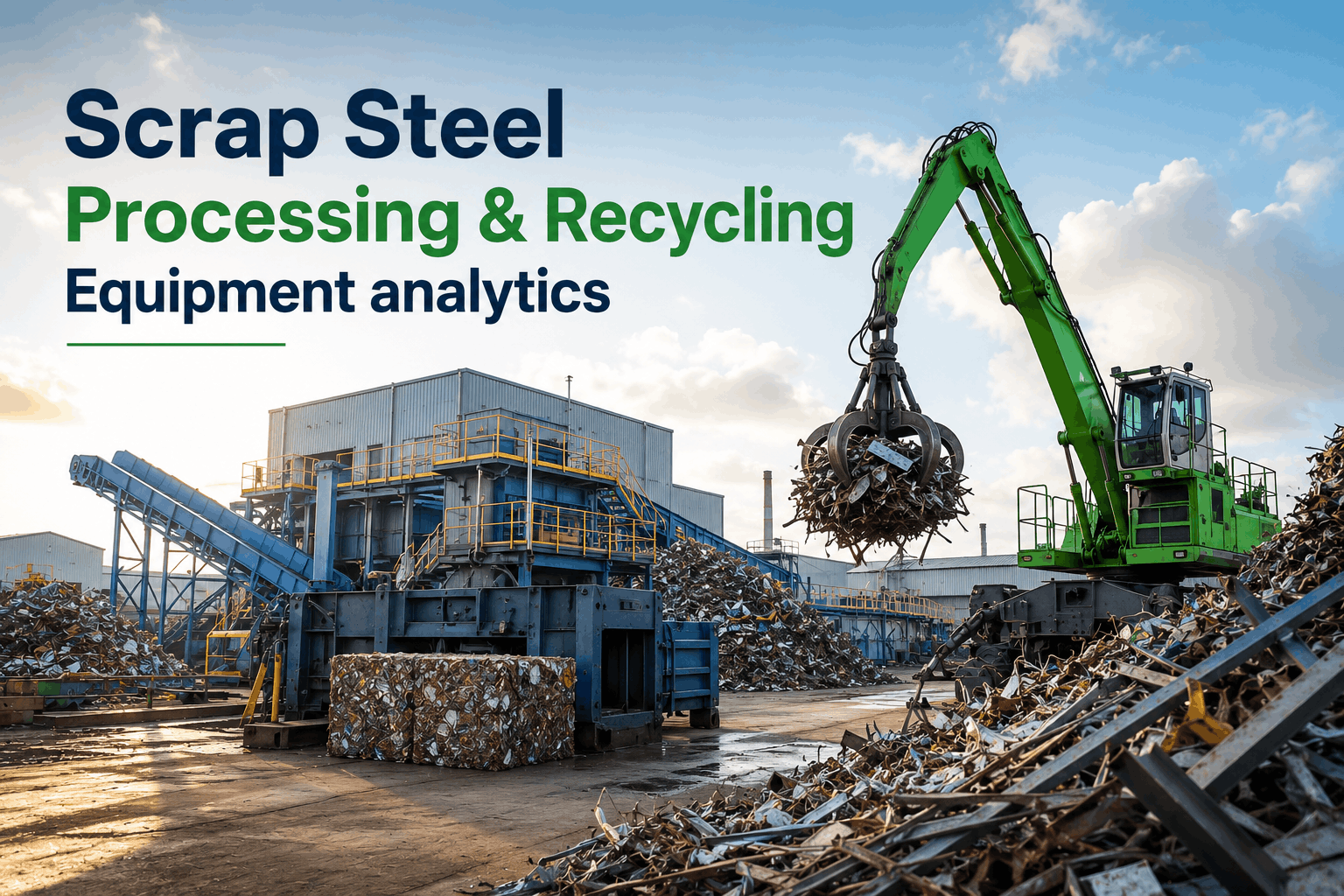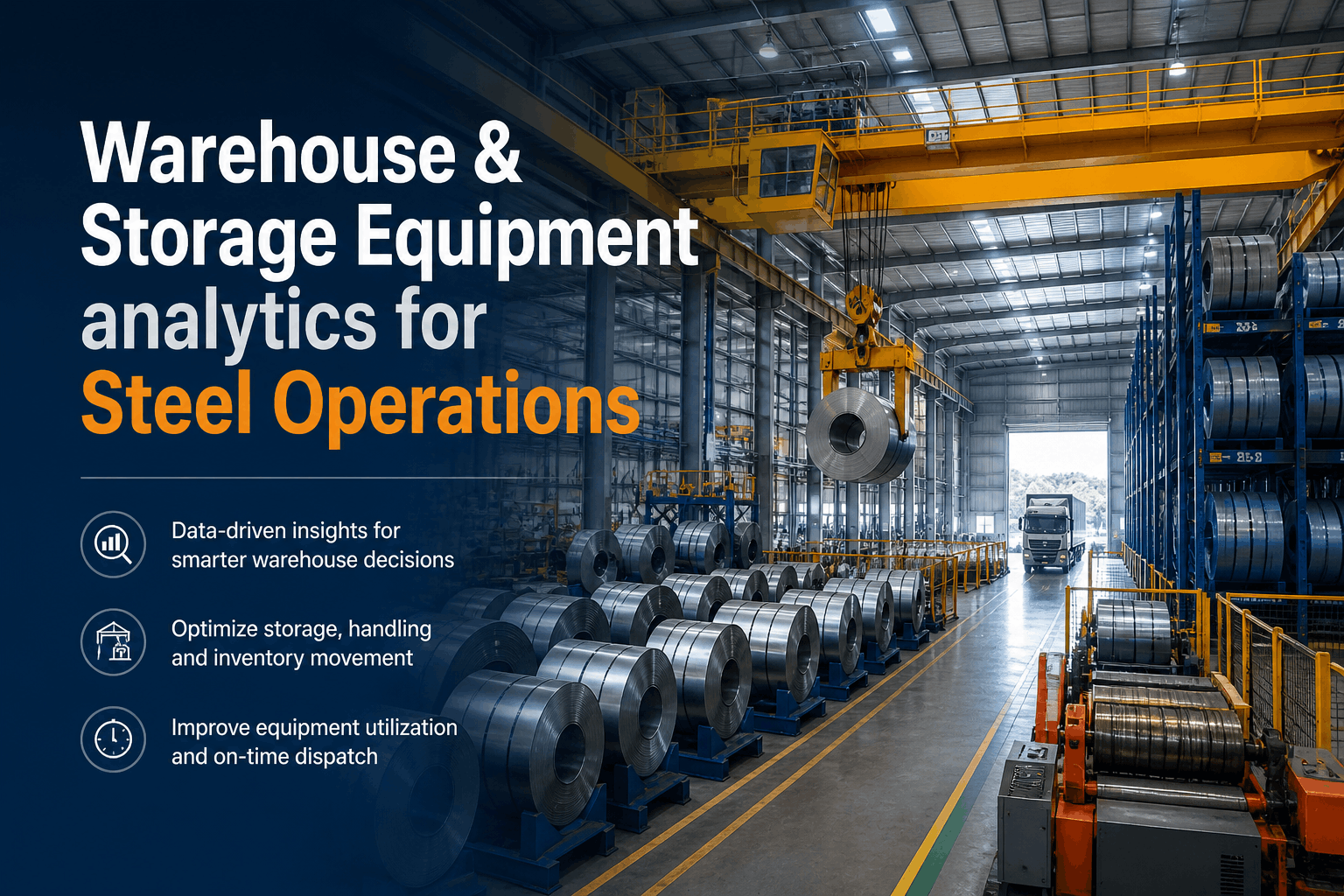
Material handling equipment is the circulatory system of a steel plant — conveyors, stackers, reclaimers, transfer cars, and screening systems that move raw materials from stockyard to sinter plant, coke ovens, and blast furnace, and move finished products from mill to despatch. When this equipment fails, the production impact is not immediately visible — iron ore supply to the blast furnace runs on stockpile inventory, and the furnace may continue operating for hours after a conveyor failure before feed rate drops critically. This buffer effect creates a dangerous false sense of security: material handling failures are under-reported, under-maintained, and systematically allowed to deteriorate until stockpile depletion creates a production crisis that appears sudden but was days in the making. A 4 MTPA blast furnace consumes 6,800 tonnes of sinter per day. A conveyor failure that takes 36 hours to repair while inventory provides 24 hours of buffer means 12 hours of reduced production — ₹3–8 crore in lost output. iFactory's Asset Tracking and Work Order Management platform tracks every material handling asset in real time — integrating PLC conveyor data, vibration monitoring, and belt condition cameras to prevent the failures that disrupt your raw material supply chain before stockpile margins are exceeded.
Steel Plant Material Handling Equipment Maintenance — Conveyors, Stackers, Reclaimers & Transfer Cars
Prevent raw material supply disruptions with predictive maintenance on conveyors, stackers, reclaimers, and bulk handling systems — before stockpile margins are breached.
Material Handling Equipment Types — What iFactory Tracks
Each equipment type in the raw material handling chain has distinct failure modes, monitoring requirements, and production impact. iFactory tracks all five types in one platform — with pre-built inspection templates and AI monitoring per equipment category. Request an equipment coverage assessment for your raw material circuit.
Production Impact of Material Handling Failures — Why Speed Matters
Material handling failures have a delayed production impact because stockpile inventory provides a buffer — but that buffer runs out faster than most maintenance teams realise. iFactory calculates the remaining buffer time for every critical conveyor and alerts maintenance teams when stockpile margin drops below the average repair time for that equipment.
AI Technologies for Material Handling Equipment Monitoring
AI Camera Belt Inspection
Fixed cameras at conveyor head and tail stations inspect the belt surface on every revolution — detecting longitudinal rips, transverse cracks, splice failures, and material buildup before they cause belt stoppage or fire.
PLC Speed & Load Monitoring
iFactory reads conveyor speed, motor current, and belt tension from PLC in real time. Drive motor overload, belt slip, and blocked chute conditions are detected from current signatures — generating alerts 20–40 minutes before a trip.
Digital Twin Flow Model
iFactory's stockpile digital twin models material inventory levels in real time — calculating how long production can continue if each conveyor fails. This drives dynamic maintenance priority: high-margin conveyors are planned; low-margin conveyors trigger emergency response protocols.
SAP PM Predictive WO
When iFactory detects belt degradation or drive anomaly, it auto-creates a SAP PM work order — with the AI finding, belt position, and recommended action. The planner receives the WO with enough lead time to schedule the repair during the next planned stop.
Conveyor Maintenance Checklist — Daily to Quarterly
What a Raw Material Manager Said
We had a reclaimier bearing failure that stopped ore supply to the blast furnace. The BF team kept the furnace running on stockpile for 19 hours — then the stockpile ran out. We had 6 hours of reduced burden before the bearing was replaced and ore supply resumed. iFactory now shows us the stockpile hours remaining vs average repair time for every critical conveyor on one dashboard. If that bearing failure had been caught 3 weeks earlier by iFactory's vibration monitoring — as it would have been — we would have fixed it in a planned stop.
Frequently Asked Questions
How does iFactory prioritise which conveyors need the most urgent attention?
iFactory calculates a criticality score per conveyor — combining stockpile buffer margin, average repair time, current condition score, and failure history. Conveyors where buffer margin is less than 2× average repair time are automatically escalated to P1 priority and flagged on the maintenance planner's dashboard.
Can iFactory detect a belt tear before it causes a full belt stoppage?
Yes — AI cameras mounted at the conveyor head pulley scan belt surface on every revolution. Longitudinal rips, transverse cracks, and splice failures are detected and classified by severity. Minor defects trigger a P3 repair WO; major tears trigger immediate P1 and a recommended operating speed reduction to prevent propagation.
How does iFactory handle conveyors in dusty environments where cameras may be obscured?
iFactory combines camera inspection with PLC-based monitoring — motor current signature analysis, belt speed deviation, and load cell data — so condition monitoring continues even when camera visibility is temporarily reduced. Camera housings include air purge systems maintained on a weekly cleaning schedule in iFactory.
Can iFactory track stacker-reclaimer maintenance separately from belt conveyors?
Yes — stackers and reclaimers have dedicated inspection templates in iFactory covering slew ring, boom conveyor, luffing cylinder, and wheel/rail systems. PLC data feeds include slewing speed, boom angle, travel position, and motor load — with separate wear models for the slew ring and boom drive gearboxes.
Track Your Material Handling Fleet with iFactory
Buffer-vs-repair margin dashboard live in 2 weeks — free equipment coverage assessment.